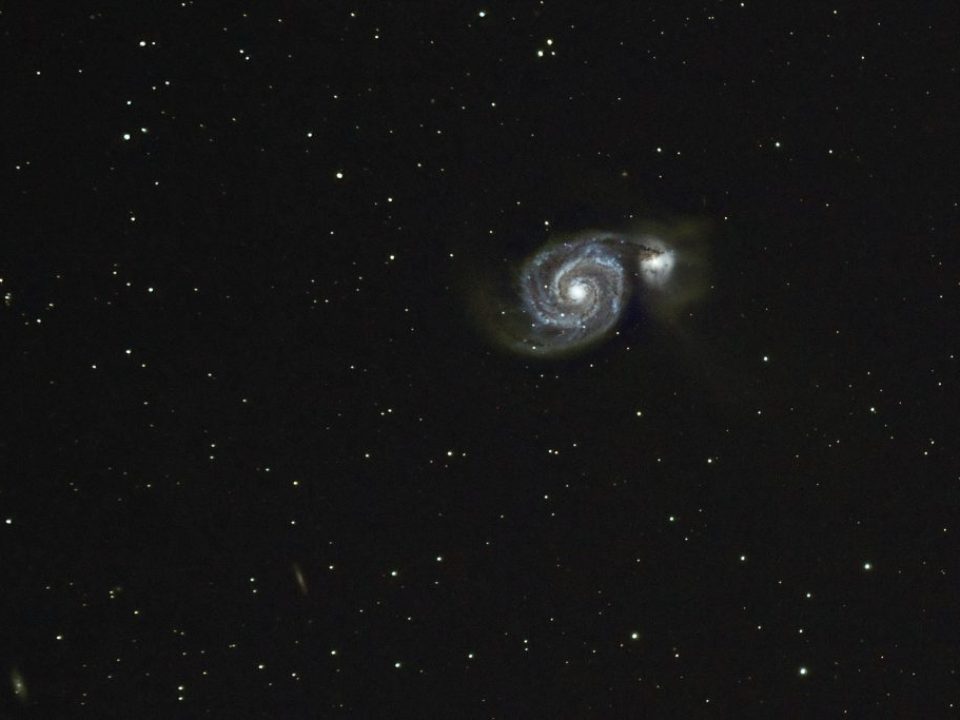
How do astronomers discover and characterize exoplanets? It’s not as straightforward as spotting them with a telescope, like you do with stars on a clear night in a park. In this presentation, Max will delve into the methods astronomers employ to measure various aspects of exoplanets, primarily by observing their impact on their host stars. He’ll also share his research on exoplanets conducted using the WIYN 3.5m telescope at Kitt Peak, Arizona.
As soon as MAS officially formed in early 1935, one of the first things its founders did was establish a newsletter. They recognized the significance of communication with members, the ability to share information, and the creation of a lasting record that would recount the group’s story to future generations. MAS is happy to continue this tradition today with the Capitol Skies. If you would like to be a contributor, contact editor Jack Fitzmier, atmadisonastro.info@gmail.com.
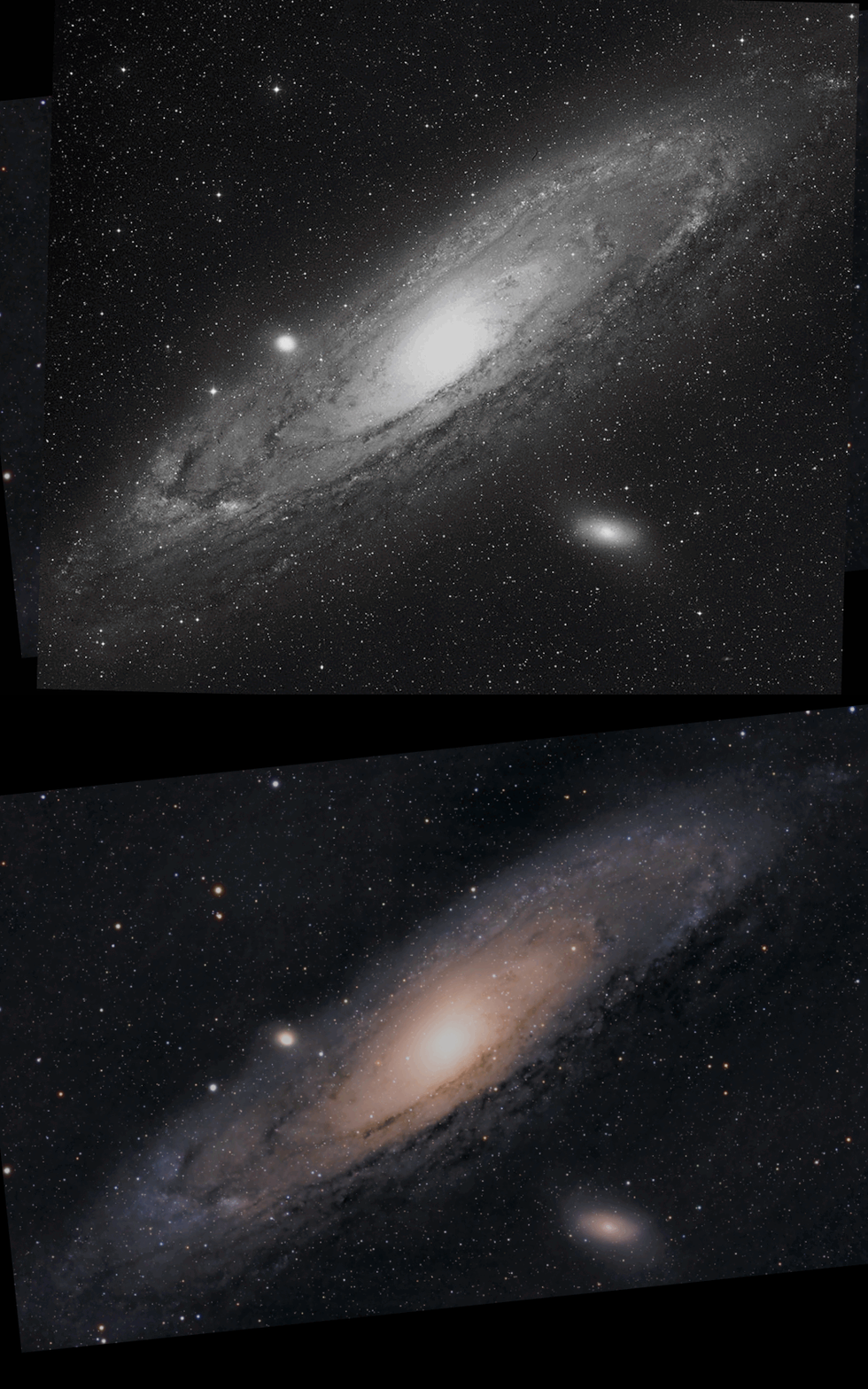
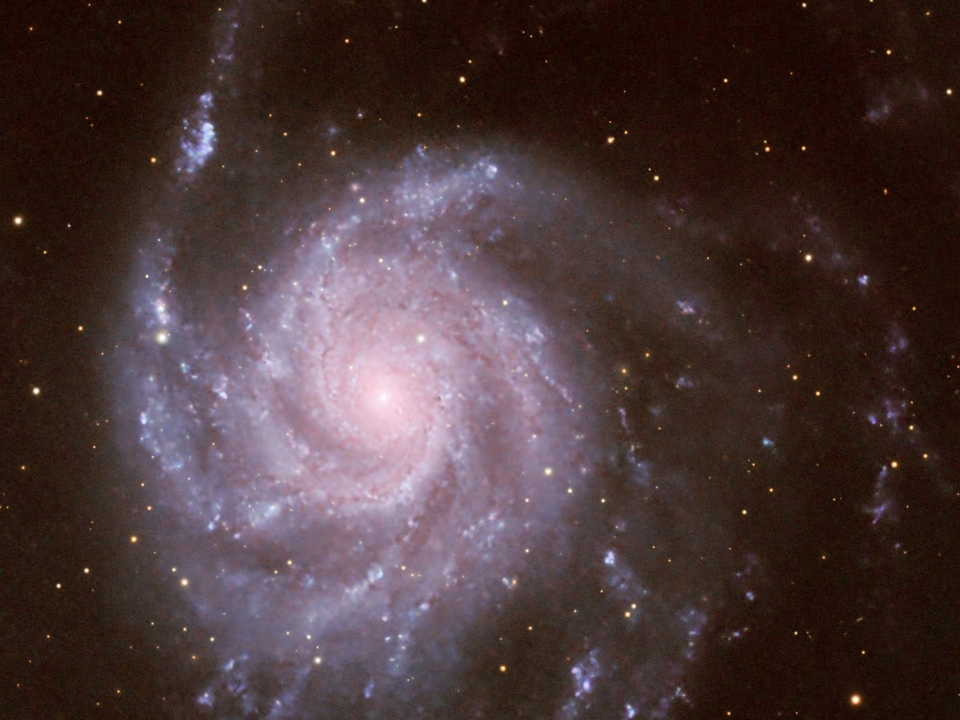
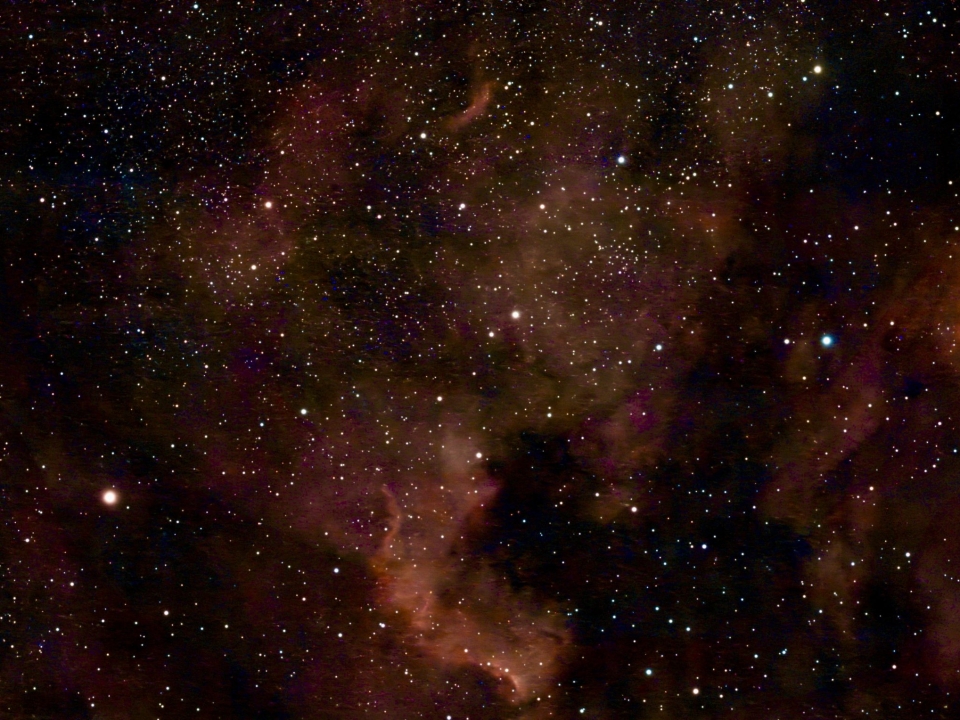
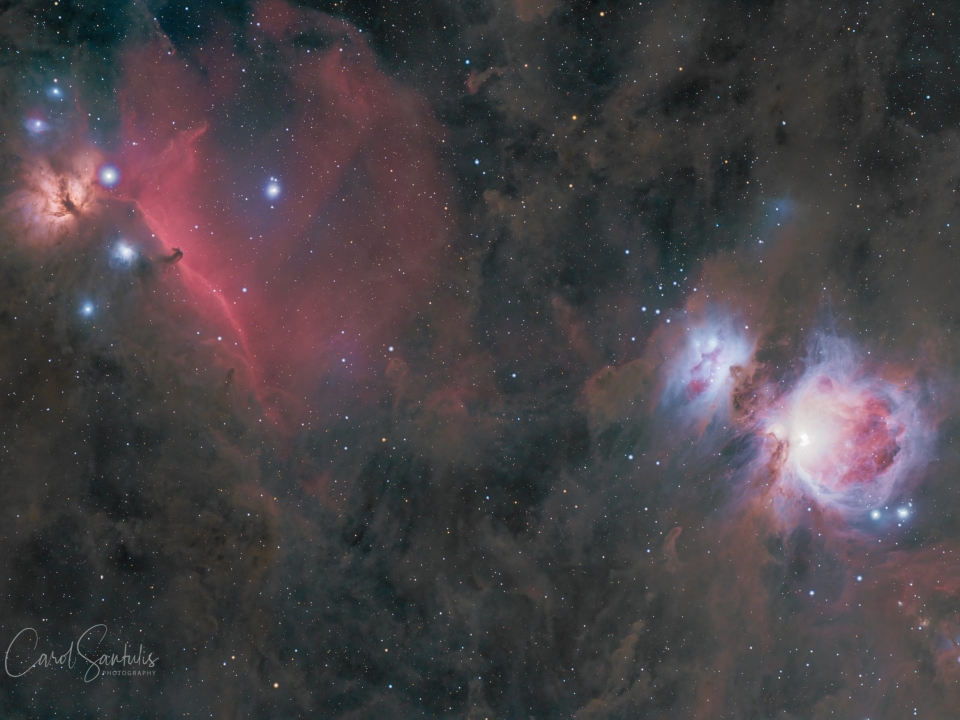
Sometimes I like to sit back and marvel at the remarkable progress our hobby has seen over the past half century or so. Technology has revolutionized everything, but perhaps nothing has changed more profoundly than astrophotography.
For the first time in nearly 30 years, MAS is looking for a new home for its monthly meetings.
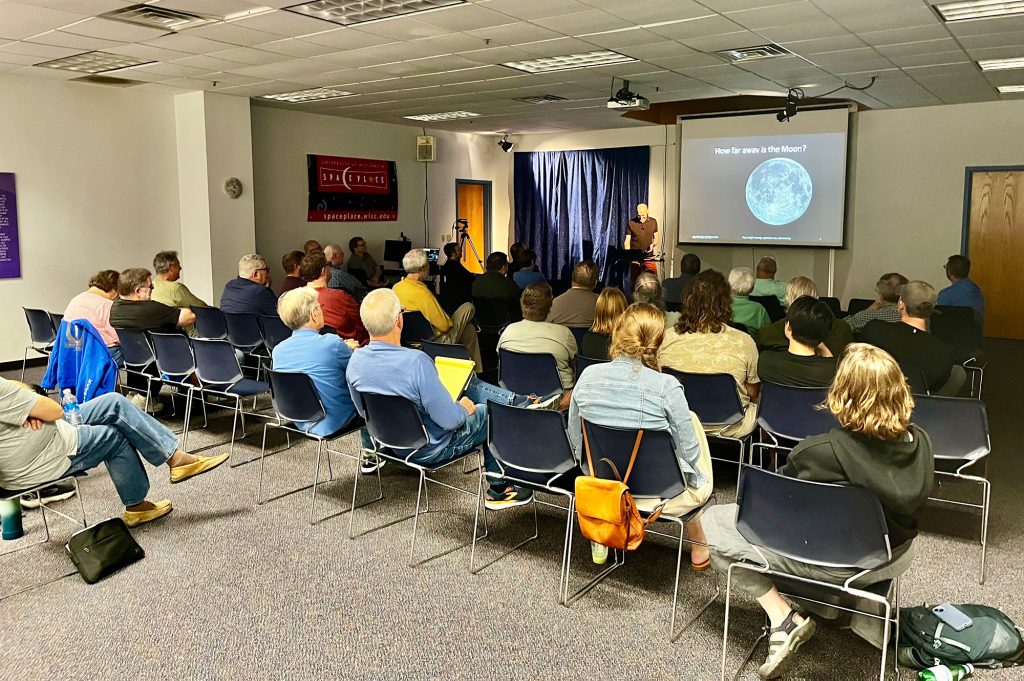
Space Place, which is the UW Astronomy Department’s home for outreach and education, will be closing its doors when the lease expires in June. According to Jim Lattis, the recently retired director of Space Place, the UW admin has been mulling this move for some time, and has finally made the decision to shutter the operation.
The Madison Astronomical Society has continuously operated as a club for over 90 years. But, like many organizations, we have paid only passing attention to documenting our own history.