



A
Species Profile

Ainu

Canis lupus familiaris

Snow-born hunter, loyal guardian
Cavan-Images/Shutterstock.com

Ainu Distribution

Click a location to explore more animals from that region

Origin Location

This map shows the native origin of the Ainu. As a domesticated species, they are now found worldwide.

Loading map...

Found in 1 country

Size Comparison

Human 5'8"
Ainu 1 ft 7 in

Ainu stands at 28% of average human height.

At a Glance

Domesticated
Also Known As Hokkaido Inu, Ainu Dog
Diet Omnivore
Activity Crepuscular+
Lifespan 13 years
Weight 30 lbs
Status Not Evaluated
Did You Know?

Also called the Ainu dog; "Hokkaido" is the official breed name used in Japan.

Scientific Classification

The Hokkaido Dog (Ainu-ken) is a Japanese dog breed (domestic dog) developed in Hokkaidō, historically used for hunting (including large game) and valued for hardiness in cold climates.

Kingdom
Animalia
Phylum
Chordata
Class
Mammalia
Order
Carnivora
Family
Canidae
Genus
Canis
Species
Canis lupus familiaris

Distinguishing Features

  • Spitz-type build with erect triangular ears
  • Thick double coat adapted to cold weather
  • Curled or sickle-shaped tail carried over the back
  • Typically medium size; robust and agile
  • Often described as bold, resilient, and strongly bonded to handlers

Physical Measurements

Males and females differ in size

Height
1 ft 8 in (1 ft 7 in – 1 ft 8 in)
1 ft 7 in (1 ft 6 in – 1 ft 7 in)
Length
2 ft 11 in (2 ft 7 in – 3 ft 3 in)
2 ft 8 in (2 ft 6 in – 2 ft 11 in)
Weight
55 lbs (44 lbs – 66 lbs)
46 lbs (40 lbs – 55 lbs)
Tail Length
11 in (9 in – 1 ft 1 in)
8 in (7 in – 10 in)
Top Speed
28 mph

Appearance

Primary Colors
Secondary Colors
Skin Type Domestic dog skin with typically dark/pigmented points (nose/lip/eye rims) and a harsh weather-resistant outer coat over a very dense insulating undercoat adapted to Hokkaido winters; moderate seasonal shedding ("blowing coat").
Distinctive Features
  • Breed identity/species context: Ainu-ken (Ainu dog) = Hokkaido Dog, a Japanese domestic dog breed within Canidae (Canis lupus familiaris), selectively developed for cold-climate hardiness and hunting rather than a wild canid.
  • Compact, muscular, medium-sized spitz build with strong bone; bred for stamina, sure-footedness, and endurance in rugged terrain and snow.
  • Thick double coat (harsh guard hairs + dense undercoat) providing notable cold tolerance compared with many other domestic dog breeds.
  • Erect triangular ears set forward; wedge-shaped head with keen expression; strong neck and chest supporting athletic movement.
  • Tail thick and well-furred, carried curled or sickle over the back-typical spitz hallmark.
  • Temperament/working distinction: historically used for hunting (including large game) and tracking; tends to be alert, courageous, independent, and loyal-often more reserved with strangers than many companion-focused breeds.
  • Care requirements: needs consistent daily exercise and mental work (scent games, hiking, structured training); can become bored/destructive without outlets.
  • Coat care: weekly brushing most of the year; more frequent grooming during heavy seasonal shedding; avoid shaving (coat is functional insulation and weather protection).
  • Training/handling: benefits from early socialization and positive, firm consistency; strong prey drive may require leash reliability and secure fencing.
  • Health concerns common to many spitz and medium breeds include hip dysplasia, patellar luxation, and eye problems (cataracts, PRA); eye screening recommended. Some lines have hypothyroidism or allergies. Keep a healthy weight to protect joints.
  • Environmental tolerance: generally robust in cold weather; in warm climates needs shade, hydration, and heat management due to dense coat.

Sexual Dimorphism

Sexual dimorphism is typically mild-to-moderate as in many domestic dogs: males trend larger and more robust, females slightly lighter and finer in head/neck and overall outline.

  • Larger frame and heavier bone on average; broader head and stronger neck/shoulder muscling.
  • Often a more pronounced 'ruff'/neck coat effect when in full winter coat (varies by individual).
  • Slightly smaller, lighter build with a more refined head and narrower chest on average.
  • Overall outline can appear more agile/fine-boned while retaining the breed's compact spitz structure.

Did You Know?

Also called the Ainu dog; "Hokkaido" is the official breed name used in Japan.

Designated a Natural Monument of Japan (1937), recognizing its cultural and historical value.

Bred to work in deep snow and severe cold-thick double coat and compact, efficient build.

Historically used by Ainu and other hunters for large game (notably bear) and for tracking in rugged terrain.

A classic Japanese spitz type: prick ears, curled tail, wedge-shaped head, and keen expression.

Known for strong loyalty and protective instincts-often reserved with strangers but devoted to family.

Unique Adaptations

  • Cold-climate toolkit: dense insulating double coat and small, thick ears that reduce heat loss compared with many breeds.
  • Sure-footed movement and strong hindquarters suited for uneven, icy ground and steep terrain.
  • Efficient, compact spitz build that conserves energy over long distances in harsh weather.
  • High stamina and pain tolerance historically selected for demanding hunts-requires thoughtful conditioning and safety today.
  • Keen sensory orientation (sight + scent), useful for locating moving game in low-visibility snow conditions.

Interesting Behaviors

  • Scent-led "quartering" while searching: zig-zagging and looping as it follows odor in wind and snow.
  • Tight bonding and "shadowing" a trusted person, reflecting its history as a one-handler working dog.
  • Alert watchfulness: quick to posture and vocalize at unfamiliar approaches, then settle once assessed.
  • High problem-solving drive-will test boundaries, open latches, or find alternate routes if under-stimulated.
  • Seasonal heavy shedding ("blowing coat"), often in dramatic bursts typical of northern spitz breeds.

Cultural Significance

The Hokkaido (Ainu dog) (Canis lupus familiaris) is connected to northern Japan and the Ainu people. It became a tough hunting and guard dog in snowy mountains. Named a Natural Monument of Japan in 1937, it stands for strength, loyalty, and people-and-dog partnership in harsh climates.

Myths & Legends

Ainu bear-hunt tradition (traditional bear-sending ceremony context): historical accounts and oral traditions describe hardy hunting dogs assisting hunters during dangerous bear pursuits, with valued dogs treated as respected partners rather than mere tools.

Naming lineage: "Ainu dog" persists as a traditional name tied to Hokkaido's Indigenous culture, reflecting an origin story of a dog shaped by northern life and hunting needs rather than courtly breeding.

In Japan, stories call the Hokkaido Dog (Ainu-ken) the "snow dog"—a loyal guide in blizzards, leading hunters home or holding ground against bigger animals in deep snow, told as frontier-era tales.

Conservation Status

NE Not Evaluated

Has not yet been evaluated against the criteria.

Population Stable

Life Cycle

Birth 5 pups
Lifespan 13 years

Lifespan

In the Wild 11–15 years
In Captivity 11–15 years

Reproduction

Mating System Polygyny
Social Structure Managed Domestic
Breeding Pattern Not Applicable
Fertilization Managed Selective
Birth Type Internal_fertilization

Hokkaido Dog (Ainu-ken) (Canis lupus familiaris) breed is bred under human control. Mating is planned; few males may sire many litters (popular-sire). No pair bonds. Breeders use health tests and sometimes artificial insemination.

Behavior & Ecology

Social Pack Group: 3
Activity Crepuscular, Diurnal, Cathemeral
Diet Omnivore Fish- or meat-forward meals (e.g., salmon/whitefish or lean game meats)

Temperament

Loyal, strongly bonded to in-group (family/handler); often reserved or cautious with strangers (breed-typical spitz/primal temperament)
Alert and territorial; can be protective/guardy-benefits from early socialization and clear household rules to prevent over-vigilance
Courageous and persistent; historically used for hunting large game in harsh climates (distinguishes it from many companion-only domestic dog lineages)
Independent problem-solver with high prey drive; may chase wildlife/cats-secure fencing and leash reliability are important
Trainable but can be stubborn; responds best to consistent, reward-based training with firm boundaries (heavy-handed methods may increase avoidance or reactivity)
Typically athletic with high exercise needs (long walks, hikes, scent work); under-exercise increases barking, escape attempts, and destructiveness
Generally hardy and cold-tolerant (dense double coat); heat sensitivity can be higher-requires shade, water, and reduced exertion in hot/humid weather
Alert, loyal, and dignified
Care/grooming: heavy seasonal shedding; routine brushing and coat blowout management needed; avoid shaving double coat (impairs thermoregulation)
Hokkaido Dog may have hip dysplasia (screening advised), less common patellar luxation, eye problems like cataracts or PRA (screening), and some skin or allergy issues; keep them lean to protect joints.

Communication

Barking Alert/territorial announcements; can escalate with boredom or insufficient exercise
Growling Boundary-setting/guarding; important to heed as communication rather than punish
Whining/whimpering Arousal, anticipation, separation-related distress
Howling Less frequent than in some northern breeds but present; can occur with excitement or social triggers
Scent marking Urine marking; more frequent in intact animals and in novel environments
Body language: upright/forward posture, tail carriage changes, hackles Arousal/alertness), freezing or head turns (stress signals
Mouth and muzzle behaviors: lip licking, yawning, panting Stress/appeasement), muzzle nudge (attention-seeking
Pawing, leaning, and blocking Affiliative contact or resource/space control depending on context
Play signals: play bow, bouncy approach; can switch quickly from play to chase due to prey-drive-supervision recommended with small animals

Habitat

Coniferous Forest Deciduous Forest Woodland Mountain Tundra Alpine Meadow Shrubland Wetland River/Stream Coastal Urban Agricultural/Farmland Desert +7
Biomes:
Boreal Forest (Taiga) Temperate Forest Tundra Alpine Temperate Grassland Wetland Desert Hot Desert Cold Mediterranean Tropical Rainforest Tropical Dry Forest Savanna Freshwater Marine +8
Terrain:
Island Mountainous Hilly Plains Coastal Volcanic
Elevation: Up to 16404 ft 3 in

Ecological Role

Domesticated omnivorous canid; human-associated hunting/working companion with mesopredator-like feeding tendencies when free-ranging.

assists humans in hunting and game tracking (historical/working role) can reduce local rodent pests around settlements (when not strictly controlled) scavenges/consumes human-provided food waste in free-ranging contexts (limited sanitation role) provides cultural and companionship value; supports human livelihoods through working-dog functions

Diet Details

Main Prey:
Small mammals Ground-nesting birds and eggs Fish and other aquatic animals Deer and boar-sized game
Other Foods:
Berries and wild fruits Grasses and sedges Roots and tubers Mushrooms Human-provided plant foods

Human Interaction

Domestication Status

Domesticated

Domestic dog (Canis lupus familiaris) was shaped by long human breeding for work and companionship. The Hokkaido (Ainu-ken), a Japanese spitz from Hokkaido kept by the Ainu, was bred as a hardy cold-climate hunting dog. It is tough, independent, thick-coated, high in prey drive, loyal to family, and more work-focused than pet breeds.

Danger Level

Moderate
  • Bite risk typical of medium spitz/working breeds if under-socialized, fearful, or poorly managed around strangers/children
  • Higher likelihood of conflict with other dogs or small animals due to prey drive and same-sex selectivity in some individuals
  • Escaping/roaming risk if bored or insufficiently contained; can lead to nuisance behavior or incidental confrontations
  • Not inherently dangerous, but requires experienced handling, early socialization, reliable recall training, and secure fencing

As a Pet

Suitable as Pet

Legality: Mostly legal to own a Hokkaido Dog (Ainu-ken) (Canis lupus familiaris). Follow local dog laws like licenses and leashes; rare dangerous dog rules may apply. Import may need health papers, shots, or quarantine.

Care Level: Experienced

Purchase Cost: $1,500 - $4,500
Lifetime Cost: $18,000 - $45,000

Economic Value

Uses:
Companion animal Working/hunting dog Breeding and kennel clubs Dog sports and training services Veterinary and pet care services
Products:
  • puppies from registered breeders
  • training (obedience, recall, behavior support)
  • premium nutrition appropriate for active spitz-type dogs
  • winter/outdoor gear (boots, coats as needed, GPS collars for hiking)
  • grooming tools for double-coat shedding (rakes, undercoat combs)
  • veterinary care including orthopedic and eye evaluations

Relationships

Predators 5

Hokkaido brown bear Ursus arctos yesoensis
Gray wolf Canis lupus
Coyote Canis latrans
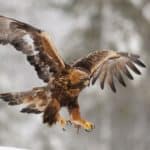
Golden eagle Aquila chrysaetos
Human Homo sapiens

Related Species 9

Gray wolf Canis lupus Shared Genus
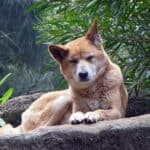
Dingo Canis lupus dingo Shared Species
Coyote Canis latrans Shared Genus
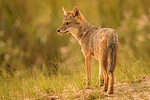
Golden jackal Canis aureus Shared Genus
Ethiopian wolf Canis simensis Shared Genus
Red fox Vulpes vulpes Shared Family
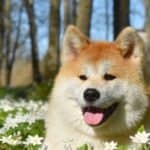
Akita Inu Canis lupus familiaris Shared Species
Shiba Inu Canis lupus familiaris Shared Species
Japanese Spitz Canis lupus familiaris Shared Species

Ecological Equivalents 6

Animals that fill a similar ecological role in their ecosystem

Karelian Bear Dog Canis lupus familiaris Similar niche as a hardy spitz-type large-game hunting dog used to confront and hold dangerous wildlife (notably bears); exhibits high courage, stamina, and close teamwork with handlers.
Siberian Husky Canis lupus familiaris Adapted to cold climates with a dense double coat; exhibits high endurance and independence. Although more sled-oriented than hunting-focused, husbandry needs—exercise, coat care, and cold tolerance—overlap strongly.
Alaskan Malamute Canis lupus familiaris Large, cold-hardy northern spitz with strength, endurance, and a thick coat. Presents comparable management challenges (heavy shedding, need for structured activity), though typically less specialized for agile hunting.
Kishu Ken Canis lupus familiaris Japanese hunting spitz with a similar working style (tracking, pursuit, and bay/hold), high prey drive, and a reserved temperament. Often compared in training approach and management.
Gray wolf Canis lupus Ecological analogue: a medium-to-large canid predator with high endurance and cooperative hunting potential. Hokkaido's historic big-game role reflects selection for some wolf-like functional traits (hardiness, stamina, boldness).
Ezo red fox Vulpes vulpes schrencki Native to Hokkaido and adapted to cold, snowy areas. It shares habitat with other Hokkaido canids and with the Ainu-ken, a domestic canid the Ainu used to hunt Hokkaido brown bear and sika deer.

Quick Take

  • These centuries-old protectors achieve a lethal defense capability against native bears.
  • The Collie eye anomaly mutation causes underdeveloped eyes, creating a critical diagnostic hurdle for puppies.
  • This Japanese breed features a surprising zero-odor profile despite its thick double coat.
  • The Hokkaido Ken Hozonkai mandates live bear tests to resolve temperament uncertainty during preservation.

These strong, loyal, and dedicated pets are known for being extremely devoted to their owners and are often sought out as lifelong companions. Ainu dogs have chipper, upbeat personalities that are well-suited to outdoor activities, but they’re also gentle enough to spend time in indoor environments. Although they’re primarily bred in Japan, these dogs are popular around the world and are often imported directly from native breeders.

The Ainu Dog is a devoted pet that will be right at your side for all of your adventures. If you’re looking for safety, affection, and companionship, the Japanese Ainu dog is an excellent choice.

The Ainu people were bear and deer hunters who lived in Japan in the 1100s, eventually settling in Hokkaido. To this day, these dogs will defend their owners from bears at any cost.

👁 A detailed infographic about the Ainu Dog (Hokkaido Ken) featuring breed statistics, history from the 1100s, and care instructions for diet, grooming, and exercise.
A protector so fierce it battles bears and a history so deep it's a national monument. This is why the Hokkaido Ken is Japan's most elite and rare guardian. © A-Z Animals

3 Pros and Cons of Owning

Pros!Cons!
Loyal and Devoted. Ainu dogs are known for being incredibly loyal. In fact, most Ainu dogs are hard to re-home because they never lose the attachment to their original owners.Exercise Needed. Ainu dogs need a lot of exercise and don’t do well in apartment settings. Your Seta dog will be happiest living in a house with a big yard.
Energetic and Playful. These dogs love to run, play, and go for long walks in the woods. You’ll never be bored with one of these fun-loving pups in your life.Dominant Personality. Ainu dogs like strong leadership. If they don’t feel like they can trust you, they may be unwilling to obey your commands. You can solve this by establishing a strong training bond early in your puppy’s life.
Clean and Tidy. Ainu dogs are incredibly clean pets with no distinguishable odor. Even though their coats are thick, they only have light shedding that can be easily managed with regular brushing.Older Kids Only. Ainu dogs have calm temperaments, but they don’t like small children. Ainu dogs can be around older children who know how to respect a dog’s boundaries.

History and Evolution

This breed is believed to be several centuries old and is closely connected to the Ainu people. Historically, the Yamato people of Japan pushed the Ainu out of their southern island and north to the northernmost Japanese island, Hokkaido. They brought their dogs with them, of course, and they ended up mixing with local breeds there.

These dogs adapted to their new location with thicker coats, strong jaws, and other robust characteristics. Because their masters were hunters of large game, the Ainu dog also developed fierce loyalty and bravery.

In 1937, the Hokkaido dog was designated as a Natural Monument of Japan, a measure taken to protect the breed. The Hokkaido Ken Hozonkai works to continue the Ainu breed’s appearance and temperament. They do this through shows and tests that involve interacting with live bears and determine how well the dogs behave.
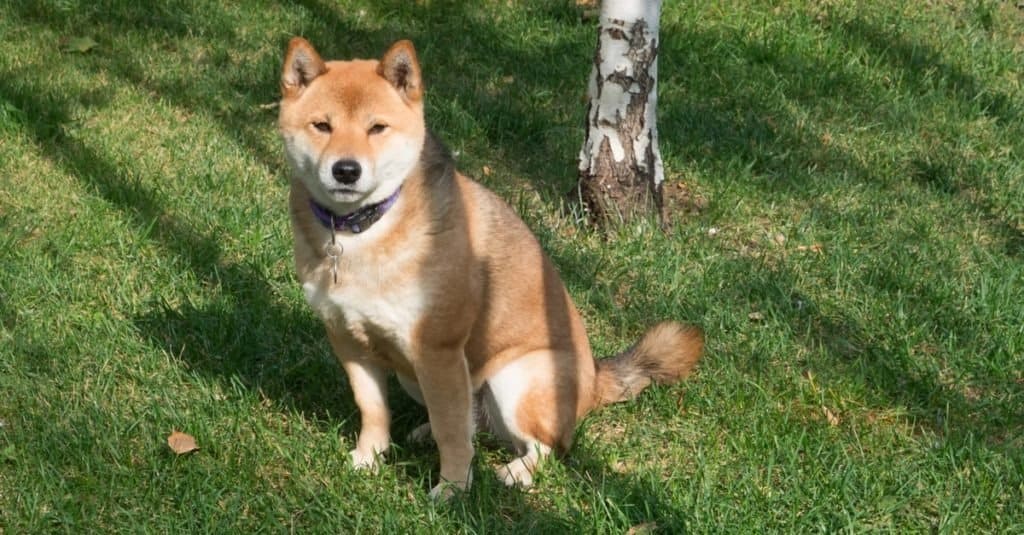
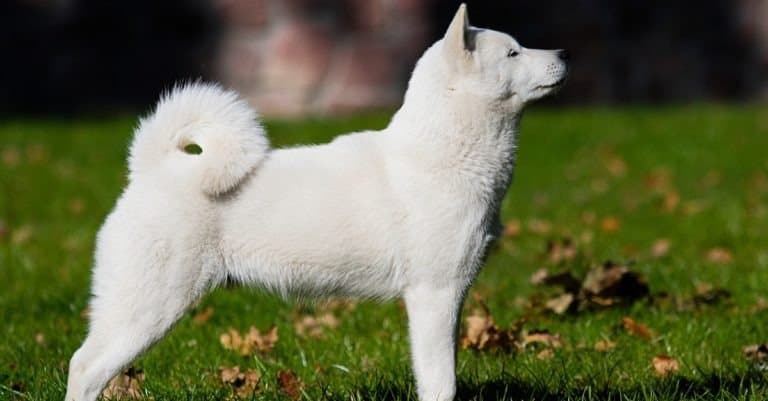
👁 Purebred hokkaido on a lawn.

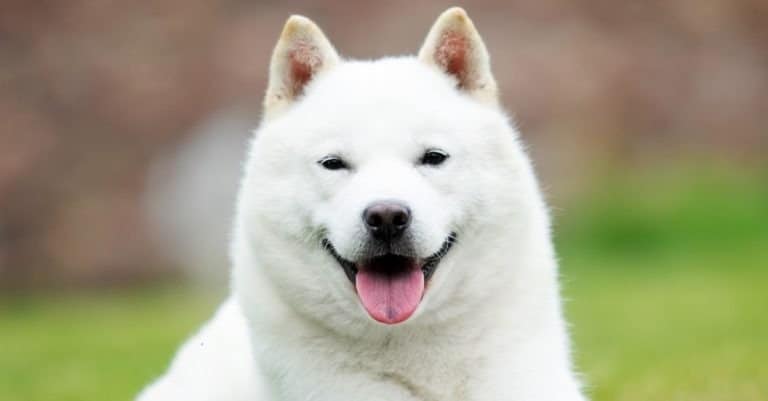
Even though their coats are thick, they only have light shedding that can be easily managed with regular brushing.

©alexeyart1/Shutterstock.com

Size and Weight

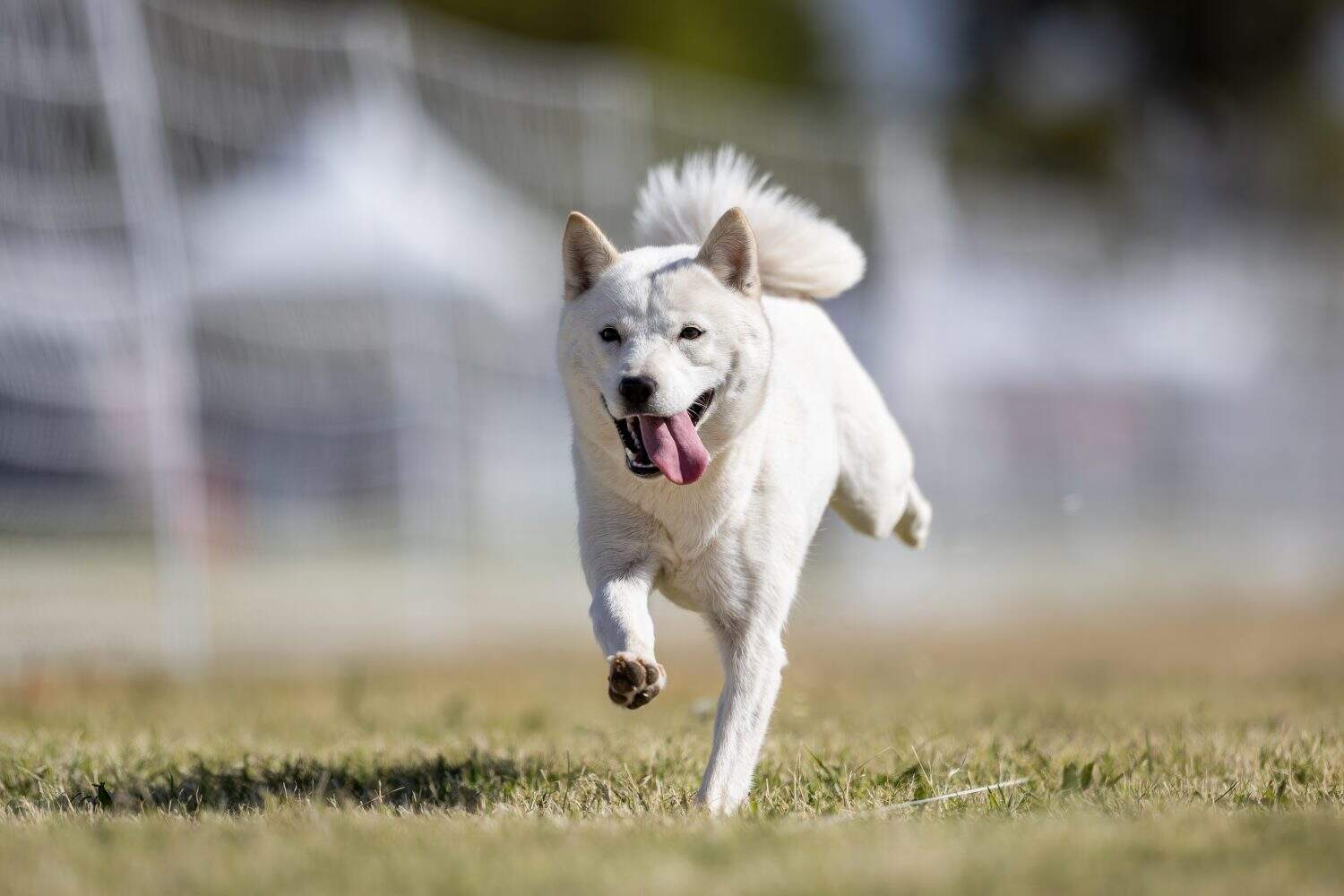
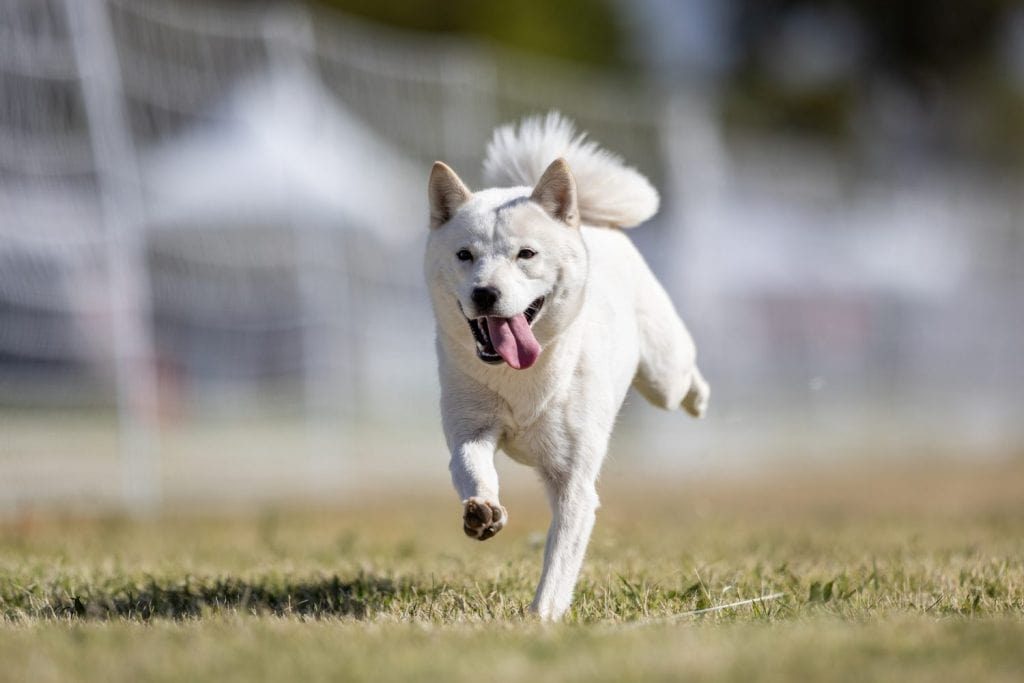
Ainu dogs are a medium breed with short but thick fur, sharply pointed ears, and distinctively curled tails. Most Ainu dogs stand between 18 and 20.5 inches in height, and they can weigh anywhere from 45 to 65 pounds. Female dogs are slightly smaller than male dogs; they usually weigh around 45 to 65 lbs and stand about 18 to 19 inches.
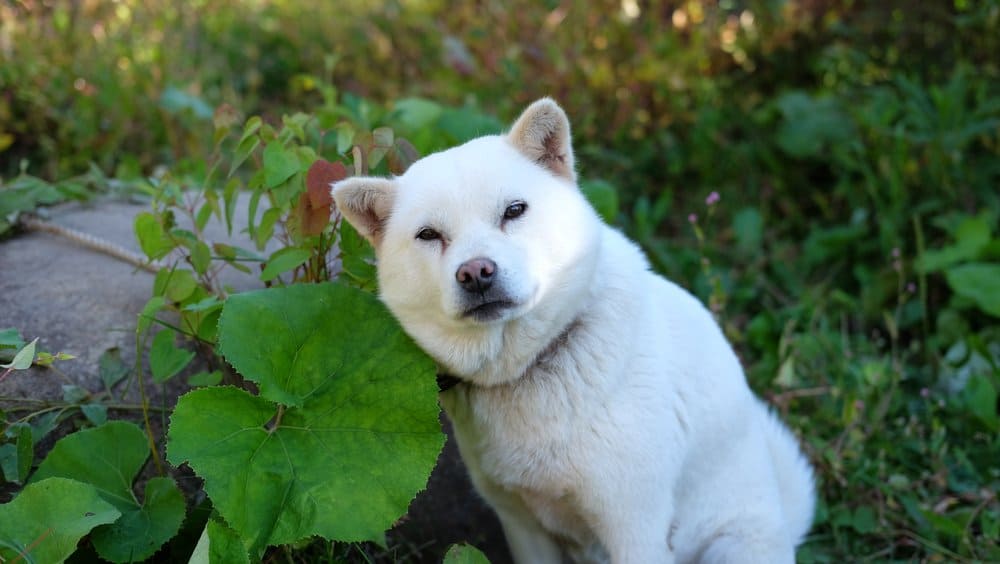
👁 Ainu dog (Canis familiaris) - ainu dog outside

Ainu dogs are a medium breed with short but thick fur, sharply pointed ears, and distinctively curled tails.

©Barbaux Nathan/Shutterstock.com

Common Health Issues

These dogs are incredibly healthy and are not known for having any breed-specific health issues. With that in mind, the dog can still suffer from some of the most common issues that impact adult dogs, including arthritis, hip dysplasia, and heart murmurs. Ainu dogs also occasionally suffer from collie eye anomaly, which is a rare mutation that can cause the eyes to be small and underdeveloped. Due to this condition, you should get an eye exam for your new puppy immediately after adoption.

Temperament and Behavior

These dogs are known for being incredibly loyal, attentive, brave, friendly, and intelligent. These dogs have extremely devoted personalities and will become completely attached to their original owners. Expect your dog to exhibit obedient and loving behaviors; most Ainu dogs follow their owners around the house and never want to be separated from the core members of the family.

These dogs were used as hunting dogs back in rural Japan. They are known for having a brave temperament that allows them to stand between their owner and a bear, but they’re also sweet enough to spend time with children and other animals. Ainu dogs love to play and make great companions for outdoor activities.
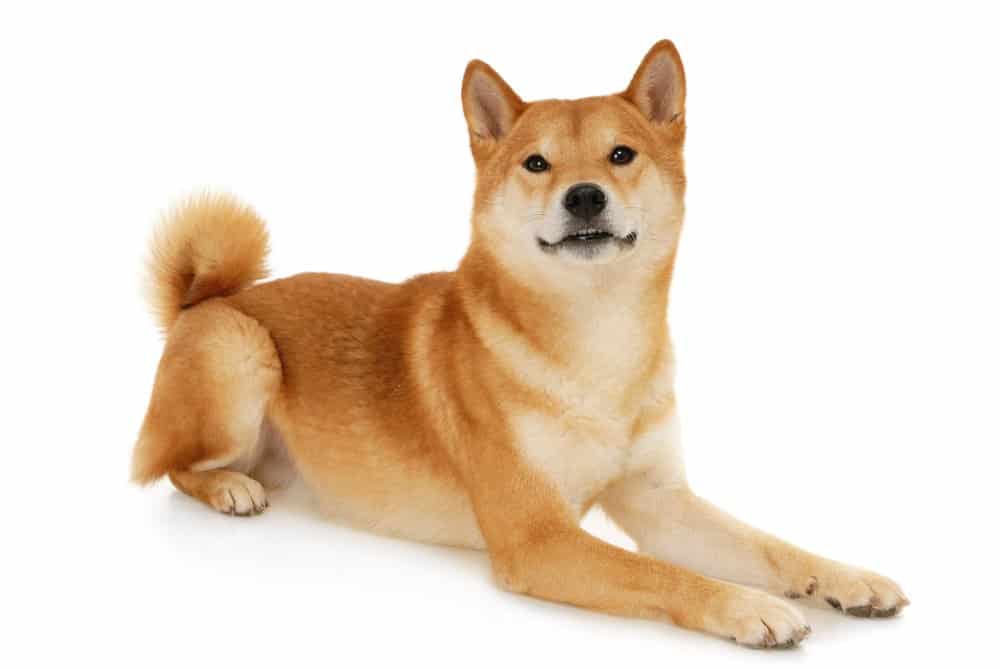
👁 Ainu dog (Canis familiaris) - on isolated background

They are known for having a brave temperament that allows them to stand between their owner and any threats, but they’re also sweet enough to spend time with children and other animals.

©steamroller_blues/Shutterstock.com

How to Care For Ainu Dogs

Hokkaido dogs are hunting dogs designed for cold climates. Because of this, your puppy will need plenty of exercise, regular training-style interactions, and consistent grooming. Luckily, these dogs are also extremely healthy; aside from standard vet visits, they usually won’t need much medical care.

The Best Dog Food

These dogs like to exercise a lot, so they may need more calories than other dogs of the same size. Look for a dog food that is high in protein and is suited to an active lifestyle. If you prefer to make homemade food for your dog, go with a mix of low-fat meats and hearty vegetables like green beans and carrots. Remember to consult your vet to make sure that your dog is getting the exact nutrition it needs to thrive.

Ideally, a well-formulated dog food will help protect Ainu dogs from their most common health concerns. So the best option for Ainu Dogs will be a food that supports the health of bones, joints, eyes, and heart.

Maintenance and Grooming

Hokkaido dogs have thick double coats that keep them warm in the winter. These coats have short hair, but they still need to be brushed regularly to prevent matting or extreme shedding. Expect to brush your Ainu dog at least twice a week, and bathe them every month.

Luckily, these dogs don’t need to visit the groomer to have their coats maintained. They naturally shed their winter coats when summer arrives; except in extreme circumstances, your dog should never need to be shaved. However, you will still want to take them in for regular nail trimmings, especially if your Ainu dog primarily lives indoors.
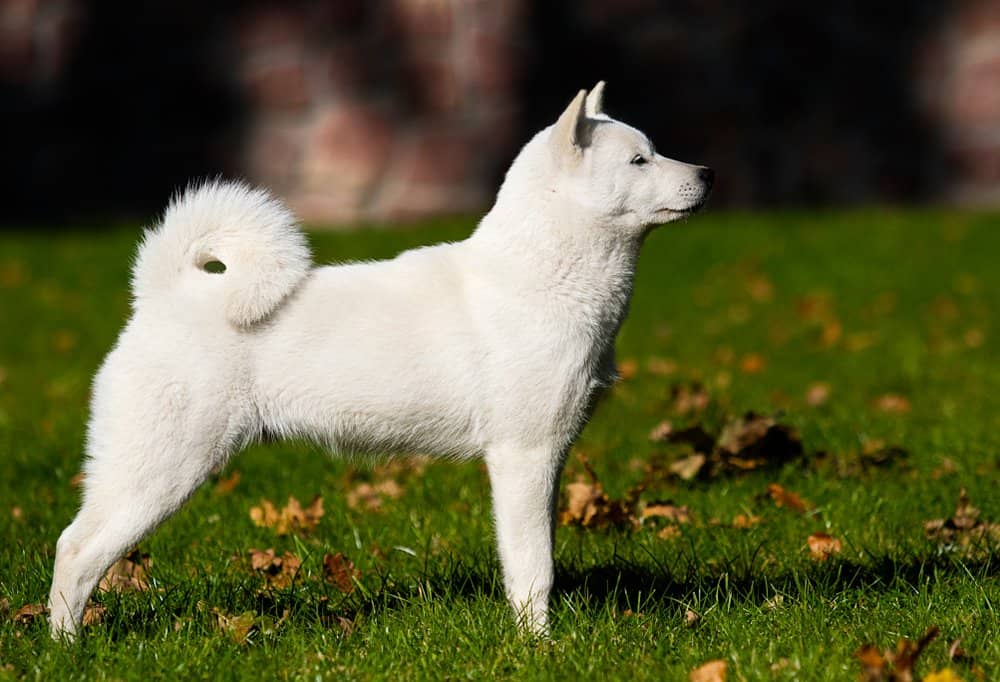
👁 Ainu dog (Canis familiaris) - white ainu dog

They naturally shed their winter coats when summer arrives; except in extreme circumstances, your dog should never need to be shaved.

©Happy monkey/Shutterstock.com

Training

These dogs are hunting dogs. They’re easy to train, but it’s recommended that you start their training early to make sure that your dog knows how to communicate with you. Because Hokkaido dogs are high-energy, they likely won’t be satisfied with knowing a small handful of commands. Instead, consider teaching your dog to play games, chase lures, and spend time with you in the great outdoors.

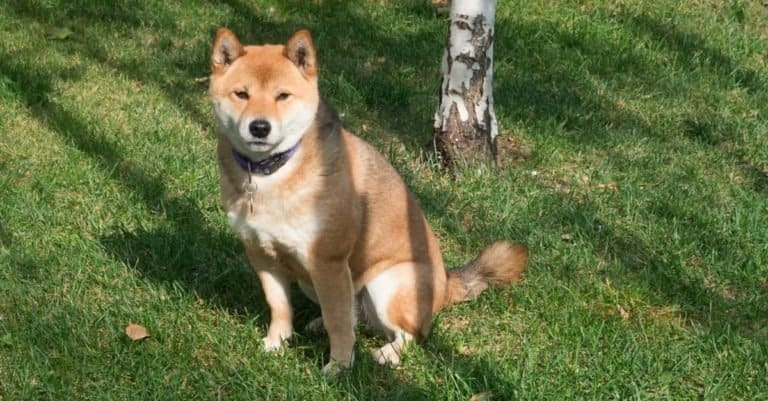
When it comes to training temperament, it’s important to understand that Hokkaido dogs respect strong leadership. These dogs will expect you to establish yourself as the alpha. If you don’t, your dog may try to assert leadership for the safety of the pack. This tendency can be counteracted by a trainer who gives direct commands and knows how to give off an aura of strength and confidence.

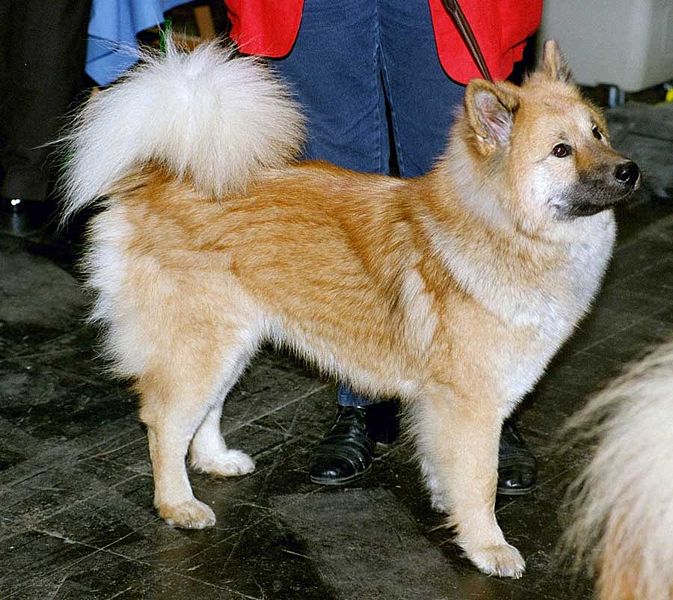
👁 Image

Hokkaido dogs respect strong leadership.

©User Jurriaan Schulman on en.wikipedia, CC BY-SA 3.0, via Wikimedia Commons – Original / License

Exercise

Hokkaido dogs need a moderate to high amount of exercise. These dogs do best when they have access to a yard or another place to run and play. In addition to free-roaming, you should also take your dog on a 30 to 40-minute walk every day; this time will allow you to bond with your pet and ensure that they’re burning off any excess energy. These dogs also love to play fetch, chase lures, and take part in other hunting-style activities.

Puppies

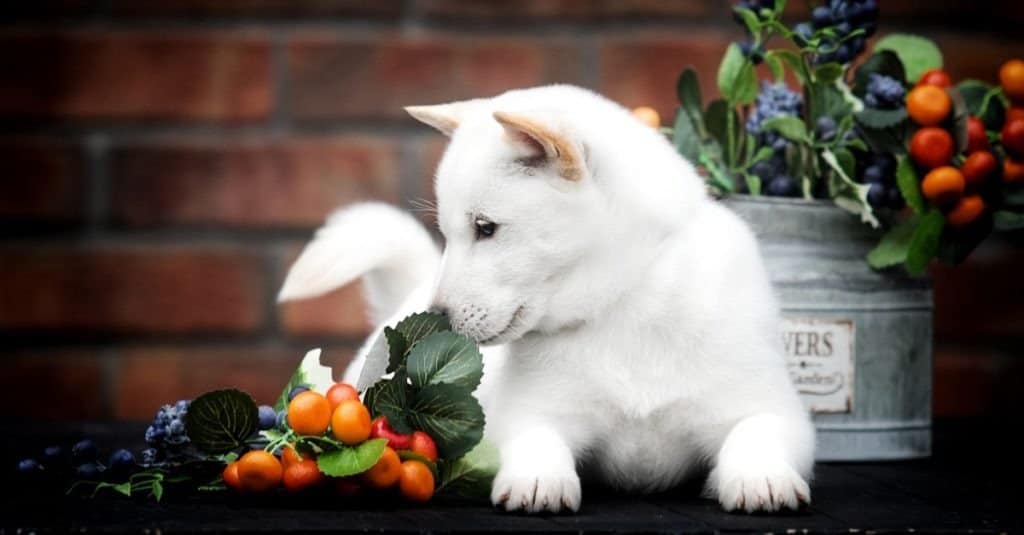
Ainu puppies are sweet but reserved and are likely to cling to their owners. Start training early, and be sure to establish a positive tone of leadership that allows your dog to feel safe in your presence.
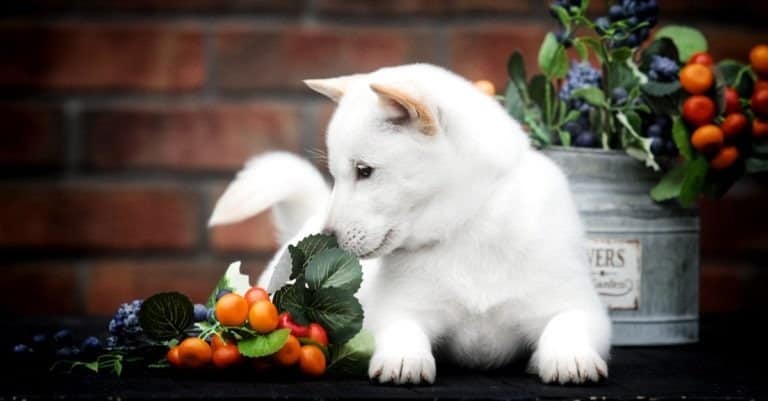
👁 hokkaido puppy sniffing flowers and berries

Start training early, and be sure to establish a positive tone of leadership that allows your dog to feel safe in your presence.

©Happy monkey/Shutterstock.com

With Children

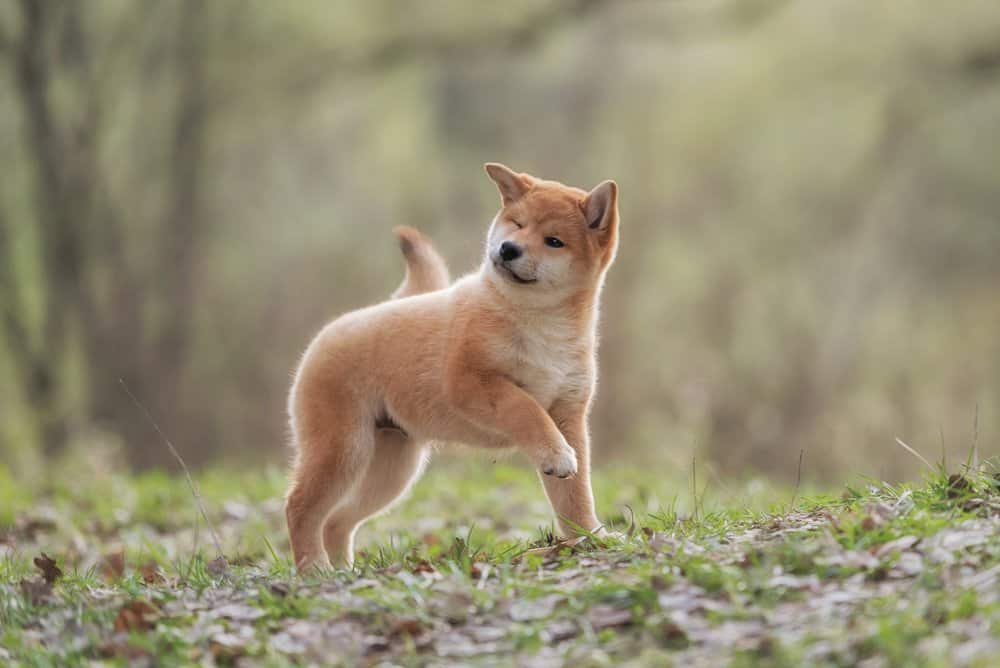
Ainu dogs are incredibly energetic hunting dogs. Although they have friendly personalities and can do well with older children, they don’t tend to get along with small children who do not know how to respect the dog’s space. If you’re adopting an Ainu dog into a family, make sure that the parents have time to train the dog and establish themselves as the primary owners. Once the Ainu dog is trained, they will be able to spend time with the entire family with no issues.
👁 Ainu dog (Canis familiaris) - puppy

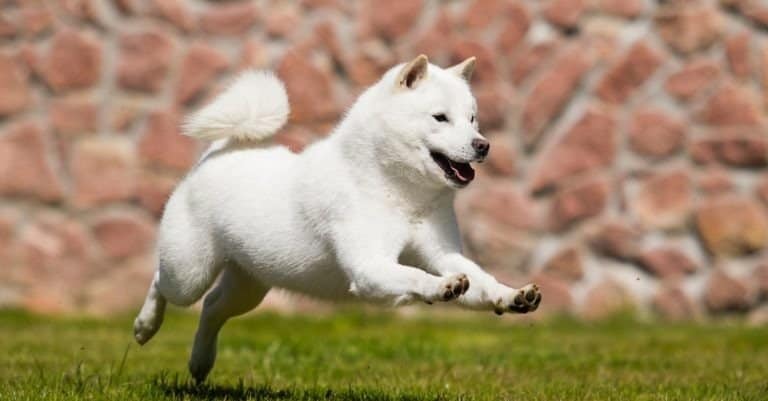
Ainu dogs are incredibly energetic hunting dogs.

©Ekaterina Brusnika/Shutterstock.com

Similar Dogs

Ainu dogs, also known as Hokkaido dogs or Seta dogs, are spitz-type dogs that are native to Japan. If you’re looking for a similar breed, try the Akita or Shiba Inu, both of which are Japanese spitz dogs. If you’re looking for a more traditional spitz dog, you could also adopt an American Eskimo.

  • Akita: Akitas are intelligent hunting dogs with long legs and gorgeous brindled coats. Although they’re naturally aggressive, Akitas are also known for being incredibly attached to their owners.
  • Shiba Inu: Shiba Inus are incredibly popular Japanese dogs with gold coats and signature faces. Shiba Inus are friendly, vocal, and the life of the party.
  • American Eskimo: American Eskimo dogs were bred in the Midwest in the 1800s. These fluffy white dogs are alert, vibrant, and energetic.
View all 325 animals that start with A

Sources

  1. Dog Breed Info / Accessed January 27, 2021
  2. Dogtime / Accessed January 27, 2021
  3. Wikipedia / Accessed January 27, 2021
  4. American Kennel Club / Accessed January 27, 2021
  5. Dog Breed List / Accessed January 27, 2021
  6. Dogzone / Accessed January 27, 2021
  7. Dog-sweet / Accessed January 27, 2021

About the Author

Heather Ross

Heather Ross is a secondary English teacher and mother of 2 humans, 2 tuxedo cats, and a golden doodle. In between taking the kids to soccer practice and grading papers, she enjoys reading and writing about all the animals!

Thank you for reading! Have some feedback for us?

Contact the AZ Animals editorial team

Related Articles You May Find Interesting

Would You Pay Fifty Thousand Dollars to Clone Your Dog? Here’s How It Works


Ainu FAQs (Frequently Asked Questions)

Ainu Dogs have sharply pointed ears and upturned tails.

Ainu dogs typically cost anywhere from $500 to $2,000 when purchased directly from the breeder. In addition to the price of the dog, you will also need to pay to have your Ainu puppy shipped to your location from Japan; this can add as much as $1,000 to the price tag.

Ainu dogs get along well with children and other animals. However, it’s still not smart to leave small children alone with any kind of dog, especially if they have not been around pets before.

Ainu dogs typically live anywhere from 11 to 15 years. Your Ainu dog will live longer if you watch their diet and allow them to live indoors, especially when they get older.

Ainu dogs are native to Japan, and most puppies are purchased directly from the island. However, you can also occasionally find Ainu breeders across Europe and the United States.

An Ainu dog, also known as a Hokkaido dog, is a breed of Spitz dog that is native to Japan. These dogs have pointed ears, curly tails, and highly distinctive faces.