



B
Species Profile

Burmese Python

Python bivittatus

Big, blotched, built to constrict
lunadoc/Shutterstock.com

At a Glance

Wild Species
Also Known As Burmese rock python, Everglades python, Florida python, Asian python
Diet Carnivore
Activity Nocturnal+
Lifespan 15 years
Weight 75 lbs
Status Vulnerable
Did You Know?

Typical adult length is ~3-5 m; exceptionally >5.5 m, with a verified Florida specimen at 5.74 m and 97.5 kg (Conservancy of SW Florida, 2023).

Scientific Classification

A large nonvenomous constrictor native to Southeast Asia, known for its heavy build and impressive length; widely kept in captivity and invasive in parts of the world (notably Florida).

Kingdom
Animalia
Phylum
Chordata
Class
Reptilia
Order
Squamata
Family
Pythonidae
Genus
Python
Species
bivittatus

Distinguishing Features

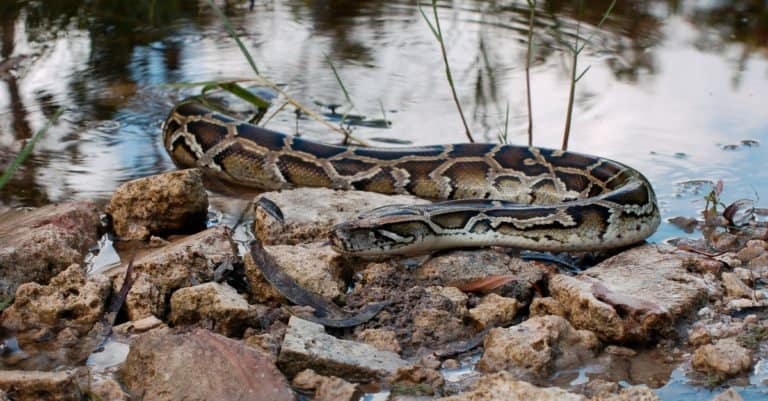
  • Very large, heavy-bodied python; adults commonly several meters long
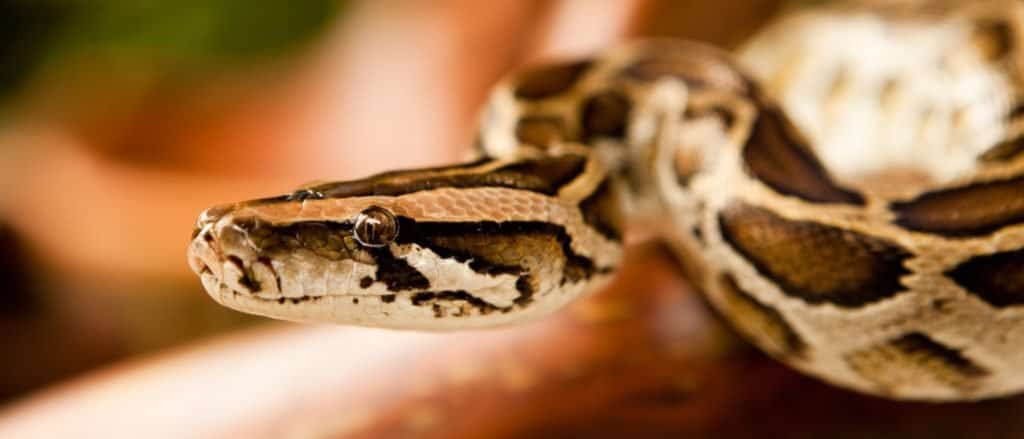
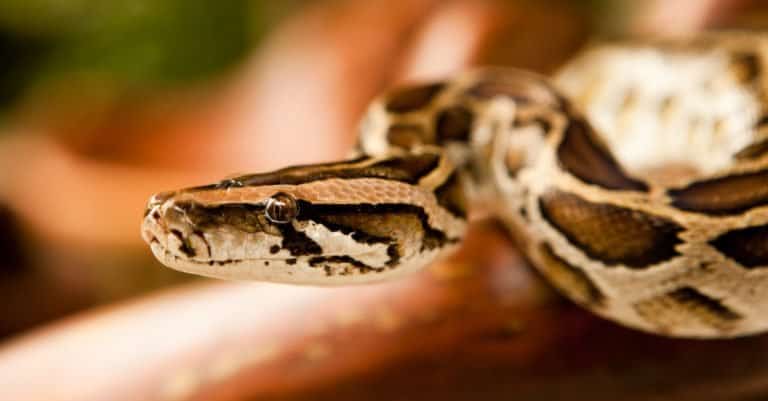
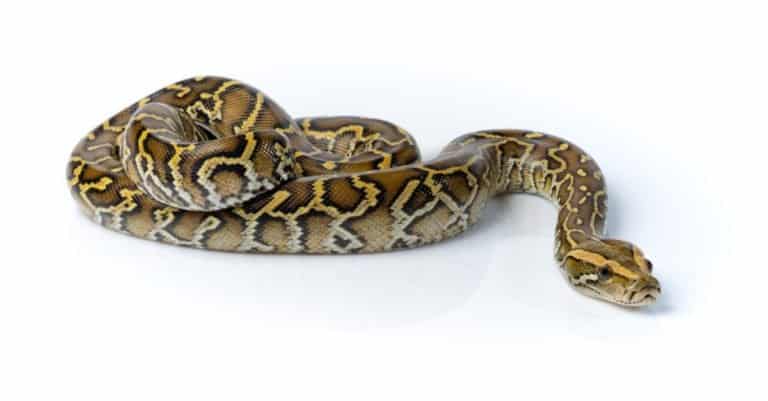
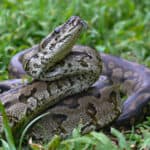
  • Brown/tan base color with dark, irregular blotches forming a netlike pattern
  • Heat-sensing labial pits along the lips typical of pythons
  • Nonvenomous; kills prey by constriction
  • Often confused with Indian python (Python molurus) due to historical taxonomy

Physical Measurements

Males and females differ in size

Length
โ™‚ 10 ft 6 in (7 ft 7 in โ€“ 14 ft 9 in)
โ™€ 11 ft 10 in (8 ft 6 in โ€“ 18 ft 10 in)
Weight
โ™‚ 55 lbs (22 lbs โ€“ 132 lbs)
โ™€ 99 lbs (33 lbs โ€“ 198 lbs)
Tail Length
โ™‚ 1 ft 6 in (12 in โ€“ 2 ft 4 in)
โ™€ 1 ft 4 in (12 in โ€“ 2 ft 1 in)
Top Speed
1 mph
About 1 mph (1.6 km/h)

Appearance

Primary Colors
Secondary Colors
Skin Type Dry, keratinized reptile skin covered in smooth, glossy, overlapping scales; enlarged ventral scutes for traction. Heat-sensing labial pits present along upper/lower lips (pythonid trait) for detecting warm-blooded prey.
Distinctive Features
  • Very large, heavy-bodied nonvenomous constrictor (Order Squamata: Family Pythonidae) with a broad, triangular head distinct from the neck.
  • Burmese python (Python bivittatus) adults are commonly about 3โ€“5 m long, with females often larger than males. Very large individuals over 5 m occur but are rare, often in captivity.
  • Ambush predator: usually remains still and strikes rapidly at close range; kills prey by constriction (coiling and tightening to stop circulation/respiration).
  • Labial heat pits (thermoreceptive organs) give a 'pitted' look to the lips; useful for hunting endothermic prey in low light.
  • Cloacal (pelvic) spurs present on both sexes-small, claw-like vestiges near the vent; often more pronounced in males and used during courtship.
  • Native range: Southeast Asia (e.g., Myanmar/Thailand/Laos/Cambodia/Vietnam and adjacent regions); invasive range includes southern Florida (notably the Everglades), where individuals often show the same species-typical saddle blotch pattern but may appear darker/lighter depending on local conditions.
  • Human interaction: widely traded in the pet and skin/leather industries; invasive populations are subject to management/control efforts due to predation impacts on native wildlife.

Sexual Dimorphism

Sexual size dimorphism is present: females typically attain greater total length and substantially greater mass than males; males often show proportionally longer tails and more prominent cloacal spurs used during courtship.

โ™‚
  • On average smaller-bodied than adult females (shorter and lighter at maturity).
  • Proportionally longer tail posterior to the cloaca; cloacal spurs often larger/more noticeable (used to stimulate females during mating).
โ™€
  • On average larger and heavier-bodied, with greater maximum size potential; larger girth is common in mature females.
  • During reproductive periods, gravid females may appear noticeably distended and may exhibit extended brooding behavior (coiling around eggs), though this is behavioral rather than a permanent external trait.

Did You Know?

Typical adult length is ~3-5 m; exceptionally >5.5 m, with a verified Florida specimen at 5.74 m and 97.5 kg (Conservancy of SW Florida, 2023).

Nonvenomous: it subdues prey by constriction, which can trigger rapid circulatory collapse in mammals (studied in Burmese pythons; Boback et al., 2015, J. Exp. Biol.).

After a large meal, oxygen consumption can spike to ~44ร— fasting levels-among the most extreme post-feeding metabolic surges known in vertebrates (Secor & Diamond, 1997).

Females lay large clutches-commonly ~12-36 eggs, with reports up to ~100 in very large females (various captive/natural-history records).

Lifespan commonly reaches ~20-25 years in captivity; individuals can exceed 30 years with long-term care (zoo/collection records).

In Florida's Everglades, mammal encounter rates declined sharply after python establishment (e.g., raccoon ~99.3%, opossum ~98.9%, bobcat ~87.5% declines in surveyed areas; Dorcas et al., 2012, PNAS).

Skin and pet trades have historically moved the species globally; escaped/released pets helped seed invasive populations in places like South Florida.

Unique Adaptations

  • Labial heat-sensing pits along the lips detect infrared radiation, improving prey detection in darkness or dense vegetation (a hallmark of pythons).
  • Extreme digestive plasticity: organs rapidly enlarge and intensify function after feeding, supporting the species' feast-or-famine lifestyle (well-studied in Burmese pythons; Secor & Diamond, 1997).
  • Highly extensible jaws and skin between lower jaw bones allow ingestion of very large prey relative to head size.
  • Backward-curved teeth help hold struggling prey during the initial bite and coil placement.
  • Powerful axial musculature and broad body profile deliver strong constriction force-reflected in the species' famously "heavy-bodied" build.
  • Camouflage pattern: dark brown blotches on a tan background break up the outline in leaf litter, forest edges, and marsh vegetation.

Interesting Behaviors

  • Ambush predation: typically remains motionless along game trails, wetland edges, or burrows, striking fast when prey comes within reach.
  • Constriction technique: coils tighten in synchrony with a prey animal's exhalations, quickly impairing circulation (documented experimentally in this species).
  • Opportunistic diet: takes birds and mammals (and occasionally reptiles), swallowing prey whole; feeding bouts are followed by long fasting periods.
  • Brooding/guarding: females coil around eggs through incubation, defending the clutch and regulating conditions by posture and muscular activity (brooding behavior is characteristic of large pythons).
  • Excellent swimmer: readily crosses canals and sloughs; in invaded wetlands it uses waterways as travel corridors.
  • Seasonal activity shifts (native vs. invasive range): in cooler periods in Florida, activity is reduced and basking increases compared with tropical native habitats.
  • Human-shaped behavior in invaded areas: individuals may use levees, road edges, and canal banks as warm, open travel routes-sites also targeted by control programs.

Cultural Significance

Burmese python (Python bivittatus) is a large nonvenomous snake known in Southeast Asia for being feared around livestock, helping control rodents, and for skins used in leather trade. As pets and in Florida as an invasive predator, it shaped wetland management and removal efforts.

Myths & Legends

In South and Southeast Asia, traditions of snake gods link large snakes like the Burmese python to rivers, rain, fertility, guarding treasure, and protecting sacred people and places.

Along the Mekong in Thailand and Laos, people tell of powerful serpent spirits like the Burmese python (Python bivittatus) living in deep water, surfacing or showing presence at festivals as sacred beings.

Cambodia's founding legend of Soma and Kaundinya tells of a serpent princess who marries a foreign traveler. Their snake line becomes part of kingship, a famous Southeast Asian serpent ancestor story showing snakes' cultural importance.

Indian cosmic serpent motifs tell of a great 'endless serpent' that holds up the universe. These stories cast snakes as keepers of cosmic order and shape regional views of large constrictors as ancient, powerful beings.

In parts of Southeast Asia, people sometimes see Burmese pythons or other big snakes near homes, granaries, or sacred trees as guardian spirits or omens, so they avoid harming them and offer rituals.

Conservation Status

VU Vulnerable

Facing a high risk of extinction in the wild.

Population Decreasing

Protected Under

  • CITES Appendix II (international trade regulated for Python bivittatus)
  • United States: Lacey Act (injurious wildlife listing; interstate transport restrictions for large constrictors, including Burmese python)
  • United States (Florida): Prohibited species regulations restricting possession/breeding/sale (state-level invasive-species controls)

Life Cycle

Birth 36 hatchlings
Lifespan 15 years

Lifespan

In the Wild 10โ€“25 years
In Captivity 15โ€“30 years

Reproduction

Mating System Polygynandry
Social Structure Aggregation Group
Breeding Pattern Seasonal
Fertilization Internal Fertilization
Birth Type Internal_fertilization

Burmese python (Python bivittatus) are usually solitary but gather briefly to breed. Males follow females by tongue-flicking; multiple males may mate with one female, a polygynandry system. Females lay and brood eggs (shivering thermogenesis); hatchlings get no care.

Behavior & Ecology

Social None (solitary; temporary breeding aggregation during mating season) Group: 1
Activity Nocturnal, Crepuscular, Cathemeral
Diet Carnivore Small-to-medium mammals-especially rodents and rabbits-are the most frequently taken prey where available (e.g., rodents and marsh rabbits in Florida diet studies).
Seasonal Hibernates

Temperament

Generally secretive/cryptic and avoidance-oriented; relies on concealment and remaining motionless as a primary antipredator strategy (Reed & Rodda 2009).
When threatened, can display defensive behaviors including hissing, body inflation, rapid striking, and biting; defensive responses are more common in juveniles and stressed individuals (Reed & Rodda 2009).
Brooding females show heightened nest-defense and reduced tolerance of disturbance while attending the clutch (Reed & Rodda 2009).
Burmese pythons are flexible in timing: often active at night and twilight but may be active by day to bask or hunt in cool seasons, showing cathemeral activity in native and Florida invasive areas.

Communication

Hissing produced by forceful exhalation, typically in defensive contexts Reed & Rodda 2009
Chemical communication is primary: tongue-flicking to sample airborne/substrate-borne cues and pheromones Skin lipids and cloacal secretions), important for mate searching and reproductive timing; males can follow female scent trails (Reed & Rodda 2009; Mason 1992
Tactile signaling during courtship/mating: body rubbing/aligning and stimulation with pelvic spurs during copulatory behavior Reed & Rodda 2009
Postural/behavioral displays: coiling, head/neck elevation, body inflation, and strike feints convey threat state and can deter approach Reed & Rodda 2009
Male-male competitive interactions When multiple males converge on a female) can include ritualized combat/contest behavior typical of many large snakes, influencing access to females (Reed & Rodda 2009
Chemical defense Cloacal musk) may be released when handled or threatened, functioning as a deterrent signal (Reed & Rodda 2009

Habitat

Biomes:
Tropical Rainforest Tropical Dry Forest Wetland Freshwater Temperate Forest
Terrain:
Plains Valley Hilly Riverine Coastal Muddy
Elevation: Up to 4921 ft 3 in

Ecological Role

Large generalist predator (native-range upper-level predator; invasive-range novel apex/mesopredator) that can strongly restructure vertebrate communities.

Top-down regulation of small-to-medium vertebrate populations (rodents, rabbits, birds) in native ecosystems In invasive ranges, can cause major reductions in native mammal and bird abundance and alter food webs (well documented in South Florida; e.g., Dorcas et al., 2012) Energy transfer within wetland/forest-edge food webs through infrequent but large predation events and long fasting intervals

Diet Details

Main Prey:
Rodents Lagomorph Medium-sized mammals Carnivores Ungulates Birds Reptiles +1

Human Interaction

Domestication Status

Wild

Burmese python (Python bivittatus) is a wild species, not domesticated. It is bred in captivity for the pet trade and hunted for skins and meat. Pet releases/escapes led to a large invasive population in southern Florida (Everglades), now being removed and managed. U.S. Lacey Act and CITES regulate trade.

Danger Level

High
  • Physical injury or death from constriction: adults can exceed ~3-5 m total length commonly reported for large individuals; maximum sizes are variously reported in the literature and husbandry references up to ~5.5-5.8 m and very high body mass (tens of kg), making unassisted handling hazardous. Fatalities have occurred in captivity (rare but documented in news/forensic case reports).
  • Bites and deep lacerations (numerous recurved teeth); secondary infection risk.
  • Zoonotic pathogens/parasites associated with reptiles (e.g., Salmonella spp. risk from fecal contamination; ectoparasites such as mites in captivity).
  • Public safety risk increases with improper housing/handling, inadequate enclosure security, and feeding/maintenance without trained assistance (standard safety guidance for large constrictors recommends multiple competent handlers for adult-sized animals).

As a Pet

Not Suitable as Pet

Legality: Legality of Burmese python (Python bivittatus) varies. CITES Appendix II limits trade. In the U.S. it's listed 'injurious' under the Lacey Act, blocking most imports and transport. Many areas ban or require permits, enclosures, insurance. Check local rules.

Care Level: Expert Only

Purchase Cost: $50 - $500
Lifetime Cost: $15,000 - $60,000

Economic Value

Uses:
Pet trade and captive breeding Leather/skins trade Meat (local consumption and markets in some regions) Invasive-species management economy (removal programs, control contracting, research)
Products:
  • live animals (pet market; captive-bred juveniles and morph lines)
  • tanned skins/leather goods (belts, bags, footwear)
  • meat and by-products in some local/regional markets
  • professional capture/removal services and bounty-style programs in invaded areas

Relationships

Predators 7

Human Homo sapiens
Saltwater crocodile Crocodylus porosus
Siamese crocodile Crocodylus siamensis
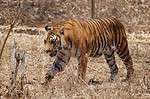
Bengal tiger Panthera tigris tigris
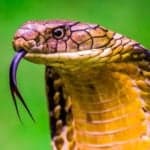
King cobra Ophiophagus hannah
Asian water monitor Varanus salvator
American alligator Alligator mississippiensis

Related Species 10

Indian python Python molurus Shared Genus
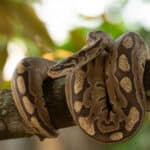
Ball python Python regius Shared Genus
African rock python Python sebae Shared Genus
Southern African python Python natalensis Shared Genus
Angolan python Python anchietae Shared Genus
Blood python Python brongersmai Shared Genus
Sumatran short-tailed python Python curtus Shared Genus
Borneo short-tailed python Python breitensteini Shared Genus
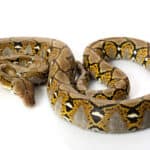
Reticulated python Malayopython reticulatus Shared Family
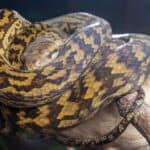
Amethystine python Simalia amethistina Shared Family

Ecological Equivalents 5

Animals that fill a similar ecological role in their ecosystem

Reticulated python Malayopython reticulatus Very large, nonvenomous, primarily ambush constrictor occupying tropical forests and edge habitats and taking similarly sized vertebrate prey. Overlaps strongly in ecology (large-body constrictor niche) across Southeast Asia. Reticulated pythons commonly exceed 4 m total length and also exploit human-modified landscapes.
Indian python Python molurus Closest look-alike and near-ecological analog within the same genus: a large-bodied, semi-terrestrial/semiaquatic constrictor that uses ambush predation on mammals and birds; similar reproductive strategyโ€”oviparity with maternal brooding and thermogenic shivering reported in pythons (classic accounts summarized in Hutchison et al.).
African rock python Python sebae Functional analog on another continent: a heavy-bodied ambush constrictor capable of taking large mammals; similar risk profile to a large apex/mesopredator snake with few predators as an adult.
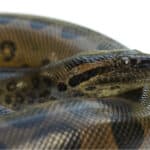
Green anaconda Eunectes murinus Ecological counterpart among boas: a very large, semiaquatic constrictor specializing in wetland and riverine habitats and preying on large vertebrates; shares a sit-and-wait/ambush foraging mode and similar trophic role.
Nile monitor Varanus niloticus Serves as an invasive-system analog (e.g., Florida): a large, generalist predator with strong impacts on native vertebrates; shares broad diet overlap (eggs, birds, small mammals) and uses aquatic edges, though it is a lizard and not a constrictor.

Burmese pythons have beautifully patterned skin and a rapid growth rate. For anyone looking to adopt a new reptile, the Burmese python should be reserved for individuals that have more experience with this type of animal. Far too many adopters end up neglecting them, releasing them into the wild instead.

By nature, the Burmese python wonโ€™t seek out humans to hunt and kill them. However, if they are mishandled or threatened, there is a risk of attack (though it is admittedly low). Of all of the Burmese pythons that live in Florida (where it is an invasive species), there are no human deaths currently reported. That said, you can consider them one of the worldโ€™s top apex predators.

These attacks are relatively common and can sometimes be deadly. They are one of the largest snake species in the world. The lifespan of Burmese pythons is around 20 years, but the record for the longest life was 28 years old. Albino Burmese pythons are known to be the most popular.
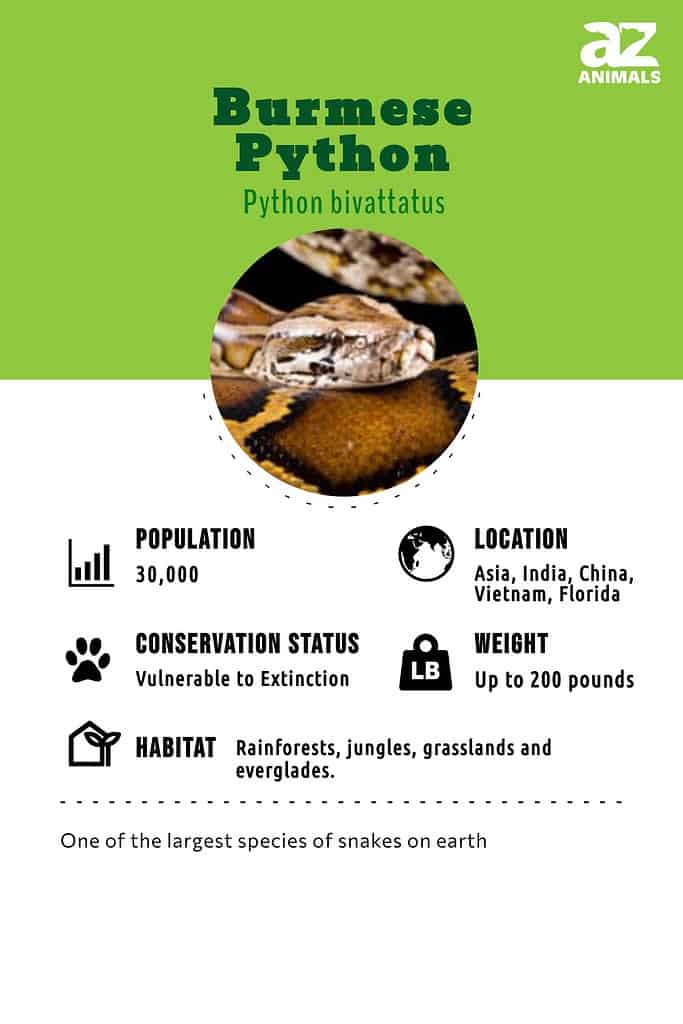
๐Ÿ‘ Burmese Python Infographic

5 Incredible Burmese Python Facts!

Here are a few interesting facts about the Burmese python:

  • The Burmese Python can have a girth as large as a telephone pole.
  • They have beautifully patterned skin, though the albino Burmese pythons are known to be the most popular.
  • Burmese pythons might be the best snake choice for existing and potential reptile owners since they require experience to raise them properly.
  • In Florida, Burmese pythons are an invasive species, which means that it is not native to the area and can cause major harm to the economy or environment.
  • They are endangered due to the high demand for their skin and flesh in the market.

Read more interesting facts on Burmese pythons here.

Scientific Name

๐Ÿ‘ A close-up of a Burmese python slithering on a tree.
Burmese pythons are scientifically known as Python bivittatus

Burmese pythons go by the scientific name Python bivittatus. They belong to the kingdom Animalia and phylum Chordata. The class is called Reptilia, and the order is called Squamata. Meanwhile, the suborder is called Serpentes, and the family is called Pythonidae. The genus is called Python, and the species is called P. bivittatus โ€“ which is the same as the scientific name.

The word โ€œbivattatusโ€ comes from a Latin translation, which means โ€œhaving two bands or stripes.โ€ Considering the pattern of the Burmese pythonโ€™s scales, it is easy to see how this description matches them well.

Evolution and Origins
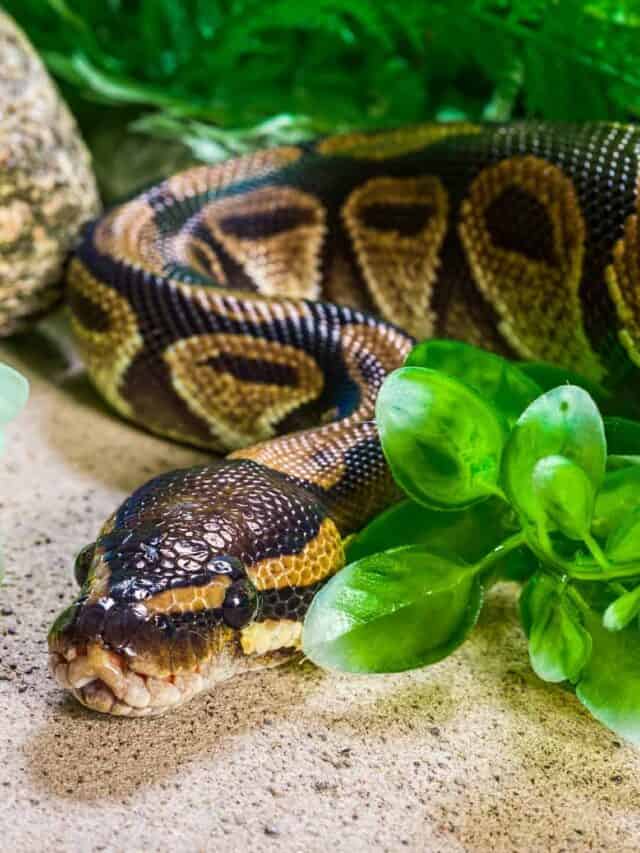
๐Ÿ‘ Burmese python
Burmese pythons have the incredible ability to enlarge the size of their organs after a large meal!

The Burmese python has undergone incredible evolutionary adaptations to enable them to consume prey as large as their own body. This is accomplished through their genetic ability to alter their metabolism and enlarge their organs post-meal. Additionally, they have evolved to become long, limbless creatures with a hinged jaw, a reduced lung, and an elongated skeleton, as well as the capacity to produce venom. They also are able to adjust their metabolism depending on the availability of food.

Researchers from multiple nations studied the genetic makeup of the Burmese python and the king cobra. They compared the two, as well as pieces of the genomes of other reptiles, birds, amphibians, and mammals, to examine how the snake uses the same genes that humans have to do things that no other vertebrates can do. This incredible evolution was explored in order to gain insight into how pythons are such remarkable eaters.

By comparing the snake genome, scientists were able to observe how beneficial traits, like the Burmese pythonโ€™s ability to open its jaws wide, have been rapidly adopted over time. This speed is an unprecedented occurrence in the evolutionary history of animals.

Snakes possess their unique characteristics due to a combination of mutations in DNA, alterations of how the instructions in DNA are interpreted in the body, and changes in the reptileโ€™s proteins. After eating, thousands of genes must coordinate in order to bring about changes in the pythonโ€™s body. The genes involved are like the blueprints for the proteins that form the bodyโ€™s tissues, and the process of carrying out these genetic plans is referred to as gene expression. There is an increase in gene activity after a python consumes food. Some genes that have been dormant become more active and produce large amounts of proteins that promote growth or metabolism.

The Burmese python is known for its remarkable physiology, and its genome provides an opportunity to further explore the molecular processes that enable it to significantly enhance its metabolic rate, expand the size of its organs, and suppress acid production. This research has potential implications for the treatment of metabolic diseases and cancer in humans.

Appearance
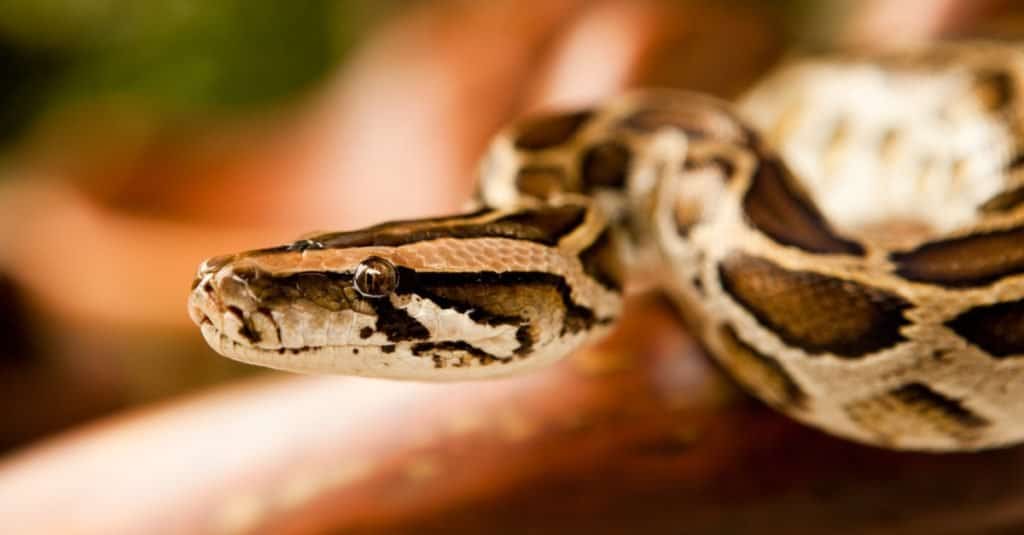
๐Ÿ‘ A close-up of a Burmese python slithering on a tree.

Burmese pythons can weigh up to 200 pounds!

ยฉlunadoc/Shutterstock.com

Burmese pythons are known to be one of the largest snake species in the world. These snakes can often reach up to 23 feet in length (though reaching a length of 15 to 20 feet is more typical), and they can weigh up to 200 pounds. One of their most striking characteristics is their girth, which can be as wide and thick as a telephone pole. However, when they are born as hatchlings, the Burmese pythons are only about two feet long.

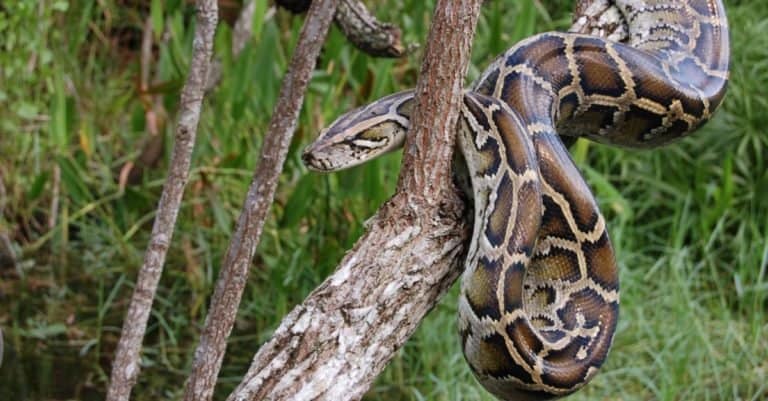
Burmese pythons are tan in color and have dark spots on the back and sides of their bodies, mimicking the same pattern that is commonly found on the giraffe. These patches, however, are not placed uniformly over their skin and can often look like puzzle pieces put together.

The Burmese pythons that are found in Florida usually grow to be only 6 to 10 feet long, and the adults can reach the same size as native snakes. The albino Burmese pythons are known to be the most popular.
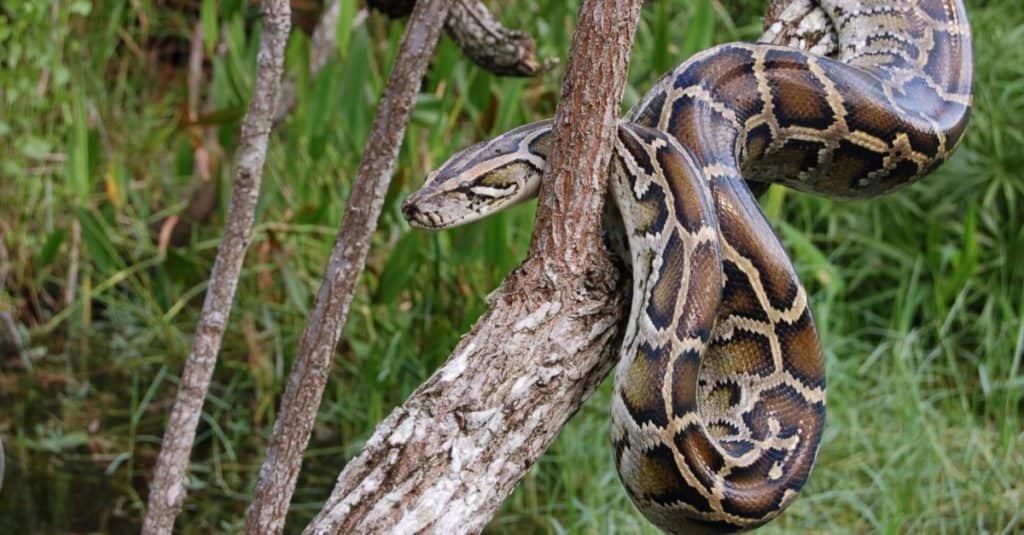
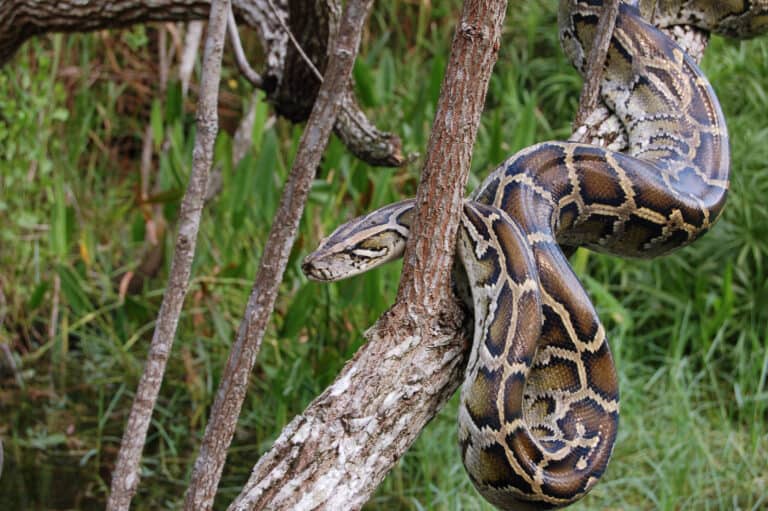
๐Ÿ‘ Burmese Python hanging in a tree, waiting for prey.
Burmese Python hanging in a tree, waiting for prey.

ยฉHeiko Kiera/Shutterstock.com

Behavior

๐Ÿ‘ burmese python

Young Burmese pythons like to spend time in trees, but older ones are usually too heavy.

ยฉFirman Wahyudin/Shutterstock.com

Young Burmese pythons like to spend their time on trees. However, as they mature and grow older, their height and weight can make it difficult to reach the same distance, leading them to spend most of their time on the ground or in other low-level habitats.

When not on land, these pythons are excellent swimmers and can stay underwater for up to 30 minutes before they have to come up for air. Despite these many methods of movement, one of the characteristics that makes them less welcoming to others is their solitary behavior. The only time that the Burmese python is typically seen with another one of its kind is during mating season, which typically occurs in the spring. They are relatedly easy to breed in captivity.

The Burmese pythons are known to be invasive species in Florida since they are not native to the area. Unfortunately, they often are found in the region because they are released by reptile owners that canโ€™t take care of them, which is highly irresponsible for the ecology of the area. These pythons can significantly destroy the ecosystem, hunting down mammals that can lead to major population issues. These pythons have such power and strength that they can even feed on alligators, leading local researchers to take notice of the unnatural preying and feeding on native animals by the Burmese python.

Habitat
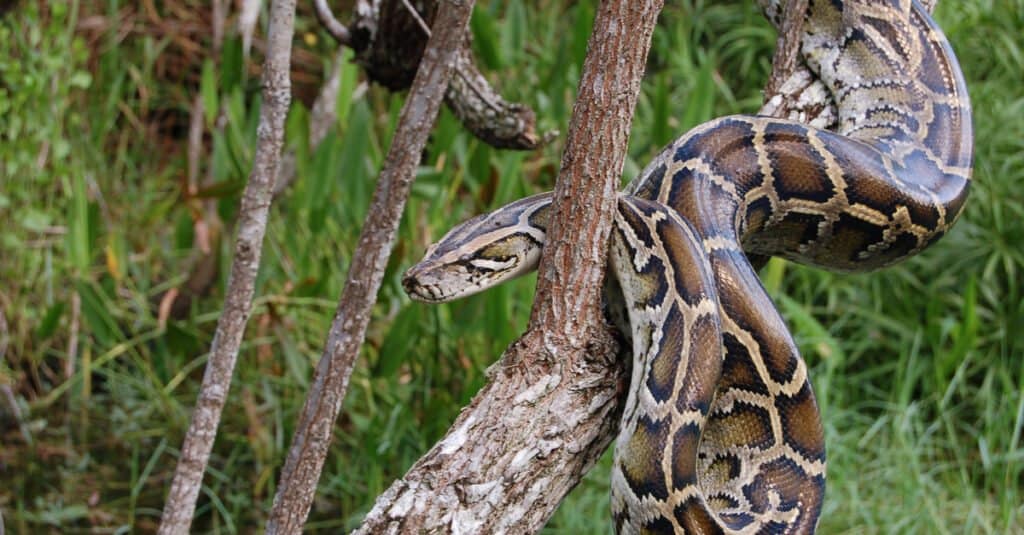
๐Ÿ‘ Sleepiest Animals โ€“ Python

Since pythons do not close their eyes while sleeping, it is difficult to assess whether or not the snake is awake at any given moment.

ยฉHeiko Kiera/Shutterstock.com

Typically, these pythons are native to jungle areas and grassy marshes of Southeast Asia. These snakes are native to Asia and can be found from eastern India through Vietnam and southern China. They are also found in Florida, though the release from former owners has wreaked havoc on the environment, which is why they are considered an invasive species.

Due to the extreme weather, these pythons are not often found in southern Thailand, Myanmar, or the western parts of Malaysia. Instead, it is easier to locate them in the islands of Java, Bali, small parts of Sulawesi, and Sumbawa.

Diet
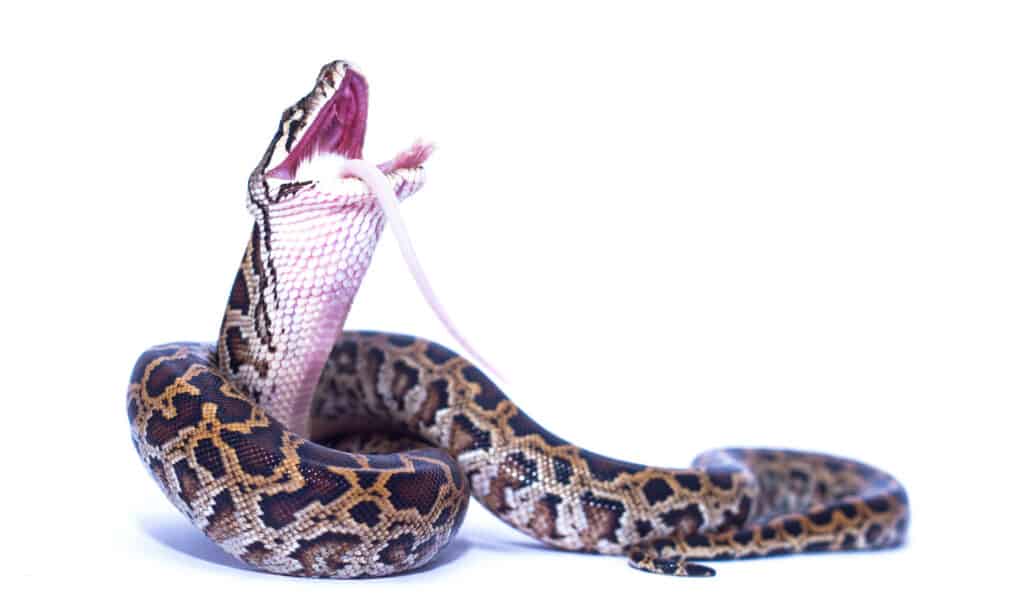
๐Ÿ‘ snakes eats
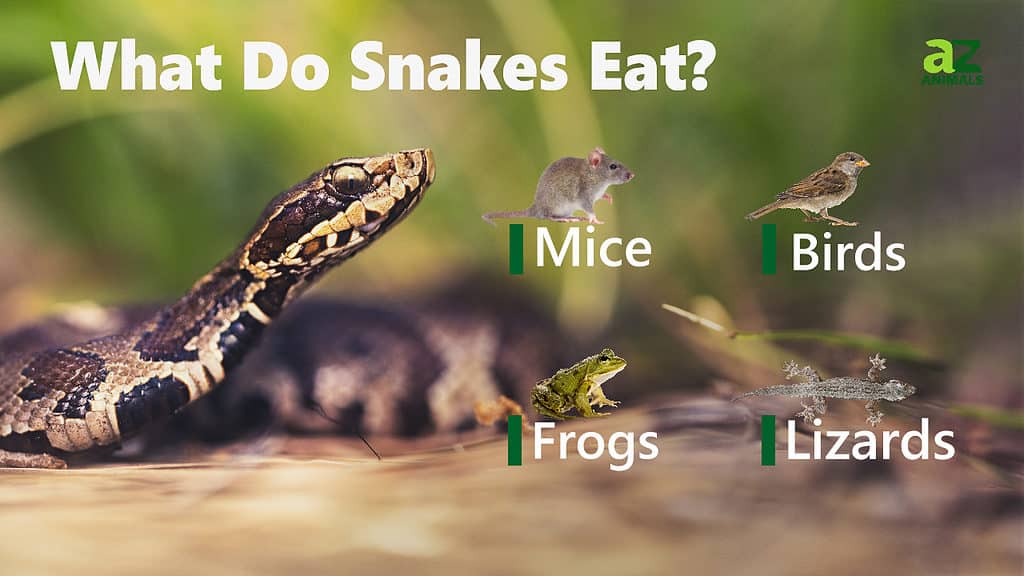
Burmese pythons are carnivores and live on meat.

These pythons are carnivorous, primarily surviving on small mammals and birds. These snakes have poor eyesight and stalk their prey by making use of the chemical receptors that are present in the tongues of these reptiles. They also use the heat sensors that are present along the jaws, though they wonโ€™t move quickly. In fact, these animals only move at a pace of about a mile per hour, giving them plenty of time to sense their surroundings.

These pythons are known to grasp their prey with their sharp teeth and coil their bodies around the prey. They then squeeze the prey until it suffocates to death. These reptiles have very stretchy ligaments that allow them to swallow their food in whole parts.

These pythons eat pinky mice when they are babies, though pet owners can still feed them adult mice and rabbits when they become mature adults. Their powerful jaw and body make it easy to consume an entire chicken by themselves.

While the pythons make an important part of the food chain, they have also been responsible for the disruption of the ecosystem. This happens when these reptiles eat unnatural amounts of their prey species, causing them to deplete from the world. The ecosystem then stands disturbed.

Predators and Threats
๐Ÿ‘ Alligator eating
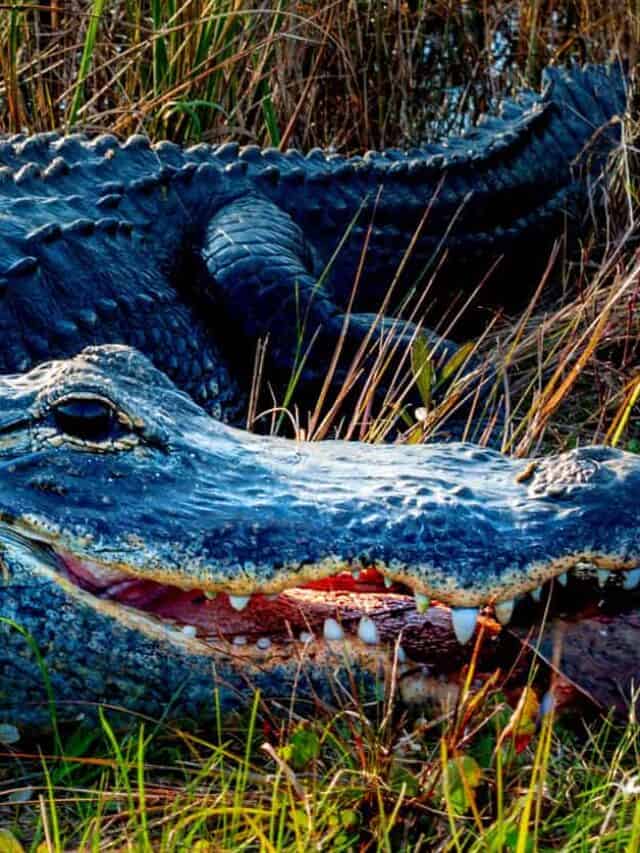
The only threats to giant Burmese pythons are alligators and humans.

Because they are massive in size, these pythons do not have a lot of predators. However, several alligators and humans tend to make some of the predators they do have. Human activities like industrialization and urbanization also impact the local populations of these pythons negatively.

These snakes are now endangered because their habitat has been depleted and their demand as a pet or even as a delicacy in cuisine is too high. People hunt them down for authentic Burmese python skin, which is why their demand in the market remains so high.

Reproduction and Life Cycle
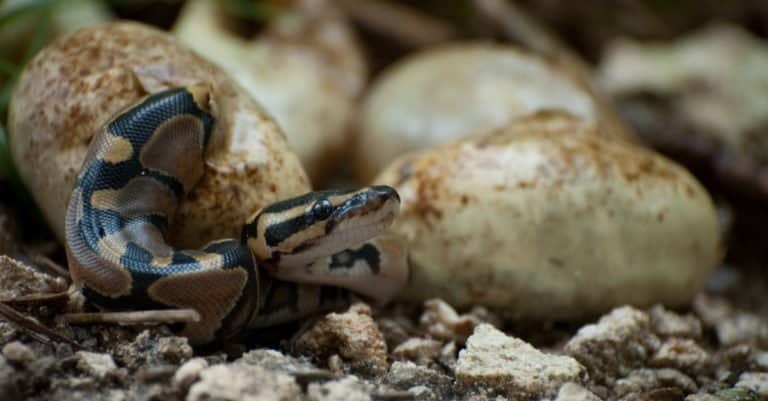
๐Ÿ‘ Burmese Pythons Hatching

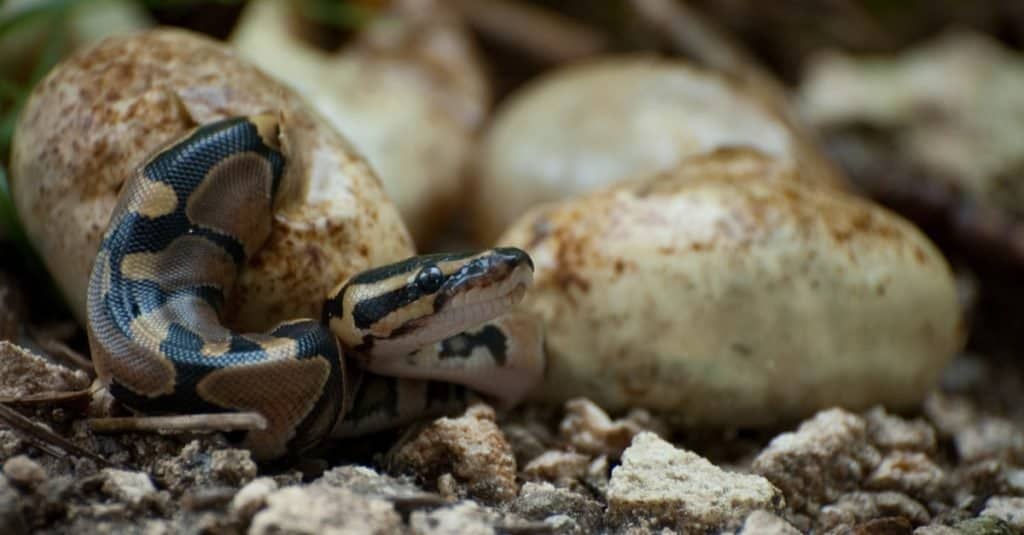
Burmese Pythons can incubate up to 100 eggs at a time.

ยฉHeiko Kiera/Shutterstock.com

Perhaps one of the most unique characteristics that scientists have discovered about this animal is that these pythons can, unlike most reptiles, reproduce via parthenogenesis (i.e., asexually). Isolated females in captivity without any contact with the male Burmese pythons can still produce viable eggs. After genetic analysis, researchers ultimately found that the hatchlings produced from this type of reproduction were genetically identical to their mothers.

These pythons are not creatures that can be seen in groups. They are usually solitary and come together only during spring mating time. Female Burmese pythons can lay clutches of up to 100 eggs, incubating them for up to three months before the hatchlings emerge. In a bid to keep their eggs warm, the female Burmese pythons continually shiver and contract their muscles.

These pythons are easy to breed in captivity. The lifespan of these snakes is about 20 years.

Population
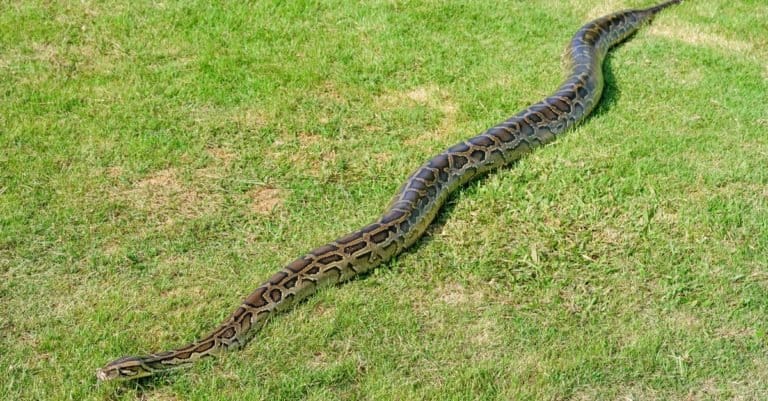
๐Ÿ‘ Burmese Python stretched out on grass.

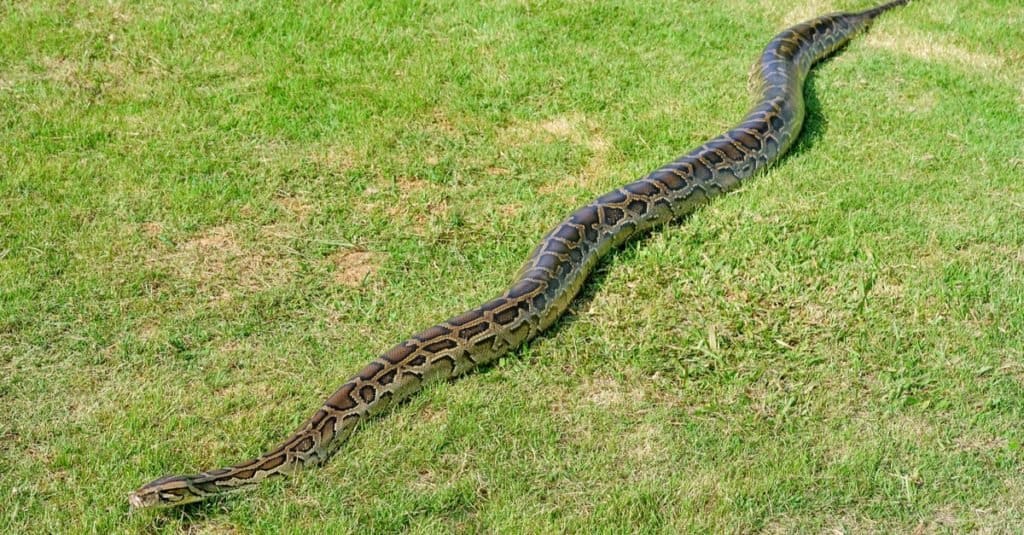
Burmese Pythons are vulnerable to extinction because of humans.

ยฉYatra/Shutterstock.com

While it is not possible to determine exactly how many of these pythons are there in the world currently, rough estimates suggest that they are about 30,000 or more. However, with time, their high demand has put them on the list of endangered reptile species because of human activities. They are in high demand as people hunt them down for skin and flesh. These pythons are listed as โ€˜vulnerableโ€™ snake species.

The Burmese python population is estimated to be declining. They are listed as vulnerable on the International Union for Conservation of Nature (IUCN) Red List due to a variety of threats, including illegal hunting, habitat loss from deforestation, being killed by cars on roads, and being killed as pests or predators.

Deforestation due to animal agriculture has a large impact on Burmese python populations because it reduces available habitat for the species. The destruction of forests also eliminates shady hiding spots where pythons like to warm up during cold nights. Additionally, increased agricultural activity has led to more human-python interactions, which can result in the death of both humans and snakes. In order to help conserve Burmese pythons, conservation efforts should focus on protecting existing habitats while also working with local communities and governments toward reducing deforestation caused by animal agriculture.

View all 452 animals that start with B

Sources

  1. National Geographic / Accessed June 11, 2021
  2. Everglades Cooperative Invasive Species Management Area / Accessed June 11, 2021
  3. Wikipedia / Accessed June 11, 2021
  4. Empora Pets / Accessed June 11, 2021
  5. Burmese Python Care / Accessed June 11, 2021
  6. USGS / Accessed June 11, 2021

About the Author

Heather Hall

Heather Hall is a writer at A-Z Animals, where her primary focus is on plants and animals. Heather has been writing and editing since 2012 and holds a Bachelor of Science in Horticulture. As a resident of the Pacific Northwest, Heather enjoys hiking, gardening, and trail running through the mountains with her dogs.

Thank you for reading! Have some feedback for us?

Contact the AZ Animals editorial team

Related Articles You May Find Interesting

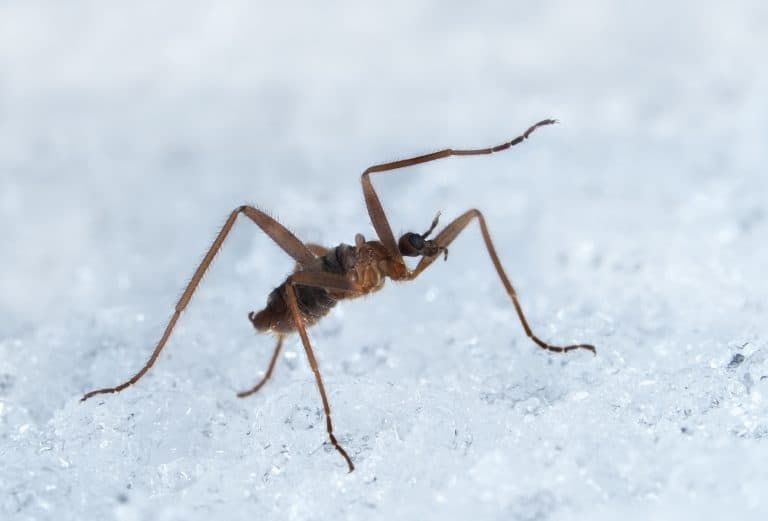
How Snow Flies Survive Subzero Cold with Special Antifreeze Proteins


Burmese Python FAQs (Frequently Asked Questions)

Burmese pythons are carnivorous in nature and often feed on mice, rabbits as well as chickens.

Burmese pythons have hunted most small mammals in the Everglades to catastrophic population declines because theyโ€™re a large predator that species in the environment arenโ€™t adapted to. In addition, research has shown pythons in Florida are hybrids that also contain rock python DNA, this further suits them to the environment.

Burmese pythons are carnivorous in nature and often feed on mice, rabbits as well as chickens.

Reports do not suggest deaths from attacks by Burmese python snakes. However, it is common for these reptiles to attack people who are handling them. Sometimes, these attacks can prove to be deadly.

While the Burmese pythons can attack humans, deaths due to such attacks are not common.

While the Burmese pythons are an important part of the food chain, they are responsible for disrupting the ecosystem due to the depletion of several animal populations.

While attacks on humans by the Burmese pythons may occur, barely any deaths have occurred as a result of this animal.

The Burmese pythons make an important part of the food chain. However, they are responsible for disrupting the ecosystem due to the depletion of several animal populations.

The greatest differences between a rock python and a Burmese python are their size and distribution.

The biggest differences between a Burmese python and a ball python lie in their size and color.