C
Species Profile

Capybara

Hydrochoerus hydrochaeris

Built to graze, born to swim
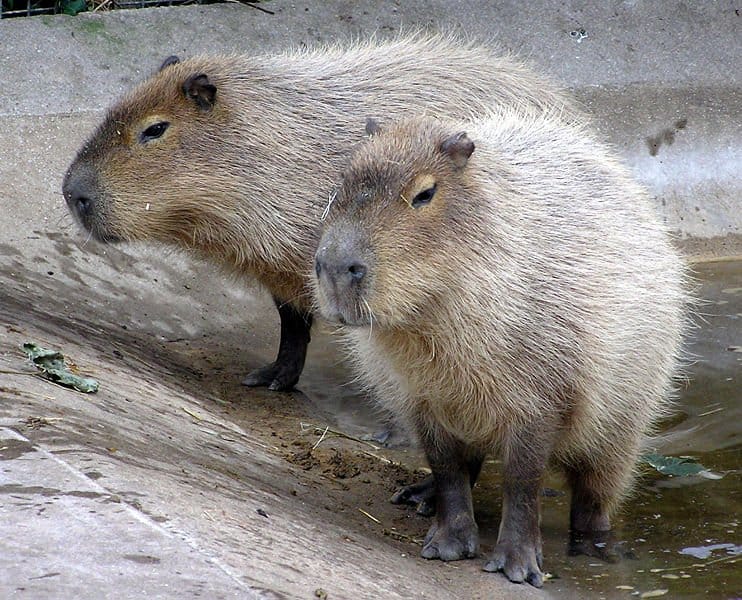
Arpingstone, Public domain, via Wikimedia Commons

Size Comparison

Human 5'8"
Capybara 1 ft 10 in

Capybara stands at 32% of average human height.

At a Glance

Wild Species
Also Known As Carpincho, Capivara, Capibara, Chigüire, Chigüiro, Water hog, Water pig, Giant cavy
Diet Herbivore
Activity Cathemeral+
Lifespan 8 years
Weight 66 lbs
Status Least Concern
Did You Know?

Adults commonly measure 100-130 cm head-body length and ~50-62 cm at the shoulder; typical mass ~35-66 kg, with exceptional individuals reported >80 kg.

Scientific Classification

The capybara is the world’s largest living rodent, highly social and strongly associated with wetlands; it is an adept swimmer and grazes on grasses and aquatic plants.

Kingdom
Animalia
Phylum
Chordata
Class
Mammalia
Order
Rodentia
Family
Caviidae
Genus
Hydrochoerus
Species
hydrochaeris

Distinguishing Features

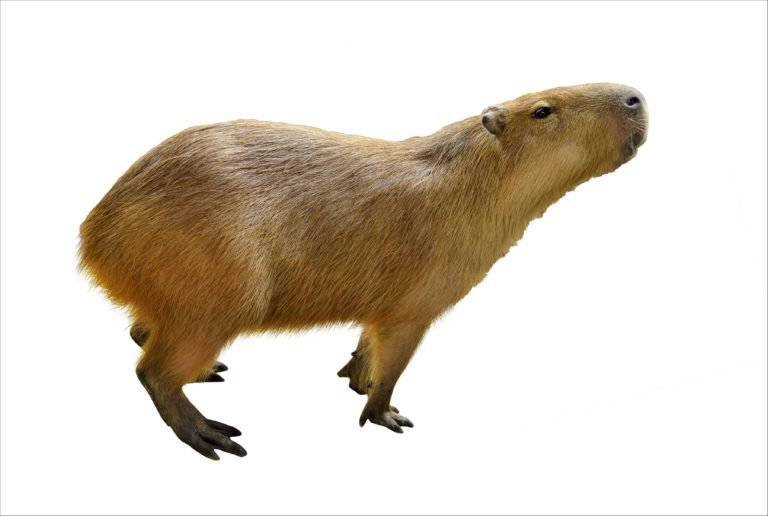
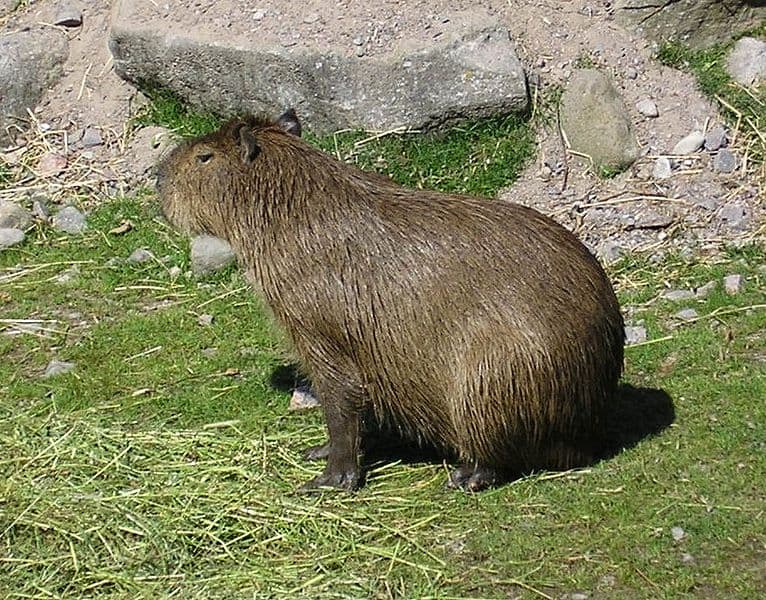
  • Very large, barrel-shaped rodent with short legs and no visible tail
  • Semi-aquatic lifestyle; often found in groups near water
  • Webbed feet (especially hind feet) aiding swimming
  • Eyes, ears, and nostrils positioned high on the head for breathing/seeing while mostly submerged
  • Coarse, reddish-brown to grayish coat

Physical Measurements

Males and females differ in size

Height
1 ft 10 in (1 ft 8 in – 2 ft)
Length
3 ft 9 in (3 ft 3 in – 4 ft 3 in)
Weight
121 lbs (77 lbs – 146 lbs)
108 lbs (77 lbs – 132 lbs)
Tail Length
Top Speed
22 mph
About 35 km/h

Appearance

Primary Colors
Secondary Colors
Skin Type Mammalian skin with short-to-medium, coarse guard hairs and sparse underfur; hair and skin tolerate frequent wetting (semi-aquatic lifestyle)
Distinctive Features
  • World's largest living rodent; robust, barrel-shaped body with very short/vestigial tail (ID point vs nutria/coypu which have a long tail; and vs beavers which have a broad, flat tail).
  • Adult size (commonly cited): head-body length 106-134 cm; shoulder height about 50-62 cm; adult mass often ~35-66 kg, with heavier individuals reported in some populations (e.g., Nowak 1999; Animal Diversity Web summaries).
  • Head profile: blunt muzzle with high-set eyes, ears, and nostrils-an adaptation for swimming and keeping sensory organs above water while most of the body is submerged.
  • Feet: partially webbed toes; typically 4 toes on the forefeet and 3 on the hindfeet, aiding propulsion and stability in muddy wetlands.
  • Semi-aquatic specialist strongly tied to wetlands/riverine habitats in South America (floodplains, marshes, gallery forests, seasonally inundated savannas); excellent swimmer and frequently enters water to escape predators and to thermoregulate.
  • Can remain submerged for several minutes while evading threats (commonly reported up to ~5 minutes in field/natural history accounts).
  • Highly social: typically lives in stable groups (often ~10-20 individuals), with much larger temporary aggregations recorded during dry seasons when water is scarce (field studies commonly report tens to >50 in some conditions).
  • Vocal repertoire is well developed for a rodent: contact calls/whistles, alarm barks, purr-like sounds, and tooth-chattering are commonly described; vocalizations support group cohesion in dense wetland vegetation.
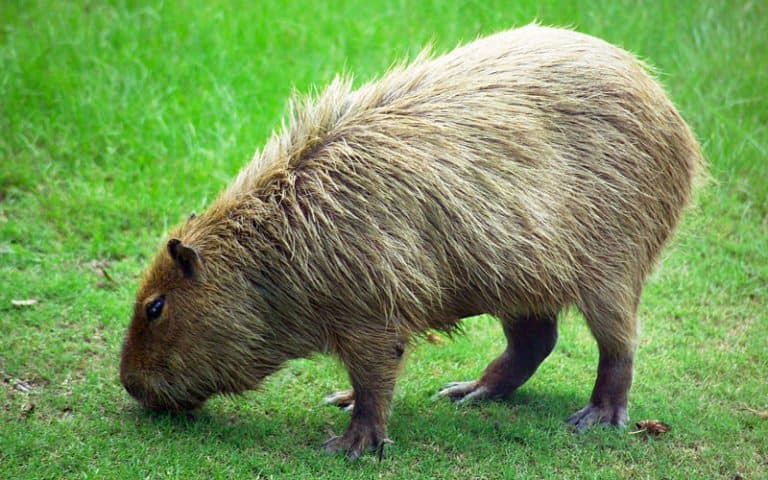
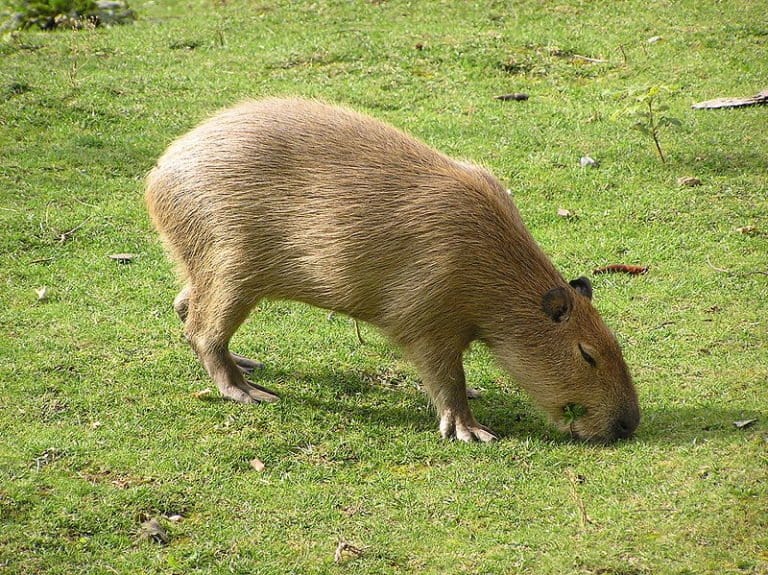
  • Diet: primarily a grazer/browser-dominantly grasses and sedges, plus aquatic plants; also known for coprophagy (re-ingesting feces) to improve nutrient extraction typical of hindgut fermenters.
  • Dentition: continuously growing incisors and high-crowned cheek teeth (hypsodont) suited to abrasive grass diets.

Sexual Dimorphism

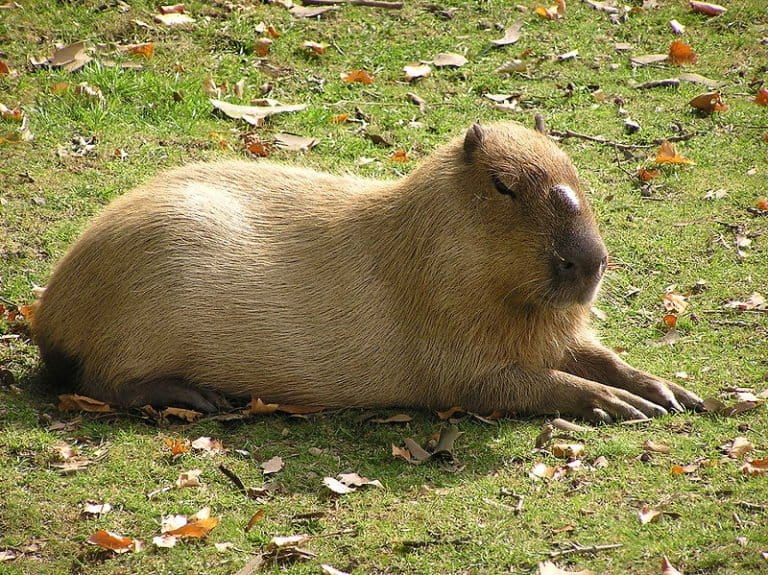
Sexual dimorphism is modest in overall size but conspicuous in the male's raised nasal scent gland on the snout, which is larger/more prominent in adult males and used in scent marking and social signaling (commonly documented in behavioral and species accounts).

  • Often slightly heavier/larger on average than females in the same population (degree varies by population and age structure).
  • Prominent, raised nasal scent gland on the top/front of the snout; used for scent marking and dominance signaling.
  • More frequent/obvious scent-marking behaviors in many group observations.
  • Typically slightly smaller-bodied on average; lacks a prominent raised nasal scent gland or has a much less developed one.
  • Mammary nipples evident in adult females (especially when lactating), consistent with communal/group living and nursing behaviors sometimes observed in this species.

Did You Know?

Adults commonly measure 100-130 cm head-body length and ~50-62 cm at the shoulder; typical mass ~35-66 kg, with exceptional individuals reported >80 kg.

They can stay underwater for up to ~5 minutes, often hiding with only eyes/nose exposed when alarmed.

Capybaras are highly vocal: contact "purrs," alarm barks, whistles, squeals, and tooth-chattering help keep groups coordinated in dense vegetation.

They practice coprophagy (re-ingesting soft feces) to extract more nutrients from cellulose-rich grasses-an important strategy for a grazing rodent.

Groups often center on a dominant male with several females and young; group size is commonly ~10-20 but can swell to many dozens in the dry season where water is limited.

Gestation is about 150 days; litters range 1-8 (often ~4), and the young are precocial-able to graze within days.

Their common names encode their lifestyle: "capybara" comes from Tupi/Guaraní roots often glossed as "grass-eater," while "Hydrochoerus" is Greek for "water hog."

Unique Adaptations

  • High-set eyes, ears, and nostrils allow breathing and scanning while most of the body remains submerged-ideal for marshes and river edges.
  • Partially webbed feet improve propulsion in water and stability on muddy banks; the hind feet are especially suited for swimming.
  • Efficient breath-holding (commonly cited up to ~5 min) supports underwater escape and concealment.
  • Coarse, sparse hair and thick skin tolerate frequent wetting; wallowing and swimming aid cooling in hot lowland climates.
  • Hindgut-fermenting grazer with cecotrophy: reprocessing nutrient-rich cecal pellets boosts protein/vitamin uptake from grasses and aquatic plants.
  • Large, robust skull and ever-growing incisors enable cropping tough grasses and aquatic vegetation in flooded landscapes.

Interesting Behaviors

  • Group living with coordinated vigilance: individuals take turns being more alert while others feed, especially along exposed shorelines.
  • Semi-aquatic daily routine: grazing on shore (often dawn/dusk) and retreating to water to thermoregulate and evade predators.
  • Alarm response: a sharp bark can trigger a synchronized rush into water; groups may submerge, leaving only high-set eyes/nostrils exposed.
  • Social bonding includes close contact, mutual tolerance at feeding sites, and frequent vocal "check-ins" between adults and juveniles.
  • Territorial/sexual signaling: dominant males scent-mark using a prominent nasal gland (morillo) and anal glands, often along paths and shore edges.
  • Seasonal aggregation: in strongly seasonal habitats (e.g., Llanos), dwindling water concentrates many capybaras at remaining ponds, increasing group density and social interactions.

Cultural Significance

Capybara (Hydrochoerus hydrochaeris) are linked to rivers, marshes, and ranch wetlands in northern and central South America. Hunted for meat and hides, they figure in Venezuelan Catholic Lenten meals and stories and in modern culture, from hot-spring baths in Japan to wetland conservation.

Myths & Legends

Venezuelan Lent tale: church leaders, dealing with diets in wetland areas, called the semi-aquatic capybara (Hydrochoerus hydrochaeris) a "fish" so people could eat it during Lent.

In places where Tupi and Guarani are spoken, the capybara (Hydrochoerus hydrochaeris) name is told as 'grass-eater'—a folk name story that links the species to the flooded grasslands it lives in.

Early European travelers and scientists called Hydrochoerus (capybara) a "water pig" or "water hog." This name entered local stories to explain its pig-like body and river-dwelling life in colonial accounts.

Conservation Status

LC Least Concern

Widespread and abundant in the wild.

Population Stable

Protected Under

  • IUCN Red List: Hydrochoerus hydrochaeris assessed as Least Concern (LC) with a stable population trend (IUCN Red List assessment).
  • Occurs in numerous protected areas (national parks and reserves) across its broad South American range; local protection is often achieved via site-based habitat protection of wetlands and floodplains.
  • Hunting is regulated (e.g., seasonal restrictions/permits/quotas) in parts of the range, though enforcement and compliance vary by jurisdiction.
  • Not listed in the CITES Appendices (international trade controls generally not applicable at the species level).
  • HUBS (Caviidae / cavy relatives): conservation statuses span from Least Concern to highly threatened on islands/endemic ranges (e.g., the critically endangered Cavia intermedia), with common pressures including wetland/grassland conversion, habitat fragmentation, and hunting/persecution; wide-ranging generalists tend to be LC while narrow-range endemics are most at risk.

Life Cycle

Birth 4 pups
Lifespan 8 years

Lifespan

In the Wild 6–10 years
In Captivity 10–15.1 years

Reproduction

Mating System Polygyny
Social Structure Harem Based
Breeding Pattern Serial
Fertilization Internal Fertilization
Birth Type Internal_fertilization

Capybara (Hydrochoerus hydrochaeris) live in mixed-sex groups led by a dominant male who mates with several females (polygyny, harem-like). Subordinate males sometimes sire young, so mating is best called serial polygyny. Mating often happens near water; communal nursing occurs.

Behavior & Ecology

Social Herd Group: 10
Activity Cathemeral, Crepuscular
Diet Herbivore Short grasses (Poaceae) from floodplain "lawns" (selective grazing on tender regrowth)

Temperament

Highly social and generally tolerant within groups; frequent close spacing and low-level affiliative contact are common, especially around water-edge resting sites (Herrera & Macdonald 1989).
Vigilant and risk-sensitive; group members often coordinate scanning and rapidly retreat to water when alarmed.
Male-male competition can be intense: dominant males show territoriality and may engage in chases and fights, particularly during the breeding season or when group structure is unstable (Herrera & Macdonald 1989).
Behavior is plastic with human pressure: activity can shift toward more nocturnal use in disturbed/hunted areas and be more diurnal where protected/urban-tolerant (Alho et al. 1989; Herrera & Macdonald 1989).
Strongly semi-aquatic coping style: escape behavior commonly involves immediate entry into water and submerged hiding; individuals may remain motionless with only nostrils/eyes exposed.

Communication

Alarm bark Sharp, repeated barks used to alert group and trigger flight to water
Contact calls/whistles Used to maintain group cohesion, especially between adults and young
Purr-like grunts/clicks Low-amplitude social sounds reported during close-range interactions
Squeals/screams Distress calls, especially by juveniles during aggression or handling
Teeth-chattering Audible warning/agitation signal in antagonistic contexts
Scent marking via the male supranasal Nasal) scent gland and anal scent glands; dominant males mark vegetation and substrates along paths and water-edge boundaries (Herrera & Macdonald 1989
Urine marking/urine spraying, including on vegetation and occasionally onto conspecifics during dominance and courtship contexts Herrera & Macdonald 1989
Postural/visual displays: head-high stance, approach/avoidance, and orientation toward intruders; synchronized flight to water functions as a group-level signal.
Tactile communication: nose-to-nose contact, body rubbing, and close following by juveniles; females tolerate prolonged proximity of young within the group Herrera & Macdonald 1989

Habitat

Biomes:
Freshwater Wetland Savanna Tropical Rainforest Tropical Dry Forest Temperate Grassland Temperate Forest +1
Terrain:
Riverine Plains Valley Coastal Muddy
Elevation: Up to 4265 ft 1 in

Ecological Role

Large-bodied semi-aquatic primary consumer (grazer) in Neotropical wetland-savanna mosaics; strong link between aquatic refuges and terrestrial grazing lawns.

Maintains and creates short-grass "grazing lawns" through intensive, selective grazing, influencing plant community structure and productivity Transfers nutrients between terrestrial pasture and aquatic systems via dung/urine deposition near and in water, supporting nutrient cycling Provides a major prey base for large predators (e.g., jaguar, puma, anaconda, caiman), supporting higher trophic levels Potential seed dispersal for some wetland-edge plants via endozoochory (secondary, opportunistic)

Diet Details

Other Foods:
Grasses Sedges Reeds, rushes and other emergent aquatic macrophytes Aquatic plants and floating vegetation Herbs and forbs Tree and shrub bark and twigs Cultivated plants +1

Human Interaction

Domestication Status

Wild

Capybara (Hydrochoerus hydrochaeris) are not domesticated but are widely managed and captive-bred (ranching, semi‑intensive) for meat and hides in places like the Llanos of Venezuela and Colombia. People also change wetlands, regulate hunting, use capybaras for ecotourism, nuisance control, and research. Their wetland, social habits cause close contact.

Danger Level

Low
  • Bites: can inflict deep lacerations with large incisors (injury risk increases if animals are cornered, handled improperly, or during dominance/defensive behavior).
  • Zoonotic exposure: potential transmission pathways include contact with urine/feces-contaminated water and ectoparasites; capybaras can carry ticks and other parasites that may affect humans or domestic animals depending on region.
  • Traffic and human-wildlife conflict: in peri-urban wetlands, collisions and aggressive defense when approached (especially near water or with juveniles present) can occur.
  • Water-related hazards: human interactions often occur at ponds/canals; risk is indirect (slips/drowning) when people enter enclosures or attempt close contact in water.

As a Pet

Not Suitable as Pet

Legality: Capybara (Hydrochoerus hydrochaeris): laws vary widely. Some places allow pet ownership with permits, rules, and containment standards; others ban them. Check local wildlife, zoning, import, and vet rules first.

Care Level: Expert Only

Purchase Cost: $1,000 - $5,000
Lifetime Cost: $15,000 - $60,000

Economic Value

Uses:
Wild meat (subsistence and commercial harvest) Leather/hide products Ecotourism and wildlife viewing Research/education Pest/conflict management costs in some peri-urban/agricultural settings
Products:
  • meat (fresh, salted, or processed; regionally important in parts of northern South America)
  • leather from capybara hide (used for gloves, belts, footwear, and small leather goods)
  • tourism revenue from wetland wildlife tours and park visitation
  • husbandry/management services and regulated harvest programs

Relationships

Predators 6

Jaguar Panthera onca
Puma Puma concolor
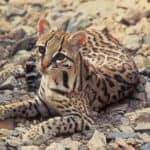
Ocelot Leopardus pardalis
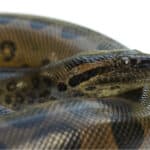
Green anaconda Eunectes murinus
Spectacled caiman Caiman crocodilus
Black caiman Melanosuchus niger

Related Species 5

Lesser capybara Hydrochoerus isthmius Shared Genus
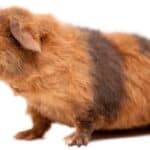
Domestic guinea pig Cavia porcellus Shared Family
Brazilian guinea pig Cavia aperea Shared Family
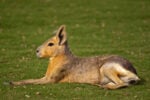
Patagonian mara Dolichotis patagonum Shared Family
Rock cavy Kerodon rupestris Shared Family

Ecological Equivalents 4

Animals that fill a similar ecological role in their ecosystem

Coypu Myocastor coypus Semi-aquatic, herbivorous rodent that occupies wetlands and river margins. Like capybaras, it forages on aquatic and shoreline vegetation and uses water for refuge.
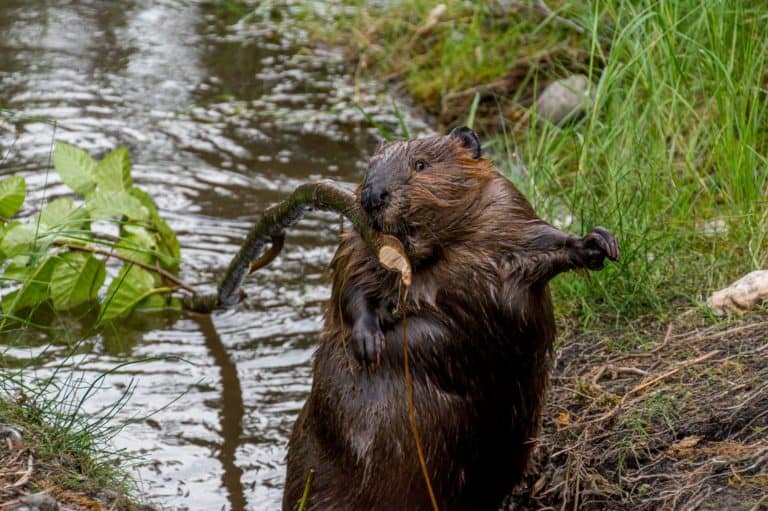
North American beaver Castor canadensis Large-bodied, semi-aquatic herbivore strongly tied to freshwater systems. Overlaps in riparian habitat use and reliance on water for predator avoidance, though beavers are primarily woody-plant browsers while capybaras are grazers.
Muskrat Ondatra zibethicus Wetland-associated, semi-aquatic rodent that feeds heavily on emergent and aquatic plants; an ecological analogue that uses marsh edges and water to reduce predation risk.
Lowland tapir Tapirus terrestris Large Neotropical mammal that frequently uses forest–wetland mosaics and river margins; shares habitat associations with floodplains and waterways and can co-occur in similar South American wetland landscapes, although it differs in diet emphasis and taxonomy.

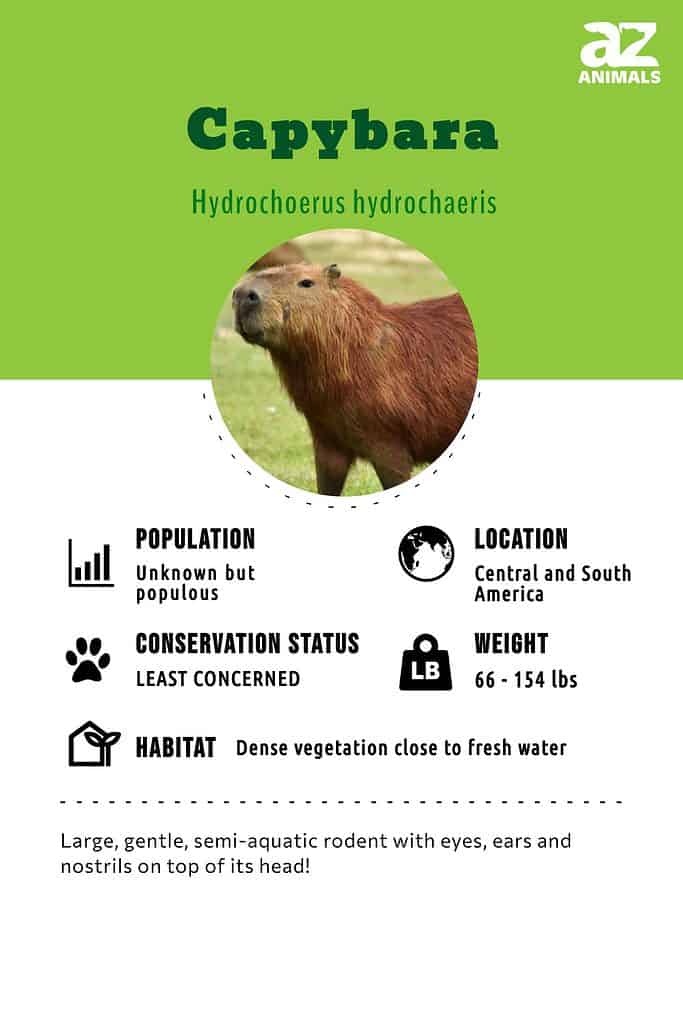
The Capybara is a large, semi-aquatic rodent that is found inhabiting the water-logged regions of Central and South America. Closely related to other South American rodents such as Chinchillas and Guinea Pigs, the Capybara is the largest rodent in the world weighing up to 75kg and measuring nearly 1.4 meters long.

Despite their enormous size though, Capybaras are animals that have adapted well to life in the water and have a number of distinctive characteristics that aid their amphibious lifestyle, including the webbed skin between their toes which is particularly helpful when swimming.

Interestingly enough, the common name of the Capybara is thought to mean “Master of the Grasses”, whilst its scientific name comes from the Greek word for water hog.
👁 Image

Species and Evolution

Capybara, (genus Hydrochoerus) are two species of large semi-aquatic rodents that inhabit fresh water environments in Central and South America. The larger of the two species, and the subject of this article, Hydrochoerus hydrochaeris, can grow up to 4.3 feet long and weigh up to 154 pounds. The lesser capybara, H. isthmius, is smaller, reaching lengths of 3 feet and weight of 62 pounds.

Both species of capybara have ancestors who evolved in Africa around 80 million years ago and arrived in South America 40 million years later. Its relatives are all regular-sized rodents like rock cavies and guenea pigs – but capybara, like elephants, have developed a form of giantism. Capybara have a unique form of insulin that, in addition to regulating blood sugar – tells cells to divide. Millions of years of natural selection increased their insulin’s ability to tell their cells to divide, boosting their growth to its present stature. They are, literally, giant rodents.
👁 Image

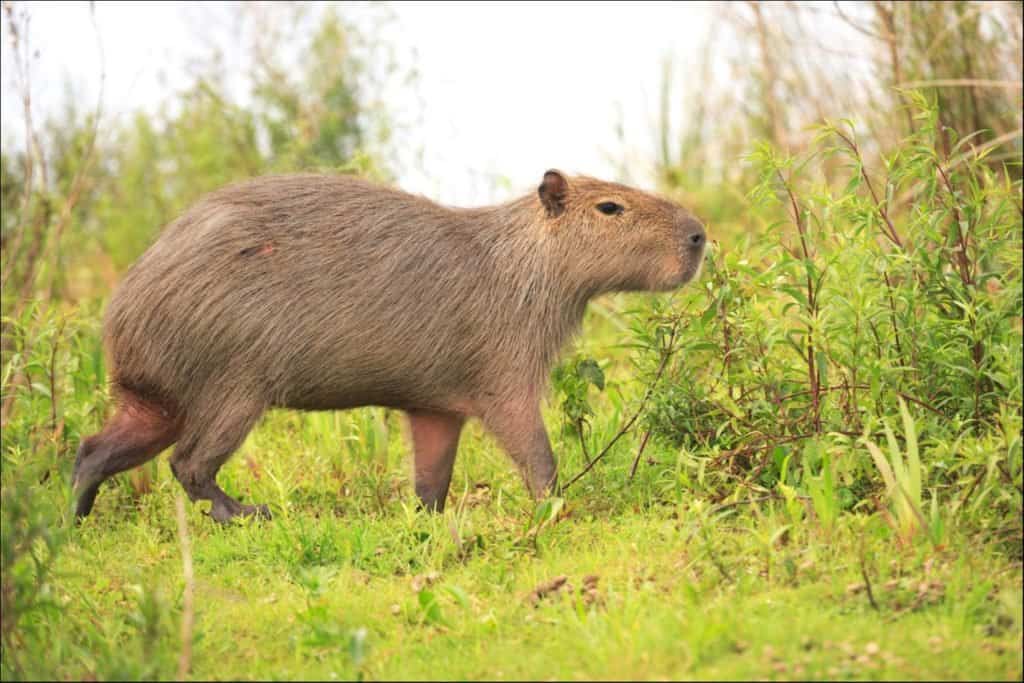
Capybara (Hydrochoerus Hydrochaeris) have hoof-like claws and webbed feet.

©sunsinger/Shutterstock.com

Anatomy and Appearance

The Capybara is a heavy, stocky-looking animal with a short head and muzzle in comparison to its body and a stubby tail. Their heads are square instead of pointed – just one of many characteristics that make them stand out among their rodent cousins.

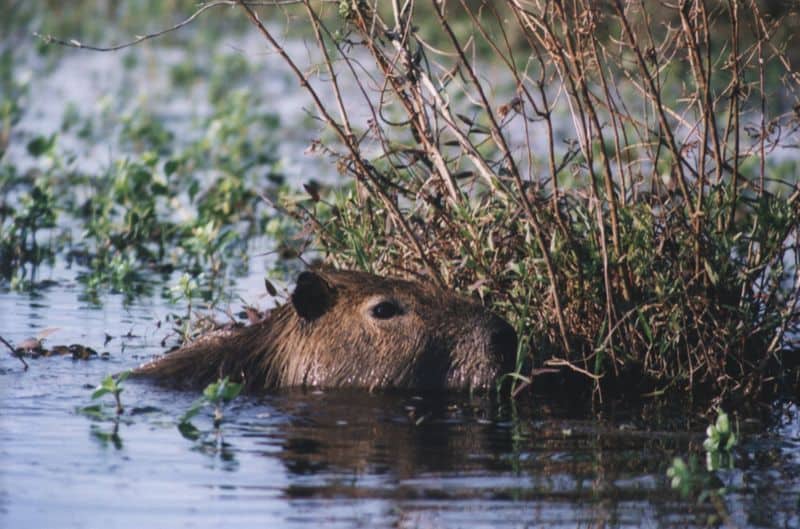
One of the Capybara’s most distinctive features is the fact that its eyes, ears, and nostrils are all positioned on top of its head meaning that they still have excellent sight, sound, and smell whilst in the water. The placement of these features also means that when threatened, the Capybara can retreat into the water only leaving these parts of its body exposed to hide from potential predators.

👁 capybara

Unlike other rodents, capybaras have sweat glands.

©Henner Damke/Shutterstock.com

Capybara have reddish-brown fur on most of their bodies and a lighter color on their underbellies. Another unusual trait that the capybara has are sweat glands that are found in the surface of the hairy parts of its skin – making them the only rodents who sweat. Webbed feet and vestigial tails also make the capybara uniquely adapted to their watery environment. Their hind legs are longer than their forelegs and they have only three toes on their rear feet and four toes on their front – making it easier to climb from the water on to the muddy banks. All of those characteristics plus their giant size certainly makes the capybara stand out among all rodents.

Size and Weight

Adult capybaras can grow up to 4.5 feet in length and stand about 2 feet tall. They can sometimes weigh the size of average adult woman. Additionally, female capybaras weigh slightly more than males. can grow up to 4.3 feet long and weigh up to 154 pounds. The lesser capybara is smaller, reaching lengths of 3 feet and weight of 62 pounds.
👁 Image

Capybaras’ eyes, ears and nostrils are on the top of its head to enable it to hide from predators in the water.

©Carla Antonini / Creative Commons – Original

Distribution and Habitat

The Capybara is an animal that is found throughout a variety of habitats in Central and South America providing that there is a constant source of standing freshwater. They are found in Panama, Colombia, Venezuela, and Peru, down through Brazil and Paraguay, and into northern Argentina and Uruguay where they are most commonly found in swamps, marshes, rivers, and lakes.

The Capybara can be found inhabiting grassy plains and even in rainforests where they occupy territories in herds, with these areas reported to be adequate territories year round even with the differing seasons. During the dry season, the Capybara must have water and areas where they are able to feed (often small sandbars in the water), but in the wet season when the area floods they must still be able to graze which they often do on the grassy banks.
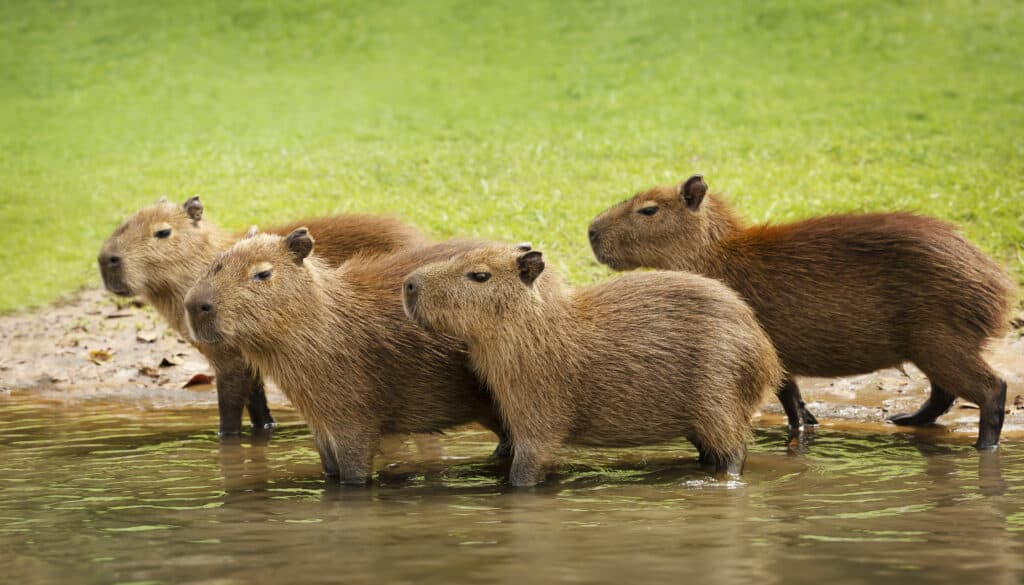
👁 Group of baby Capybaras on a river bank

Capybaras live together in large groups of 10-20 members, although larger groups may have 40 individuals or more.

©Giedriius/Shutterstock.com

Behavior and Lifestyle

The Capybara is a very sociable animal that tends to inhabit densely vegetated areas close to the water in herds of around 20 individuals, which are usually made up of a dominant male with a number of females and their young. Capybara herds occupy very stable home ranges that are known to vary in size depending on the size of the herd to ensure that there is enough food, and although small parts of their territory may overlap those of another herd, they will tend to chase intruders off their patch.

The Capybara prefers naps to typical noctural slumber, choosing instead to doze throughout the day on the riverbanks or to nod off while wallowing in the mud. They begin to emerge onto land in the early evening when they graze on grasses and aquatic plants which the Capybara will continue to do throughout most of the night.
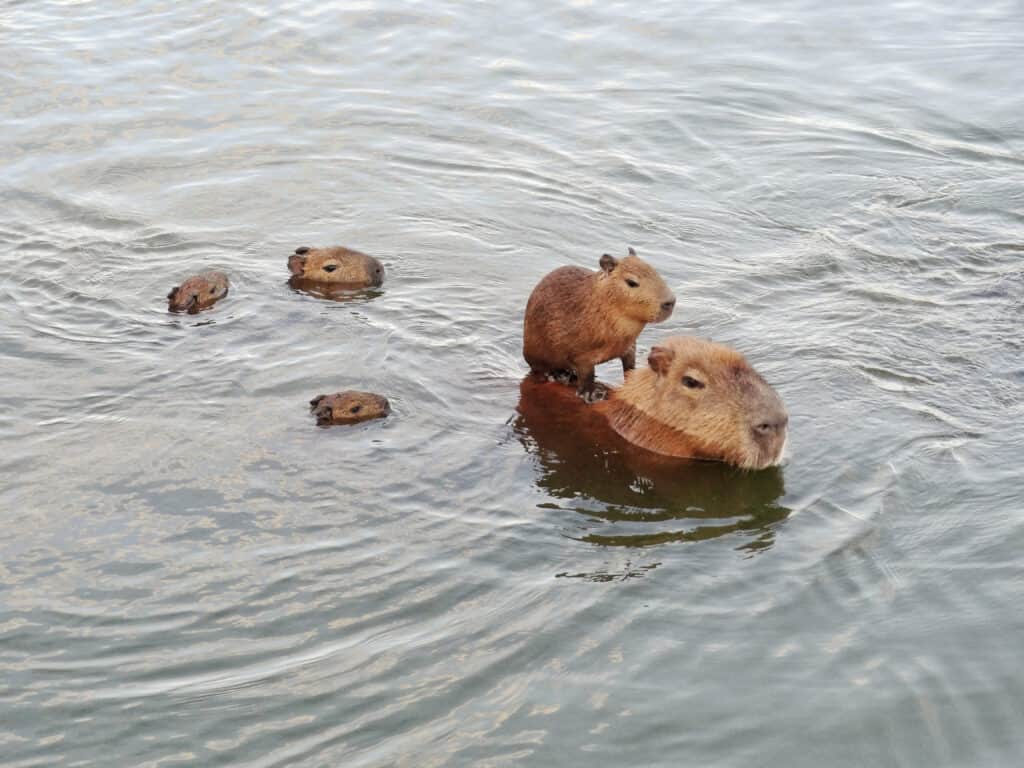
👁 Capybara family swimming in a lake in Brazil

Baby capybaras are only two to four pounds when they are born.

©iStock.com/Yuina Takase

Reproduction and Life Cycles

In a Capybara herd, it is only the dominant male that has the breeding rights to the females, and although it can occur all year round depending on the conditions, the breeding season tends to be during the rains in April and May. After a gestation period that lasts for around five months, the female Capybara gives birth to between 1 and 8 pups on land. Capybara young are very well developed at birth and not only have all their fur and can see, but are also able to run, swim and dive within hours of birth.

The female rejoins the main group within hours with her newborn offspring, which begin to eat grass after about a week (although they will continue to suckle milk from their mother until they are around four months old). The Capybara tends to live for up to 10 years in the wild and slightly longer when kept in captivity.
👁 Image

Diet and Prey

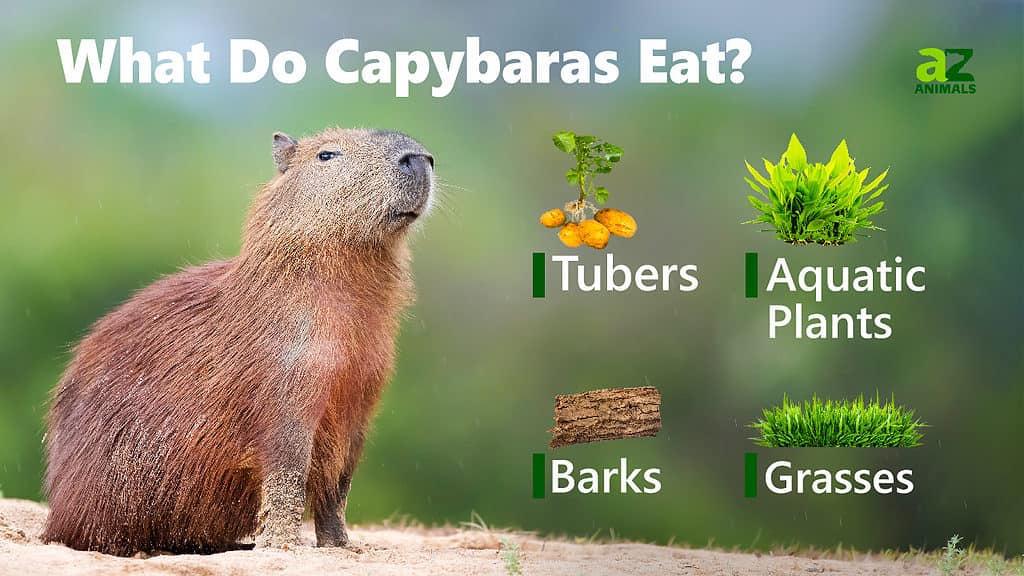
The Capybara is a herbivorous animal that only eats plant matter in order to acquire all of the nutrients it needs. The diet of the Capybara is mainly made up of grasses and aquatic plants, along with fruits and berries and the occasional munch on soft tree bark. Despite spending a number of hours during the night grazing, the Capybara is quite fussy with around 75% of their diet involving between three and six different species of plant.

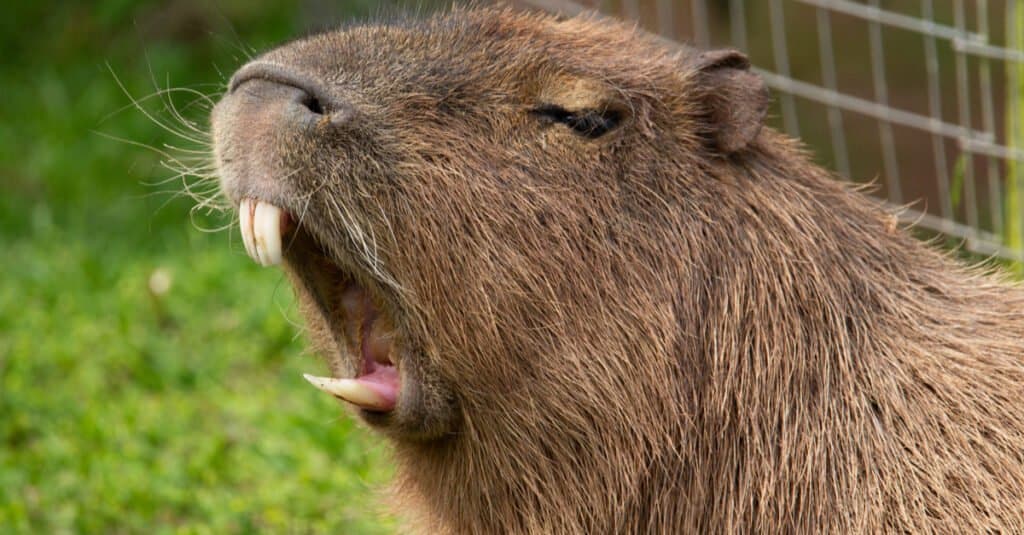
Like all other species of rodent, their two front teeth grow continuously throughout their life meaning that they must gnaw and chew their food to grind them down which they do in a back-and-forth motion rather than from side to side. They are also known to both regurgitate their food in order to chew it again (much like a Cow) and also eat their own droppings which help to break down the cellulose in the grass, along with aiding their digestive system in general.

👁 Capybara and jacare caiman

. Caimans are a threat to younger capybaras – this adult seems to be totally unbothered by the reptile.

©Danita Delimont/Shutterstock.com

Predators and Threats

Despite the large size and secretive aquatic nature of this large rodent, their slow and gentle disposition makes them a rewarding meal for numerous hungry predators throughout their natural range. Wildcats including Jaguars, Pumas, and Ocelots are the primary predators of the Capybara along with Caimans and Eagles that can hunt the younger ones from the sky above. The Capybara is also one of the best sources of food for the world’s heaviest snake, the Anaconda, along with other species of large snakes.
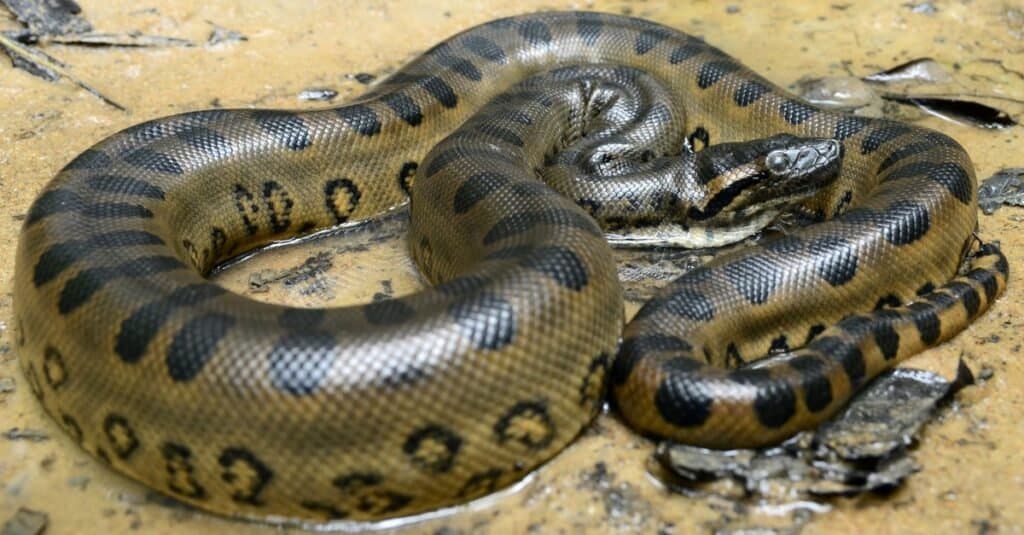
👁 Where Do Snakes Live

Anacondas prey on capybaras.

©Patrick K. Campbell/Shutterstock.com

The Capybara is also hunted by humans in parts of its natural range for both its meat and the hide which is prized by some. Although the global Capybara population is not considered to be under threat, numbers in these areas have declined. Habitat loss also affects Capybara populations throughout Central and South America as they are specifically adapted to life in their unique watery wilderness.

Interesting Facts and Features

Capybara never strays far from water as when one senses danger it gives a short bark that encourages the herd to quickly scuttle into the water to hide. They are so well adapted to going unseen in the water that the Capybara is actually able to hold its breath for up to five minutes after diving in. Although Capybara herds tend to average between 10 and 30 individuals, larger groups are not uncommon with some numbering up to 100 members in home ranges generally larger than those of smaller groups.

Capybaras are known to communicate with one another using both scent (which is secreted by their glands) and sound and have a number of different vocalizations including whistles, barks, grunts, and squeals.
👁 Capybara Teeth - Incisor

Capybara must keep their teeth ground down to the ideal length.

©Ian Peter Morton/Shutterstock.com

Relationship with Humans

Due to their slow and generally gentle nature, Humans have lived alongside Capybaras for hundreds of years peacefully. Learn about the most friendly wild animals in the world here. However, they may not be aggressive animals but are often killed in certain areas for their meat and skin which has led to population declines in these regions.

The Capybara has also been affected by Human activity in their native regions in general including both growing Human settlements and land clearance for agriculture. It is in these areas, particularly that when there is not an adequate supply of food available, some Capybara has been known to enter crop fields where they can cause a great deal of damage and can be seen as pests.

Conservation Status and Life Today

Today, the Capybara population throughout Central and South America remains fairly stable and it is because they are still common in much of their natural range, that the Capybara is listed as being of Least Concern from becoming extinct in their natural environments in the near future by the IUCN Red List. Population numbers in certain areas, however, have declined due to hunting, and others are affected by the loss of their natural habitat both from deforestation and increasing pollution levels in the water.


View all 386 animals that start with C
How to say Capybara in ...
Catalan
Capibara
Czech
Kapybara
Danish
Kapivar
German
Capybara
English
Capybara
Esperanto
Kapibaro
Spanish
Hydrochoerus hydrochaeris
Finnish
Vesisika
French
Capybara
Hebrew
קפיברה
Croatian
Kapibara
Hungarian
Vízidisznó
Indonesian
Kapibara
Italian
Hydrochoeris hydrochaeris
Japanese
カピバラ
Dutch
Capibara
English
Flodsvin
Polish
Kapibara
Portuguese
Capivara
English
Capibara
Swedish
Kapybara
Turkish
Kapibara
Chinese
水豚

Sources

  1. David Burnie, Dorling Kindersley (2011) Animal, The Definitive Visual Guide To The World's Wildlife / Accessed January 4, 2010
  2. Tom Jackson, Lorenz Books (2007) The World Encyclopedia Of Animals / Accessed January 4, 2010
  3. David Burnie, Kingfisher (2011) The Kingfisher Animal Encyclopedia / Accessed January 4, 2010
  4. Richard Mackay, University of California Press (2009) The Atlas Of Endangered Species / Accessed January 4, 2010
  5. David Burnie, Dorling Kindersley (2008) Illustrated Encyclopedia Of Animals / Accessed January 4, 2010
  6. Dorling Kindersley (2006) Dorling Kindersley Encyclopedia Of Animals / Accessed January 4, 2010
  7. David W. Macdonald, Oxford University Press (2010) The Encyclopedia Of Mammals / Accessed January 4, 2010
  8. Capybara Facts / Accessed January 4, 2010
  9. Capybara Information / Accessed January 4, 2010
  10. About Capybara / Accessed January 4, 2010
  11. Capybara Behaviour / Accessed January 4, 2010

About the Author

Lisha Pace

After a career of working to provide opportunities for local communities to experience and create art, I am enjoying having time to write about two of my favorite things - nature and animals. Half of my life is spent outdoors, usually with my husband and sweet little fourteen year old dog. We love to take walks by the lake and take photos of the animals we meet including: otters, ospreys, Canadian geese, ducks and nesting bald eagles. I also enjoy reading, discovering books to add to my library, collecting and playing vinyl, and listening to my son's music.

Thank you for reading! Have some feedback for us?

Contact the AZ Animals editorial team

Related Articles You May Find Interesting

👁 Image
Articles

A Mysterious Giant Phantom Jellyfish Appears in Rare Deep Sea Encounter


Capybara FAQs (Frequently Asked Questions)

Capybaras are Herbivores, meaning they eat plants.

Capybaras belong to the Kingdom Animalia.

Capybaras belong to the phylum Chordata.

Capybaras belong to the class Mammalia.

Capybaras belong to the family Caviidae.

Capybaras belong to the order Rodentia.

Capybaras belong to the genus Hydrochoerus.

Capybaras are covered in Fur.

Capybaras live in Central and South America.

Capybaras live in dense vegetation close to freshwater.

Predators of Capybaras include jaguars, caimans, and harpy eagles.

The average litter size for a Capybara is 5.

Capybaras are excellent at both diving and swimming.

The scientific name for the Capybara is Hydrochoerus hydrochaeris.

Capybaras can live for 8 to 10 years.

There are 2 species of Capybara.

The biggest threats to the Capybara are hunting and habitat loss.

The Capybara is also called the water hog.

A Capybara can travel at speeds of up to 22 miles per hour.

There are many differences between a capybara and a nutria. Capybaras are much larger than nutrias, while nutrias have long tails.

The main difference between a capybara and a wombat is that a wombat is a marsupial while a capybara is a large rodent. Wombats also dig tunnels, while capybaras enjoy spending their life in the water.

Capybaras make good pets because they are friendly wild animals, enjoy being petted, and are relatively easy to care for in the right conditions.