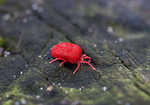
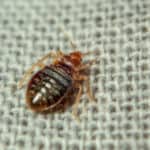
Chiggers are a sub-family of mites. Found in almost every part of the world, these creatures are microscopic and cannot be seen directly by the human eye. They can only be seen when living in clusters, in a bright red color. When in the larvae stage, they feed on the skin cells of animals, including humans.
5 Incredible Chigger Facts
- There’s a common myth that chiggers can penetrate the skin by blood-sucking. In reality, they attach to the host and inject enzymes into their bodies, damaging tissues.
- Chiggers often convert to the “nymph” stage of their life cycle after feeding on one host and then turn into a “mite” when it finds another.
- After a chigger turns into a nymph, it doesn’t rely on the host solely as a food source but also consumes other insects and eggs.
- Chiggers spend most of their lives living in the same place where they hatched.
- They attach to humans as their host in humid regions.
Scientific Name
Trombiculidae
Scientifically known as Trombiculidae, chiggers are mites related to spiders, ticks, and other animals in the genus genitive culicis. The name Trombiculidae literally means “to tremble” in Greek, and was named by Henry Ellsworth Ewing. Chiggers have been around for longer than they were first named. Trombiculid mites were first studied in North America in 1733.
Appearance
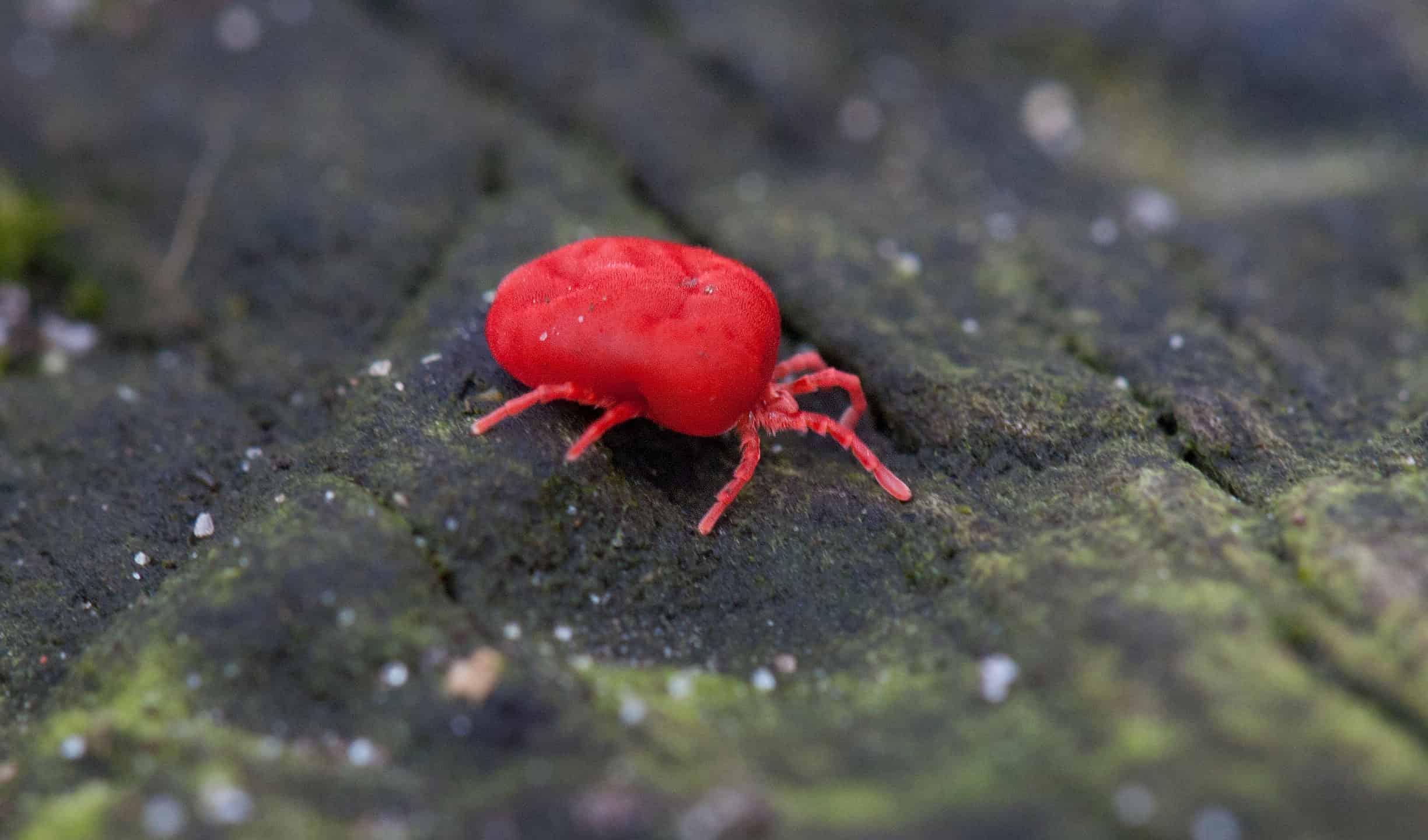
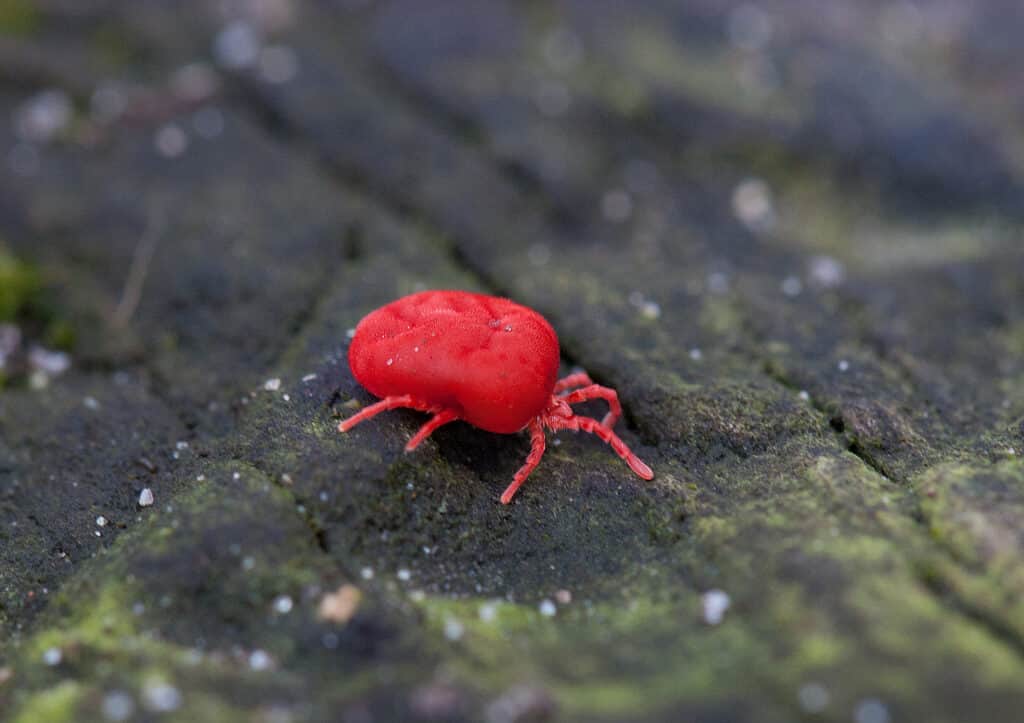
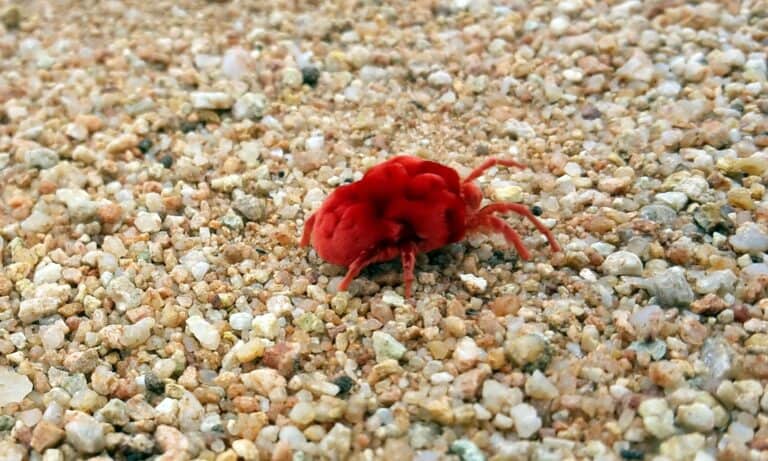
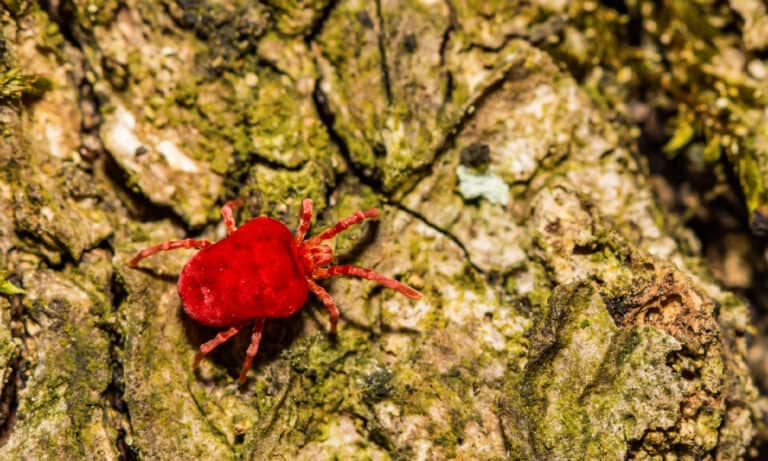
Barely visible to the naked eye, chiggers require a magnifying glass to see, unless they’re in a cluster.
©Matauw/Shutterstock.com
Chiggers are tiny creatures that are barely visible to the naked eye. Their length is about 1/150th of an inch, so you’d probably need a magnifying glass to see them. They are red in color and are only visible in groups or clusters, considering their size.
A juvenile chigger has six legs, while a fully grown mite has 8.
Chiggers are generally red but will change to yellow if they eat a blood-based diet. An adult chigger can be 3/10th of an inch in size, so it will be visible to the human eye.
Behavior
The behavior of chiggers is characterized by their need to find a host and feed on it. They usually live in groups or clusters in the same habitat. Here are some features that characterize chigger behavior:
- Sensitivity to light – Chiggers avoid the sun as it dries out their body. So their clusters can be found in shady areas or burrows.
- Temperature sensitivity – Chiggers are sensitive to the body temperature of the host. Their optimal temperature is 77 to 86 degrees Fahrenheit, which is why the scrotum and genital areas are the most common for chiggers to burrow.
- Sensitivity to touch – The body of a chigger is covered in small hairlike organs that help them find their hosts.
- Mobility – Chiggers crawl up their host’s body looking for a place to burrow. They generally transfer from tall grass or shrubs onto their host.
Habitat
Chiggers can live almost anywhere, from trees, human bodies, small burrows in the soil, and other animals. They are incredibly resilient animals that can survive in many different environments. For example, in the US, they are prevalent in almost every state despite the varying climate in different parts of the country.
While these creatures are found almost anywhere, they prefer a humid climate. So areas with lakes, rivers, or any kind of moisture are their breeding grounds. Chiggers thrive in tall grassy areas with overgrown weeds and shrubs. They can also live in vegetation near the ground as well.
They do not typically migrate far from the place they are born if the place they were born is a suitable feeding ground.
Diet
A chigger’s diet is primarily based on the soft skin tissue of their host, but there is a common misconception that they feed on blood like mosquitos and ticks.
What eats chiggers?
The predators of chiggers are similar to those of most mites. They can be eaten by any number of small creatures, such as ants, centipedes, spiders, beetles, birds, lizards, salamanders, and other small predatory animals that inhabit their area.
What do chiggers eat?
Chiggers are not generally blood-sucking creatures. Instead, they feed on soft skin tissues. They inject their enzymes into the host, and once those enzymes have liquified the tissue, chiggers feast on them. They also feed on decaying matter in soil and insect eggs when fully grown.
Predators and Threats
As mentioned above, chiggers can fall prey to a number of different animals, such as ants, centipedes, spiders, beetles, birds, lizards and salamanders, and other small creatures that live in the same habitat as them. But they have an extremely fast reproduction cycle. So their population is least concern at the moment.
Humans could threaten their population as these creatures can bite and possibly feed on human skin.
Reproduction
Chiggers have a metamorphosis cycle with four stages during their lifetime: egg, larva, nymph, and adult.
During the spring months, the adult chigger mites lay their eggs in moist areas such as leaves, vegetation, or wet soil. These eggs hatch in about 5-7 days, and a 6-legged larva is born. The larvae feed on a warm-blooded host and then drop off after 3-4 days. After about a week, it turns into a nymph, growing two more legs. After two weeks, it increases in size and becomes an adult chigger. The cycle then repeats.
Babies
Chigger babies are called larvae. The larvae transform into nymphs which then eventually turn into adult chiggers. These babies are too small to be seen by the human eye and have 6 legs, unlike nymphs and adults, which have 8. Larvae need to feed on a host to survive, while adult mites can also thrive on plant matter and insect eggs. Thus, it is generally these baby chigger mites that feed on humans and other warm-blooded animals and not adults.
Lifespan
The average lifespan of a chigger is two months before it converts to an adult mite, and they live an average of 10-12 months. The only possible threats to their survival could be predation, not finding a host, direct sunlight that dries their bodies, and scorching or freezing temperatures.
Population
The exact number of chiggers all over the world is unknown. But these creatures are found in large numbers, and their population is at a conservation status of least concern at the moment.