




D
Species Profile

Daug

Canis lupus familiaris

Big personality on short legs
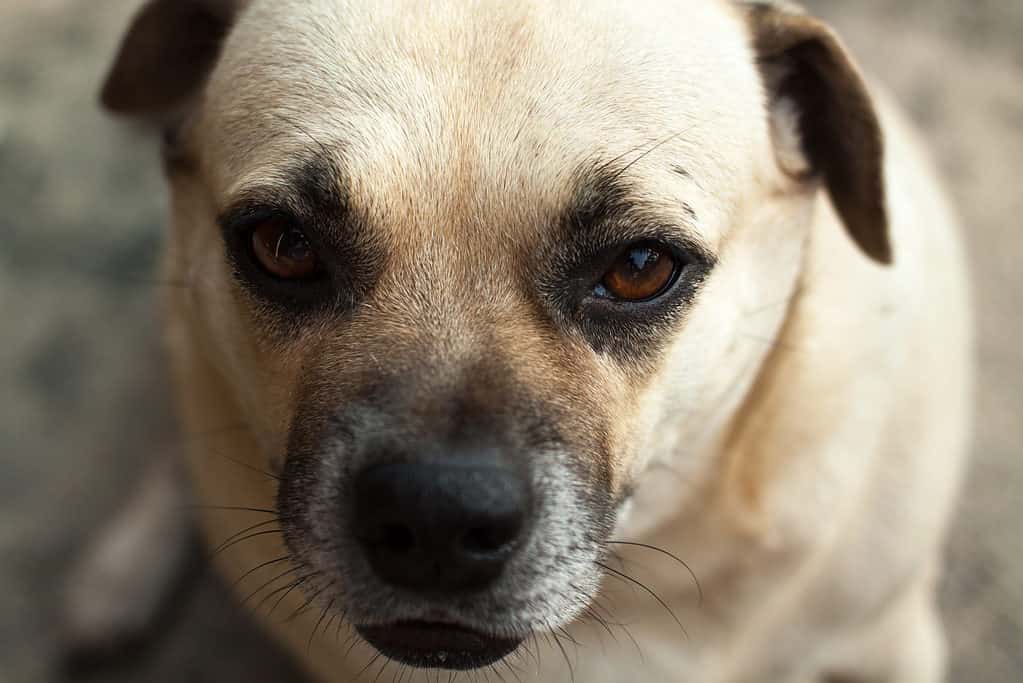
soundandpic66/Shutterstock.com

Daug Distribution

Click a location to explore more animals from that region

Origin Location

This map shows the native origin of the Daug. As a domesticated species, they are now found worldwide.

Loading map...

Found in 1 state/province

Size Comparison

Human 5'8"
Daug 9 in

Daug stands at 14% of average human height.

At a Glance

Domesticated
Also Known As Doxie-Pug, Pug-Dachshund mix, Dachshund-Pug mix, Pugdach, Pugshund
Diet Omnivore
Activity Diurnal+
Lifespan 13 years
Weight 11 lbs
Status Not Evaluated
Did You Know?

A Daug is a "designer" crossbreed, so coat, muzzle length, and leg shape can vary widely between siblings.

Scientific Classification

The Daug is a designer crossbreed produced by mixing a Dachshund and a Pug. Like other dog mixes, appearance and temperament vary by individual, typically combining the Dachshund’s elongated body traits with the Pug’s compact build and brachycephalic tendencies.

Kingdom
Animalia
Phylum
Chordata
Class
Mammalia
Order
Carnivora
Family
Canidae
Genus
Canis
Species
Canis lupus

Distinguishing Features

  • Small companion dog; highly variable appearance
  • May show shortened muzzle (brachycephaly)
  • Often has a somewhat elongated body and shorter legs
  • Potential for curled tail and facial wrinkles
  • Mixed-trait coat type and color patterns

Physical Measurements

Males and females differ in size

Height
11 in (8 in – 1 ft 1 in)
10 in (8 in – 12 in)
Length
1 ft 10 in (1 ft 6 in – 2 ft 4 in)
1 ft 8 in (1 ft 5 in – 2 ft 1 in)
Weight
20 lbs (14 lbs – 26 lbs)
18 lbs (12 lbs – 23 lbs)
Tail Length
6 in (4 in – 8 in)
6 in (4 in – 7 in)
Top Speed
17 mph
running

Appearance

Primary Colors
Secondary Colors
Skin Type Short coat
Distinctive Features
  • Designer mix; not a standardized pure breed within domestic dog species.
  • Often elongated body with shorter legs than typical dogs.
  • Brachycephalic-leaning face; shortened muzzle and facial wrinkles possible.
  • Large, round eyes; prone to irritation or corneal injury.
  • Curled or semi-curled tail; may be straight like Dachshund.
  • Short, smooth coat; moderate shedding with seasonal increases.
  • Risk of IVDD from long back; avoid excessive jumping.
  • Heat and exercise intolerance possible; monitor breathing in warm weather.
  • Obesity-prone; measure meals and use low-impact daily exercise.
  • Training benefits from positive reinforcement; can be stubborn and food-motivated.
  • Regular nail trims and ear cleaning reduce discomfort and infections.
  • Wrinkle care needed if present; keep facial folds clean and dry.

Sexual Dimorphism

Sexual dimorphism is mild: males are often slightly heavier and broader-chested, while females tend to be a bit smaller and finer-boned. Individual variation is high due to mixed parentage.

  • Slightly broader chest and thicker neck in many males.
  • May show more pronounced head width and facial musculature.
  • Often a touch lighter-framed with narrower shoulders.
  • May have a slightly longer-looking waistline and finer limbs.

Did You Know?

A Daug is a "designer" crossbreed, so coat, muzzle length, and leg shape can vary widely between siblings.

Many Daugs inherit the Dachshund's long back and short legs, which can increase spinal strain if overweight.

Some take after the Pug's flatter face, making them more prone to noisy breathing and heat intolerance.

They often combine Pug sociability with Dachshund persistence, creating a cuddly dog with a stubborn streak.

A harness is usually safer than a collar, helping protect the trachea and reducing pressure during pulling.

Because both parent breeds can gain weight easily, consistent portion control is as important as daily walks.

Unique Adaptations

  • Chondrodystrophic build from the Dachshund side: shorter limbs and longer spine, useful historically for going to ground.
  • Compact, muscular body that can suit apartment living, provided daily exercise and mental enrichment are consistent.
  • Possible brachycephalic airway traits from the Pug side, affecting stamina and requiring careful heat management.
  • Strong digging and pawing tendencies, which can be redirected into puzzle toys and scent games.
  • Highly food-motivated learning style, making reward-based training effective but requiring strict calorie awareness.

Interesting Behaviors

  • Scent-driven "sniff walks," where the nose leads and the dog negotiates for extra time exploring trails.
  • Burrowing into blankets or laundry, reflecting Dachshund denning instincts and a Pug-like love of warmth.
  • Comedic vocalizations-snorts, grunts, and sighs-especially in individuals with a shorter muzzle.
  • Stubborn "selective hearing" during training, improving greatly with short sessions and high-value rewards.
  • Shadowing family members from room to room, thriving on companionship and disliking long stretches alone.

Cultural Significance

As a modern companion cross, the Daug reflects today's "designer dog" trend: blending historic Dachshund hunting roots with the Pug's long role as a cherished lapdog in royal and urban households.

Myths & Legends

In ancient Egypt, Anubis-jackal-headed guardian of mummification-symbolized protection over the dead, shaping lasting reverence for canids.

Greek myth placed Cerberus, the multi-headed hound, at Hades' gate, a fearsome guardian preventing souls from escaping the underworld.

Chinese tradition celebrates imperial "lion dogs" (often linked with Pugs) as palace companions whose guardian imagery echoed in stone temple protectors.

Dachshunds trace to German badger-dog traditions; legends celebrate fearless earth-dogs that confronted badgers in their underground setts.

European lore of ominous black dogs, like England's Black Shuck, cast canines as supernatural guardians and warnings along lonely roads at night.

Conservation Status

NE Not Evaluated

Has not yet been evaluated against the criteria.

Population Stable

Life Cycle

Birth 4 pups
Lifespan 13 years

Lifespan

In the Wild 12–15 years
In Captivity 10–15 years

Reproduction

Mating System Polygynandry
Social Structure Managed Domestic
Breeding Season Year-round; females cycle into estrus twice yearly
Breeding Pattern Transient
Fertilization Managed Selective
Birth Type Internal_fertilization

As a Dachshund×Pug mix, the Daug varies in size and may show brachycephaly; common concerns include obesity, airway issues, and IVDD risk-care emphasizes weight control and heat avoidance. Mating is human-managed, via internal fertilization with no lasting pair bond.

Behavior & Ecology

Social Pack Group: 3
Activity Diurnal, Crepuscular, Matutinal, Vespertine, Cathemeral
Diet Omnivore Chicken

Temperament

Affectionate
Playful
Stubborn
Alert
Curious
Food-motivated
Vocal
Sensitive
Heat-sensitive
Protective

Communication

barks
grumbles
whines
snorts
huffs
body language
pawing
face licking
scent marking
resource guarding
attention seeking

Habitat

Biomes:
Temperate Forest Boreal Forest (Taiga) Tundra Alpine Temperate Grassland Mediterranean Desert Hot Desert Cold Savanna Tropical Rainforest Tropical Dry Forest Wetland Freshwater Marine +8
Terrain:
Plains Coastal Hilly Mountainous Valley
Elevation: Up to 11482 ft 11 in

Ecological Role

Human-associated omnivorous companion and opportunistic scavenger

companionship pest deterrence waste scavenging

Diet Details

Other Foods:
Pumpkin Rice Carrots Green beans Apples Oats

Human Interaction

Domestication Status

Domesticated

Domestic dogs diverged from wolves via human-associated scavenging and selection ~15,000-30,000 years ago across Eurasia for cooperation, guarding, and companionship. The Daug is a recent designer cross (late 20th-21st century) bred primarily as a companion.

Danger Level

Low
  • defensive nips when startled
  • child bite risk if mishandled
  • zoonotic parasites without prevention
  • tripping hazard underfoot

As a Pet

Suitable as Pet

Legality: Generally legal as a dog; local ordinances apply.

Care Level: Moderate

Purchase Cost: $200 - $1,500
Lifetime Cost: $15,000 - $35,000

Economic Value

Uses:
Pet trade Services Tourism Research
Products:
  • companionship
  • breeding
  • training
  • veterinary

Relationships

Predators 6

Coyote Canis latrans
Gray wolf Canis lupus
Cougar Puma concolor
Bobcat Lynx rufus
Golden eagle Aquila chrysaetos
Great horned owl Bubo virginianus

Related Species 6

Domestic dog Canis lupus familiaris Shared Genus
Gray wolf Canis lupus Shared Genus
Coyote Canis latrans Shared Genus
Golden jackal Canis aureus Shared Genus
Dhole Cuon alpinus Shared Family
Red fox Vulpes vulpes Shared Family

Ecological Equivalents 5

Animals that fill a similar ecological role in their ecosystem

Dachshund Canis lupus familiaris Parent breed; contributes long back and IVDD risk
Pug Canis lupus familiaris Parent breed; can add brachycephaly and overheating risk
Puggle (Pug × Beagle mix) Canis lupus familiaris Small companion mix; similar obesity and airway-management needs
French Bulldog Canis lupus familiaris Compact companion; similar brachycephalic breathing and heat sensitivity
Boston Terrier Canis lupus familiaris Small brachycephalic companion; similar exercise and cooling limitations

The Daug is an adorable hybrid resulting from crossbreeding a Dachshund and a Pug. These dogs are laidback, affectionate, and make great additions to families looking for a companion. However, because the Daug can inherit traits and features from either parent breed, it’s hard to say what they will look like or which temperament they will get. But this should not prevent you from getting one of these adorable pups, as this is the case with all mixed breeds. Furthermore, both the pug and Dachshund are fantastic pets, so the Daug should be no different.

This breed is generally healthy, so you can save on vet bills. So, if you are obsessed with pugs but don’t want to get one because of all their health concerns, a Daug is a good substitute.

Pros and Cons of Owning a Daug

While Daugs make great family pets, they also have some negative traits. So, to make sure that this hybrid is the right choice for your lifestyle, here are its pros and cons:

Pros!Cons!
They are the ideal pets for big city or apartment living due to their small size.While Daugs are a healthy breed, they are prone to health issues, including brachycephalic syndrome.
Daugs are good with older childrenThey are hard to train
They don’t require a lot of groomingCan experience separation anxiety

The Best Dog Food for a Daug

Luckily, these small hybrids don’t eat a lot, so splurging on expensive dog food won’t break the bank, as it will last longer. However, one thing you need to consider when working out your Daug’s diet is their weight, as this breed is prone to obesity due to overeating. Therefore, they should always be on a strict diet, and owners should never free-feed them. Instead, feeding them three to four small meals a day is beneficial. In addition, there is a possibility that your Daug might be susceptible to food allergies. So, it might take a while to find them the right food. A trip to your local vet will help determine which dog food they can eat. As they are small, it’s best to buy food specifically formulated for small dog breeds.

Daug Weight and Size

The Daug is a perfect option for big city and apartment living because it only weighs 15 to 20 pounds and measures 11 to 13 inches tall.

Daug Common Health Issues

While most mixed breeds are healthier than their parents, the Daug is susceptible to several health conditions that plague the Dachshund and pug. However, inheriting these diseases is not guaranteed, and you might get a perfectly healthy pup. But, if you do own a Daug, it’s always good to look out for symptoms resulting from the following health conditions.

Brachycephalic Syndrome

Because of their pug genes, Daugs can suffer from brachycephalic syndrome. It’s a condition that occurs when the dog’s snout is squished or shortened, affecting the face’s structure. As a result, the dog can find it hard to breathe, especially while exercising, as the bones and facial muscles are pressed together.

This condition doesn’t only affect the dog’s airways. While it makes breathing difficult, it also impacts the dog’s ability to cool itself down, which subjects them to heat exhaustion and eventually collapse. So, if you have ever wondered why your pug snorts and coughs, it’s because of the brachycephalic syndrome. Additionally, their bone structure causes eye problems, making their eyes bulge out of their sockets, which can result in infection.

Whether your Daug will inherit this condition is the luck of the draw. Some have it, while others are perfectly healthy. But you will be able to tell by the shape and size of their muzzle. For example, if your Daug has an elongated snout, they will be less affected.

Cushing’s Disease

Daugs may be susceptible to Cushing’s disease, a condition common in Dachshunds that affects their adrenal glands. This disease causes the dog to produce too many hormones, making them grow way too fast and age quickly. However, if it is caught in its early stages, Cushing’s disease can be treated.

Intervertebral Disk Disease

Intervertebral disk disease (IVD) generally occurs in dog breeds with long backs, like the Dachshund. As a result, certain areas within the spinal columns start to swell, cutting off nerves traveling to the lower body. IVD is usually caused by jumping, injury, or strenuous physical activity. However, it might be hard to diagnose because the symptoms don’t appear immediately.

Canines with IVD will generally experience pain in their legs and weakening muscles. It progresses to the extent that the dog’s lower body becomes paralyzed, which includes its legs and bladder. To treat this disease, vets usually recommend crate rest, and sometimes surgery is required. Unfortunately, while surgery works on some dogs with IVD, it’s costly and doesn’t always reap the results you want.

Life Expectancy

The Daug’s lifespan will vary depending on their genetics and which parent they take after the most. However, on average, they can live for 12 to 15 years.

Daug Temperament

Daugs were specifically bred to be companion animals, and they are friendly, laidback, and generally make fantastic family pets. Additionally, they are often people-oriented and have a hard time being left on their own. Luckily, they are not as hyperactive as other small breeds and would prefer to laze about on the couch. Furthermore, Daugs with shorter snouts should not be heavily exercised because it affects their breathing.

Daugs can suffer from separation anxiety, so if you work a lot or are hardly ever home, this is not the right breed for you. Being left on their own can cause depression or destructive behavior.

Lastly, this breed is not very friendly towards strangers, especially if they have not been socialized from a young age. Therefore, they bark loudly at any strange visitors entering your home. While this trait is perfect for someone looking for a watchdog, it’s not great if your neighbors live on top of you or you have a newborn that needs to nap.

Lastly, Daugs are not the most intelligent breed, and training them can be challenging. Therefore, they need a patient and persistent hand to teach them commands.
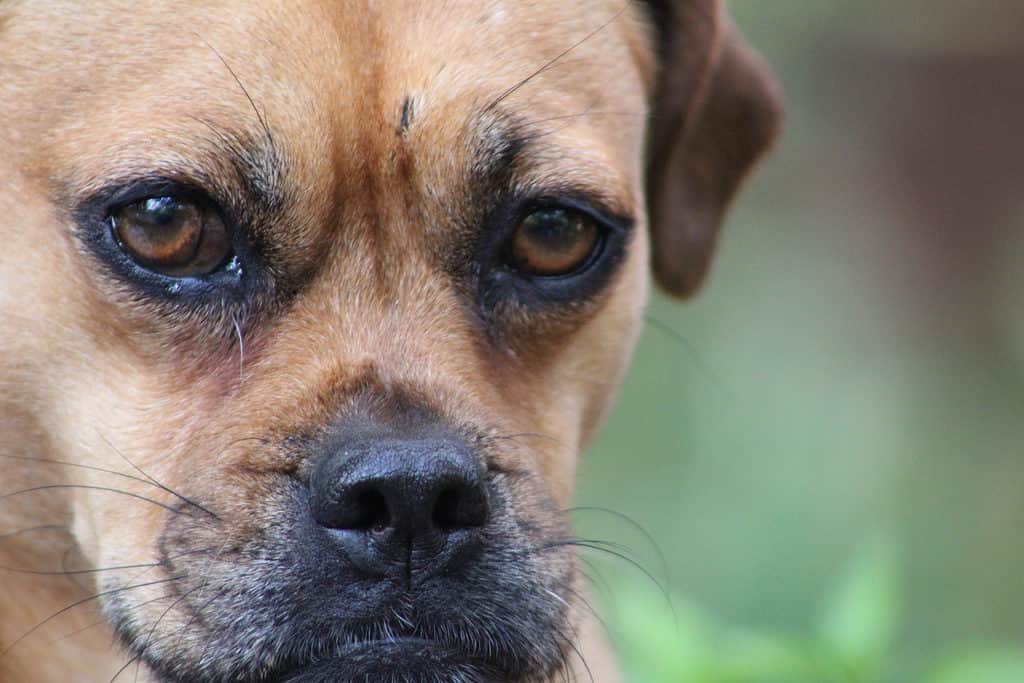
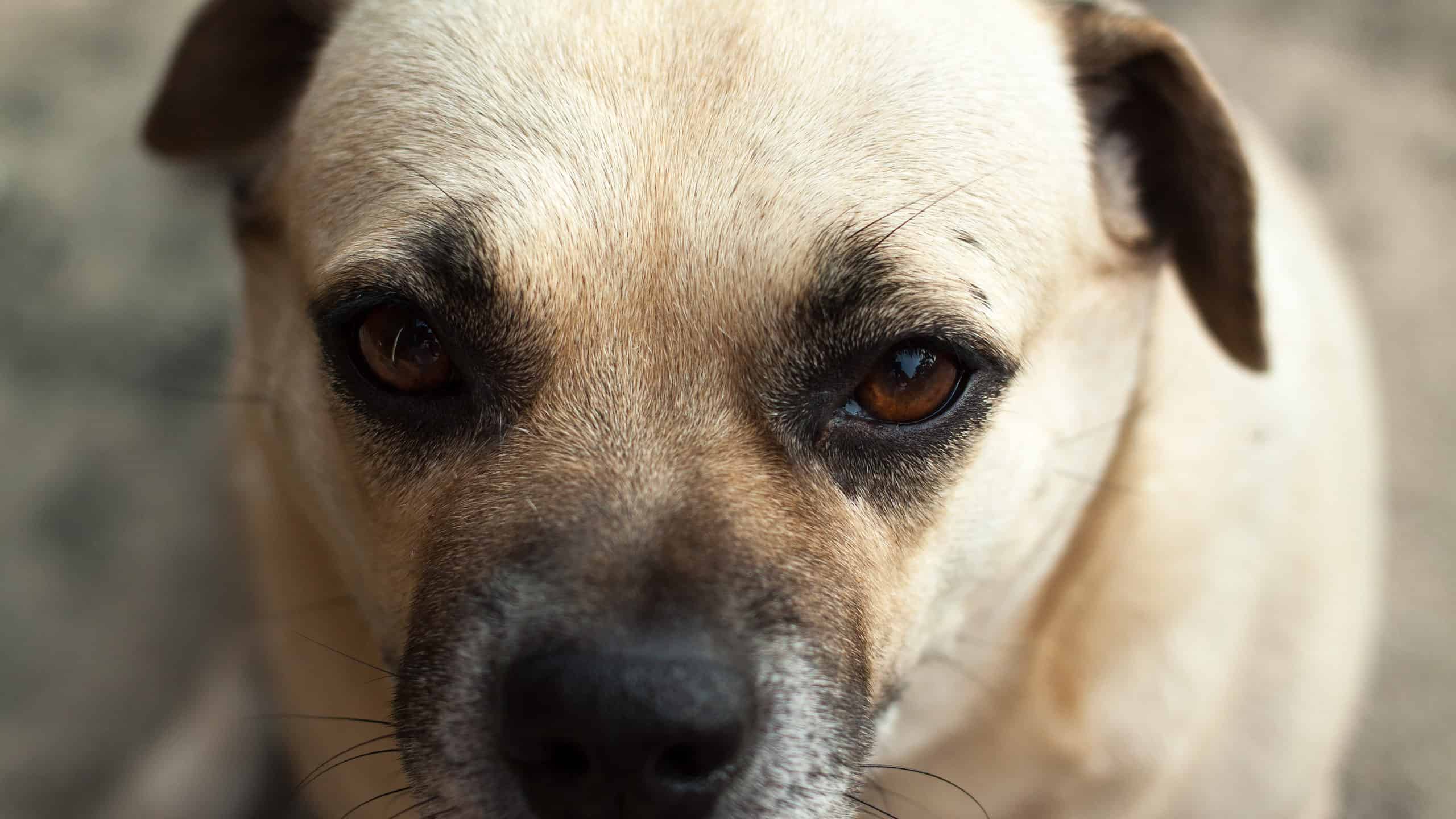
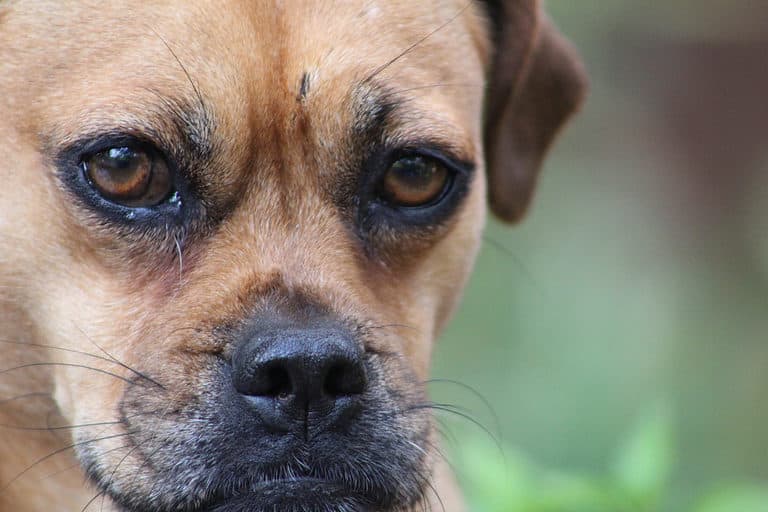
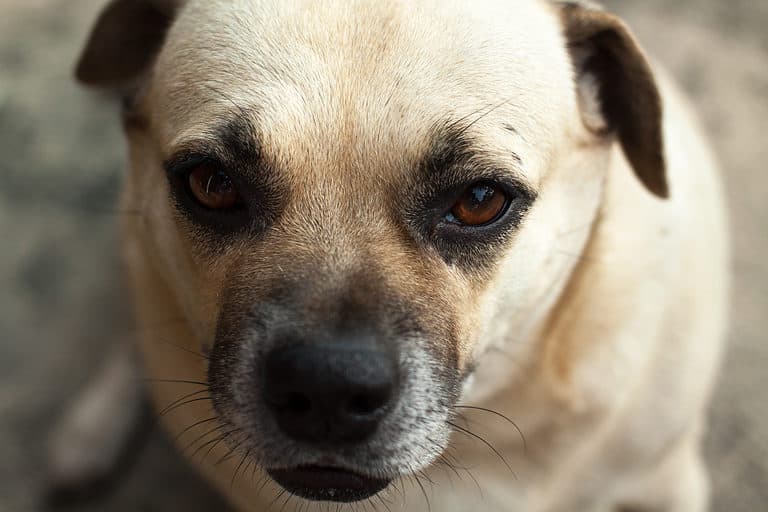
👁 Closeup shot of a daug

Daugs are loving and laidback dogs that make the perfect apartment pet.

©Audrey Paterson/Shutterstock.com

How to Take Care of a Daug

Taking care of a Daug doesn’t require a lot of effort; their grooming needs are relatively low-maintenance, and they don’t need a lot of exercise. However, this does not mean that they don’t need any care. Therefore, below is everything you need to know about caring for a Daug.

Grooming

Because Daugs have short fur, they don’t require a lot of grooming. However, these dogs shed a lot, which worsens during fall and spring. By brushing them twice a week, you can significantly decrease the amount of hair in your home. Also, brushing your Daug will remove dirt from its coat, so you won’t have to bathe it as much. It also helps spread natural oils across the fur, which is vital in keeping their coats and skin healthy.

You only need to bathe a Daug every few months or when they are extremely dirty or smelly. However, if they inherit wrinkly faces from the pug, you will need to regularly clean in between the folds to prevent bacteria and moisture from accumulating and causing infection. There are specific dog wipes available for cleaning their faces.

Training

Because this breed isn’t very intelligent, and they were not bred to work alongside people, training them is challenging. But, Daugs are generally well-behaved and don’t require much guidance, which makes them amazing family dogs. In addition, they are well-mannered and, if correctly stimulated, do not cause problems.

However, if you have other pets, you need to socialize this breed as they usually don’t like sharing attention with other dogs or cats. Owners can do this by introducing them to different dogs, people, and environments. Therefore, enrolling them in doggy daycare as puppies is an excellent solution.

Exercise

Because the Daug can suffer from brachycephalic syndrome, they shouldn’t get too much exercise. But this does not mean that they don’t need any physical stimulation. Two 15-minute walks a day should do the trick and keep your dog healthy. Furthermore, you can replace these walks with short play sessions. But, whatever you do, do not force them to exercise for extended periods, as they can overheat. However, play should always be encouraged as this breed can be quite lazy and quickly gain weight, which is detrimental to their health.

Puppies

Female Daugs can have litters of five to six puppies. These pups may look adorable and innocent, but they can be quite a handful. Their mischievous behavior can be curbed by early socialization and training, and it will help them grow into well-adjusted, friendly pooches.

Daugs and Children

While Daugs are laidback and affectionate, they are small and can easily be injured by young kids who don’t know how to handle dogs properly. In addition, if a child harms them, they could bite out of fear. So, they are best suited to families with older kids. However, if treated gently, they have no problem curling up with anyone in the family and will likely follow your children around all day.

Daug Cost

Because the Daug is so rare, they fetch a pretty penny. Dog lovers can pay up to $3,000 for one of these pups! They are expensive because the demand is higher than the supply. Furthermore, their parent breeds aren’t the healthiest dogs, and breeding them can be difficult. So, breeders have to perform numerous health tests on the parents, and they require a lot of medical care, which is costly.

Dogs similar to the Daug

There are a few dogs that are similar to the Daug in size and temperament; they include:

  • Beagle-Harrier: Elegant scenthounds that are easy to train and make great companions.
  • Bluetick Coonhound: Friendly dogs with a deep bawl mouth and a cold nose.
  • Brittany: They were initially bred for bird hunting as they are a type of gun dog.
View all 446 animals that start with D

Sources

  1. Petkeen / Accessed December 11, 2022
  2. Pet Guide / Accessed December 11, 2022
  3. Dachworld / Accessed December 11, 2022

About the Author

Chanel Coetzee

Chanel Coetzee is a writer at A-Z Animals, primarily focusing on big cats, dogs, and travel. Chanel has been writing and researching about animals for over 10 years. She has also worked closely with big cats like lions, cheetahs, leopards, and tigers at a rescue and rehabilitation center in South Africa since 2009. As a resident of Cape Town, South Africa, Chanel enjoys beach walks with her Stafford bull terrier and traveling off the beaten path.
Connect:

Thank you for reading! Have some feedback for us?

Contact the AZ Animals editorial team

Related Articles You May Find Interesting


Daug FAQs (Frequently Asked Questions)

The Daug’s lifespan will vary depending on their genetics and which parent they take after the most. However, on average, they can live for 12 to 15 years.