D
Species Profile

Deer

Cervidae

Antlers, migrations, and forest engineers
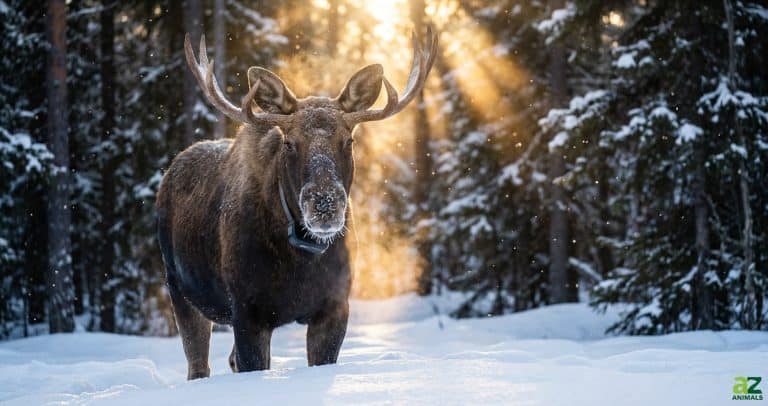
Karl Moor / Creative Commons

Deer Distribution

Click a location to explore more animals from that region

Invasive Species
Loading map...

Found in 45 countries

๐Ÿ‡ฆ๐Ÿ‡ฒ Armenia ๐Ÿ‡ฆ๐Ÿ‡ท Argentina ๐Ÿ‡ฆ๐Ÿ‡ฟ Azerbaijan ๐Ÿ‡ง๐Ÿ‡ท Brazil ๐Ÿ‡ง๐Ÿ‡น Bhutan ๐Ÿ‡จ๐Ÿ‡ฆ Canada ๐Ÿ‡จ๐Ÿ‡ฑ Chile ๐Ÿ‡จ๐Ÿ‡ณ China ๐Ÿ‡จ๐Ÿ‡ด Colombia ๐Ÿ‡จ๐Ÿ‡ท Costa Rica ๐Ÿ‡ฉ๐Ÿ‡ช Germany ๐Ÿ‡ฉ๐Ÿ‡ฟ Algeria ๐Ÿ‡ช๐Ÿ‡ธ Spain ๐Ÿ‡ซ๐Ÿ‡ฎ Finland ๐Ÿ‡ซ๐Ÿ‡ท France ๐Ÿ‡ฌ๐Ÿ‡ง United Kingdom ๐Ÿ‡ฌ๐Ÿ‡ช Georgia ๐Ÿ‡ฌ๐Ÿ‡น Guatemala ๐Ÿ‡ฎ๐Ÿ‡ช Ireland ๐Ÿ‡ฎ๐Ÿ‡ณ India ๐Ÿ‡ฎ๐Ÿ‡น Italy ๐Ÿ‡ฏ๐Ÿ‡ต Japan ๐Ÿ‡ฐ๐Ÿ‡ญ Cambodia ๐Ÿ‡ฐ๐Ÿ‡ต North Korea ๐Ÿ‡ฐ๐Ÿ‡ท South Korea ๐Ÿ‡ฐ๐Ÿ‡ฟ Kazakhstan ๐Ÿ‡ฑ๐Ÿ‡ฆ Lao People's Democratic Republic ๐Ÿ‡ฒ๐Ÿ‡ฆ Morocco ๐Ÿ‡ฒ๐Ÿ‡ฒ Myanmar ๐Ÿ‡ฒ๐Ÿ‡ณ Mongolia ๐Ÿ‡ฒ๐Ÿ‡ฝ Mexico ๐Ÿ‡ฒ๐Ÿ‡พ Malaysia ๐Ÿ‡ณ๐Ÿ‡ด Norway ๐Ÿ‡ณ๐Ÿ‡ต Nepal ๐Ÿ‡ต๐Ÿ‡ฆ Panama ๐Ÿ‡ต๐Ÿ‡ช Peru ๐Ÿ‡ต๐Ÿ‡ฑ Poland ๐Ÿ‡ต๐Ÿ‡น Portugal ๐Ÿ‡ท๐Ÿ‡บ Russia ๐Ÿ‡ธ๐Ÿ‡ช Sweden ๐Ÿ‡น๐Ÿ‡ญ Thailand ๐Ÿ‡น๐Ÿ‡ณ Tunisia ๐Ÿ‡น๐Ÿ‡ท Turkey ๐Ÿ‡บ๐Ÿ‡ธ United States ๐Ÿ‡ป๐Ÿ‡ณ Vietnam

Size Comparison

Human 5'8"
Deer 3 ft 3 in

Deer stands at 58% of average human height.

At a Glance

Family Overview This page covers the Deer family as a group. Stats below are general traits shared across the family.
Also Known As Stag, Hind, Hart, Buck, Doe
Diet Herbivore
Activity Crepuscular+
Lifespan 12 years
Weight 800 lbs
Status Not Evaluated
Did You Know?

Antlers are true bone grown in "velvet" (a blood-rich skin) and are usually shed and regrown every year-one of the fastest bone-growth processes in mammals.

Scientific Classification

Family Overview "Deer" is not a single species but represents an entire family containing multiple species.

Deer (family Cervidae) are ruminant, even-toed ungulate mammals characterized (in most species) by males growing and shedding bony antlers annually. They occur across the Americas, Europe, Asia, and parts of North Africa, occupying habitats from tundra and boreal forest to temperate woodlands and grassland-forest edges.

Kingdom
Animalia
Phylum
Chordata
Class
Mammalia
Order
Artiodactyla
Family
Cervidae

Distinguishing Features

  • Bony antlers (typically males; regrown annually) rather than permanent horns
  • Ruminant digestion (four-chambered stomach) and cud-chewing
  • Even-toed hooves (Artiodactyla)
  • Seasonal coats in many species; some with spots (e.g., sika, fawns of several species)
  • Scent glands and strong reliance on olfaction for communication

Physical Measurements

Males and females differ in size

Height
โ™‚ 0 in (0 in โ€“ 1 in)
โ™€ 3 ft 3 in (12 in โ€“ 6 ft 7 in)
Length
โ™‚ 5 ft 9 in (2 ft 6 in โ€“ 11 ft 6 in)
โ™€ 5 ft 7 in (2 ft 2 in โ€“ 10 ft 10 in)
Weight
โ™‚ 198 lbs (15 lbs โ€“ 1,764 lbs)
โ™€ 154 lbs (13 lbs โ€“ 794 lbs)
Tail Length
โ™‚ 6 in (1 in โ€“ 1 ft 4 in)
โ™€ 4 in (1 in โ€“ 12 in)
Top Speed
50 mph

Appearance

Primary Colors
Secondary Colors
Skin Type Dense fur over thin to medium skin; many deer shed fur seasonally โ€” short red summer coat, longer gray/cream winter coat with thick underfur. Antlers grow in velvet, harden, and are shed yearly.
Distinctive Features
  • Deer (Cervidae) vary widely: smallest pudus ~7โ€“13 kg, 32โ€“44 cm shoulder height; largest moose/elk-sized cervids ~300โ€“700+ kg, 1.4โ€“2.1 m shoulder height. Body length ~0.8โ€“3 m.
  • Typical lifespan varies widely by species and conditions: often ~6-12 years in the wild for many small-to-mid-sized deer, up to ~15-20+ years in larger/low-predation contexts; in captivity many species can reach ~20-25+ years (occasionally ~30).
  • Ruminant, even-toed ungulates: four-chambered stomach, cud-chewing; diet spans browsers (leaves, twigs, forbs) to mixed feeders and some grazing, with strong seasonal shifts (e.g., more browse in winter, more forbs/grass when available).
  • Antlers (not horns): most cervid males grow and shed them yearly. They grow under velvet, harden after velvet falls off. Used to show off and fight; shapes vary from spikes to branched or palm-like forms.
  • Notable diversity/exceptions in headgear: reindeer/caribou (Rangifer) commonly have antlers in both sexes (often smaller in females); some species (e.g., water deer) lack antlers entirely and males may have enlarged upper canines ("tusks").
  • Social life varies: many deer live alone or in small groups of related females; others, especially Rangifer, form large herds and move long distances. Groups grow in open areas, shrink in dense forest.
  • Activity patterns are commonly crepuscular with flexible shifts to nocturnal/diurnal depending on predation risk and human disturbance.
  • Reproduction: seasonal breeding (rut) is common in temperate/boreal species; tropical/subtropical species may be less strictly seasonal. Many exhibit strong rut behaviors (vocalizations, scent marking, sparring/fighting).
  • Ecological roles: major herbivores shaping understory and regeneration via browsing; important prey for large carnivores; contribute to seed dispersal (endozoochory/epizoochory) and nutrient cycling; can drive trophic cascades where predators are reduced.
  • Deer are managed for hunting and conservation but cause crop and forest damage, overbrowsing, and vehicle crashes. They suffer ticks, tick-borne diseases, bovine tuberculosis, chronic wasting disease, parasites, and regional hemorrhagic diseases.
  • Major lineages/genera illustrating family diversity include Cervus (elk/red deer group), Odocoileus (white-tailed/mule deer), Alces (moose), Rangifer (reindeer/caribou), and Capreolus (roe deer), spanning tundra to forests to edge habitats.

Sexual Dimorphism

Sex differences are common in Cervidae but vary. Often males are larger and have antlers while females do not. Exceptions: Rangifer females often have antlers, and water deer lack antlers with males having big canines. Differences depend on mating, habitat, and seasonal food.

โ™‚
  • Usually larger body mass and neck/chest musculature (especially during rut) in many species.
  • Antlers in most species: typically larger and more complex than any female antlers where females have them; used for display and combat; shed annually.
  • More pronounced rut traits in many species: thicker neck mane/ruff in some, increased scent marking and vocalization, and seasonal gland/skin darkening in certain taxa.
  • In antlerless species (e.g., water deer), males may show enlarged upper canines projecting as visible 'tusks'.
โ™€
  • Often smaller-bodied with more gracile head/neck; commonly lack antlers in many genera.
  • In Rangifer (reindeer/caribou), females frequently bear antlers (generally smaller/simpler), which can aid in winter foraging competition.
  • Maternal traits dominate behavioral dimorphism: hiding or guarding neonates, leading fawns/calves to forage, and selecting cover-rich habitats during early rearing; degree varies from 'hider' to more 'follower' strategies depending on species/ecology.

Did You Know?

Antlers are true bone grown in "velvet" (a blood-rich skin) and are usually shed and regrown every year-one of the fastest bone-growth processes in mammals.

Not all deer have antlers: females lack them in most species, but female reindeer/caribou (Rangifer) commonly grow antlers too.

The family spans extremes: from tiny forest deer under ~10 kg to the moose (Alces), which can exceed 700 kg and carry the largest antlers.

Deer aren't strictly "browsers" or "grazers"-different species (and seasons) shift along that spectrum, shaping forests and grasslands in different ways.

Several deer undertake major migrations (notably Rangifer), while others keep small home ranges and rely on cover and stealth.

Deer can disperse seeds by carrying them in fur or passing them after feeding, linking plant communities across landscapes.

Many deer have highly specialized winter strategies-diet shifts, thicker coats, and energy-saving behavior-yet these strategies vary widely by latitude and species.

Unique Adaptations

  • Antler cycle (in most species): annual growth under velvet, mineralization, velvet shedding, and antler casting; strongly tied to hormones and nutrition, and shaped by sexual selection.
  • Ruminant digestion: four-chambered stomach enables fermentation of tough plant material; diet breadth varies from "concentrate selectors" (more browse) to more grazing-adapted forms.
  • Seasonal coats and insulation: dense winter underfur; in cold-adapted deer, hollow or air-trapping hairs improve insulation (especially notable in northern species).
  • Locomotion for mixed terrain: cloven hooves with dewclaws aid traction in snow, mud, and steep ground; long legs in moose suit wading through wetlands and deep snow.
  • Enhanced senses: strong smell and hearing support predator detection; large, mobile ears and wide visual fields are common.
  • Flexible reproductive timing: breeding seasons are tuned to local climate so births align with peak forage; timing can shift by latitude and environment.
  • Disease and parasite pressures: family-wide exposure to ticks, parasites, and region-specific diseases (e.g., chronic wasting disease in some populations) influences behavior and management.

Interesting Behaviors

  • Seasonal rutting: many species enter a breeding season when males increase movement, vocalize (roars, grunts, whistles), scent-mark, and spar-intensity and timing vary widely by species and latitude.
  • Antler sparring and display: ritualized postures, parallel walks, and antler "locking" contests help settle dominance; in some species, fights can be dangerous, while others rely more on display than contact.
  • Scent communication: use of preorbital, forehead, tarsal, metatarsal, and interdigital glands (varies by genus) for marking trails, scrape sites, and social status.
  • Group patterns range from solitary woodland deer to larger, shifting herds in open habitats; grouping often changes seasonally (e.g., during calving/fawning or winter).
  • Vigilance and alarm signaling: tail flags (e.g., Odocoileus), snorts, stomps, and freeze-and-flee tactics; reliance on concealment vs speed differs among habitats.
  • Migration vs residency: some populations make long, traditional movements between seasonal ranges, while others remain year-round-both strategies can occur within the same species depending on landscape and climate.
  • Foraging ecology: selective browsing on shrubs/forbs in forests, grazing in open areas, and winter reliance on woody browse or lichens (notably Rangifer); rumination allows efficient use of fibrous plants.

Cultural Significance

Deer (Cervidae) have long fed, clothed, and helped peopleโ€”especially reindeer/caribou for Arctic Indigenous life. They feature in royal hunts and trade (venison, antlers). Today they shape forests, cause car crashes, tick disease risks, and spur conservation debates.

Myths & Legends

Celtic tradition tells of the white stag as a supernatural guide into the Otherworld, appearing in medieval tales and later Arthurian-adjacent lore as an omen and a summons to quest.

In Shinto tradition and Japanese folklore, deer are revered as messengers of deities-especially in Nara, where the sacred deer are associated with the deity of the Kasuga Grand Shrine and long protected by custom.

Chinese mythology includes the Deer of Longevity, a symbol linked with long life and prosperity; deer imagery is commonly paired with auspicious motifs in traditional art.

In the British Isles, Herne the Hunter-an English folkloric figure-appears with stag antlers, haunting Windsor Forest as a spectral hunter.

In Norse mythology, four stags-Dain, Dvalin, Duneyr, and Durathror-browse the branches of Yggdrasil, the world tree, in the Poetic Edda tradition.

In some Native American traditions, Deer (Cervidae) is a powerful being linked to gentleness, being watchful, and giving itself to help sustain people; deer dances and ceremonial roles occur in the Southwest and Mexico.

In Greek myth, Artemis' sacred deer include the Ceryneian Hind, a swift, golden-antlered creature pursued as one of Heracles' labors, embodying the boundary between wilderness and the divine.

Conservation Status

NE Not Evaluated (family-level hub). Cervidae is a diverse family; individual species range from Least Concern (LC) to Critically Endangered (CR) and Extinct in the Wild (EW). Notable higher-risk cervids include several Southeast Asian and island taxa (e.g., Bawean deer *Axis kuhlii* [EN], Calamian deer *Axis calamianensis* [EN], Visayan spotted deer *Rusa alfredi* [EN], Eld's/brow-antlered deer *Rucervus eldii* [EN]) and South American specialists (e.g., huemul *Hippocamelus bisulcus* [EN]); some taxa have been EW historically (e.g., Pรจre David's deer *Elaphurus davidianus* [often listed EW]). Family-wide ranges & generalizations (smallestโ†’largest members; varies by species): - Measurements: adult body mass roughly ~7-12 kg (smallest pudus) up to ~400-700+ kg (moose). Shoulder height from ~30-40 cm up to ~1.7-2.1 m. Antlers absent in some females and reduced/variable by species; maximum antler spans can exceed ~1.5-1.8 m in the largest cervids. - Lifespan: commonly ~5-15 years in the wild for many species; up to ~15-20+ years in larger cervids; captivity can reach ~20-30 years depending on species and husbandry. - Behavior/Ecology (common patterns with explicit variation): all are ruminant herbivores (browsers, grazers, or mixed feeders) with strong seasonal diets in temperate/boreal zones; activity often crepuscular/nocturnal but varies with predation and human pressure. Social systems vary widely from solitary/territorial forest deer to large, open-habitat herds; many species show seasonal breeding (rut) with male-male competition and, in most species, annual antler growth and shedding. Movement ecology ranges from sedentary home ranges to long-distance migrations (notably in some *Rangifer* and temperate cervids). Habitat breadth spans tundra/boreal forest to temperate woodland, montane forest, savanna/grassland edges, wetlands, and small-island forests; specialization tends to increase extinction risk when coupled with habitat loss and hunting.

Has not yet been evaluated against the criteria.

Population Unknown

Protected Under

  • Varies widely by species and country; many cervids occur in protected areas and are subject to national wildlife laws, hunting seasons/quotas, and anti-poaching enforcement.
  • CITES listings apply to selected cervid species/subspecies (Appendix I/II), particularly among more threatened Asian and island taxa; coverage is not uniform across the family.
  • Some threatened deer are covered by regional conservation instruments and recovery plans (e.g., habitat directives, endangered species acts, reintroduction/managed-breeding programs).

Looking for a specific species?

White-tailed deer

Odocoileus virginianus

In common English usage-especially in North America-"deer" most often refers to the white-tailed deer because of its broad distribution, abundance, and frequent presence near human-modified landscapes.

  • Family-wide size range (Cervidae): from the smallest pudu (~3-6 kg; ~25-40 cm shoulder height) to the largest moose (~200-700+ kg; up to ~2.1 m shoulder height), reflecting major ecological diversity.
  • Family-wide lifespan range: commonly ~6-18 years in the wild depending on species and predation/harvest pressure; some individuals can reach ~20+ years, and captive longevity can approach ~25-30 years in some species.
  • Behavior/ecology across Cervidae: mostly crepuscular ruminant herbivores; diets range from browsing to grazing and seasonally mixed feeding, with strong regional/seasonal variation driven by plant availability.
  • Antlers and reproduction vary widely: most species have males that grow and shed bony antlers annually; exceptions include water deer (no antlers) and reindeer/caribou (both sexes may grow antlers).
  • Deer live in tundra, boreal forests, temperate woodlands, mountains, wetlands, and forestโ€“grassland edges across the Americas, Europe, Asia, and North Africa. They range from solitary to large herds and from sedentary to long migrations.
View White-tailed deer Profile

You might be looking for:

White-tailed Deer

22%

Odocoileus virginianus

Widespread North American deer; common in forests, fields, and suburban edges.

View Profile

Red Deer

18%

Cervus elaphus

Large deer of Europe and parts of Asia; iconic rutting behavior and antlered stags.

View Profile

Roe Deer

12%

Capreolus capreolus

Small-to-medium European deer common in woodland and farmland mosaics.

View Profile

Mule Deer

12%

Odocoileus hemionus

Western North American deer with large ears and black-tipped tail.

View Profile

Moose

10%

Alces alces

Largest living deer; boreal and temperate forests of the Northern Hemisphere.

View Profile

Reindeer / Caribou

10%

Rangifer tarandus

Arctic and subarctic deer; both sexes often grow antlers; includes migratory caribou.

View Profile

Sika Deer

8%

Cervus nippon

East Asian deer; spotted coat common; widely introduced elsewhere.

View Profile

Life Cycle

Birth 1 fawn
Lifespan 12 years

Lifespan

In the Wild 3โ€“20 years
In Captivity 5โ€“30 years

Reproduction

Mating System Polygyny
Social Structure Harem Based
Breeding Pattern Seasonal
Fertilization Internal Fertilization
Birth Type Internal_fertilization

Deer (Cervidae) are mostly polygynous (one male mates with many females), often via harems or territory/resource defense. Some use leks or dispersed mating. Breeding is seasonal, fertilization is internal, bonds are short, mothers care, paternity may be mixed.

Behavior & Ecology

Social Herd Group: 12
Activity Crepuscular, Cathemeral, Diurnal, Nocturnal
Diet Herbivore Tender new growth (spring/summer browse and forbs) and energy-rich mast (e.g., acorns/beechnuts) when seasonally abundant; in northern tundra systems, lichens can be a key preferred winter food for some species.
Seasonal Migratory 621 mi

Temperament

Wary and vigilant (strong flight response common across the family)
Seasonally variable aggression: males often become more intolerant/combative during the rut, while females may defend young
Generally risk-avoidant and quick to habituate or shift to more nocturnal activity under human disturbance
Social tolerance varies widely: from solitary, cover-dependent species to highly gregarious, migratory forms

Communication

alarm barks/snorts and explosive exhalations used to signal danger
contact calls between females and young Bleats/meeows in some species
rut vocalizations in some species (grunts, moans, roars) used for mate attraction and male-male assessment
distress calls by young when threatened
scent marking via glands (preorbital, forehead, interdigital, metatarsal/tarsal) and rubbing on vegetation
urine/feces marking and use of communal latrines in some species; widespread use of scent trails and chemical cues
scrapes, pawing, thrashing vegetation, and antler displays during dominance interactions Varies with antlered vs reduced/absent-antler species
visual signals such as body posture, tail-flagging, ear position, piloerection, and stamping as warning/assessment cues

Habitat

Biomes:
Tropical Rainforest Tropical Dry Forest Savanna Desert Hot Desert Cold Mediterranean Temperate Grassland Temperate Forest Temperate Rainforest Boreal Forest (Taiga) Tundra Alpine Wetland +7
Terrain:
Mountainous Hilly Plateau Plains Valley Coastal Island Riverine Rocky Sandy Muddy +5
Elevation: Up to 16404 ft 3 in

Ecological Role

Widespread large-to-medium primary consumers (herbivorous ruminants) that shape plant communities and serve as key prey/energy pathways in many terrestrial ecosystems.

Vegetation regulation and plant community shaping via browsing/grazing (including effects on forest regeneration and understory structure) Seed dispersal (endozoochory of fruits/berries; epizoochory via fur/hooves) and seedling establishment patterns Nutrient cycling through dung/urine deposition and carcass inputs Support of predator and scavenger food webs (important prey base where large carnivores persist) Creation of habitat heterogeneity (selective feeding, trail formation, localized soil disturbance) Host role for parasites and vectors (e.g., ticks), influencing disease ecology in some regions

Diet Details

Other Foods:
Browse Forbs and herbaceous plants Grasses and sedges Mast Fruits and berries Conifer and broadleaf foliage Bark and cambium Lichens Mosses Fungi Aquatic and wetland plants Agricultural crops +6

Human Interaction

Domestication Status

Wild

Most deer are wild. The main semi-domesticated species is reindeer (Rangifer tarandus), kept for meat, transport, hides, and materials across northern Eurasia. Other species (red deer, fallow deer, sika) are often farmed or ranched for meat, velvet antler, breeding stock, or huntingโ€”managed, not fully domesticated. Escaped introductions made feral herds in many places.

Danger Level

Moderate
  • Vehicle collisions (a leading source of human injury/fatality associated with deer in many regions)
  • Aggression and physical injury (kicking, stomping, antler goring), especially during rut, when cornered, or when habituated/food-conditioned
  • Zoonotic/vector-borne disease exposure primarily via ticks carried by deer (e.g., Lyme-associated tick ecology, anaplasmosis, babesiosis depending on region)
  • Handling risks in farms/captive facilities: restraint injuries, fence entanglement incidents, and worker trauma during transport or breeding season
  • Property and crop damage leading to indirect hazards (damaged fencing, road-edge foraging increasing collision risk)
  • Disease management concerns: CWD affects deer and drives human regulatory and disposal precautions (no confirmed natural human cases, but significant public health and food-safety concern)

As a Pet

Not Suitable as Pet

Legality: Rules for keeping deer vary by country, state, or province. It's often banned or needs permits, high fences, vet plans, and testing. Areas with CWD (chronic wasting disease) have stricter bans, often no pets.

Care Level: Expert Only

Purchase Cost: Up to $8,000
Lifetime Cost: $10,000 - $80,000

Economic Value

Uses:
Food (venison) Hides/leather Antler/velvet products Reindeer husbandry and pastoralism Recreational hunting and wildlife ranching Ecotourism/wildlife viewing Forestry/agriculture impacts and mitigation (damage control, fencing, culling programs) Scientific research and wildlife management
Products:
  • Venison and processed meats
  • Hides, leather, and hair (including specialty uses)
  • Antlers (decor, tools/crafts) and velvet antler supplements (regulated/variable by region)
  • Reindeer products: meat, hides, antlers, traditional materials; historically traction/transport in some cultures
  • Hunting licenses, guiding services, and managed trophy operations
  • Byproducts from farming/ranching (breeding stock, semen/embryos in some operations)

Relationships

Predators 14

Gray wolf Canis lupus
Coyote Canis latrans
Cougar Puma concolor
Eurasian lynx Lynx lynx
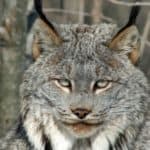
Canada lynx Lynx canadensis
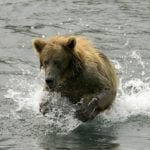
Brown bear Ursus arctos
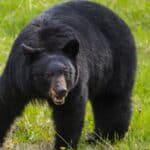
American black bear Ursus americanus
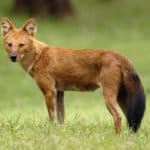
Dhole Cuon alpinus
Tiger Panthera tigris
Leopard Panthera pardus
Snow leopard Panthera uncia
Jaguar Panthera onca
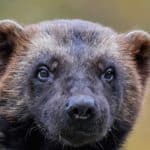
Wolverine Gulo gulo
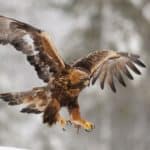
Golden eagle Aquila chrysaetos

Related Species 6

Bovids Bovidae Shared Order
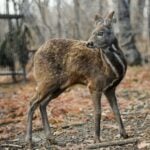
Musk deer Moschidae Shared Order
Giraffes and okapi Giraffidae Shared Family
Pronghorn Antilocapra americana Shared Order
Pigs and boar Suidae Shared Order
Hippopotamuses Hippopotamidae Shared Order

Ecological Equivalents 5

Animals that fill a similar ecological role in their ecosystem

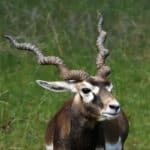
Antelopes and gazelles Bovidae Often occupy similar grazing and browsing niches in open woodlands, savannas, steppes, and forest edges, and have comparable predator-avoidance strategies (vigilance, grouping, flight).
Mountain sheep and goats Ovis, Capra Ruminant herbivores with similar digestive strategies. In some regions they overlap with deer in alpine and subalpine habitats and seasonally compete for browse and forbs.
Pronghorn Antilocapra americana North American open-country cursorial herbivore with convergent ecology to some deer in grassland-shrubland mosaics; overlaps in diet (forbs and shrubs) and shares predators.
Moose-like browsers A large-bodied browsing strategyโ€”feeding on woody browse and, in some systems, aquatic plantsโ€”occurs across multiple ruminant lineages. This ecological role parallels that of large deer species in shaping shrub and sapling dynamics.
Kangaroos and wallabies Macropodidae In Australia, macropods fill broadly similar large-herbivore roles in some landscapes, performing grazing and browsing and influencing vegetation structure, despite being only distantly related to other large herbivores.

Types of Deer

36

Explore 36 recognized types of deer

Speciess (34)

Moose Alces alces
Reindeer / Caribou Rangifer tarandus
Red deer Cervus elaphus
Wapiti / Elk Cervus canadensis
Sika deer Cervus nippon
Fallow deer Dama dama
Persian fallow deer Dama mesopotamica
Chital / Axis deer Axis axis
Sambar Rusa unicolor
Javan rusa Rusa timorensis
Barasingha / Swamp deer Rucervus duvaucelii
Eld's deer Rucervus eldii
Hog deer Axis porcinus
Calamian deer Axis calamianensis
Pere David's deer Elaphurus davidianus
White-tailed deer Odocoileus virginianus
Mule deer Odocoileus hemionus
Roe deer Capreolus capreolus
Siberian roe deer Capreolus pygargus
Water deer Hydropotes inermis
Indian muntjac Muntiacus muntjak
Reeves's muntjac Muntiacus reevesi
Gongshan muntjac Muntiacus gongshanensis
Tufted deer Elaphodus cephalophus
Northern pudu Pudu mephistophiles
Southern pudu Pudu puda
Marsh deer Blastocerus dichotomus
Pampas deer Ozotoceros bezoarticus
Huemul / South Andean deer Hippocamelus bisulcus
Taruca Hippocamelus antisensis
Red brocket Mazama americana
Gray brocket Mazama gouazoubira
Yucatan brown brocket Mazama pandora
Bornean yellow muntjac Muntiacus atherodes

Subspeciess (2)

Key deer Odocoileus virginianus clavium Subspecies
Black-tailed deer Odocoileus hemionus columbianus Subspecies

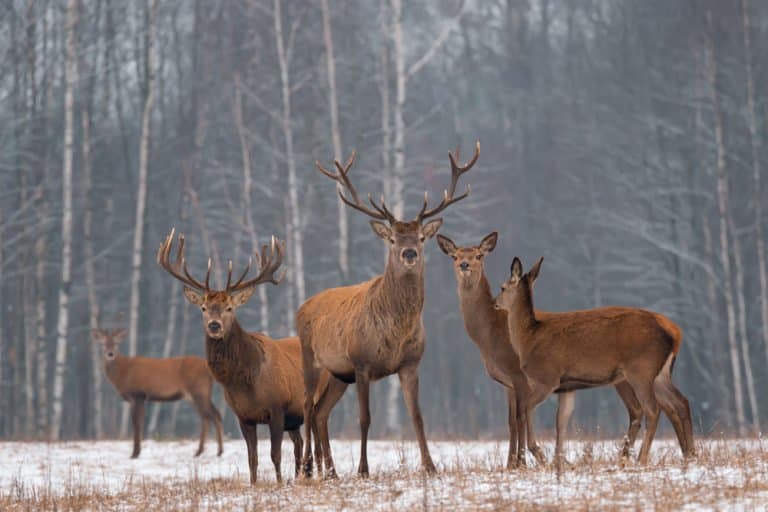
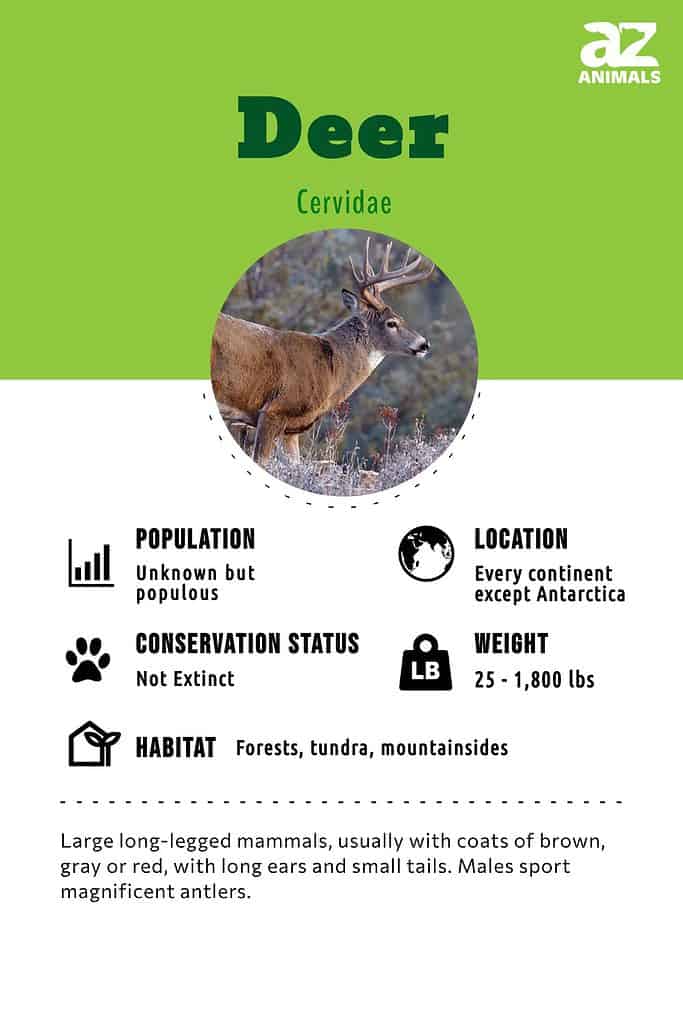
Foraging languidly among forests and plains, the deer is one of the most familiar and recognizable sights in all of nature.


The deer is an animal that has proliferated across the globe and evolved many adaptations to help it cope with the rigors of a hostile world. Its regal antlers are some of the most notable characteristics in the animal kingdom, used for defense and sexual signaling. When it is disturbed, it can spring into action with its remarkable speed, agility, and finesse. And it has evolved a unique ability to digest all kinds of vegetation. The deer is a kind of evolutionary success story.
๐Ÿ‘ Image

Interesting Deer Facts

  • Deer are animals that have traditionally occupied an integral role in various cultures and mythologies around the world. The famous cave paintings of Lascaux, which date back around 17,000 years, depict a rich, imaginative canvas of horses, deer, and other animals.
  • A symbol of strength and nobility, they once adorned many of the flags, banners, and coats-of-arms of medieval Europe.
  • Males are known as bucks or stags, while females are called doe. In larger species, the correct terms are bull and cow.
  • Deer shed and then grow back their antlers every year after the end of the mating season.

You can check out more incredible facts about deer.
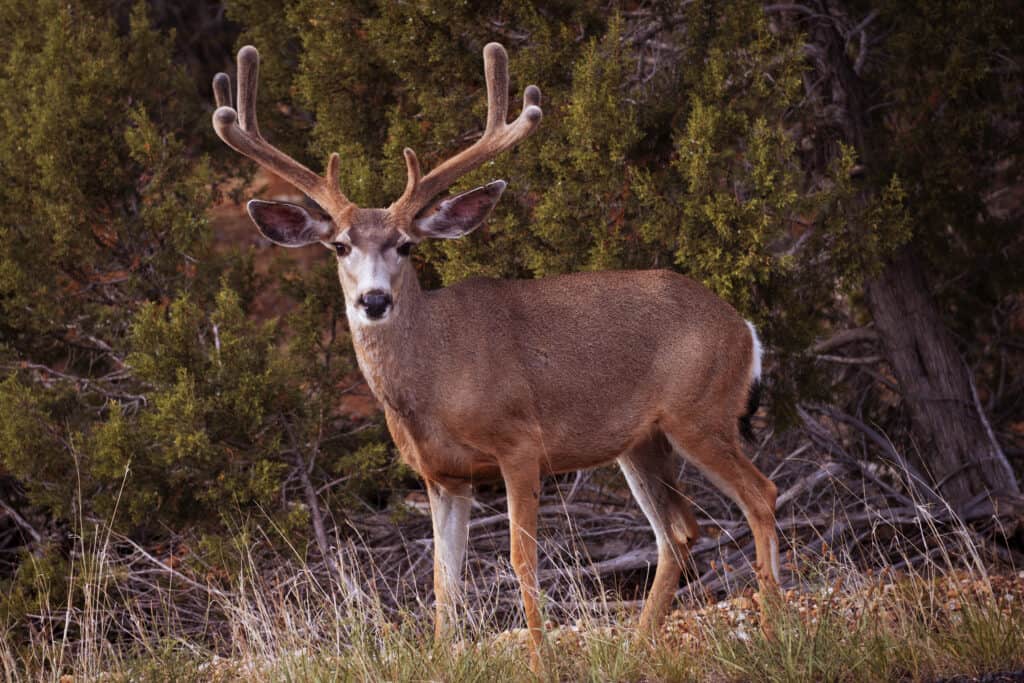
๐Ÿ‘ mule deer

Mule deer are named for the shape of their ears and are native to North America.

ยฉiStock.com/Tiago_Fernandez

Scientific Name

Cervidae is the scientific name for all species of deer. It derives from the Latin word Cervus, which simply means stag or deer. The Cervidae family belongs to the order Artiodactyla, which represents all even-toed ungulates or hoofed animals with a certain kind of foot. The order includes giraffes, bison, hippos, pigs, camels, sheep, and cattle. More recent evidence suggests that cetaceans are also members of the order since they evolved from the even-toed ungulates tens of millions of years ago.

Taxonomists generally agree that there are three subfamilies of these animals. Capreolinae, which includes reindeer, white-tailed deer, and moose, is known colloquially as the New World deer. Cervinae, which features the elk, the red deer, the tropical muntjacs, and the tufted deer, are known as the Old World deer. The third subfamily, Hydropotinae, is represented by just the water deer. The terms Old World and New World do not designate the deerโ€™s current range but rather how they evolved. They can be distinguished from each other by key differences in their skeletal morphology.

For most people, the Cervidae family is associated with white-tailed deer, red deer, mule deer, elk, caribou, and moose. But the entire family actually contains a massive amount of diversity. Taxonomists seem to disagree on the exact number of species, but by most counts, there are at least 40 still living, each one unique in its own way. Some sources put the number at more than 50 species.
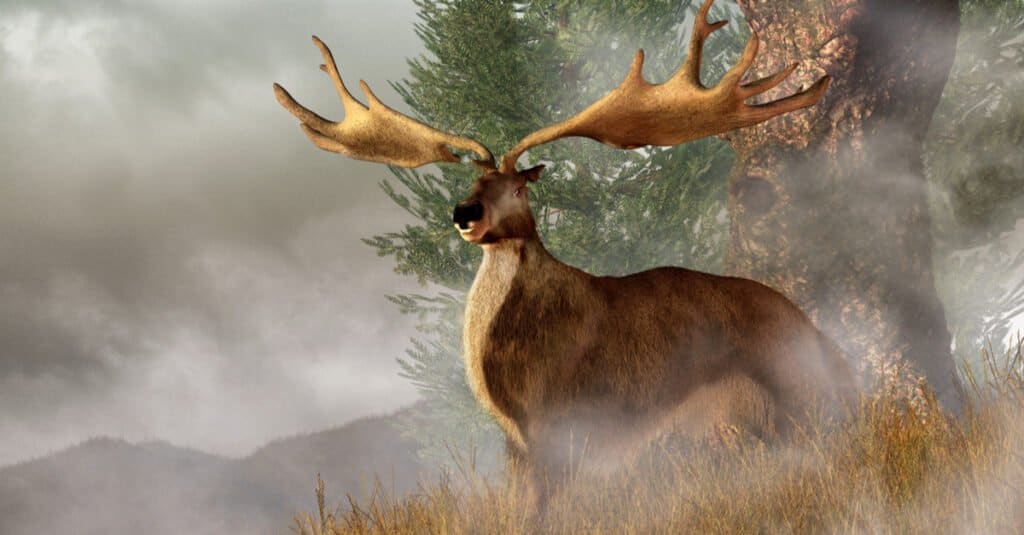
๐Ÿ‘ Largest Deer Ever - Irish Elk

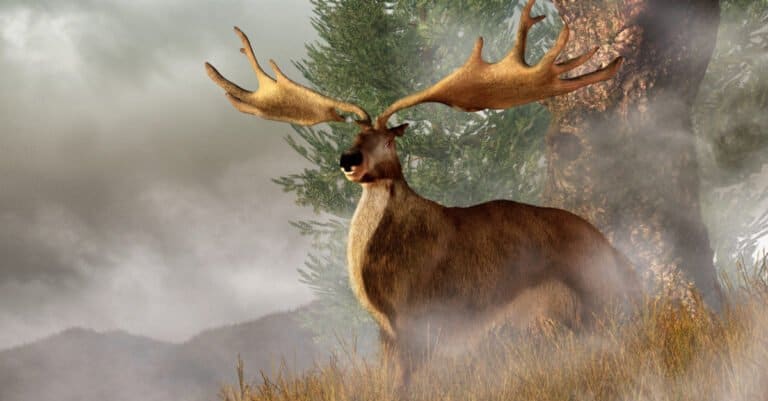
The Irish elk had massive antlers and is believed to have weighed more than 2,000 lbs

ยฉDaniel Eskridge/Shutterstock.com

Evolution

Evidence from the fossil record suggests that these animals likely evolved around 20 million years ago. The earliest species were probably small creatures (much like the present-day mouse deer) with simple, rudimentary antlers and canine tusks. Many species flourished during the recent Pleistocene era, including the truly massive Irish elk, whose antlers may have weighed up to 90 lbs.
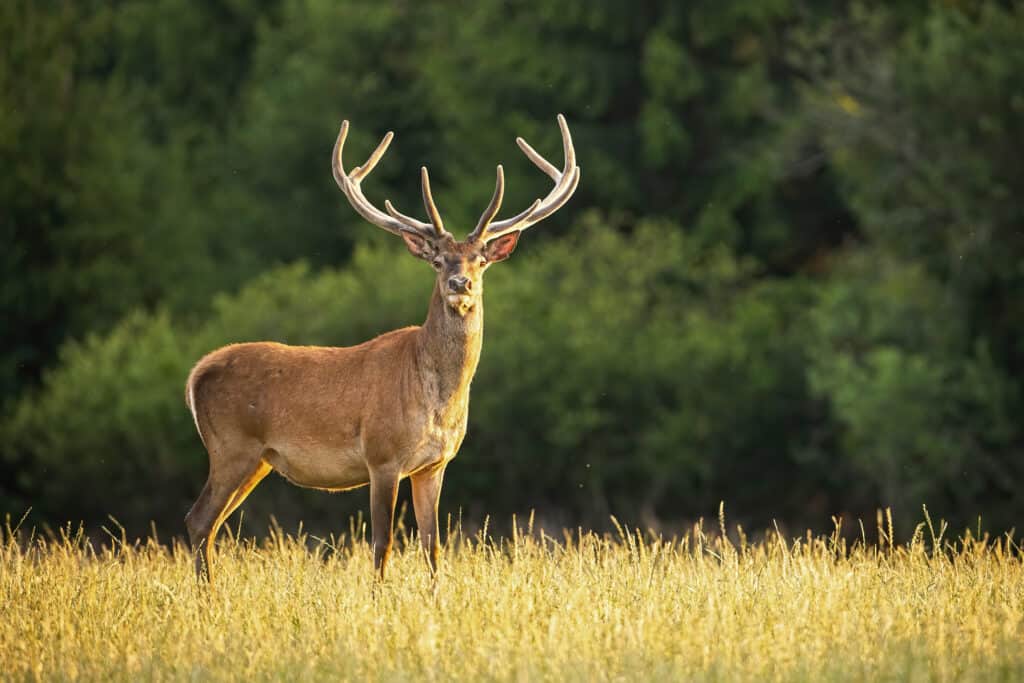
๐Ÿ‘ deer

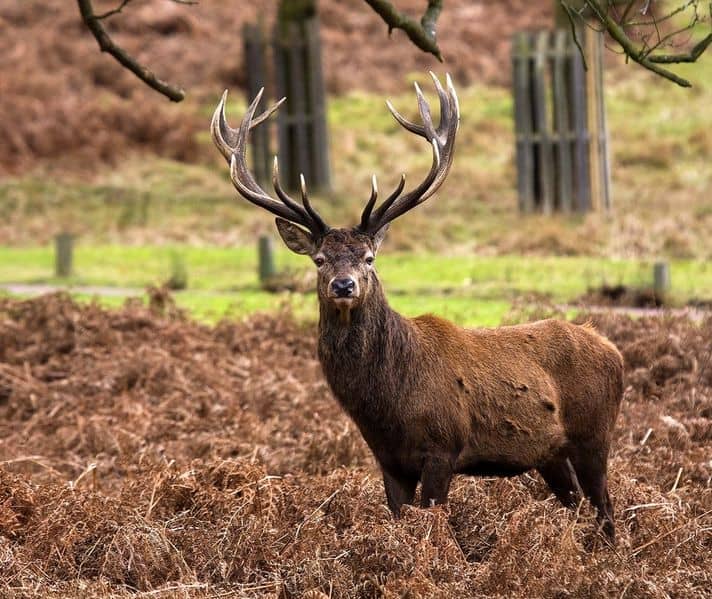
Antlers are the most prominent characteristic of male deer โ€“ their size determines hierarchy within the group.

ยฉWildMedia/Shutterstock.com

Appearance and Behavior

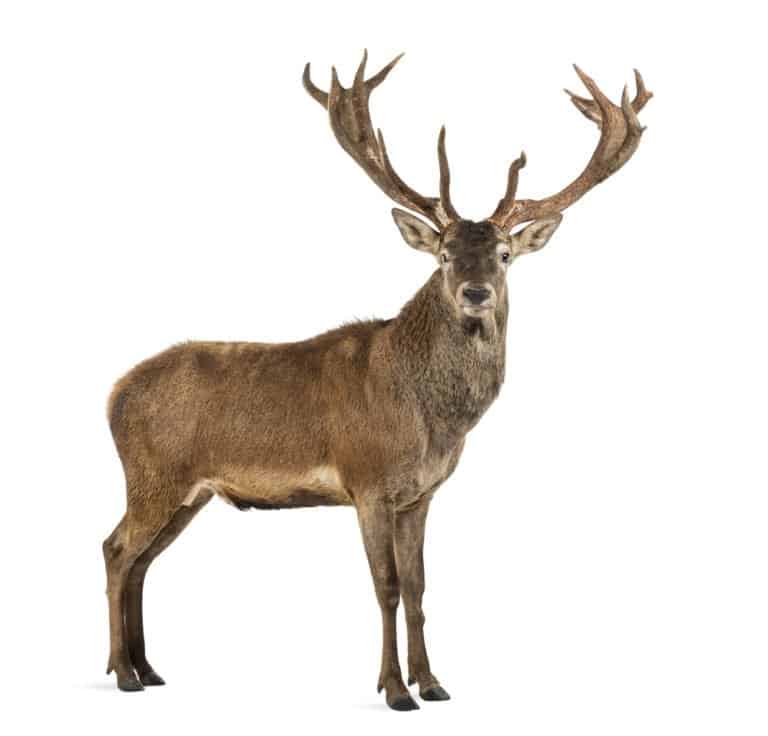
Most deer species share in common a basic set of characteristics: two hooves on each foot, a four-chambered stomach, long and spindly legs, short tails, and a coat color that usually varies between brown, red, or gray. They also share a proclivity for the twilight hours. But the most prominent and conspicuous characteristic is the set of antlers on the head.

This large ornamentation reveals a clear delineation between the males and the females. All males possess antlers, while females lack them. Only in caribou (or reindeer) do the females grow antlers as well. The water deer is the lone aberration where neither gender grows antlers. Instead, both male and female members grow tusk-like canines instead of the elegant network of antlers. This appears to reflect an earlier pre-antler state of their evolution.
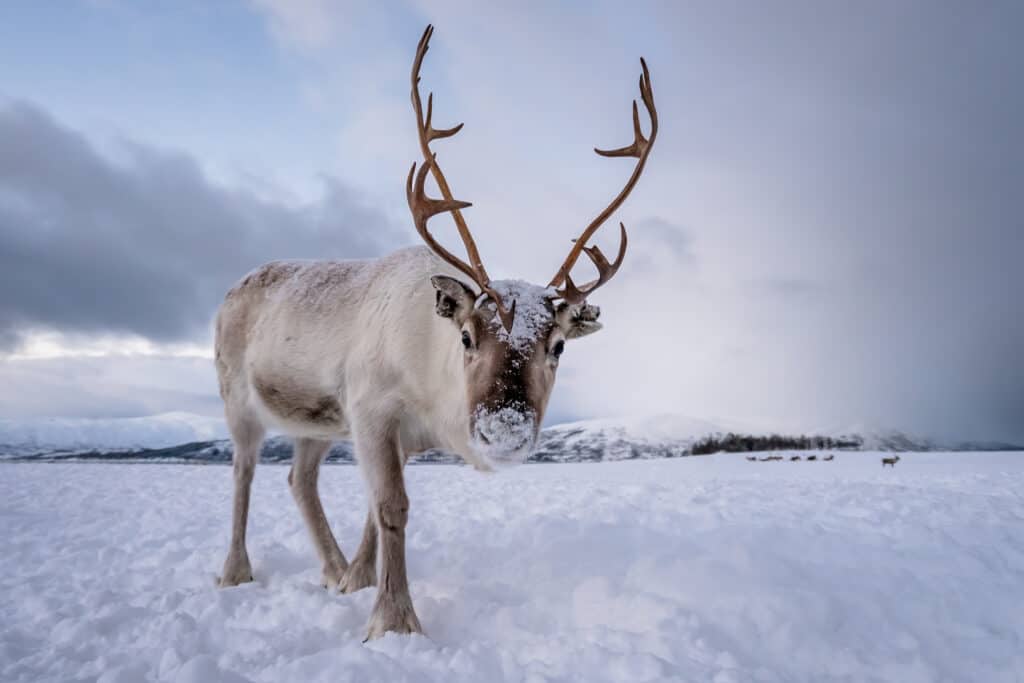
๐Ÿ‘ reindeer

Reindeer are fascinating animals and can easily spot predators thanks to their ability to see ultraviolet light.

ยฉPav-Pro Photography Ltd/Shutterstock.com


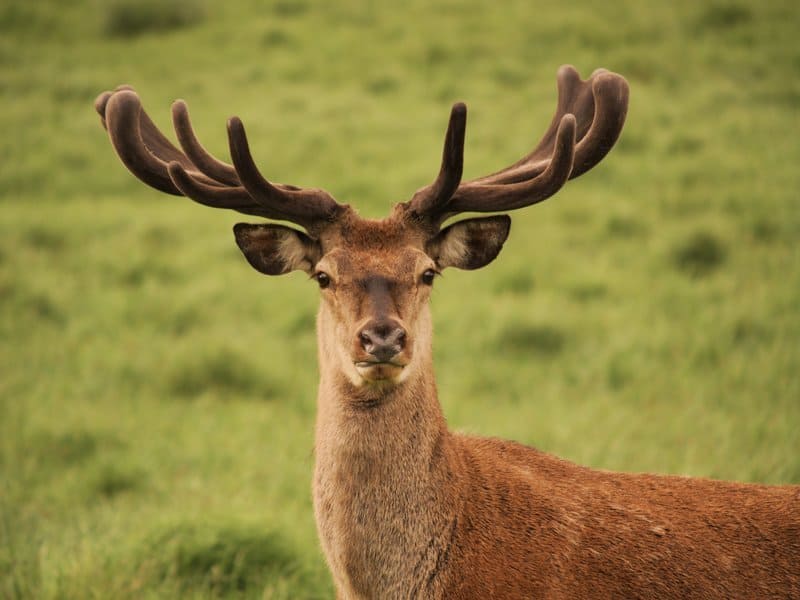
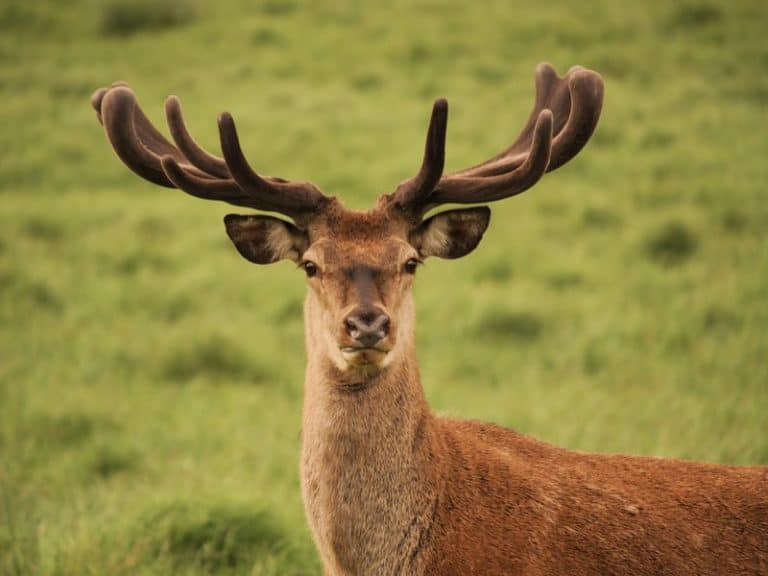
The antlers are composed of simple bone (and thus well-preserved in the fossil record) with a coat of skin and blood vessels called velvet to help them grow. It takes several months for the antlers to reach their full efflorescence, upon which time the deer will slough off the layer of velvet. The antlerโ€™s main purpose is to assist the animal in combat and reproduction. As antlers require such a large investment of energy to grow, their size signals to females the reproductive fecundity and overall health of the males. They also help to establish social status and hierarchy in the group.

The size, curvature, and structure of the antlers are a source of immense variation between species. Some of them have a large central palmate (like moose antlers), while others have long single beams with varying numbers of branches. Some deer have nothing more than simple spikes for antlers. The reindeer have the largest antlers in relation to body size, but the moose can rival them in absolute terms.
๐Ÿ‘ white tailed deer

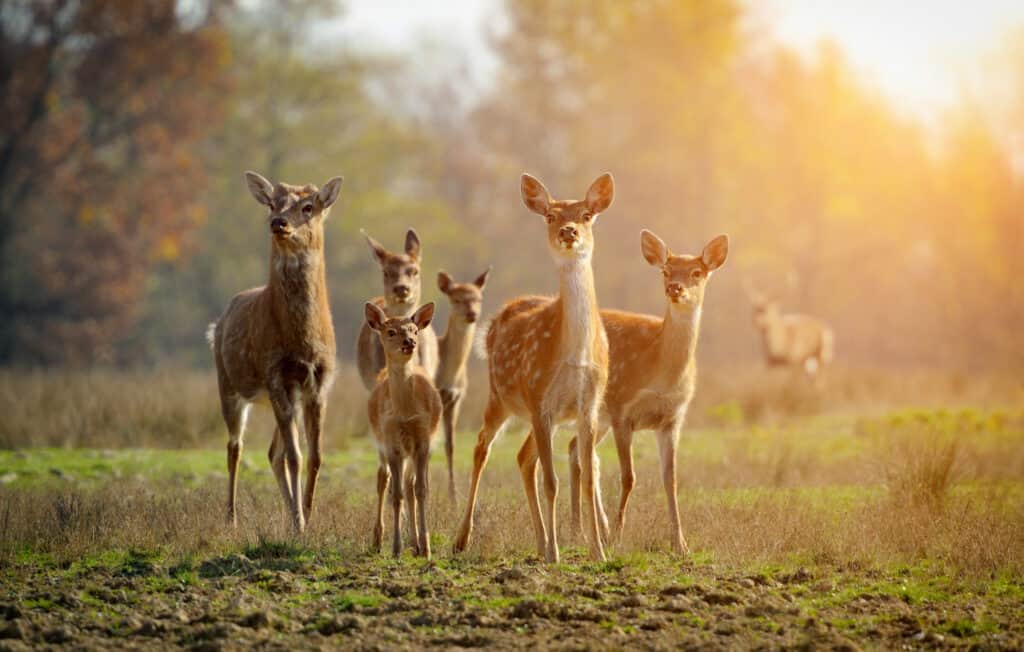
Deer like to feed during the twilight hours.

ยฉVolodymyr Burdiak/Shutterstock.com


Deer are social animals. They usually congregate into small groups for feeding, mating, and protection. In the most densely packed areas, truly massive herds can form, depending on the abundance of food and the makeup of the population. Some species are migratory in nature and will travel hundreds of miles with the herd. To delineate social arrangements, they rely on their acute sense of smell and vocal communication. Many deer have a facial gland near the front of the eyes. The gland can release a strong pheromone for marking its territory when the animal rubs its body against trees or shrubs. Other glands reside on the legs and feet.

The smallest species of deer is the humble pudu. It can range anywhere between one and three feet in length. The largest species of Cervidae is the moose. It can reach 10 feet long and weigh up to 1,800 lbs. In between these two extremes lies the common white-tail deer, whose height and weight are about the same as a human. Males tend to be larger than females in almost every species.
๐Ÿ‘ Red Deer next to river

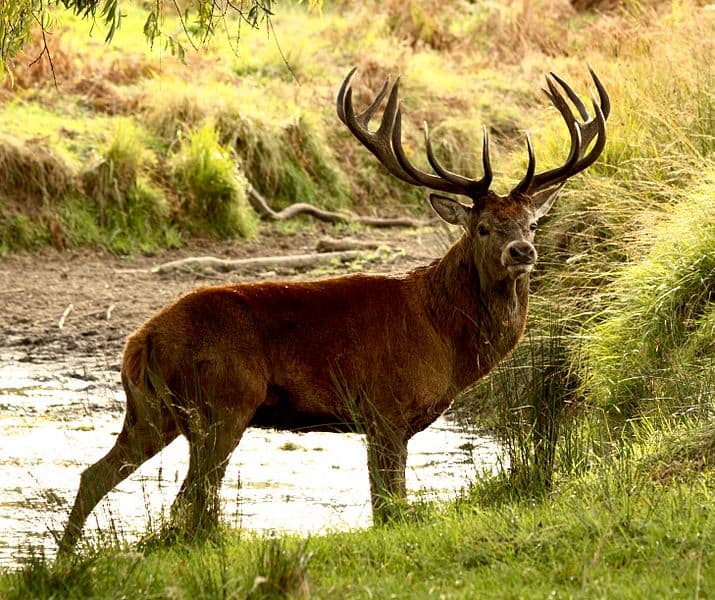
Deer inhabit every continent on earth except Antarctica.

ยฉDonald Macauley / Creative Commons โ€“ Original

Habitat

These animals are present on nearly all continents on earth, including large unbroken expanses of North America, South America, Europe, and Asia. It contains only a single species of native deer, the Barbary red deer. Australia has no native species, but several have been introduced into the wild. These animals thrive in deciduous forests, tropical rainforests, wetlands, and grasslands. A few species inhabit the cold tundra of the north, feeding on the sparse vegetation. They are most frequently found in the areas between forests and open plains. They are also capable of adapting to urban and suburban settings, which means that some species can thrive despite human encroachment.
๐Ÿ‘ Image

Diet

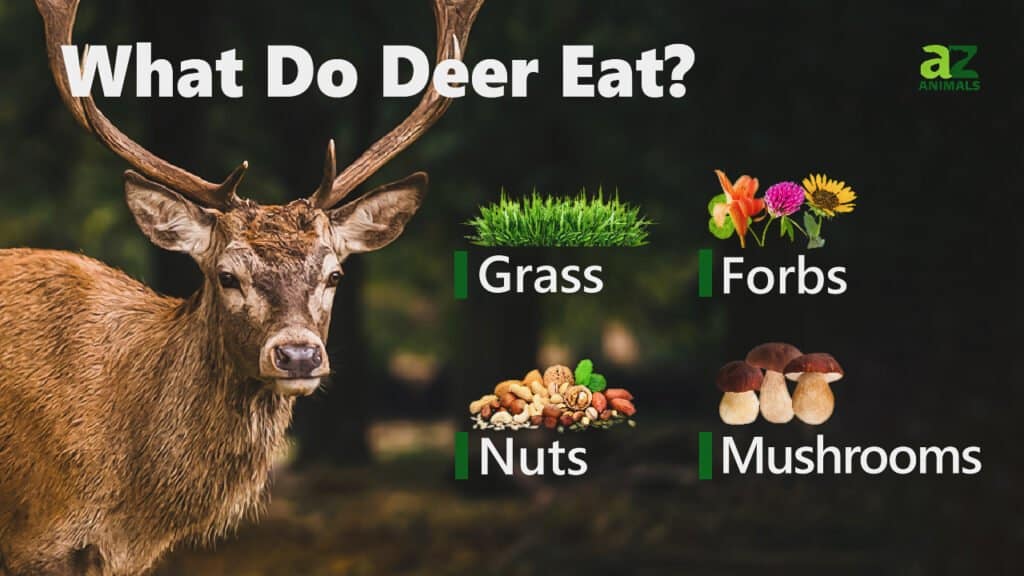
These animalsโ€™ diet consists almost entirely of leaves, grass, lichen, buds, fruit, and herbs. The deer family is a type of ruminant โ€” a mammal that has the capacity to break down and ferment plants with its four-chamber stomach. Each chamber contains various microbes to assist with this task. After the food is processed by the first stomach, the animal will then regurgitate it as cud and attempt to chew through the tough plant material. The food then proceeds through the remaining chambers of the stomach for digestion. However, unlike many other ruminants such as sheep and cattle, their palate is more selective. They prefer high-quality food thatโ€™s easier to digest. This is due to the large amounts of energy and nutrition needed to grow antlers.
๐Ÿ‘ puma vs Mountain lion

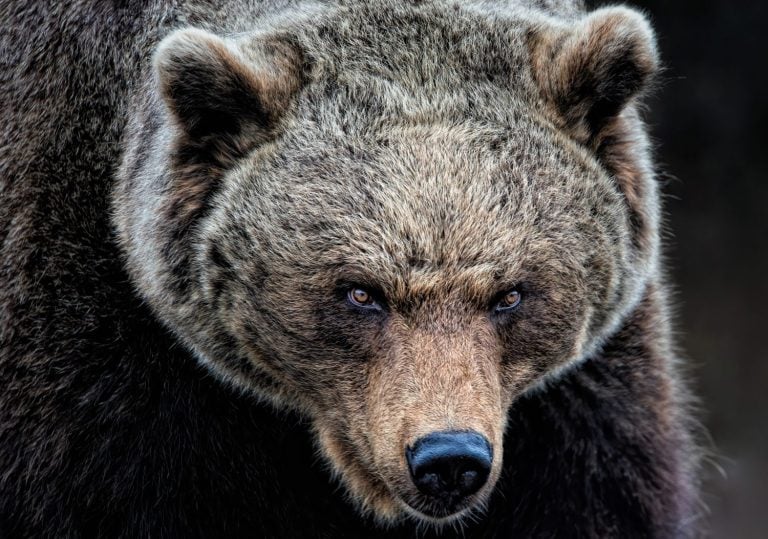
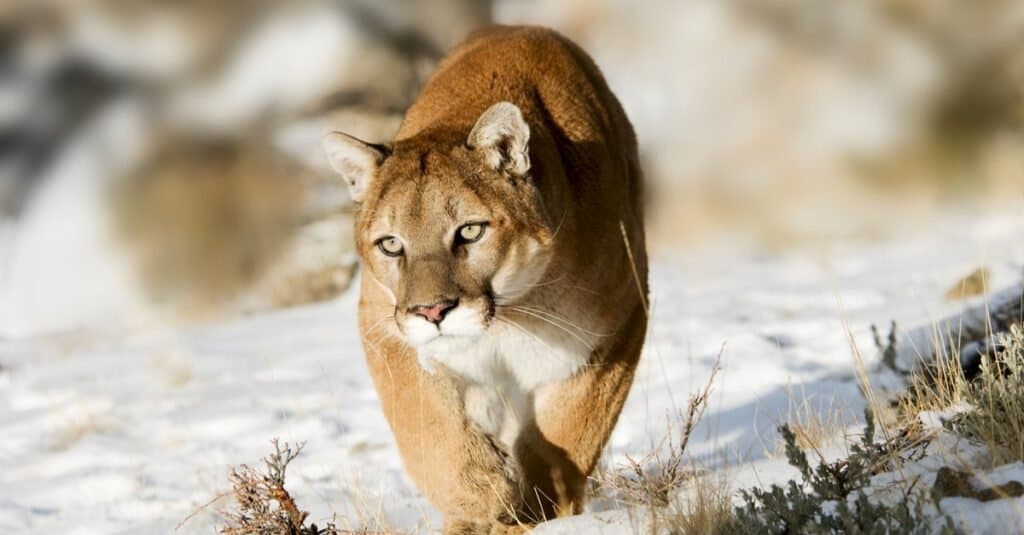
Mountain lions, bears, and other large cats prey on deer.

ยฉScott E Read/Shutterstock.com

Predators and Threats

These animals are a critical food source for many predators in the wild, including bears, mountain lions, jaguars, tigers, lynxes, coyotes, wolves, and large raptors. Birds and small mammals may feed on the carcass of a deceased deer. Individual animals, especially young fawns, are susceptible to predation. They arenโ€™t completely defenseless against ferocious predators, but when given the choice, they will usually prefer to run. White-tailed deer have the ability to sprint up to 30 MPH. They can also leap immense distances up to 30 feet. If a nearby threat is spotted, deer may attempt to warn nearby members of the herd. The more solitary moose are protected by virtue of their size.

Since humans first evolved, deer have been historically an important source of food, clothing, and material to most societies. Modern hunting and habitat loss have threatened some species of deer, particularly in South Asia and the Pacific region, but with responsible stewardship, deer numbers can be maintained at healthy numbers. Climate change presents an acute problem as well. As the deerโ€™s natural habitats change, it will force many of them to venture farther to the north.

Other sources of danger include ticks, lice, parasites, and disease. Some of these diseases can be passed on to other types of animals, particularly livestock.
๐Ÿ‘ baby fawn

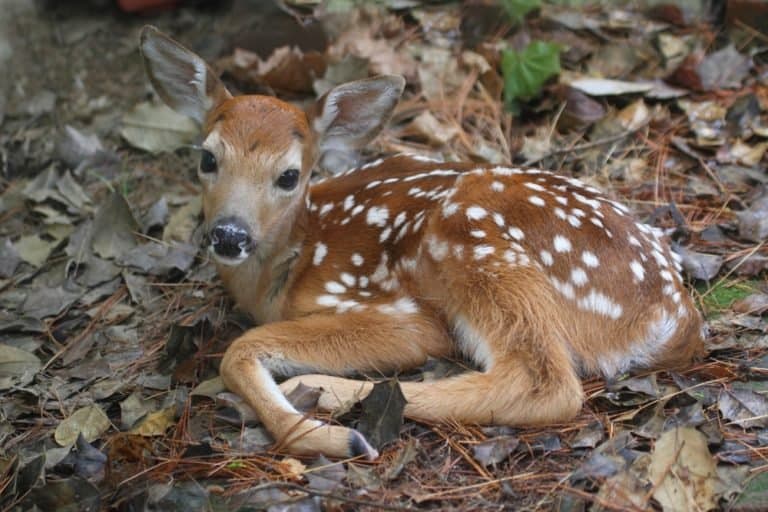
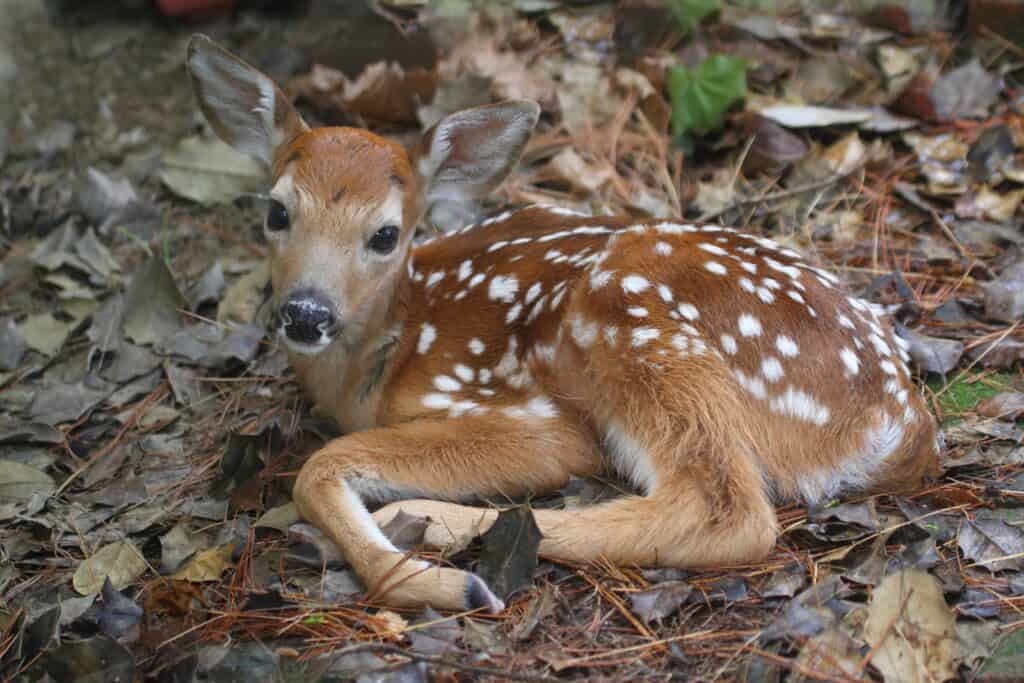
Fawns are often born with white spots to provide camouflage from predators.

ยฉSteve Byland/Shutterstock.com

Reproduction, Babies, and Lifespan

The deerโ€™s breeding season takes place every year for only a short amount of time. Most species pursue a reproduction strategy known as polygyny in which a single dominant male will have multiple female partners. Only a few species prefer to be monogamous. Because competition can be fierce, males tend to exhibit aggressive tendencies throughout the mating season, as they try to guard their territories and mate against potential rivals. As mentioned previously, antler size is a significant determinant of reproductive success.

Once a female deer is impregnated, the gestation period can last anywhere between six to eight months. Mothers will tend to produce one or two offspring at a time. Less commonly, the doe will produce three offspring. The young deer are known as fawns or calves, depending on the size of the species.

While out foraging, mothers will hide the fawn in nearby vegetation until the young animal is strong enough to begin walking on its own power. The fawns are often born with white spots to provide camouflage from predators. The offspring are weaned at two to five months, but they may stay with the mother for up to a year. Males often play minimal roles in raising young fawns.

After the first year of life, males will begin to grow their antlers on an annual basis. Deer can live around 12 years in the wild, give or take a few years, but hunting, predation, and vehicle collisions can greatly truncate the length of their lives. Many do not live beyond their fifth year of existence.
๐Ÿ‘ Sika deer

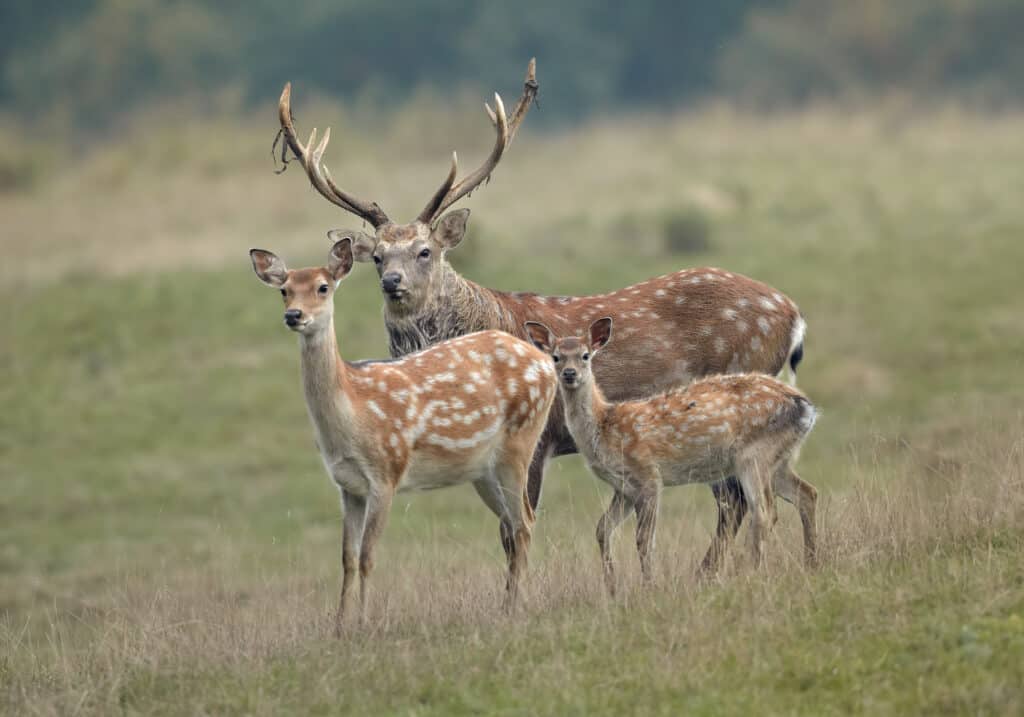
Sika deer, like the family above, can be found in Japan.

ยฉMartin Mecnarowski/Shutterstock.com

Population

Due to commercial exploitation, populations of many deer species fell in the early and mid-20th centuries. But thanks to conservation efforts, populations have rebounded. Some estimates put the population size of the common white-tailed deer at around 30 million. Overpopulation has actually become a significant problem since humans have hunted many of the predators that keep the deer population in check. Therefore, regulated hunting is encouraged in many states as a means of population control.

The Americas are rich in several species of deer. The white-tailed deer occupies a large range between the South American coast, Central America, the eastern United States, and parts of Canada. The mule deer tends to occupy the western United States and overlaps with the white-tailed deer in some places. Enormous clusters of deer, including white-tail deer, mule deer, caribou, moose, and elk, congregate in the national parks of western Canada.

Endangered Species


Despite their ubiquity, many species and subspecies of deer are under threat. The Persian fallow deer, Chilean huemul, Kashmir stag, Indian hog deer, Bawean deer, and Eldโ€™s deer are either endangered or critically endangered. The reindeer, water deer, barasingha, and others are approaching vulnerable status. Pere Davidโ€™s deer, which is native to China, was declared extinct in the wild, but attempts have been made to reintroduce them back into their natural habitat.
๐Ÿ‘ Albino white deer

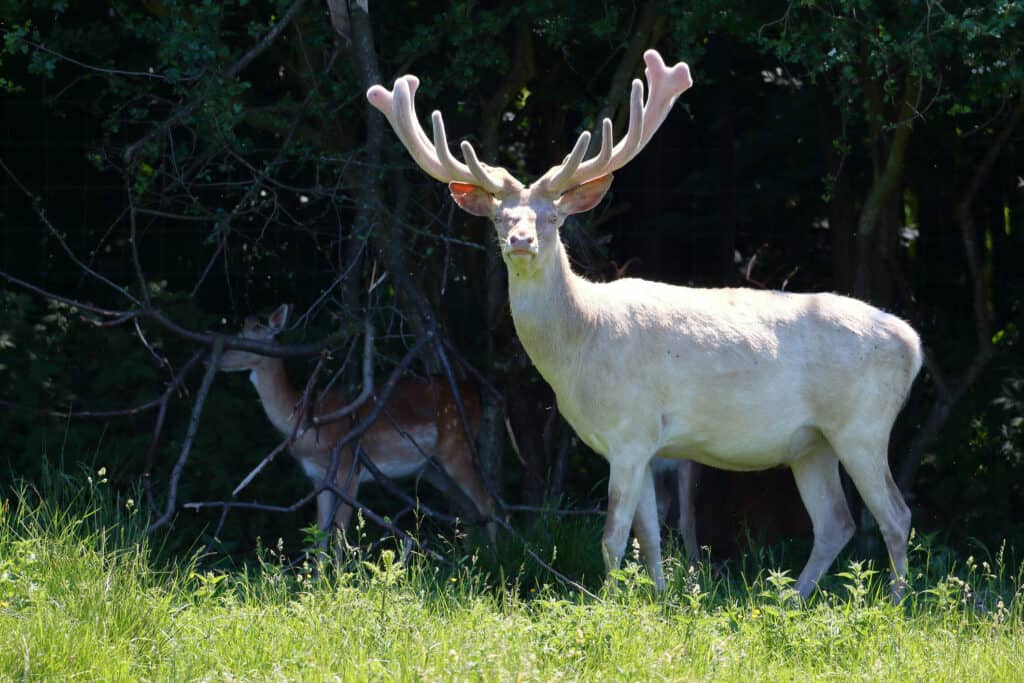
Albino deer are quite rare with a solid white coat with pink eyes, nose, and hooves.

ยฉiStock.com/giannimarchetti

Types of Deer

The following list includes the most well-known deer species throughout the world:

Capreolinnae

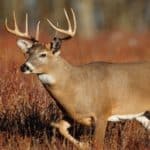
  • White-Tailed Deer โ€“ The white-tailed deer is the most common deer species in North America and can be identified by the white underside of its tail. Males tend to be larger than females, weighing up to 400 pounds when fully mature, and regrow their antlers every spring.
  • Red Deer โ€“ Red deer can be found throughout Europe, parts of Asia, and Northern Africa, and populations have been introduced in New Zealand and Australia. Adult red deer stand about 4 feet high and have a reddish-brown coat.
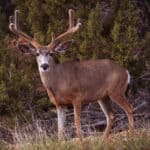
  • Mule Deer โ€“ Mule deer are indigenous to western North America and are named after their mule-like ears. Some mule deer species have been known to migrate hundreds of miles during winter months.
  • Elk โ€“ Elk live in North America, Central America, and parts of Asia and can weigh up to 700 pounds. Mature male elk can run at speeds of up to 40 miles per hour.
  • Caribou โ€“ Also known as reindeer, caribou generally inhabit arctic and subarctic climates. Both male and female caribou grow antlers, and a maleโ€™s antlers can reach up to 50 inches long.
  • Moose โ€“ Moose are the largest member of the deer family and can weigh up to 1,800 pounds. Unlike most other deer species, moose tend to be solitary animals and can become aggressive when threatened.
  • Brocket โ€“ Brocket deer are small-medium deer found on the Yucatan Penninsula, Central and South America and the island of Trinidad.
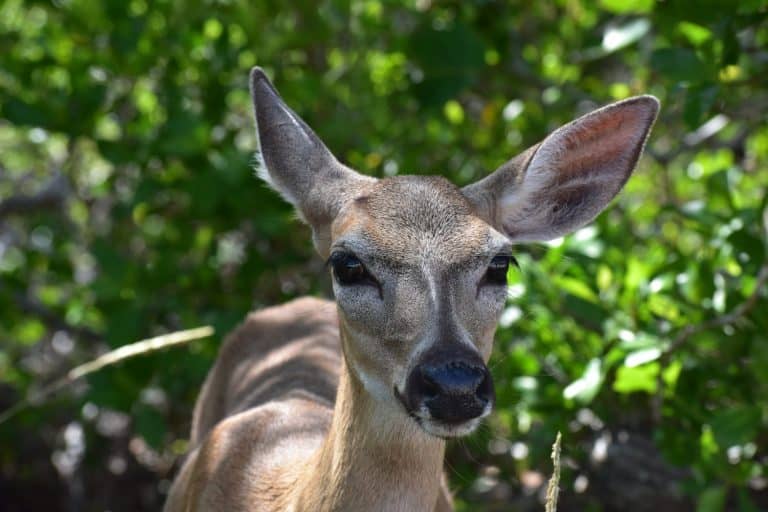
  • Key โ€“ Key deer are a subspecies of white-tailed deer that can only be found in the Florida Keys. They are a little smaller than their white-tailed cousins.
  • Padu โ€“ At only 13 inches tall, Padu are the worldโ€™s smallest deer! The Northern Padu can be found in Venezuela, Columbia, Ecador and Peru. The Southern Padu live in Chile and Argentina.
  • Black-tailed โ€“ Black-tailed deer

Cervinae

  • Barasingha โ€“ Also called the swamp deer, Barasingha deer is a large deer of India with unusual three-tined antlers. Some stags carry antlers with as many as 20 tines!
  • Chital โ€“ The Chital deer is also known as the axis deer. This spotted beauty is native to India, Nepal, Sri Lanka and Bangeladesh.
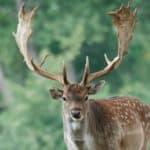
  • Fallow Deer โ€“ A native species of Europe, the fallow deer is a large animal with pale brown fur with creamy white spots. The fallowโ€™s legs and neck are long and graceful โ€“ making it a most beautiful deer!
  • Muntjac โ€“ There are actually 9 types of Muntjac deer dwelling in southern and southeast Asia. These deer are unique due to their tendency to โ€œbarkโ€ when they sense danger โ€“ and for their odd โ€œprehistoric-lookingโ€ antlers.
  • Pere Davidโ€™s Deer โ€“ This magnificent deer was nearly hunted to extinction โ€“ but has been bred back from captive deer in Eurpean zoos. Pere Davidโ€™s deer now roam their native China once more!
  • Persian Deer โ€“ This rare deer ranges in Iran and Israel and is similar to the Fallow deer โ€“ with light brown coat with spots.
  • Red Deer โ€“ One of the largest deer in the world, the red deer has a huge range that includes most of Europe, Caucausas mountain range, Asia, Iran and northwestern Africa โ€“ where they are the only deer species. In North America, they are called Elk or Wapiti.
  • Elk โ€“ The North American elk is the second largest species in the deer family โ€“ weighing up to 1,100 pounds!
  • Sambar โ€“ The Sambar deer is a native of India known for its large size and thick, dark brown coat.
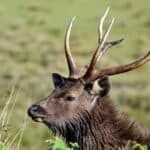
  • Sika โ€“ The Sika deer is another spotted deer that used to be found in Viet Nam and Russia. Now the Sika is found in large numbers in Japan.

Hydropotinae

Chinese Water Deer โ€“ A native of the river bottoms of Korea and in the Yangtze River Valley of China, the Chinese water deer is the only species of deer whose males donโ€™t grow antlers. Instead, these deer grow 2 inch tusks that protrude from the sides of their mouths.

Extinct

Irish Elk โ€“ The Irish Elk is an extinct species and one of the largest deer to ever live. During the Pleistocene, its range extended from Ireland to Siberia. This magnificent giant stood at 7 feet tall at the shoulders and weighed over 1,500 pounds!

More About Deerโ€ฆ

View all 446 animals that start with D
How to say Deer in ...
German
WeiรŸwedelhirsch
English
White-tailed deer
Spanish
Ciervo de Cola Blanca
Finnish
Valkohรคntรคpeura
French
Cerf de Virginie
Dutch
Witstaarthert
English
Hvithalehjort
Swedish
Vitsvanshjort
Turkish
Ak kuyruklu geyik

Sources

  1. David Burnie, Dorling Kindersley (2011) Animal, The Definitive Visual Guide To The World's Wildlife / Accessed November 7, 2008
  2. Tom Jackson, Lorenz Books (2007) The World Encyclopedia Of Animals / Accessed November 7, 2008
  3. David Burnie, Kingfisher (2011) The Kingfisher Animal Encyclopedia / Accessed November 7, 2008
  4. Richard Mackay, University of California Press (2009) The Atlas Of Endangered Species / Accessed November 7, 2008
  5. David Burnie, Dorling Kindersley (2008) Illustrated Encyclopedia Of Animals / Accessed November 7, 2008
  6. Dorling Kindersley (2006) Dorling Kindersley Encyclopedia Of Animals / Accessed November 7, 2008
  7. David W. Macdonald, Oxford University Press (2010) The Encyclopedia Of Mammals / Accessed November 7, 2008

About the Author

Lisha Pace

After a career of working to provide opportunities for local communities to experience and create art, I am enjoying having time to write about two of my favorite things - nature and animals. Half of my life is spent outdoors, usually with my husband and sweet little fourteen year old dog. We love to take walks by the lake and take photos of the animals we meet including: otters, ospreys, Canadian geese, ducks and nesting bald eagles. I also enjoy reading, discovering books to add to my library, collecting and playing vinyl, and listening to my son's music.

Thank you for reading! Have some feedback for us?

Contact the AZ Animals editorial team

Related Articles You May Find Interesting

Wolves Are Stealing Cougar Kills in Yellowstone โ€” And the Big Cats Are Quietly Changing Their Hunting Strategy


Deer FAQs (Frequently Asked Questions)

Zombie deer is the colloquial name of a real health condition known as chronic wasting disease. The cause is related to malfunctioning proteins that begin to fold into unusual shapes. Common symptoms include weight loss, over-aggression, poor coordination, and eventual death. The disease can spread to other deer through direct contact with infected tissue or fluids.

Deer have a natural instinct to run away from potential threats, so direct contact with people is uncommon. However, due to their size and antlers, they should be approached with caution. Larger species such as moose have been known to cause injuries.

The word โ€˜deerโ€™ is both the singular and plural forms of deer

Deer are Herbivores, meaning they eat plants.

Deer belong to the Kingdom Animalia.

Deer belong to the phylum Chordata.

Deer belong to the class Mammalia.

Deer belong to the family Cervidae.

Deer belong to the order Artiodactyla.

Deer are covered in Fur.

Deer live in dense forests and planted areas.

Deer have long ears, and some male species have antlers.

Deer eat acorns, fruit, and grass.

Predators of Deer include wolves, bears, and cougars.

The average litter size for a Deer is 1.

There are around 40 different Deer species!

The scientific name for the Deer is Odocoileus virginiana.

Deer can live for 10 to 20 years.

A Deer can travel at speeds of up to 43 miles per hour.

The differences between a deer and a stag lies in their sex, weight, and morphology. Stags are male deer, but the term โ€œdeerโ€ can be used to refer to any member of the Cervidae family.

The key differences between a moose and a deer include their size, range, and morphology. Moose are much larger than deer, and they can weigh several hundred pounds more than them and stand twice as tall.

The main differences between rabbit poop and deer poop are size, shape, and appearance. Rabbit poop is smaller than deer poop, with each pellet measuring less than a centimeter in diameter. Deer poop can measure between 2cm and 3cm for each pellet, and they excrete larger piles that contain more pellets per bowel movement.

The major differences between an antelope and deer include their size, antler morphology, and range. The largest antelope species are larger than the biggest deer species, capable of reaching heights of 9ft in height and 2,000lbs in length. Deer are smaller than antelope, standing about 4ft tall and weighing a maximum of 900lbs.

Deer sleep in thick, dense foliage in the open fields and on low-hanging trees in the forest. They donโ€™t have a fixed place they sleep โ€“ any comfortable and safe place from predators would do.

The key differences between deer and reindeer are size, appearance, physical features, habitat, lifespan, and habits.

The greatest differences between a white-tailed deer and a black-tailed deer can be found in their morphology and size. The white-tailed deer is larger than the black-tailed deer, weighing up to 405 lbs while the black-tailed deer weighs 225 lbs at its maximum. Furthermore, the white-tailed deer stands up to 3.9 feet tall and grows 7.2 feet long while the black-tailed deer stands up to 3.7 feet tall and 5 feet long.

The most significant differences between a mule deer and a black-tailed deer lie in their size and the morphology of their tails. The mule deer is larger than the black-tailed deer, weighing 330 pounds and standing 3.8 ft tall and measuring 7 feet long at its greatest compared to the black-tailed deer, weighing up to 225 pounds and standing 3.7 feet tall, and measures 4-5.5. ft tall.

The greatest differences between a sambar deer and a sika deer lie in their size and coloration. Sika deer are very small compared to the large sambar deer, weighing between 70 and 140 pounds on average, while a sambar deer can regularly weigh over 500 pounds.

The greatest differences between a musk deer and a swamp deer lie in their morphology and size. The musk deer is a mammal that weighs between 15 and 40 pounds, while the swamp deer weighs between 130 and 620 pounds.

The greatest differences between musk deer and water deer are their coloration, species, and range. While the musk deer is a dark brown mammal from the Moschidae family that lives in a large portion of northeast Asia and the Indian subcontinent, the water deer is a true deer from the Cervidae family with golden-brown hair found in the eastern part of China and the west coast of North and South Korea.

The greatest differences between Chinese water deer and muntjacs are found in their morphology and species. The Chinese water deer is descended from the Capreolinae subfamily of New World deer while the muntjac comes from the Cervinae subfamily of Old World deer.