





History and Description
Intelligent, hard-working, but very playful and goofy, the Dorgi is a cross between a Dachshund and a Pembroke Welsh Corgi. Like many mixed-breed dogs, the history of this one is a bit hazy, but it actually comes from two very illustrious and old heritages. The Corgi is a short-legged herding breed from Wales, perhaps dating back to around 1100 AD. The Dachshund is a small but very long hound and hunting dog from Germany that also dates back many centuries.
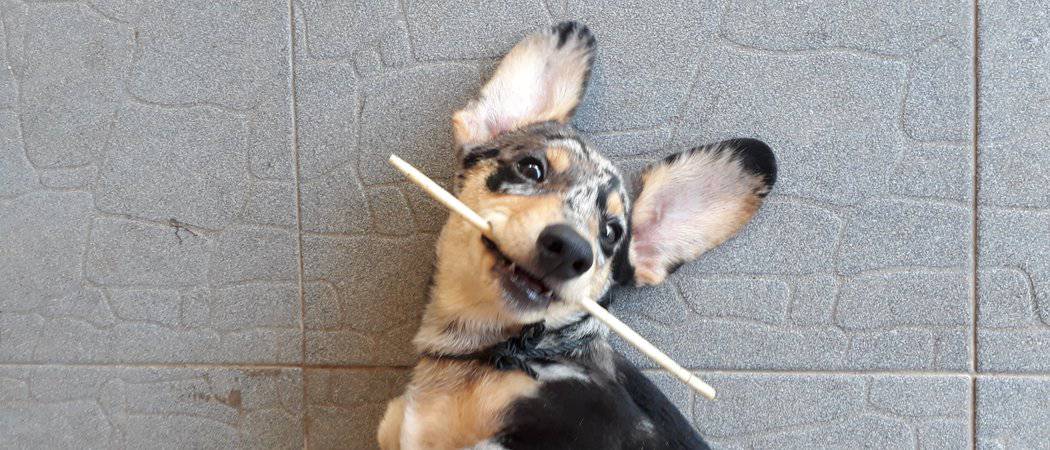
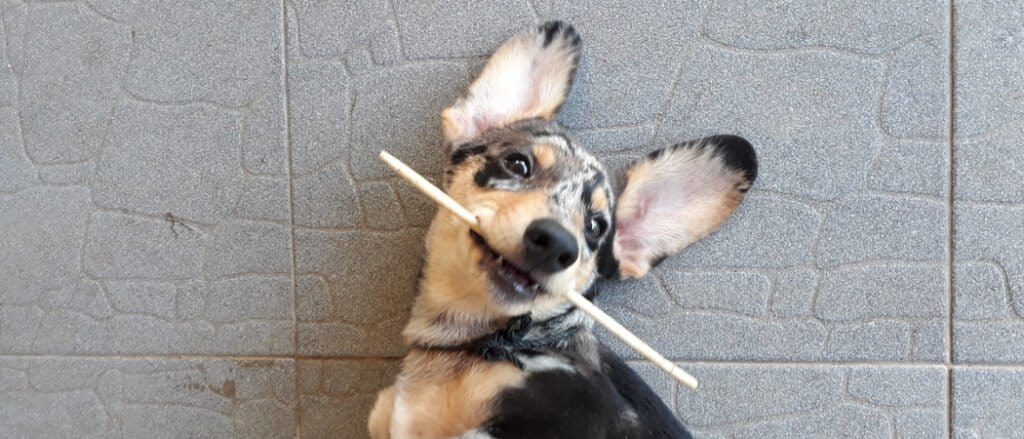
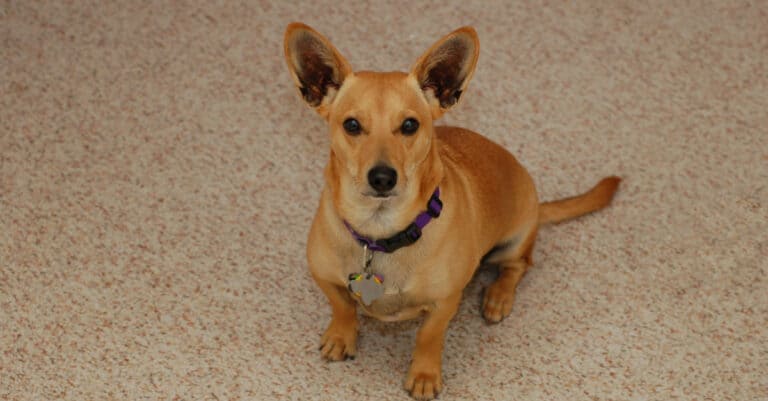
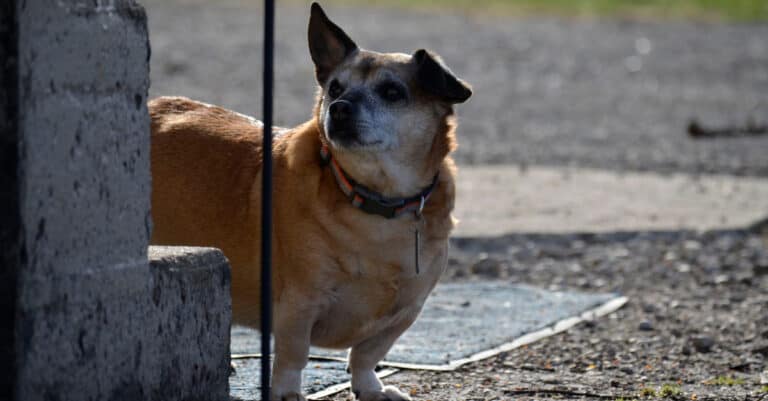
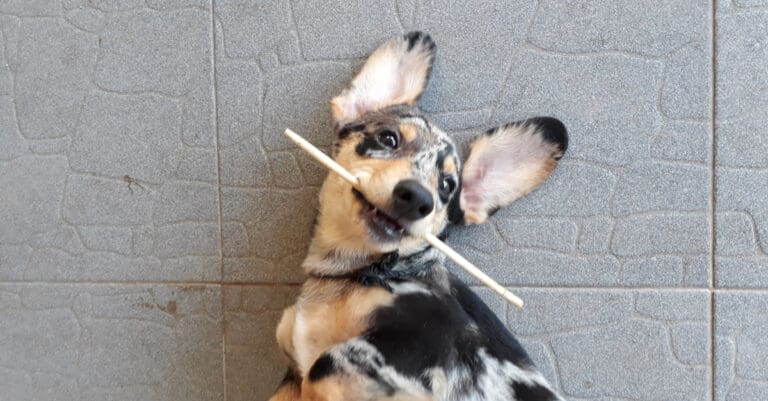
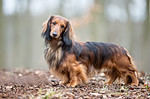
Despite a common belief, Queen Elizabeth II did not start this mix, but she did play a big role in popularizing it. Her two Dorgis, Vulcan and Candy, are famous around the world. This mix combines many physical and behavioral traits from both breeds. It is usually characterized by short legs and a long body. The ears can be erect like the Corgi or drooping like the Dachshund. The coat can also vary in length and consistency, but it’s normally dense and medium-length. Brown, chocolate, black, red, and white are the most common colors. In terms of its temperament, owners should expect a loyal, friendly, energetic, and driven companion.
3 Pros and Cons of Ownership
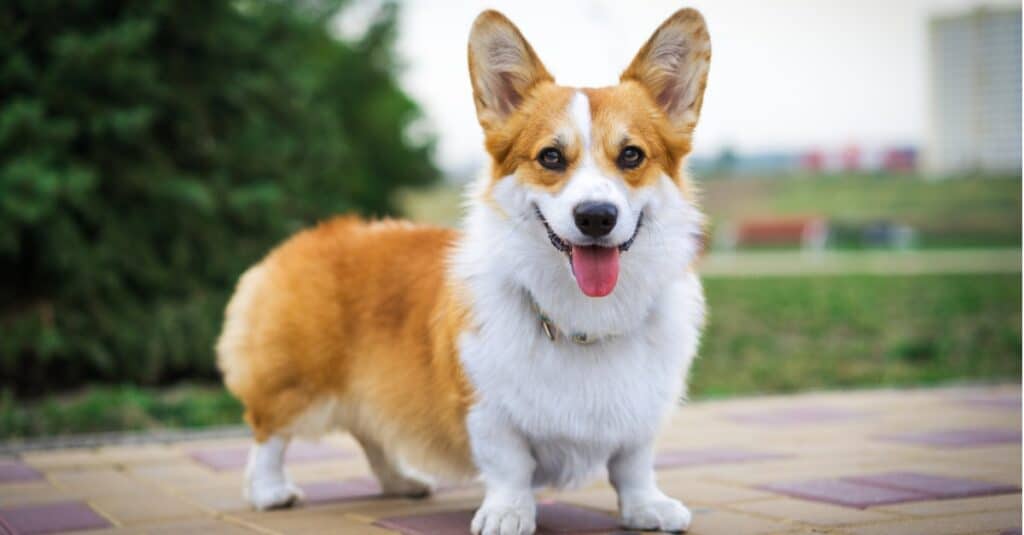
The Pembroke Welsh Corgi is one of the parents of a Dorgi, along with a Dachshund, so it will inherit traits from this mix.
©iStock.com/Ирина Мещерякова
| Pros | Cons |
|---|---|
| Highly Sociable: The Dorgi loves to interact with people. | Strong Instincts: This mix inherits both herding and hunting instincts from its parents. |
| Energetic and Playful: This dog loves to play, especially if it involves sports and games. | Needs Lots of Activity: Owners should prepare to spend a lot of time with this dog. |
| Very Healthy: This dog has few health problems and an excellent lifespan. | Stubborn Streak: Owners will need to be patient when this dog becomes stubborn. |
Size and Weight
The Dorgi is a small breed with a very short stature. Because there are no breed standards, the size can vary a bit. Both males and females are similar in size, with weights between 15 and 28 pounds, and heights between 9 and 12 inches.
Common Health Issues
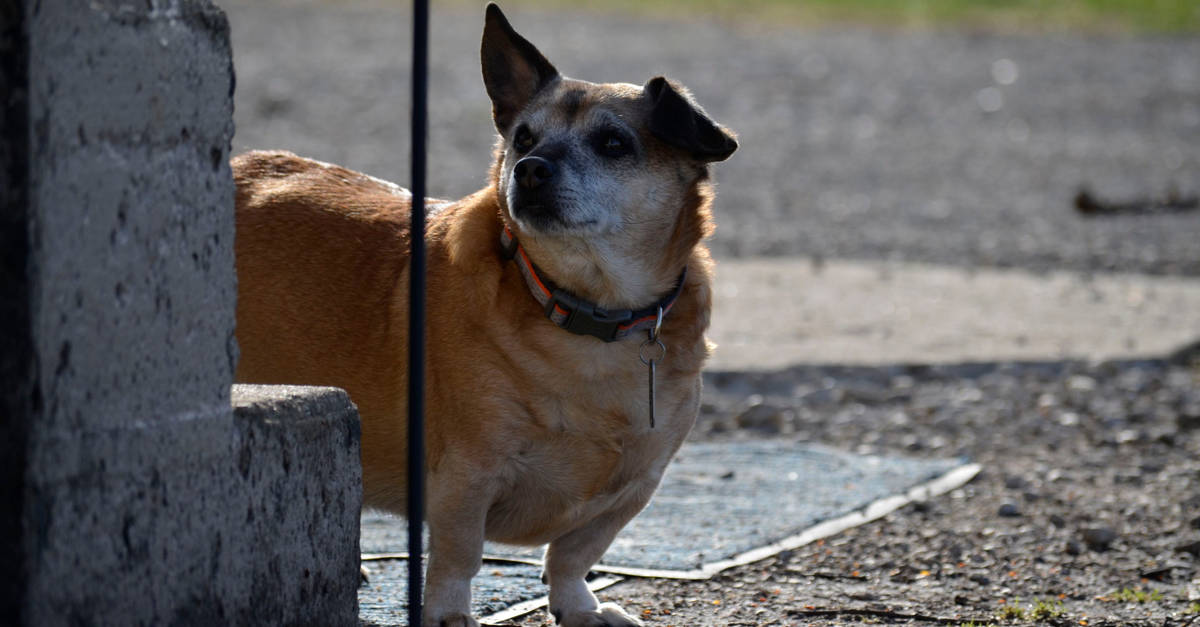
Dorgis are generally healthy dogs, but regular check-ups at the vet are necessary for proper care.
©Christel Cooper/Shutterstock.com
While a generally healthy dog with a lifespan of 12 to 15 years, the Dorgi may suffer from the same inheritable conditions as its parents, including cataracts, a vertebral disc disease, and patellar luxation (essentially, a loose kneecap). Cancer is also a leading cause of death in this type of dog. Proper breeding will play an important role in its health. Before purchase, talk with your breeder to make sure a health evaluation has been done. Regular appointments at the vet are also necessary to catch potential health problems as soon as possible. In summation, these are the most common health problems with the Dorgi:
- Cataracts
- Cancer
- Patellar Luxation
- Disc Disease
Temperament
The Dorgi is an intelligent, loyal, sociable, playful, and affectionate breed with a big personality that belies its small stature. Because of its herding and hunting ancestry, it’s also a very task-oriented and purpose-driven dog that wants to be involved in all of your family activities. If you neglect its desire for mental and physical stimulation, then you may come home to a bit of a mess. Keep it occupied with plenty of games, toys, activities, and socialization to prevent unwanted behavior.
Care
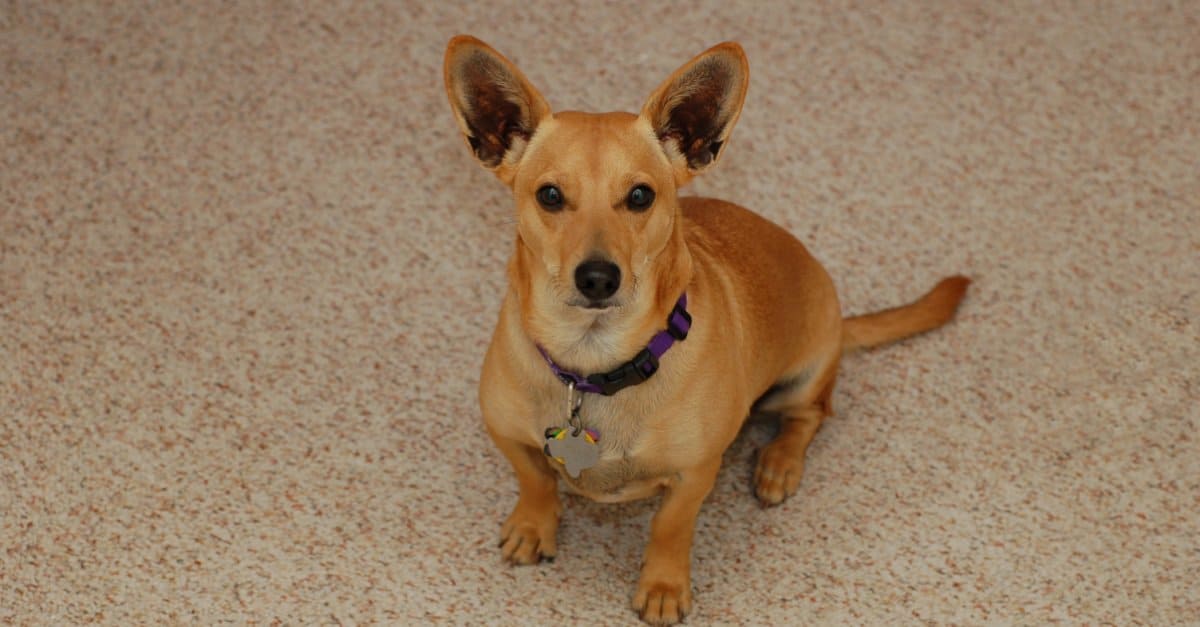
Dorgis love to interact with people, especially if it involves sports or games of some sort.

The Dorgi is an immense responsibility. Owners should expect to set aside quite a bit of time for its grooming, its exercise needs, and (at least early on) its training. As long as it receives enough exercise, however, it should do okay with smaller living arrangements, including apartments.
Best Dog Food
This mix will need a few cups of high-quality dog food, consistent with its size and activity level. It might be a good idea to talk with your vet about formulating a suitable dietary plan based on the dog’s particular needs. Because this mix might tend to become obese, you should watch its calories and limit treats.
Maintenance and Grooming
Most Dorgis don’t actually shed that often. Regular brushing a few times a week should be sufficient to remove loose hairs and keep the coat clean. Some Dorgis with thicker coats, however, may shed a bit more and require almost daily brushing. Other aspects of its care are important to maintain as well. Owners will need to check the ears often for signs of infections or obstructions. Trim the nails regularly, perhaps once a month, to prevent them from cracking or splitting; this can cause your dog discomfort and pain. Finally, you should set up an oral health routine with the help of your vet to prevent gum and tooth disease.
Training
Sociable, driven, and intelligent, the Dorgi should be fairly easy to train and responsive to human commands. However, this mix also has a bit of a stubborn side that may sometimes assert itself. Owners will need to be patient but firm throughout the entire training process. Positive reinforcement methods, combined with structured and consistent training, should work well to motivate your dog.
Exercise
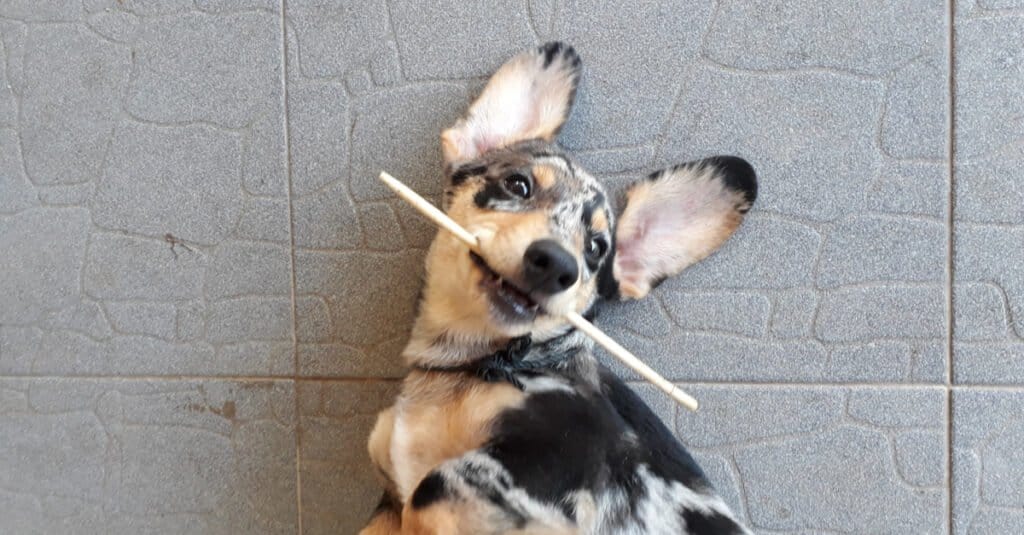
Dorgis need lots of exercise, like playing fetch, sports activities, and running.
©NARIT OLANPRUEK/Shutterstock.com
This mix may need around an hour of exercise per day. Long walks are a good idea, but you should mix it up with fetching, sports activities, and plenty of running. This breed should excel at some agility and herding challenges as well. Because of its herding and hunting ancestry, this dog has a high wanderlust potential. Be careful about letting it off the leash. If you have a fenced yard, then you should be able to let the dog roam around without any problems.
Puppies
While naturally friendly and sociable, this puppy will still benefit from early socialization and training. Owners should focus on teaching the puppy to avoid nipping and herding people as much as possible. Classes can help provide a structure for owners to follow, as well as plenty of professional assistance. Crate training is also recommended at home to help with behavioral and housebreaking problems. If you have any questions about vaccinations, spaying or neutering, and microchipping, then you should talk with your vet.
Children
The Dorgi is a friendly and lovable companion for the entire family, but you should make sure your children understand the proper etiquette for handling a smaller dog. This mix can get a little annoyed and feisty if it’s handled improperly. Likewise, the dog needs to be trained to accept children. Depending on how much Corgi behavior it has inherited, the dog can start to nip at heels and herd people. While this shouldn’t be mistaken for aggressive behavior, it might disturb younger children. It should be discouraged early on.
Similar Dogs
Apart from its two parent breeds, the Dorgi shares strong similarities with the following breeds:
- Cardigan Welsh Corgi: Like its Pembroke cousin, the Cardigan is a small herding dog and livestock guardian with short legs and a dense coat of fur. It normally has a darker color, such as red, brindle, or black, mixed with white.
- Swedish Vallhund: Energetic, friendly, and alert, this Swedish cattle herding dog (and a close relative of the Corgi) features short legs and a tail curled back over the body. The dense double coat comes in gray, reddish brown, and grayish yellow mixed with white.
- Finnish Lapphund: Originally bred to herd reindeer, the Finnish Lapphund is a remarkably intelligent, active, driven, and friendly breed. This medium-sized dog is characterized by a very dense and distinctive coat of black, tan, white, and gray markings.
Famous
Many mixed-breed dogs don’t have a popular following, but the Dorgi is an exception. It has a very well-known patron; Queen Elizabeth and her sister Margaret have both owned several of these dogs. Vulcan and Candy appeared with the queen in 2016 on the cover of Vanity Fair to celebrate her 90th birthday. Vulcan died in December 2020, and Candy, the Queen’s last Dorgi, died in 2022 before the Queen herself passed away. Queen Elizabeth II reportedly stopped breeding Corgis in 2015 because she did not want to leave any dogs behind after her death; she passed away in 2022.