F
Species Profile

Fly

Diptera

One wing pair. Endless roles.
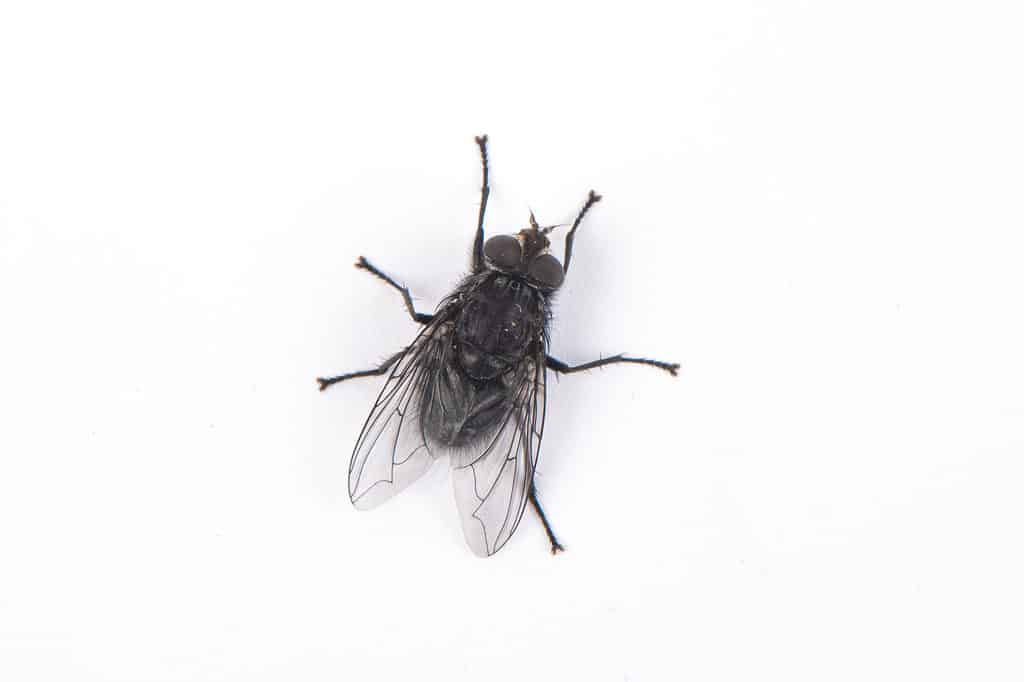
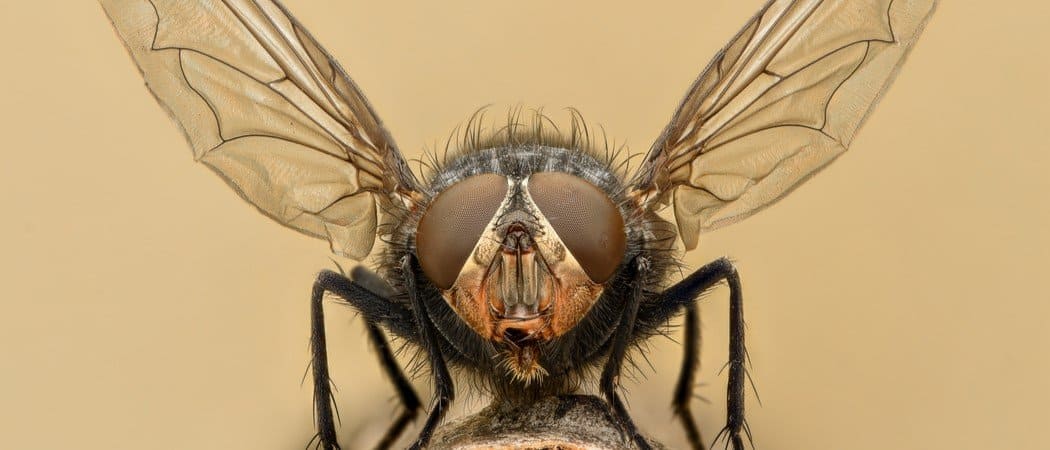
Cornel Constantin/Shutterstock.com

At a Glance

Order Overview This page covers the Fly order as a group. Stats below are general traits shared across the order.
Also Known As Housefly, Fruit fly, Gnat, Midge, Mosquito, Horsefly, Blowfly, Crane fly
Activity Diurnal+
Lifespan 30 years
Weight 0.002 lbs
Status Not Evaluated
Did You Know?

All true flies have one functional wing pair; the hindwings are halteres-gyro-like balancers for agile flight.

πŸ‘ Image
View Gallery

Scientific Classification

Order Overview "Fly" is not a single species but represents an entire order containing multiple species.

True flies (Diptera) are insects characterized by having a single functional pair of wings (the forewings) and a second pair reduced to balancing organs called halteres. The order includes many ecologically important decomposers, pollinators, predators/parasitoids, and medically important vectors.

Kingdom
Animalia
Phylum
Arthropoda
Class
Insecta
Order
Diptera

Distinguishing Features

  • One pair of functional wings; hindwings modified into halteres
  • Complete metamorphosis (egg–larva–pupa–adult)
  • Highly variable mouthparts (sponging, piercing-sucking, lapping, etc.) depending on lineage

Physical Measurements

Males and females differ in size

Weight
β™‚ 0 lbs (0 lbs – 0 lbs)
♀ 0 lbs (0 lbs – 0 lbs)
Top Speed
25 mph
About 35-40 km/h

Appearance

Primary Colors
Skin Type A chitinous exoskeleton with fine hairs or bristles; some have scale-like coverings (mosquitoes). Surface can be glossy, matte, or powdery. Wings are membranous; hindwings reduced to halteres in Diptera.
Distinctive Features
  • Defining trait of Diptera (true flies): one functional pair of forewings; hindwings reduced to halteres used for balance and flight control.
  • Do not confuse 'flies' with other winged insects: butterflies/moths (Lepidoptera) have two pairs of scaled wings; bees/wasps/ants (Hymenoptera) have two pairs of membranous wings and lack halteres.
  • Common Diptera groups include house flies and relatives (muscoid flies), fruit flies (drosophilids, tephritids), mosquitoes (Culicidae), gnats and midges, horse/deer flies (Tabanidae), hoverflies (Syrphidae), blow flies (Calliphoridae), robber flies (Asilidae).
  • True flies range from tiny midges, gnats and microflies (about 0.5–2 mm) to very large mydas flies, robber flies, crane-fly-like forms, and horseflies (often 30–60+ mm or more).
  • Body plan generalization (with major exceptions): a distinct head with large compound eyes; antennae vary from short (many muscoid flies) to long/plumose (many mosquitoes/gnats); thorax typically robust for flight; abdomen variable in shape and flexibility.
  • Mouthparts are highly variable across Diptera: sponging/lapping (many muscoid flies), piercing-sucking (mosquitoes, some biting midges, black flies), cutting-sponging (horseflies), and specialized nectar-feeding or predatory forms; larvae often have very different feeding structures than adults.
  • Life cycles and ecology vary a lot: larvae can be aquatic, semi-aquatic, or terrestrial. Many are decomposers in rotting matter; others are predators, plant feeders (leaf miners, gall makers), or parasites/parasitoids (including bot flies).
  • Adult flies live from a few days or weeks to several months (some mosquitoes and larger flies). Egg-to-adult life cycles can be 1–3 weeks, or months to years with long larval development or diapause.
  • Many adult flies, especially hoverflies, visit flowers and act as pollinators. Many larvae are detritivores recycling nutrients; many species are predators or parasitoids that help control other insects.
  • Flies can help as decomposers, pollinators, or natural pest controllers (predatory/parasitoid flies). But they also harm as pests and vectors like mosquitoes (malaria, dengue), cause myiasis, spread microbes, bite livestock.

Sexual Dimorphism

Male and female differences (sexual dimorphism) are common and vary across Diptera. Differences can be small (size, color) or large (eye shape, feathery antennae, mouth parts, rear genital parts). In some groups only females blood-feed (many mosquitoes); males eat nectar or not at all; in others both or neither bite.

β™‚
  • Eyes often larger and closer together (holoptic) in many families; adapted for locating females in flight (varies by lineage).
  • In mosquitoes and some gnats, antennae can be more plumose/feathery, aiding detection of female wingbeat frequencies.
  • Claspers/genitalia at abdomen tip typically distinct; males may show specialized leg/wing ornaments or courtship structures in some groups.
  • Often non-blood-feeding in groups where blood meals occur (e.g., mosquitoes), typically nectar-feeding instead.
♀
  • Eyes often more widely separated (dichoptic) in many families (not universal).
  • In mosquitoes and several other biting groups, females possess functional piercing-sucking mouthparts for blood-feeding to support egg production (varies by family/species).
  • Abdomen may appear larger or more expandable due to egg development; ovipositor/egg-laying structures may be more apparent in some groups.
  • In some taxa, females are larger-bodied than males; in others, sizes overlap substantially or reverse depending on ecology.

Did You Know?

All true flies have one functional wing pair; the hindwings are halteres-gyro-like balancers for agile flight.

'Flies' includes house flies, fruit flies, mosquitoes, gnats/midges, hoverflies, robber flies, botflies, and many more.

Diptera is among the most species-rich insect orders, occupying habitats from deserts to freshwater streams.

Some dipterans are major pollinators-especially in cool, cloudy, or high-latitude habitats where bees are less active.

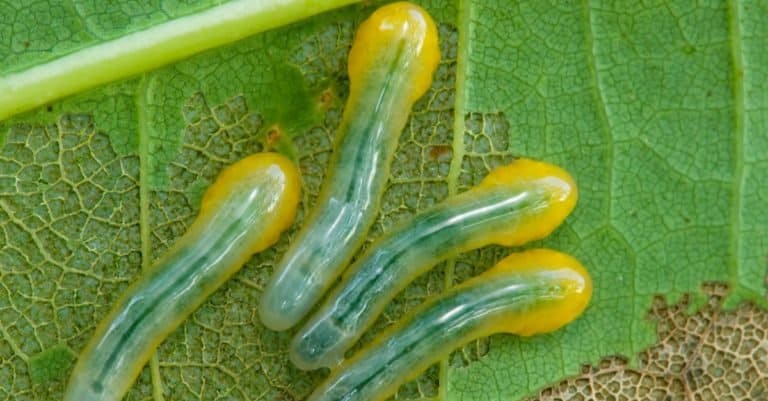
Maggots (fly larvae) are premier recyclers, rapidly breaking down carrion, dung, and plant debris into nutrients.

Blowflies can detect odor plumes at extremely low concentrations, helping them find carrion quickly.

Fruit flies (Drosophila) became foundational lab organisms, shaping modern genetics and developmental biology.

Unique Adaptations

  • Halteres (reduced hindwings): vibration-sensing organs that detect body rotation and stabilize flight-defining trait of Diptera.
  • Specialized mouthparts: sponging/lapping (many muscoid flies), piercing-sucking (mosquitoes), or cutting/sponging (some biting flies), enabling exploitation of many food sources.
  • Complete metamorphosis with 'maggot' larvae: legless (or nearly legless) larvae excel at burrowing and feeding in concealed, wet, or ephemeral resources.
  • High-performance vision and neural control: many flies have rapid visual processing suited to fast flight and evasion.
  • Chemical and microbial partnerships: many species rely on microbes in guts or breeding substrates; attraction to specific odors helps pinpoint food, hosts, or egg-laying sites.
  • Breathing adaptations in larvae: aquatic forms may use siphons, gills, or surface-breathing behaviors; others tolerate low oxygen in decaying substrates.
  • Reproductive flexibility: from laying eggs to depositing live larvae (larviparity) in some lineages-strategies vary widely across the order.

Interesting Behaviors

  • Swarming and 'dancing' in midges and mosquitoes: males often form aerial swarms as mating arenas; swarm timing and location vary by species.
  • Hovering and precision flight: hoverflies and many other dipterans can hold position, dart sideways, and brake abruptly-useful for feeding and courtship.
  • Mimicry as a lifestyle: many hoverflies resemble bees/wasps in color and posture, gaining protection despite lacking stingers.
  • Diverse feeding strategies: adults may sip nectar, sponge up liquids, pierce skin for blood, or prey on other insects; larvae may be aquatic filter-feeders, plant miners, scavengers, or internal parasitoids-highly variable across families.
  • Resource tracking and rapid colonization: carrion- and dung-breeding flies can locate new resources quickly and arrive in waves of different species over time.
  • Predatory ambush and aerial hunting: robber flies and some dance flies intercept prey midair, showing raptor-like pursuit.
  • Seasonal dormancy: many species overwinter as eggs, larvae, pupae, or adults depending on climate and lineage (e.g., some mosquitoes overwinter as adults).

Cultural Significance

True flies (Diptera) help people by recycling waste and dead animals, pollinating (hoverflies), and controlling pests (tachinid parasitoids, predatory flies). Someβ€”like mosquitoes, tsetse, biting midges, stable fliesβ€”can spread disease. They aid science, forensics, and maggot wound therapy.

Myths & Legends

Biblical tradition (Exodus): one of the Ten Plagues is a devastating 'plague of flies,' a symbol of chaos and affliction brought upon Egypt.

Beelzebub, 'Lord of the Flies': a figure appearing in biblical/medieval tradition (linked to Philistine Ekron and later demonology), associating flies with corruption and pestilence.

Greek myth of Io: Hera sends a stinging gadfly to torment Io as she wanders, making the fly a divine instrument of pursuit and suffering.

Norse myth (Prose Edda): Loki transforms into (or appears as) a biting fly to harass the dwarf Brokkr during the forging of treasures, nearly spoiling the creation of Thor's hammer.

European folklore and superstition: flies around the sick or dead were widely treated as omens or manifestations of decay, reinforcing their role as symbols of mortality in folk belief and art.

Conservation Status

NE Not Evaluated (order-level); species within Diptera span the full range of IUCN categories from Least Concern to Extinct

Has not yet been evaluated against the criteria.

Population Unknown

Looking for a specific species?

House fly

Musca domestica

In everyday English, "fly" most often refers to the common house fly-highly synanthropic, widespread, and conspicuous around homes and livestock; it is also a well-known example of the broader diversity within Diptera.

  • True flies vary: adults 0.4 mm (phorid) to 70 mm long (mydas); some crane flies have 100 mm wingspans. Shapes range from thin, long-legged to stout, bee-like.
  • Across the order Diptera, lifespan varies by species and environment. Some develop in 1–2 weeks, many live weeks to months, and some reach a year or more via overwintering, diapause, or long larval stages.
  • Diptera share the hallmark flight apparatus: one functional forewing pair and hindwings reduced to halteres for balance; despite this shared trait, ecology ranges from pollinators and decomposers to predators, parasitoids, and blood-feeding vectors.
  • Larval ecology is especially diverse across the order (aquatic, semi-aquatic, soil, plant tissues, dung/carrion, living hosts), meaning "flies" as a group occupy many trophic roles and habitats worldwide.
  • House flies in particular are strongly associated with human environments and livestock systems and can mechanically transfer pathogens, illustrating why some dipterans are medically/veterinarily important even though many others are beneficial (pollination, decomposition, biological control).
View House fly Profile

You might be looking for:

House fly

30%

Musca domestica

Common synanthropic fly; typical β€œfly” people picture indoors.

View Profile

Fruit fly (vinegar fly)

20%

Drosophila melanogaster

Small kitchen-associated fly; major genetics model organism.

View Profile

Mosquitoes

20%

Culicidae

Blood-feeding flies in Diptera; important disease vectors.

View Profile

Blow flies

15%

Calliphoridae

Metallic blue/green carrion-associated flies; used in forensic entomology.

View Profile

Horse flies / deer flies

15%

Tabanidae

Large biting flies with painful bites; strong fliers.

View Profile

Life Cycle

Birth 100 larvas
Lifespan 30 years

Lifespan

In the Wild 5–730 years
In Captivity 7–365 years

Reproduction

Mating System Polygynandry
Social Structure Aggregation Group
Breeding Pattern Transient
Fertilization Internal Fertilization
Birth Type Internal_fertilization

Diptera (true flies) are mostly polygynandrous: many males and females mate with multiple partners, often in swarms or leks. Fertilization is internal; females store sperm (spermathecae). Mating is brief and parental care is usually minimal.

Behavior & Ecology

Social Swarm Group: 50
Activity Diurnal, Nocturnal, Crepuscular, Cathemeral
Seasonal Hibernates 621 mi

Temperament

Highly diverse across Diptera; most species are non-aggressive and avoid conflict, but predatory taxa (e.g., robber flies) are active hunters and may be territorial around perches or feeding sites.
Interactions are usually driven by mating, competition at concentrated resources (nectar, carrion, dung, hosts), and avoidance/escape behaviors rather than stable social relationships.
Many species show strong attraction to specific microhabitats (hosts, breeding substrates, resting sites), creating temporary crowding and competitive behavior; intensity varies from mild jostling to active displacement.
Risk responses are generally rapid and flight-based; many rely on vigilance and quick takeoff, with some showing startle responses to looming objects or air movements.

Communication

Wingbeat hum/buzz used incidentally and, in some taxa, as a close-range cue during courtship or species recognition Frequency/temporal patterns can be informative
Chemical communication is widespread: sex pheromones, aggregation cues, host/oviposition-site odors, and cuticular hydrocarbons used in mate recognition.
Visual signaling is common in courtship: flight displays, 'dances' in swarms/leks, leg/wings/body pattern displays, and orientation to landmarks that structure mating swarms.
Substrate-borne and near-field mechanical signals occur in some groups: vibrations from tapping, wing flicking, or movement on a surface during courtship.
Tactile cues during courtship and mating (antenna/leg contact) are common, especially at very close range where species recognition is critical.
Acoustic-like near-field particle velocity signals can be relevant at close range for some flies, complementing visual and chemical cues.
Larvae and adults often respond to microbial cues (yeasts/bacteria) associated with fermentation/decay, indirectly coordinating aggregations at food and breeding sites.

Habitat

Biomes:
Tropical Rainforest Tropical Dry Forest Savanna Desert Hot Desert Cold Mediterranean Temperate Grassland Temperate Forest Temperate Rainforest Boreal Forest (Taiga) Tundra Alpine Freshwater Marine Wetland +9
Terrain:
Mountainous Hilly Plateau Plains Valley Coastal Island Riverine Volcanic Karst Rocky Sandy Muddy +7
Elevation: -16929 in – 19685 ft 1 in

Ecological Role

Highly diverse trophic guild spanning decomposers, pollinators, predators/parasitoids, and (in some lineages) vertebrate ectoparasites and disease vectors; collectively a major connector of aquatic and terrestrial food webs.

decomposition and nutrient cycling (detritivorous/scavenging larvae) pollination (nectar-feeding adults across many families) biological control (predatory and parasitoid larvae/adults) food-web support (major prey base for birds, fish, amphibians, bats, and other insects) organic waste processing (dung/carrion utilization) seed/plant-microbe interactions via fungal and microbial dispersal (some groups) public health impacts: pathogen transmission in some lineages (vectors)

Diet Details

Main Prey:
Small arthropods Flies, mosquitoes, and gnats Aquatic invertebrates Snails, slugs and other soft-bodied invertebrates Carrion Vertebrate blood
Other Foods:
Nectar Pollen Honeydew Plant sap and exudates Fermenting fruit and plant juices Fungi and microbial films Algae and biofilms decaying plant litter Dung, manure and other nutrient-rich wastes +3

Human Interaction

Domestication Status

Wild

Diptera (true flies) are mostly wild and not domesticated like bees or silkworms. People do mass-rear and keep some flies for labs (Drosophila), pest control (tachinids), sterile insect programs, or to raise larvae (black soldier fly) for animal feed. This is managed rearing, not true domestication.

Danger Level

High
  • Pathogen transmission by some groups (e.g., mosquitoes transmitting malaria, dengue, Zika, West Nile; biting midges transmitting various animal diseases; sand flies transmitting leishmaniasis; tsetse flies transmitting African trypanosomiasis; some synanthropic flies mechanically spreading pathogens)
  • Bites and blood-feeding causing pain, allergic reactions, secondary infections, and significant nuisance/quality-of-life impacts
  • Myiasis (larval infestation) in humans or livestock by certain species; includes wound/skin and other forms
  • Contamination/spoilage of food and surfaces by synanthropic flies; mechanical vectoring of microbes
  • Allergic sensitization/asthma exacerbation in some people due to fly debris/frass and high indoor fly loads
  • Economic and health impacts from agricultural pests and livestock stress (some flies reduce productivity and can transmit animal pathogens)

As a Pet

Not Suitable as Pet

Legality: Keeping small, not-invasive fly cultures (Diptera), like lab or feeder cultures, is often legal. But rules cover importing, moving, or releasing live flies, especially tephritid fruit flies and some mosquitoes. Permits or quarantine may be required.

Care Level: Moderate

Purchase Cost: Up to $50
Lifetime Cost: $10 - $300

Economic Value

Uses:
Public health (negative: disease transmission; positive: surveillance/control programs) Agriculture (negative: crop pests; positive: pollination and biocontrol) Ecosystem services (decomposition, nutrient cycling) Biotechnology and research (model organisms, genetics, development) Waste management and circular economy (larvae converting organic waste to biomass) Medicine (maggot debridement therapy) Forensic science (postmortem interval estimation) Recreation/industry (fishing bait; feed for pets/reptiles/aquaculture)
Products:
  • sterile male flies for sterile insect technique programs
  • cultured larvae (e.g., black soldier fly larvae) for animal feed and associated frass/fertilizer
  • live maggots and other dipteran larvae sold as fishing bait and feeder insects
  • medical-grade larvae for maggot debridement therapy
  • laboratory fly stocks and reagents supporting research and education

Relationships

Predators 6

Swallows and martins Hirundinidae
Bats Chiroptera
Dragonflies Anisoptera
Orb-weaver and other web-building spiders Araneae
Frogs and toads Anura
Flycatchers Muscicapidae

Related Species 5

Beetles Coleoptera Shared Class
Moths and butterflies Lepidoptera Shared Order
Bees, wasps, and ants Hymenoptera Shared Order
True bugs Hemiptera Shared Order
Fleas Siphonaptera Shared Class

Ecological Equivalents 5

Animals that fill a similar ecological role in their ecosystem

Bees Anthophila Overlap strongly as flower visitors and pollinators. Many flies mimic bees and wasps and exploit similar nectar and pollen resources, though fly pollination spans a broader range of habitats, including cool, shaded sites and plants associated with carrion or dung.
Carrion beetles Silphidae They share scavenger/decomposer roles around carcasses: both groups can rapidly locate carrion, and their larvae commonly develop in decaying animal matter, though flies often arrive earlier and can dominate soft-tissue decomposition.
Dung beetles Scarabaeinae Ecological analogs in dung and nutrient recycling. Many dipteran larvae develop in dung and either compete with or complement dung beetles depending on habitat and season.
Mosquitoes Culicidae A family within Diptera that ecologically parallels other blood-feeding arthropods by relying on vertebrate blood meals (often only females) and acting as vectors; a similar niche is also shared with some ticks.
Parasitic wasps Ichneumonoidea Many fly lineages are parasitoids or predators of other insects (e.g., tachinid flies) and functionally resemble parasitoid wasps in regulating host populations, although strategies and host ranges vary widely across Diptera.

Types of Fly

10

Explore 10 recognized types of fly

House fly Musca domestica
Common fruit fly Drosophila melanogaster
Yellow fever mosquito Aedes aegypti
African malaria mosquito Anopheles gambiae
Common green bottle fly Lucilia sericata
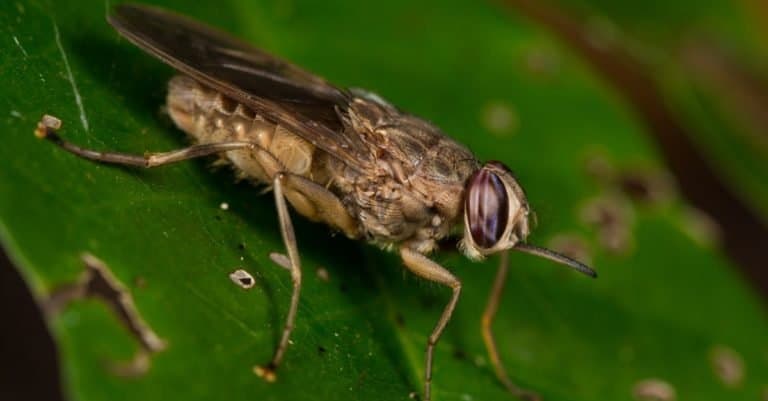
Tsetse fly Glossina morsitans
Deer bot fly Cephenemyia stimulator
Black soldier fly Hermetia illucens
Stable fly Stomoxys calcitrans
Giant mydas fly Gauromydas heros
πŸ‘ Image

The fly is one of the most common and diverse groups of animals on the planet.

Although they so often share an antagonistic relationship with humans as an annoyance or a potential carrier of diseases, these insects also serve many important ecological roles.

They are the second most common pollinators, behind only bees. They help to keep the environment free of decomposing animal flesh. And as a common subject of genetic research, they also help to advance the frontiers of human knowledge.

5 Incredible Fly Facts!
πŸ‘ Image

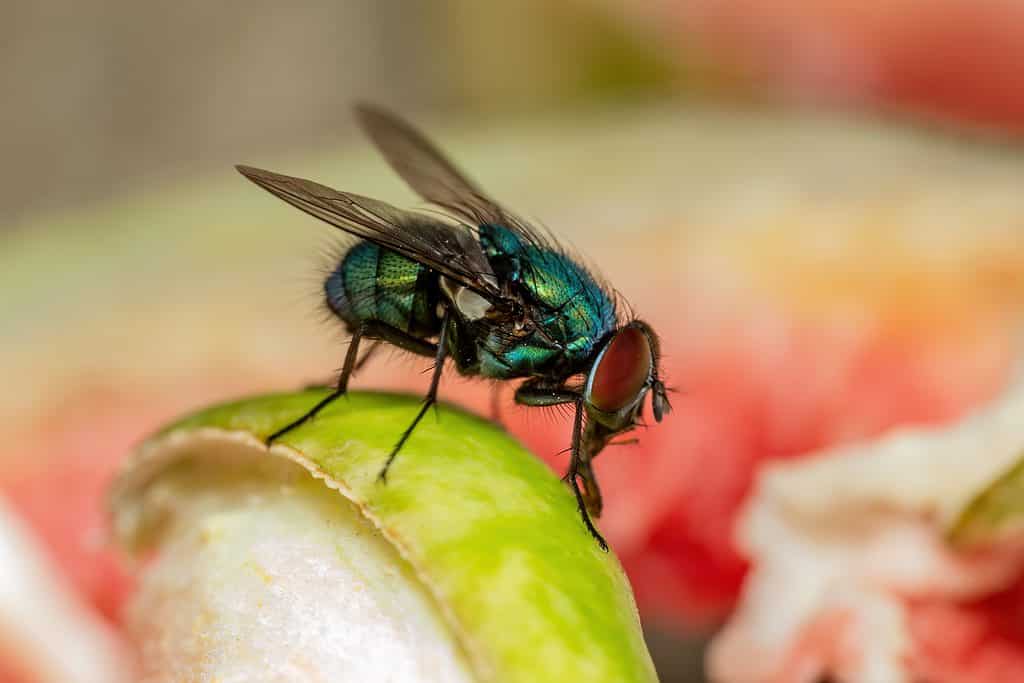
The insect’s lifespan lasts only a few weeks long. However, in this short time, it is very reproductively active. A single female can lay 500 eggs every three to four days.

Β©nechaevkon/Shutterstock.com

Here are a few fly facts:

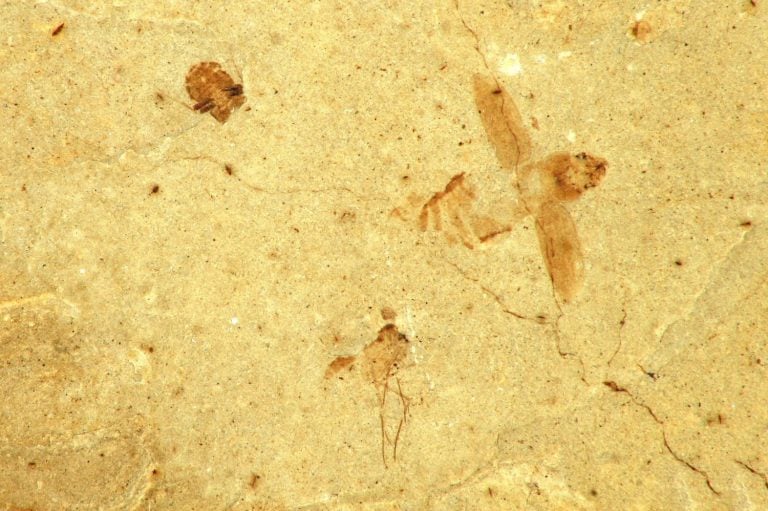
  • The evolutionary history of these insects dates back some 240 million years in the fossil record.
  • These insects rub their legs together in order to keep them clean. The bristles on the legs are important sensory organs that can taste the food they land on.
  • The maggots, which feed on decomposing tissue, have historically been used by humans to clean wounds.
  • These insects undergo four different life stages. The first stage, the egg, only lasts matter of eight to 12 hours. After hatching, the insect enters a prolonged larval stage in which it goes through a few different molting periods over the course of several days or weeks. The third stage, the pupa, is an intermediate form between larva and adult. It lasts an average of five days. The final adult phase mostly serves the purpose of reproduction.
  • The insect’s lifespan lasts only a few weeks long. However, in this short time, it is very reproductively active. A single female can lay 500 eggs every three to four days.

Species, Types, and Scientific Names
πŸ‘ Image

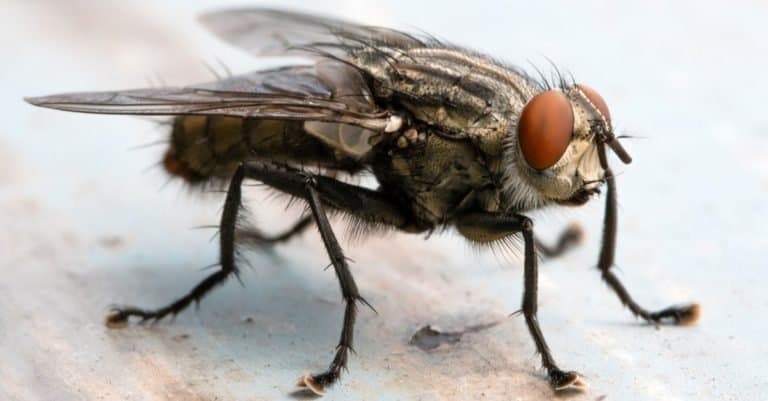
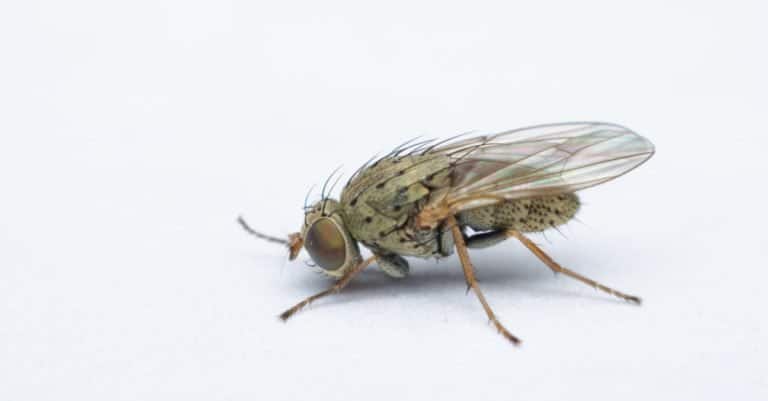
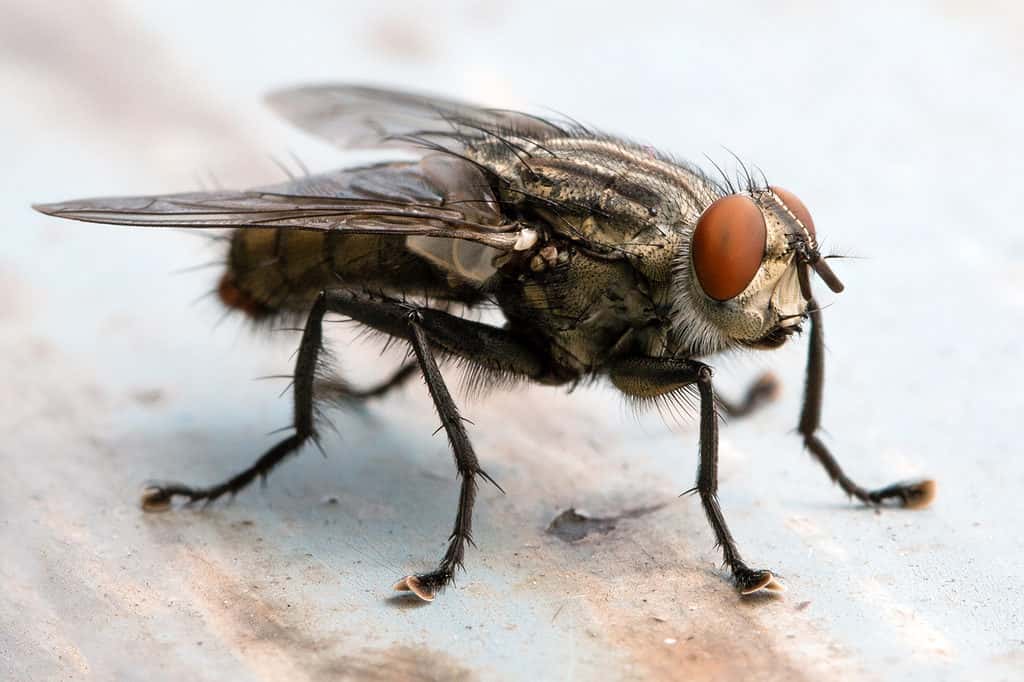
The most common fly species Americans are likely to find in their houses in winter are cluster flies, fruit flies, or house flies.

Β©Abel Tumik/Shutterstock.com

The scientific name for the fly order is Diptera (meaning two-winged in Greek). This order contains an astonishing amount of variety. More than 125,000 species have so far been described, but there could be up to a million species in total.

House, horse and blow flies are obvious examples, but what many people may not know is that even mosquitoes, midges, and gnats are members of the same order as well.

Here is a list of the major groups:

  • House and dung flies – Muscoidea
  • Blow and flesh flies – Oestroidea
  • Marsh flies – Acalyptratae
  • Louse flies – Hippoboscoidea
  • Hoverflies -β€―Syrphoidea
  • Flat-footed flies – Phoroidea
  • Dance flies – Empidoidea
  • Robber and bee flies – Asiloidea
  • Horse and snipe flies – Tabanomorpha
  • Stink flies – Xylophagomorpha
  • Soldier flies – Stratiomyomorpha
  • Crane flies – Tipuloidea
  • Drain and sand flies – Psychodomorpha
  • Mosquitoes – Culicomorpha
  • Gnats – Bibionomorpha
  • Midges – Blephariceromorpha

Here are additional fly species:

  • Psychodidae
  • Botfly
  • Tsetse fly
  • Black fly
  • Crane fly
  • Black soldier fly
  • Hoverflies
  • Ceratopogonidae
  • Nematocera
  • Brachycera
  • Sciaridae
  • Ephydridae
  • Cheese fly
  • Picture-winged flies
  • Tachinid flies
  • Cecidomyiidae
  • Long-legged flies
  • Opesia
  • Stalk-eyed fly
  • Chloropidae
  • Sciomyzidae
  • Piophilidae
  • Myopa
  • Conopidae
  • Braulidae
  • Sphaeroceridae
  • Sepsidae
  • Vermileonidae
  • Heleomyzidae
  • Oestroidea
  • Athericidae
  • Platypezidae
  • Nerius
  • Pilaria
  • Xylophagidae
  • Coelopidae
  • Rhinophoridae
  • Cryptochetidae
  • Milichiidae
  • Chionea
  • Neriidae
  • Corethrellidae
  • Erioptera
  • Idiocera

Evolution and Origins

πŸ‘ black fly or blackfly

Black flies are infamous for their bites that cause itching, swelling, and inflammation.

Β©iStock.com/zhikun sun

The origins of insects date back to the Carboniferous period, about 350 million years ago. Flies, specifically, belong to the order Diptera, which is derived from Greek, meaning β€œtwo-winged.” Dipterans have one pair of functional wings and one pair of reduced halteres, which serve as balance organs during flight.

The evolution of Diptera is linked to the development of flowering plants, as flies played a crucial role in pollination. Over time, many species of flies have adapted to different environments and food sources, resulting in a diverse group of insects that includes many species of mosquitoes, houseflies, fruit flies, and others.

Insects, including Dipterans, underwent significant evolution and diversification during the Mesozoic era, resulting in the wide variety of species we see today. Diptera has adapted to many habitats and feeding behaviors, including some species that are predators, parasites, and decomposers, while others are important pollinators.

One important factor in Dipteran evolution is the development of mouthparts. Many flies have evolved specialized mouthparts to feed on nectar, blood, or other specific food sources. This has allowed them to occupy different ecological niches and adapt to a variety of environments.

Appearance
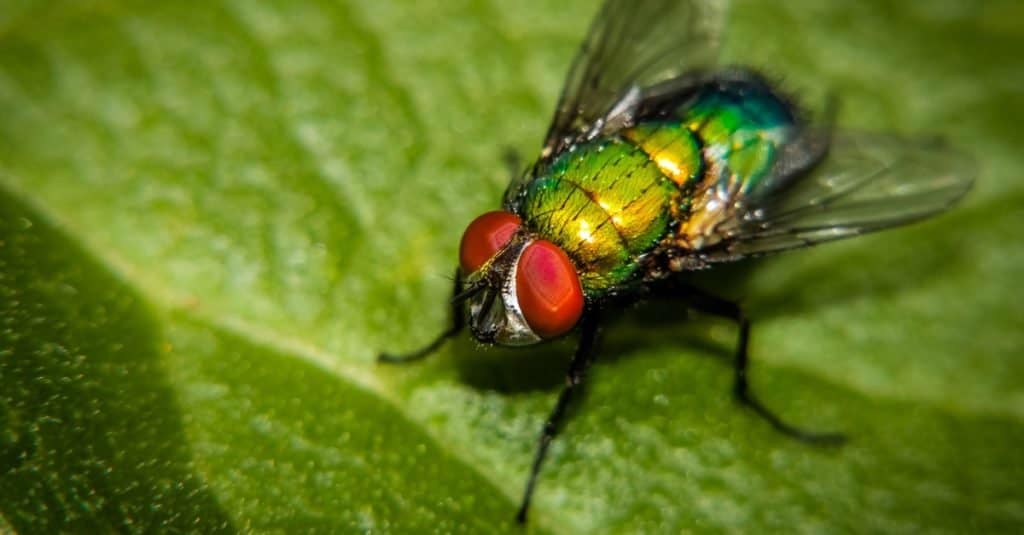
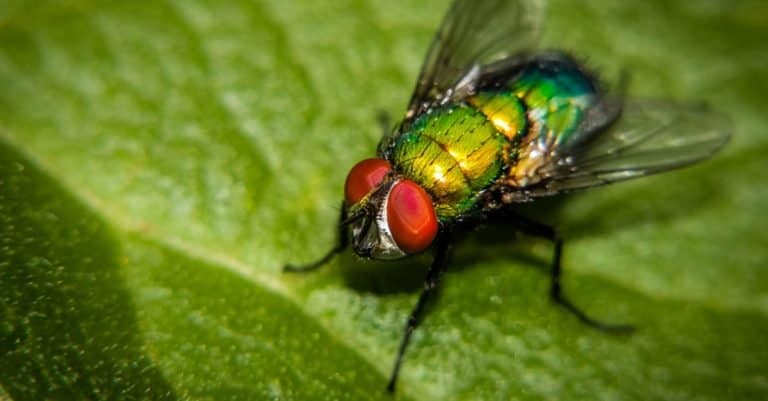
πŸ‘ Common green bottle fly (blow fly, Lucilia sericata) on a green leaf.

The order of Diptera comes in so many shapes and sizes that it is difficult to say anything precise about it, but the one trait that unites all of them together is the dual-wing structure.

Β©Jeroen Mikkers/Shutterstock.com

The order of Diptera comes in so many shapes and sizes that it is difficult to say anything precise about it, but the one trait that unites all of them together is the dual-wing structure. The first pair of wings are used for flight, while the second reduced pair is used primarily for balance and maneuverability.

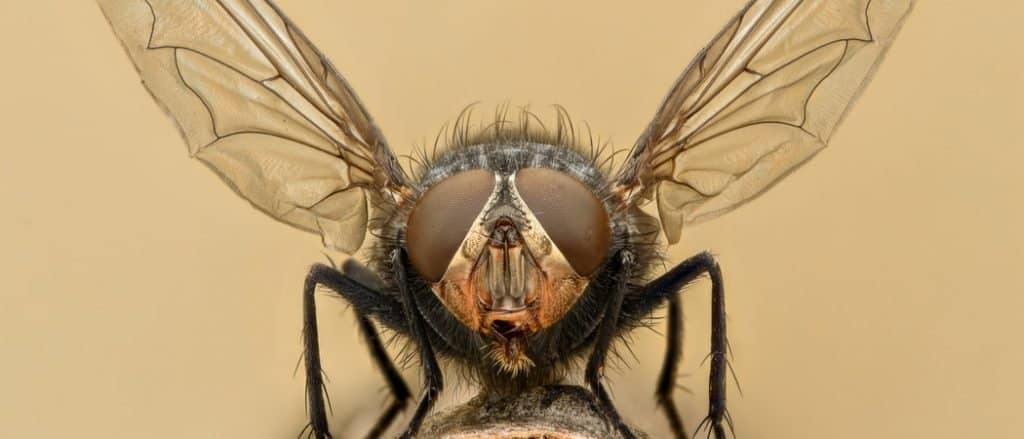
Other important features include two large compound eyes, claws or pads that enable them to stick on smooth surfaces, and complex mouthparts designed for some combination of sucking, lapping, and piercing. Most species in this order measure less than an inch long.

The largest species is the South American fly, Gauromydas heros, which can measure up to 3 inches.

Habitat

Flies can be found in a wide variety of habitats, from tropical rainforests to arid deserts. Some species are adapted to specific environments, while others are more generalist and can be found in many different types of habitats.

These insects are found in almost every single ecosystem and habitat on the planet except for the Antarctic. They seem to pose the greatest danger to human health in certain warm and tropical regions.

Some common habitats for flies include:

  1. Forests: Many species of flies, including some of the larger species, can be found in forests, where they feed on nectar, fruits, and other organic matter.
  2. Grasslands: Grasslands provide habitats for many species of flies, including some of the most common types such as houseflies and horseflies. They feed on a variety of plant and animal matter, including nectar, feces, and carrion.
  3. Deserts: Some species of flies have adapted to the harsh conditions of deserts, where they feed on a variety of resources, including nectar, plants, and small insects.
  4. Agricultural areas: Agricultural areas provide habitats for many species of flies, including those that feed on crops, livestock, and other agricultural products. Some species of flies, such as fruit flies, are specially adapted to feed on ripe fruit.
  5. Urban areas: Many species of flies, including houseflies and blowflies, have adapted to urban environments, where they feed on human food waste and other organic matter.
  6. Aquatic habitats: Some species of flies, such as mosquitoes and midges, have adapted to live in aquatic habitats, where they feed on algae, aquatic plants, and other organic matter.

The specific habitat requirements for different species of flies vary, and many species can adapt to new habitats as they become available. However, all flies require some type of organic matter, such as food or breeding sites, to survive and reproduce.

Diet
πŸ‘ Image
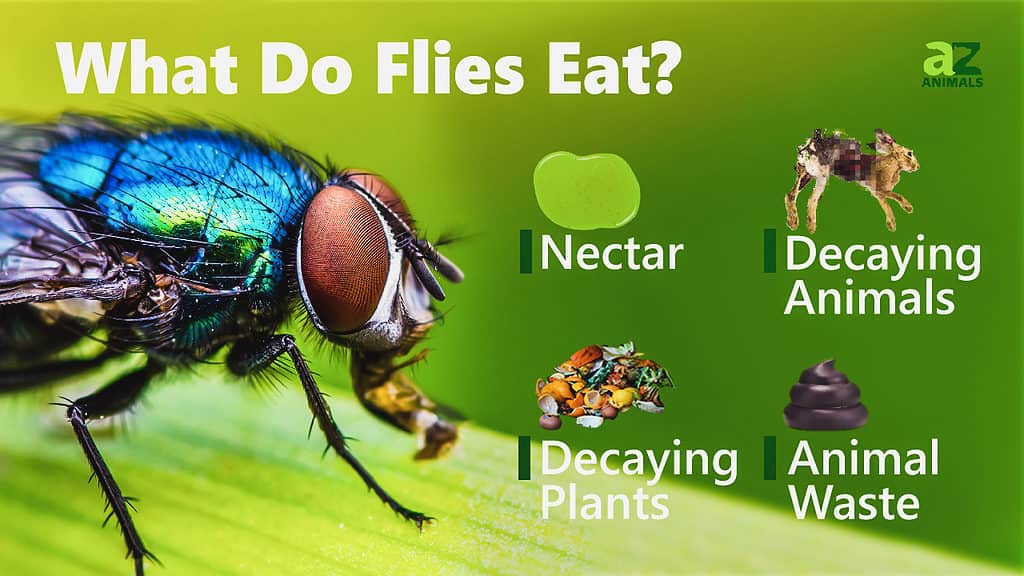
Flies eat nectar, decaying animals, decaying plants, and animal waste.

These insects have adapted all kinds of feeding strategies. They can be herbivorous, carnivorous, scavengers, decomposers, and even parasites. Most species have evolved to consume decaying organic matter from fruits, vegetables, meat, and even feces.

Mosquitoes, tsetse flies, and many other types survive by feeding on the blood of vertebrate animals, while other species feed directly on the flesh.

Prevention

The best way to prevent these insects in the first place is to eliminate all sources of decaying food matter (including both human and pet food) around the home. Proper food storage and regular cleaning are a necessity for maintaining a fly-free environment.

If you want to get rid of the insects that have already entered your home, then you should invest in proper traps, electric insect zappers, and sprays. They also seem to have an aversion to strong herbs such as mint, lavender, and bay leaf.

Keep your doors and windows closed as often as possible and try to eliminate or cover up any holes where they can get in.

View all 164 animals that start with F

Sources

  1. Britannica / Accessed February 19, 2021
  2. Raid / Accessed February 19, 2021

About the Author

Rebecca Bales

Rebecca is an experienced Professional Freelancer with nearly a decade of expertise in writing SEO Content, Digital Illustrations, and Graphic Design. When not engrossed in her creative endeavors, Rebecca dedicates her time to cycling and filming her nature adventures. When not focused on her passion for creating and crafting optimized materials, she harbors a deep fascination and love for cats, jumping spiders, and pet rats.
Connect:

Thank you for reading! Have some feedback for us?

Contact the AZ Animals editorial team

Related Articles You May Find Interesting

πŸ‘ Image
Articles

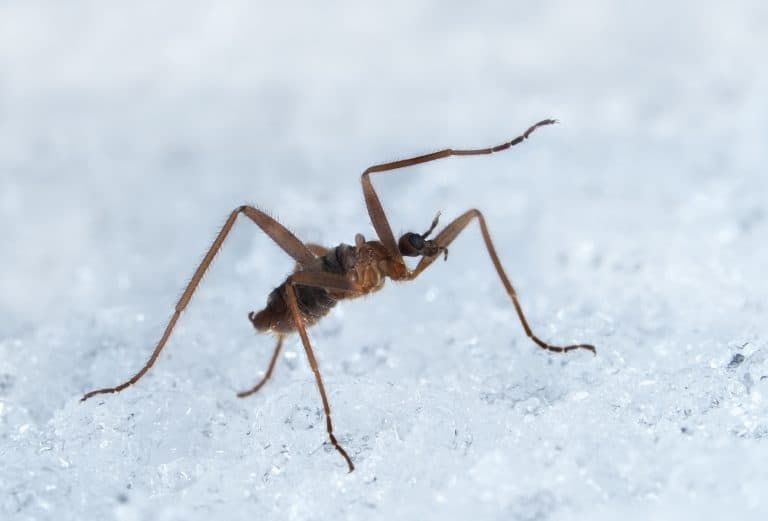
How Snow Flies Survive Subzero Cold with Special Antifreeze Proteins


Fly FAQs (Frequently Asked Questions)

Flies are Omnivores, meaning they eat both plants and other animals.

Flies belong to the Kingdom Animalia.

Flies belong to the class Insecta.

Flies belong to the phylum Arthropoda.

Flies belong to the order Diptera.

Flies are covered in hair.

Flies are found worldwide.

Flies live close to organic waste.

Flies can eat almost any kind of organic matter, particularly if it’s already begun decaying. But some fly species are specialized for consuming blood or animal flesh directly.

If flies went extinct it would cause problems across the world with decaying organic matter. While bacteria and other insects will also consume decaying matter, flies do it much more quickly.