









F
Species Profile

Frengle

Canis lupus familiaris

Small body, big nose, bigger heart
iStock.com/Maryna Rayimova

Frengle Distribution

Domesticated Species

Found Worldwide

Human-kept companion dog; now found wherever pet dogs are kept, especially urban and suburban homes across North America, Europe, and Australasia.

Size Comparison

Human 5'8"
Frengle 1 ft 1 in

Frengle stands at 19% of average human height.

At a Glance

Domesticated
Also Known As French Bulldog Beagle mix, Frenchie Beagle mix, Beagle French Bulldog mix, French Bulldog–Beagle cross, Frengle dog
Diet Omnivore
Activity Diurnal+
Lifespan 5 years
Weight 16 lbs
Status Not Evaluated
Did You Know?

Frengles can inherit a Beagle nose, making scent trails and food smells especially distracting during walks and training.

Scientific Classification

The Frengle is an informal designer cross between a French Bulldog and a Beagle. As a mixed-breed dog, traits vary by lineage, but it commonly combines a compact companion build with hound-derived curiosity and scent interest.

Kingdom
Animalia
Phylum
Chordata
Class
Mammalia
Order
Carnivora
Family
Canidae
Genus
Canis
Species
lupus

Distinguishing Features

  • Mixed French Bulldog and Beagle ancestry
  • Variable muzzle length; may be brachycephalic
  • Compact, sturdy build common
  • Often short coat with hound-like markings
  • Temperament can be playful and scent-driven

Physical Measurements

Males and females differ in size

Height
1 ft 1 in (11 in – 1 ft 4 in)
1 ft 1 in (11 in – 1 ft 3 in)
Length
1 ft 12 in (1 ft 8 in – 2 ft 4 in)
Weight
31 lbs (22 lbs – 40 lbs)
24 lbs (18 lbs – 31 lbs)
Tail Length
5 in (2 in – 8 in)
5 in (3 in – 7 in)
Top Speed
20 mph
running

Appearance

Primary Colors
Secondary Colors
Skin Type Short coat
Distinctive Features
  • Compact, muscular body compared with typical domestic dog proportions.
  • Shorter muzzle than most dogs; may show brachycephalic facial wrinkles.
  • Large upright or semi-erect ears; ear set varies widely by lineage.
  • Rounder skull and shorter legs than many scent hounds.
  • Strong scent interest; frequent nose-to-ground tracking behavior on walks.
  • Medium-short coat, moderate shedding; weekly brushing usually sufficient.
  • Heat sensitivity risk; avoid intense exercise in warm, humid weather.
  • Possible snoring and noisy breathing; monitor for airway stress.
  • Prone to weight gain; measured diet and daily activity are important.
  • Potential ear infections; clean and dry ears, especially if floppy.
  • May inherit hip or spine issues; keep jumps moderate and nails trimmed.

Sexual Dimorphism

Sexual dimorphism is mild: males are typically slightly larger, heavier-boned, and broader-headed. Females are often a bit lighter with a narrower chest, but overlap is common in this variable mixed breed.

  • Slightly broader chest and heavier neck musculature.
  • Often larger head with more pronounced jowls.
  • Slightly narrower chest and lighter overall build.
  • Head often a bit finer with less facial bulk.

Did You Know?

Frengles can inherit a Beagle nose, making scent trails and food smells especially distracting during walks and training.

Muzzle length varies; some breathe like a Frenchie, others resemble Beagles and tolerate exercise better.

Coats are usually short and easy-care, but color patterns range from Beagle tricolor to fawn brindles.

Many Frengles "talk" in mixed ways: Beagle baying, Frenchie snorts, and plenty of expressive grumbles.

Because they're mixed-breed, adult size can vary more than in established breeds, even within one litter.

They often love puzzle feeders and scent games, which channel hound instincts while protecting joints from overexertion.

Weight control is crucial; both parent breeds can gain easily, and extra pounds worsen breathing and spine strain.

Unique Adaptations

  • Heightened olfaction from Beagle ancestry supports enrichment work like nose games, tracking toys, and "find it" training.
  • Compact, sturdy build from the French Bulldog side suits apartment living when daily walks and play are consistent.
  • Variable head and airway structure means heat tolerance differs; some require strict overheating precautions and calm pacing.
  • Short, low-shedding-leaning coats in many individuals reduce grooming time, though year-round shedding is still common.

Interesting Behaviors

  • Scent-locking: once a smell is found, they may stop listening and pull-use a harness and reward check-ins.
  • Baying-to-grumbling vocal range: some howl like Beagles, others "Frenchie talk," especially when excited or frustrated.
  • Couch-to-adventure switching: bursts of play followed by intense lounging, particularly in warmer weather.
  • Shadowing their person: many are clingy companions and may show separation distress without gradual alone-time training.
  • Food-driven problem solving: they learn quickly with treats, but also counter-surf if boundaries aren't consistent.

Cultural Significance

Frengles reflect modern designer-dog culture, blending the French Bulldog's urban companion image with the Beagle's famous family-dog reputation. They highlight how selective breeding within the domestic dog produces diverse temperaments and bodies.

Myths & Legends

English lore tells of "Pocket Beagles" kept by Elizabeth I-tiny hounds carried in saddlebags to amuse the court during hunts.

French Bulldogs became fixtures of Parisian bohemia; stories place them in cafés and artists' studios as spirited companions of the Belle Époque.

A well-known anecdote recalls the French Bulldog Gamin de Pycombe, insured for a fortune and lost with his owner on the Titanic.

Hunting tradition credits St. Hubert's hounds with near-miraculous scenting gifts, a legendary origin that shaped European attitudes toward scent hounds.

Conservation Status

NE Not Evaluated

Has not yet been evaluated against the criteria.

Population Stable

Life Cycle

Birth 4 pups
Lifespan 5 years

Lifespan

In the Wild 2–8 years
In Captivity 9–15 years

Reproduction

Mating System Polygynandry
Social Structure Managed Domestic
Breeding Season Year-round; females cycle 1-2 times yearly
Breeding Pattern Transient
Fertilization Managed Selective
Birth Type Internal_fertilization

Frengles (French Bulldog x Beagle) are bred under human management rather than stable pair bonds. French Bulldog ancestry can increase dystocia risk, so veterinary-assisted mating or C-section may be needed; pups are reared by the dam with owner support.

Behavior & Ecology

Social Pack Group: 3
Activity Diurnal, Crepuscular, Cathemeral
Diet Omnivore Chicken

Temperament

Affectionate
Curious
Scent-driven
Food-motivated
Playful
Stubborn
Sociable
Alert
Vocal
Heat-sensitive
Separation-prone

Communication

barks
baying
howls
whines
snorts
grumbles
scent marking
sniffing trails
body language
play bows
pawing
face licking

Habitat

Biomes:
Temperate Forest Boreal Forest (Taiga) Tundra Temperate Grassland Savanna Mediterranean Desert Hot Desert Cold Alpine Wetland Freshwater Marine Tropical Dry Forest Tropical Rainforest Temperate Rainforest +9
Terrain:
Plains Hilly Coastal Mountainous Island
Elevation: Up to 16404 ft 3 in

Ecological Role

Domesticated companion; opportunistic scavenger-predator in human environments

pest control security alarm human companionship

Diet Details

Other Foods:
Pumpkin Sweet potato Carrots Brown rice Oats Blueberries

Human Interaction

Domestication Status

Domesticated

Domestic dogs derive from gray wolves, domesticated at least 15,000 years ago for companionship and work. The Frengle is a recent "designer" cross, bred mainly as a compact companion with scent-driven, active tendencies.

Danger Level

Low
  • Nipping when startled or handled
  • Resource guarding in some individuals
  • Escape risk following scent trails
  • Bites from fear or pain
  • Dog reactivity without training

As a Pet

Suitable as Pet

Legality: Generally legal; check local breed, leash, and nuisance ordinances.

Care Level: Moderate

Purchase Cost: $100 - $2,000
Lifetime Cost: $15,000 - $35,000

Economic Value

Uses:
Companionship Services Breeding
Products:
  • puppies
  • services

Relationships

Predators 5

Coyote Canis latrans
Gray wolf Canis lupus
Mountain lion Puma concolor
Golden eagle Aquila chrysaetos
Alligator Alligator mississippiensis

Related Species 8

Domestic dog Canis lupus familiaris Shared Genus
French Bulldog Canis lupus familiaris Shared Genus
Beagle Canis lupus familiaris Shared Genus
Gray wolf Canis lupus Shared Genus
Coyote Canis latrans Shared Genus
Golden jackal Canis aureus Shared Genus
Red fox Vulpes vulpes Shared Family
Raccoon Procyon lotor Shared Order

Ecological Equivalents 4

Animals that fill a similar ecological role in their ecosystem

Puggle (Pug × Beagle mix) Canis lupus familiaris Similar small companion size with scent-hound curiosity and stubbornness
Boston Terrier Canis lupus familiaris Compact companion with higher brachycephalic breathing/heat sensitivity risk
Dachshund Canis lupus familiaris Scent-driven, food-motivated; higher risk of back/IVDD issues
Jack Russell Terrier Canis lupus familiaris High curiosity and prey-drive; needs structured exercise and enrichment

Affiliate Disclosure: As an Amazon Associate and affiliate partner of various brands, we may earn a small commission when you purchase through links on our site, at no extra cost to you. This helps us continue to provide high-quality content.

👁 Image
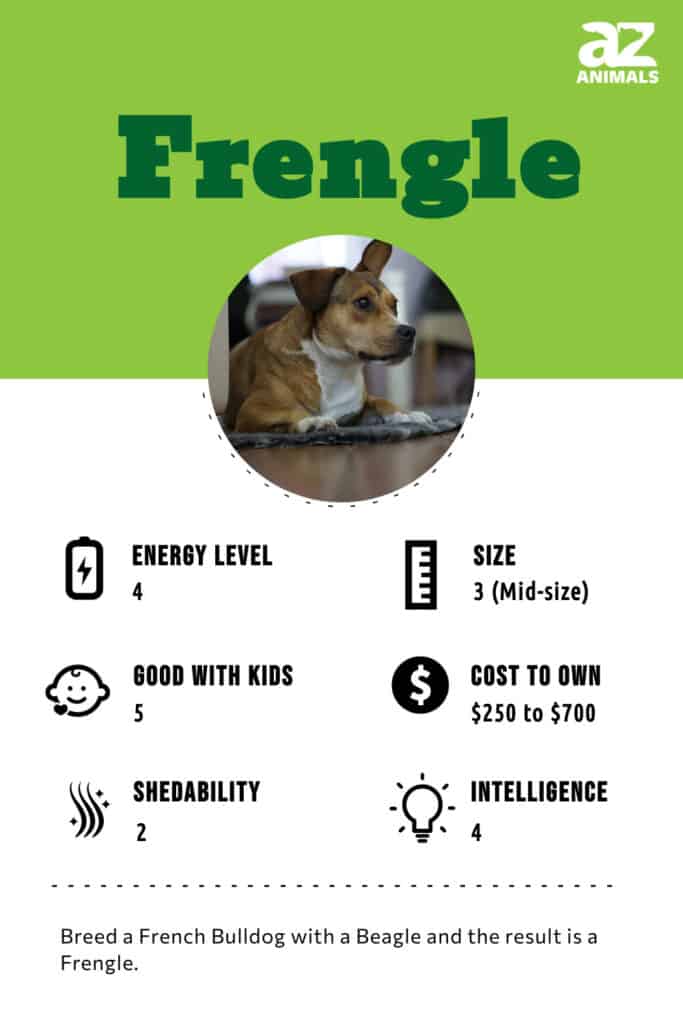
Breed a French Bulldog with a Beagle and the result is a Frengle. They’re quite clever and eager to please their owner, while also desiring to act independently.

Frengles can howl just like their Beagle parent.

Breed a French Bulldog with a Beagle and the result is a Frengle. Frengles belong to the hybrid group. The origin date of this hybrid dog is unknown, but it has many of the favorable characteristics of its purebred parents.

Frengles are friendly, alert, smart dogs. They were bred as companions, so they love to be around their owners as much as possible. Furthermore, these dogs are known to be good with both children and other pets in a family.

3 Pros and Cons of Owning a Frengle

Pros!Cons!
A good watchdog
Frengles are alert and ready to bark at strangers at the door or on a family’s property.
Sometimes stubborn
The stubborn streak of this little dog can sometimes make obedience training a bit challenging.
Sheds very little
This hybrid sheds a low amount of hair, so it doesn’t leave a lot behind on the sofa!
Not good in hot weather
Frengles that are very similar to their French Bulldog parent can have trouble breathing in extreme heat. This is due to their smushed face.
A reasonable grooming routine
Caring for this dog requires brushing it just once a week.
High energy
This hybrid has a lot of energy and needs at least 60 minutes of exercise each day.
👁 Animal, Animal Body Part, Animal Eye, Animal Hair, Animal Head

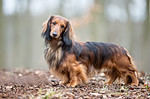
Frengle (Beagle French Bulldog mix)

©iStock.com/Maryna Rayimova

Evolution and Origins

The French Bulldog was first developed in England during the 19th Century, particularly in the town of Nottingham. The local lace makers’ guild wanted a smaller version of the English Bulldog to keep them company while they worked.

Their origins began with a mix of French bulldogs and beagles. Thus, Frengle was born.

The Frengle’s history comes from its parent dogs. French Bulldogs started in England, desired by lace makers for companionship. They moved to France, where they gained popularity.

Beagles date back to the 1500s for hunting. They adapted in the US, becoming loved family pets known for their playfulness and detection skills at airports.

Size and Weight

A male Frengle can grow to be 15 inches tall from head to toe whereas females grow to 12 inches tall. Males weigh up to 28 pounds full grown while females weigh 16 pounds as adults. At 9 weeks old Frengle puppies weigh around 7 pounds and these hybrid dogs are considered full grown at 18 months.

Height (Male)15 inches tall
Height (Female)12 inches tall
Weight (Male)28 pounds, full grown
Weight (Female)16 pounds, full grown

Common Health Issues

Frengles have some common health issues including hip dysplasia. Hip dysplasia is a dislocated hip joint. Some signs of this condition are hopping, limping, and decreased range of motion. Supplements and physical therapy are both treatments for this condition. Some breeders are careful to test for this genetic condition in dogs before breeding them.

👁 Frengle isolated

Frengles are loyal watchdogs with a stubborn streak.

©Luis Ernst/Shutterstock.com

Epilepsy is another common health issue of this hybrid dog. Epilepsy is a neurological condition causing seizures. Medication can help to control epileptic seizures in dogs. In addition, ear infections are a common health issue. A Frengle’s ears hang down which means debris can become stuck in them and travel inside the ear.

Cleaning their ears as part of their grooming routine can help to prevent these infections. The common health issues of this hybrid are:

  • Hip dysplasia
  • Epilepsy
  • Ear infections

Temperament and Behavior

Frengles are known for their cheerful temperament and affectionate behavior. This makes them excellent companions for their owners. These dogs enjoy running through fields as much as they like snuggling with their owner on the sofa.

Socialized Frengles get along well with kids and other pets. One of their most prominent traits is their abundance of energy. So, any family who wants a Frengle should be dedicated to giving this dog at least 60 minutes of exercise each day.

How to Take Care of Them

Taking excellent care of a pet Frengle means learning as much as possible about its diet, grooming, exercise, and healthcare requirements. Of course, there are differences in the care plans for a Frengle puppy and an adult dog. Discover some specific details regarding their daily care.

The Best Dog Food

Frengle puppies and adult dogs need different diets to keep them healthy. Discuss any health problems or potential health problems with your vet, and try to cater your dog’s nutrition to their health needs. Here are some things to consider when choosing dog food:

Puppy food: Omega 3 and 6 fatty acids support a puppy’s eye health and cognitive development. Protein is essential in a Frengle puppy’s diet because it contributes to the healthy development of organs, cells, and tissue. It also builds muscle and supports joints. This is important for a dog prone to hip dysplasia. Fat provides a puppy with the energy it needs to move around and explore its surroundings. Calcium in a puppy’s food contributes to the growth of strong teeth, bones, and claws. Fiber helps with proper digestion.

Adult dog food: Lean protein supports muscle, cartilage, and joint health in an adult dog. A limited amount of fat in its diet gives full-grown Frengle energy without adding extra weight to its small frame. These dogs are so active that most of the time they burn off the fat they consume. Vitamin A in a dog’s food supports healthy vision while Vitamin D assists in the absorption of nutrients in their intestines. Calcium in their diet helps to keep their teeth and bones strong as they age. Omega 3 fatty acids support healthy joints which can fend off hip dysplasia.

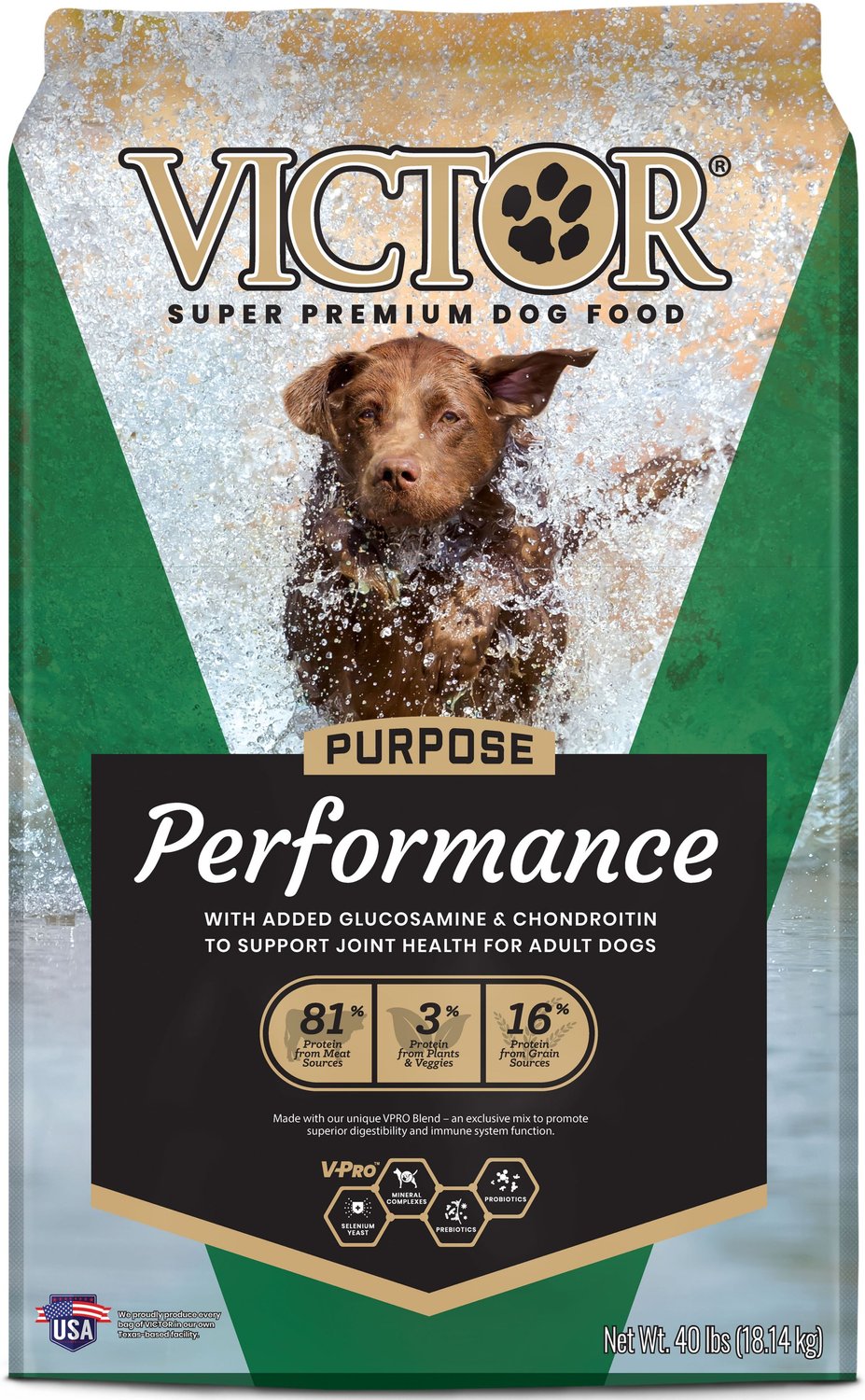
Given their specific health needs, A-Z Animals says the best dog food for Frengles is Victor Purpose – Performance, Dry Dog Food.

With hearty ingredients, this food is packed with nourishment. To minimize your Frengle’s hip dysplasia risk, it contains 800mg/kg of glucosamine and 250 mg/kg of chondroitin. Other nutrients like antioxidants, probiotics, and prebiotics enhance their immune system. And there’s a manganese amino acid complex to support a properly functioning nervous system in this epilepsy and seizure-prone breed.

Victor Purpose Performance Dry Dog Food is available on Amazon.
Best Protein Rich
VICTOR Purpose Performance Formula Dry Dog Food
  • 81% meat protein with premium-quality beef, chicken and pork meals
  • Ideal for sporting pups and those with high physical demands
  • Contains glucosamine and chondroitin for long-term joint health
  • Fortified with vitamins, minerals, essential fatty acids, protein and amino acids
  • Promotes digestion and immune health


Check Chewy Check Amazon

Maintenance and Grooming

How much does a Frengle shed? Frengles shed a low amount of hair. As a bonus, they have a low-maintenance grooming routine! Frengles need to be brushed once a week. A slicker brush is helpful in removing loose or dead hair from the coat of a Frengle. It’s best to choose a slicker brush with a coating on the tips of its bristles. This soft coating protects the skin of the dog.

Since Frengles are prone to ear infections, cleaning their ears should be a part of their grooming session. Use a soft cloth moistened with warm water to gently wipe the underside of each ear. This removes dust, dirt, and old earwax that can get down into their ears and cause an issue.

Patches of red or dry skin on a Frengle can mean it has allergies. These may be environmental or food allergies. Some dogs are even allergic to ingredients in shampoos! A qualified veterinarian can examine the dog’s skin and help the owner to determine the cause and offer treatment.

Training

These dogs have a stubborn component to their personality. This can make obedience training a little challenging for an owner. Since a Frengle is part Beagle, it’s very aware of all of the scents flying around in an outdoor area. These can distract the dog from its lessons. Consequently, doing obedience training indoors in an area with very few distractions can help in training this hybrid. Also, find a preferred treat to use only during obedience training so the dog is working for something it really wants. Though Frengles can be challenging to train, it’s definitely not an impossible task.

Basset Hounds are other dogs easily distracted by scents and challenging to train.

Exercise

Owners should know that regular exercise plays a big part in maintaining the health of a Frengle. They need at least 60 minutes of activity each day. One idea is to take a Frengle to a dog park. Chasing and playing with other dogs is a great way for a Frengle to exercise. A walk off the leash in the woods or a field is a real treat for this canine. However, an owner should wait until their dog is fully trained so they’ll come when called. This is important because these dogs are inclined to take off in search of scents.

These dogs are suitable for people who live in apartments as long as they continue to get exercise each day.

Puppies

Puppies move around quite a bit to explore their yard or other surroundings. A place where they can explore while staying away from the dangers of a nearby road or driveway is necessary for maintaining healthy puppies.

As a note, Beagle puppies and dogs are good at swimming while French Bulldogs aren’t good swimmers. French Bulldogs have a hard time keeping their face out of the water as they swim due to their short neck and body. So, it’s questionable whether a Frengle puppy will be a good swimmer. It’s important for owners to monitor any swimming to determine this dog’s capabilities.

Frengle and Children

These dogs are known to be good with young and older kids. This is a plus for a family with children looking for a friendly, sweet dog.

Dogs Similar to the Frengle

Other dogs similar to these dogs are Basset Hounds, American Bulldogs, and Boglen Terriers.

  • Basset Hound-Frengles and Basset Hounds can both be tricolored (brown, white, and black). Also, they both can be stubborn to train. But Basset Hounds weigh more than Frengles.
  • American Bulldog-These dogs are good with kids and enjoy being in the middle of the action like Frengles. However, a full-grown American Bulldog is much larger than a Frengle.
  • Boglen Terrier-Both Boglen Terriers and Frengles have a stubborn streak in their personality. They are both energetic, but Boglen Terriers tend to be larger.

Popular names for these dogs:

  • Coco
  • Louie
  • Gizmo
  • Phoebe
  • Ellie
  • Otis
  • Cookie
  • Poppy
  • George
  • Zoe
View all 164 animals that start with F

Sources

  1. Aubrey Animal Medical Center / Accessed April 28, 2021
  2. Frenchie World / Accessed April 28, 2021
  3. Wikipedia / Accessed April 28, 2021

About the Author

Rebecca Bales

Rebecca is an experienced Professional Freelancer with nearly a decade of expertise in writing SEO Content, Digital Illustrations, and Graphic Design. When not engrossed in her creative endeavors, Rebecca dedicates her time to cycling and filming her nature adventures. When not focused on her passion for creating and crafting optimized materials, she harbors a deep fascination and love for cats, jumping spiders, and pet rats.
Connect:

Thank you for reading! Have some feedback for us?

Contact the AZ Animals editorial team

Related Articles You May Find Interesting


Frengle FAQs (Frequently Asked Questions)

A Frengle is a hybrid dog created by crossing a Beagle with a French Bulldog. These dogs are affectionate and friendly. Their alert nature and loud bark make them superb watchdogs. Frengles get along well with kids, adults, and other pets.

Most breeders charge a price of around $500 for Frengle puppies. But these dogs are also available for adoption from shelters and rescue organizations. Someone who wants a Frengle and goes the adoption route is going to pay a lower price in the form of a fee that usually goes back into the operation of the shelter or rescue group.

The yearly veterinary cost of a Frengle range from $300 to $600. This cost can vary depending on the overall health of the hybrid and its age.

The food cost for this dog goes from $25 to $30 a month.

Yes, Frengles are hybrid dogs known to get along well with kids.

Frengles can live to be 15 years old.

Most breeders charge a price of around $500 for Frengle puppies. Rescue organizations and shelters are two other options for families who want to go with adoption instead of buying a dog from a breeder.

The lifespan of a Frengle is 12 to 15 years.

Full grown male Frengles can grow as tall as 15 inches from head to toe. Females can grow to be 12 inches tall. Males weigh as much as 28 pounds full grown while females weigh around 16 pounds.

No, socialized Frengles are not known as aggressive dogs.

Yes! Frengles are happy-go-lucky dogs with a long lifespan that love to be with their family members.