
F
Species Profile

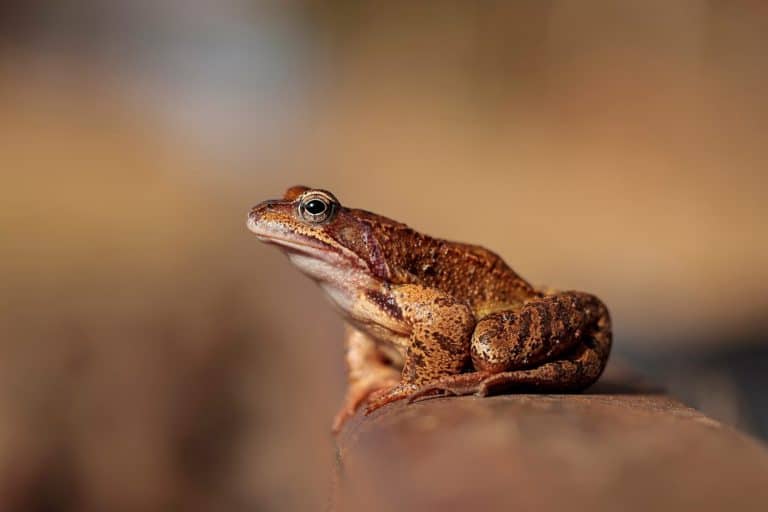
Frog

Anura

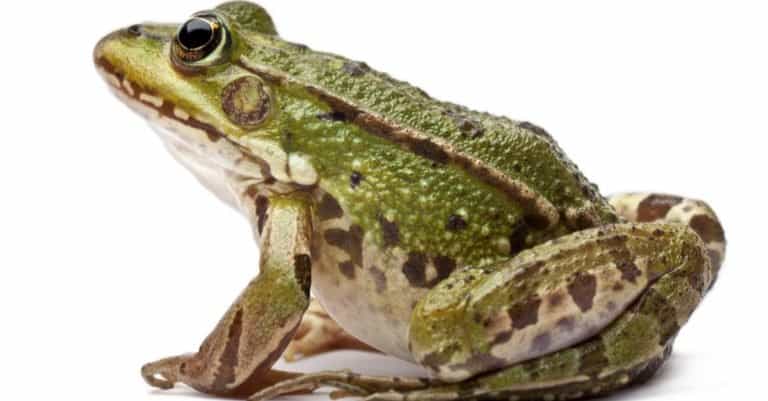
Tailless jumpers, masters of change
Holger Krisp / CC BY 3.0, Wikimedia Commons

Frog Distribution

Click a location to explore more animals from that region

Invasive Species
Loading map...

Found in 55 countries

🇦🇷 Argentina 🇦🇺 Australia 🇧🇩 Bangladesh 🇧🇴 Bolivia 🇧🇷 Brazil 🇧🇹 Bhutan 🇨🇦 Canada 🇨🇩 Democratic Republic of Congo 🇨🇱 Chile 🇨🇲 Cameroon 🇨🇳 China 🇨🇴 Colombia 🇨🇷 Costa Rica 🇩🇪 Germany 🇪🇨 Ecuador 🇪🇸 Spain 🇪🇹 Ethiopia 🇫🇮 Finland 🇫🇷 France 🇬🇧 United Kingdom 🇬🇷 Greece 🇬🇹 Guatemala 🇮🇩 Indonesia 🇮🇪 Ireland 🇮🇳 India 🇮🇹 Italy 🇯🇵 Japan 🇰🇪 Kenya 🇰🇷 South Korea 🇱🇦 Lao People's Democratic Republic 🇱🇰 Sri Lanka 🇲🇦 Morocco 🇲🇬 Madagascar 🇲🇲 Myanmar 🇲🇽 Mexico 🇲🇾 Malaysia 🇳🇬 Nigeria 🇳🇴 Norway 🇳🇵 Nepal 🇳🇿 New Zealand 🇵🇦 Panama 🇵🇪 Peru 🇵🇬 Papua New Guinea 🇵🇭 Philippines 🇵🇱 Poland 🇵🇾 Paraguay 🇷🇺 Russia 🇸🇪 Sweden 🇹🇭 Thailand 🇹🇷 Turkey 🇹🇿 Tanzania 🇺🇬 Uganda 🇺🇸 United States 🇻🇳 Vietnam 🇿🇦 South Africa

At a Glance

Order Overview This page covers the Frog order as a group. Stats below are general traits shared across the order.
Also Known As Toad, Froggy, Froggie, Croaker
Diet Omnivore
Activity Nocturnal+
Lifespan 5 years
Weight 3.3 lbs
Status Not Evaluated
Did You Know?

Size range is extreme: the smallest adult frogs are ~7.7 mm long, while the largest reach ~32 cm and can weigh over 3 kg.

Scientific Classification

Order Overview "Frog" is not a single species but represents an entire order containing multiple species.

Frogs (order Anura) are tailless amphibians characterized by powerful hind limbs, saltatory locomotion (jumping), and a life cycle that often includes aquatic larvae (tadpoles) and terrestrial or semi-aquatic adults. The group includes what are commonly called both frogs and toads.

Kingdom
Animalia
Phylum
Chordata
Class
Amphibia
Order
Anura

Distinguishing Features

  • Adult tailless body plan (unlike salamanders)
  • Powerful hind legs adapted for jumping/swimming
  • Moist, permeable skin with cutaneous respiration in many species
  • Vocal calling (males) and external fertilization common, though not universal
  • Metamorphosis from tadpole (gills, tail) to adult (lungs/limbs) in many species

Physical Measurements

Males and females differ in size

Weight
0 lbs (0 lbs – 7 lbs)
Top Speed
12 mph
short bursts 10–20 km/h
Poisonous

Appearance

Skin Type Frog skin is full of glands and highly permeable, needing moisture for breathing. It ranges from smooth to warty, has mucus and toxin glands, sometimes parotoid or keratinized, and is sensitive to heat and pollution.
Distinctive Features
  • Order-level size range (adults): approximately ~7-8 mm to ~320+ mm snout-vent length; mass from well under 1 g to ~3+ kg (smallest microhylids/miniaturized frogs to the largest ranids such as goliath frogs).
  • Frog lifespans are often about 1–5 years in small species (especially in seasonal or high-predator areas), commonly 5–15 years in longer-lived species, and 20+ years or decades in some hardy groups, especially in captivity.
  • Tailless adults (loss of tail after metamorphosis), with a compact body and enlarged pelvic/pectoral structures supporting saltatory locomotion (jumping) in many species-though some are primarily walking, climbing, or burrowing rather than strong jumpers.
  • Powerful, elongated hind limbs are typical; degree of webbing varies widely (strong in aquatic/stream forms; reduced in terrestrial/burrowing forms).
  • Hind-foot and toe structure varies by ecology: expanded adhesive toe pads in many arboreal frogs; digging spades/tubercles in many burrowers; streamlined bodies and webbing in aquatic species.
  • Large, laterally positioned eyes with a nictitating membrane; a visible tympanum (external eardrum) is present in many species but reduced/absent in others.
  • Eversible, sticky tongue used by many species for prey capture; however, feeding mechanics vary and some groups show alternative strategies.
  • Many frogs have aquatic larvae (tadpoles) that change into air-breathing adults, but some groups show direct development. Tadpoles’ diets range from algae grazing to eating plants, animals, or other tadpoles.
  • Frogs breed in many places: still water, streams, temporary pools, tree holes, phytotelmata (water-filled plants), foam nests, or on land. Parental care ranges from none to guarding, carrying eggs, moving tadpoles, or special brooding.
  • Many frogs are active and call at night, but some (often brightly colored) are active by day. They live in water, on land, in trees, grasslands, desert edges, or underground.
  • Trophic roles: adults are predominantly insectivorous/arthropod predators (with some larger species taking small vertebrates), while tadpoles often function as grazers/detritivores or omnivores; anurans are also major prey for birds, reptiles, mammals, fish, and invertebrates.
  • Physiology/ecosystem significance: permeable skin and complex life cycles link aquatic and terrestrial systems; many species are sensitive to environmental change (pollution, habitat alteration, disease, climate), making anurans important bioindicators.

Sexual Dimorphism

Sexual dimorphism is common but highly variable across Anura and may be subtle or pronounced depending on species and breeding system. Differences often relate to calling, mating grasp (amplexus), and fecundity rather than fixed color rules across the entire order.

  • Often smaller or lighter than females in many species (though not universal).
  • Advertisement calling structures are common: vocal sacs (single or paired) and associated throat skin that may appear darker or more distensible during breeding.
  • Nuptial pads (keratinized, roughened patches) on thumbs/forelimbs in many species to improve grip during amplexus.
  • In some species, males show seasonal color changes or brighter breeding coloration; in others, sexes are similarly colored.
  • Often larger-bodied in many species, commonly associated with higher egg production (fecundity), though exceptions exist.
  • Typically lack vocal sacs/nuptial pads (or have them reduced), with less pronounced throat expansion/texture changes during breeding.
  • In some taxa, females may be more cryptically colored, but in others coloration is similar or females may be brighter-pattern varies widely across families and habitats.

Did You Know?

Size range is extreme: the smallest adult frogs are ~7.7 mm long, while the largest reach ~32 cm and can weigh over 3 kg.

"Frogs" and "toads" are both Anura; "toad" usually refers to sturdier, often drier-adapted lineages-not a separate order.

Many anurans drink through their skin: a pelvic "drink patch" rapidly absorbs water from damp ground.

Calls are powered by vocal cords and often amplified by inflatable vocal sacs; each species' call helps mates find the right match.

Not all anurans have tadpoles: some develop directly into tiny froglets inside eggs, skipping a free-swimming larval stage.

Reproduction can be wildly varied: eggs may be laid in water, on leaves over streams, in foam nests, or carried by parents.

Because their skin is permeable, many species act as bioindicators-sensitive early-warning signals of pollution and ecosystem change.

Unique Adaptations

  • Powerful hind limbs and a fused, spring-like skeleton (including the urostyle) enable efficient jumping; proportions vary from long-legged jumpers to squat burrowers.
  • Highly permeable skin supports cutaneous respiration and water balance, but increases sensitivity to dehydration and contaminants; many species also secrete antimicrobial compounds.
  • Diverse defensive chemistry: some lineages store or synthesize potent toxins (often paired with aposematic colors), while others rely mainly on camouflage.
  • Toe pads with specialized microstructures evolved repeatedly for climbing; other species have webbed feet for swimming or spade-like tubercles for digging.
  • Metamorphosis allows partitioning of habitats and diets between larvae and adults; in direct-developing species, this transformation happens inside the egg.
  • Physiological extremes occur in some species: freeze tolerance, long dry-season dormancy (aestivation), and rapid water uptake after drought-all varying by lineage and habitat.
  • Parental care innovations include egg guarding, transporting tadpoles on the back, brooding in pouches, using foam nests, and in some cases carrying young in the mouth or on limbs (varies widely across Anura).

Interesting Behaviors

  • Saltatory locomotion (jumping) is common, but many species also climb, burrow, swim, or even glide between trees; lifestyles span deserts to cloud forests.
  • Breeding ranges from prolonged seasons to "explosive breeding," where many adults converge for just a few nights after heavy rain.
  • Amplexus (a mating clasp) is typical, but where eggs are placed varies greatly: open water, underground chambers, tree holes, leaf surfaces, or foam rafts.
  • Calling behavior is often chorused and territorial; males may time calls to avoid overlap, or use satellite tactics (silent males intercepting females).
  • Diet is usually carnivorous in adults (often insects and other invertebrates), yet some larger species take vertebrate prey; tadpoles may graze algae/detritus, filter-feed, or be predatory-depending on species.
  • Many species are nocturnal, but plenty are day-active (especially in cooler habitats or where bright warning colors advertise toxicity).
  • Predator avoidance includes stillness and camouflage, sudden leaps, startle displays, distress calls, and toxin secretion; strategies vary strongly among families.

Cultural Significance

In many cultures frogs link to rain, fertility, and change because they appear after storms and change from tadpoles. People eat frog legs in some places. Scientists use frogs like Xenopus. They eat insects, feed predators, and warn of environmental health.

Myths & Legends

Ancient Egypt: Heqet (Heket), a frog-headed goddess, was associated with fertility and childbirth, reflecting the Nile's life-giving floods and the abundance of frogs afterward.

Australian Aboriginal tradition: "Tiddalik the Frog" tells of a frog who drank all the water, causing drought until other animals made him laugh and release the water back to the world.

European fairy tales: "The Frog Prince" (popularized by the Brothers Grimm) centers on transformation, broken enchantments, and the frog as a liminal creature between worlds.

China and East Asia: the three-legged money toad is a household symbol of prosperity and good fortune; although a toad, it reflects broad anuran symbolism.

Mesoamerican traditions: frogs and toads are closely tied to rain and storm deities in Aztec and Maya art and ritual imagery, echoing their seasonal calling and breeding after rains.

Japan: wordplay and folklore associate frogs with return and safe journeys because the Japanese word for "frog" also means "to return," making frog charms common travel talismans.

Native American traditions (varied by nation): frogs often appear as rain-bringers or water guardians in stories and symbolism, reflecting their strong connection to wetlands and seasonal rains.

Conservation Status

NE Not Evaluated (order-level; individual Anura species span all categories from LC to EX/EW)

Has not yet been evaluated against the criteria.

Population Unknown

Protected Under

  • CITES listings apply to selected frog groups in international trade (e.g., many poison dart frogs/Dendrobatidae, Mantella spp., and some other taxa), requiring export controls and monitoring.
  • Many nations protect native amphibians via wildlife acts and regulate harvest/collection; additional protections occur through habitat designations (national parks, reserves, Ramsar wetlands).
  • Regional instruments protect subsets of species (e.g., EU Habitats Directive annexes for certain European frogs/toads), but coverage is uneven and enforcement varies.

Looking for a specific species?

Common frog

Rana temporaria

In many English-speaking contexts-especially in Europe-"frog" in everyday speech commonly refers to this widespread, familiar species encountered in gardens, ponds, and countryside wetlands.

  • Widespread across much of Europe; commonly breeds in ponds and still waters
  • Typically has a strong seasonal breeding period with conspicuous frogspawn masses
  • Diet is mainly invertebrates (insects, worms, slugs) taken with a sticky tongue
  • Adults are capable jumpers and swimmers; often forage on land but breed in water
View Common frog Profile

You might be looking for:

Common Frog

20%

Rana temporaria

Widespread European brown frog common in ponds, wetlands, and gardens.

View Profile

American Bullfrog

18%

Lithobates catesbeianus

Large North American frog; widely introduced and often invasive outside its native range.

View Profile

European Common Toad

14%

Bufo bufo

A true toad (within Anura) frequently called a 'frog' colloquially in some contexts.

View Profile

Red-eyed Tree Frog

12%

Agalychnis callidryas

Iconic Central American arboreal frog with bright coloration and adhesive toe pads.

View Profile

African Clawed Frog

10%

Xenopus laevis

Fully aquatic frog widely used in research; invasive in some regions.

View Profile

Poison Dart Frogs (group)

8%

Dendrobatidae

Family of small, often brightly colored frogs; some species have toxic skin alkaloids.

View Profile

Life Cycle

Birth 1000 tadpoles
Lifespan 5 years

Lifespan

In the Wild 1–20 years
In Captivity 2–40 years

Reproduction

Mating System Polygynandry
Social Structure Aggregation Group
Breeding Pattern Transient
Fertilization Substrate Spawning
Birth Type Substrate_spawning

Frogs and toads (Anura) show many mating systems. Many breed in rain-tied gatherings; males call. Many mate with multiple partners, with external fertilization by amplexus. Eggs are laid in water or on wet sites. Parental care ranges from none to guarding or transporting young.

Behavior & Ecology

Social Chorus Group: 50
Activity Nocturnal, Diurnal, Crepuscular, Cathemeral
Diet Omnivore Small, soft-bodied arthropods-especially insects (e.g., flies, mosquitoes, beetles) and ants/termites-are the most broadly common foods across adult frogs and toads, while many tadpoles commonly rely on algae/periphyton and detritus.
Seasonal Migratory, Hibernates 3 mi

Temperament

Generally cautious/avoidant rather than overtly aggressive; antipredator strategies frequently emphasize immobility/camouflage, rapid escape jumps, diving, startle displays, or chemical defenses (including skin toxins in some lineages).
Seasonal territoriality is common in males around calling/breeding sites (spacing, call-site defense, wrestling/pushing in some species); outside breeding, territorial behavior is often reduced or absent.
Social tolerance depends on context: frogs may cluster in shelters or at good breeding sites without cooperation. True cooperation is rare; some species show parental care (egg guarding, tadpole transport, provisioning, foam/bubble nesting, brooding).
Frogs often feed by sitting and waiting to catch small animals like insects; larger species may eat vertebrates. Tadpoles eat algae, dead plant matter, other animals, or eggs depending on species and habitat.

Communication

advertisement calls Mate attraction and spacing
aggressive/territorial calls Male-male interactions
release calls To terminate unwanted amplexus
courtship calls Close-range mate assessment
distress/alarm calls In some species when seized
visual signals E.g., limb/foot flagging, posture, throat-sac display; especially in noisy stream habitats
tactile communication via amplexus, nudging, and grappling in male competition
chemical cues Skin secretions; potential pheromonal cues in some taxa
substrate-borne vibrations/seismic signaling Reported in some species
acoustic timing and chorus dynamics Call alternation/synchrony and spacing that structure breeding aggregations, with wide variation among species

Habitat

Biomes:
Tropical Rainforest Tropical Dry Forest Savanna Desert Hot Desert Cold Mediterranean Temperate Grassland Temperate Forest Temperate Rainforest Boreal Forest (Taiga) Tundra Alpine Freshwater Wetland +8
Terrain:
Mountainous Hilly Plateau Plains Valley Coastal Island Riverine Volcanic Karst Rocky Sandy Muddy +7
Elevation: Up to 16404 ft 3 in

Ecological Role

Frogs and toads are major mid-trophic consumers linking aquatic and terrestrial food webs, with larval stages often functioning as grazers/detritivores and adult stages functioning largely as insect/invertebrate predators; they are also important prey for many vertebrates.

regulation of insect populations (including many pest species) transfer of energy and nutrients between aquatic (larval) and terrestrial (adult) systems nutrient cycling and detritus processing via tadpole grazing and bioturbation supporting food webs as abundant prey for fish, reptiles, birds, and mammals bioindicator value (sensitivity to water quality, pollutants, and habitat change)

Diet Details

Main Prey:
Insects Ants and termites Other arthropods Aquatic invertebrates Earthworms and other annelids Snails and slugs Crustaceans Small fish Tadpoles Frog Small reptiles and mammals Small birds +6
Other Foods:
Algae and periphyton Detritus and decaying plant matter Aquatic macrophytes Biofilm Pollen, nectar and fruit residues

Human Interaction

Domestication Status

Wild

Frogs and toads (Anura) are not domesticated like dogs or farm animals; they stay wild. People long caught them for food, rituals, and study. Since the 20th century many are kept in zoos, labs (notably aquatic pipid frogs), or as pets. Some are bred, but many traded were wild-caught and most act wild; escapes made some invasive.

Danger Level

Low
  • Skin secretions: many species have mild irritants; some (particularly certain toads) can secrete potent toxins that are dangerous if ingested or if they contact mucous membranes-risk is higher to pets than to humans but can be medically significant
  • Zoonotic pathogens: handling can transmit bacteria (e.g., Salmonella risk from amphibian husbandry environments); good hygiene reduces risk
  • Allergic reactions/dermatitis in sensitive individuals after handling or contact with enclosure water/substrate
  • Bites/scratches are generally minor (most species have small teeth or none), but can break skin
  • Environmental/indirect risks: collecting/handling wild frogs can expose people to contaminated water, parasites, or pesticide residues; also risks to frogs from human-to-amphibian disease transfer

As a Pet

Suitable as Pet

Legality: Anura legality varies by place. Many frogs are legal without permits, but protected natives, CITES-listed, invasive species, and animals under disease controls (e.g., chytrid) may be restricted. Check local wildlife, invasive, and transport rules.

Care Level: Experienced

Purchase Cost: $5 - $500
Lifetime Cost: $300 - $6,000

Economic Value

Uses:
Pet trade (captive-bred where available; wild-caught in some markets) Food (frog legs; varies strongly by region and species used) Biomedical and biological research Education and outreach (classrooms, museums, zoos) Ecotourism and wildlife viewing (rainforests, wetlands) Ecosystem services (insect control, nutrient cycling) Bioindicator value for environmental monitoring Traditional medicine/cultural uses (region-specific)
Products:
  • live animals for pets and display
  • meat/legs for human consumption (in some regions and supply chains)
  • research organisms and associated lab supplies/colonies
  • educational specimens and teaching materials
  • wildlife tourism revenue linked to amphibian diversity hotspots

Relationships

Predators 7

Grey heron Ardea cinerea
Grass snake Natrix natrix
Common snapping turtle Chelydra serpentina
Northern pike Esox lucius
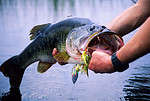
Largemouth bass Micropterus salmoides
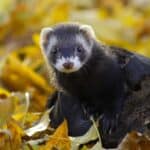
European polecat Mustela putorius
Raccoon Procyon lotor

Related Species 5

True frogs Ranidae Shared Family
Tree frogs Hylidae Shared Family
True toads Bufonidae Shared Family
Poison dart frogs Dendrobatidae Shared Family
Tongueless frogs Pipidae Shared Family

Ecological Equivalents 4

Animals that fill a similar ecological role in their ecosystem

Order-wide ranges & generalizations Anura Order-level generalization covering frogs and toads. These species share broad ecological traits—amphibious life cycles with aquatic larvae for most species, permeable skin requiring moist environments, generally insectivorous diets, and similar roles in terrestrial and freshwater food webs—so range and ecological inferences apply across the order.
Salamanders and newts Caudata Often share moist habitats and invertebrate prey with frogs. They have similar amphibian physiology and vulnerability to desiccation, but differ in body plan—tailed and typically less specialized for jumping.
Caecilians Gymnophiona In some tropical regions they occupy overlapping amphibian niches, preying on invertebrates and using humid microhabitats. Many are fossorial like some burrowing anurans, although caecilians are limbless.
Small insectivorous lizards Scincidae In warm climates, they can overlap in diet (arthropods) and microhabitat use (leaf litter/ground layer), though they are reptiles with different water and temperature constraints.

Types of Frog

20

Explore 20 recognized types of frog

Common frog Rana temporaria
American bullfrog Lithobates catesbeianus
Red-eyed tree frog Agalychnis callidryas
African clawed frog Xenopus laevis
Common toad Bufo bufo
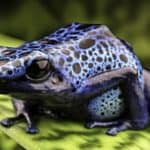
Dyeing poison dart frog Dendrobates tinctorius
Strawberry poison dart frog Oophaga pumilio
White's tree frog (Australian green tree frog) Litoria caerulea
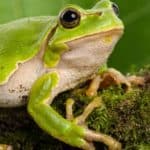
European tree frog Hyla arborea
Edible frog (hybrid complex commonly referred to as a species in many contexts) Pelophylax esculentus
Ornate horned frog Ceratophrys ornata
African bullfrog (pixie frog) Pyxicephalus adspersus
Goliath frog Conraua goliath
Purple frog Nasikabatrachus sahyadrensis
Panamanian golden frog Atelopus zeteki
Common coquí Eleutherodactylus coqui
Surinam toad Pipa pipa
European fire-bellied toad Bombina bombina
Coastal tailed frog Ascaphus truei
Midwife toad Alytes obstetricans

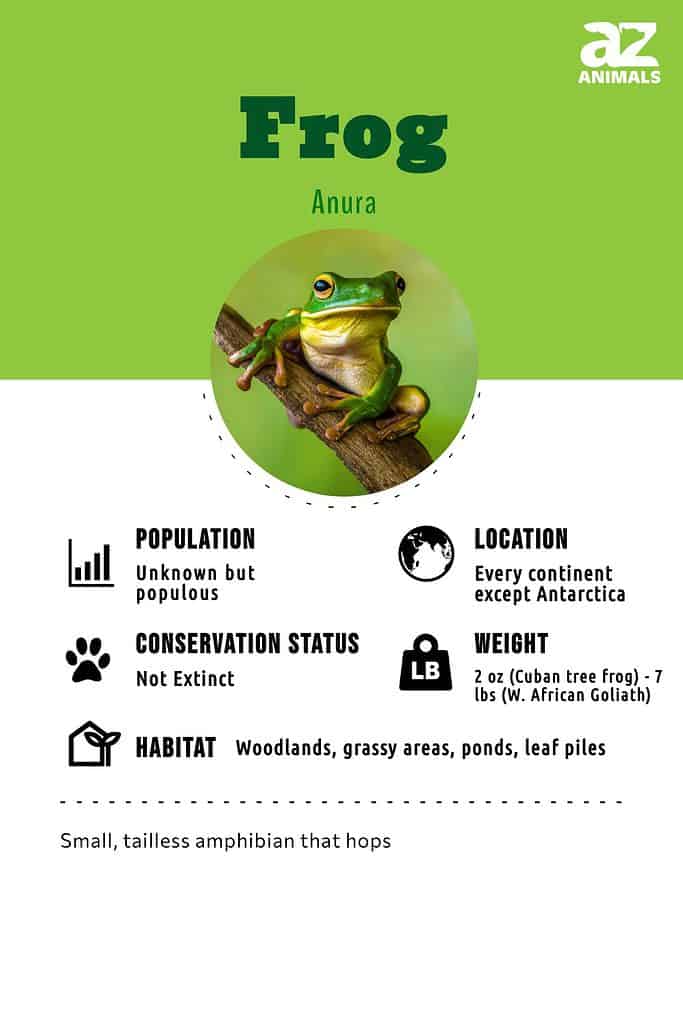
The frog is the most common and populous of the three major orders of amphibians – and the only one that lacks a tail.

The first true frogs evolved in the early Jurassic Period some 200 million years ago. Since then, they have spread out and diversified to almost every single major ecosystem on the planet. Because frogs are so important for the environment, the recent trend toward declining populations and malformations in their anatomy are worrying signs for the entire planetary ecosystem.
👁 Image

5 Incredible Frog Facts!

  • Frogs shed their entire skin about once a week. This dead skin makes a tasty meal for the frog.
  • Albino frogs are very rare in the wild. One exception is the albino African clawed frog, which is caught and sold as a pet. These albino frogs have an all-white appearance.
  • Some species can live more than 20 years in captivity.
  • The frog’s eyes have a wide angle of view and excellent night vision.
  • The European edible frog is a fertile hybrid between two different species: the pool frog and the marsh frog. The edible frog cannot produce viable offspring with each other though.
👁 Barking Tree frog

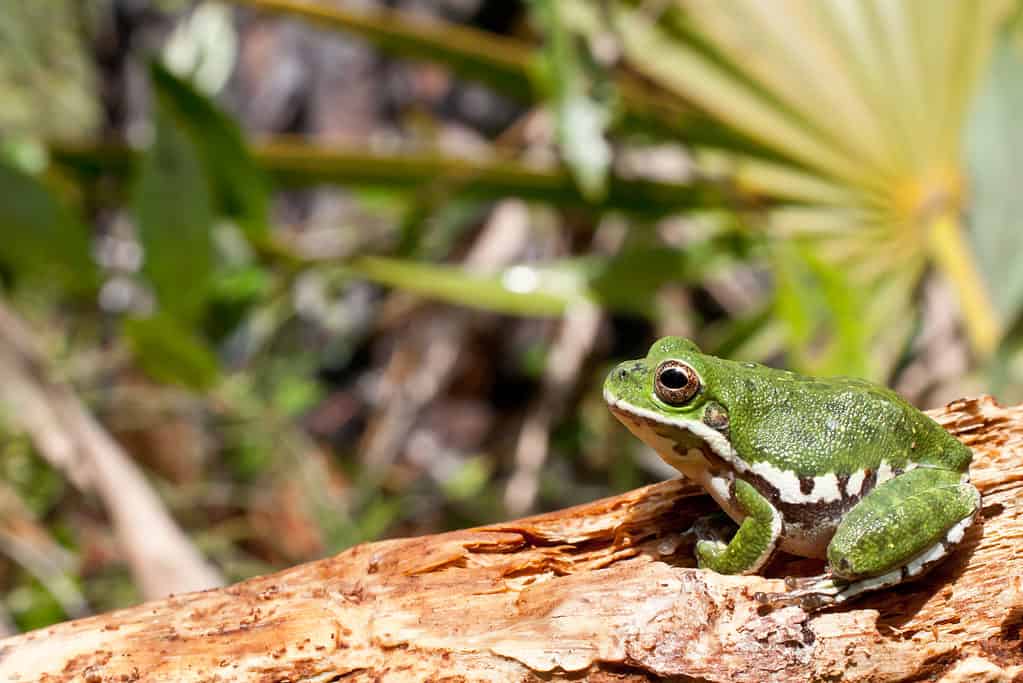
Barking tree frogs are the largest native tree frogs in the United States.

©iStock.com/JasonOndreicka

Scientific Name

Every single species of this amphibian on the planet belongs to the order of Anura. The biological name of Anura is derived from the combination of two Greek words meaning without (“an”) and animal tail (“ura”). There are more than 7,000 recognized species of these amphibians spread out across some 31 diverse families. Almost 90% of all amphibians exist within this classification.
👁 Ichthyostega

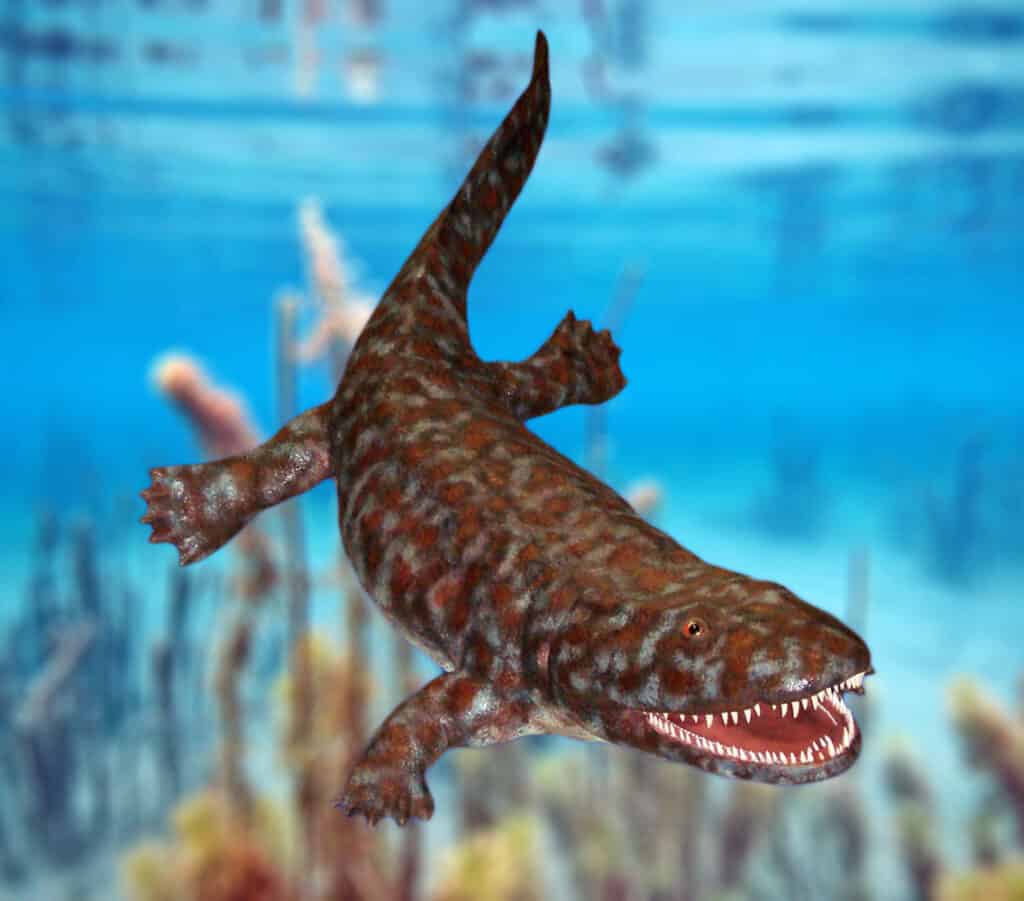
Ichthyostega, the prehistoric predecessor to the frog, lived 370 million years ago.

©Dr. Günter Bechly, CC BY-SA 3.0 <https://creativecommons.org/licenses/by-sa/3.0>, via Wikimedia Commons – Original / License

Evolution

The prehistoric predecessor to the frog, Ichthyostega, a four-legged fish, lived 370 million years ago. Frogs are believed to have split from other amphibians approximately 265 years ago – evolving into the modern frogs of today.

Appearance

These animals are characterized by a kind of hunched body, webbed toes, big, bulging eyes, and moist skin. The enormously long legs enable some of them to leap great distances, 20 times or more their body length. Most frogs also have a big visible eardrum on their heads called a tympanum that transmits sound waves to the protected inner ear.
👁 Image

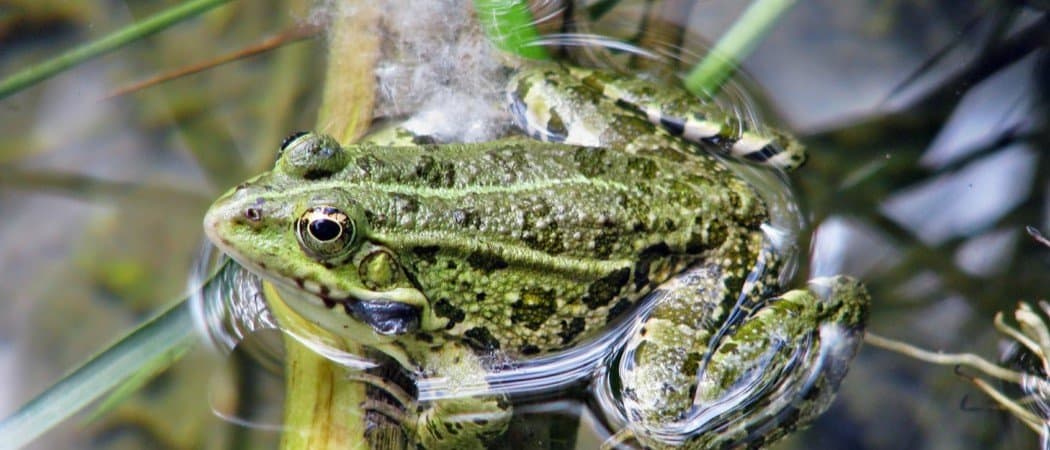
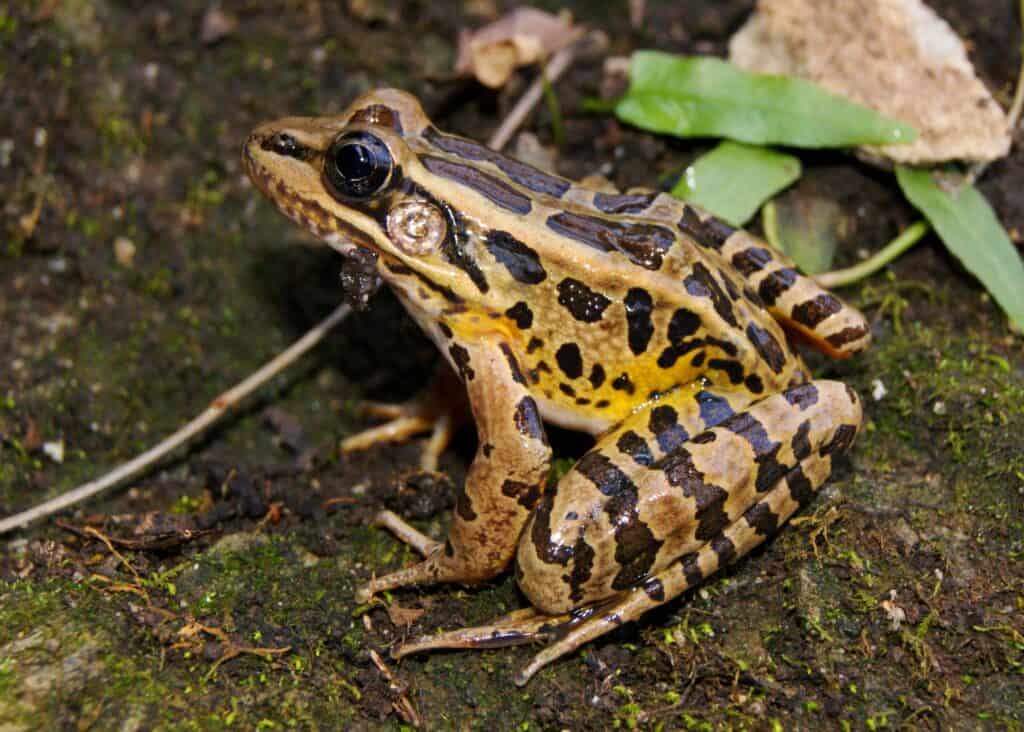
The Pickerel frog is the only poisonous frog native to the United States.

©Matt Jeppson/Shutterstock.com

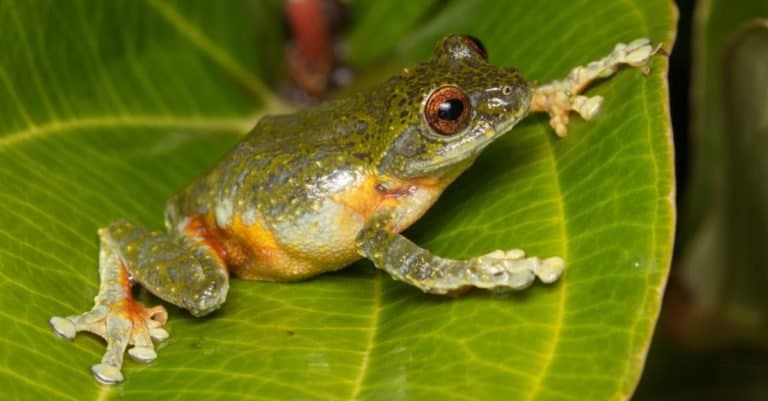
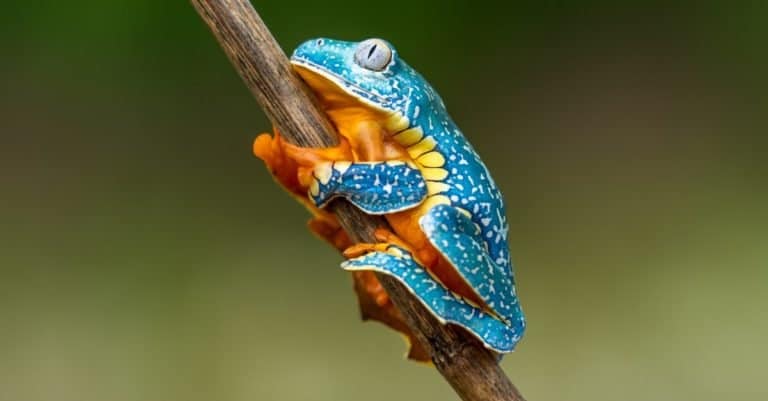
These common traits should not obscure a great deal of diversity in this family. Many unique adaptations help the animal survive in the wild. The glass frog has translucent skin through which you can see its organs to blend in with the environment. The tree frogs have discs on their fingers and toes that enable them to climb up surfaces. The flying frog can glide some 40 to 50 feet from the trees to the ground with the expanded webbing between its toes and fingers. Burrowing frogs often have claws or spade-like structures on their back feet that enable them to dig through the dirt. The leopard frogs have spotted patterns like the big cat for which it’s named.

The largest species in the world, the goliath frog, grows up to a foot long and weighs around 7 pounds. The smallest species in the world is only about 0.3 inches long. But between these two extremes, most of them measure no more than a few inches in size. One type of frog, the Titicaca water frog, is a giant frog endemic to Lake Titicaca.
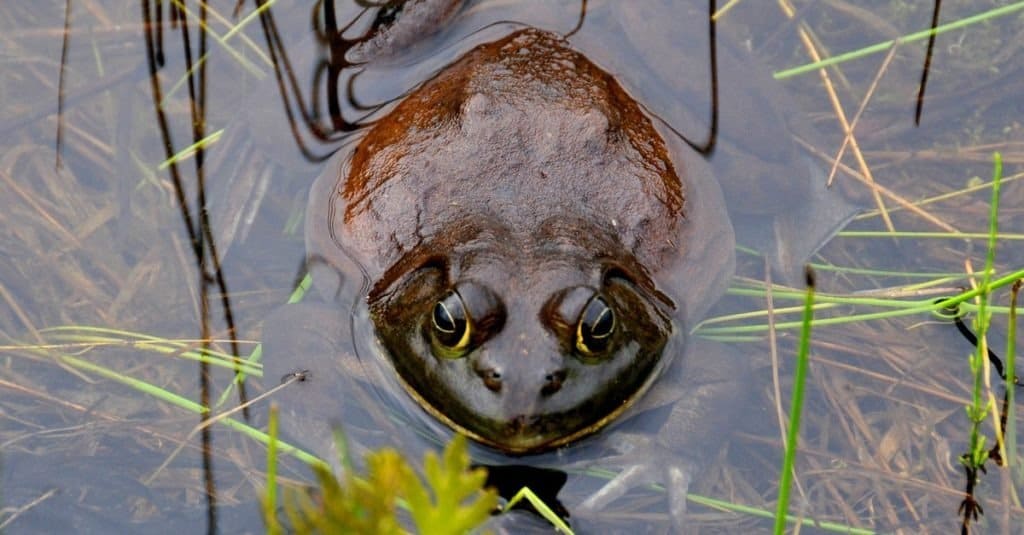
👁 The goliath frog, otherwise known as goliath bullfrog or giant slippery frog (Conraua goliath)

The West African Goliath is the largest frog in the world

©meunierd/Shutterstock.com

Like most land animals, an adult has a set of lungs to breathe (the only real exception is species that have no lungs) and draws oxygen down through its airway passages. But the animal also has porous skin through which it can absorb gasses and water directly. This means it can breathe underwater through its skin. But this also makes the skin very sensitive to dangerous chemicals and pollution that seep into the environment.

Frog Eyes: What Makes them Unique

Frogs have unique eyes that have several adaptations that serve them well. For starters, the position of their eyes gives frogs nearly a 360-degree range of sight. Also, frogs have perhaps the best night vision of any animal on the planet! However, frog eyes aren’t perfect. One drawback is they’re generally very far-sighted and can’t see close-up details very well.
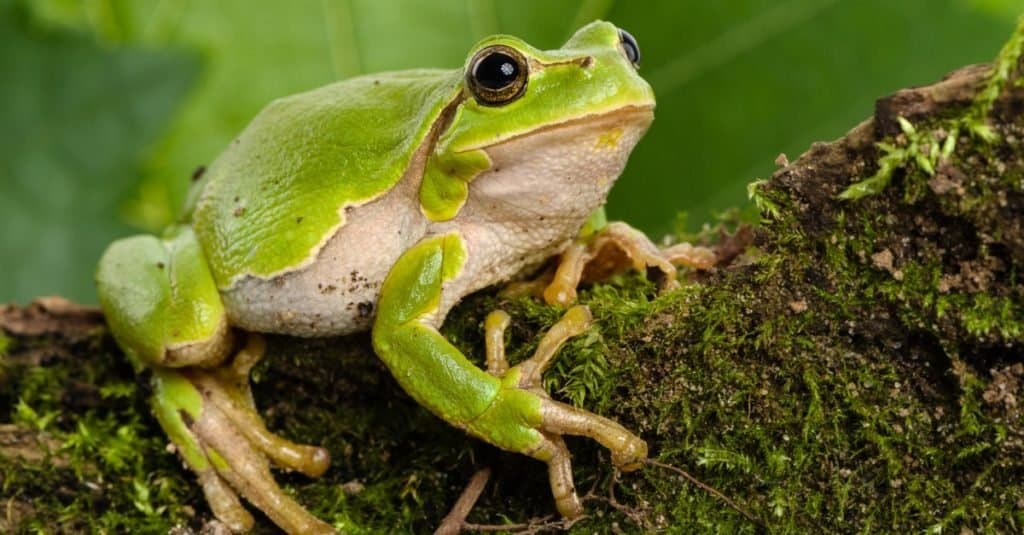
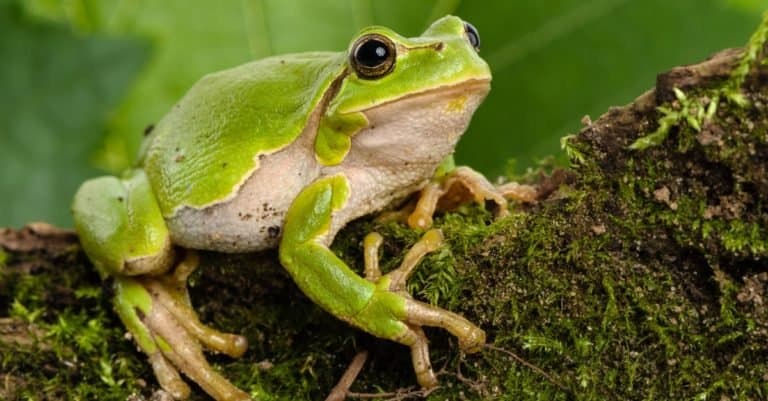
👁 European green tree frog, Hyla arborea
European green tree frog, Hyla Arborea, sitting on a moss-covered branch.

©Manuel Findeis/Shutterstock.com

Toads vs. Frogs

From a taxonomical perspective, both toads and frogs belong to the same classification, but several anatomical differences distinguish a toad from other frog species. The main differences are that toads have warty skin, shorter legs, and a broader snout. Their skin can tolerate drier conditions, which means they are capable of living father from any source of water.

Behavior

These animals, as a rule, do not have any real social organizations or hierarchies. With few exceptions, these animals mostly hunt and sleep on their own. When they do come together in the breeding season, a group of frogs is called an army. The mating call is the only real means of communication. Each call is loud, conspicuous, and largely unique to the species. Males only make this sound out of necessity, because it has the tendency to attract predators as well.

As a cold-blooded amphibian, the animal cannot maintain its internal body temperature. Instead, it needs to constantly change its behavior in response to daily or seasonal fluctuations in temperature, moving into the sun or shade as necessary. In northern climates, most frog species hibernate for the winter by hiding out somewhere and slowing down their metabolisms. The North American wood frog has actually evolved the ability to survive becoming frozen. As its body begins to shut down, the water in the frog’s cells is replaced with glucose and urea to prevent the body tissue from degrading. When the weather warms once again, the metabolism picks up as normal.
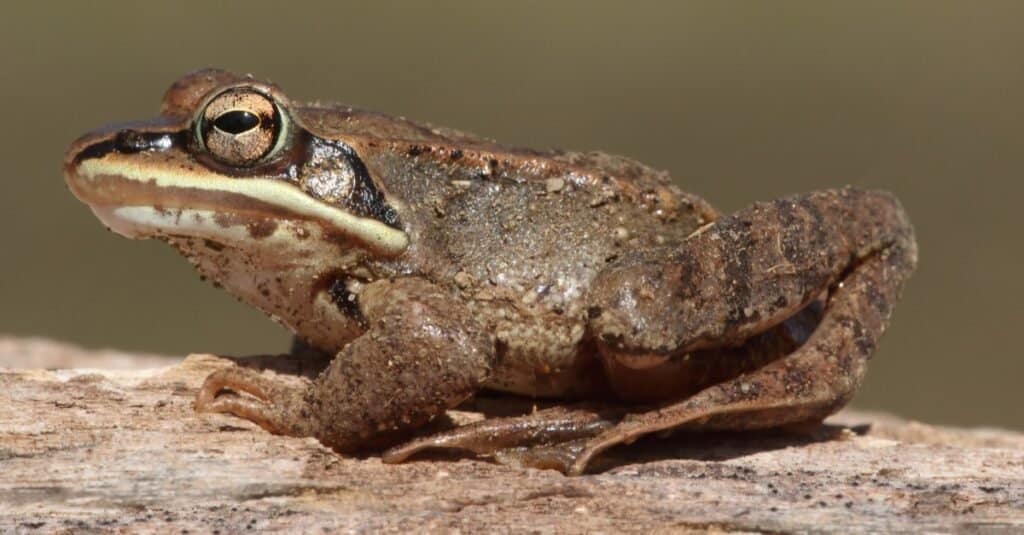
👁 Craziest Animal Adaptations: Wood Frog

The wood frog lives farther north than any other North American amphibian. Glucose in the frog’s cells protects its body from damage caused by freezing, although nearly a third of the body fluids can be frozen without killing it.

©Steve Byland/Shutterstock.com

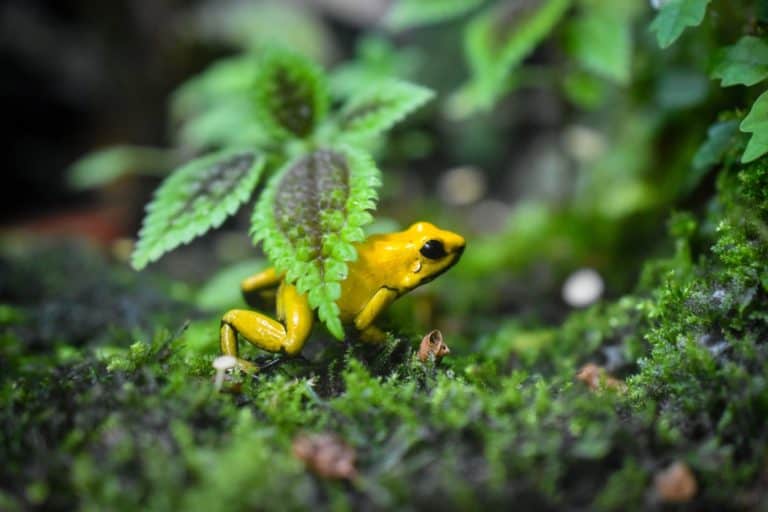
Because they’re so small and vulnerable, these animals have evolved a variety of different defenses to survive. Camouflage is the most common and evolutionary inexpensive defensive mechanism (hence why most species are green or brown in color). A few species like the edible frogs actually have the ability to blend in with the background. The long legs and leaping ability also help many get away from predators. For some species of frogs, poison is its most potent weapon. There are about 170 different species of poison dart frogs, most of which reside in tropical ecosystems. They exhibit bright and garish colors to warn predators that the frog has evolved some of the most potent poisons on the planet. A single gram of toxin from the golden poison dart frog can kill up to 100,000 people. Some species are not toxic but have evolved bright colors to fool predators into believing it’s poisonous.

And as you’ve probably known if you’ve been outside in a less-urban setting at night, frogs are nocturnal.
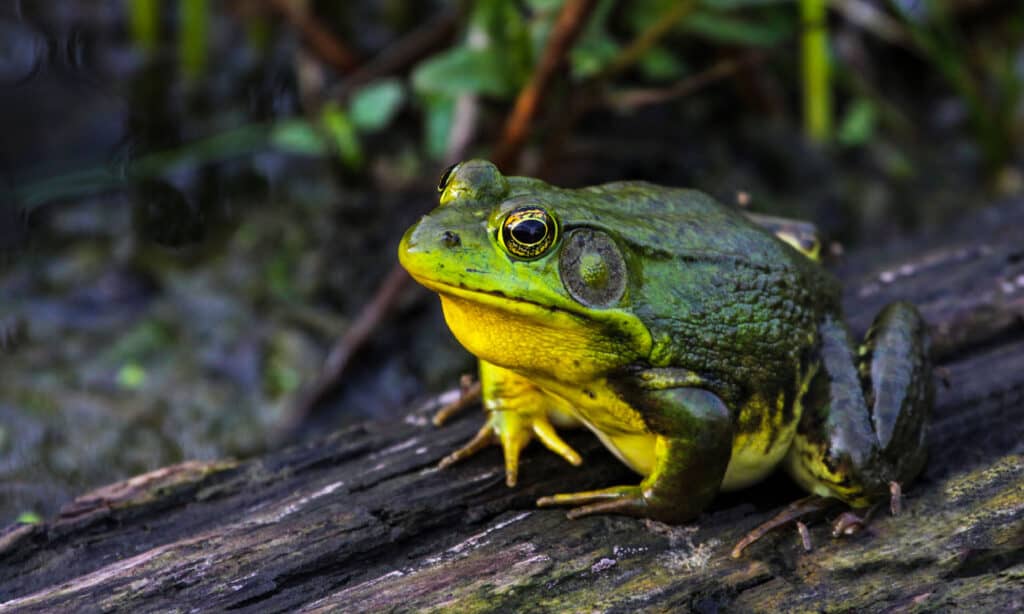
👁 American Bullfrog

Most species of frogs, like this American bullfrog, live on the ground near a source of fresh water.

©iStock.com/187715314

Habitat

These animals can be found in almost every single continent and region of the planet outside of Antarctica. The greatest diversity of species occurs in the tropics, while many more can be found in temperate regions. Most species tend to live on the ground near the source of freshwater (though a few species can live in brackish/slightly salty water). Some can also burrow underground or inhabit trees.

Removing frogs from a habitat

If frogs take up residence in a garden or yard there are a number of ways to humanely remove them. Frogs can be relocated, or repellents such as vinegar, lemon juice, coffee grounds, and baking soda are effective at keeping frogs away from gardens. Frogs prefer areas that are warm, moist, and have plant growth. Another way to keep frogs out of yards and in their natural habitats is lawn maintenance, trimming shrubs, and improving drainage.

Hunting skills

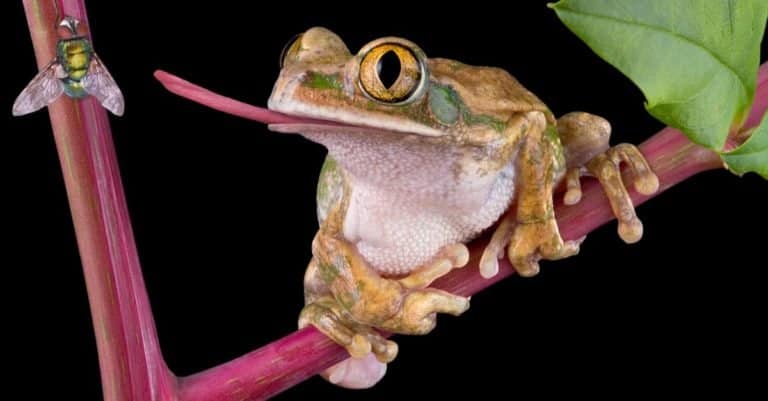
When out hunting, an adult usually lies in wait for prey, though some engage in deliberate pursuit. The frog’s long tongue and night vision are its greatest assets. While the teeth on the upper jaw hold the prey temporarily in place, the frog pushes its eyeballs on top of the mouth to force food down the throat.
👁 What Do Frogs Eat
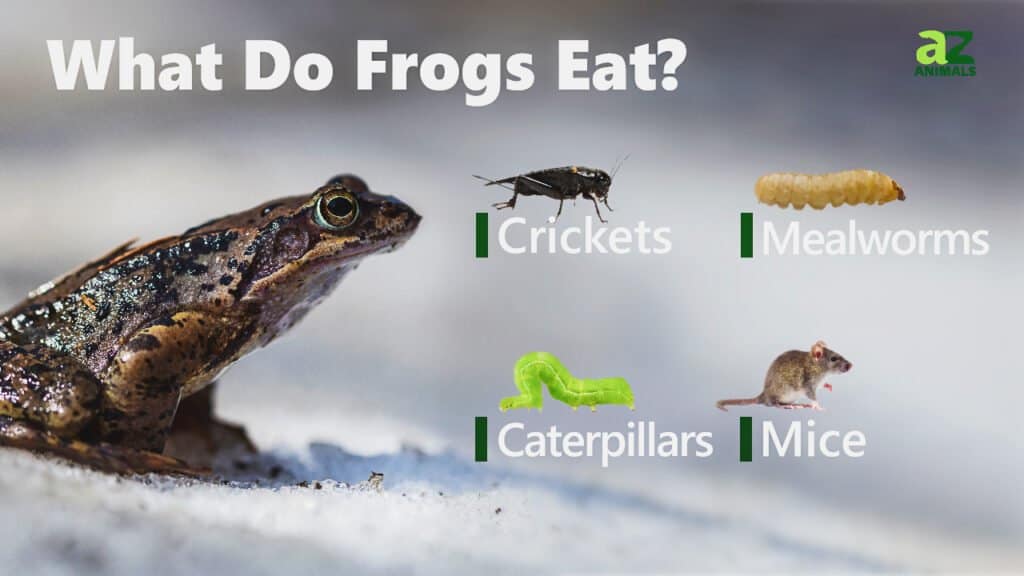
Frogs eat crickets, mealworms, caterpillars, and even mice!

What do frogs eat?

The frog’s diet changes drastically between the tadpole phase and the adult phase. After first hatching, most tadpoles tend to eat plankton and other tiny organic matter; though a few species are carnivorous hunters that consume insects, fish, and other tadpoles (even if it means cannibalizing members of their own species). As it undergoes a massive transformation between the tadpole and adult phases, the diet also transitions to an exclusively carnivorous diet consisting of insects, arthropods, or worms. The largest species, such as the African bullfrog, also consume rodents, reptiles, and other frogs.

Predators and Threats

Frogs are so common as prey in the wild that many of them never end up surviving beyond the tadpole stage. But they also face many other threats such as habitat loss, pollution, and disease. These problems are all exacerbated by climate change.
👁 What do snakes eat - snake eating a frog

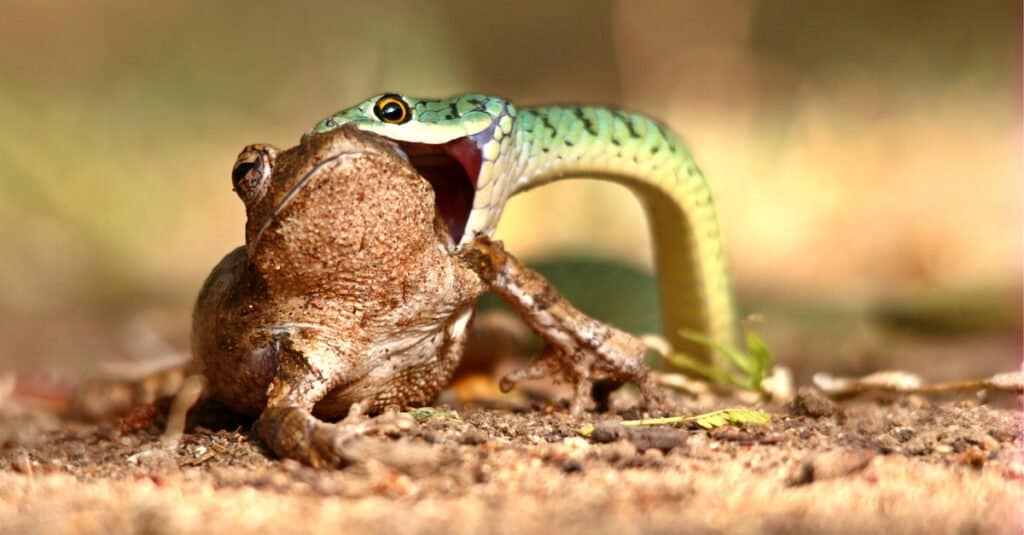
Frogs are prey for almost any carnivorous mammal, bird, or reptile.

©Tallies/Shutterstock.com

What eats the frog?

Frogs are preyed upon by almost any kind of carnivorous mammal, bird, or reptile. They are even cannibalized by other frogs.

Reproduction, Babies, and Lifespan

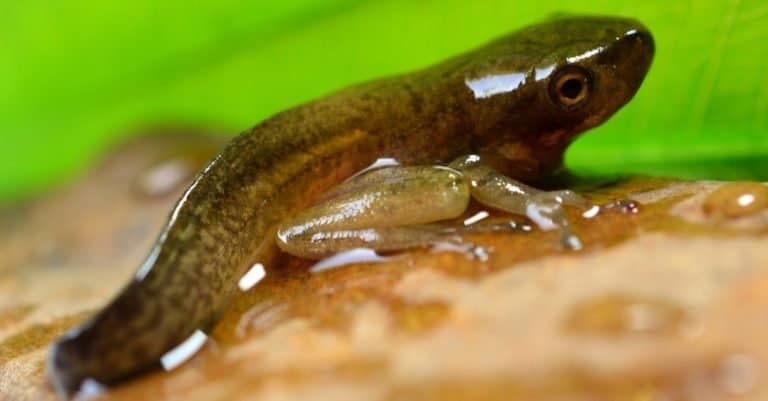
Like all amphibians, frogs have a complex life cycle in which it undergoes a complete transformation between their juvenile and adult stage within the first two months to three years of their life. The juvenile form, also known as a tadpole, is adapted entirely for an aquatic lifestyle. It has an oval body, gills for respiration, a long tail, a cartilage-based skeleton, and no limbs at all.

After undergoing its metamorphosis, the animal’s entire appearance and internal organ structure completely change. As it loses the tail and develops a pair of lungs, the frog is able to leave the water for a completely new life on the land. Only a few tropical species skip the tadpole stage entirely and hatch as young, undeveloped froglets.
👁 Male glass frog (family Centrolenidae) guarding a clutch of eggs in the Choco Biological Region in Western Ecuador

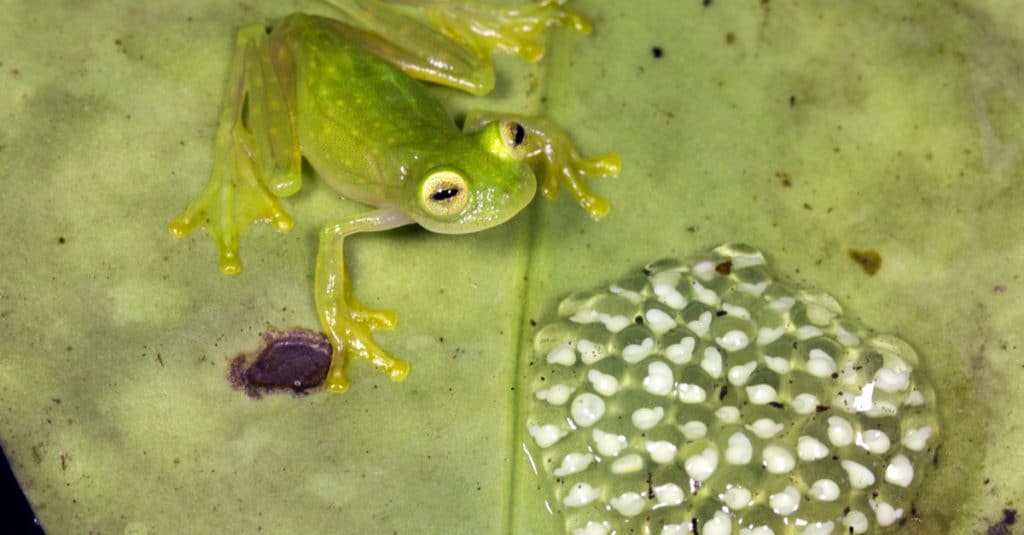
Male glass frogs guard their eggs.

©Dr Morley Read/Shutterstock.com

At the start of the breeding season, the male makes a loud croaking sound in order to attract a mate. Some species have specialized vocal sacs around the throat or cheeks that amplify the sound and let it carry much further than it normally would. Once he’s attracted a suitable mate, the male grabs the female from behind and fertilizes the eggs right as they’re ejected from her body.

When it comes to reproductive strategy, frogs seem to prefer quantity. Hundreds of thousands of eggs are strung together or float in clusters along freshwater pools or ponds. Most species invest little time or resources into parental care, but there are some exceptions. Among those that do invest time into parental care, one popular strategy is to keep the tadpoles in the mouth or stomach to protect them (the frog temporarily suspends the production of any harmful acids or chemicals that could kill the young). The aptly named marsupial frog has a small pouch with which it protects the young. And the Suriname toad will actually grow a temporary membrane on the back that encases the eggs until they’re fully formed.

Population

The total number of frog populations is unknown. They are still abundant around the world, but since the 1950s, many frog populations have been in decline, and around a third of species are now threatened with extinction. According to the US Geological Survey, it’s estimated that the United States is losing approximately 4% of its amphibian population every single year. They are declining even in areas where they’re protected by national law, which suggests a problem with the entire ecosystem.
👁 Australian Green tree frog on branch

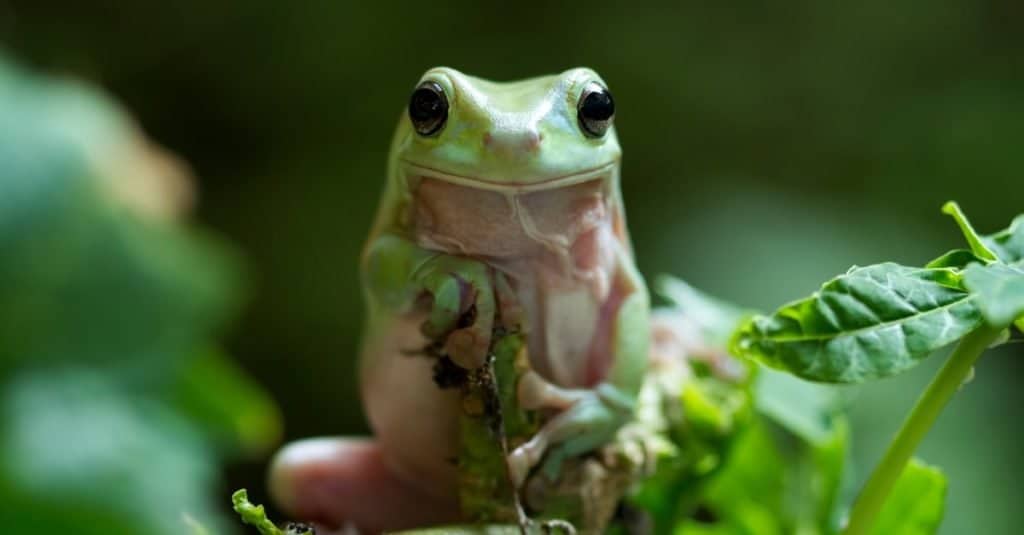
The Australian green tree frog is one species that can be kept as an exotic pet.

©Kurit afshen/Shutterstock.com

Frogs as Pets

Frogs are a popular pet amphibian, but with over 7,000 species there is an incredible variety to choose from. When choosing a pet frog consider the following factors:

  • While smaller frogs may thrive in a 20-gallon enclosure, larger frogs may require more than 100 gallons, which can become quite large.
  • Frogs are ectotherms that rely on their environment to stay warm. That means their enclosures often need heating lamps, under-tank heaters, and other devices to keep pet frogs comfortable.
  • Most of these amphibians also require moist conditions to survive. That means you’ll also likely need a water filter and space for frogs to stay moist.
  • Keep in mind that frogs can be a commitment. Some species can live up to 20 years when well-cared for in captivity.

Ready to get a pet frog? Don’t miss out on our complete guide to naming pet frogs!
👁 Incredible Rainforest Animals: Poison Dart Frogs

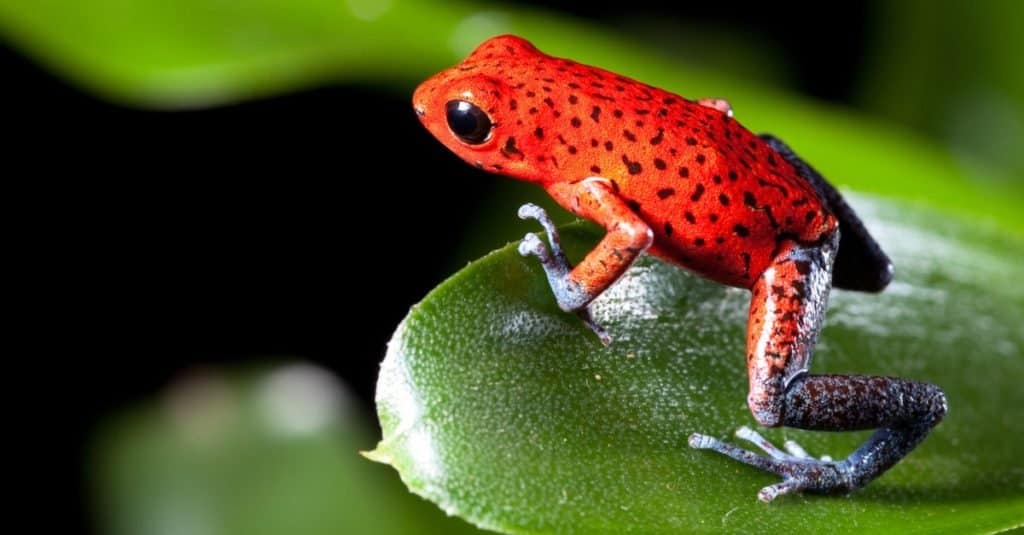
Red strawberry poison dart frog on a big leaf. These frogs are commonly known as poison arrow or poison dart frogs because native Indian tribes reportedly rubbed their arrow tips on the frogs’ backs before hunting.

©Dirk Ercken/Shutterstock.com

Frogs in the Zoo

These amphibians can be found in zoos all over the world. Because of their unique beauty, poison dart frogs are a particularly popular attraction at the San Diego Zoo, the Smithsonian’s National Zoo, the Louisville Zoo, the Cincinnati Zoo and Botanical Gardens, and much more.

Species

There are around 7,000 species of frogs worldwide. Some of these include:

  • WoodLithobates sylvaticus. These little frogs freeze during the winter! They produce an antifreeze substance that prevents ice from freezing within their cells.
  • Gray Tree Hyla Versicolor. With highly adapted toe tips that make climbing easy – these large frogs can also change color based on temperature and activity.
  • Desert RainBreviceps macrops. Able to survive without water, the Desert Rain frog has short legs that make it unable to hop. These frogs hatch from eggs without going through the tadpole stage.
  • African BullPyxicephalus adspersus. This big frog can grow to the size of a dinner plate! It is the second-largest frog on the planet!
  • GreenLithobates clamitans. Green frogs can be found all over North America and are known for their four distinct loud vocalizations.
  • GoliathConraua goliath. This giant frog lives in equatorial Guinea and Cameroon in West Africa. They are the world’s largest frog!
  • Darwin’sRhinoderma darwinii. Discovered in Argentina by Charles Darwin, these leaf-shaped frogs are incubated in the male frog’s vocal sac.
  • BullLithobates catesbeianus. This big water frog is famous for its loud, deep mating call that sounds like a bellowing bull.
  • EdiblePelophylax ll. esculentus. Known for its large, delicious legs, the European Edible frog is a favorite delicacy of the French.

What Is a Group of Frogs Called?

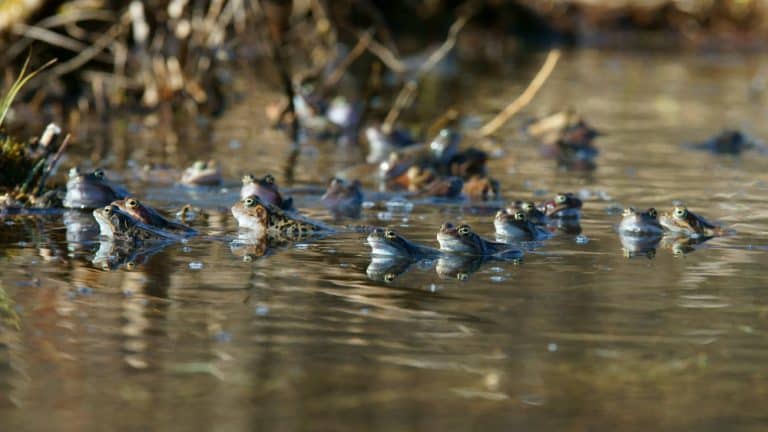
A group of frogs is called an army, colony, or congregation. Frogs are known to congregate near water sources and travel in large numbers. When threatened by a predator, frogs will produce a loud croaking sound. The sound warns other frogs of potential danger and seems quite fitting for a group called an army!


Read more about frogs…

View all 164 animals that start with F

Sources

  1. Britannica / Accessed February 17, 2021
  2. Smithsonian Magazine / Accessed February 17, 2021
  3. Woodland Trust / Accessed February 17, 2021
  4. USGS / Accessed February 17, 2021

About the Author

Lisha Pace

After a career of working to provide opportunities for local communities to experience and create art, I am enjoying having time to write about two of my favorite things - nature and animals. Half of my life is spent outdoors, usually with my husband and sweet little fourteen year old dog. We love to take walks by the lake and take photos of the animals we meet including: otters, ospreys, Canadian geese, ducks and nesting bald eagles. I also enjoy reading, discovering books to add to my library, collecting and playing vinyl, and listening to my son's music.

Thank you for reading! Have some feedback for us?

Contact the AZ Animals editorial team

Related Articles You May Find Interesting

👁 Image
Articles

Steve Irwin’s Legacy: How One Zookeeper Changed Our Relationship with Wildlife Forever


Frog FAQs (Frequently Asked Questions)

There’s an old story that touching a frog can give you warts. Is that true? The answer is no, touching a frog cannot give you warts. Warts are instead spread by a virus called HPV. The bumps on a frog’s skin are actually specialized glands that lubricate their skin and also produce a foul taste that wards off would-be predators.

Frogs croak for several reasons. The loudest frogs are males and they’re trying to attract a mate. In addition, both male and female frogs can croak or ribbit to mark territory or express pain.

Frogs are Omnivores, meaning they eat both plants and other animals.

Frogs belong to the Kingdom Animalia.

Frogs belong to the phylum Chordata.

Frogs belong to the class Amphibia.

Frogs belong to the family Neobatrachian.

Frogs belong to the order Anura.

Frogs live in rainforests and swamplands.

Frogs prey on flies, worms, and insects.

Predators of Frogs include foxes, birds, and snakes.

Frogs have brightly colored skin and long, sticky tongues.

The average number of babies a Frog has is 2,000.

There are around 7,000 different species of Frog!

Frogs can live for 1 to 8 years.

A Frog can travel at speeds of up to 10 miles per hour.

There are more than 7,000 recorded species in the taxonomical record. It is believed that hundreds of more species have yet to be discovered.

The biological name for the frog order is Anura. All species within this classification are technically considered to be a type of frog.

Given that there are so many species of frogs, it would be difficult to list them all. But frogs can be generally divided into several different types, such as tree frogs, spadefoot toads, fire-bellied toads, poison dart frogs, clawed frogs, glass frogs, true toads, sedge frogs, etc. There are some 31 different families of frogs.

The rarest species is the tree frog Isthmohyla rivularis. Native to Costa Rica and Panama, this critically endangered species has only been spotted a few times since the 1980s. At many points, it was thought to be extinct.

The family of poison dart frogs contains some of the most colorful frog species in the world. These include the bright red tomato frog, the sapphire-like blue poison dart frog, the golden poison frog, and the vibrant mimic poison frog (which tricks predators into believing it can secrete poison).

Frogs lay eggs.

Although all frogs produce skin fluids, most of them are not poisonous to domestic pets. But this is not the case for pickerel and tree frogs. Both pickerel and tree frogs are commonly found in the United States. They release toxins in their skin as a defense whenever they are attacked by predators. And if your dog or cat bites these frogs, the toxins can make them sick.