H
Species Profile

Hartebeest

Alcelaphus buselaphus

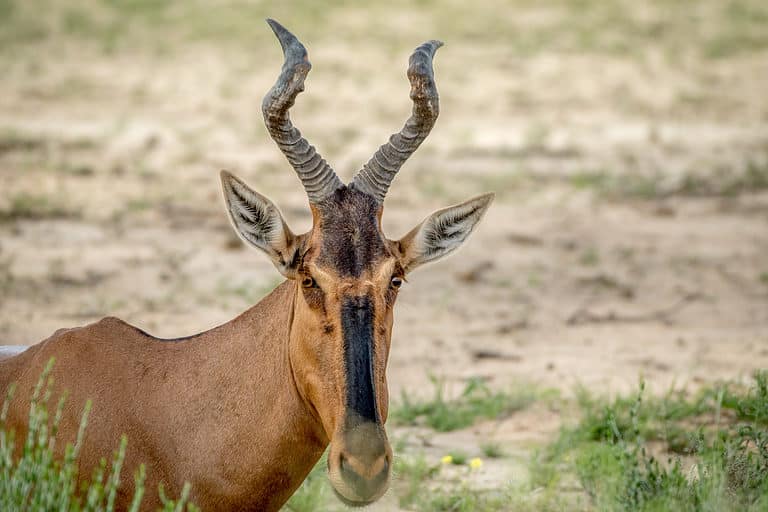
Built for the long run on the plains
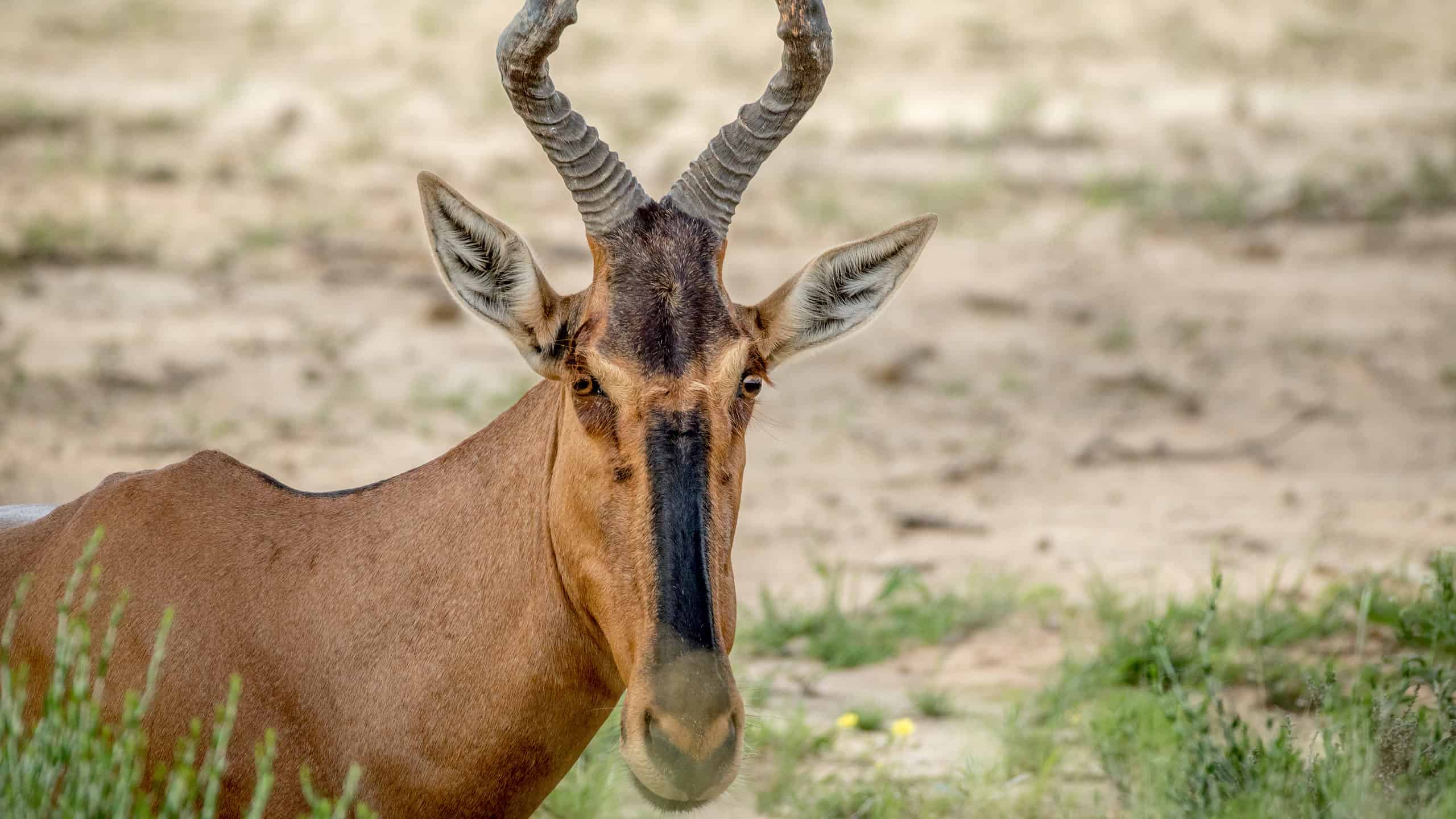
Simon Eeman/Shutterstock.com

Size Comparison

Human 5'8"
Hartebeest 4 ft 3 in

Hartebeest stands at 75% of average human height.

At a Glance

Wild Species
Also Known As Kongoni, Hartebees
Diet Herbivore
Activity Diurnal+
Lifespan 15 years
Weight 200 lbs
Status Least Concern
Did You Know?

Both sexes usually carry lyrate (S-curved) horns; typical horn length is ~45-70 cm (varies by subspecies/sex).

Scientific Classification

The hartebeest (Alcelaphus buselaphus) is a large African antelope in the family Bovidae, adapted for open-country running and grazing. It is notable for its elongated head, sloping back, and lyrate (curved) horns in both sexes in many populations.

Kingdom
Animalia
Phylum
Chordata
Class
Mammalia
Order
Artiodactyla
Family
Bovidae
Genus
Alcelaphus
Species
Alcelaphus buselaphus

Distinguishing Features

  • Sloping back with relatively high shoulders
  • Long, narrow face compared with many other antelopes
  • Ringed, curved horns (typically in both sexes), shape varying among subspecies
  • Built for endurance running; often found in open grassland where speed and vigilance are advantageous

Physical Measurements

Males and females differ in size

Height
โ™‚ 1 in (0 in โ€“ 1 in)
โ™€ 3 ft 10 in (3 ft 5 in โ€“ 4 ft 3 in)
Length
โ™‚ 9 ft (7 ft 10 in โ€“ 10 ft 2 in)
Weight
โ™‚ 386 lbs (331 lbs โ€“ 441 lbs)
โ™€ 287 lbs (220 lbs โ€“ 353 lbs)
Tail Length
โ™‚ 1 ft 8 in (1 ft 4 in โ€“ 1 ft 12 in)
โ™€ 1 ft 8 in (1 ft 4 in โ€“ 1 ft 12 in)
Top Speed
43 mph
About 70 km/h top speed

Appearance

Primary Colors
Secondary Colors
Skin Type Mammalian skin with short, coarse guard hairs over a dense hide; hair is sleek and close-lying for heat dissipation. Permanent, unbranched keratin horns (ringed at the base) in both sexes in most populations/subspecies.
Distinctive Features
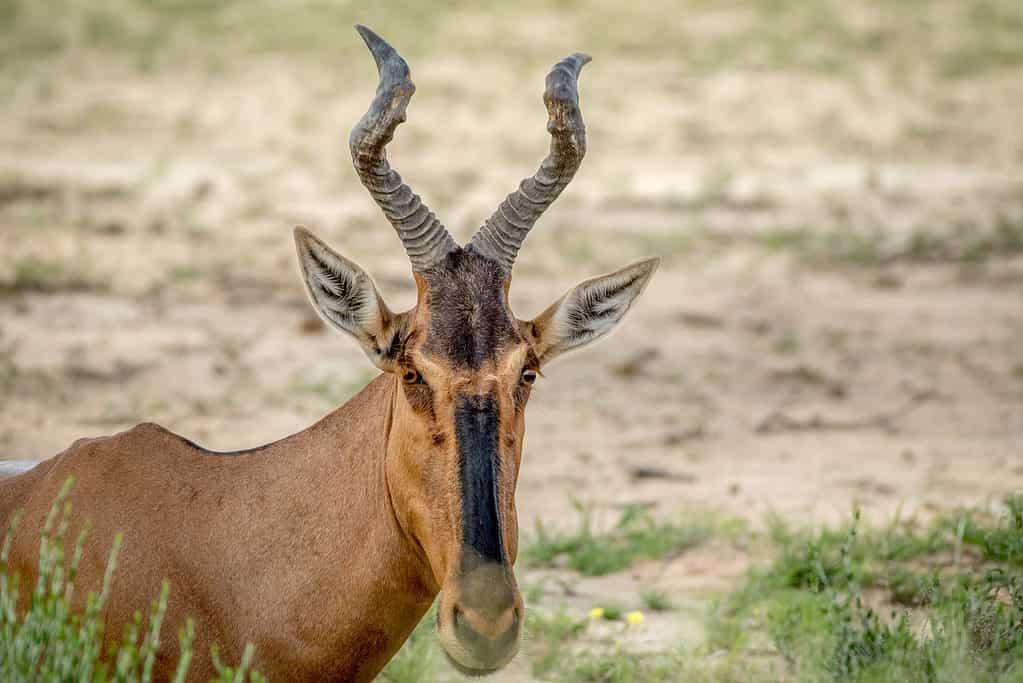
  • Elongated, narrow head and long muzzle (a hallmark of Alcelaphus) adapted to grazing.
  • Pronounced shoulder height with a distinctly sloping back toward the rump (high withers, lower hindquarters).
  • Long legs and lightweight, cursorial build adapted for open-country running and long-distance travel between grazing and water (open-habitat grazer).
  • Lyrate (curving) horns, usually present in both sexes; horns are laterally set and often sweep outward then inward/upward; shape varies by subspecies/region.
  • Facial profile often appears 'stretched' with a narrow skull; ears relatively long and pointed; tail moderately long with a dark tuft.
  • Hartebeest (Alcelaphus buselaphus) adults are about 160โ€“215 cm long, 110โ€“150 cm tall at the shoulder, with 40โ€“60 cm tails. They weigh about 100โ€“200 kg (males heavier) and have 45โ€“70 cm horns.
  • Hartebeest are open-grassland grazers. Herds often have females and young with territorial males. Group size changes with habitat and predators. They flee by running fast for long distances, not hiding.
  • Hartebeest (Alcelaphus buselaphus) usually live about 14โ€“19 years in the wild and can reach 20+ years under protection or in captivity.

Sexual Dimorphism

Sexual dimorphism in Hartebeest (Alcelaphus buselaphus) is moderate. Both sexes usually have horns, but males are larger with heavier, thicker horns. Size and horn shape vary by subspecies and region; territorial males and female/young groups favor stronger male weapons.

โ™‚
  • Larger average body mass and more muscular forequarters/neck; within the species, males commonly occupy the upper part of reported adult mass ranges (~100-200 kg overall).
  • Horns typically thicker at the base, often longer/more massive, with more pronounced annulations (rings), reflecting use in male-male contests and territorial defense.
  • More frequent neck/shoulder thickening in prime adults, giving a slightly more 'front-heavy' profile.
โ™€
  • Slightly smaller, lighter build on average; often more slender through neck/forequarters.
  • Horns usually present but typically slimmer and may be slightly shorter/less massive than males, depending on subspecies and population.
  • Pelage coloration generally similar to males; sexual dichromatism is minimal to absent.

Did You Know?

Both sexes usually carry lyrate (S-curved) horns; typical horn length is ~45-70 cm (varies by subspecies/sex).

Adults are long-legged and high-shouldered: head-body length ~160-200 cm; shoulder height ~105-150 cm; mass ~100-200 kg (regional/sex variation).

Gestation is about 240 days (โ‰ˆ8 months), usually producing a single calf (Estes, 1991).

A "follower" strategy: calves can stand quickly and keep up with the moving herd soon after birth-useful in open habitats with few hiding places (Estes, 1991).

Hartebeest can maintain fast, efficient ground-covering gaits over distance-an endurance-oriented escape style suited to savannas (cursorial bovid morphology; Kingdon, 2015).

The species includes multiple subspecies with distinct horn shapes, coats, and ranges; some are secure while others (e.g., Swayne's hartebeest) are of high conservation concern (IUCN).

One North African form, the bubal hartebeest (the North African subspecies), was driven to extinction in the early 20th century-often cited in African wildlife history as a cautionary tale about overhunting and habitat change (historical records; IUCN accounts).

Unique Adaptations

  • Cursorial build for savannas: long distal limbs, relatively narrow body, and a sloped back/high withers improve stride efficiency for sustained running.
  • Elongated head and muzzle aid close-to-the-ground grazing and cropping grasses efficiently-matching a predominantly grazing diet typical of open habitats.
  • Lyrate horns (often in both sexes) function in male-male contests and can deter predators; horn curvature/robustness varies among subspecies.
  • Ruminant digestion (4-chambered stomach) enables extraction of nutrients from fibrous grasses, supporting life in seasonal, variable-quality pasture.
  • Follower newborn strategy reduces stationary "hiding" time in exposed plains-calves rapidly become mobile, lowering vulnerability in treeless habitats (Estes, 1991).

Interesting Behaviors

  • Territorial breeding: adult males commonly hold and defend territories; females and young move in herds that pass through male territories during breeding periods (Estes, 1991).
  • Herd structure and vigilance: groups show coordinated scanning and rapid, collective flight; individuals often keep spacing that preserves sightlines in tall grass.
  • Scent marking and display: males use dung piles/middens and ground pawing, plus postures and horn displays, to signal occupancy and challenge rivals.
  • Open-country predator avoidance: when alarmed, hartebeest typically break into a fast, steady run rather than short, zig-zag bursts-often stretching chases into endurance contests.
  • Grazing selectivity: primarily grazers, they track greener, higher-quality grasses across seasonal ranges, often feeding in early morning/late afternoon and resting/ruminating midday.
  • Seasonal movement patterns vary by subspecies and landscape (from relatively resident herds to broader wet-season/dry-season shifts tied to forage and water).

Cultural Significance

The hartebeest (Alcelaphus buselaphus) is a common plains antelope long used for meat and hides and as a sign of healthy grasslands. Subspecies like Ethiopiaโ€™s Swayne's are important to local people; the lost bubal warns how hunting and land change can erase species.

Myths & Legends

Name lore (southern Africa): the common name "hartebeest" comes from Afrikaans, derived from Dutch roots meaning "deer" and "beast," a name early Dutch-speaking settlers applied to this antelope.

Ancient Mediterranean writers called North African antelopes names meaning "wild ox." Later European hunting and natural history books folded the bubal hartebeest (Alcelaphus buselaphus) into exotic "desert antelope" stories.

People remembered the bubal hartebeest (Alcelaphus buselaphus) in travel tales and hunting stories across the Maghreb. After its early-1900s extinction, it became a sad warning in regional wildlife history.

In African savanna rock art, antelope figures like the hartebeest (Alcelaphus buselaphus) โ€” long face, high shoulders, curved horns โ€” stand for hunting success and the life force of grasslands.

Conservation Status

LC Least Concern

Widespread and abundant in the wild.

Population Decreasing

Protected Under

  • Occurs in numerous protected areas across its range (national parks, game reserves, and conservancies), where it benefits from area-based protection and anti-poaching enforcement of varying effectiveness.
  • Subject to national wildlife legislation in many range states; legal offtake (where allowed) is typically regulated through licensing/quotas, while illegal hunting remains a key management concern in some regions.
  • Not listed on the CITES Appendices at the species level (trade is primarily managed under national/regional wildlife laws rather than CITES).

Life Cycle

Birth 1 calf
Lifespan 15 years

Lifespan

In the Wild 11โ€“20 years
In Captivity 15โ€“25 years

Reproduction

Mating System Polygyny
Social Structure Aggregation Group
Breeding Pattern Seasonal
Fertilization Internal Fertilization
Birth Type Internal_fertilization

Hartebeest (Alcelaphus buselaphus) are polygynous with territory defense. Females form grazing herds; males are territorial or live in bachelor groups. Females mate when in heat enters a male's territory. Breeding is seasonal; one calf after ~240 days; mothers raise calves.

Behavior & Ecology

Social Herd Group: 12
Activity Diurnal, Crepuscular
Diet Herbivore Fresh green grass blades-often reported with strong selection for high-quality, recently grown grasses such as red oat grass when available (dominant graze component in multiple savanna systems; Estes 1991; Kingdon 2015).

Temperament

Vigilant, open-country grazer with strong flight response; typically avoids close approach and relies on early detection and running rather than concealment (Estes, 2012).
Adult males are strongly territorial and can be aggressive toward rival males; threat displays and chases are common during territorial contests (Estes, 2012; Kingdon, 2015).
Females show protective behavior toward calves (e.g., remaining near hiding calves early on and responding rapidly to disturbance). Calves commonly use a hiding strategy in early life (Estes, 2012).
Longevity reported at approximately ~11-14 years in the wild and up to ~19-20 years in captivity (values reported in major mammal references; e.g., Estes, 2012; Nowak, 1999).

Communication

Snorts/blows used in alarm or agitation, often preceding flight and serving as an alert to nearby conspecifics Estes, 2012
Low grunts during social interactions E.g., tending/close-contact situations), reported as relatively limited compared with more vocal African bovids (Estes, 2012
Visual displays in male-male competition and territorial defense: head-high posture, horn presentation, lateral display, and chasing Estes, 2012
Scent marking associated with territoriality: use of dung/latrine sites and glandular marking Notably preorbital gland secretion) to advertise territory and status (Estes, 2012; Kingdon, 2015
Body orientation and coordinated movement cues within herds Rapid alignment and follow-the-leader flight initiation), supporting tight group response to predators in open habitat (Estes, 2012

Habitat

Biomes:
Savanna Tropical Dry Forest Temperate Grassland
Terrain:
Plains Plateau Valley Riverine
Elevation: Up to 9842 ft 6 in

Ecological Role

Large-bodied grazing ungulate (primary consumer) in African savanna/grassland food webs; important prey base for large carnivores and a driver of grassland structure through selective grazing.

Regulates grass biomass and influences plant community composition via selective grazing and seasonal movements Contributes to nutrient cycling and soil fertility through dung and urine deposition (supporting dung beetles and detrital food webs) Helps maintain open grassland habitats by focusing grazing pressure on productive patches, complementing other grazers via resource partitioning Supports higher trophic levels as a key prey species for large predators (e.g., lions, hyenas) in systems where hartebeest are common

Diet Details

Other Foods:
Grasses Savanna grasses Sedges Forbs Browse Mineral licks and soil

Human Interaction

Domestication Status

Wild

Alcelaphus buselaphus (hartebeest) is not domesticated. People manage it by conservation, game ranching, and controlled hunting rather than breeding for tame animals. Humans hunt them for meat and hides, take trophies or move live animals for ranching and reintroduction, restrict movements with fences/livestock, and value them for savanna ecotourism.

Danger Level

Moderate
  • Can inflict puncture/laceration injuries with horns if cornered, injured, or during rut/territorial disputes-risk is highest during capture, transport, and enclosure work.
  • High-speed flight response increases risk of handler injury (knockdowns, trampling) and animal self-injury in confined spaces.
  • Vehicle collisions can occur where roads intersect savanna ranges.
  • Zoonotic risk is generally indirect (shared ungulate pathogens/parasites) and primarily relevant to hunters, butchers, and wildlife staff handling carcasses.

As a Pet

Not Suitable as Pet

Legality: Hartebeest (Alcelaphus buselaphus) are not usual pets; laws vary by country and U.S. state. Keeping them often needs exotic permits, facility standards, vet care, transport papers, and possible wildlife licenses.

Care Level: Expert Only

Purchase Cost: $2,500 - $8,000
Lifetime Cost: $25,000 - $120,000

Economic Value

Uses:
Subsistence meat (bushmeat) and local food security Trophy hunting and hunting concessions (where legal/managed) Ecotourism/wildlife viewing value in savanna protected areas Live-capture, translocation, and game ranching (limited, specialized) By-products: hide/leather (localized use)
Products:
  • Meat (fresh/dried; local trade)
  • Hides/leather (small-scale)
  • Trophy/horn mounts (regulated trophy market in some regions)
  • Ecotourism revenue (non-consumptive use)
  • Live animal sales to wildlife ranches (regionally variable)

Relationships

Predators 6

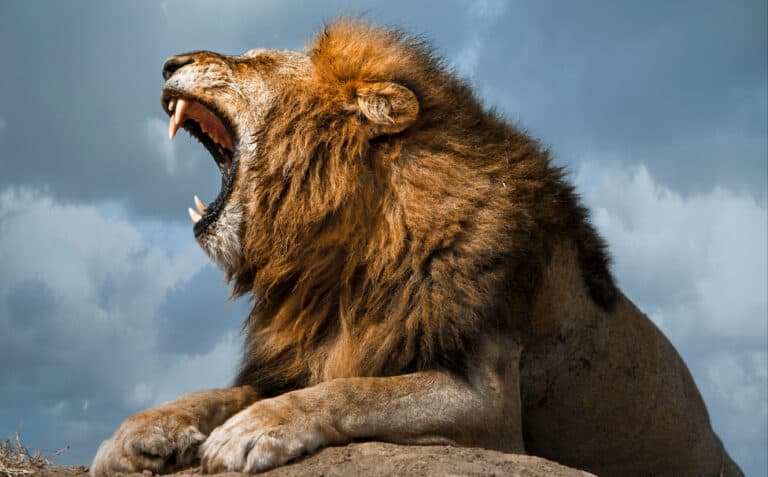
Lion Panthera leo
Leopard Panthera pardus
Cheetah Acinonyx jubatus
African wild dog Lycaon pictus
Spotted hyena Crocuta crocuta
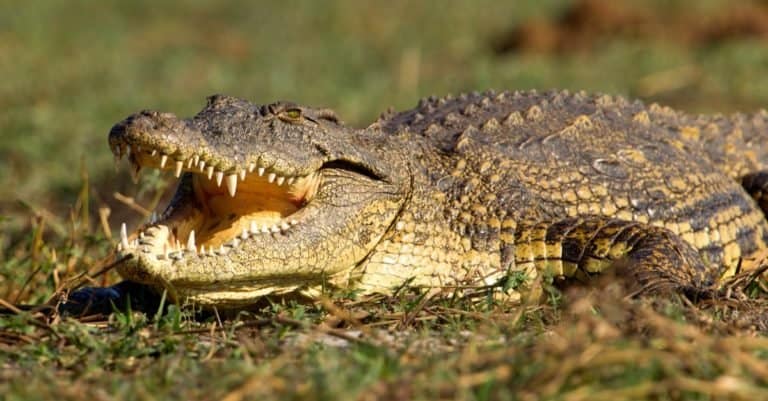
Nile crocodile Crocodylus niloticus

Related Species 9

Lichtenstein's hartebeest Alcelaphus lichtensteinii Shared Genus
Red hartebeest Alcelaphus caama Shared Genus
Swayne's hartebeest Alcelaphus buselaphus swaynei Shared Species
Tora hartebeest Alcelaphus buselaphus tora Shared Species
Blue wildebeest Connochaetes taurinus Shared Family
Black wildebeest Connochaetes gnou Shared Family
Topi Damaliscus lunatus Shared Family
Bontebok / Blesbok Damaliscus pygargus Shared Family
Hirola Beatragus hunteri Shared Family

Ecological Equivalents 5

Animals that fill a similar ecological role in their ecosystem

Blue Wildebeest Connochaetes taurinus Hartebeest (Alcelaphus buselaphus) share an open savanna grazing role: they eat fresh grass after rains, form herds to avoid predators, and are fast runners. They are about 117โ€“150 cm tall, weigh 100โ€“200 kg, and live approximately 15 years.
Topi Damaliscus lunatus Very similar feeding ecology (grazing on medium to tall grasses) and space use (open plains and lightly wooded savannas). Both show rut-associated territoriality, with adult males defending mating territories while females move among them; both rely on speed and endurance rather than hiding in dense cover.
Bontebok Damaliscus pygargus pygargus Comparable grazing strategy and social structure in open habitats: mixed herds with male territoriality and vigilance-based antipredator behavior. Like hartebeest, they are selective grazers whose distribution is strongly tied to grass quality and access to open sightlines.
Plains zebra Equus quagga Hartebeest (Alcelaphus buselaphus) and plains zebras are bulk grazers on African grasslands. Plains zebras crop coarse grasses, promoting regrowth that hartebeest and other alcelaphines consume. They share predators (lion, hyena, African wild dog) and use open ground and group vigilance to reduce predation risk.
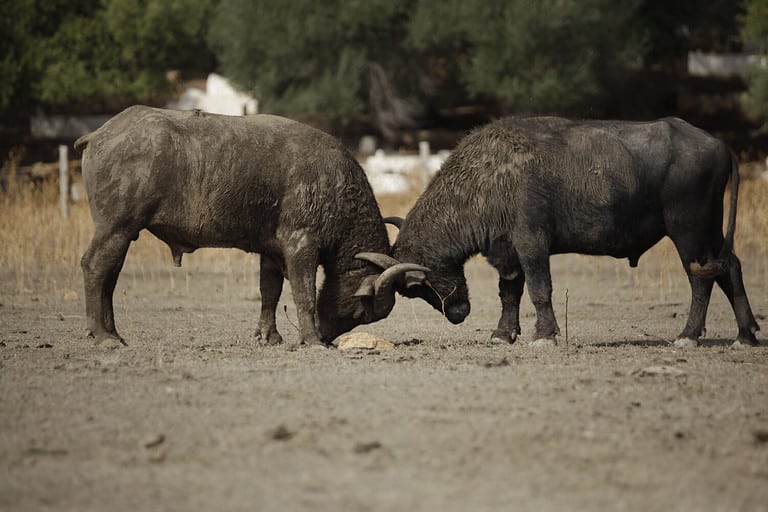
African buffalo Syncerus caffer They share a grazing niche and overlap in savanna floodplains and grasslands; both influence grass structure through grazing and are prey for similar apex predators. African buffalo are heavier and more defensive, while hartebeest rely more on flight (open-country running) and early detection.

Hartebeest is a large antelope species native to the African continent. It lives in open grasslands, sparsely wooded areas, and savannas. Although once widespread across Africa, the antelopeโ€™s population has been on a decline due to habitat destruction and other human activities.

5 Hartebeest Facts

  • During the mating season, males become violent and territorial, and they use feces to demarcate their area.
  • Pregnancies typically last eight months and result in a single baby (calf). 
  • Hartebeests become mature between ages one to four.
  • Unlike other animals that move towards water, hartebeests move to more arid locations after rainfall.
  • The hartebeest is active during the day (diurnal)
  • They have an 11 to 20 years natural life expectancy and up to a 19-year domesticated life expectancy.

Hartebeest โ€” Scientific Name

The Hartebeestโ€™s scientific name is Alcelaphus buselaphus. A member of the Bovidae family, this giant African antelope is also called kaama or kongoni. The Bovidae family consists of cloven-hoofed ruminant mammals,, which includes bison, antelopes, and caprines. 

The common name โ€œhartebeestโ€ is of Dutch origin. The word literally translates as โ€œdeer beast.โ€ The early Dutch settlers probably mistook the antelope for a deer. Kongoni, a popular nickname for this antelope, is used for one of its subspecies, the Cokeโ€™s hartebeest, and is of Swahili origin. 

The harbeest has seven different subspecies which include:

  • Western hartebeest โ€” Alcelaphus buselaphus major
  • Lichtensteinโ€™s hartebeest โ€” Alcephalus buselaphus lichtensteinii
  • Red hartebeest โ€” Alcephalus buselaphus caama
  • Large Lelwel hartebeest โ€” Alcephalus buselaphus lelwel
  • Cokeโ€™s hartebeest โ€” Alcephalus buselaphus cokei
  • Swayneโ€™s hartebeest โ€” Alcephalus buselaphus swaynei
  • Tora hartebeest โ€” Alcelaphus buselaphus tora

Hartebeest โ€” Appearance and Behavior

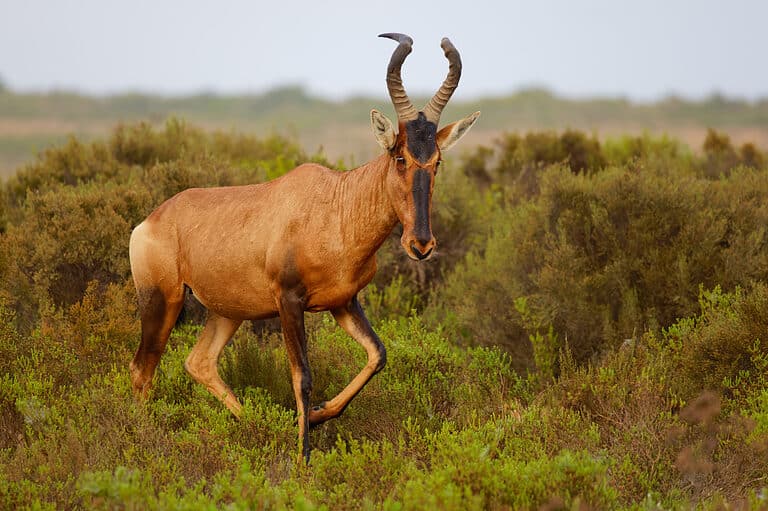
Alcelaphus buselaphus is a huge antelope that typically measures about three to five feet wide at the shoulder and five to eight feet in body length. The unusually enlarged foreheads and horns of this animal further exaggerate its size. Their weight ranges from 220 to 440 pounds.

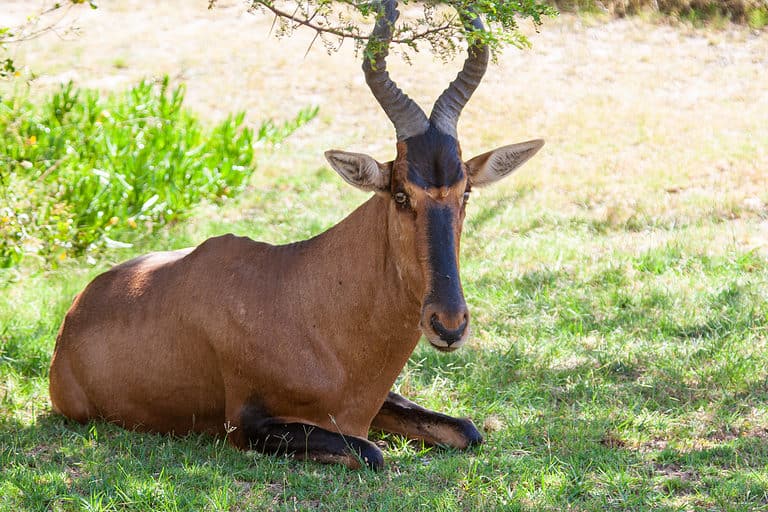
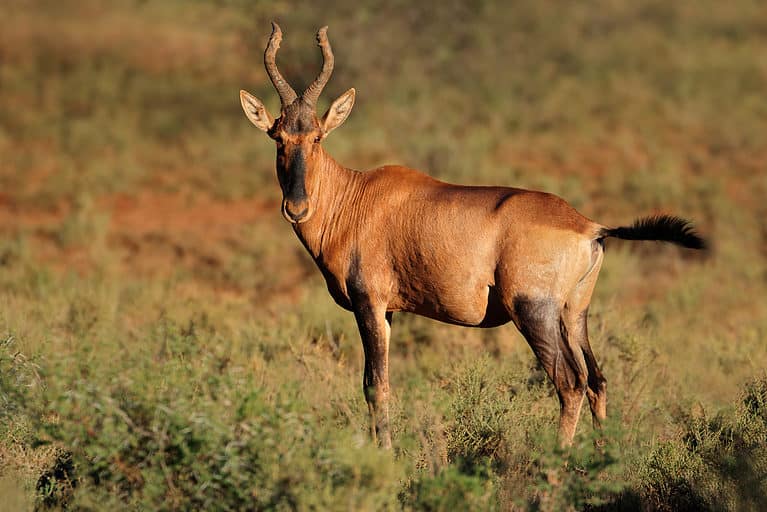
The hartebeest has a tuft of black fur towards the end of its 16 to 24-inch tail. One of the most distinctive traits is its long legs (which are commonly marked with black). It also has a short neck and pointy ears.

All members of this species have horns. However, females typically sport thinner horns compared to males. The length of its horn can range from 18 to 28 inches, with a maximum of 29.5 inches. In addition to the long face and broad chest, the hartebeest stands apart from other antelopes thanks to its sloping back. They also have a small but conspicuous hump just over the shoulders.

Alcelaphus buselaphus is a herd animal. They form groups of about 300 but sometimes as high as 10,000 individuals. The species has a unique social structure that is remarkably different from that of other antelopes. Adult females donโ€™t form long-term bonds with other members of their species. Instead, they form separate aggregations with as many as four generations of their own offspring. Females are defensive of their young. However, they are generally easygoing antelopes.
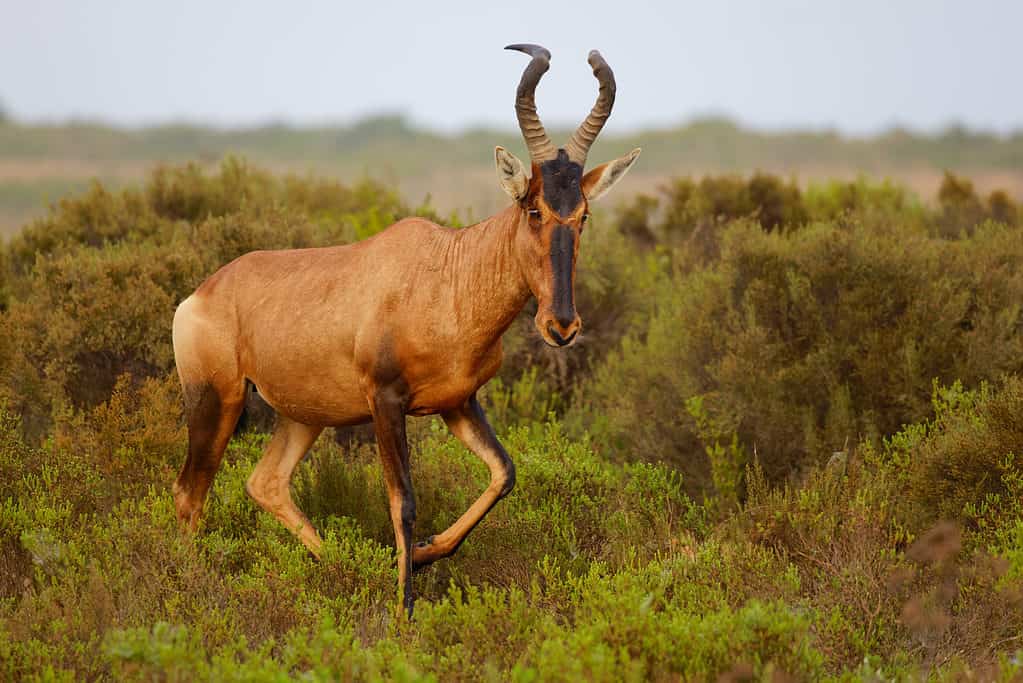
๐Ÿ‘ Hartebeest (Alcelaphus buselaphus)

The hartebeest (

Alcelaphus buselaphus

) is a huge antelope weighing 220 to 440 pounds with an enlarged forehead and thick horns.

ยฉiStock.com/CWP

Evolution and History

The hartebeest is the only known member of the Alcelaphus genus, which evolved about 4.4 million years ago. Other related antelopes that may have evolved around the same time include the Megalotragus, Damalops, Rabaticeras, and Numidocapra. Based on studies that examined the geographic distribution of the species, experts think they may have originated from East Africa. Within a few years, the species spread so quickly that it displaced other antelope species that were dominant on the African continent before them.

As the hartebeest evolved, they split into two distinct lineages. By 0.5 million years ago, the genus was split into the northern and southern lineages. The northern lineage further evolved into western and eastern varieties roughly 400 thousand years ago. Experts believe this divergence happened due to the expansion of the central African rainforest belt and contraction of the savanna habitats, which happened at the time due to climate change.

The current Coke, Swayne, Lelwel, and tora hartebeests evolved from the eastern lineage, while the bubal and western varieties evolved from the western lineage. The southern lineage, on the other hand, evolved into the red and Lichtensteinโ€™s hartebeest. Both subspecies evolved about 0.2 million years ago. The oldest fossil ever found dates back to 0.7 million years ago. 

Hartebeest โ€” Habitat

Alcelaphus buselaphus once roamed from the Middle East to North Africa all the way south to the tip of Africa. It lives in the savannas and grasslands across various countries on the continent. In the past, they spanned much of the African continent but can now be found primarily in sub-Saharan Africa. Habitat destruction due to human activities has led to the decline of this species across their former native homes. 

Wooded grasslands and savannas are the typical habitats for these antelopes. They tend to move away from areas with abundant rain to more arid areas. Some groups of hartebeest have been reported in high altitude areas as high as 13,000 feet like Mt. Kenya.
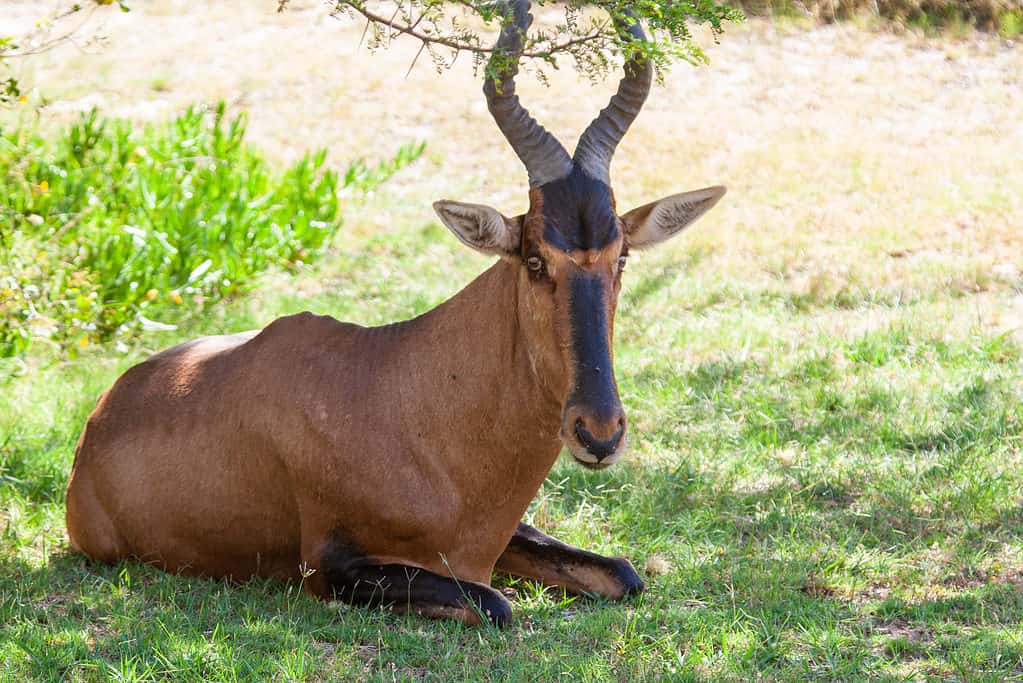
๐Ÿ‘ Hartebeest on grassy savannah

Hartebeest prefer wooded grasslands and savannas as their habitat.

ยฉiStock.com/Wayne Marinovich

Hartebeest โ€” Predators and Threats

The hartebeest is a popular game animal that has been hunted by humans for several thousand years. Experts believe ancient Egyptians hunted and probably domesticated this antelope. Today, the grazing herbivore is still hunted for meat and also killed by trophy hunters in locations where their population is not protected. 

What Eats Hartebeests?

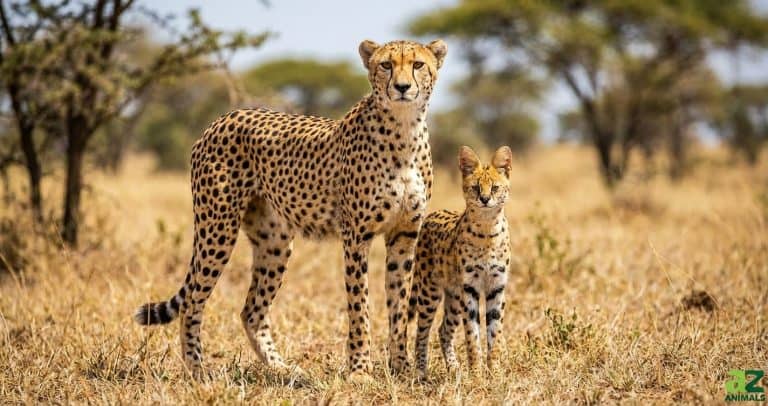
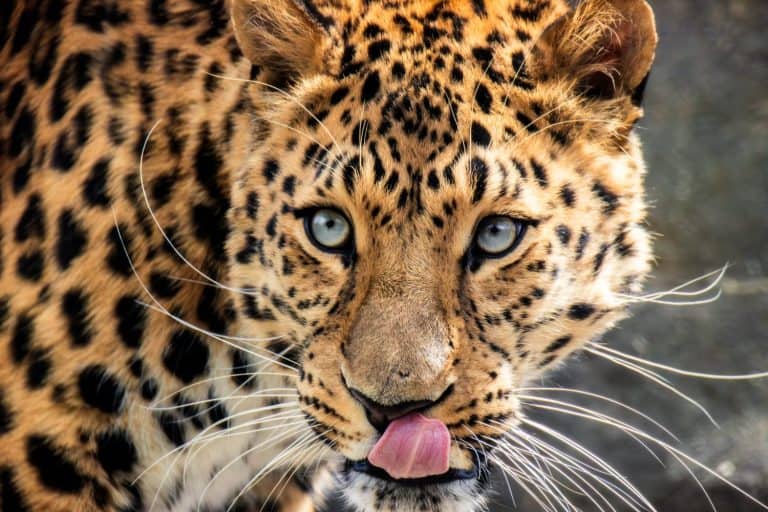
The hartebeest faces threats from human settlement, hunting, and habitat destruction. They are popular game animals due to their highly regarded meat. The major predators of this antelope are cheetahs, jackals, hyenas, and leopards.

What Does the Hartebeest Eat?

These large antelopes feed almost entirely on grass, are not very selective, and are quite tolerant of poor-quality food. They have suffered from the expansion of cattle raising, forcing them to compete for the same food.

Reproduction, Babies, and Lifespan

Hartebeest mate year-round. However, food availability likely affects the timing of the peak mating season. The antelope reaches sexual maturity typically between the ages of one and two. The reproductive process might vary depending on geographic location and species. Each male defends his own territory where mating occurs, and these territories are typically open regions.

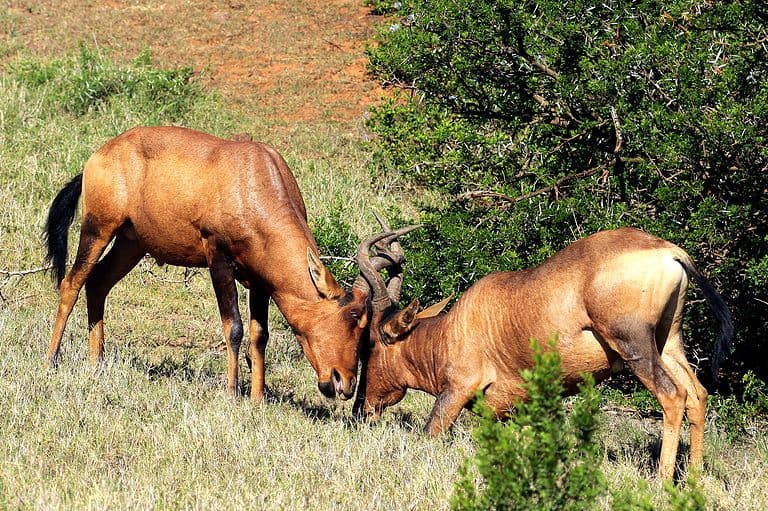
After a vicious battle for dominance among the males, the victor sniffs the femaleโ€™s genitalia and, if she is in estrus, follows her. On occasion, a male will actively try to block the path of a female in estrus, holding out her tail in a subtle way to show her receptivity. Eventually, she might just sit motionlessly and let the male mount her. The act of copulation itself lasts only a few seconds, but it can happen multiple times in a single minute. Females in huge herds often have sexual relationships with multiple males.

The gestation period lasts for around nine months, and the birth of a single calf averages 20 pounds. Unlike the wildebeest, which typically give birth in large herds on open plains, most antelope give birth in thickets during the dry season. Calves are able to get around on their own soon after birth, but they prefer to sleep in the open near their moms.

The calf is weaned at four months of age. Young males remain with their moms for two and a half years, which is longer than their close relatives. Male adolescents have a high death rate because territorial adult males deny them good food, and they often fall prey to predators.
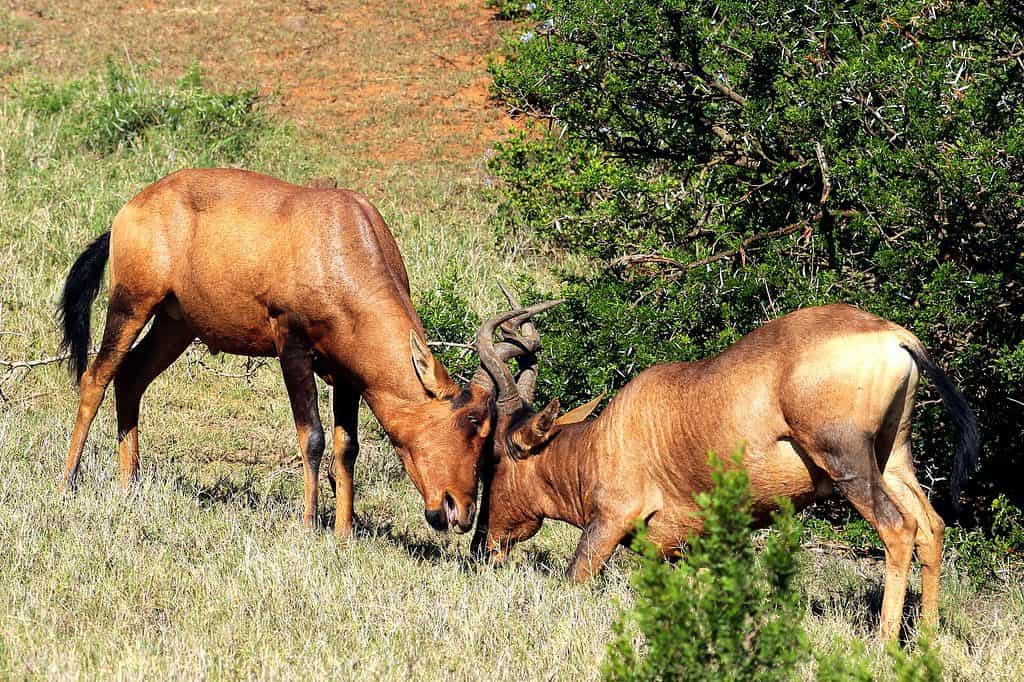
๐Ÿ‘ Two male hartebeest fighting

A male hartebeest will defend his own territory where mating occurs.

ยฉSander Steven Lang/Shutterstock.com

Population

About 362,000 hartebeests currently live in the wild, per the IUCN Red List. The populations vary across the different subspecies.

  • Red hartebeest โ€” 130,000
  • Swayneโ€™s hartebeest โ€” 800
  • Western hartebeest โ€” 36,000
  • Lelwel hartebeest โ€” 70,000.
  • Lichtensteinโ€™s hartebeest โ€” 82,000
  • Cokeโ€™s hartebeest โ€” 42,000

The conservation status also varies from one subspecies to the other. For instance, while the population of the red variety is currently on the rise, the IUCN declared the bubal hartebeest extinct in 1994. The Tora hartebeest, on the other hand is critically endangered. The hartebeest is now extinct across countries where they were previously abundant such as Algeria, Libya, Morocco, Lesotho, and Tunisia.

View all 278 animals that start with H

Sources

  1. Wikipedia / Accessed January 5, 2023
  2. African Wildlife Foundation / Accessed January 5, 2023
  3. South Africa Venues / Accessed January 5, 2023
  4. Animal Spot / Accessed January 5, 2023
  5. IUCN Redlist / Accessed January 5, 2023

About the Author

Abdulmumin Akinde

Abdulmumin is a pharmacist and a top-rated content writer who can pretty much write on anything that can be researched on the internet. However, he particularly enjoys writing about animals, nature, and health. He loves animals, especially horses, and would love to have one someday.
Connect:

Thank you for reading! Have some feedback for us?

Contact the AZ Animals editorial team

Related Articles You May Find Interesting

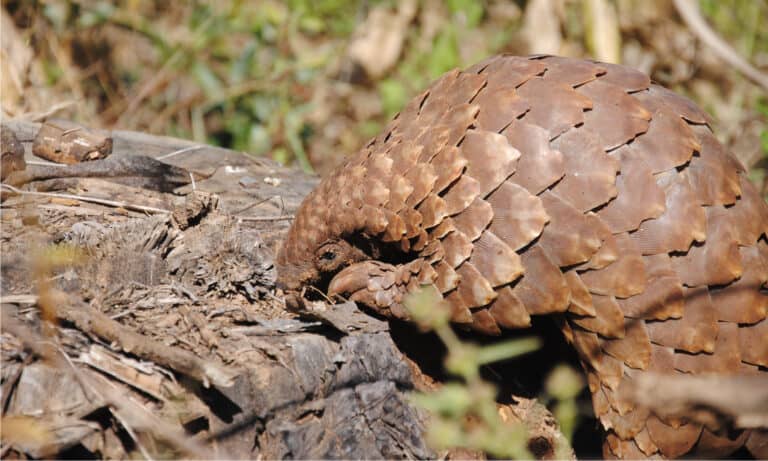
This Pangolinโ€™s Lunch Routine Shows Why the Worldโ€™s Most Trafficked Mammal Is So Unique


Hartebeest FAQs (Frequently Asked Questions)

The hartebeests are herbivores, and their diet consists mostly of grasses. They can survive on watermelons, roots, and tubers in arid regions.

Yes, hartebeests are fast. In fact, they can run up to 43 miles per hour, making them one of the quickest antelopes, and they can run for long distances. 

Yes. Horns are present in both males and females of every subspecies. However, the horns of female hartebeests are thinner than those of males.

Hartebeests use their long horns to ward off predators. Males also use it to fight other males for territorial space.