

H
Species Profile

Hawk

Accipitridae

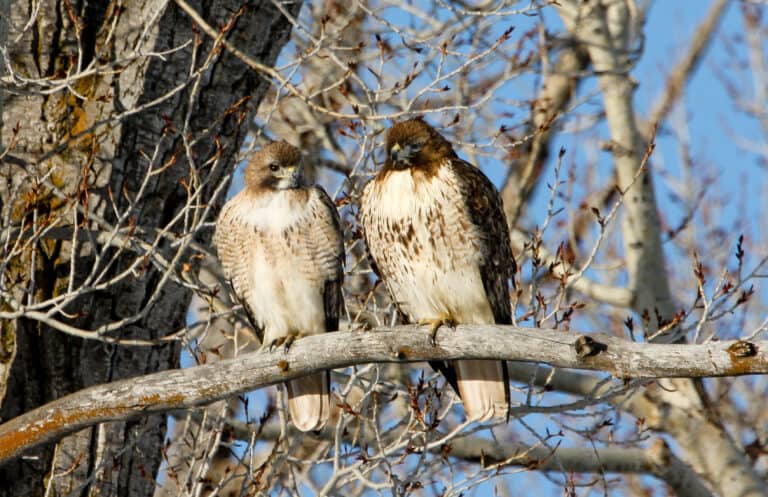
Built to see, swoop, and soar
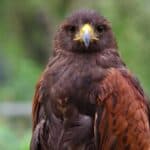
Ronnie Howard/Shutterstock.com

Hawk Distribution

Click a location to explore more animals from that region

Loading map...

Found in 59 countries

๐Ÿ‡บ๐Ÿ‡ธ United States ๐Ÿ‡จ๐Ÿ‡ฆ Canada ๐Ÿ‡ฒ๐Ÿ‡ฝ Mexico ๐Ÿ‡ฌ๐Ÿ‡น Guatemala ๐Ÿ‡จ๐Ÿ‡ท Costa Rica ๐Ÿ‡ต๐Ÿ‡ฆ Panama ๐Ÿ‡จ๐Ÿ‡บ Cuba ๐Ÿ‡ฉ๐Ÿ‡ด Dominican Republic ๐Ÿ‡จ๐Ÿ‡ด Colombia ๐Ÿ‡ป๐Ÿ‡ช Venezuela ๐Ÿ‡ต๐Ÿ‡ช Peru ๐Ÿ‡ง๐Ÿ‡ท Brazil ๐Ÿ‡ฆ๐Ÿ‡ท Argentina ๐Ÿ‡จ๐Ÿ‡ฑ Chile ๐Ÿ‡ฌ๐Ÿ‡ง United Kingdom ๐Ÿ‡ฎ๐Ÿ‡ช Ireland ๐Ÿ‡ซ๐Ÿ‡ท France ๐Ÿ‡ช๐Ÿ‡ธ Spain ๐Ÿ‡ต๐Ÿ‡น Portugal ๐Ÿ‡ฉ๐Ÿ‡ช Germany ๐Ÿ‡ฎ๐Ÿ‡น Italy ๐Ÿ‡ณ๐Ÿ‡ด Norway ๐Ÿ‡ธ๐Ÿ‡ช Sweden ๐Ÿ‡ซ๐Ÿ‡ฎ Finland ๐Ÿ‡ต๐Ÿ‡ฑ Poland ๐Ÿ‡ฌ๐Ÿ‡ท Greece ๐Ÿ‡น๐Ÿ‡ท Turkey ๐Ÿ‡ฒ๐Ÿ‡ฆ Morocco ๐Ÿ‡ฉ๐Ÿ‡ฟ Algeria ๐Ÿ‡น๐Ÿ‡ณ Tunisia ๐Ÿ‡ช๐Ÿ‡ฌ Egypt ๐Ÿ‡ฎ๐Ÿ‡ฑ Israel ๐Ÿ‡ธ๐Ÿ‡ฆ Saudi Arabia ๐Ÿ‡ฎ๐Ÿ‡ท Iran ๐Ÿ‡ช๐Ÿ‡น Ethiopia ๐Ÿ‡ฐ๐Ÿ‡ช Kenya ๐Ÿ‡น๐Ÿ‡ฟ Tanzania ๐Ÿ‡บ๐Ÿ‡ฌ Uganda ๐Ÿ‡ณ๐Ÿ‡ฌ Nigeria ๐Ÿ‡ฌ๐Ÿ‡ญ Ghana ๐Ÿ‡จ๐Ÿ‡ฒ Cameroon ๐Ÿ‡ฟ๐Ÿ‡ฆ South Africa ๐Ÿ‡ท๐Ÿ‡บ Russia ๐Ÿ‡ฐ๐Ÿ‡ฟ Kazakhstan ๐Ÿ‡ฒ๐Ÿ‡ณ Mongolia ๐Ÿ‡จ๐Ÿ‡ณ China ๐Ÿ‡ฏ๐Ÿ‡ต Japan ๐Ÿ‡ฐ๐Ÿ‡ท South Korea ๐Ÿ‡น๐Ÿ‡ผ Taiwan ๐Ÿ‡ฎ๐Ÿ‡ณ India ๐Ÿ‡ฑ๐Ÿ‡ฐ Sri Lanka ๐Ÿ‡ณ๐Ÿ‡ต Nepal ๐Ÿ‡น๐Ÿ‡ญ Thailand ๐Ÿ‡ป๐Ÿ‡ณ Vietnam ๐Ÿ‡ฒ๐Ÿ‡พ Malaysia ๐Ÿ‡ฎ๐Ÿ‡ฉ Indonesia ๐Ÿ‡ต๐Ÿ‡ญ Philippines ๐Ÿ‡ฆ๐Ÿ‡บ Australia ๐Ÿ‡ณ๐Ÿ‡ฟ New Zealand

Size Comparison

Human 5'8"
Hawk 1 ft 6 in

Hawk stands at 26% of average human height.

At a Glance

Family Overview This page covers the Hawk family as a group. Stats below are general traits shared across the family.
Also Known As Raptor, Bird of prey, Buzzard (British English)
Diet Carnivore
Activity Diurnal+
Lifespan 12 years
Weight 2.27 lbs
Status Not Evaluated
Did You Know?

Size spans tiny kites to massive vultures: ~20-110 cm long, ~45-300 cm wingspan, and roughly ~0.075-14 kg across the family.

Scientific Classification

Family Overview "Hawk" is not a single species but represents an entire family containing multiple species.

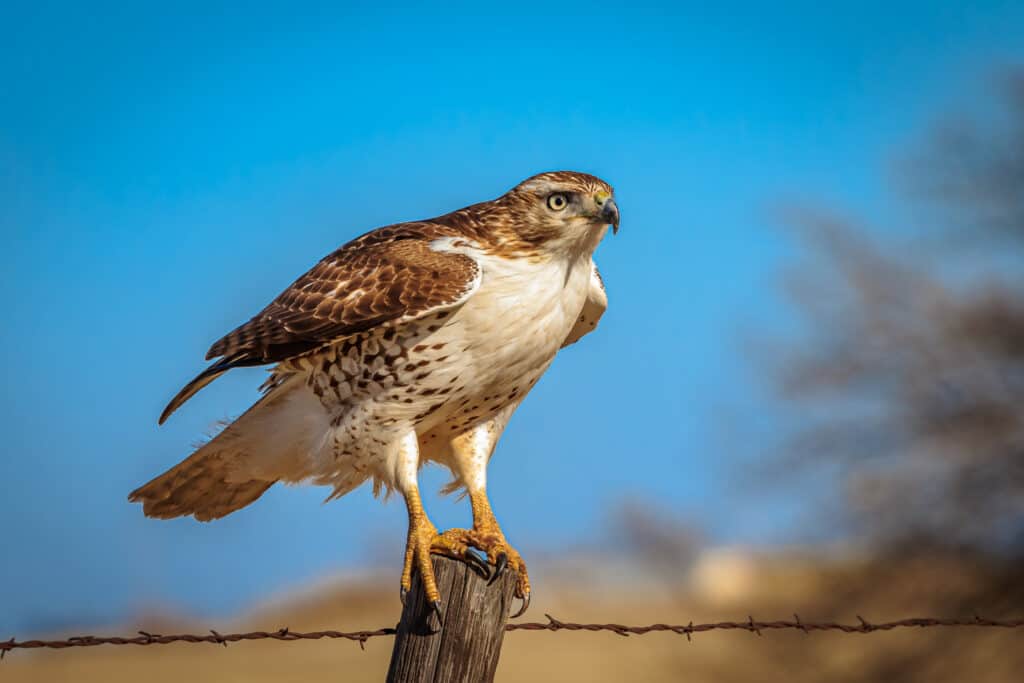
Hawks (in the common sense) are medium-to-large diurnal birds of prey characterized by strong hooked beaks, powerful talons, keen vision, and hunting strategies ranging from soaring ambush to agile woodland pursuit. In zoological classification, most animals called "hawks" belong to the raptor family Accipitridae, which also includes eagles, kites, harriers, and Old World vultures.

Kingdom
Animalia
Phylum
Chordata
Class
Aves
Order
Accipitriformes
Family
Accipitridae

Distinguishing Features

  • Diurnal raptors with hooked bill and strong talons
  • Exceptional distance vision; many hunt by spotting prey from perches or while soaring
  • Two common 'types' in everyday usage: accipiters (short, rounded wings/long tail for forest pursuit) and buteos (broader wings for soaring over open country)
  • Build nests (eyries) in trees or on cliffs; many show strong site fidelity
  • Typically feed on small mammals, birds, reptiles, and large insects; diet varies by species

Physical Measurements

Males and females differ in size

Height
โ™‚ 1 ft 6 in (8 in โ€“ 2 ft 3 in)
Length
โ™‚ 1 ft 10 in (8 in โ€“ 2 ft 3 in)
โ™€ 1 ft 10 in (8 in โ€“ 2 ft 5 in)
Weight
โ™‚ 2 lbs (0 lbs โ€“ 5 lbs)
โ™€ 3 lbs (0 lbs โ€“ 5 lbs)
Tail Length
โ™‚ 9 in (4 in โ€“ 1 ft 4 in)
โ™€ 10 in (3 in โ€“ 1 ft)
Top Speed
149 mph
Speeds varyโ€”up to ~240 km/h

Appearance

Primary Colors
Secondary Colors
Skin Type Hawks (Accipitridae) have mostly feathered bodies, a hooked keratin beak and strong keratin talons, with bare skin on the cere and legs and feet (often brightly colored). No owl-like facial disks.
Distinctive Features
  • Family-level size range (smallest to largest members): total length roughly ~25-100+ cm; wingspan ~50 cm to ~2.5-2.8 m; mass from ~0.1-0.2 kg to ~6-9+ kg (largest eagles within Accipitridae).
  • Typical silhouette and structure are diverse but follow raptor fundamentals: powerful legs/feet with long, curved talons; deep, strongly hooked beak for tearing; large eyes and forward-facing visual fields for acute vision.
  • Wing and tail shapes match hunting style. Accipiters have short, rounded wings and long tails for quick turns in woods. Buteos and eagles soar with broad wings; harriers fly low over grasslands and wetlands.
  • Tail patterns often help tell hawk species apart. In Accipitridae, many have dark bands on paler tails; some show white rump or undertail patches or terminal tail bands.
  • Bare-part coloration (cere/legs/feet) commonly trends yellow to orange-yellow, but can vary by species, age, and season; irides range from pale to dark and may change with maturity in some taxa.
  • Plumage changes with age are common: juveniles often browner with heavier streaking/spots below; adults in many species become cleaner-barred, grayer, or more uniformly patterned. Molt and wear can noticeably affect contrast.
  • Many medium-sized hawks live about 8โ€“20 years in the wild; larger species often live 20โ€“30+ years. In zoos some can live over 30โ€“40 years. Lifespan varies with size, habitat, and human threats.
  • Hawks hunt by day with keen sight. They soar and scan, perch-and-pounce, chase fast in woods, or fly low over fields and marshes. Diet: mammals, birds, reptiles, amphibians, fish, carrion, and large insects.
  • Accipitridae live on most continents and in forests, savannas, deserts, mountains, grasslands, wetlands, and coasts. Some species are habitat specialists, others use many habitats; migration ranges from none to long distances.
  • Note that some birds called "hawks" in everyday speech are not Accipitridae (for example, some "sparrowhawks" are falcons in Falconidae). Here Accipitridae includes true hawks, eagles, kites, harriers, and Old World vultures in Accipitriformes.

Sexual Dimorphism

Sex differences are common in Accipitridae. Often females are larger and heavier than males (about 10โ€“50% bigger). Feather color differences vary: males sometimes grayer or with clearer bars, females or older birds browner.

โ™‚
  • Typically smaller and lighter than females; in some groups males more often show cleaner gray upperparts or finer barring (species-dependent).
  • May exhibit more agile, rapid flight in woodland pursuit species due to lower wing loading (general trend; varies by species).
โ™€
  • Typically larger, heavier, and more robust-legged/footed; this size advantage is often linked to taking larger prey or reducing competition between sexes.
  • In some taxa females appear browner or more heavily marked, though in many species sexes are very similar and differences are mainly size-based.

Did You Know?

Size spans tiny kites to massive vultures: ~20-110 cm long, ~45-300 cm wingspan, and roughly ~0.075-14 kg across the family.

Many "hawks" in everyday speech are Accipitridae, but the family also includes eagles, harriers, kites, and Old World vultures-an unusually diverse raptor clan.

Two classic hunting styles: accipiters (short, rounded wings + long tails for agile forest pursuit) vs buteos (broad wings for open-country soaring and scanning).

Eyes are specialized for distance detail; many accipitrids can resolve fine movement far beyond typical human visual acuity-key for spotting prey while soaring.

Not all are active predators: Old World vultures within Accipitridae are primarily scavengers, adapted to locating carrion and feeding efficiently in groups.

Migration can be spectacular: huge "kettles" of soaring accipitrids form where thermals and geography concentrate flights (e.g., ridgelines and isthmuses).

Unique Adaptations

  • Powerful feet and talons: tendon-locking grip and sharp claws allow secure seizure, dispatch, and carrying of prey; strength and toe proportions vary with hunting style.
  • Hooked bill with cutting edges: designed to tear flesh; some have pronounced "tomial" edges for efficient slicing (shape varies across subgroups).
  • High-performance flight diversity: short-wing/long-tail maneuverability (forest hunters), long broad wings for soaring efficiency (buteos/eagles), and long-winged gliders among many scavengers.
  • Thermal soaring physiology and behavior: broad wings and "fingered" primaries reduce drag and help ride rising air for long-distance travel with low energy cost.
  • Digestive and immune adaptations in scavenging lineages: acid-resistant stomachs and robust microbial defenses help process carrion (not universal across the family).
  • Countershading and cryptic patterning: mottled backs and barred underparts often reduce visibility to prey; plumage ranges widely from bold contrasts to near-uniform dark morphs.

Interesting Behaviors

  • Soaring-and-scanning: many species circle on thermals, then glide to investigate prey or carrion; others hunt from perches to conserve energy.
  • Woodland pursuit vs open-country ambush: accipiters often burst through cover after birds/squirrels, while many buteos rely on height and patience, dropping in steep dives.
  • Opportunistic diets with big variation: prey can include insects, reptiles, fish, mammals, birds, and carrion; some specialize (e.g., snail-eaters or fish-eaters), others generalize.
  • Territoriality and display flights: pairs often use aerial "sky-dances," steep dives, and calling to advertise territories and maintain bonds.
  • Nest-building is widespread: many reuse and enlarge stick nests over years; others nest on cliffs or large trees depending on habitat.
  • Sociality varies: some roost communally or feed in large groups (especially vultures), while many hawks are solitary outside breeding season.
  • Broad habitat breadth: deserts, tundra edges, tropical forests, savannas, coasts, mountains, and cities-yet sensitivity to disturbance and prey availability differs greatly by species.

Cultural Significance

Accipitridae (hawks, eagles) stand for power, being watchful, and rule. Accipiters like goshawks were prized in woodland falconry; eagles in Central Asian special hunts. Old World vultures link to sky burials. Today hawks and eagles lead conservation for habitat, pesticides, and top predator and scavenger roles.

Myths & Legends

Norse cosmology places a great eagle atop Yggdrasil (the world tree), with the hawk Vedrfolnir said to sit between the eagle's eyes-an image of watchfulness and high knowledge.

In Greek tradition, Zeus's eagle serves as a divine messenger and enforcer; the eagle's presence in myth helped cement raptors as symbols of authority and omen-reading in the ancient Mediterranean.

South Asian mythology tells of Garuda, the mighty eagle-like mount of Vishnu-an adversary of serpents and a protector figure in Hindu and Buddhist traditions.

Across many Indigenous North American nations, stories of the Thunderbird describe a colossal bird of prey whose wingbeats make thunder and whose power is tied to storms, justice, and sacred law.

Zoroastrian funerary tradition historically used "Towers of Silence," where scavenging birds (often vultures) were part of a rite returning the body to nature-linking carrion-eaters with purity and cosmic order.

In Tibetan Plateau cultural practice, sky burial traditions involve vultures as honored participants in compassionate rites of impermanence, with local folklore treating them as spiritually significant helpers rather than mere scavengers.

Conservation Status

NE Not Evaluated (family-level hub). Accipitridae species-level statuses span the full IUCN spectrum (from LC to CR; some DD), with many regional populations declining-especially large eagles and Old World vultures. Notable high-risk members within Accipitridae include multiple Gyps vultures (e.g., White-rumped Vulture CR, Indian Vulture CR, Slender-billed Vulture CR), Philippine Eagle CR, and Madagascar Fish Eagle CR; several others are EN/VU (e.g., Steppe Eagle EN, Egyptian Vulture EN).

Has not yet been evaluated against the criteria.

Population Unknown

Protected Under

  • Many Accipitridae species are protected under national wildlife laws (per-country varies), often prohibiting killing, possession, and nest destruction.
  • CITES: numerous Accipitridae are listed (many in Appendix II; some in Appendix I), regulating international trade.
  • CMS (Convention on Migratory Species): several migratory raptors are covered via CMS listings and/or regional agreements (coverage varies by species/region).
  • Regional frameworks (where applicable) such as the EU Birds Directive and comparable protections elsewhere; many species also occur within protected-area networks, though enforcement and coverage are uneven.

Looking for a specific species?

Red-tailed Hawk

Buteo jamaicensis

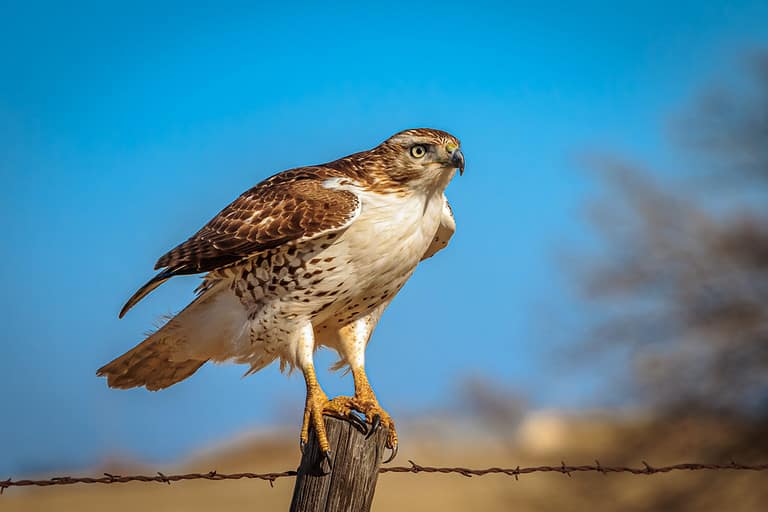
In North America, the unqualified common name "hawk" most often refers to a buteo-type hawk, and the Red-tailed Hawk is among the most widespread, visible, and commonly recognized accipitrids.

  • Accipitridae vary in size from about 30โ€“100 cm long and 0.2โ€“6+ kg, with wingspans of roughly 0.7 m to over 2 m, from small kites and accipiters to large eagles and Old World vultures.
  • Family-wide lifespan: typically ~5-25+ years in the wild (highly variable by species and conditions); large-bodied species often live longer, and captive individuals of some species can exceed ~30 years.
  • Accipitridae traits: strongly hooked bill, strong grasping feet (talons), sharp vision; most hunt by day (diurnal), with woodland surprise attacks (many Accipiter), open soaring and perch-hunting (many Buteo), or scavenging (some Old World vultures).
  • Ecology is diverse: prey ranges from insects to mammals and birds; some specialize (e.g., snake-eagles, snail kites), while others are generalists and shift diets seasonally or regionally.
  • Reproduction is broadly similar but variable: stick nests are typical, often re-used and enlarged; clutch size, nesting habitat (trees, cliffs, ground), and parental roles differ substantially across genera.

You might be looking for:

Red-tailed Hawk

22%

Buteo jamaicensis

Large, broad-winged buteo common in North America; highly variable plumage; often seen soaring or perched along roadsides.

Cooper's Hawk

14%

Accipiter cooperii

Medium-sized accipiter adapted for woodland hunting; common around suburban bird feeders in North America.

View Profile

Eurasian Sparrowhawk

12%

Accipiter nisus

Small accipiter widespread in Europe and Asia; specializes on small birds in rapid pursuit.

View Profile

Harris's Hawk

10%

Parabuteo unicinctus

Social desert-dwelling hawk of the Americas; notable for cooperative hunting behavior.

View Profile

Northern Goshawk

9%

Accipiter gentilis

Powerful woodland accipiter across the Northern Hemisphere; often considered a classic 'hawk' in falconry contexts.

View Profile

Life Cycle

Birth 2 chicks
Lifespan 12 years

Lifespan

In the Wild 5โ€“40 years
In Captivity 10โ€“29 years

Reproduction

Mating System Monogamy
Social Structure Socially Monogamous
Breeding Pattern Long Term
Fertilization Internal Fertilization
Birth Type Internal_fertilization

Most Accipitridae (hawks, eagles, kites, harriers) form long-term pairs that defend nests and raise young together with both parents. Some birds mate outside the pair. Rare exceptions: group breeding (Harris's hawk) or polyandry (Galapagos hawk).

Behavior & Ecology

Social Breeding pair Group: 2
Activity Diurnal, Crepuscular, Matutinal, Vespertine
Diet Carnivore Varies widely across Accipitridae; many species most often take rodents and other small mammals, while others specialize more on birds, fish, reptiles, or carrion.
Seasonal Migratory 7,456 mi

Temperament

Family-wide generalization: predominantly independent, low-sociality predators/scavengers with strong territorial tendencies around nests or prime hunting areas; tolerance increases at roosts, migration corridors, and carcasses where crowding is temporary.
Variation across Accipitridae: ranges from highly aggressive, strongly territorial woodland/edge hunters to more gregarious, open-country soarers (notably some kites/harriers/buzzards) that may roost or migrate in large aggregations.
Hawks vary from about 0.07โ€“14 kg, 20โ€“120 cm long, with 0.45โ€“3.1 m wingspans. This big size range affects what they eat, how far they stay apart, and who wins at shared food.
Lifespan range across the family: commonly ~5-15 years in the wild for many smaller species, ~15-30+ years for larger raptors; exceptional individuals and captive birds can reach ~30-50 years depending on species and husbandry.
Most hawks (Accipitridae) hunt by sight, using soaring, perch-and-pounce, contour-hunting, or fast chase. Some hunt together. Old World vultures are scavengers and gather at carcasses.

Communication

high-pitched whistles and piping calls Contact and alarm
screams/kee-yaa or shrill cries used in territorial and nest defense contexts
chattering/cackling or yelping series in agitation Varies by lineage
begging calls of nestlings/fledglings Often persistent and loud
aerial displays (soaring circles, undulating flights, steep dives) for territory advertisement and courtship
visual postures (upright threat stance, head-bobbing, wing-spreading, tail-fanning) and direct staring
bill-snapping and wing/foot gestures during close-range aggression
food transfers and prey presentation during courtship and provisioning
nest-site signaling through repeated visits, stick-carrying, and platform maintenance
spatial communication via territory placement, patrol routes, and (in some species) communal roost site fidelity

Habitat

Biomes:
Tropical Rainforest Tropical Dry Forest Savanna Desert Hot Desert Cold Mediterranean Temperate Grassland Temperate Forest Temperate Rainforest Boreal Forest (Taiga) Tundra Alpine Freshwater Marine Wetland +9
Terrain:
Mountainous Hilly Plateau Plains Valley Coastal Island Riverine Volcanic Karst Rocky Sandy Muddy +7
Elevation: Up to 18044 ft 8 in

Ecological Role

Predators (often mesopredators to apex predators) and, in vulture lineages, major scavengers-together regulating prey populations and accelerating nutrient cycling.

Top-down control of rodents and other prey, helping stabilize food webs Removal of carrion (especially Old World vultures), reducing pathogen loads and speeding nutrient recycling Influence on prey behavior and distribution (landscape of fear effects) Indicator roles for ecosystem health due to sensitivity to contaminants and habitat change

Diet Details

Main Prey:
Small to medium mammals Birds Reptiles Amphibians Fish Invertebrates Carrion Eggs and nestlings +2

Human Interaction

Domestication Status

Wild

Accipitridae (hawks, eagles, kites, harriers, Old World vultures) are wild raptors, not domesticated or bred into a domestic form. People capture and train some for falconry, care for injured birds, and keep them in zoos for education. They face conflicts (poultry loss, poisoning, collisions) and need legal and habitat protection.

Danger Level

Moderate
  • Injury from talons/beak during handling (falconry, rescue/rehab, nest checks)
  • Defensive attacks near nests (some species can strike people who approach too closely)
  • Zoonotic/health risks from feces/parasites when handling or cleaning enclosures (generally manageable with hygiene/PPE)
  • Indirect risks from human-wildlife conflict (e.g., illegal poisoning affecting pets/people, or collisions near roads/airports in rare cases)

As a Pet

Not Suitable as Pet

Legality: Hawks are usually illegal or tightly limited as pets. Where allowed, owners must get permits (falconry, rehab, education, zoos), pass facility checks, follow care rules. Wild capture and trade are often banned.

Care Level: Expert Only

Purchase Cost: Up to $8,000
Lifetime Cost: $20,000 - $150,000

Economic Value

Uses:
Ecosystem services (rodent control, carrion removal by vultures, trophic regulation) Falconry and working raptors (where legal) Ecotourism and wildlife viewing Education and conservation outreach (zoos/raptor centers) Cultural and symbolic value (heraldry, national emblems, traditional practices)
Products:
  • Non-consumptive services (pest control, carcass disposal, tourism revenue)
  • Falconry-related services (training, breeding in captivity where permitted)
  • Educational programming and exhibits
  • Historically: feathers and other parts in trade (now widely illegal/regulated in many places)

Relationships

Predators 6

Larger eagles Aquila spp., Haliaeetus spp.
Great Horned Owl Bubo virginianus
Eurasian Eagle-Owl Bubo bubo
Raccoon Procyon lotor
Martens and fishers Martes spp., Pekania pennanti
Large snakes Serpentes

Related Species 4

Osprey Pandion haliaetus Shared Order
Secretarybird Sagittarius serpentarius Shared Order
Falcons and caracaras Falconidae Shared Family
Owls Strigiformes Shared Class

Ecological Equivalents 4

Animals that fill a similar ecological role in their ecosystem

Falcon Falco spp. Often share a diurnal aerial-predator niche, hunting birds and small mammals, with overlapping habitats and prey. They differ in killing mechanics: falcons typically use a tomial tooth or impact, while many accipitrids use grasp-and-squeeze with their talons.
Owls Strigiformes Occupy similar predatory roles (preying on small mammals and birds) and can compete locally. Resource partitioning is commonly by time (nocturnal vs. diurnal), habitat, and prey size.
Large corvids Corvus spp. Frequent nest predators, scavenging competitors, and mobbing antagonists, and they overlap strongly where carrion, eggs/young, and small vertebrates are available.
Mammalian mesopredators Share prey bases (rodents, lagomorphs, ground-nesting birds) and can both compete with one another and depredate nests; interactions vary by region and habitat.

Types of Hawk

25

Explore 25 recognized types of hawk

Red-tailed Hawk Buteo jamaicensis
Cooper's Hawk Accipiter cooperii
Eurasian Sparrowhawk Accipiter nisus
Northern Goshawk Accipiter gentilis
Harris's Hawk Parabuteo unicinctus
Common Buzzard Buteo buteo
Swainson's Hawk Buteo swainsoni
Rough-legged Hawk Buteo lagopus
Ferruginous Hawk Buteo regalis
Sharp-shinned Hawk Accipiter striatus
Black Kite Milvus migrans
Red Kite Milvus milvus
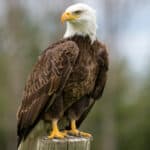
Bald Eagle Haliaeetus leucocephalus
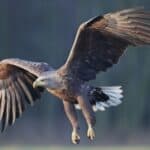
White-tailed Eagle Haliaeetus albicilla
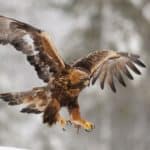
Golden Eagle Aquila chrysaetos
Steppe Eagle Aquila nipalensis
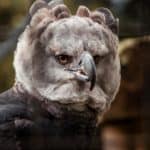
Harpy Eagle Harpia harpyja
Crested Serpent Eagle Spilornis cheela
Western Marsh Harrier Circus aeruginosus
Northern Harrier Circus hudsonius
African Fish Eagle Haliaeetus vocifer
Bearded Vulture Gypaetus barbatus
Egyptian Vulture Neophron percnopterus
White-backed Vulture Gyps africanus
Cinereous Vulture Aegypius monachus
๐Ÿ‘ Image

While the Ferruginous hawk is the largest species in the USA, Asiaโ€™s Upland buzzard is the biggest overall.

A hawk is not one specific bird of prey; itโ€™s a general name used to describe 270 different types of diurnal carnivorous birds. These birds all fall under the order Falconiformes, which go by many names, like raptors, hawks, and buzzards.

While each species of a hawk has its own unique features, they all have many characteristics in common, like sharp eyesight, hooked beaks, and sharp talons. However, they vary significantly in size.

Hawks are deadly assassins that reign terror from the skies. They dive, lighting quick to snatch an unsuspecting animal from the ground before it realizes what is happening.

Eight Hawk Facts
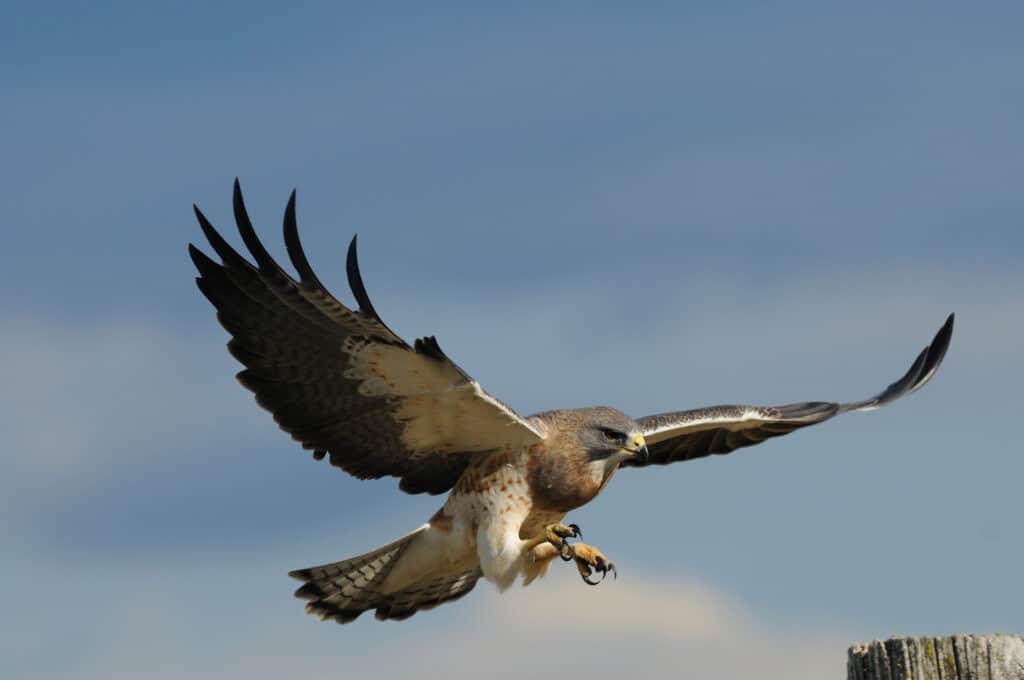
๐Ÿ‘ Swainson Hawk

Swainsonโ€™s hawks are long-distance migrants, and almost the entire population moves from North America to South America during August and September.

ยฉRob McKay/Shutterstock.com

  1. There are 270 species of hawks, 25 of which are located in the USA
  2. The biggest hawk in North America is the ferruginous hawk
  3. The most populated hawk species in the USA is the red-tailed hawk
  4. Red-tailed hawks mate for life
  5. The only place in the world where hawks donโ€™t exist in Antarctica
  6. Females are 25 to 30% bigger than the males
  7. A group of hawks is referred to as a Kettle
  8. Hawks can see 5 times better than people

Scientific Name
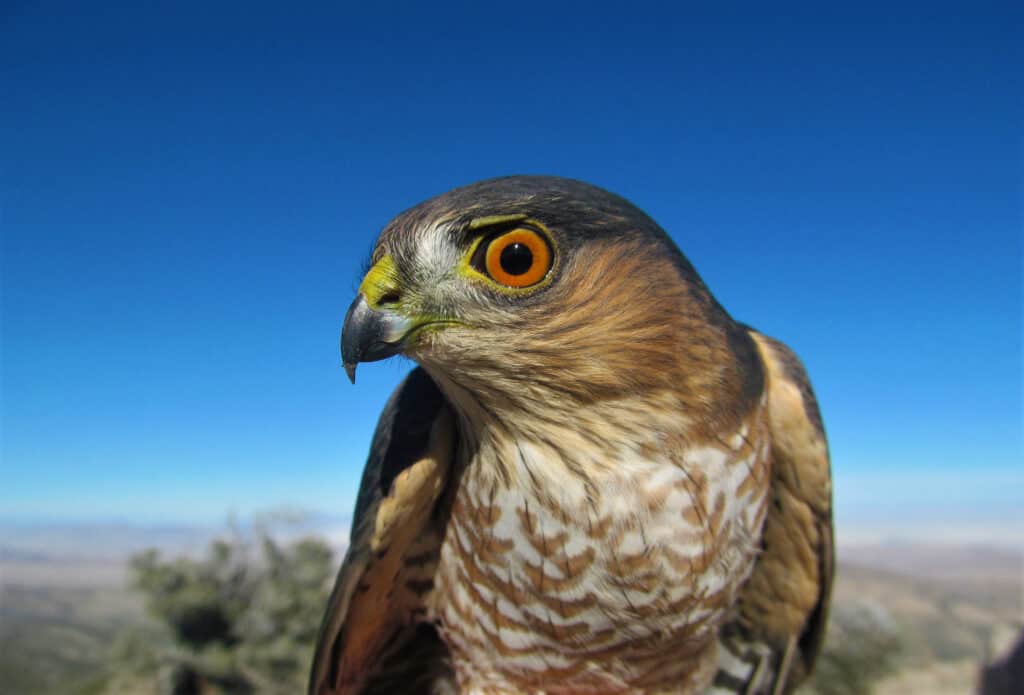
๐Ÿ‘ Closeup of sharp-shinned hawk in profile with blue sky backdrop

Sharp-shinned hawks have large eyes.

ยฉRJ Ridley/Shutterstock.com

The scientific name for Hawks is Buteo, which describes medium-large, widely dispersed raptors with muscular bodies and wide wings.

They are often referred to as buzzards, which is the old terminology of the species; it changed to hawk in more recent times. In fact, the name Buteo is Latin for a buzzard.

Each species differs in features and size; here are a few species that fall under Buteo:

Common Types of Hawks

๐Ÿ‘ red-tailed hawk

Buzzards and hawks mostly prey on live animals such as rodents and other small mammals.

ยฉRichard G Smith/Shutterstock.com

There are 270 different species of hawk, so to make things easier, here is a list of the most common species:

  • Cooperโ€™s hawk
  • Harris Hawk
  • Red-tailed hawk
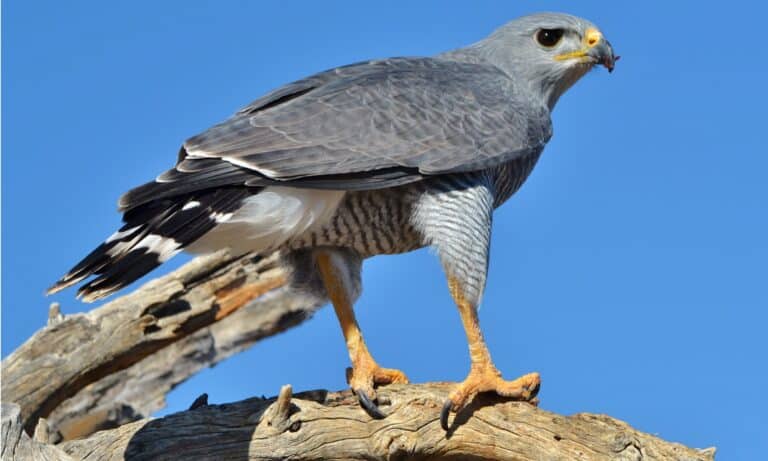
  • Gray hawk
  • Northern goshawk
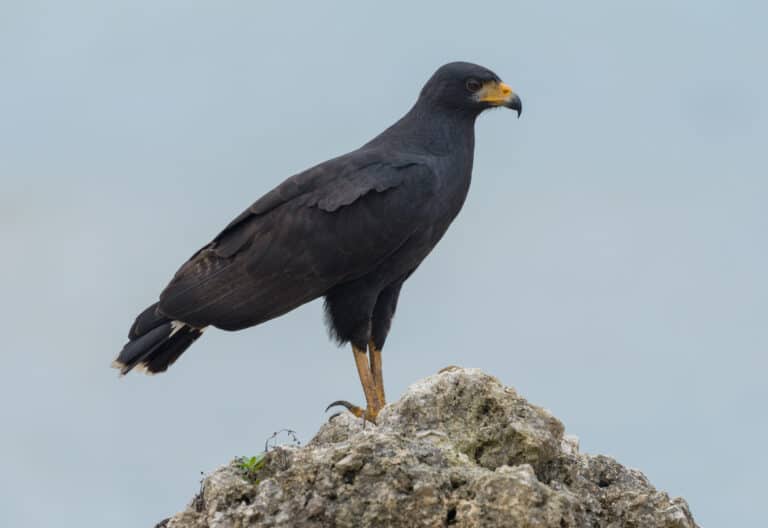
  • Great black hawk
  • Northern harrier
  • Sharp-shinned hawk
  • Crane hawk
  • Common buzzard
  • Honey-buzzard
  • Broad-winged hawk
  • Roadside hawk
  • Common black hawk
  • Red-shouldered hawk
  • Harrisโ€™s hawk
  • Rough-legged hawk
  • Zone-tailed hawk
  • Swainsonโ€™s hawk
  • Short-tailed hawk
  • White-tailed hawk
  • Ferruginous hawk
  • Red-tailed hawk
  • Eurasian sparrowhawk
  • Sharp-shinned hawk
  • Black kite
  • Northern goshawk
  • Cooperโ€™s hawk
  • Red-shouldered hawk
  • Common buzzard
  • Harrisโ€™s hawk
  • Osprey
  • Broad-winged hawk
  • Roadside hawk
  • Common kestrel
  • Brown falcon
  • White-tailed hawk
  • American kestrel
  • Ferruginous hawk
  • Rough-legged buzzard
  • Swainsonโ€™s hawk
  • Northern harrier
  • Crested honey buzzard
  • Eastern buzzard
  • Crested serpent eagle
  • Great black hawk
  • Shikra
  • Red kite
  • Common black hawk
  • Japanese sparrowhawk
  • Grey goshawk
  • Savanna hawk
  • Aplomado Falcon
  • Grey-faced Buzzard
  • Lanner falcon
  • Crested goshawk
  • Hen harrier
  • Prairie falcon
  • Black-winged kite
  • Chinese sparrowhawk
  • Black Falcon
  • European honey buzzard
  • Cinereous vulture
  • Red-footed Falcon
  • Ornate hawk-eagle
  • Barbary Falcon
  • Western marsh harrier
  • Black-chested buzzard-eagle
  • White-tailed kite
  • Black-and-white hawk-eagle
  • Brahminy kite
  • Zone-tailed hawk
  • Besra

Appearance

Hawks vary in size, with the lightest species being the roadside hawk, which weighs only 9.5 ounces. Their length can stretch 12 to 28 inches, while hawksโ€™ wingspan ranges from 26 to 63 inches.

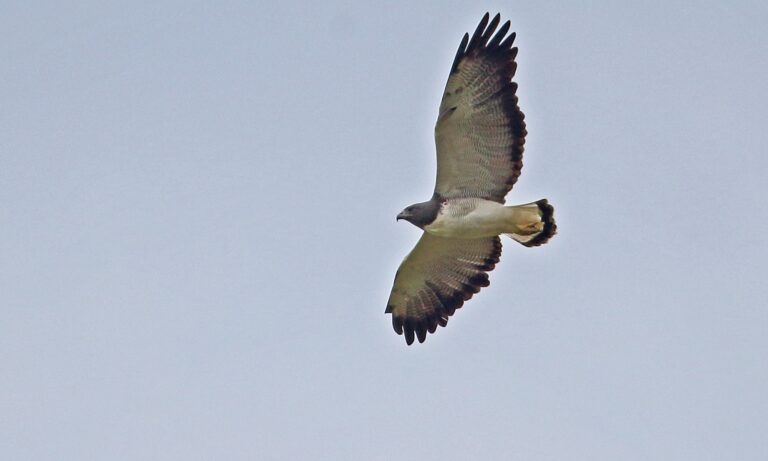
For example, the white-rumped and Ridgway hawkโ€™s wingspan measures 30 inches, and their length averages 14 inches.

While the ferruginous hawk is the largest species in the USA, Asiaโ€™s Upland buzzard is the biggest overall. They are 26 inches long with a wingspan of 60 inches. However, the ferruginous hawk weighs the same and has bigger foot measurements and bill size. Males are smaller, only weighing 2.5 pounds, while females average  4.4 pounds when fully grown.
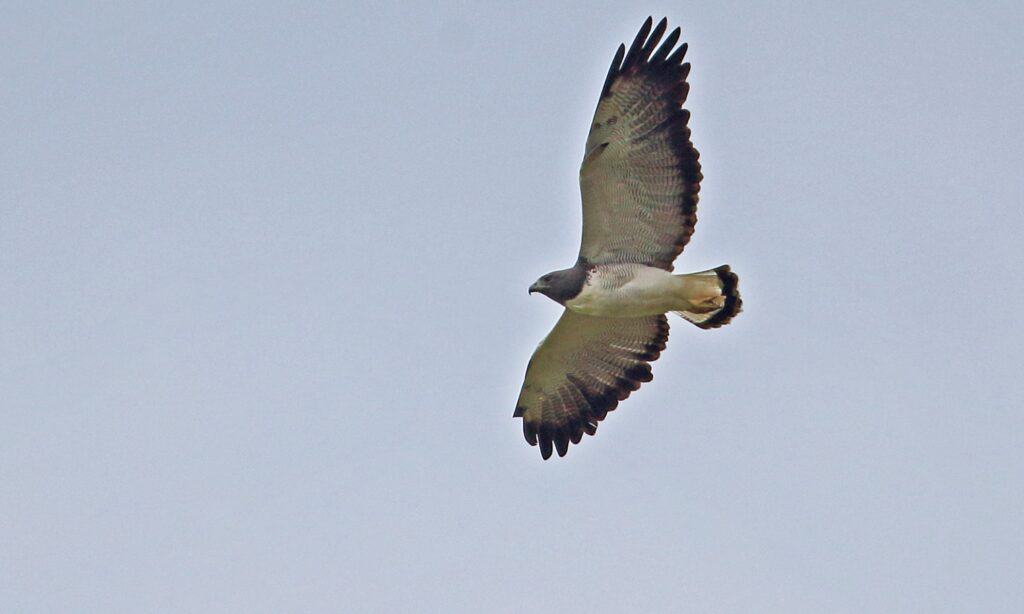
๐Ÿ‘ white tailed hawk

Depending on the species, a hawkโ€™s wingspan can range from 26 to 63 inches. This is a white-tailed hawk.

ยฉiStock.com/neil bowman

Evolution and Origins

Hawks developed in Africa and falcons in South America independently after the division of Gondwana into those three continents around 100 million years ago. It seems as though each location received a diurnal raptor that was necessary for that habitat.

Theropods were a class of meat-eating dinosaurs from which birds descended. Although birds originated from little theropods rather than gigantic ones like Tyrannosaurus rex, they nonetheless belong to the same group as the dinosaur. The earliest fossilized bird remains date back 150 million years.

Between 50 and 35 million years ago, during the Eocene Epoch, a generic raptor was known. The earliest known raptor dates from the late Paleocene Epoch (57.9 to 54.8 million years ago), and it may have been a New World vulture.

Habitat

Hawks dominate the world and thrive in all sorts of climates and environments. The only place on the planet they donโ€™t inhabit is Antarctica. They can survive as long as there is prey to eat and a safe place to nest.

Most hawk species migrate, but a few donโ€™t; generally, if the hawk in question does not flock, it means they do not migrate.

Diet
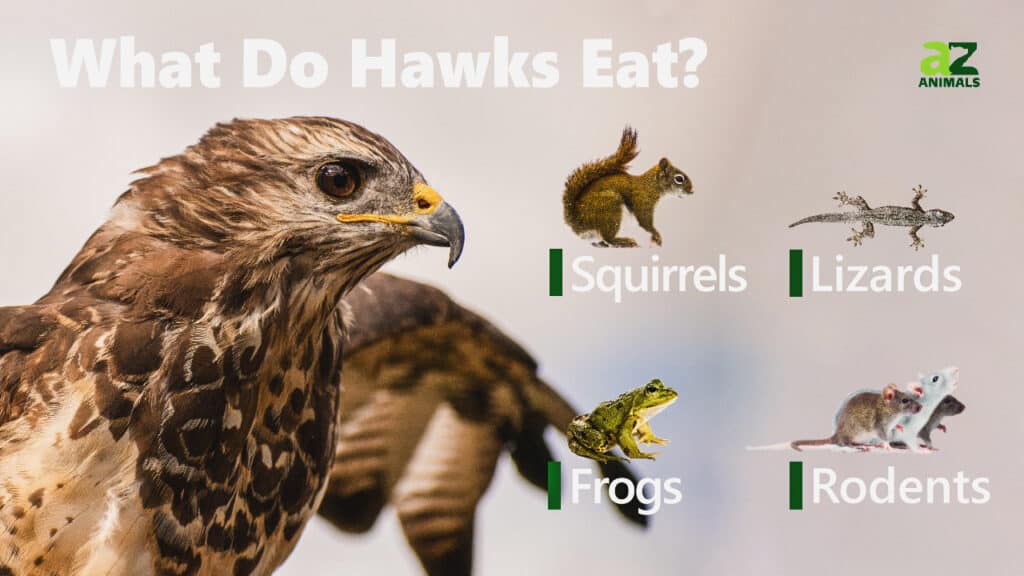
๐Ÿ‘ What Do Hawks Eat
Hawks eat Squirrels, Lizards, Frogs, and Rodents.

Most birds of prey are opportunistic hunters and are not picky. They will take a meal wherever they can find it, but typically, their food of choice is rodents. Unfortunately, for the hawks, most rodents are active at night, so most of their diet consists of diurnal gerbils, squirrels, voles, and chipmunks.

Other prey includes:

Predators and Threats

Fully-grown hawks generally have very few predators. Their razor-sharp beaks and talons are a great deterrent, and they can fly away from larger animals.

Hawks are considered apex predators, which means they are at the top of the food chain in their environment. However, nature is fickle, and anything is possible; sometimes, predators like coyotes and foxes will take an opportunity to kill and eat a hawk, but it rarely happens.

While coyotes and foxes are opportunistic hunters and will eat anything in their path, they do have preferences, and hawks are not one of them. Generally, they stick to smaller mammals like rabbits but can also eat grass, fruit, and carcasses.

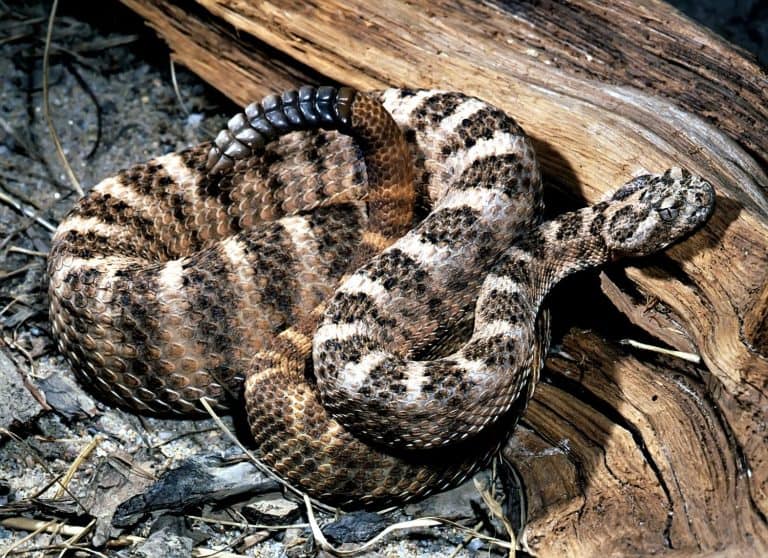
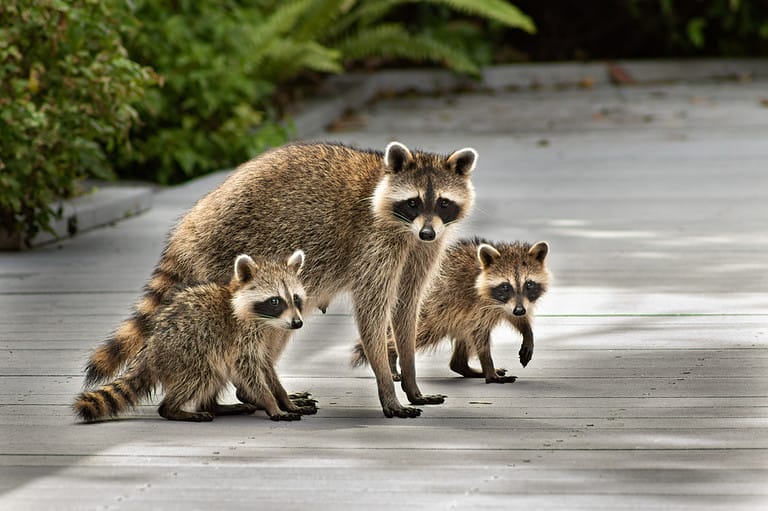
Sadly, hawk eggs and chicks are often targets of owls, larger birds of prey, crows, raccoons, porcupines, ravens, and snakes. As a result, mothers must keep their eggs and babies hidden until they are old enough to protect themselves.

Reproduction, Babies, and Lifespan

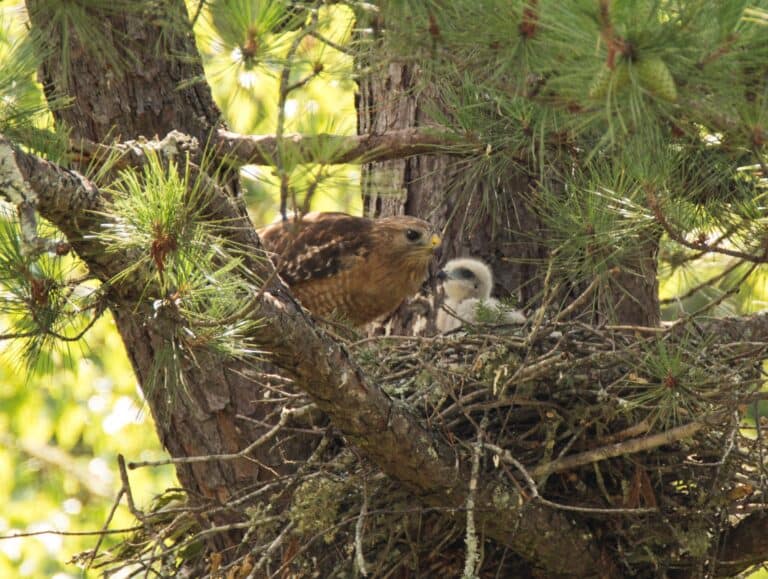
Like most species of birds, hawks build nests usually constructed of sticks, leaves, and other materials. For hawks who nest in trees, selecting the perfect tree needs a lot of consideration. Hawks need to ensure their tree is large or hidden enough, making it inaccessible to predators who can climb.

Most species will mate for life or at least for several years; this includes migratory species where pairs separate for the winter.

Hawks can lay between 2 to 7 eggs at a time; most of the time, the female will incubate the eggs, and the male will go out and hunt.

When the eggs hatch, the chicks rely solely on their parents to provide safety and food. Their survival depends on the location of the nest, nearby predators, and whether there is human activity such as logging or hunting in the area.

The eggs do not all hatch at once; there are usually intervals of a day or two, which means the older, stronger chicks have a better chance of survival as they can fight for their food, and sometimes kill their smaller siblings by aggressively handling them.

The female spends most of the time with the chicks while the male is out hunting. However, males do brood with chicks from time to time.

When the chicks reach their fledgling stage, the mother takes over the majority of the hunting. After a couple of weeks, the fledglings realize their parents are indifferent to feeding them. Sometimes they are even hostile toward the chicks, and they know itโ€™s time to leave the nest.

The fledglings initially stay close to their old nest, usually within several miles. Then, after one or two years of being on their own, they start to court mates and create their own families.

Hawks generally live up to 12 years; however, in captivity, they can grow much older. This is due to predators and environmental threats in the wild.                                                                                                                               

Population

Because โ€œhawkโ€ is a term used for 270 species, itโ€™s hard to accurately determine their population size. Some hawks, like the red-tailed hawk, have huge numbers, while other species like the Ridgeway hawk are critically endangered.

For example, there are around 1,960,000 nesting red-tailed hawks in the world, and 90% of their population call North America home.

The Difference Between Eagles and Hawks

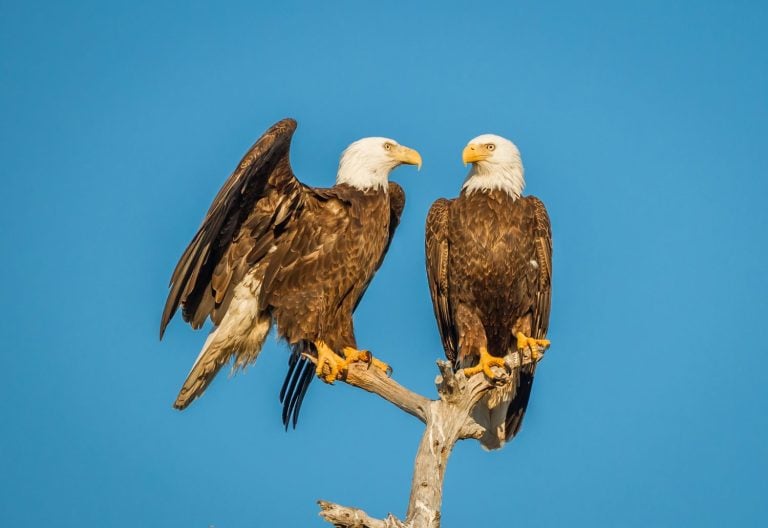
Eagles and hawks both belong to the Accipitridae family and have a lot of similar characteristics, which is why they are so hard to tell apart.

One significant difference is not in their appearance but in their numbers because there are only about 60 species of eagles, while there are 270 different species of hawks.

Both genuses are indigenous to:

In addition, they are both diurnal, meaning they are primarily active during the day. Because they occur in various habitats, their diets, amongst other things, do differ.

Appearance

Typically eagles have a bigger build compared to hawks and weigh around 18 pounds, while even the largest species of hawk barely reaches 8 pounds.

However, there are exceptions; For example, the red-tailed hawk is bigger than the Australian little eagle, only weighing 1.8 pounds.

Eagles are typically stronger than hawks because they have more muscular bodies, powerful legs, hooked beaks, and curved talons. In fact, their hind talons are extremely strong, helping to facilitate gripping and carrying heavy prey.

Hawks also have hooked beaks and razor-sharp talons, but not to the extent of eagles. In addition, both species have feathers partially covering their legs.

Wingspan

There is a significant difference between an eagleโ€™s and a hawkโ€™s wingspan, with eagles generally reaching 8 feet and hawks less than 5 feet. But, surprisingly, hawks can soar for much longer periods than eagles.

Characteristics

Both genuses vary in color, but eagles are typically a mixture of gold, brown, and blackish-gray feathers with a yellow or lightly colored beak.

On the other hand, hawks are generally a mixture of reddish-brown and grey with white feathers on their belly and chest. In addition, they have a dark-colored beaks.

Hunting

While both genuses have fantastic eyesight, which helps significantly in detecting prey, their hunting techniques differ slightly. Eagles soar until they swoop in on their prey mid-air, using their talons to grab and carry off their prey to the nearest perch. Once stable, the eagle will start to tear their meal apart.

Hawks are a bit more strategic when hunting, often hiding in trees until the opportunity arises. Then, once their prey is in sight, they swoop down and snatch them up before they even realize what is happening.

Diet

There is a big difference in size when it comes to each genusesโ€™ prey. Eagles typically hunt larger animals like medium-sized vertebrates, snakes, birds, large fish, and various mammals.

While hawks sometimes hunt larger animals, they tend to stick to animals like:

Sound

Hawks make a high-pitched screeching noise, while eagle calls are subtle screams.

Eggs

Hawks reproduce more than eagles when it comes to the number of eggs laid. They generally lay between 2 to 7 eggs at a time and will build their nests on hills, cliffs, in trees, and, depending on the species, on the ground.

Eagles typically lay 2 eggs at a time and build their nests in high trees or on cliffs. The chicks are highly competitive, and the older or bigger chick usually kills its sibling to obtain more food.

The Difference Between Hawks and Falcons

Many think the only way to differentiate between hawks and falcons is by size alone, but that is not true. Typically falcons are smaller than hawks; however, members of both genuses can vary in size.

So, size is not the only way to tell them apart. In addition, when birds are in flight, itโ€™s hard to tell how big or small they are. Instead, there are other characters that set them apart.

Wing Shape

The shape of their wings is the clearest way to tell the two birds apart. Hawks wings are broader compared to their bodies and end with rounded tips, while falcons have long, thin wings that end in points.

In addition, larger hawks, like the ferruginous hawk, have well-defined, separated feathers on the tips of their wings that help them maneuver better. Whereas falcons have an impressive aerodynamic shape that is built more for speed than precision.

Flight Pattern

Observing flight patterns is another great way to differentiate the two birds of prey. Falcons have narrower wings, so they have to beat their wings more rapidly, with short periods of gliding in between.

Because hawks have broader wings and a tremendous proportional surface area, they donโ€™t have to flap their wings as often and tend to glide more.

The Head

If these birds arenโ€™t flying, you can tell them apart by their heads. Hawks have pointed, sleek heads, while falconsโ€™ heads are generally rounded and short.

People with attention to detail can differentiate between these two species by the hawksโ€™ long tails and the falconโ€™s prominent facial markings; however, these identifiers are less reliable. Furthermore, these distinguishing features can be misleading, so they should always be identified with other information and observations.

Zoos

The majority of zoos house some type of hawk. The most popular species in the USA is the red-tailed hawk, which you can find in the following zoos:

  • The Maryland Zoo
  • San Diego Zoo
  • Seneca Zoo
  • The Bronx Zoo
  • Los Angeles Zoo and Botanical Gardens
  • Oregon Zoo
View all 278 animals that start with H

Sources

  1. The Raptor Trust / Accessed July 28, 2022
  2. Britannica / Accessed July 28, 2022
  3. Beauty of Birds / Accessed July 28, 2022
  4. WIKIPEDIA / Accessed July 28, 2022
  5. Birds and Blooms / Accessed July 28, 2022

About the Author

Chanel Coetzee

Chanel Coetzee is a writer at A-Z Animals, primarily focusing on big cats, dogs, and travel. Chanel has been writing and researching about animals for over 10 years. She has also worked closely with big cats like lions, cheetahs, leopards, and tigers at a rescue and rehabilitation center in South Africa since 2009. As a resident of Cape Town, South Africa, Chanel enjoys beach walks with her Stafford bull terrier and traveling off the beaten path.
Connect:

Thank you for reading! Have some feedback for us?

Contact the AZ Animals editorial team

Related Articles You May Find Interesting


Hawk FAQs (Frequently Asked Questions)

Yes, a hawk is not one specific bird of prey; itโ€™s a general name used to describe 270 different types of diurnal carnivorous birds. These birds all fall under the order Falconiformes, which go by many names, like raptors, hawks, and buzzards.

Each species differs in features and size; here are a few species that fall under birds of prey: cape verde buzzard, red-tailed hawk, Socotra buzzard, and rough-legged buzzard.

There are 270 species of hawks, 25 of which are located in the USA.

A hawk is aways a welcome symbole for freedom and hope. Seeing a hawk symbolizes being creative, and that you should express yourself through art.