

K
Species Profile

Kangaroo

Macropodidae

Big hops, big pouches, big variety
anek.soowannaphoom/Shutterstock.com

Kangaroo Distribution

Click a location to explore more animals from that region

Invasive Species
Loading map...

Size Comparison

Human 5'8"
Kangaroo 3 ft 3 in

Kangaroo stands at 58% of average human height.

At a Glance

Family Overview This page covers the Kangaroo family as a group. Stats below are general traits shared across the family.
Also Known As Roo, Wallaby, Wallaroo, Tree-kangaroo, Pademelon, Potoroo, Bettong
Diet Herbivore
Activity Crepuscular+
Lifespan 12 years
Weight 95 lbs
Status Not Evaluated
Did You Know?

Family-wide size range is huge: from small wallabies/pademelons (~2-7 kg) to the largest kangaroos (~90 kg).

Scientific Classification

Family Overview "Kangaroo" is not a single species but represents an entire family containing multiple species.

Kangaroos are large hopping marsupials within the macropod family (Macropodidae), characterized by powerful hind legs, a balancing tail, and (in females) a pouch for rearing young (joeys). The group includes kangaroos as well as wallabies, wallaroos, pademelons, and tree-kangaroos, primarily native to Australia and New Guinea.

Kingdom
Animalia
Phylum
Chordata
Class
Mammalia
Order
Diprotodontia
Family
Macropodidae

Distinguishing Features

  • Marsupial reproduction: short gestation, pouch development of joey
  • Specialized hopping (saltatory) locomotion with enlarged hind limbs
  • Large muscular tail used for balance and support
  • Diprotodont dentition: prominent lower incisors typical of Diprotodontia
  • Herbivorous/folivorous grazing-browsing diets; complex foregut fermentation in many species

Physical Measurements

Males and females differ in size

Height
1 in (0 in – 1 in)
2 ft 11 in (12 in – 5 ft 9 in)
Length
1 in (0 in – 1 in)
5 ft 3 in (2 ft 7 in – 9 ft)
Weight
26 lbs (2 lbs – 203 lbs)
22 lbs (3 lbs – 77 lbs)
Tail Length
0 in (0 in – 0 in)
2 ft 6 in (10 in – 3 ft 11 in)
Top Speed
43 mph

Appearance

Primary Colors
Secondary Colors
Skin Type Dense, water-shedding or insulating fur; sparse nose hair; thick padded skin on hind feet for impact. Females have a furred pouch (marsupium) with teats; it opens forward in ground forms, downward in tree forms.
Distinctive Features
  • Macropods (kangaroos and wallabies) range from rabbit-sized to very large: adults weigh about 1–2 kg up to 70–90+ kg, body length ~30–60 cm to 1.3–1.6+ m, tails ~30 cm–1.2 m.
  • Iconic macropod body plan: very powerful, elongated hind limbs with large hind feet; comparatively smaller forelimbs used for feeding, grooming, and slow locomotion.
  • Large, muscular tail used for balance during hopping and as a supportive "fifth limb" during slow pentapedal walking; tail thickness and length vary strongly among taxa.
  • Hopping/bounding specialization in many terrestrial members; in contrast, tree-kangaroos show more robust forelimbs, broader hands/feet, and enhanced climbing adaptations (less strictly cursorial proportions).
  • Long, narrow muzzle and large mobile ears in many open-country species; forest species may have shorter faces and relatively smaller/rounder ears.
  • Dental/cranial herbivore traits: incisors for cropping and molars suited to grinding; jaw musculature can be prominent, especially in large males.
  • Habitat-linked coat differences: arid-zone species often paler/sandier; forest/montane species often darker, denser-furred.
  • Kangaroos are mainly plant eaters (foregut fermentation), often active at dawn or night, sometimes by day in cool forests. They live in large mobs or alone across many habitats in Australia and New Guinea.
  • Lifespan range across the family: commonly ~6-12 years in the wild for smaller species and ~8-15+ years for larger kangaroos; in managed care, some species may reach ~20-25+ years (varies by species and husbandry).

Sexual Dimorphism

Sexual dimorphism in macropods (kangaroos, wallaroos, wallabies, pademelons) varies. Males are often bigger and more muscular, especially in large open-country species. Fur color differences are usually small. Females have a pouch and teats; show asynchronous lactation and sometimes embryonic diapause.

  • Often larger body mass and height (in strongly dimorphic species, males may be markedly heavier than females).
  • More pronounced musculature in shoulders, chest, neck, and forelimbs; thicker tail base in some taxa.
  • Broader skull/muzzle and more robust jaw/neck profile in many species.
  • May show more pronounced facial/neck coloration or darker markings in certain taxa (not consistent across the family).
  • Marsupial pouch (furred abdominal pouch with teats); pouch size and opening orientation vary among lineages.
  • Typically smaller, more lightly built body in many species; relatively reduced forelimb/shoulder musculature compared with males.
  • May show slightly different coat tones in some taxa, but this is variable and not a reliable family-wide rule.

Did You Know?

Family-wide size range is huge: from small wallabies/pademelons (~2-7 kg) to the largest kangaroos (~90 kg).

Macropods can't walk like most mammals: at slow speeds many use a "pentapedal" crawl, bracing on the tail while stepping the hind feet forward.

Many species time births to good conditions: embryos can pause development (embryonic diapause) and resume later.

Mothers can nurse two young of different ages at once, producing different milk from different teats to match each joey's needs.

Their hopping is energy-efficient at higher speeds-tendons store and release elastic energy like springs.

Not all macropods are open-country hoppers: tree-kangaroos are adapted for climbing, and rock-wallabies are specialists on cliffs and boulder fields.

Most macropods are native to Australia, with several species in New Guinea-together they occupy deserts, grasslands, forests, and alpine areas.

Unique Adaptations

  • Specialized hopping locomotion powered by enlarged hind legs and elastic tendons that recycle energy at speed.
  • A large, muscular tail used as a counterbalance in hops and as a supportive "fifth limb" during slow walking.
  • Marsupial reproduction with a pouch (in females) and very altricial newborns that complete development while attached to a teat.
  • Embryonic diapause and flexible reproductive timing-key for coping with variable rainfall and food availability.
  • Complex lactation: milk composition can differ between teats, allowing simultaneous support of differently aged young.
  • Herbivorous digestion with foregut fermentation that helps extract nutrients from tough, fibrous plants; many species are also efficient at conserving water.
  • Diverse limb and foot specializations across the family: rock-wallabies have grippy feet for steep terrain, while tree-kangaroos have stronger forelimbs and climbing adaptations.

Interesting Behaviors

  • Group living varies widely: some large kangaroos form loose "mobs" in open habitats, while many wallabies and forest species are more solitary or in small groups.
  • Activity patterns are often crepuscular/nocturnal to avoid heat and predators, but can shift with weather, food, and human disturbance.
  • Male-male competition commonly involves ritualized displays (posture, sniffing, "boxing," and wrestling), though intensity varies by species and context.
  • Foraging strategies span grazers (grasses), browsers (shrubs/leaves), and mixed feeders; many adjust diets seasonally as plants change.
  • Many species use thumping hind feet as alarm signals; some also rely heavily on stillness and camouflage rather than flight in dense cover.
  • Mothers show strong anti-predator and distancing behaviors around young; at-fleeing joeys may be left temporarily and rejoined later, depending on species and situation.
  • Home ranges and movements vary from relatively small, stable ranges in patchy habitats to broader roaming in arid zones following rainfall-driven plant growth.

Cultural Significance

Macropods are central to Aboriginal and Torres Strait Islander cultures through totems, ceremonies, and Dreaming that link them to Country, law, and land. Nationally they are a symbol of Australia (coat of arms, emblems, sport, tourism) and appear in conservation debates as iconic wildlife and, in some areas, managed herbivores.

Myths & Legends

In many Western Desert Aboriginal traditions, Red Kangaroo Dreaming stories tell of ancestral kangaroo beings whose travels and events shaped features of the land and encoded rules for living on Country.

Stories of a Kangaroo ancestor are common in Dreaming traditions across Australia, where kangaroo totems connect particular families or groups to specific places, responsibilities, and ceremonial knowledge.

Traditional tales in multiple Aboriginal communities explain distinctive traits-such as the pouch or powerful hind legs-through ancestral events involving Kangaroo and other animals, teaching moral lessons about kinship, sharing, or proper conduct.

A common story says the name "kangaroo" came from James Cook's early encounters with Aboriginal speakers in Queensland, where a local word for the animal was noted and later entered English.

Conservation Status

NE Not Evaluated (family-level). IUCN assessments are primarily at the species level; across Macropodidae, statuses range from Least Concern (many widespread kangaroos/wallabies) through Near Threatened/Vulnerable (numerous range-restricted rock-wallabies and island taxa) to Endangered/Critically Endangered (several New Guinea tree-kangaroos and highly localized Australian taxa), with at least one extinct member (e.g., the Toolache wallaby, Notamacropus greyi, EX).

Has not yet been evaluated against the criteria.

Population Unknown

Protected Under

  • Protection and management vary by species and jurisdiction; most macropods occur in protected areas to some degree, but coverage is uneven and often insufficient for narrow endemics.
  • Australia: many species are managed under state/territory fauna laws; nationally threatened species are listed and managed under the Environment Protection and Biodiversity Conservation (EPBC) Act where applicable (species-level, not family-wide).
  • New Guinea (Indonesia & Papua New Guinea): legal protection exists in parts of the range, but enforcement capacity and customary hunting rights can influence outcomes; community-based conservation is important for forest macropods (notably tree-kangaroos).
  • International trade controls (e.g., CITES) apply to some taxa in the broader group context, but listings and enforcement relevance vary by species and region.

Looking for a specific species?

Eastern grey kangaroo

Macropus giganteus

  • Macropods (Macropodidae) range from small wallabies and pademelons (~1–7 kg) to big red kangaroos (~60–90+ kg). Body length about 0.5 m to over 1.5 m; tails add ~0.3–1.2 m.
  • Lifespan across Macropodidae is variable: many smaller macropods commonly live ~6-12 years in the wild, while large kangaroos can reach ~15-20+ years; captive lifespans are often longer under low predation and stable food supply.
  • General ecology: primarily herbivorous (grazing and/or browsing), with strong regional and species differences-open-habitat kangaroos tend toward grazing; forest and arboreal forms include more browse, leaves, and fruit.
  • Behavioral patterns are diverse: many large kangaroos are crepuscular/nocturnal and form loose aggregations ("mobs"), while some smaller wallabies are more solitary/cryptic; activity shifts with heat, predation risk, and human disturbance.
  • Reproduction is marsupial-typical across the family (pouch, prolonged lactation); many species show flexible breeding timing tied to rainfall/food pulses, and developmental strategies differ across arid vs. wet environments.

You might be looking for:

Red Kangaroo

32%

Osphranter rufus

Largest living marsupial; arid and semi-arid Australia; classic ‘kangaroo’ in popular media.

Eastern Grey Kangaroo

25%

Macropus giganteus

Very common in eastern Australia; large grey kangaroo of open forests and grasslands.

Western Grey Kangaroo

18%

Macropus fuliginosus

Common in southern and western Australia; large grey species of woodlands and shrublands.

Antilopine Kangaroo

10%

Osphranter antilopinus

Northern Australia; reddish coat and antelope-like build; tropical savannas.

Life Cycle

Birth 1 joey
Lifespan 12 years

Lifespan

In the Wild 5–23 years
In Captivity 8–20 years

Reproduction

Mating System Polygyny
Social Structure Aggregation Group
Breeding Pattern Transient
Fertilization Internal Fertilization
Birth Type Internal_fertilization

Behavior & Ecology

Social Mob Group: 12
Activity Crepuscular, Nocturnal, Diurnal, Cathemeral
Diet Herbivore Tender grasses and fresh leafy browse (varies widely by species and habitat across Macropodidae)

Temperament

Highly variable across Macropodidae: ranges from wary/cryptic in dense habitat specialists to relatively tolerant of conspecifics (and sometimes humans) in open-country species; many show cautious vigilance with rapid flight responses.
Social tolerance is typically moderate: feeding groups can be calm, but competition for mates/resources can trigger threats and fights (notably among adult males: ritualized postures, chasing, boxing/wrestling).
Sizes range from wallabies/pademelons (~1–3 kg, 40–60 cm) to kangaroos (~50–90+ kg, up to 1.6 m). Limb and tail shapes fit open country, forest. Lifespan ~6–15 years; threats include drought, predators, hunting, vehicles, disease.

Communication

Soft clucks/clicks and murmurs Often in close-range social contact, especially mother-young
Grunts/growls during aggression or competition
Hisses/snorts and cough-like alarm sounds
Loud barks in some wallabies/tree-kangaroos Alarm or agitation
Olfactory communication: scent marking via secretions/urine and investigation of scent cues; important in reproductive state assessment and individual recognition
Visual postures: ear positioning, body orientation, threat stances, and display movements used in dominance and courtship contexts
Tactile signals: nose-touching, grooming, sparring/boxing, and mother-young physical contact
Auditory non-vocal signals: foot thumping and movement noise can function as alarm/attention cues in some contexts

Habitat

Biomes:
Tropical Rainforest Tropical Dry Forest Savanna Desert Hot Mediterranean Temperate Grassland Temperate Forest Temperate Rainforest Alpine Wetland +4
Terrain:
Plains Hilly Plateau Valley Mountainous Coastal Island Riverine Rocky Sandy Muddy +5
Elevation: Up to 14763 ft 9 in

Ecological Role

Widespread primary consumers (medium to large-bodied herbivores) that link plant production to higher trophic levels.

vegetation shaping via grazing/browsing (influencing plant community composition and structure) nutrient cycling through dung and urine deposition seed dispersal (especially for species consuming fruits or carrying seeds in gut) supporting food webs as key prey for large predators and scavengers (e.g., dingoes, large raptors, Tasmanian devils where present, and introduced predators) creating spatial heterogeneity in ground cover that can affect fire fuel loads and habitat for other species

Diet Details

Other Foods:
Grasses Sedges and rushes Forbs Shrub and tree leaves Young shoots and new growth Fern Fruits and fallen fruit Flowers and buds Bark and twigs Fungi +4

Human Interaction

Domestication Status

Wild

Macropodidae (kangaroos, wallabies, wallaroos, pademelons, tree-kangaroos) are wild, not domesticated. People manage them with wildlife protection, regulated harvest or culling, rehabilitation, zoos, and some private exotic keeping. Indigenous hunting and cultural ties are long. Modern issues include tourism, road collisions, crop damage, and conservation needs.

Danger Level

Moderate
  • Physical injury from defensive/aggressive behavior (kicking with powerful hind legs, scratching, biting), especially from large males or habituated animals
  • Vehicle collisions/road hazards in areas with high macropod densities
  • Zoonotic and hygiene risks associated with wildlife contact (e.g., ectoparasites; bacterial contamination of feces; regionally variable pathogens)
  • Indirect risks during capture/handling by untrained people (stress to animal, injury to handler)

As a Pet

Not Suitable as Pet

Legality: Laws vary by country and state. In Australia, macropods usually need permits and are limited to licensed carers, sanctuaries, or special facilities. In the U.S., some wallaby species may be allowed with permits; many rules, bans, and export/import limits apply.

Care Level: Expert Only

Purchase Cost: Up to $5,000
Lifetime Cost: $10,000 - $80,000

Economic Value

Uses:
Wildlife tourism and recreation Commercial harvesting (limited, regulated, species/jurisdiction-dependent) Leather and fiber products Meat and pet food (jurisdiction-dependent) Land management and agriculture (conflict and control costs) Research and conservation funding Cultural and educational value
Products:
  • meat (human consumption where legal)
  • pet food products (where legal)
  • hides/leather goods
  • tourism experiences (wildlife viewing, sanctuaries, zoos)
  • conservation breeding and educational programs

Relationships

Predators 9

Dingo Canis lupus dingo
Red fox Vulpes vulpes
Dog Canis lupus familiaris
Wedge-tailed eagle Aquila audax
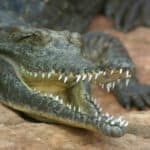
Saltwater crocodile Crocodylus porosus
Freshwater crocodile Crocodylus johnsoni
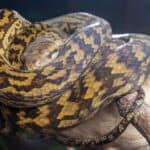
Amethystine python Simalia amethistina
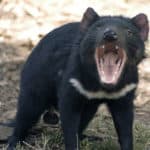
Tasmanian devil Sarcophilus harrisii
Human Homo sapiens

Related Species 5

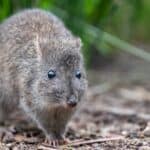
Potoroos and bettongs Potoroidae Shared Order
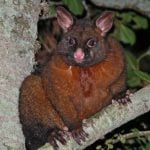
Ringtail and brushtail possums Diprotodontia Shared Order
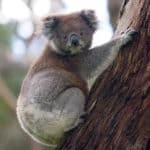
Koala Phascolarctos cinereus Shared Order
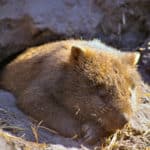
Wombat Vombatidae Shared Order
Quokkas and wallabies Macropodidae Shared Family

Ecological Equivalents 5

Animals that fill a similar ecological role in their ecosystem

European rabbit Oryctolagus cuniculus Overlaps strongly with many macropods in Australia as a medium-sized grazing and browsing herbivore; can share pasture resources and influence vegetation structure.
Wallabies Macropodidae Occupy similar herbivore niches across many of the same habitats; differ mainly in body size, habitat preference, and foraging strategy.
Wildebeest/antelope Connochaetes spp.; Antilopinae Functional ecological parallel: cursorial, grazing herbivores in open habitats. Macropods fill a comparable role in Australian ecosystems, using hopping locomotion rather than running.
Deer Cervidae Where present, can act as similarly sized browsing and grazing herbivores, competing for understory and pasture vegetation; degree of overlap varies by region.
Tree sloths Bradypus spp.; Choloepus spp. Tree-kangaroos (Dendrolagus) converge on an arboreal leaf- and fruit-eating niche in forest canopies, but differ substantially in locomotion and phylogenetic lineage.

Types of Kangaroo

15

Explore 15 recognized types of kangaroo

Red kangaroo Osphranter rufus
Eastern grey kangaroo Macropus giganteus
Western grey kangaroo Macropus fuliginosus
Antilopine kangaroo Osphranter antilopinus
Common wallaroo (euro) Osphranter robustus
Agile wallaby Notamacropus agilis
Tammar wallaby Notamacropus eugenii
Bennett's wallaby (red-necked wallaby) Notamacropus rufogriseus
Swamp wallaby Wallabia bicolor
Quokka Setonix brachyurus
Quoll-like rock-wallabies (example: black-flanked rock-wallaby) Petrogale lateralis
Lumholtz's tree-kangaroo Dendrolagus lumholtzi
Goodfellow's tree-kangaroo Dendrolagus goodfellowi
Red-legged pademelon Thylogale stigmatica
Tasmanian pademelon Thylogale billardierii

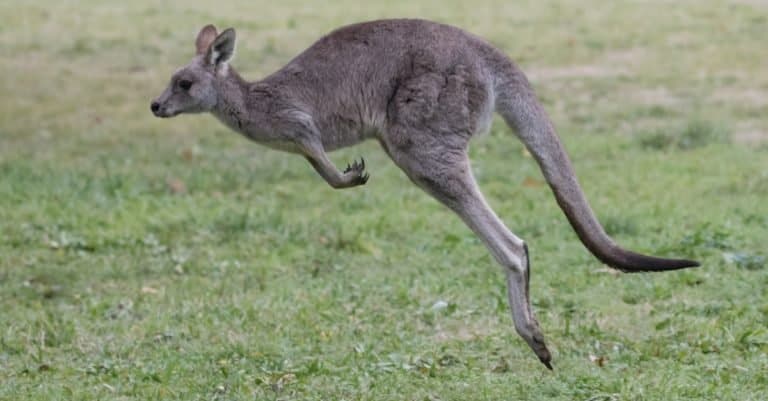
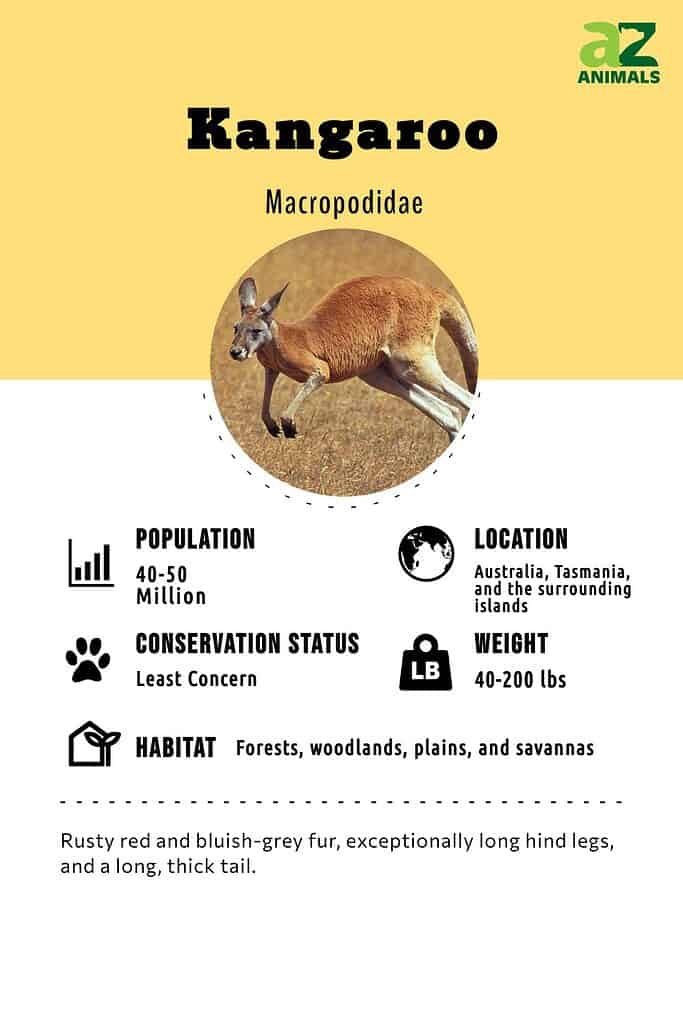
The kangaroo is among the most remarkable leapers of the animal kingdom. They are also bipedal, meaning they walk on two legs.

When it’s in motion, the kangaroo hops completely clear off the ground, covering up to 30 feet in a single swift motion. No other large animal of this size has the same ability. As the national symbol of Australia, the kangaroo adorns a coat of arms, coins, and even the logos of sports teams and organizations. It has adapted very well to the presence of humans.
👁 Image

5 Incredible Kangaroo Facts!

  • The name kangaroo was adapted into English from the aboriginal term ganguru. This was a Guugu Yimithirr word that specifically referred to the eastern grey kangaroo.
  • Despite their important status in the Australian culture, these animals are still harvested for their skin and meat. These body parts are made into rugs, clothing, and even pet food.
  • Like many grazing animals, the kangaroo breaks down vegetation via microbes in the gut. This fermentation process normally releases huge amounts of methane into the atmosphere when the animal burps, exhales, or farts. It’s actually believed that kangaroos produce less methane than other grazing animals, though how much less, and for what reason, is an open question.
  • The evidence suggests that marsupials may have evolved the hopping ability some 20 million years ago, but it wasn’t until the expansion of grasslands across Australia some 3 to 5 million years ago that kangaroos really began to spread.
  • A giant short-faced kangaroo, which weighed some 500 pounds, once prowled the continent. The facts suggest that it was too large to hop, but probably shuffled around on its two feet. They went extinct around the same time humans first arrived in Australia.
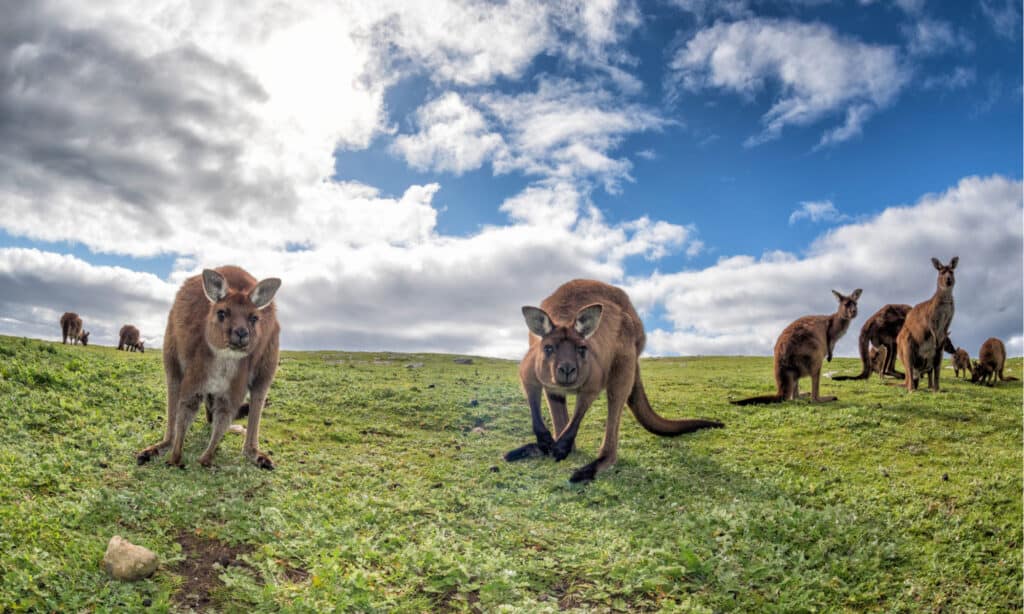
👁 Kangaroo Island Kangaroos

The kangaroo has adapted fairly well to the presence of humans.

©Andrea Izzotti/Shutterstock.com

Scientific Name

The kangaroo is formally defined as several large, hopping marsupials in the genus Macropus. This scientific name derives from the word macropod, which means “large foot” in Latin. The four main species in this classification are the red kangaroo, the western gray kangaroo, the eastern gray kangaroo, and the antilopine kangaroo. The black wallaroo and common wallaroo are also sometimes considered to be a true kangaroo as well. The wallaby is not considered to be a true kangaroo, but it’s similar enough to be a member of the same genus classification, Macropus. All of these species are part of the same family, which goes by the scientific name of Macropodidae.

Kangaroo vs. Wallaby

The difference between a kangaroo, a wallaroo, and a wallaby mostly comes down to size. Kangaroos are the largest members of the genus, while wallabies are the smallest. Wallaroos, as the name implies, have an intermediate size between the kangaroo and the wallaby. Otherwise, their anatomy is fairly similar.

Appearance

This animal’s most important anatomical feature is the exceptionally long hind legs. These legs are specifically adapted for bipedal hopping at distances up to 30 feet and a height of up to 10 feet. The animal has a unique arrangement of digits. Each hind foot consists of four individual toes, but only the big toe bears most of the animal’s weight. The second and third toes are actually fused together and highly reduced. The kangaroo’s hands have five digits and sharp claws. They are somewhat similar to human arms, but they lack opposable thumbs.

These animals also have a unique body shape to match its lifestyle. The body is defined by the big, arched back and a comparatively small head that ends in a sleek snout and big rounded ears. Another important feature is the long, thick tail, which serves as a kind of third leg to help it properly balance on the ground. The kangaroo’s coat color can vary between a rusty red and bluish-grey.

These animals take the crown as the world’s largest marsupial. Depending on the species, it stands about 3 to 7 feet tall and weighs 40 to 200 pounds. Females (also known as jills or does) are slightly smaller compared with males (which are called jacks or boomers). Females also have a forward-opening pouch with four teats.
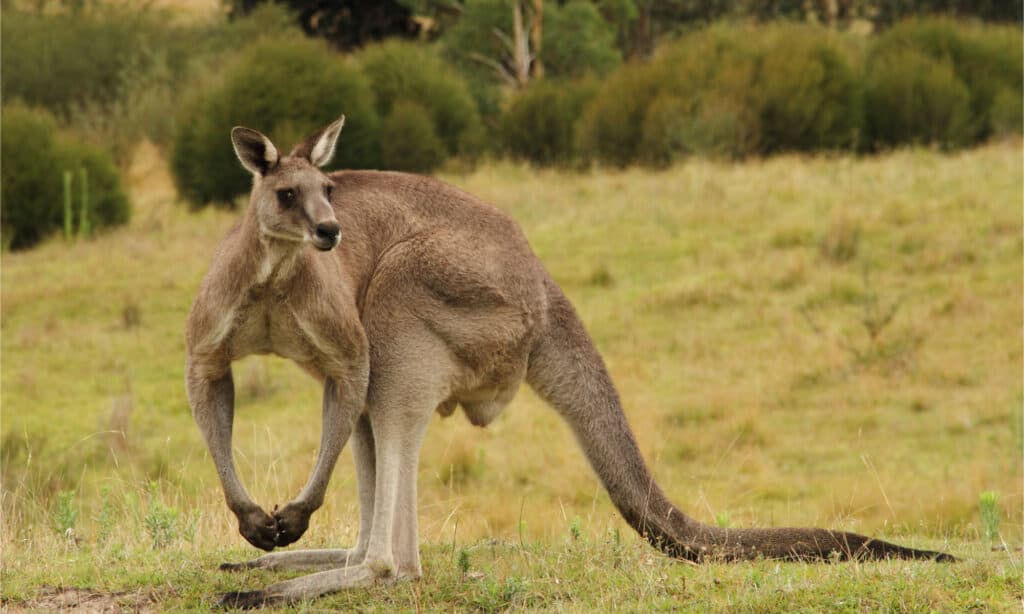
👁 Muscular male kangaroo

The kangaroo has a long, thick tail, and its coat color can vary between rusty red and bluish-grey.

©Katarina Christenson/Shutterstock.com

4 Types of Kangaroos

  • Eastern Grey – The Eastern Grey Kangaroo is the second-largest kangaroo species, eastern greys are found in the eastern third of Australia and are quite abundant. There’s also a population on the island of Tasmania. The habitat range overlaps with the red kangaroo, but the two species are easy to differentiate, with the eastern grey sporting soft grey fur. Eastern grey kangaroos also prefer generally wetter climates than the red.
  • Western Grey – The Western Grey Kangaroo lives along large portions of the southern coast of Australia from Perth to the border with Victoria. A small part of its range overlaps with the larger eastern grey kangaroo, but the two species never interbreed in the wild. They have a grey to brown coat, with paler shades around the chest, belly, and front of the neck. It is often difficult to tell them apart from the eastern grey, but the westerns generally have darker grey-brown fur and occasionally have a patch of black around the elbow.
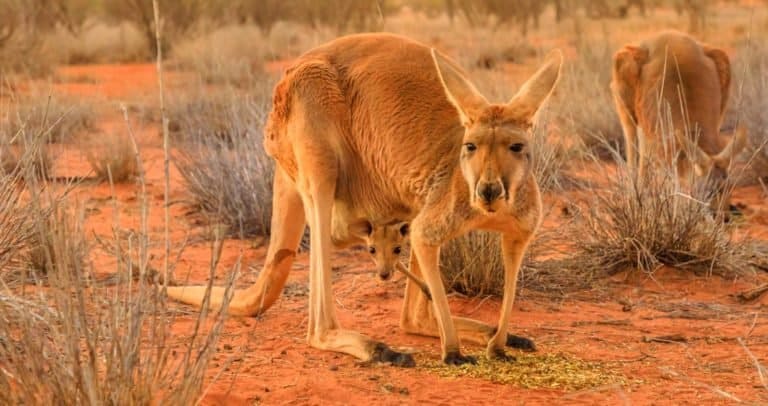
  • Red – The Red Kangaroo is the largest kangaroo species on earth and is the national animal of Australia. It can be found in most of the continent’s interior and along some of the northwestern coast. Compared to the eastern grey, the red prefers more arid climates with scrubland, grasses, and the occasional tree grove to shelter under. They are highly adaptive, adjusting well to human presence and sometimes eating into farmers’ fields.
  • Antilopine – The Antilopine Kangaroo is the smallest kangaroo and is sometimes referred to as the Antilopine wallaroo. They live along the northern coast of Australia from the Cape York peninsula to the Kimberly region. Coloration varies but generally consists of an overall gray with a reddish-tan color covering the back and parts of the head. The underbelly is usually a cream color.

Evolution and History

The ancestors of the kangaroo diverted from other tree-dwelling marsupials and evolved into a ground-dwelling descendant between 3 to 15 million years ago. Marsupials have a distinctive pouch that helps mothers care for their young.

Somewhere along the timeline, they developed their signature hopping method of movement that makes them so remarkable today. Scientists are not sure exactly why this adaption happened, but hopping does appear to be an efficient form of locomotion.

As unusual as it sounds, Kangaroos have been able to adapt fairly well to the presence of humans and farming, while many of their cousin marsupials have not faired so well. They are also so prevalent that they are killed as game for their lean meat and also to reduce them as a pest population.

Behavior

The kangaroo is a highly social animal that likes to congregate in groups of between 10 and 100 individuals at a time, which are known as mobs, troops, or herds. The most common social arrangement involves a group of females, their offspring, and one or more males. However, since individuals can move around independently, these mobs only have a loose organization. The primary benefit is that groups offer protection and security for all of their members. An individual can signal the presence of danger by beating its tail against the ground.

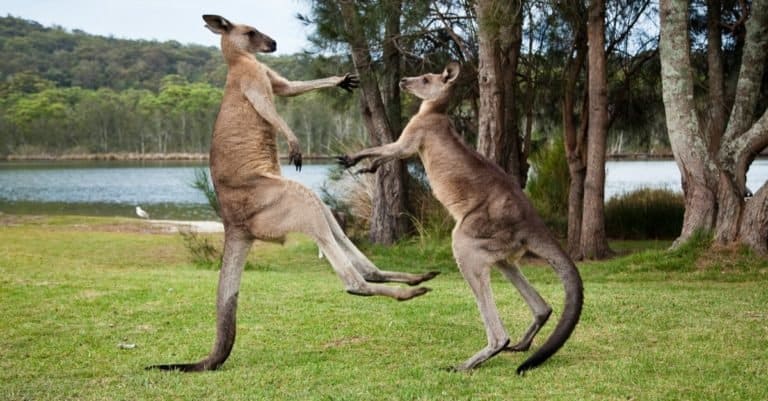
These animals have numerous other ways to communicate with each other. These include eye contact, sniffing, touching, and vocalizations. They will seek to avoid confrontation when they can, but both males and females may fight each other for limited resources. The familiar boxing behavior for which they are known is a male-only competition to determine who gets access to females. These matches take a ritualized form in which one male issue a challenge and the other male can accept or decline. The males will lock arms, push each other, and kick out while standing on the tail.

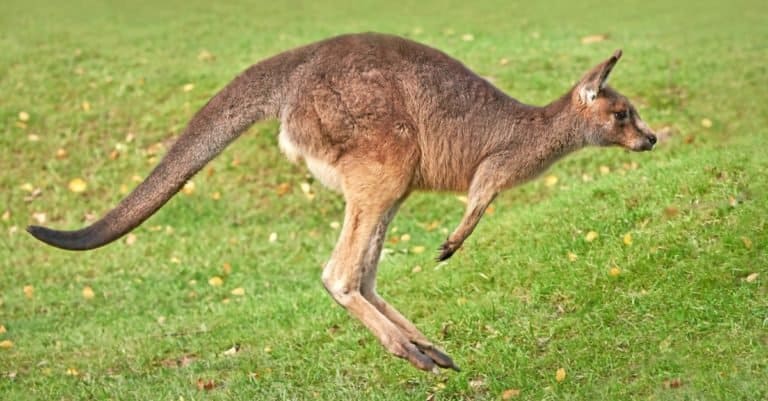
The kangaroo is a very fast and agile animal that can achieve a top speed of about 40 mph and a consistent speed of around 20 to 25 mph. Because of its powerful leg muscles and big tail, the kangaroo actually expends less energy at this moderate cruising speed than at slower speeds. This allows it to outlast predators who may grow weary of the chase.

Kangaroos have the ability to feed at all hours of the day. However, they are most active at night or in other periods of low light. Most individuals stay within a well-defined home range and don’t move around too much except when they’re pursued.
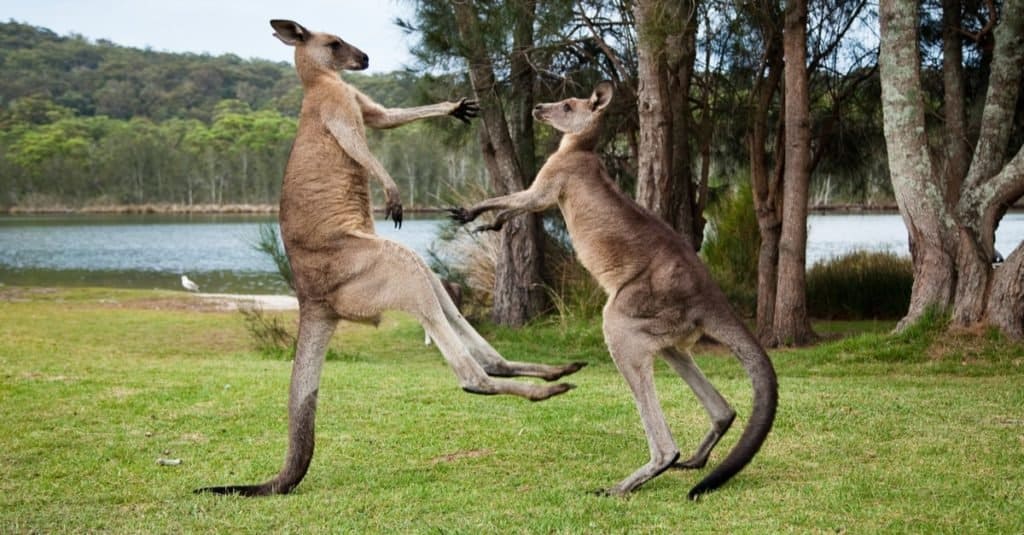
👁 Kangaroo males boxing on the shore of a lake

Kangaroo males will lock arms, push each other, and kick when fighting over females.

©Breathes/Shutterstock.com

Habitat

The kangaroo is found exclusively in Australia, Tasmania, and the surrounding islands. Each species has a different geographical range. The red kangaroo, which has the widest range, can be found all over the open plains of inland Australia. The eastern and western grey kangaroo species are found in the east and west, respectively. The antilopine kangaroo occupies the northern part of the country.

Kangaroos can live in a wide variety of different habitats, including grasslands, savannas, and bushlands with sparse woods or no trees at all. They are well-adapted for life in hot, dry conditions and can survive for long periods of time without water.

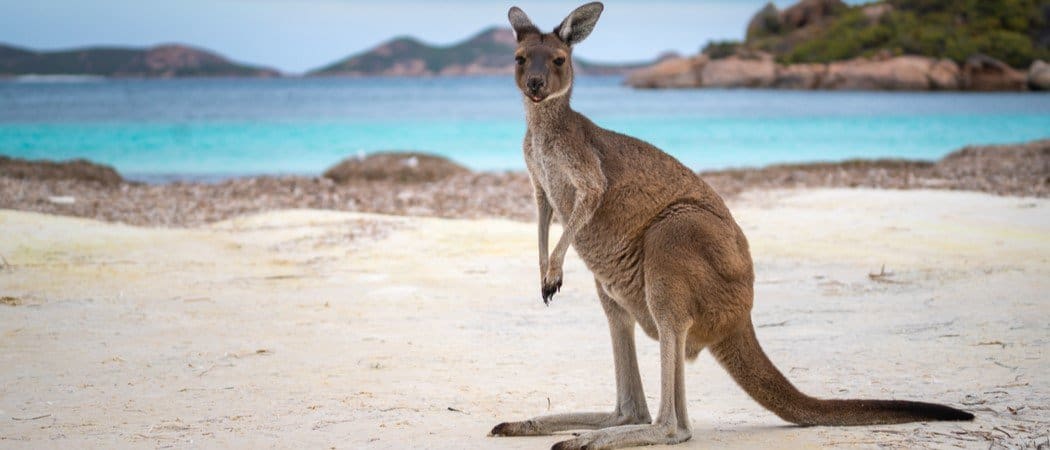
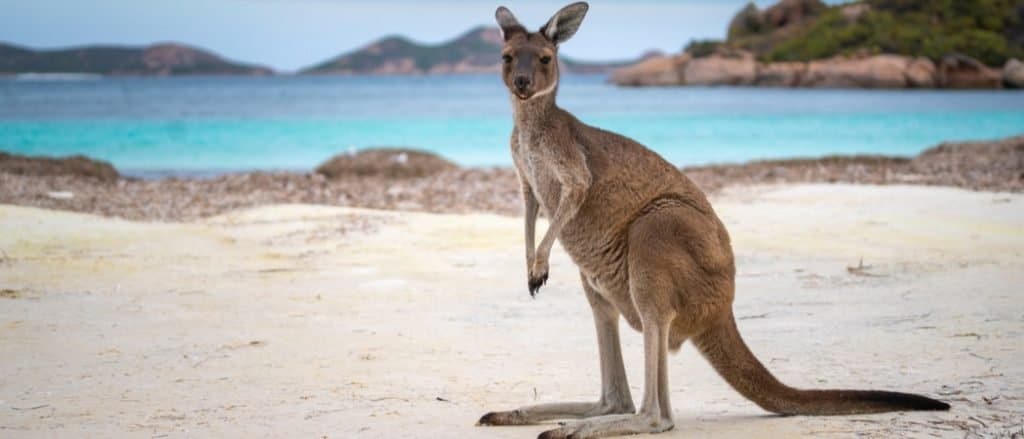
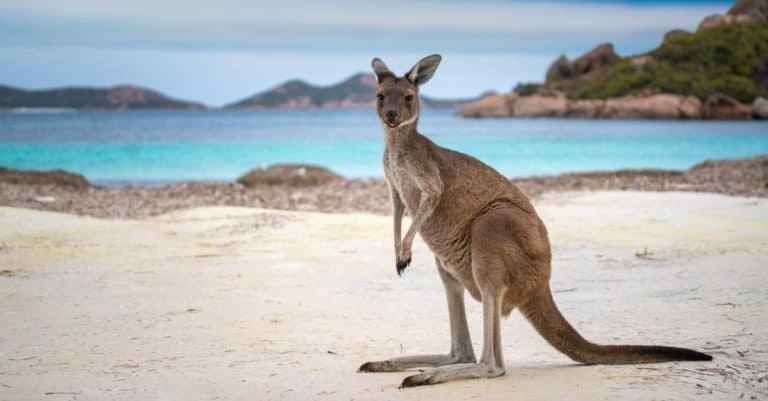
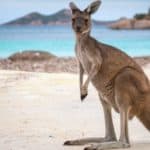
👁 Kangaroo at Lucky Bay in the Cape Le Grand National Park near Esperance, Western Australia

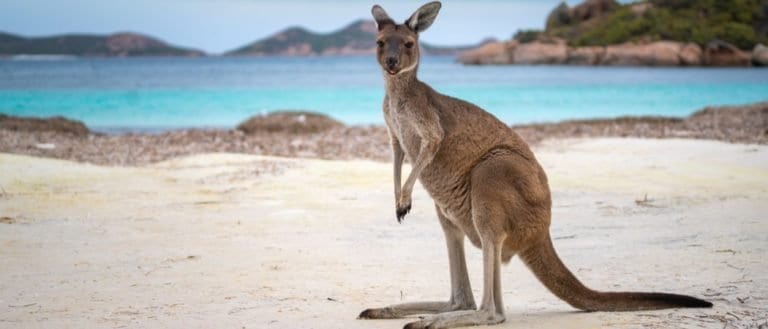
The kangaroo is native to Australia and Tasmania.

©anek.soowannaphoom/Shutterstock.com

Diet

The kangaroo has an herbivorous diet, which is reflected in its highly specialized anatomy. Like a cow, it has a multi-chambered stomach that allows it to digest tough plant material and draw out nutrients. The kangaroo also has the ability to regurgitate the food and chew it again to completely break down the material. The kangaroo’s sharp incisors are specialized for cutting vegetation close to the ground, while the flatter molars are specialized for grinding up the vegetation.

What does the kangaroo eat?

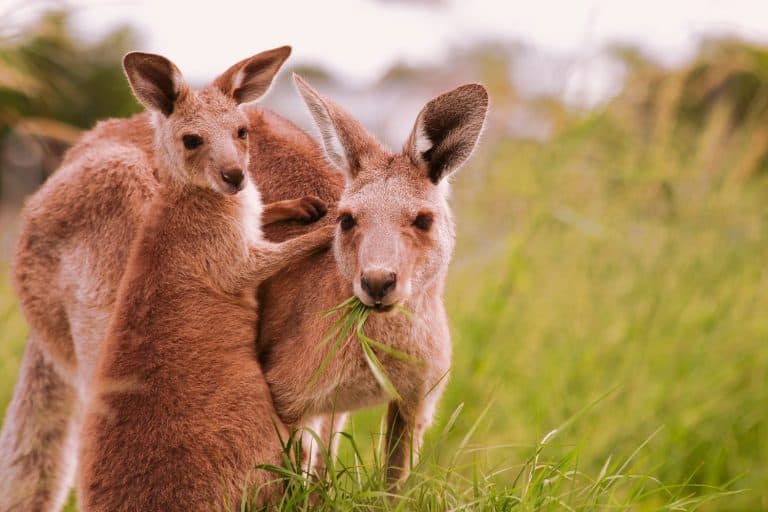
The kangaroo’s diet largely consists of grass, shrubs, and many different types of flowering plants.
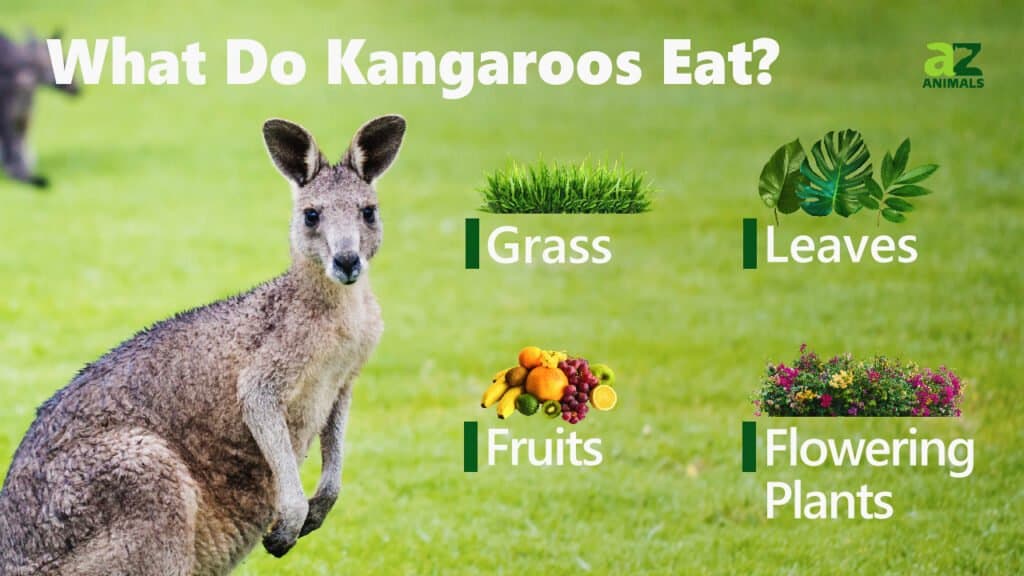
👁 Image
Kangaroos eat grass, leaves, fruits, and flowering plants.

Predators and Threats

These animals are hunted by both people and other animals. They have been used as food and resources since people first arrived on the island some tens of thousands of years ago. Even today, many thousands of kangaroos are hunted and culled every year. Despite the large number of kangaroos killed, this has had minimal effect on their conservation status. In fact, like deer in the United States, kangaroo hunting is regulated and even encouraged as a way to control wild population numbers.

What eats the kangaroo?

A fully grown adult kangaroo has few natural predators in the wild. However, dingoes, feral cats, foxes, and raptors, many of which have been introduced by humans over the millennia, do sometimes feed on juveniles or dead kangaroos.

Reproduction, Babies, and Lifespan

The kangaroo is not limited to a single established breeding season. Instead, it can choose to mate at any time throughout the year as circumstances dictate. This means it is more likely to reproduce when resources are particularly bountiful. Kangaroos engage in a brief courtship period but do not form long-term pair bonds after copulation. Since reproduction is a bit of a free for all, males compete with each other to monopolize access to females. The male plays no other role in the development of the young.

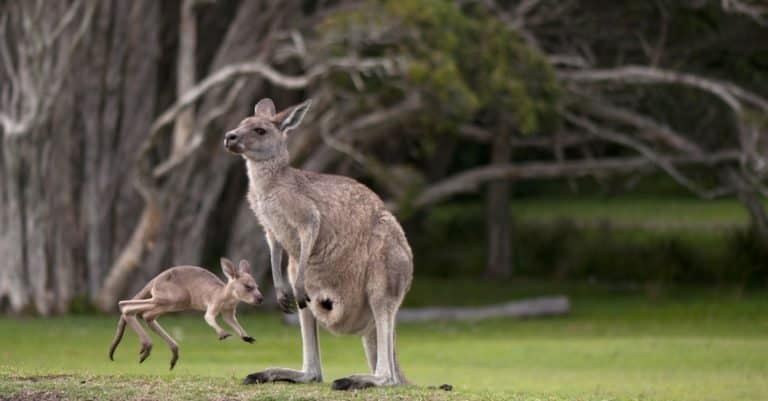
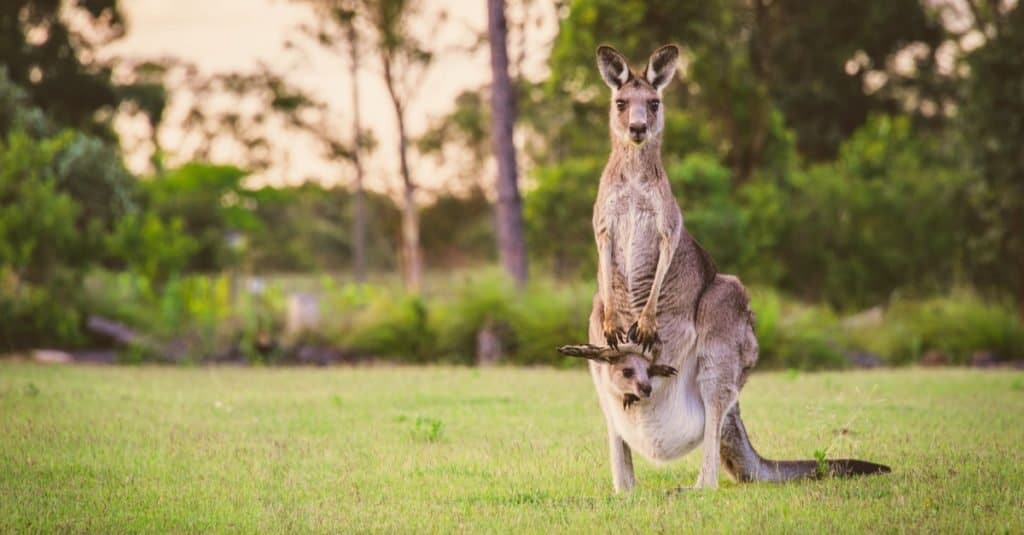
After a month-long gestation period, the young joey is born hairless, helpless, and completely blind, measuring no more than an inch in size. The first thing it does is crawl into the mother’s pouch and attach it to her teat. It remains there for 120 to 400 days. Even after it emerges from the pouch, the young kangaroo will remain with its mother for another year and a half, growing to its adult size.

If resources are particularly plentiful, then the mother has the ability to take care of three offspring at the same time: the undeveloped embryo, the joey inside of the pouch, and a joey outside of the pouch. The embryo can enter a dormant state, known as diapause, for as long as necessary until the other baby has left the pouch. The mother’s anatomy is specifically adapted to deal with this. She has the ability to produce two different types of milk, one for the newborn joey and one for the larger juvenile. This allows her to maximize the number of offspring she can raise at one time. It may help the kangaroo recover quickly from long periods of drought, during which time reproduction is suspended to conserve resources for the mother.

If the joey’s development goes smoothly, then it can expect to reach sexual maturity within the first two years of age. The life expectancy of the typical kangaroo is around 20 years in the wild, though some individuals have been known to live longer.
👁 Animal Facts: A Baby Kangaroo

If a joey is still in the pouch of a pregnant kangaroo, the younger sibling can enter a dormant state called embryonic diapause.

©IntoTheWorld/Shutterstock.com

Population

According to the IUCN Red List, the current classification of the four kangaroo species, plus the common wallaroo, is least concern. Only the black wallaroo is considered to be near threatened. The best population estimates suggest that tens of millions of kangaroos roam across Australia.

In the Zoo

The San Diego Zoo is one of the major destinations in the United States for both red and gray kangaroos and several wallaby species. Their Walkabout Australia section, which opened at the Safari Park in 2018, allows visitors to walk along the pathways among the grassy habitat and get an up-close view of the animals. Other major destinations include the Denver Zoo, Saint Louis Zoo, Detroit Zoo, Cincinnati Zoo and Botanical Garden, Philadelphia Zoo, Dallas Zoo, San Francisco Zoo, Columbus Zoo and Aquarium, and much more.
👁 Image

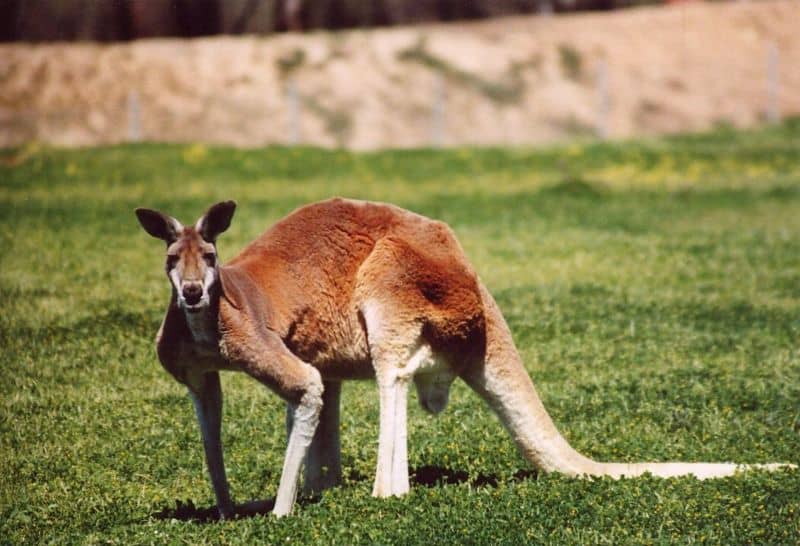
There are many zoos across the United States that have kangaroos, and the San Diego Zoo has a special trail that brings visitors very close to kangaroos!

©Rileypie – Public Domain

View all 103 animals that start with K

Sources

  1. San Diego Zoo / Accessed February 28, 2021
  2. Britannica / Accessed February 28, 2021

About the Author

Heather Ross

Heather Ross is a secondary English teacher and mother of 2 humans, 2 tuxedo cats, and a golden doodle. In between taking the kids to soccer practice and grading papers, she enjoys reading and writing about all the animals!

Thank you for reading! Have some feedback for us?

Contact the AZ Animals editorial team

Related Articles You May Find Interesting

👁 Image
Articles

Leaf Lovers: Exploring Koala Habits in a Five-Day Unit Plan

👁 Image
Articles

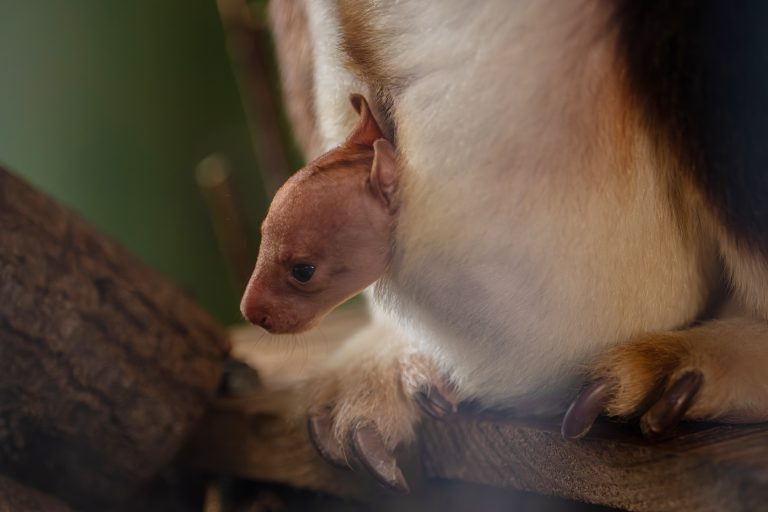
A Rare ‘Miracle’ at Chester Zoo: Endangered Tree Kangaroo Joey Peeks Out of Mother’s Pouch for the First Time

👁 Image
Articles

Backpack Frog Battles: How Evolution Turned Motherhood Into Armor


Kangaroo FAQs (Frequently Asked Questions)

Kangaroos are Omnivores, meaning they eat both plants and other animals.

Kangaroos belong to the Kingdom Animalia.

Kangaroos belong to the class Mammalia.

Kangaroos belong to the phylum Chordata.

Kangaroos belong to the family Macropodidae.

Kangaroos belong to the order Diprotodontia.

Kangaroos are covered in fur.

Kangaroos live in dry forests, deserts, and grasslands.

Kangaroos eat grass, seeds, and flowers.

Predators of Kangaroos include humans and dingos.

The average number of babies a Kangaroo has is 2.

Female Kangaroos have a deep pouch on their front!

Kangaroos can live for 4 to 10 years.

A Kangaroo can travel at speeds of up to 35 miles per hour.

Kangaroos are shy and withdrawn by nature. They will rarely attack humans without being provoked first. However, they are best avoided, since if they do attack, their kicks can do serious harm to a person. Only an experienced kangaroo expert should attempt to make friends with this animal.

Kangaroos and wallabies are anatomically similar. The main difference is the wallaby’s much smaller size.

A baby kangaroo is called a joey.

One of the most remarkable facts about the kangaroo is that it can jump up to 10 feet high.

Kangaroo meat is supposed to taste a little like beef. The meat is almost always sourced from wild animals that are hunted as a means of population control. When one species starts over-breeding, licensed hunters are allowed to cull the extra population.

A kangaroo would win a fight against a human being.

A gorilla would win a fight against a kangaroo.