








K
Species Profile

Keagle

Canis lupus familiaris

Big nose, bigger heart.
Maria Sabala/Shutterstock.com

Keagle Distribution

Click a location to explore more animals from that region

Origin Location

This map shows the native origin of the Keagle. As a domesticated species, they are now found worldwide.

Loading map...

Size Comparison

Human 5'8"
Keagle 1 ft 2 in

Keagle stands at 21% of average human height.

At a Glance

Domesticated
Also Known As Domestic dog, House dog
Diet Omnivore
Activity Diurnal+
Lifespan 12 years
Weight 16 lbs
Status Not Evaluated
Did You Know?

Keagles are not a standardized kennel-club breed; they're a Beagle-Cavalier King Charles Spaniel cross.

Scientific Classification

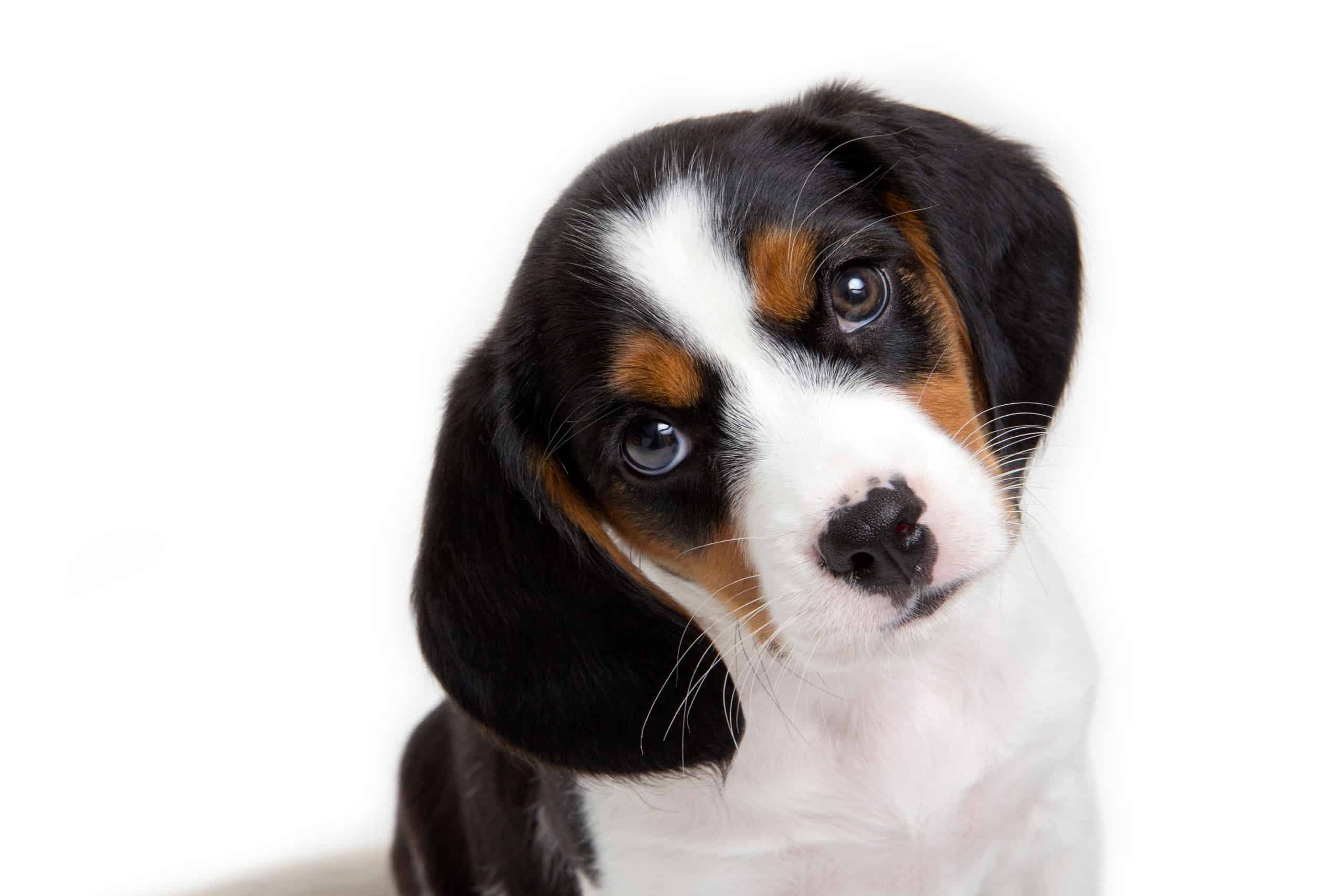
The Keagle is a mixed-breed domestic dog type produced by crossing a Beagle with a Cavalier King Charles Spaniel (often called a Beaglier). Individuals vary in size, coat, and temperament, typically combining scent-hound traits with companion-dog sociability.

Kingdom
Animalia
Phylum
Chordata
Class
Mammalia
Order
Carnivora
Family
Canidae
Genus
Canis
Species
Canis lupus

Distinguishing Features

  • Medium-small companion hound mix
  • Drop ears typical of both parent breeds
  • Often a short to medium, silky coat
  • May inherit strong scenting instincts
  • Generally friendly, people-oriented demeanor

Physical Measurements

Males and females differ in size

Height
β™‚ 1 ft 3 in (1 ft 1 in – 1 ft 4 in)
♀ 1 ft 1 in (12 in – 1 ft 3 in)
Length
β™‚ 2 ft 4 in (1 ft 12 in – 2 ft 8 in)
♀ 2 ft 4 in (1 ft 12 in – 2 ft 9 in)
Weight
β™‚ 24 lbs (18 lbs – 31 lbs)
♀ 19 lbs (13 lbs – 24 lbs)
Tail Length
β™‚ 9 in (7 in – 12 in)
♀ 8 in (6 in – 10 in)
Top Speed
20 mph
running

Appearance

Primary Colors
Secondary Colors
Skin Type Short-medium coat
Distinctive Features
  • Beagle-like floppy ears with Cavalier-style feathering possible
  • Large, soft eyes; expressive "spaniel" face common
  • Moderate muzzle length; stronger scenting focus than many companion dogs
  • Coat ranges smooth to lightly wavy; moderate seasonal shedding
  • Often carries a white-tipped tail; hound-style tail carriage when alert
  • Scent drive can override recall; leash training strongly recommended
  • Prone to ear infections; routine ear checks and drying after baths
  • Potential mitral valve disease risk; consider regular cardiac screening
  • Possible patellar luxation/hip dysplasia; maintain lean weight and conditioning
  • Food-motivated and obesity-prone; measured meals and daily exercise needed
  • Positive-reinforcement training works best; distractions require high-value rewards
  • Enjoys scent games and long walks; mental enrichment reduces barking/howling

Sexual Dimorphism

Sexual dimorphism is mild: males are typically slightly larger and more muscular, while females often appear a bit finer-boned. Coat length, color pattern, and ear feathering vary more by individual than by sex.

β™‚
  • Slightly broader head and chest; thicker neck
  • More pronounced musculature in shoulders and forequarters
♀
  • Slightly finer bone structure; narrower head
  • Often a lighter overall build with similar coat variation

Did You Know?

Keagles are not a standardized kennel-club breed; they're a Beagle-Cavalier King Charles Spaniel cross.

Many inherit the Beagle's powerful nose, making scent games and tracking walks especially rewarding.

Floppy ears and a medium muzzle can amplify "follow-the-scent" behavior, complicating off-leash recall training.

Coats vary from short to medium length, often with Beagle-style tricolor or Cavalier-style Blenheim markings.

Common screening priorities include Cavalier heart disease risk and Beagle-leaning tendencies toward obesity and ear issues.

Temperament often blends a merry hound's curiosity with a lap-dog's affection and people-focused sociability.

They typically need daily exercise plus mental enrichment; boredom can trigger baying or household mischief.

Unique Adaptations

  • Enhanced olfactory performance from Beagle ancestry supports scentwork, tracking games, and puzzle feeders as enrichment.
  • Drop ears can trap moisture; regular ear checks help prevent infections common in many floppy-eared dogs.
  • Moderate size and friendly demeanor suit therapy-style companionship when well-socialized and calmly trained.
  • Soft, expressive facial features and sociable temperament reflect domestication traits distinct from wild Canis lupus.
  • Energy "burst then cuddle" pattern: active play periods often followed by strong relaxation and lap-seeking.
  • Flexible coat types tolerate varied climates, but extremes still require shade, hydration, and appropriate winter protection.

Interesting Behaviors

  • Scent-led wandering: they may zigzag on walks, nose-down, following trails long after others lose interest.
  • Food-motivated learning: treats and praise boost training success, but sniffing distractions can interrupt focus.
  • Baying or vocal "hound talk": some inherit Beagle-like voice, especially when excited or frustrated.
  • Velcro companionship: many seek close contact, choosing couch cuddles after play and becoming shadow-like at home.
  • Selective recall: returning can be unreliable when a scent is stronger than a handler's cue.
  • Playful greeting style: tail-wagging, face-licking enthusiasm is common, especially with familiar people.

Cultural Significance

Keagles reflect modern "designer cross" culture, combining working scent-hound heritage with royal companion-dog traditions, popularized by families seeking a friendly, trainable, medium-small pet.

Myths & Legends

King Charles II was so devoted to his toy spaniels that stories claim they followed him everywhere, even into important court business.

English hunting lore celebrates small scent hounds that could be followed on foot, a tradition that shaped the Beagle's cultural image.

Queen Elizabeth I's court kept tiny "pocket beagles," a famous historical anecdote often retold in breed histories.

From the 20th century onward, the Beagle's public persona grew through Snoopy, a cultural icon loosely tied to beagle popularity.

Conservation Status

NE Not Evaluated

Has not yet been evaluated against the criteria.

Population Stable

Life Cycle

Birth 5 pups
Lifespan 12 years

Lifespan

In the Wild 10–15 years
In Captivity 10–15 years

Reproduction

Mating System Polygynandry
Social Structure Managed Domestic
Breeding Season Year-round; females cycle 1-2 times yearly
Breeding Pattern Transient
Fertilization Managed Selective
Birth Type Internal_fertilization

Keagle (Beagle Γ— Cavalier) is a companion-oriented dog with scent-hound drive; variable size/coat. Breeding is human-arranged: selected stud and bitch mate via internal fertilization during estrus. Watch for ear infections, MVD/syringomyelia, and hip issues; provide exercise and training.

Behavior & Ecology

Social Pack Group: 3
Activity Diurnal, Crepuscular, Cathemeral
Diet Omnivore Chicken

Temperament

Affectionate
Sociable
Curious
Scent-driven
Food-motivated
Gentle
Sensitive
Alert
Biddable
Separation-prone
Weight-gain

Communication

barks
baying
whines
howls
intense sniffing
scent tracking
scent marking
tail wagging
body leaning
pawing
face licking
eye contact
ear and facial cues
avoidance when stressed
human-directed gazing
treat-seeking persistence
restlessness with boredom
scratching ears when irritated
panting when anxious

Habitat

Biomes:
Temperate Forest Temperate Grassland Mediterranean Boreal Forest (Taiga) Tundra Alpine Desert Hot Desert Cold Savanna Tropical Dry Forest Tropical Rainforest Freshwater Wetland Marine +8
Terrain:
Plains Hilly Valley Coastal Island
Elevation: Up to 16404 ft 3 in

Ecological Role

Human-associated omnivore companion; occasional small-prey hunter and scavenger.

companionship rodent control pest deterrence security alerting

Diet Details

Other Foods:
Cooked rice Oats Pumpkin Carrots Apples Blueberries Dental chews Low-calorie treats +2

Human Interaction

Domestication Status

Domesticated

Domestic dogs diverged from wolves via human association at least 15,000 years ago in Eurasia. The Keagle is a modern companion crossbreed typically described as Beagle Γ— Keeshond.

Danger Level

Low
  • bite if frightened or in pain
  • knockdowns from jumping, especially kids
  • allergic reactions to dander

As a Pet

Suitable as Pet

Legality: Generally legal as a domestic dog; local licensing applies.

Care Level: Moderate

Purchase Cost: $200 - $1,500
Lifetime Cost: $15,000 - $40,000

Economic Value

Uses:
Companionship Services Breeding
Products:
  • puppies
  • services

Relationships

Predators 5

Coyote Canis latrans
Gray wolf Canis lupus
Mountain lion Puma concolor
American alligator Alligator mississippiensis
Golden eagle Aquila chrysaetos

Related Species 7

Domestic dog Canis lupus familiaris Shared Subspecies
Gray wolf Canis lupus Shared Species
Coyote Canis latrans Shared Genus
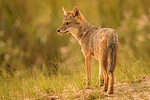
Golden jackal Canis aureus Shared Genus
Beagle Canis lupus familiaris Shared Subspecies
Cavalier King Charles Spaniel Canis lupus familiaris Shared Genus
Red fox Vulpes vulpes Shared Family

Ecological Equivalents 5

Animals that fill a similar ecological role in their ecosystem

Basset Hound Canis lupus familiaris Low-slung scent hound; similar nose-led tracking tendencies
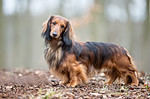
Dachshund Canis lupus familiaris Small companion hunter type; needs weight control and exercise
Cocker Spaniel Canis lupus familiaris Friendly companion spaniel; similar grooming and ear-care needs
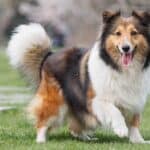
Shetland Sheepdog Canis lupus familiaris Small active family dog; needs daily mental and physical work
Labrador Retriever Canis lupus familiaris People-oriented, food-motivated; prone to obesity without management

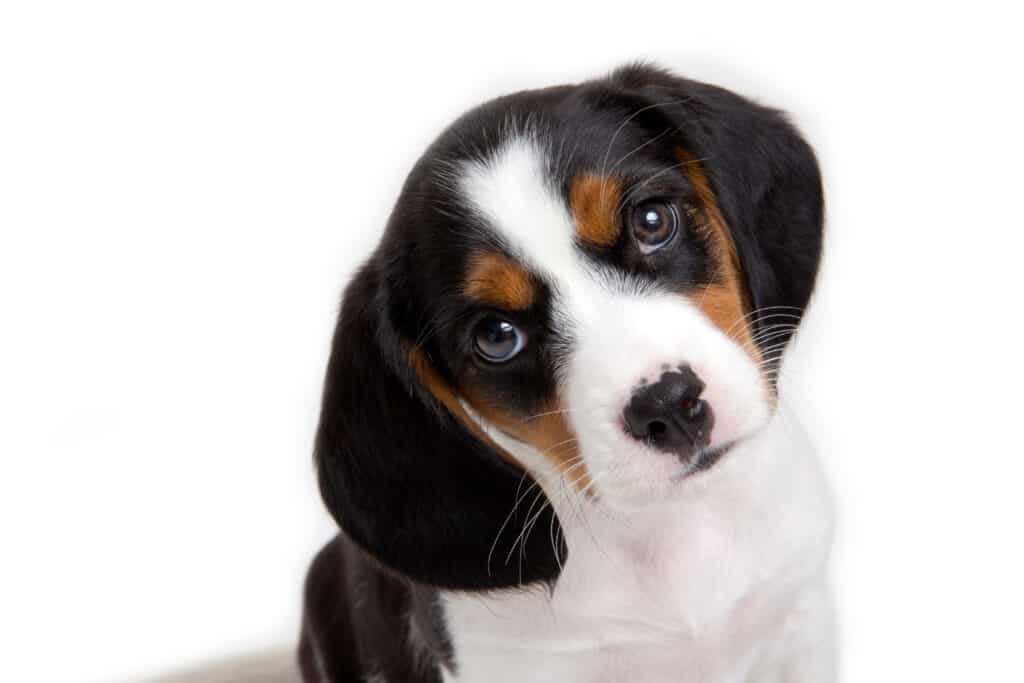
The Keagle is a designer breed that results from crossbreeding the Beagle and the Cavalier King Charles Spaniel. This breed was initially bred in Australia during the 1990s to create an easy-going and energetic dog. In addition, they hoped that mixing these two breeds would weed out some of the Beagles’ hunting instincts and scent drive.

Their hopes were verified as the Cavalier King Charles Spaniel brought some admirable traits into the mix. Keagles make an excellent family pet as they are small-medium in size, playful, gentle, and very affectionate. People also know this breed as Beagliers.

Three Pros And Cons Of Owning A Keagle

While Keagles are super cute, there are a few things dog lovers should know before purchasing one.

ProsCons
Grooming: Keagles don’t require a lot of groomingIntelligence: Keagles are not as intelligent as other breeds
Less Slobber: They are not big droolersAllergies: Not a great breed for allergy sufferers
Great with Children: This breed is excellent with childrenFrequent Bathing: These dogs can get quite stinky

The Best Dog Food For A Keagle

πŸ‘ Keagle / Beaglier

These adorable dogs are known for their love of children, strangers, and other animals because of their docile demeanor.

Β©L Galbraith/Shutterstock.com

Because Keagles are small, it is best to feed them high-quality dog food specifically formulated for small breeds. In addition, they need different food for each stage of their lives. For example, puppies require a special diet to help them grow, and seniors may need a low-calorie diet because they are not as active anymore.

As this breed is prone to weight gain, you should never free-feed them. Instead, they need 2 to 3 small meals throughout the day to keep them healthy and satisfied.

Size And Weight

Height (male)12 to 16 inches
Height (female)12 to 16 inches
Weight (male)10 to 20 pounds
Weight (female)10 to 20 pounds

Common Health Issues

πŸ‘ Beaglier lying on a lawn

They may be susceptible to the issues that plague their parent breeds, like glaucoma.

Β©Darkydoors/Shutterstock.com

Keagles, like most hybrids, are generally healthy dogs. But, unfortunately, they are susceptible to health issues plaguing their parent breeds. That’s why taking your Keagle for regular veterinary checkups is essential.

Health conditions that they are prone to may include:

But, despite their susceptibility to these health issues, Keagles can live a long and healthy life of 10 to 13 years.

Temperament
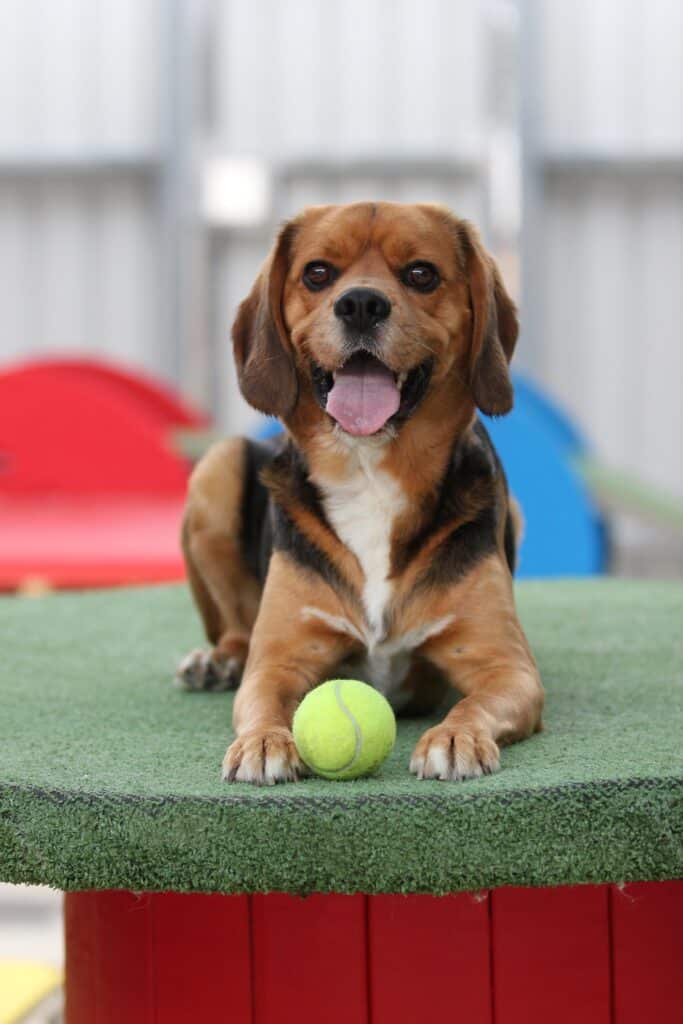
πŸ‘ Keagle / Beaglier

This breed was initially bred in Australia during the 1990s to create an easy-going and energetic dog.

Β©Kasey Leigh/Shutterstock.com

The Keagle is an interesting breed because it can be extraordinarily calm but also energetic at times. They are perfect for people who love the outdoors and exercise but like to stay home in the evenings and relax.

These adorable dogs are known for their love of children, strangers, and other animals because of their docile demeanor. But, at the same time, Keagles are playful and really affectionate.

While these pups aren’t that bright, they inherit a hunting spirit from the Beagle but make great companions because of their Cavalier King Charles Spaniel’s genetics. With these characteristics, they are the perfect breed for obedience training.

In fact, that is the entire reason why breeders decided to mix these two breeds. They were hoping to weed out the strong prey drive of the Beagle and create a dog that prefers companionship over hunting.

However, while Keagles enjoy relaxing at home with their owners, they also need to burn off some steam every day. That’s why they must go out for walks, hikes, or any sort of adventure daily.

Because of their obedient and calm nature, they are the perfect breed to take to a dog park where they can enjoy the company of other canine friends.

How To Take Care Of A Keagle

πŸ‘ Keagle

Keagles are heavy shedders; they are not the best breed for people who suffer from allergies.

Β©Maria Sabala/Shutterstock.com

 If you want your Keagle to live a long and happy life, you must ensure they receive the proper care.

Grooming

The Keagle’s coat varies in length depending on which parent they take after. Therefore, they can either have short or medium-length hair. In addition, they shed a lot, so brushing them at least three times a week is necessary. Because they are heavy shedders, they are not the best breed for people who suffer from allergies

Training

Keagles aren’t as clever as many other breeds and can sometimes be a bit stubborn. Therefore, they are considered moderately easy to train. Additionally, this breed is not recommended for first-time dog owners and is likely better suited for individuals with experience in training canines.

They respond best to positive reinforcement methods, including praise and treats. The best time to train a Keagle is when they are young puppies because of their stubborn streak. But the key to success with this breed is consistency and patience.

Exercise

The Keagle is an energetic breed that requires a lot of daily playtime and exercise. That’s why they are best suited for families who are active and home a lot. For example, owners can take them for walks or runs every day, or they can play in an enclosed backyard. In addition, they will need a lot of toys to keep them mentally stimulated; treat-based toys are always a winner.

Puppies

Keagles are a desirable hybrid because of their innocent and adorable appearance. In fact, they never grow out of this puppy look, even when they are fully grown.

The cost of this breed varies depending on the breeder’s reputation, location, and pedigree of the parent breeds, so they can cost between $1,200 and $2,000.

Female Keagles can give birth to 1 to 10 puppies per litter.

Keagle and Children

πŸ‘ A Beaglier plays on the beach (cross between a Beagle and a King Charles Spaniel)

Keagle dogs are very social animals with very friendly and calm personalities.

Β©Darkydoors/Shutterstock.com

These dogs can adapt to most situations because of their friendly and calm personalities. This makes them the best choice for families with young children. In addition, they are very social animals and thrive in households with more than one pet.

However, Keagles need to be socialized from a young age because of their hunting background. If they don’t get the proper training, they might try to catch smaller pets like cats or rabbits.


View all 103 animals that start with K

Sources

  1. Pet Guide / Accessed October 11, 2022
  2. Wag Walking / Accessed October 11, 2022
  3. Pet Keen / Accessed October 11, 2022

About the Author

Melissa Bauernfeind

Melissa Bauernfeind was born in NYC and got her degree in Journalism from Boston University. She lived in San Diego for 10 years and is now back in NYC. She loves adventure and traveling the world with her husband but always misses her favorite little man, "P", half Chihuahua/half Jack Russell, all trouble. She got dive-certified so she could dive with the Great White Sharks someday and is hoping to swim with the Orcas as well.
Connect:

Thank you for reading! Have some feedback for us?

Contact the AZ Animals editorial team

Related Articles You May Find Interesting


Keagle FAQs (Frequently Asked Questions)

Because of their obedient and calm nature, they are the perfect breed to take to a dog park where they can enjoy the company of other canine friends.

Keagles are affectionate and small enough to cuddle up in your lap.

Keagles are a small breed with males and females weighing around 10 to 20 pounds and measuring 12 to 16 inches in height.