






L
Species Profile

Lizard

Squamata

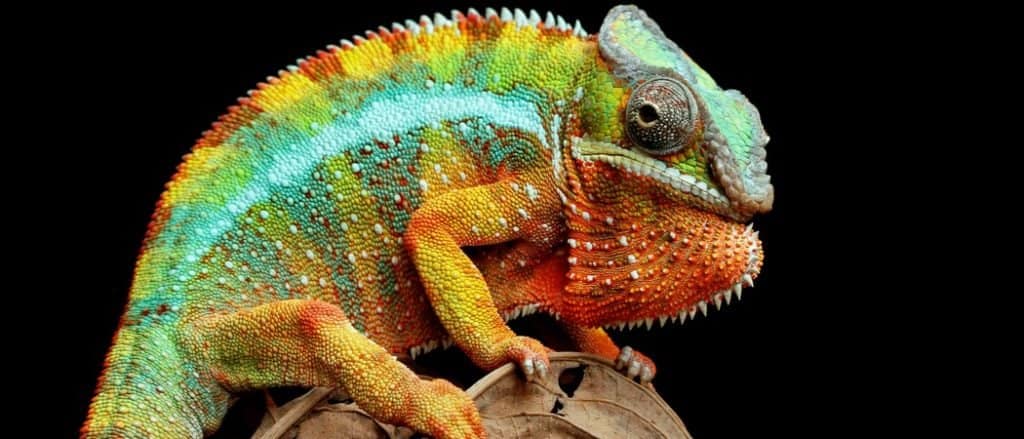
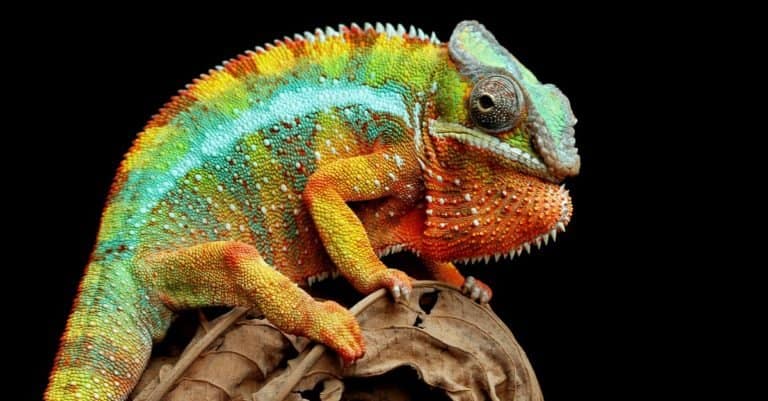
From geckos to dragons-lizard power
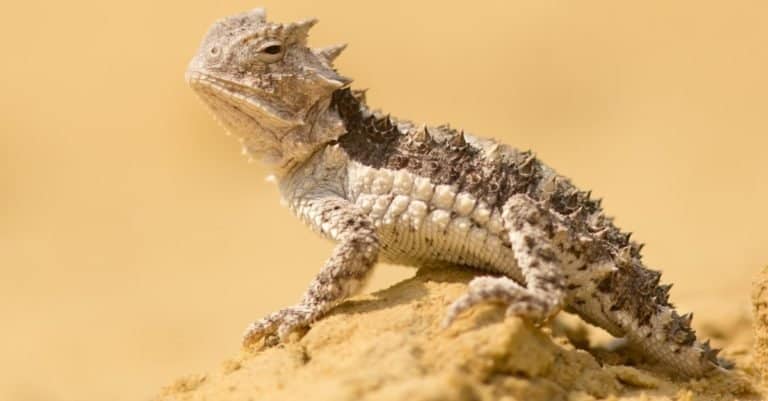
Kurit afshen/Shutterstock.com

Lizard Distribution

Click a location to explore more animals from that region

Invasive Species
Loading map...

Found in 157 countries

๐Ÿ‡ฆ๐Ÿ‡ช United Arab Emirates ๐Ÿ‡ฆ๐Ÿ‡ซ Afghanistan ๐Ÿ‡ฆ๐Ÿ‡ฑ Albania ๐Ÿ‡ฆ๐Ÿ‡ฒ Armenia ๐Ÿ‡ฆ๐Ÿ‡ด Angola ๐Ÿ‡ฆ๐Ÿ‡ท Argentina ๐Ÿ‡ฆ๐Ÿ‡น Austria ๐Ÿ‡ฆ๐Ÿ‡บ Australia ๐Ÿ‡ฆ๐Ÿ‡ฟ Azerbaijan ๐Ÿ‡ง๐Ÿ‡ฆ Bosnia and Herzegovina ๐Ÿ‡ง๐Ÿ‡ฉ Bangladesh ๐Ÿ‡ง๐Ÿ‡ช Belgium ๐Ÿ‡ง๐Ÿ‡ซ Burkina Faso ๐Ÿ‡ง๐Ÿ‡ฌ Bulgaria ๐Ÿ‡ง๐Ÿ‡ญ Bahrain ๐Ÿ‡ง๐Ÿ‡ฎ Burundi ๐Ÿ‡ง๐Ÿ‡ฏ Benin ๐Ÿ‡ง๐Ÿ‡ณ Brunei Darussalam ๐Ÿ‡ง๐Ÿ‡ด Bolivia ๐Ÿ‡ง๐Ÿ‡ท Brazil ๐Ÿ‡ง๐Ÿ‡ธ Bahamas ๐Ÿ‡ง๐Ÿ‡น Bhutan ๐Ÿ‡ง๐Ÿ‡ผ Botswana ๐Ÿ‡ง๐Ÿ‡ฟ Belize ๐Ÿ‡จ๐Ÿ‡ฆ Canada ๐Ÿ‡จ๐Ÿ‡ฉ Democratic Republic of Congo ๐Ÿ‡จ๐Ÿ‡ฌ Republic of Congo ๐Ÿ‡จ๐Ÿ‡ญ Switzerland ๐Ÿ‡จ๐Ÿ‡ฎ Cรดte d'Ivoire ๐Ÿ‡จ๐Ÿ‡ฑ Chile ๐Ÿ‡จ๐Ÿ‡ฒ Cameroon ๐Ÿ‡จ๐Ÿ‡ณ China ๐Ÿ‡จ๐Ÿ‡ด Colombia ๐Ÿ‡จ๐Ÿ‡ท Costa Rica ๐Ÿ‡จ๐Ÿ‡บ Cuba ๐Ÿ‡จ๐Ÿ‡พ Cyprus ๐Ÿ‡ฉ๐Ÿ‡ช Germany ๐Ÿ‡ฉ๐Ÿ‡ฏ Djibouti ๐Ÿ‡ฉ๐Ÿ‡ด Dominican Republic ๐Ÿ‡ฉ๐Ÿ‡ฟ Algeria ๐Ÿ‡ช๐Ÿ‡จ Ecuador ๐Ÿ‡ช๐Ÿ‡ฌ Egypt ๐Ÿ‡ช๐Ÿ‡ท Eritrea ๐Ÿ‡ช๐Ÿ‡ธ Spain ๐Ÿ‡ช๐Ÿ‡น Ethiopia ๐Ÿ‡ซ๐Ÿ‡ฏ Fiji ๐Ÿ‡ซ๐Ÿ‡ท France ๐Ÿ‡ฌ๐Ÿ‡ฆ Gabon ๐Ÿ‡ฌ๐Ÿ‡ง United Kingdom ๐Ÿ‡ฌ๐Ÿ‡ช Georgia ๐Ÿ‡ฌ๐Ÿ‡ซ French Guiana ๐Ÿ‡ฌ๐Ÿ‡ญ Ghana ๐Ÿ‡ฌ๐Ÿ‡ฒ Gambia ๐Ÿ‡ฌ๐Ÿ‡ณ Guinea ๐Ÿ‡ฌ๐Ÿ‡ถ Equatorial Guinea ๐Ÿ‡ฌ๐Ÿ‡ท Greece ๐Ÿ‡ฌ๐Ÿ‡น Guatemala ๐Ÿ‡ฌ๐Ÿ‡ผ Guinea-Bissau ๐Ÿ‡ฌ๐Ÿ‡พ Guyana ๐Ÿ‡ญ๐Ÿ‡ณ Honduras ๐Ÿ‡ญ๐Ÿ‡ท Croatia ๐Ÿ‡ญ๐Ÿ‡น Haiti ๐Ÿ‡ฎ๐Ÿ‡ฉ Indonesia ๐Ÿ‡ฎ๐Ÿ‡ช Ireland ๐Ÿ‡ฎ๐Ÿ‡ฑ Israel ๐Ÿ‡ฎ๐Ÿ‡ณ India ๐Ÿ‡ฎ๐Ÿ‡ถ Iraq ๐Ÿ‡ฎ๐Ÿ‡ท Iran ๐Ÿ‡ฎ๐Ÿ‡น Italy ๐Ÿ‡ฏ๐Ÿ‡ฒ Jamaica ๐Ÿ‡ฏ๐Ÿ‡ด Jordan ๐Ÿ‡ฏ๐Ÿ‡ต Japan ๐Ÿ‡ฐ๐Ÿ‡ช Kenya ๐Ÿ‡ฐ๐Ÿ‡ฌ Kyrgyzstan ๐Ÿ‡ฐ๐Ÿ‡ญ Cambodia ๐Ÿ‡ฐ๐Ÿ‡ฒ Comoros ๐Ÿ‡ฐ๐Ÿ‡ต North Korea ๐Ÿ‡ฐ๐Ÿ‡ท South Korea ๐Ÿ‡ฐ๐Ÿ‡ผ Kuwait ๐Ÿ‡ฐ๐Ÿ‡ฟ Kazakhstan ๐Ÿ‡ฑ๐Ÿ‡ฆ Lao People's Democratic Republic ๐Ÿ‡ฑ๐Ÿ‡ง Lebanon ๐Ÿ‡ฑ๐Ÿ‡ฐ Sri Lanka ๐Ÿ‡ฑ๐Ÿ‡ท Liberia ๐Ÿ‡ฑ๐Ÿ‡ธ Lesotho ๐Ÿ‡ฑ๐Ÿ‡พ Libya ๐Ÿ‡ฒ๐Ÿ‡ฆ Morocco ๐Ÿ‡ฒ๐Ÿ‡ฉ Moldova ๐Ÿ‡ฒ๐Ÿ‡ช Montenegro ๐Ÿ‡ฒ๐Ÿ‡ฌ Madagascar ๐Ÿ‡ฒ๐Ÿ‡ฑ Mali ๐Ÿ‡ฒ๐Ÿ‡ฒ Myanmar ๐Ÿ‡ฒ๐Ÿ‡ณ Mongolia ๐Ÿ‡ฒ๐Ÿ‡ท Mauritania ๐Ÿ‡ฒ๐Ÿ‡บ Mauritius ๐Ÿ‡ฒ๐Ÿ‡ฝ Mexico ๐Ÿ‡ฒ๐Ÿ‡พ Malaysia ๐Ÿ‡ฒ๐Ÿ‡ฟ Mozambique ๐Ÿ‡ณ๐Ÿ‡ฆ Namibia ๐Ÿ‡ณ๐Ÿ‡จ New Caledonia ๐Ÿ‡ณ๐Ÿ‡ช Niger ๐Ÿ‡ณ๐Ÿ‡ฌ Nigeria ๐Ÿ‡ณ๐Ÿ‡ฎ Nicaragua ๐Ÿ‡ณ๐Ÿ‡ฑ Netherlands ๐Ÿ‡ณ๐Ÿ‡ต Nepal ๐Ÿ‡ณ๐Ÿ‡ฟ New Zealand ๐Ÿ‡ด๐Ÿ‡ฒ Oman ๐Ÿ‡ต๐Ÿ‡ฆ Panama ๐Ÿ‡ต๐Ÿ‡ช Peru ๐Ÿ‡ต๐Ÿ‡ซ French Polynesia ๐Ÿ‡ต๐Ÿ‡ฌ Papua New Guinea ๐Ÿ‡ต๐Ÿ‡ญ Philippines ๐Ÿ‡ต๐Ÿ‡ฐ Pakistan ๐Ÿ‡ต๐Ÿ‡น Portugal ๐Ÿ‡ต๐Ÿ‡พ Paraguay ๐Ÿ‡ถ๐Ÿ‡ฆ Qatar ๐Ÿ‡ท๐Ÿ‡ด Romania ๐Ÿ‡ท๐Ÿ‡บ Russia ๐Ÿ‡ท๐Ÿ‡ผ Rwanda ๐Ÿ‡ธ๐Ÿ‡ฆ Saudi Arabia ๐Ÿ‡ธ๐Ÿ‡ง Solomon Islands ๐Ÿ‡ธ๐Ÿ‡จ Seychelles ๐Ÿ‡ธ๐Ÿ‡ฉ Sudan ๐Ÿ‡ธ๐Ÿ‡ฌ Singapore ๐Ÿ‡ธ๐Ÿ‡ฎ Slovenia ๐Ÿ‡ธ๐Ÿ‡ฑ Sierra Leone ๐Ÿ‡ธ๐Ÿ‡ณ Senegal ๐Ÿ‡ธ๐Ÿ‡ด Somalia ๐Ÿ‡ธ๐Ÿ‡ท Suriname ๐Ÿ‡ธ๐Ÿ‡ธ South Sudan ๐Ÿ‡ธ๐Ÿ‡พ Syria ๐Ÿ‡ธ๐Ÿ‡ฟ Eswatini ๐Ÿ‡น๐Ÿ‡ฉ Chad ๐Ÿ‡น๐Ÿ‡ฌ Togo ๐Ÿ‡น๐Ÿ‡ญ Thailand ๐Ÿ‡น๐Ÿ‡ฏ Tajikistan ๐Ÿ‡น๐Ÿ‡ฑ Timor-Leste ๐Ÿ‡น๐Ÿ‡ฒ Turkmenistan ๐Ÿ‡น๐Ÿ‡ณ Tunisia ๐Ÿ‡น๐Ÿ‡ด Tonga ๐Ÿ‡น๐Ÿ‡ท Turkey ๐Ÿ‡น๐Ÿ‡น Trinidad and Tobago ๐Ÿ‡น๐Ÿ‡ผ Taiwan ๐Ÿ‡น๐Ÿ‡ฟ Tanzania ๐Ÿ‡บ๐Ÿ‡ฆ Ukraine ๐Ÿ‡บ๐Ÿ‡ฌ Uganda ๐Ÿ‡บ๐Ÿ‡ธ United States ๐Ÿ‡บ๐Ÿ‡พ Uruguay ๐Ÿ‡บ๐Ÿ‡ฟ Uzbekistan ๐Ÿ‡ป๐Ÿ‡ช Venezuela ๐Ÿ‡ป๐Ÿ‡ณ Vietnam ๐Ÿ‡ป๐Ÿ‡บ Vanuatu ๐Ÿ‡ผ๐Ÿ‡ธ Samoa ๐Ÿ‡พ๐Ÿ‡ช Yemen ๐Ÿ‡ฟ๐Ÿ‡ฆ South Africa ๐Ÿ‡ฟ๐Ÿ‡ฒ Zambia ๐Ÿ‡ฟ๐Ÿ‡ผ Zimbabwe

At a Glance

Order Overview This page covers the Lizard order as a group. Stats below are general traits shared across the order.
Also Known As Saurian, Scaled reptile, Lagarto, Lรฉzard, Eidechse, Lucertola
Activity Diurnal+
Lifespan 8 years
Weight 100 lbs
Status Not Evaluated
Did You Know?

"Lizards" is a common-name grouping within Squamata (often excluding snakes), not a single formal taxonomic clade.

Scientific Classification

Order Overview "Lizard" is not a single species but represents an entire order containing multiple species.

Lizards are a broad, common-name grouping of squamate reptiles characterized (in many lineages) by external ear openings, movable eyelids, and typically four limbs, though many groups are limb-reduced or limbless. They occupy nearly all warm and temperate terrestrial habitats and exhibit wide ecological diversity (insectivores, herbivores, omnivores, and predators).

Kingdom
Animalia
Phylum
Chordata
Class
Reptilia
Order
Squamata

Distinguishing Features

  • Ectothermic reptiles with keratinized scales
  • Typical lizard traits: movable eyelids and external ear openings (not universal)
  • Many have tail autotomy (tail-shedding) as an anti-predator strategy
  • Diverse locomotion: climbing toe pads (geckos), gliding membranes (some agamids), limb reduction/limblessness (several lineages)

Physical Measurements

Males and females differ in size

Length
โ™‚ 98 ft 5 in (11 ft 6 in โ€“ 984 ft 3 in)
โ™€ 10 in (1 in โ€“ 8 ft 6 in)
Weight
โ™‚ 0 lbs (0 lbs โ€“ 198 lbs)
โ™€ 0 lbs (0 lbs โ€“ 154 lbs)
Tail Length
โ™‚ 7 in (0 in โ€“ 5 ft 3 in)
โ™€ 5 in (0 in โ€“ 4 ft 3 in)
Top Speed
22 mph
running

Appearance

Primary Colors
Secondary Colors
Skin Type Keratinized overlapping scales and scutes (often with granular, keeled, or tuberculate textures); periodic shedding (often in patches), with specialized adhesion lamellae in many geckos, and heavier osteoderm reinforcement in some groups.
Distinctive Features
  • Informal common-name grouping within Squamata (often excluding snakes in common usage), spanning geckos, iguanians, skinks, lacertids, monitors, and chameleons.
  • Body size range (smallest to largest): roughly ~3-300 cm total length; mass from under 1 g to ~70-90 kg.
  • Typically four-limbed with a long tail, but many lineages are limb-reduced or fully limbless (converging on snake-like forms).
  • Common (but not universal) traits: external ear openings and movable eyelids; some groups lack one or both (e.g., many geckos have fixed spectacles).
  • Tail autotomy is widespread, especially in geckos and skinks; regenerated tails often differ in scale texture and coloration.
  • Ecology/behavior spans diurnal to nocturnal, arboreal to fossorial, saxicolous, and some semi-aquatic; habitat breadth covers deserts, forests, grasslands, alpine margins, and urban areas.
  • Diet ranges from insectivory and other invertebrates to herbivory, omnivory, and vertebrate predation (notably in larger monitors).
  • Reproduction varies: mostly egg-laying, but live-bearing evolved repeatedly; clutches range from single/few eggs to large clutches depending on lineage.
  • Lifespan range across species: commonly ~2-50+ years, with small species shorter-lived and large-bodied taxa often much longer-lived.
  • Specialized traits occur in major lineages: gecko toe pads and vocalizations, iguanian dewlaps and head-bobbing, chameleon independently mobile eyes and projectile tongues, monitor forked tongues and high endurance.

Sexual Dimorphism

Sexual dimorphism is common but highly variable among lizard lineages. Males often show larger heads, brighter breeding colors, and display structures, while females may be larger-bodied for fecundity and typically show subtler patterning.

โ™‚
  • Enlarged femoral or precloacal pores and more prominent scent-marking structures in many groups.
  • Larger heads/jaws and thicker necks in many territorial species, supporting combat or displays.
  • More vivid or contrasting coloration, including seasonal intensification during breeding.
  • Display structures such as dewlaps, crests, spines, or enlarged cheek regions in some taxa.
  • Hemipenal bulges at tail base in many species (useful in sexing).
โ™€
  • Often larger abdomen or overall body volume related to egg production or live-bearing.
  • Duller or more cryptic coloration in many species, though not universal.
  • Reduced prominence of pores and external display structures in many taxa.
  • In some lineages, females are larger than males (reversed size dimorphism).

Did You Know?

"Lizards" is a common-name grouping within Squamata (often excluding snakes), not a single formal taxonomic clade.

Adult size spans from some tiny geckos at ~1.6-2 cm snout-vent length (SVL) to Komodo dragons reaching ~3 m total length.

Diet across lizards ranges from insect-eating specialists to mostly herbivorous iguanas and powerful vertebrate predators like monitor lizards.

Many lizards can shed and regrow their tails (autotomy), though regrowth varies by lineage and the new tail may differ in structure.

Color and skin structure can be extreme: chameleons rapidly shift colors; some geckos and anoles have vivid signaling displays and UV-reflective patterns.

Reproduction is highly variable: most lay eggs, many give live birth, and a few lineages include parthenogenetic (all-female, clonal) species.

Lizards occupy nearly every terrestrial habitat type-from deserts and dunes to rainforests, mountains, and cities-especially in warmer climates.

Unique Adaptations

  • Movable eyelids and external ear openings are common in many lizard lineages, but with notable exceptions (e.g., geckos often have a transparent spectacle instead of eyelids; some burrowers have reduced openings).
  • Limb reduction and elongate bodies evolved repeatedly (notably in many skinks and other burrowing lineages), producing "lizard-like" forms that can be partly limbed to fully limbless.
  • Specialized toe pads with microscopic setae enable gecko adhesion via van der Waals forces; this has evolved into one of nature's most effective climbing systems.
  • Chameleon innovations: independently moving eyes, ballistic tongues, grasping hands/feet, and prehensile tails in many species-suited to arboreal, precision hunting.
  • Cranial kinesis and jaw specializations vary widely; some lineages have strong crushing bites (e.g., many monitors) while others are adapted for plant processing (many iguanas).
  • Salt-management adaptations in some coastal/desert lizards (notably in several iguanian lineages) help excrete excess salts.
  • Tail specializations beyond autotomy: some use tails for balance and climbing, fat storage, display, or defense (spines/armor in certain groups).

Interesting Behaviors

  • Thermoregulation by behavior: basking, shade-seeking, changing posture/color, and timing activity to keep body temperature in a workable range (with major variation from nocturnal geckos to sun-loving iguanas).
  • Display communication: head-bobs, push-ups, dewlap extensions (e.g., many anoles), throat/crest flaring (many iguanians), and tail waving; signals can be territorial, courtship, or deterrence.
  • Adhesive climbing and microhabitat use: many geckos and anoles exploit vertical surfaces, tree canopies, and rock faces; others are sand-swimmers or burrowers (common in skinks and other fossorial forms).
  • Predator evasion strategies: tail autotomy; sudden sprinting with stop-and-go motion; crypsis and disruptive coloration; threat displays, hissing, and (in some) painful bites.
  • Sit-and-wait vs active foraging: ambush predation is common in many iguanians; active, wide-ranging hunting is typical of monitors-illustrating major ecological variation within "lizards."
  • Social and reproductive diversity: from largely solitary species to those forming loose aggregations; mating systems range from territorial polygyny to more flexible arrangements; some species show parental guarding of eggs.
  • Seasonality and dormancy: in temperate zones many reduce activity or brumate; in arid zones activity may track rains and insect flushes.

Cultural Significance

Lizards often mean adaptability, tail regrowth, alertness, and the line between wild and home. They appear in art across cultures: Mesoamerican iguanas and geckos; Southeast Asian and Pacific geckos; South and Southeast Asian monitors and geckos tied to luck. Chameleons, Komodo dragons and large iguanas are conservation icons.

Myths & Legends

Hopi tradition tells of the Lizard (often identified as a "Lizard"/reptile figure among clan symbols), associated with survival and earth connection; lizard imagery appears in clan and motif contexts in the U.S. Southwest.

In Aboriginal Australian traditions, lizards-especially goannas (monitor lizards)-feature prominently in Dreaming stories, including creation journeys, landscape formation, and law-teaching narratives tied to specific places and songlines.

In Indigenous New Zealand tradition, a reptilian or monstrous being (often translated as "reptile" or "lizard") appears in stories linked to sacred places and ancestral encounters, and is sometimes described as a giant lizard-like creature.

In parts of India, household geckos are woven into folk omen traditions, where their calls or the direction of a sighting can be interpreted as auspicious or cautionary-an enduring strand of everyday folklore.

In Filipino folklore, the house gecko is commonly treated as a familiar household presence tied to luck, omens, and protective home associations in popular tradition.

In some East African and southern African folk traditions, chameleons and lizard figures appear in stories explaining mortality and delayed messages-tales in which small reptiles become messengers whose timing shapes human fate.

Mediterranean and European folk belief sometimes treats lizards as protective "house" animals or weather-signs, reflected in proverbs and rural sayings that link lizard activity to seasonal change and sun.

Conservation Status

NE Not Evaluated (IUCN Red List statuses are assessed at the species level. Lizards are a diverse group within the order Squamata, so no single IUCN status applies to all lizards.)

Has not yet been evaluated against the criteria.

Population Unknown

Protected Under

  • CITES (multiple species listed across Appendices I-III; coverage varies widely among families and countries)
  • National threatened-species laws and regulations (e.g., endangered species acts, harvest bans, protected-area statutes)
  • Regional wildlife trade and habitat directives in some jurisdictions (implementation and enforcement vary)
  • Protected areas and island biosecurity/eradication programs are critical for many endemic lizard lineages

Looking for a specific species?

Common lizard

Zootoca vivipara

Because "lizards" is a broad common-name hub rather than a single species, a literal and widely recognized species with "common lizard" as its standard English name is used as the featured entry; the highlights below summarize ORDER-WIDE ranges and common patterns across lizard-like squamates, explicitly noting variation.

  • Measurements across lizard-like squamates: ~3.3 cm to ~3 m total length (from tiny dwarf geckos such as Sphaerodactylus spp. to the Komodo dragon, Varanus komodoensis); body mass ranges from <1 g to ~70-90+ kg.
  • Lizard lifespans vary a lot: many small species live about 1โ€“5 years, especially where predators or seasons are harsh, while some large lizards can live 20โ€“30+ years; lifespan depends on size, habitat, and human care.
  • Most lizards are ectothermic and warm themselves by basking or behavior. For defense they use camouflage, sprinting, tail autotomy, spines/armor, or rarely venom. Activity can be day, night, or twilight.
  • Dietary strategies span insectivory (very common), omnivory, herbivory (notably in several iguanian lineages), and vertebrate predation/scavenging (notably varanids); many shift diet with age/season and local prey availability.
  • Reproduction is diverse: many species are egg-laying, many are live-bearing, and parthenogenesis occurs in some lineages; habitat use ranges from arboreal to fossorial to semi-aquatic, occurring in deserts, grasslands, forests, mountains, and many human-modified landscapes.

You might be looking for:

Green iguana

18%

Iguana iguana

Large arboreal iguanian lizard; common pet and Neotropical native.

Tokay gecko

16%

Gekko gecko

Large, vocal gecko of Southeast Asia; strong toe pads.

View Profile

Common wall lizard

12%

Podarcis muralis

Widespread lacertid lizard in Europe; common in urban stone habitats.

Common (European) slow worm

10%

Anguis fragilis

Legless lizard often mistaken for a snake; temperate Europe.

View Profile

Komodo dragon

9%

Varanus komodoensis

Largest living lizard; monitor lizard from Indonesian islands.

View Profile

Veiled chameleon

8%

Chamaeleo calyptratus

Arboreal chameleon with prehensile tail and color change; Yemen/Saudi Arabia.

Life Cycle

Birth 6 hatchlings
Lifespan 8 years

Lifespan

In the Wild 1โ€“40 years
In Captivity 2โ€“60 years

Reproduction

Mating System Polygyny
Social Structure Solitary
Breeding Pattern Seasonal
Fertilization Internal Fertilization
Birth Type Internal_fertilization

Behavior & Ecology

Social Aggregation Group: 3
Activity Diurnal, Nocturnal, Crepuscular, Cathemeral
Seasonal Hibernates

Temperament

Highly variable across Squamata; many are wary and flee-prone
Often territorial, especially adult males in resource-rich habitats
Some species are relatively tolerant of conspecifics at shelters or basking sites
Predatory species may be bold ambush hunters; others are cryptic and secretive
Stress responses commonly include freezing, bluff displays, biting, tail autotomy, or fleeing

Communication

generally limited in many lizards; some produce hisses, squeaks, clicks, or chirps
geckos commonly vocalize for territorial and mating contexts Chirps, barks, clicks
visual displays: head-bobs, push-ups, dewlap extension, lateral flattening, posture changes
color change and pattern contrast for signaling dominance, stress, or courtship in some taxa
tail displays: waving, curling, lashing; plus tail autotomy as a defensive signal/distraction
chemical cues: pheromones via femoral/precloacal pores; tongue-flicking to sample scents
tactile interactions during courtship and combat: nips, mounting, grappling
substrate vibrations or drumming in some species during displays or aggression

Habitat

Biomes:
Tropical Rainforest Tropical Dry Forest Savanna Desert Hot Desert Cold Mediterranean Temperate Grassland Temperate Forest Temperate Rainforest Boreal Forest (Taiga) Alpine Freshwater Wetland +7
Terrain:
Mountainous Hilly Plateau Plains Valley Coastal Island Riverine Volcanic Karst Rocky Sandy Muddy +7
Elevation: Up to 17060 ft 5 in

Ecological Role

Ecologically diverse consumers spanning insectivores, herbivores, omnivores, and small-to-mid predators; they function as both predators and prey across most warm/temperate terrestrial ecosystems, with some semi-aquatic and island specialists.

Regulation of insect and other invertebrate populations (including pest control) Trophic link as prey for birds, mammals, snakes, and larger reptiles Seed dispersal and plant recruitment (in fruit/flower-feeding species) Pollination in limited nectar-feeding systems (localized/rare but documented in some regions) Nutrient cycling via predation, scavenging, and deposition (feces/uneaten material) Influence on community structure through mesopredation on small vertebrates and invertebrates

Diet Details

Main Prey:
Insects Arthropods Other invertebrates Small vertebrates Eggs Fish Carrion +1
Other Foods:
Leaves and shoots Flowers and nectar Fruits and berries Seeds Plant sap Algae and other aquatic plant matter

Human Interaction

Domestication Status

Wild

No lizard has been fully domesticated like dogs, cats, or farm animals. But many species โ€” especially geckos, bearded dragons, anoles, some skinks, and monitor lizards โ€” have been kept and bred in captivity for generations. People breed them for color, pattern, or temperament, making them partly adapted to life with humans.

Danger Level

Moderate
  • Bites/scratches: common risk across many species; severity ranges from minor to serious lacerations/crush injuries in large monitors/iguanas.
  • Venom (rare within 'lizard-like' squamates): helodermatids (Gila monster, beaded lizard) can deliver medically significant envenomation; generally uncommon in human encounters but high consequence when it occurs.
  • Zoonotic pathogens: Salmonella and other enteric bacteria can be carried asymptomatically; risk increases with poor hygiene, improper enclosure sanitation, and high-risk household members.
  • Allergic/respiratory irritation: feeder insects, dusty substrates, and some husbandry materials can contribute to human allergy/asthma triggers.
  • Invasive species impacts: released/escaped pets (species-dependent) can harm ecosystems, indirectly affecting human interests (agriculture, native biodiversity).

As a Pet

Suitable as Pet

Legality: Lizard pet rules vary by place. Common captive-bred species (leopard geckos, crested geckos, bearded dragons) are legal. Native/protected, CITES-listed, venomous (Gila monster, beaded lizard), large monitors, and invasive iguanas may be banned or controlled. Wild-caught trade is restricted and discouraged.

Care Level: Moderate

Purchase Cost: $20 - $10,000
Lifetime Cost: $500 - $50,000

Economic Value

Uses:
Pet trade (captive-bred and, in some regions, wild-caught) Ecotourism and wildlife viewing Research and education Biological pest control (insect consumption in human-modified habitats) Leather and other wildlife products (limited, species-dependent, often regulated) Public health/medical research interest (e.g., venom studies in helodermatids; general physiology/thermoregulation research)
Products:
  • captive-bred pets (multiple families: geckos, agamids, skinks, chameleons, varanids, iguanids)
  • terrarium equipment and feeder-insect industries
  • tourism revenue in biodiversity hotspots and iconic-species ranges
  • regulated skins/leather for certain large-bodied species in some markets
  • educational exhibits and outreach programs

Relationships

Predators 10

Hawks, eagles and kites Accipitridae
Falcon Falconidae
Owl Strigiformes
Herons and egrets Ardeidae
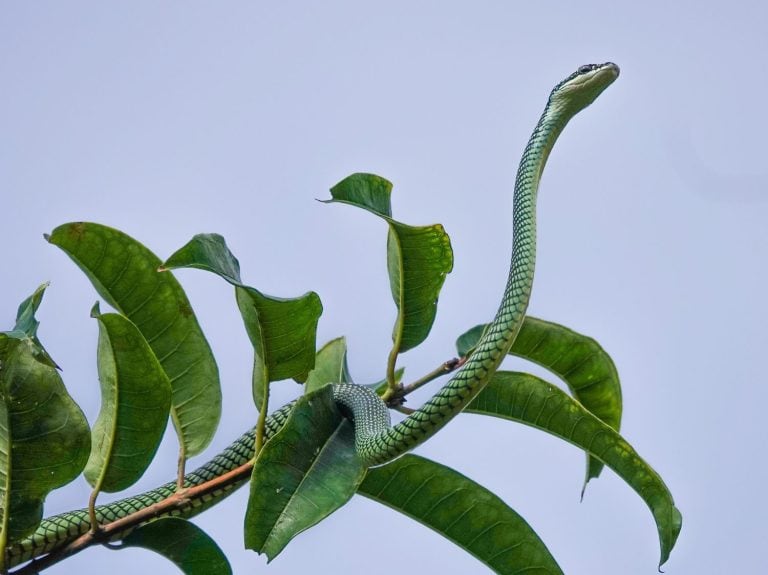
Snake Serpentes
Fox Vulpes
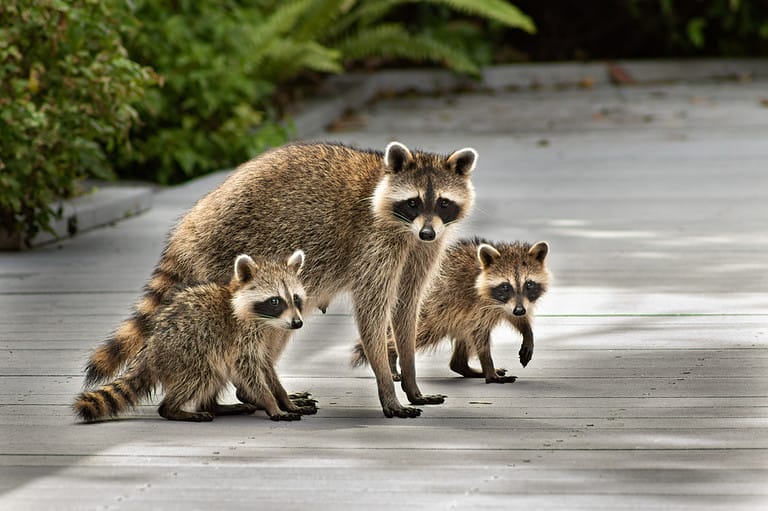
Raccoon Procyon lotor
Mongoose Herpestidae
Cat Felis catus
Large predatory lizards Varanus

Related Species 6

Snakes Serpentes Shared Order
Worm lizards Amphisbaenia Shared Order
Geckos Gekkota Shared Order
Iguanians Iguania Shared Order
Skinks Scincidae Shared Order
Monitor lizards Varanidae Shared Order

Ecological Equivalents 5

Animals that fill a similar ecological role in their ecosystem

Salamanders and newts Caudata Often occupy similar insectivorous predator niches in forest-floor and riparian habitats. Ecologically similar despite distant taxonomic relationship (amphibians vs. reptiles).
Frogs and toads Anura Overlap broadly with small-to-medium lizards as sit-and-wait or active insect predators. Many share warm-season activity patterns and reliance on cover.
Shrews Soricidae Small, high-turnover, terrestrial insectivores that can overlap in microhabitat and prey base with small ground-dwelling lizards.
Small insectivorous birds Exploit many of the same arthropod prey resources in shrubs and trees; niche overlap is especially pronounced in arboreal and edge habitats.
Small predatory arthropods Lycosidae Examples include wolf spiders (Lycosidae). In some ecosystems they occupy comparable mesopredator roles in the ground layer, consuming many of the same insects; they can also be prey for small lizards.

Types of Lizard

15

Explore 15 recognized types of lizard

Green iguana Iguana iguana
Komodo dragon Varanus komodoensis
Tokay gecko Gekko gecko
Veiled chameleon Chamaeleo calyptratus
Common wall lizard Podarcis muralis
Sandfish skink Scincus scincus
Green anole Anolis carolinensis
Bearded dragon Pogona vitticeps
Leopard gecko Eublepharis macularius
Gila monster Heloderma suspectum
Common blue-tongued skink Tiliqua scincoides
Frilled-neck lizard Chlamydosaurus kingii
Basilisk Basiliscus basiliscus
Flying dragon Draco volans
Marine iguana Amblyrhynchus cristatus
๐Ÿ‘ Image

Lizards are reptiles of the order Squamata.

This includes the lizard suborder which bears the scientific name Lacertilia, the snake suborder Serpentes and the worm lizard suborder Amphisbaenia. Lizards are paraphyletic, which means that a small number of species share more in common with their sister suborders than they do with their own order of Lacertilia.

There are more than 7,000 distinct lizard species in the world and the number is being revised upwards on a constant basis. While it might be assumed that limbed lizards descended from limbless snakes, the opposite is true, and it is lizards that are the forebears of the snake family, not the other way around. Some form of this reptile is found on every continent of the world except for Antarctica.

6 Incredible Lizard Facts!
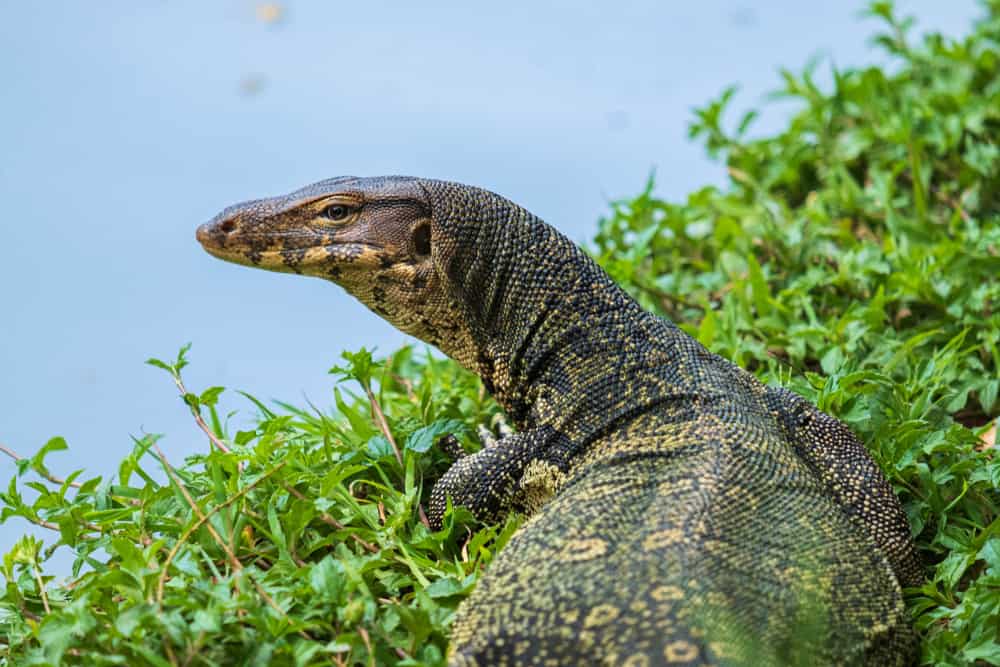
๐Ÿ‘ Monitor lizard looks off to left

These reptiles are ectothermic, which means that their body temperature is not fixed as in mammals but is dependent on environmental conditions.

ยฉRuben PH/Shutterstock.com

  • Adult lizards range in length from the 2 cm (0.8 inches) of the smaller geckos to the 3 meters (10 feet) of the monitor lizards and weigh anywhere from less than ยฝ gram (.02 ounce) to 150 kg (330 pounds).
  • With the sole exception of the Marine Iguana of the Galapagos Islands, all species bear the classification of land-based animals. Even the Marine Iguana spends much of its time sunning itself on rocks.
  • Among those of the venomous lizard classification, the Gila Monster and the Beaded Lizard of the Southwestern United States and the Sonoran desert of Mexico are the most widely known. Some species of monitor lizards also possess various degrees of toxic venom.
  • Several species possess the ability to voluntarily detach their tails, used primarily as a way of distracting predators, and then regenerate them at a later date.
  • A number of species possess the ability to change color in order to camouflage themselves from predators or blend in with their surroundings in order to trap their own prey.
  • As a general classification, these reptiles are ectothermic, which means that their body temperature is not fixed as in mammals but is dependent on the environmental conditions around them. Lizards all have ranges of ideal body temperatures where they function with maximum efficiency and are much less active when they cannot attain the proper degree of internal body heat.

Scientific Name
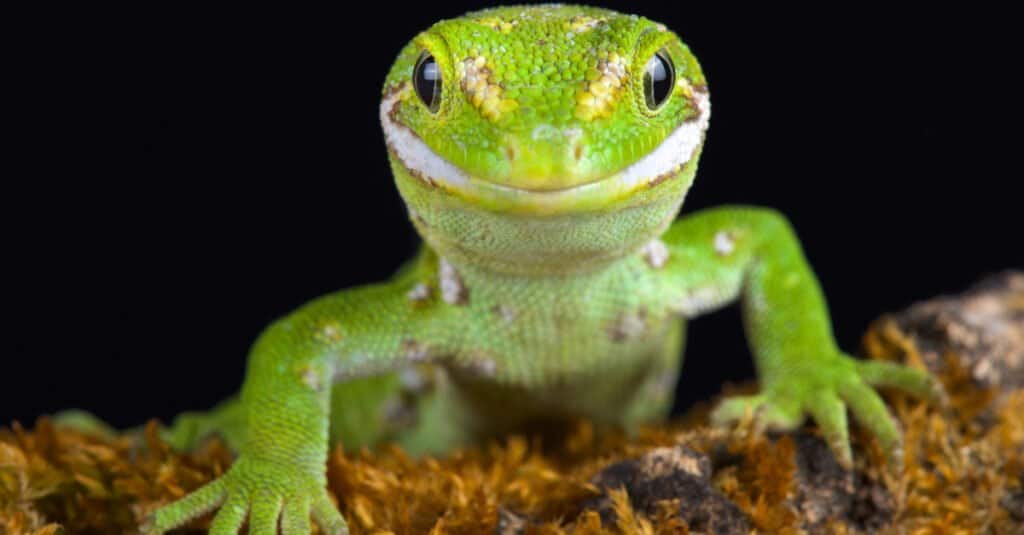
๐Ÿ‘ Types of Green Lizards - Jeweled Gecko

Lizards are reptiles of the order Squamata, which comes from the Latin โ€œsquamatesโ€, scaly or having scales.

ยฉreptiles4all/Shutterstock.com

Lizards are reptiles of the order Squamata, which comes from the Latin โ€œsquamatesโ€, scaly or having scales. There are three suborders of Squamata: snakes, amphisbaenians (worm lizards), and lizards. Together, the three suborders comprise nearly 11,000 species and are the second-largest group of vertebrates on the planet today.

Characteristics of Lizards
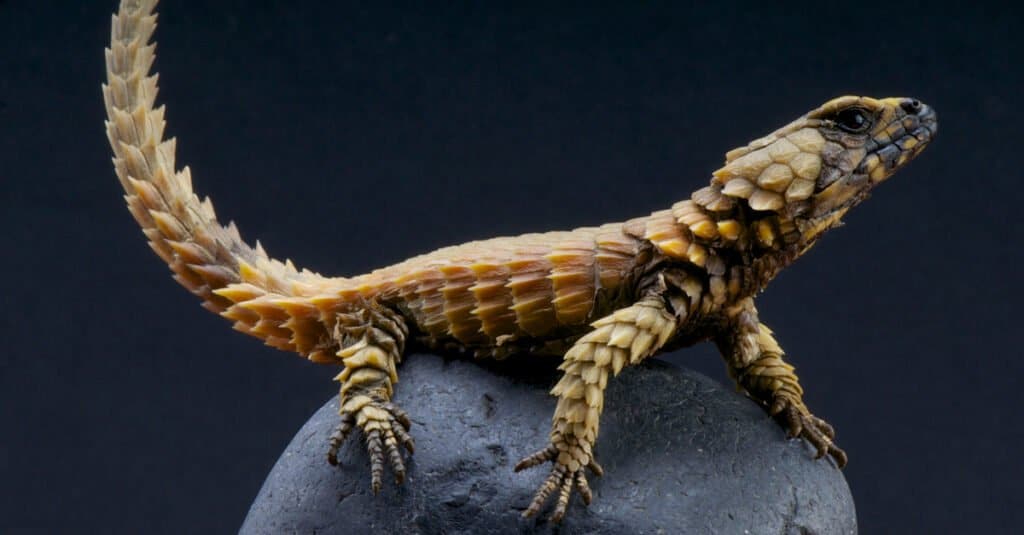
๐Ÿ‘ Lizards Look LIke Dragons - Armadillo Lizard

Lizards can range in size from less than an inch to 10 feet in length and have incredibly varied appearances.

ยฉreptiles4all/Shutterstock.com

Scales and Appearance

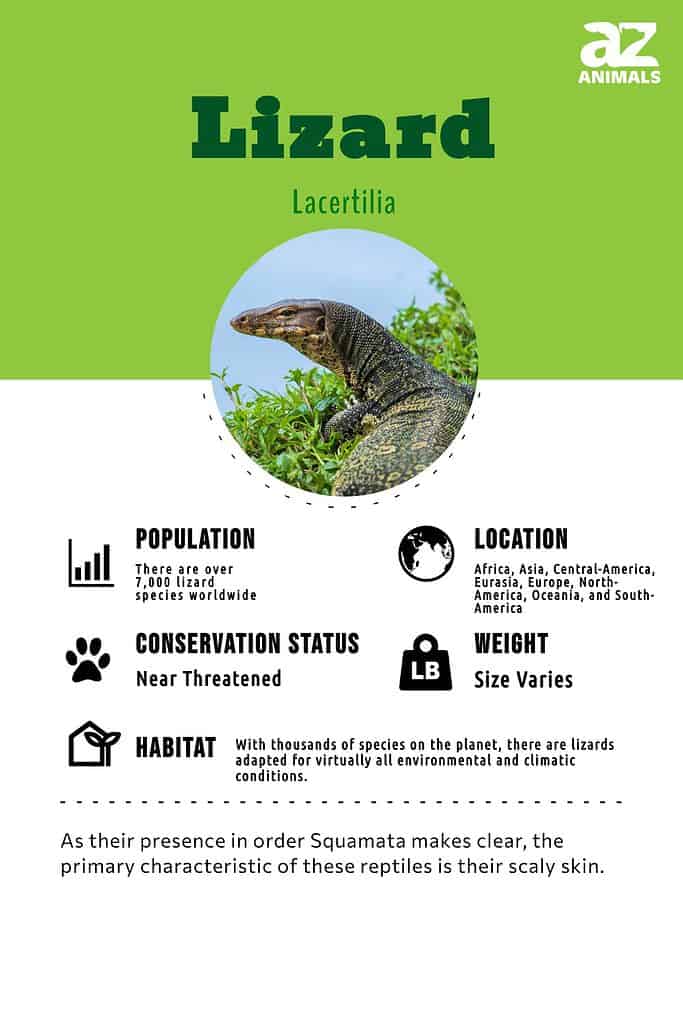
As their presence in order Squamata makes clear, the primary characteristic of these reptiles is their scaly skin. The scales themselves, made of keratin, act as an armor to seal in water that would otherwise evaporate, and protect it from varied environments, like dry deserts, for example.

The scales can come in a variety of structures, such as plate-like, smooth and overlapping, and ossified. As a lizard grows, it will shed its tough skin in pieces. Some lizards have spiny scales that protect them from predators.

With some exceptions, lizards have four legs, long tails, external ear openings, and movable eyelids. Their bodies are rounded, their necks short, and their heads are elevated. A notable feature of this reptile as well as all the other members of the order Squamata is the ability to open both its upper and lower jaws. This allows them to swallow much larger prey than is possible among those animals with just a movable lower jaw.

The popular image of a lizard as a low-slung creature that either writhes slowly or scampers quickly along close to the ground only applies to a limited number of lizard species. Among the thousands of variants, there are also lizards with long hind legs that run as bipeds, others that glide with skin flaps extended as rudimentary wings, and even other species which have no limbs and move in the same manner as a snake.

Males often display various types of ornamentation such as permanent horns and crests as well as features of a temporarily deployable nature such as large mane-like frills and crests that are designed to attract females or to frighten away predators by making the animal appear much larger and more threatening than it truly is.

Long tongues are seen in many species. Some of these are intended for use as sensory probes employed in hunting while other limited numbers of species that do not have eyelids use their lengthy tongues as something similar to a windshield wiper for their eyes.

In general, lizards have very good eyesight. Of all lizard species, chameleons have some of the most developed eyesight. They can see in a 360-degree field of vision and also in a wide range of colors and into the UV spectrum.

These reptiles come in many different colors, including species with bands of color, species with a tail of a different color when they are young, and several species that are capable of changing their color to better blend in with their surroundings.

This last attribute, best known in the chameleon, is both an offensive and defensive attribute. It allows the individual lizard to foil predators looking for it and also disguises itself so that its own prey can be lured close enough for capture.

Venom
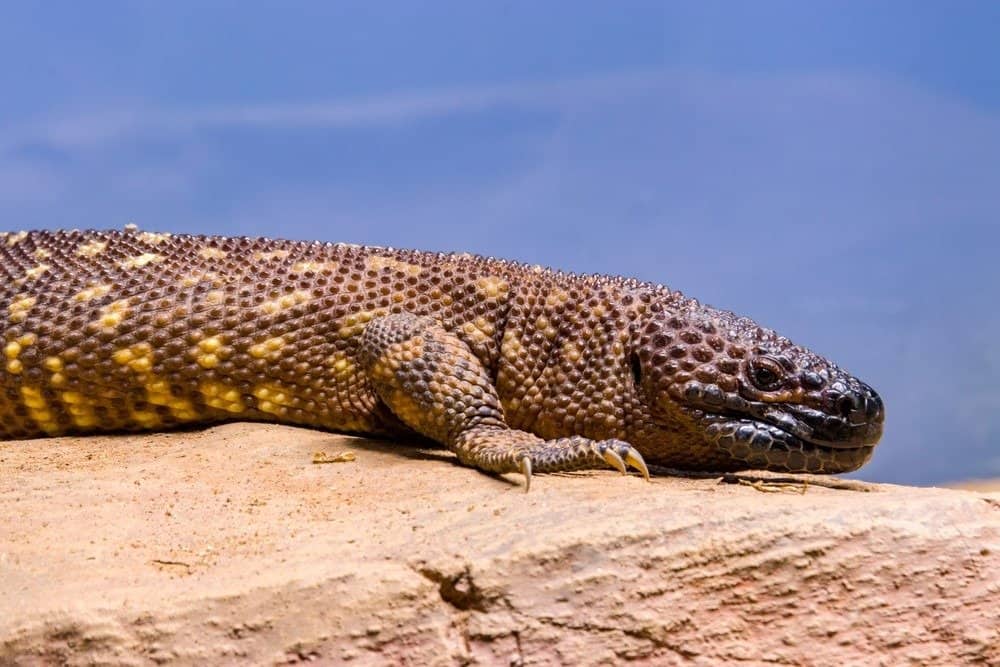
๐Ÿ‘ 10 Most Venomous Animals - The Mexican beaded lizard, one of the two species of venomous beaded lizards found principally in Mexico and southern Guatemala

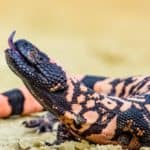
The Mexican beaded lizard, one of the two species of venomous beaded lizards found principally in Mexico and southern Guatemala

ยฉDanny Ye/Shutterstock.com

Some lizards produce venom in their oral glands. Nine different toxins that are produced by snakes can also be found in lizards. One example is the toxins found in rattlesnake venomโ€“the same toxins are present in the venom of a bearded dragon, which is a popular pet among lizard enthusiasts. Other venomous lizards include the Komodo dragon, Gila monster, Mexican bearded lizard, iguana, and lace monitor.

Scientists originally thought that some of these lizards simply thought that the harmful bacteria in the saliva in their mouths gave them their toxicity, but recent studies have put more lizards in the category โ€œvenomousโ€ than before.

Lizard venom is not as dangerous to humans as it is to animals who fall victim to a toxic lizardโ€™s bite. Symptoms can include a sudden drop in blood pressure, loss of consciousness, hemorrhaging, kidney failure, nerve failure, and muscle breakdown, leading to the animalโ€™s death.

Behavior

๐Ÿ‘ Komodo dragon

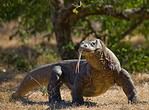
The Komodo dragon is one of the largest lizards in the world today.

ยฉvladivlad/Shutterstock.com

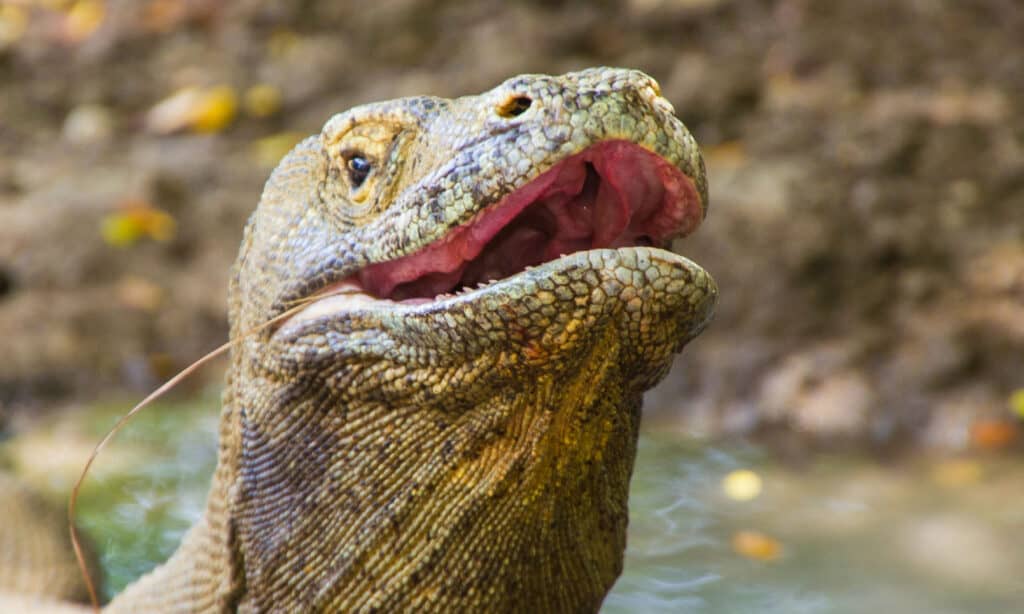
Although there are species that are plant-eaters at least in part, they are primarily predators who feed upon insects and other small creatures. Yet the largest lizard species, the Komodo Dragon of Indonesia, has been known to bring down and feed upon very large creatures such as water buffalo.

Characteristically, these lizards are generally classified as โ€œsit and waitโ€ hunters. This means that they take up station at a favorable place and then wait for their prey to come to them. Once a prospective victim comes within reach, they will either leap out and snap at it with their open jaws or use their long tongues to seize it and bring it into their mouth.

Apart from being a symbol of a mating call, they usually bob their heads as a way to look more intimidating to prey and predators. Males lead solitary lives and defend their chosen territorial hunting ranges from other males. Females can range freely but are often found in groups living in near proximity to a dominant male.

Due to their ectothermic nature, lizards are well known for sunning themselves in warm areas. This raises their body temperature towards the optimum level and allows them to perform functions such as hunting, mating, or fighting at full capacity. These reptiles prefer to live in places that are easily defensible such as holes or rock crevasses.

Their scaly skin allows scant evaporation so lizards require very little water apart from the moisture they glean from their food or even from the licked-off dew accumulating on their own bodies. This makes them ideally suited for the desert conditions where many lizard species are found.

Largest and Smallest Lizards
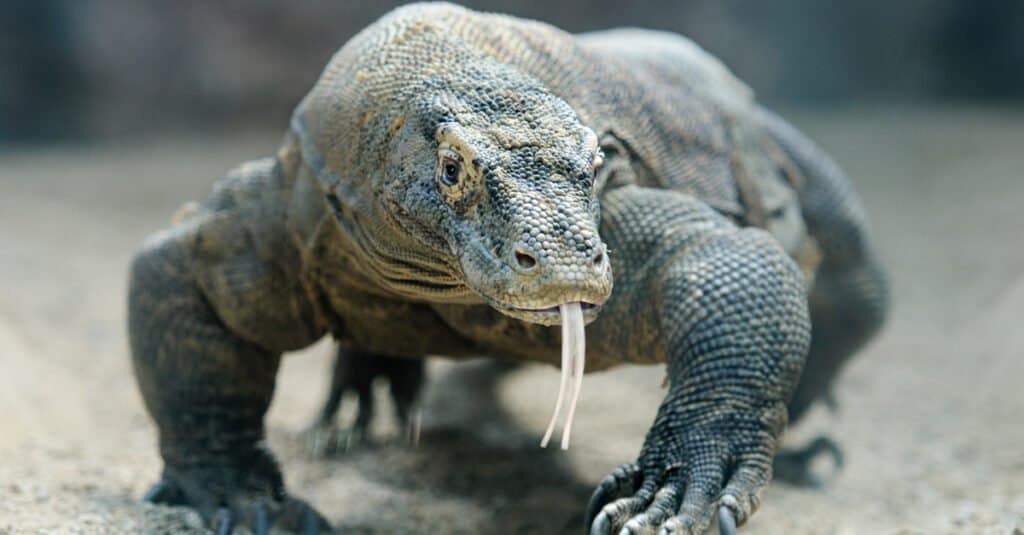
๐Ÿ‘ Animals that reproduce asexually โ€“ Komodo dragon

The Komodo dragon is the largest lizard in the world.

ยฉAnna Kucherova/Shutterstock.com

The largest lizard species in the world is the Komodo dragon which can measure 10 feet in length. The largest Komodo dragon on record weighed 365 pounds. Most of the largest lizard species are monitor lizards, but some iguana species can grow to be quite large as well. Blue iguanas weigh around 31 pounds and reach 5 feet in length.

On the other end of the spectrum, the smallest lizard is the nano chameleon which measures less than an inch and lives in a small area of Madagascar. Incredibly, scientists first classified the nano chameleon as a species in 2021!

There are a number of extremely small chameleons on the northern end of Madagascar. Itโ€™s believed they shrunk as an adaptation to habitat loss.

Types Of Lizards

While it would be impossible to provide an inclusive list of species everywhere, here are a few examples of the types of lizards that can be found in different parts of the globe.

Monitor Lizard

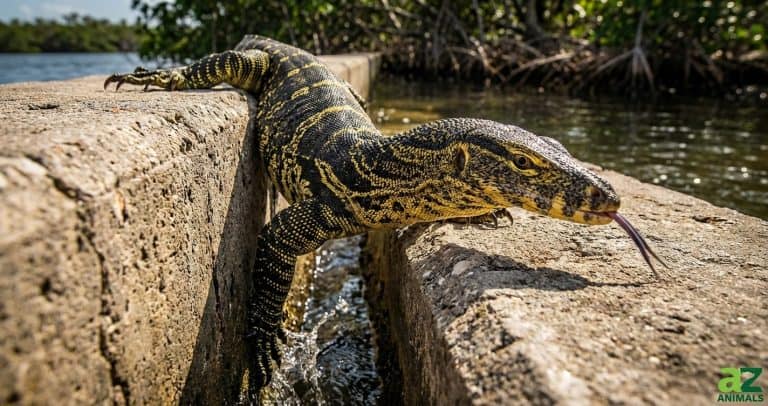
Found in Africa, Asia, and the island chains leading to and including Australia, there are more than 70 distinct species of monitor lizards. Monitors are the largest of the lizards and include the famous Komodo Dragon as well as such others as the Nile Monitor of Egypt and the Perentie of Australia.

Caiman Lizard

South America is home to the Caiman Lizard, which inhabits swampy lowlands and feeds primarily upon shelled creatures such as crayfish, freshwater clams, and snails. The Caiman lizard dumps these creatures into the back of its mouth, where its powerful jaws crush the shell of its prey. The broken shell is spat out and the soft parts of the creature are swallowed.

Frilled Lizard

The famed Frilled Lizard is found in Australia and New Guinea. When in danger, the Frilled Lizard fans out the frill of skin that normally lays flat behind its neck and creates the illusion of a much larger and more menacing creature than it really is. It is also known for running on its hind legs with its tail and forelegs held in the air.

Armadillo Lizard

The unique Armadillo Lizard is from South Africa. When in danger, it curls up and presents an armored ball that foils predators. Its overlapping scales give the appearance of it being a very tiny dragon. In addition, the Armadillo lizard is one of the few social reptiles that live in groups rather than as solitary hunters.

Sand Lizard

Now protected from further habitat destruction, the UKโ€™s rare Sand Lizard is found among sand dunes and on sandy outcroppings on the verge of heathlands. As with many other threatened species, increasing population density is the primary cause of its downfall.

Additionally, here is a list of other types of lizards:

Habitat

These reptiles inhabit every continent on Earth except for Antarctica. Certain species have been found in far northern reaches above the Arctic Circle and others at the inhospitable southern tip of South America.

With thousands of species on the planet, there are lizards adapted for virtually all environmental and climatic conditions. In regions where their food sources are abundant, such as in tropical jungles, they can attain very large sizes. In places of limited supplies, smaller species tend to predominate.

There are lizards that prefer living in trees while others inhabit open areas where large quantities of sunshine are readily obtainable. Most of these reptiles are daylight species although there are a few night-specific lizards such as the gecko and one species, the Galapagos Marine Iguana, which lives primarily in the ocean.

Diet
๐Ÿ‘ What Do Lizards Eat
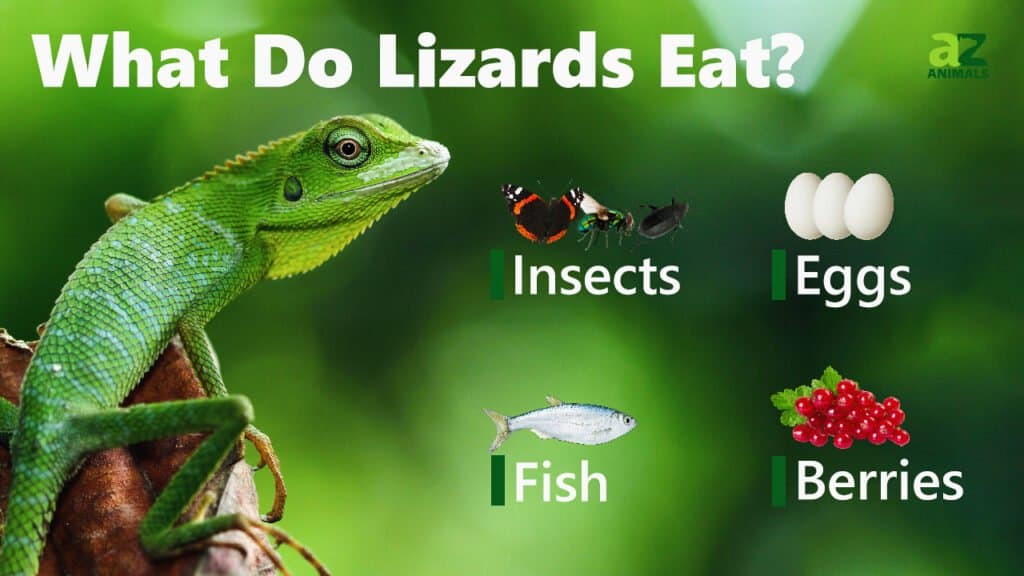
Lizards mostly eat insects, but some species can also eat rodents, frogs, birds, and other lizards and reptiles.

Lizards are largely predatory in nature and are often so-called โ€œsit and waitโ€ hunters who remain motionless until their prey comes within reach. At this point, they dart out and grab it in a surprise attack before it can escape.

What do lizards eat?

Most lizards are carnivorous and feed upon insects, ants, and other invertebrates. Larger lizard species feed upon small animals such as mice and other rodents, and snails. Still larger species such as the monitor lizards can prey upon much larger quarries such as frogs, birds, fish, larger mammals, and even snakes.

Around 2% of lizard species are primarily vegetarians as adults, although younger members will eat meat and then gradually adopt a vegan diet as they reach adulthood. Fruit is often eaten even by carnivorous species, and bird and reptile eggs are frequently sought by larger lizards.

Predators and Threats

In nature, animal species must balance their own need to feed against the need of other species to use them as a food source. Just as predatory lizards are always on the hunt, so too are other predators searching for them.

Human Predators

Humans are one of these reptilesโ€™ biggest predators. Some see lizards as pests so they constantly try to get rid of them, especially in residential environments. Itโ€™s advisable to get rid of lizards using humane methods instead of killing them since some species are endangered already.

What eats lizards?
๐Ÿ‘ Closeup of sharp-shinned hawk in profile with blue sky backdrop

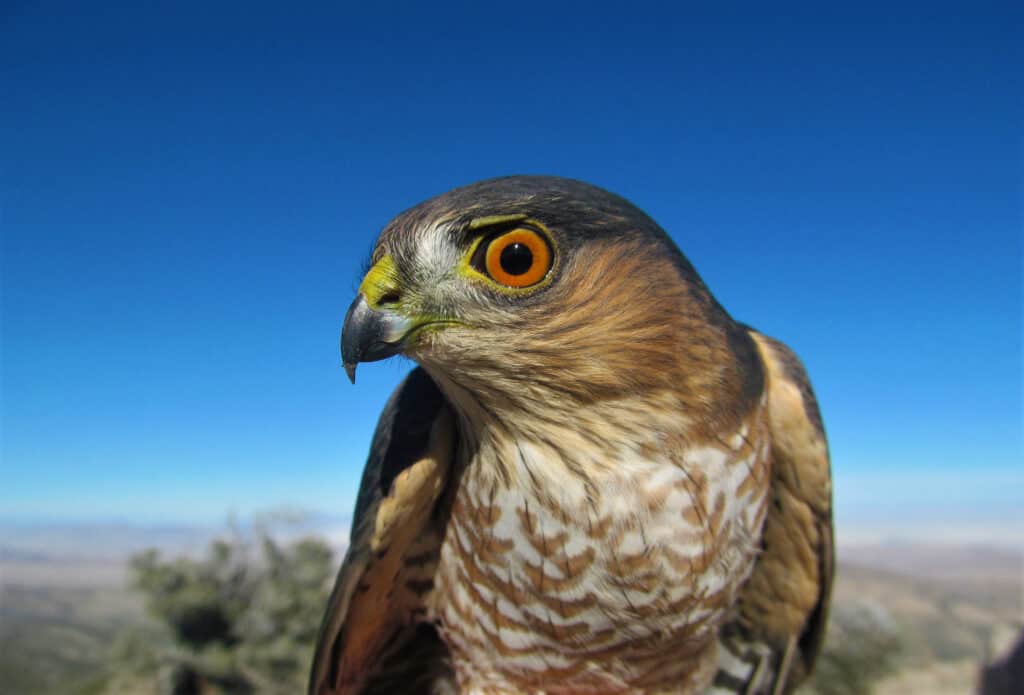
Large birds such as hawks are the primary threat to most lizard species.

ยฉRJ Ridley/Shutterstock.com

Due to a lizardโ€™s ability to move very swiftly when in danger, most lizard predators need to be fast-moving themselves.

Large birds such as hawks are the primary threat to most lizard species. Their keen eyesight allows them to detect movement from very far away. This leads to lizard defenses such as changing colors to match terrain and remaining absolutely motionless in exposed locations.

Most canine and feline species, certainly including dogs and domestic cats, will eat lizards.

Although not dependent upon lizards as their primary food source, the swiftly-striking mongoose is well-suited for hunting lizards.

Just as lizards eat snakes, so too do snakes return the favor and eat lizards. Larger lizards are also known to prey upon smaller species.

The regal jumping spider, weighing in at only 2-3 gms, has been known to capture lizards more than three times its own size.

Since lizard meat is often considered to be a delicacy in some cultures, humans are the ultimate apex predator for lizards. This is particularly true of the iguana, which is prized for its meaty tail.

Environmental Threats

Since the vast array of species are generally engineered for life in a specific environmental zone and they are ectothermic, climate change can offer a serious threat to many species by either unfavorably altering the heat balance of the region or severely decreasing their preferred food supply.

Human-created sprawl also invades prime lizard habitats via such things as urbanization or deforestation. This can also lead to increases in predator population brought about by nearby habitat disruption of another species. This brings a large number of threatened species into a formerly balanced ecosystem. As human populations continue to grow, additional pressure is placed upon those lizards which are considered to be a human food source.

Threatened Lizard Species
๐Ÿ‘ Image

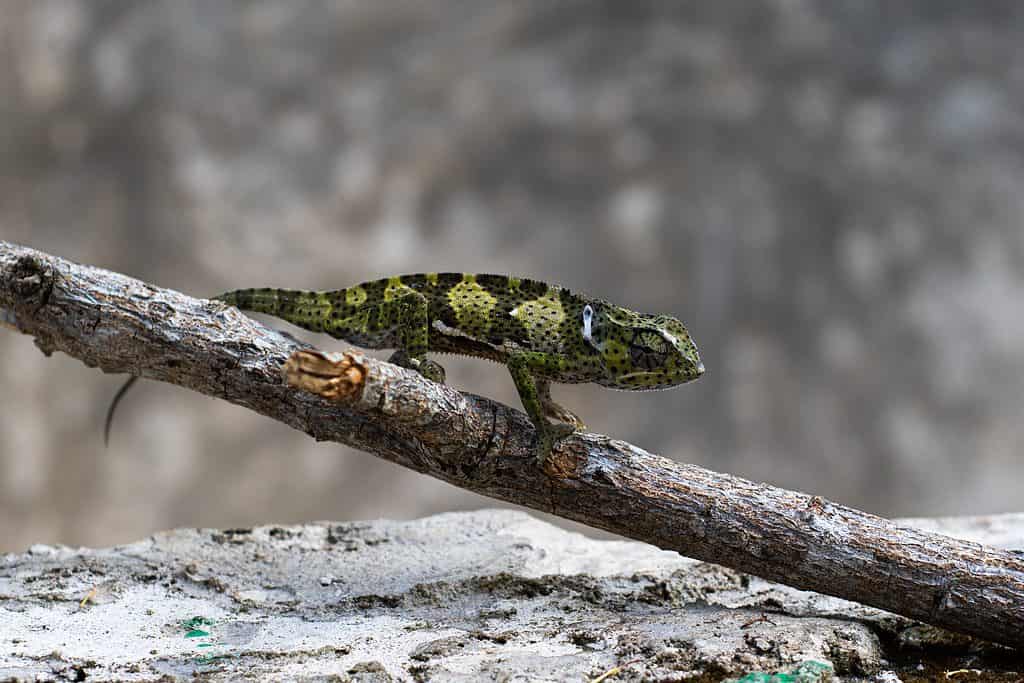
The Tarzan Chameleon has been nearly wiped out by habitat destruction of forest cover in favor of agricultural development.

ยฉFEDERICA21/Shutterstock.com

In a rapidly altering world, it is estimated that nearly 20% of all reptile species, which includes lizards, are threatened to one degree or another. Among the most severely at risk are:

The Tarzan Chameleon of Madagascar, scientific name Calumma tarzani, is generally green or yellow but adopts a striped pattern when threatened. The Tarzan Chameleon has been nearly wiped out by habitat destruction of forest cover in favor of agricultural development and gold mining in the region.

The Jamaican Rock Iguana, scientific name Cyclura collei, was actually believed to be extinct until a small colony was rediscovered in 1990. Currently numbering only about 100 individuals, the Jamaican Rock Iguana population collapsed by being hunted for food and faced with human-sponsored habitat invasion through the introduction of non-native predators such as dogs and pigs into the area. Human development activity in the region also reduces and degrades its remaining habitat potential.

Reproduction, Babies, and Lifespan
๐Ÿ‘ Baby Lazarus Lizard (Podarcis muralis) held in a person's hands.

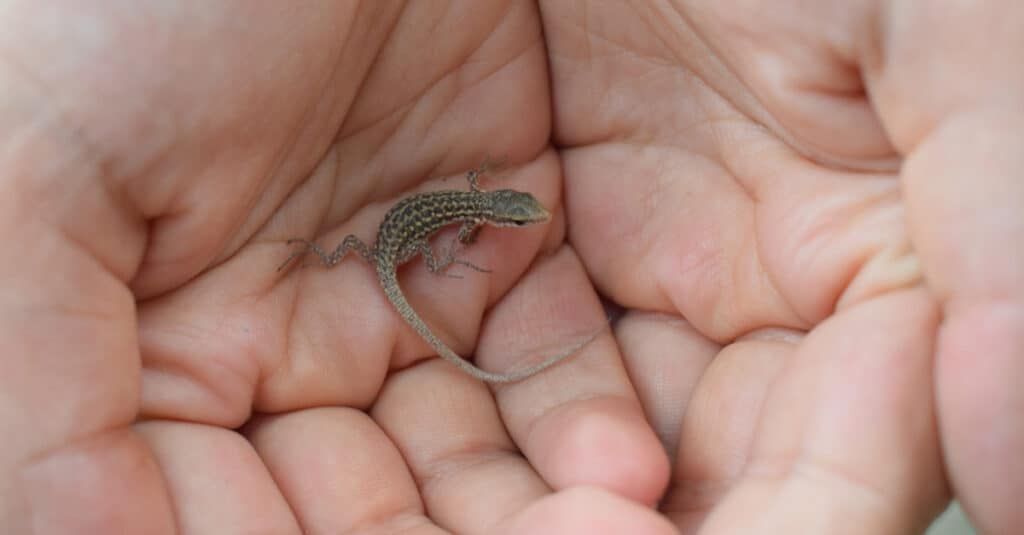
Baby Lazarus Lizard (Podarcis muralis) held in a personโ€™s hands.

ยฉFuriarossa/Shutterstock.com

No one rule completely covers these reptilesโ€™ reproduction methods.

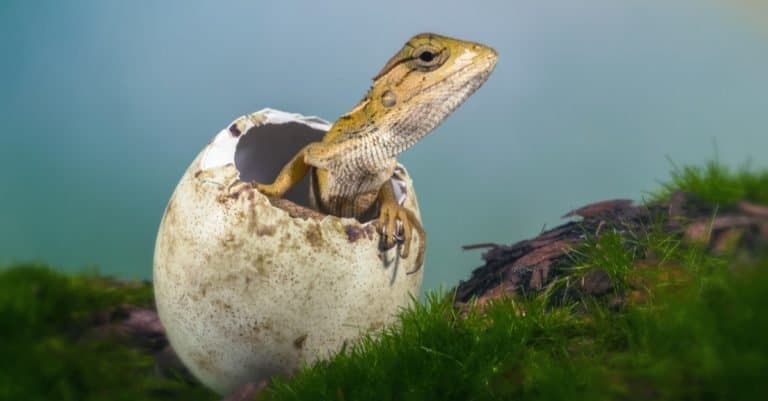
The majority of species use male sperm fertilization of a femaleโ€™s internal eggs as a method of reproduction. In general, these eggs are laid in a safe place and abandoned thereafter, although some species employ females to brood upon the eggs until hatching.

About 1 out of every 5 types employ viviparity or live birth from eggs developed inside the female body and then born as functional members of the species rather than being hatched from eggs laid outside the body.

A few species reproduce via parthenogenesis or reproduction from eggs that do not require male fertilization. In rare cases, this has even been known to occur in non-parthenogenic lizard species where the female does not have access to a male.

When it comes to the sex selection of the embryo, the eggs are known to be temperature-dependent in some cases. High temperatures during incubation produce more females and vice versa in low-temperature conditions.

The number of eggs laid by the female can vary from 5 percent of body weight up to as much as 50 percent. Depending on the size of eggs in the particular species, this can result in a clutch of as many as 50 small eggs or as few as a single large one.

Once laid, most eggs hatch within about 3 monthsโ€™ time. Upon birth, the infants have no family life. They are totally on their own as miniature versions of the adult they will eventually grow into.

Make sure to read our complete guide on baby lizards called โ€˜Whatโ€™s a Baby Lizard Called + 4 More Amazing Facts.โ€™

Population

It is impossible to say how many lizards there are in the world. Some severely endangered species have been counted as part of their protection and recovery effort.

It is almost certainly true that the number of lizards overall continues to decline even as the number of identified lizard species continues to climb.

Lizards In The Zoo

South Dakota might seem an unlikely place to find the worldโ€™s largest reptile zoo. Located 6 miles south of Rapid City, Reptile Gardens is officially the place.

Zoo Miami is located in the heart of the reptile country and is a great place for the family to visit.

Another underappreciated zoo is the Henry Doorly Zoo and Aquarium in Omaha, which boasts both the worldโ€™s largest indoor desert and largest indoor rain forest.

Origin and Evolution of Lizards

Until the 13th century, lizards were categorized under the broad umbrella of reptiles, which included snakes, amphibians, and worms that laid eggs. In the early seventeenth century, James Macartney used the term Sauria, adapted from Sauriens which was coined by Alexandre Brongniart to describe a class of reptiles that were essentially lizards and crocodiles.

Although the denomination may be new, however, the origin of lizards is not. The earliest known lizard fossil, Tikiguania belonging to the iguanian species, was found in the Tiki Formation in India. However, there is doubt about the age of the fossil since it resembles modern-day agamid lizards.

They are related to Rhynchocephalia, an order of lizards whose only living species is the tuatara found in New Zealand.

Lizards and Human

Lizards have been a source of fascination due to their unique abilities specific to each species, such as the ability to grow lost limbs, blend in with the environment, see 360 degrees, climb vertically and stick to the ceilings upside down, walk on water and asexual reproduction.

They have been studied through the ages to determine if these qualities can be deciphered. Although they look scary, lizards are mostly harmless to humans, with the exception of Comodo Dragons who have been known to stalk and attack humans.

Despite all of the drawbacks, lizards are quite popular as pets. Especially the bearded dragons, chameleons, geckos, iguanas, monitors, tegu, and green anoles are some of the species that are popular as pets.

View all 130 animals that start with L

Sources

  1. Wikipedia / Accessed March 6, 2021
  2. Britannica / Accessed March 6, 2021
  3. Facts King / Accessed March 6, 2021
  4. World Atlas / Accessed March 6, 2021
  5. Animals Network / Accessed March 6, 2021
  6. Smithsonian's National Zoo & Conservation Biology Institute / Accessed March 6, 2021
  7. National Geographic / Accessed March 6, 2021
  8. Everything Reptiles / Accessed March 6, 2021
  9. Bio Expedition / Accessed March 6, 2021
  10. The Wildlife Trusts / Accessed March 6, 2021
  11. Reptile Gardens / Accessed March 6, 2021
  12. Critter Control / Accessed March 6, 2021

About the Author

Rebecca Bales

Rebecca is an experienced Professional Freelancer with nearly a decade of expertise in writing SEO Content, Digital Illustrations, and Graphic Design. When not engrossed in her creative endeavors, Rebecca dedicates her time to cycling and filming her nature adventures. When not focused on her passion for creating and crafting optimized materials, she harbors a deep fascination and love for cats, jumping spiders, and pet rats.
Connect:

Thank you for reading! Have some feedback for us?

Contact the AZ Animals editorial team

Related Articles You May Find Interesting


Lizard FAQs (Frequently Asked Questions)

If you have a lizard trapped in a home or a garden, transporting it generally isnโ€™t difficult. When catching a lizard, first look to identify it. Remember that there are only 3 truly venomous lizards in the world โ€“ the Gila monster, Mexican beaded dragon, and Komodo dragon. Both beaded lizards and Gila monsters may be found in the Southwest of the United States. Once youโ€™ve identified it, use supplies like thick leather gloves or a container to capture it. Finally, you can set a trap to capture it before releasing it into the wild.

No lizards are poisonous, but some are venomous. A few examples include the Gila monster, the Mexican beaded lizard, and the Komodo dragon

Lizards can be kept away with a number of household repellents such as hot sauce, garlic, coffee grounds, and citrus. In addition, you can keep entry points to your home clean and lawns well-maintained to avoid too many lizards.

Salamanders and lizards can often look very similar. The key difference is that lizards can live in a variety of environments while salamanders require being closer to water. In addition, salamanders have a โ€œmoistโ€ appearance and lack claws and earholes.

Lizards are Omnivores, meaning they eat both plants and other animals.

Lizards belong to the Kingdom Animalia.

Lizards belong to the class Reptilia.

Lizards belong to the phylum Chordata.

Lizards belong to the family Lacertidae.

Lizards belong to the order Squamata.

Lizards are covered in Scales.

Lizards live in warm forests and deserts worldwide.

Lizards prey on insects, birds, and small rodents.

Predators of Lizards include humans, birds, and snakes.

The average number of babies a Lizard has is 18.

There are around 7,000 different species of Lizard!

Lizards can live for 1 to 30 years.

The facts are that some do and some donโ€™t. Iguanas are often good pets since they are docile plant-eaters. Komodo Dragons are not good pets since they are vile-tempered meat-eaters that outweigh you by more than 2-1.

Not particularly. The main risk comes from salmonella, which some lizards may have in their bodies. On the other hand, they eat ants, termites, and other insects which might be more of an annoyance.

Most people would be disturbed by swiftly skittering wild creatures zipping around at unexpected times and places. As a wild creature, they are probably best kept outside. As family pets kept in a herbarium, they are not a big problem.

A simple string noose lowered gently around its head from in front will often do the trick. Another interesting idea is to put some plastic film over an open box. Cut a slit in the plastic for the lizard to fall through and place some kind of lizard-friendly food on top. The lizard gets up to eat the food, then falls through the slit and is captured.

That depends on the species and whether they are in the wild or in captivity as pets or exhibits. Some common lizard species lifespans:

  • Chameleon โ€“ 5-7 years
  • Gekko โ€“ 10-15 years
  • Iguana โ€“ 20 years
  • Komodo Dragon โ€“ 40 years

Lizards lay eggs.

The greatest differences between a chameleon and a lizard are their tails, eyes, and tongues. Chameleons are known for their unique prehensile tails, and they are one of the few reptiles that possess them.

Lizard poop, it turns out, has a very distinct appearanceโ€“one youโ€™re likely not to forget once youโ€™ve seen it. It typically has a long brown or black pellet-shaped portion with a smaller, semi-solid white โ€œcapโ€ or substance at the end. While the brown portion is the lizardโ€™s poop, the white part is essentially the lizardโ€™s urine.

In the wild, a lizardโ€™s average lifespan is no more than 3-5 years. However, when living in captivity as pets, lizards are able to live anywhere between 20-50 years of age!