Mangrove Snapper
From mangroves to wrecks: built to hunt
 |
VOOZH | about |
From mangroves to wrecks: built to hunt
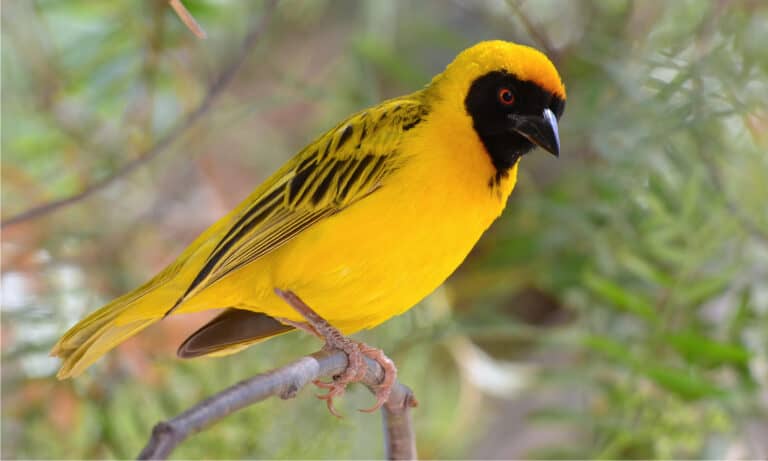
Nature's master basket-weavers
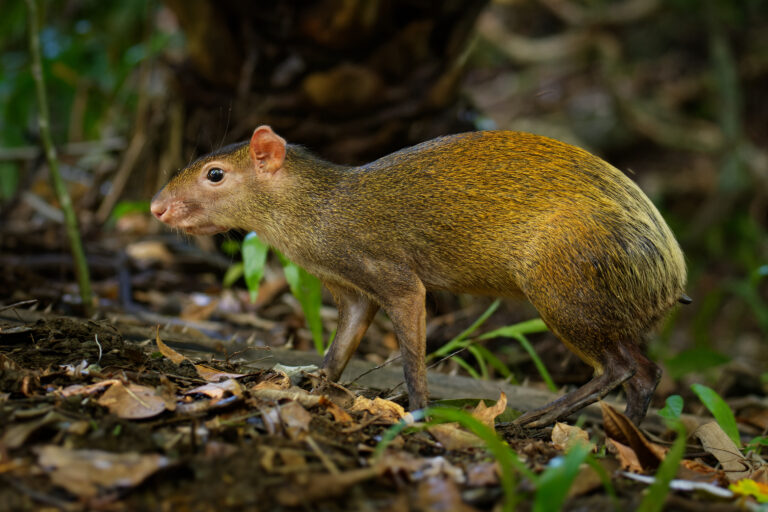
The forest's seed-burying sprinters
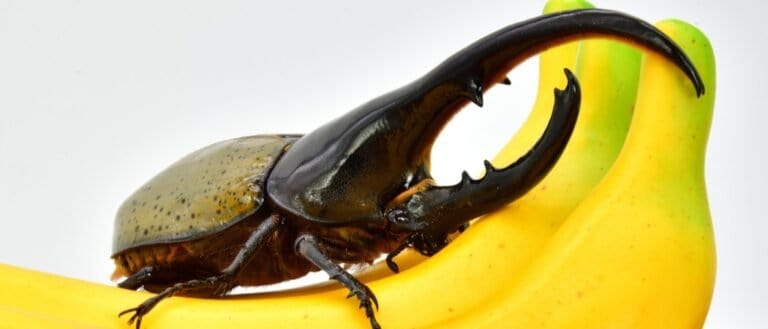
Horns, heft, and rainforest heroics
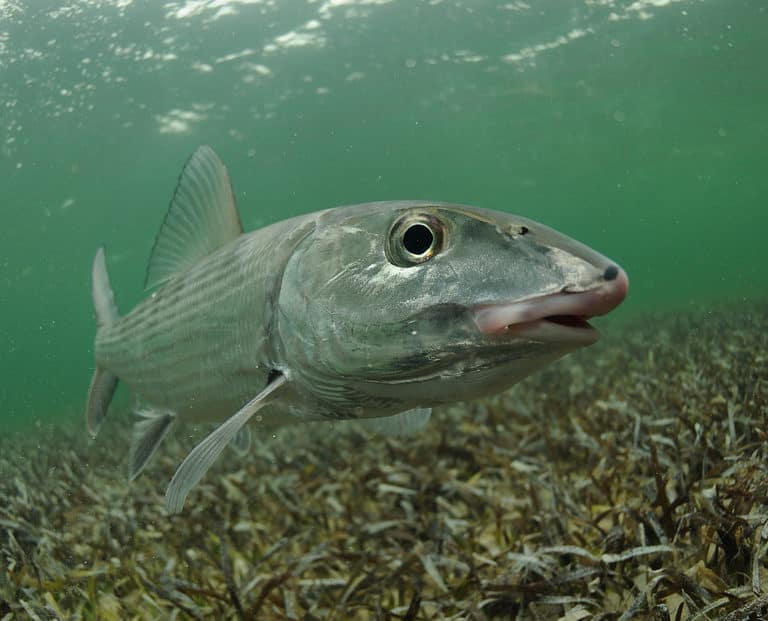
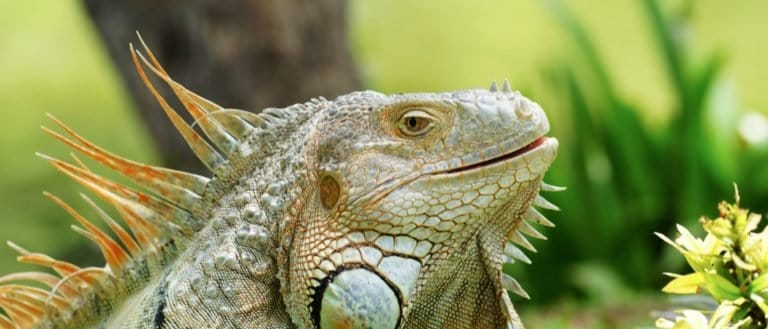
Grey ghost of the tidal flats
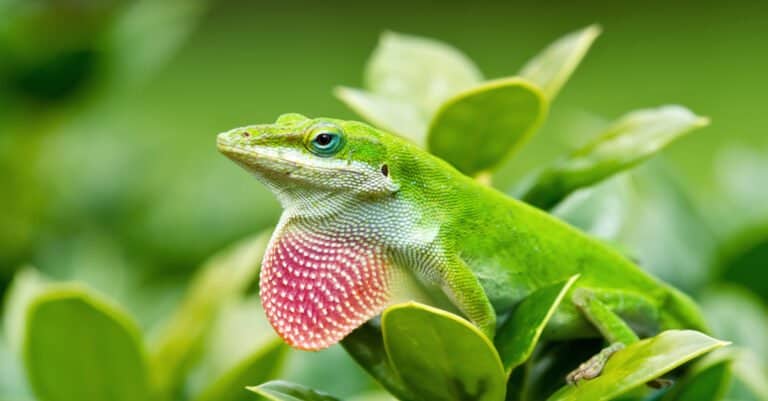
Dewlap drama in the treetops
Sun-powered lizards of the Americas
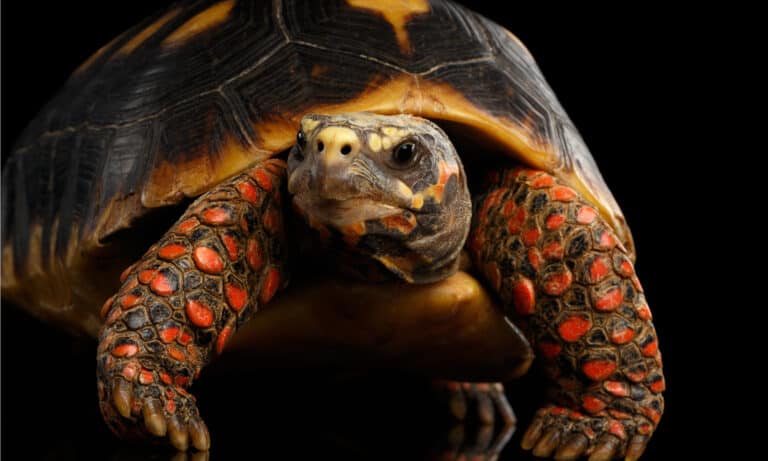
Red feet, rainforest traveler.
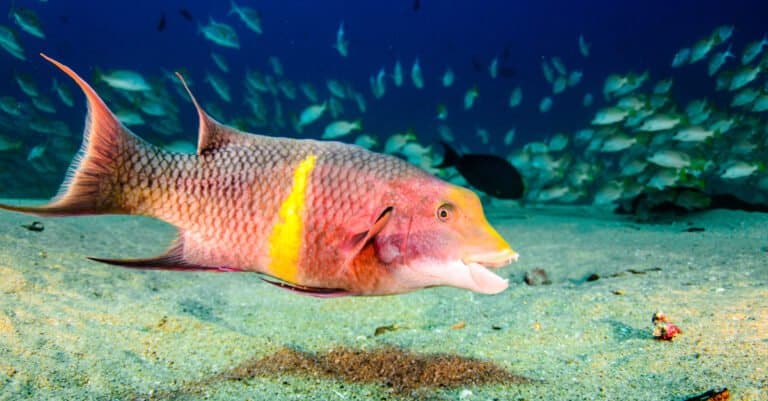
The pig-snout prowler of the reef
Guadeloupe's wildlife is shaped by sharp contrasts across a small Caribbean archipelago: misty, rainforest-covered mountains with rivers and waterfalls on the western island give way to drier coastal scrub, limestone shores, and lagoon systems on the flatter eastern island, with additional habitats on the outlying islands. This mix of wet uplands and dry coasts supports notable island biodiversity, including forest birds, bats, reptiles, and amphibians adapted to microclimates that can change quickly with elevation and exposure to trade winds.
Key ecosystems include tropical rainforest and high-elevation, cloud-forest-like zones within Guadeloupe National Park around the Soufriere volcano, which helps protect native species and important watersheds. Coastal wetlands such as mangroves, salt ponds, and seagrass beds provide nursery habitat for marine life, reduce wave impacts during storms, and offer feeding and resting areas for migratory birds. Offshore, coral reefs and reef slopes support diverse fish and invertebrates, and deeper waters along the Lesser Antilles island arc can host passing whales and dolphins.
Guadeloupe is geographically Caribbean but is an overseas department and region of France and part of the European Union. As a result, conservation and environmental management are influenced by French and EU frameworks, alongside local efforts that focus on reef and wetland protection, visitor and anchoring impacts, water quality, and safeguarding nesting and foraging areas for marine turtles and seabirds.
Guadeloupe's wildlife is strongly split between its two main islands: mountainous, volcanic Basse-Terre (cooler, wetter, forested) and low, limestone Grande-Terre (warmer, drier, with shrub/seasonal forest and extensive wetlands). Steep elevation and rainfall gradients around La Soufrière create stacked habitats from coastal mangroves and lowland rainforest to cloud-forest conditions at higher elevations, concentrating many endemic or range-restricted species. Surrounding coral reefs, seagrass beds, and lagoons add major marine habitats that shape fish, turtle, seabird, and coastal species distributions, while mangroves and estuaries serve as nurseries and key bird habitat.
Guadeloupe's protected-area network is built on France's national conservation framework (managed locally by French state agencies and regional partners) and EU tools such as Natura 2000. The backbone is Guadeloupe National Park (centered on Basse-Terre's rainforest, rivers, and Soufriere Volcano, with strong marine and coastal components), complemented by National Nature Reserves in key wetland, reef, and island bird and iguana sites. Additional protection comes from French Coastal Conservancy holdings, site-specific decrees (for example, habitat protection orders), forestry reserves, and Natura 2000 designations that help safeguard habitats from mountains to mangroves and reefs.
Approximate land under formal protection (strict/core protection): about 13% of Guadeloupe's land area, based on the Guadeloupe National Park core zone of 21,850 hectares (218.5 square kilometers) relative to Guadeloupe's total land area of about 1,628 square kilometers. Additional protected sites (such as nature reserves) increase the total protected land area beyond the park core, but the exact overall terrestrial percentage depends on which designations and boundaries are counted.
Guadeloupe's flagship protected area spans humid tropical rainforest, cloud forest, and volcanic highlands, protecting the island's main watersheds and some of its highest endemism. It is the best place to see native forest birds and intact montane habitats in the Lesser Antilles.
A major mangrove-seagrass-reef complex that functions as a nursery for fish and invertebrates and is one of the Caribbean's most important wetland systems. It is a prime area for turtles, seabirds, and mangrove wildlife, and a cornerstone for coastal resilience.
Small offshore islets with exceptional biodiversity value, combining critical nesting and roosting habitat for seabirds with important dry coastal ecosystems. It is especially notable for supporting one of Guadeloupe's strongest populations of native iguanas alongside rich surrounding reefs.
A renowned reef and rocky islet area popular for snorkeling and diving, valued for coral communities, reef fish diversity, and frequent turtle encounters. It is also an important public-facing site for marine conservation awareness and monitoring.
A freshwater lake and wet-forest mosaic that concentrates birdlife and showcases intact interior rainforest and riparian habitat. The area is particularly good for forest birdwatching and for observing rainforest ecological processes (wetlands, tree ferns, and river headwaters).
This biosphere reserve framework integrates strict protection (park and reserves) with sustainable-use zones across terrestrial and marine environments, promoting habitat connectivity from volcano to reef. It supports long-term conservation planning for endemic-rich forests, mangroves, and coral reefs.
Guadeloupe's wildlife reflects small-island geography and sharp habitat contrasts: humid rainforest and cloud forest on the volcanic western island (the "Lower Land," including the Soufriere volcano), drier forests and scrub on the limestone eastern island (the "Great Land") and smaller dependencies, plus extensive mangroves, seagrass beds, coral reefs, and deep offshore waters. Biodiversity is especially notable for seabirds and wetland birds around the main marine lagoon and mangrove reserve, diverse reptile communities with many island endemics, and seasonal marine megafauna such as humpback whales. Native non-flying terrestrial mammals are very limited; most native mammals are bats, with other mammals largely introduced.
Guadeloupe's wildlife tourism is a strong pillar of its nature-based economy, driven by marine activities (reef snorkeling and diving, whale and dolphin watching) and rainforest and volcanic biodiversity in Basse-Terre. As a French overseas department in the EU, it is highly accessible for European travelers (direct or one-stop flights via Pointe-a-Pitre, euro currency, EU-standard services) while still offering distinctly Caribbean ecosystems: coral reefs, mangroves, seagrass beds, and humid tropical forests. Nature protection has a long modern history anchored by Guadeloupe National Park (created in 1989), which protects large areas of rainforest and montane habitats around Soufriere Volcano and Carbet Falls, and by marine reserves and coastal protected areas that support turtles, reef fish, rays, and seasonal cetaceans. Wildlife tourism is generally best organized via guided boat operators, dive centers, and certified canyoning and hiking guides; independent visits are feasible on well-marked trails and popular beaches, but guided trips increase wildlife sightings and safety (currents, weather, steep volcanic terrain).
Year-round for rainforest and reef life, with standout wildlife seasons:
- Jan-Apr: Peak humpback whale presence in the wider French Antilles region; best odds for whale-watching trips (often also dolphins) in calmer winter seas.
- May-Aug: Excellent visibility windows for snorkeling/diving between weather systems; lively reef fish activity and frequent turtle encounters on seagrass/reef edges.
- Jun-Nov: Sea turtle nesting season (varies by beach and species); more chances to see nesting tracks and, with permitted guided outings, potential nesting events.
- Aug-Nov: Best for birding in wetlands and mangroves (more activity and some migratory species passage), though it overlaps hurricane season-plan with flexible dates.
- Sep-Oct: Often the warmest water for snorkeling; also the most weather-disrupted period-good deals but higher risk of trip interruptions.
- Dec-Mar: Cooler, generally drier hiking conditions for Soufriere Volcano and rainforest waterfalls; good for day hikes and canyoning with fewer heat/afternoon storm issues.
Guadeloupe is in the Caribbean but is legally part of France and the European Union-meaning the euro is the official currency and EU environmental rules apply to its coral reefs and rainforests.
The archipelago is literally two very different main islands split by a narrow channel: the western main island is volcanic, mountainous, and wet; the eastern main island is mostly limestone, flatter, and much drier, so wildlife and vegetation can change dramatically over just a few kilometers.
A "raccoon in the Caribbean" isn't a joke: Guadeloupe has its own threatened raccoon taxon (the Guadeloupe raccoon, often treated as Procyon lotor minor), a local form found only in this archipelago.
Guadeloupe's UNESCO Biosphere Reserve status covers an unusual combination in one small territory: an active volcano landscape (Soufriere Volcano) plus coral reefs, seagrass beds, and mangrove wetlands, linked ecosystems that many places protect separately.
Some of Guadeloupe's most important iguana and seabird habitats are on tiny offshore islets (not the main islands), where isolation and strict access rules help keep invasive predators and competitors out.
Soufriere Volcano (1,467 m) on Guadeloupe's western mountainous main island is the highest peak in the Lesser Antilles-creating the islands' biggest "habitat elevator," from lowland rainforest up to cloud-forest conditions that support distinct bird and amphibian communities in a very small area.
Guadeloupe National Park protects the largest continuous tract of tropical rainforest in the Lesser Antilles (a major regional stronghold for native forest wildlife).
The Little Land Islands Nature Reserve is a key refuge for the endangered Lesser Antillean iguana (Iguana delicatissima), supporting one of the species' most secure, actively monitored populations on offshore islets where invasive predators are controlled.
The Guadeloupe woodpecker (Melanerpes herminieri) is endemic-Guadeloupe is the only place on Earth where this bird naturally occurs.
Guadeloupe's Grand Marine Lagoon is one of the largest reef-lagoon-mangrove systems in the Lesser Antilles and is listed as a Ramsar Wetland of International Importance, making it an important nursery area for reef fish and invertebrates.
9 species documented in our encyclopedia
Thank you for reading! Have some feedback for us?
We appreciate your help in improving our content.
Our editorial team will review your suggestions and make any necessary updates.
There was an error submitting your feedback. Please try again.