



M
Species Profile

Malteagle

Canis lupus familiaris

Small dog, big nose, bigger heart

Malteagle Distribution

Click a location to explore more animals from that region

Origin Location

This map shows the native origin of the Malteagle. As a domesticated species, they are now found worldwide.

Loading map...

Size Comparison

Human 5'8"
Malteagle 1 ft 1 in

Malteagle stands at 19% of average human height.

At a Glance

Domesticated
Diet Omnivore
Activity Diurnal+
Lifespan 4 years
Weight 13 lbs
Status Not Evaluated
Did You Know?

The Malteagle is a designer cross: Maltese (toy companion) ร— Beagle (small scent hound), so puppies can differ a lot-even within one litter.

Scientific Classification

The Malteagle is a mixed-breed domestic dog produced by crossing a Maltese with a Beagle. As a designer cross, it is not a formally standardized pure breed, but the name is widely used for this specific mix.

Kingdom
Animalia
Phylum
Chordata
Class
Mammalia
Order
Carnivora
Family
Canidae
Genus
Canis
Species
Canis lupus

Distinguishing Features

  • Mixed small-dog build (often small to small-medium), variable by parent influence
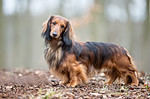
  • Coat and ear shape vary; frequently has Beagle-like floppy ears with a softer Maltese-influenced coat
  • Temperament commonly blends Beagle scent-hound curiosity with Maltese companion traits

Physical Measurements

Males and females differ in size

Height
โ™‚ 1 ft 1 in (11 in โ€“ 1 ft 4 in)
โ™€ 1 ft 1 in (10 in โ€“ 1 ft 3 in)
Length
โ™€ 1 ft 10 in (1 ft 6 in โ€“ 2 ft 2 in)
Weight
โ™‚ 21 lbs (13 lbs โ€“ 29 lbs)
โ™€ 19 lbs (11 lbs โ€“ 26 lbs)
Tail Length
โ™‚ 9 in (7 in โ€“ 10 in)
โ™€ 9 in (7 in โ€“ 11 in)
Top Speed
19 mph
running

Appearance

Primary Colors
Secondary Colors
Skin Type Fur-covered canine skin with moderate pigmentation; can be sensitive/allergy-prone with possible dryness.
Distinctive Features
  • Designer mixed breed: Maltese ร— Beagle (not a standardized, kennel-club pure breed).
  • Domestic dog context (Canis lupus familiaris): smaller companion build than wild-type Canis lupus, with shortened muzzle and softer coat texture.
  • Size and proportions vary by parent influence; typically small-to-medium with a compact, slightly longer body.
  • Ears usually long and dropped (Beagle influence), sometimes shorter with more Maltese set.
  • Coat ranges from short/straight to medium-long/wavy; shedding level varies from low-moderate to moderate.
  • Facial expression often rounded with a moderate stop; may have Beagle-like mask/white blaze.
  • Tail commonly carried level to slightly upturned; may show a slight plume if coat is longer.
  • Temperament often friendly, social, scent-driven; may be vocal and prone to wandering if scent-motivated.
  • Health concerns (crossbreed variability): potential for ear infections (pendulous ears), dental crowding/periodontal disease (small-dog trait), allergies/skin irritation, patellar luxation, intervertebral disc risk in compact backs, and Beagle-associated obesity tendency.
  • Care requirements: consistent positive training and leash/fenced containment due to scent tracking; daily exercise plus sniffing games; routine ear cleaning/drying; regular tooth brushing; coat brushing frequency depends on length/waviness (2-5ร— weekly for longer coats).

Sexual Dimorphism

Males are typically slightly taller/heavier with broader heads and necks, while females tend to be lighter and more refined. Differences are modest and vary widely due to mixed-breed inheritance.

โ™‚
  • Slightly larger overall frame; heavier bone in some lines.
  • Broader skull and thicker neck/shoulders may be noticeable.
  • May show more pronounced jowls/ear leather in Beagle-leaning individuals.
โ™€
  • Slightly smaller, more fine-boned build on average.
  • Narrower head and chest; lighter musculature common.
  • May appear more compact and lighter in gait.

Did You Know?

The Malteagle is a designer cross: Maltese (toy companion) ร— Beagle (small scent hound), so puppies can differ a lot-even within one litter.

Many Malteagles inherit the Beagle's powerful nose, meaning "sniff walks" can be more satisfying than long-distance runs.

Coats can range from Beagle-like short and easy-care to longer, silkier Maltese-like coats that need more grooming.

Ears are commonly floppy; that cute trait also means owners should watch for ear moisture and wax buildup.

Some inherit the Beagle's signature "voice" (bays/howls) more than typical companion breeds.

Because both parent breeds have long histories as human partners (lapdog and hunting aide), Malteagles often bond strongly with people and thrive on companionship.

Unique Adaptations

  • Hybrid combination of roles: companionship traits (Maltese) paired with scent-hound sensory specialization (Beagle), often producing a highly people-oriented yet outdoors-curious dog.
  • Enhanced olfactory focus (when Beagle traits are strong): sustained scent investigation and persistence on trails compared with many toy-type dogs.
  • Flexible temperament and coat outcomes: crossbreed variability can yield different energy levels and grooming needs, so owners can't assume a single standardized profile.
  • Compact body with hound-like motivation: a smaller dog that may still need substantial mental enrichment (sniffing games, puzzles) to feel satisfied.

Interesting Behaviors

  • Scent-trailing and "nose-to-ground" zigzagging on walks, especially if Beagle instincts dominate.
  • Shadowing/velcro behavior at home (often from the Maltese side), preferring to be near their person.
  • Selective hearing when following an interesting scent; recall may be less reliable without training.
  • Vocal expression: alert barking, and in some individuals, Beagle-like baying when excited or frustrated.
  • Food-driven learning: many respond extremely well to reward-based training but may counter-surf if management is lax.
  • Burrowing into blankets or seeking soft, warm resting spots-common in small companion dogs.
  • Play style varies: some are gentle lap cuddlers; others are busy "sniff-and-search" explorers.

Cultural Significance

The Malteagle is a modern designer mix that blends working Beagle and companion Maltese lines. As Canis lupus familiaris, dogs came from the gray wolf. Malteagles are mostly pets but often use their strong noses like hounds.

Myths & Legends

The Maltese is long linked to Mediterranean lore and prestige: in classical and later European tradition, tiny "Maltese" lapdogs were favored by elites and appear in art and stories as cherished companions of high status.

Beagles are linked to British hunting and court stories. Small hounds were praised for making noise on a trail, and packs followed on foot made the Beagle a merry, musical little hound.

In broad dog myths (Canis lupus familiaris), dogs are guardians and guides: Greek Cerberus guards the underworld, and many cultures see dogs between home and wild, shaping views of watchdogs and loyalty.

In European folk belief, dogs were thought to sense visitors or danger before people. Owners of scent-driven mixes like the Malteagle (Canis lupus familiaris) often say their dog reacts to unseen smells.

Conservation Status

NE Not Evaluated

Has not yet been evaluated against the criteria.

Population Stable

Life Cycle

Birth 4 pups
Lifespan 4 years

Lifespan

In the Wild 1โ€“8 years
In Captivity 10โ€“16 years

Reproduction

Mating System Polygynandry
Social Structure Managed Domestic
Breeding Pattern Serial
Fertilization Internal Fertilization
Birth Type Internal_fertilization

Malteagles follow typical domestic-dog reproduction: human-managed pairing is common, and individuals do not form lasting pair bonds. Females come into estrus cyclically, and mating can involve multiple males and females across breeding opportunities, with internal fertilization.

Behavior & Ecology

Social Pack Group: 3
Activity Diurnal, Crepuscular, Cathemeral
Diet Omnivore Meat-forward foods (especially chicken or turkey-based kibble/wet food; many also strongly prefer scent-rich treats).

Temperament

Species context (Canis lupus familiaris): highly social, human-directed cooperation replaces wild wolf pack hunting roles.
Breed distinction (Maltese x Beagle): companion-oriented affection plus scent-hound curiosity and persistence when following odors.
HUBS: people-focused, novelty-seeking, and food-motivated; individuals vary from cuddly-calm to busy, nose-led explorers.
Generally friendly and playful; can be stubborn or distractible outdoors due to Beagle tracking drive.
May be vocal (barking/baying) when alert, bored, or separated; early training reduces nuisance noise.
Stranger response ranges from social greeter to cautious; early socialization strongly shapes confidence.
Dog sociability usually good; may chase small pets if prey drive is inherited strongly.
Training: responds best to positive reinforcement, short sessions, and high-value treats; avoid harsh corrections.
Enrichment/care: daily walks plus sniffing games, puzzle feeders, and recall practice in secure areas.
Grooming/care: regular brushing and coat care; routine ear cleaning due to drop ears and moisture retention.
Health concerns to watch: dental disease (small-breed risk), otitis externa, obesity, and patellar luxation.
Possible inherited issues: allergies, eye irritation/tear staining, hypothyroidism or epilepsy (Beagle lines), and tracheal sensitivity (toy lines).

Communication

bark Alerting and attention-seeking
bay/howl Scent excitement or frustration
whine Separation, arousal, or appeasement
growl Warning during discomfort or resource guarding
grumble/soft moans Contentment and social contact
intense sniffing and tracking posture to indicate scent interest
tail wag carriage changes signaling arousal vs. relaxation
ear position and head tilt to solicit interaction or indicate uncertainty
pawing, licking, and leaning for affiliative contact with humans
play bows and bouncy approaches to initiate play
avoiding gaze, lip-licking, and yawning as calming/appeasement signals
scent marking and ground-sniffing to communicate presence and investigate others

Habitat

Biomes:
Temperate Forest Temperate Grassland Mediterranean Boreal Forest (Taiga) Tundra Alpine Desert Hot Desert Cold Savanna Tropical Dry Forest Tropical Rainforest Temperate Rainforest Freshwater Wetland Marine +9
Terrain:
Plains Hilly Coastal Mountainous Island
Elevation: Up to 16404 ft 3 in

Ecological Role

Domestic omnivorous companion and opportunistic mesopredator/scavenger when roaming; primarily a human-supported consumer rather than a natural apex predator like wild wolves.

Human companionship and social support Deterrence/alerting via barking and presence Local rodent control through opportunistic predation (where allowed) Nutrient cycling via waste contribution in human-managed environments (requires responsible disposal)

Diet Details

Main Prey:
Rodents Rabbit Small birds and eggs Insects and other small invertebrates
Other Foods:
Fruits Vegetables Cooked grains/starches Grasses and herb greens

Human Interaction

Domestication Status

Domesticated

Malteagle (Canis lupus familiaris) is a modern, intentionally mixed cross of Maltese and Beagle. Domestic dogs came from gray wolves over tens of thousands of years with humans. Malteagles are smallโ€“medium, very people-oriented, have a strong scent drive, and need walks, sniffing games, grooming, and steady training. They can inherit health issues from either parent.

Danger Level

Low
  • Bite or scratch risk (usually low severity due to small-to-medium size, but any dog can bite if fearful, in pain, or poorly managed)
  • Nuisance barking/howling potential (Beagle influence) leading to neighbor/community conflict
  • Allergies/asthma triggers from dander and saliva (not a hypoallergenic guarantee despite Maltese ancestry)
  • Zoonotic and hygiene risks if preventive care is neglected (intestinal parasites, fleas/ticks; rabies risk mitigated by vaccination)
  • Roaming/escape risk if scent-driven (Beagle influence), increasing chance of traffic incidents or conflicts with other animals

As a Pet

Suitable as Pet

Legality: Malteagle (Canis lupus familiaris) is generally legal where pet dogs are allowed. Must follow local rules: licensing, vaccinations (like rabies), leash and housing laws; aggression can bring dangerous-dog rules.

Care Level: Moderate

Purchase Cost: $200 - $1,200
Lifetime Cost: $15,000 - $35,000

Economic Value

Uses:
Companion animal (pet/household) Pet industry services (training, grooming, boarding, daycare) Veterinary and preventive healthcare market Breeding/designer cross niche market Therapy/ESA potential (temperament-dependent)
Products:
  • Puppy sales/adoption fees
  • Routine veterinary care (vaccines, parasite control, spay/neuter)
  • Dental cleanings and home dental products
  • Grooming services (bathing, brushing, trims as needed)
  • Training classes and behavior services
  • Pet supplies (food, harness/leash, enrichment toys, crates)
  • Boarding/daycare services

Relationships

Predators 7

Coyote Canis latrans
Bobcat Lynx rufus
Great horned owl Bubo virginianus
Large raptors Accipitridae
Domestic dog Canis lupus familiaris
Gray wolf Canis lupus
Human Homo sapiens

Related Species 8

Domestic dog Canis lupus familiaris Shared Species
Gray wolf Canis lupus Shared Species
Coyote Canis latrans Shared Genus
Golden jackal Canis aureus Shared Genus
African wild dog Lycaon pictus Shared Family
Red fox Vulpes vulpes Shared Family
Maltese Canis lupus familiaris Shared Species
Beagle Canis lupus familiaris Shared Species

Ecological Equivalents 5

Animals that fill a similar ecological role in their ecosystem

Beagle Canis lupus familiaris Small scent-hound niche: strong scent drive and tracking behavior, high food motivation, and vocal behavior. Requires daily sniff-walks and enrichment, and diet control to prevent weight gain. Monitor for ear infections, hypothyroidism, intervertebral disc disease, and inherited eye problems.
Maltese Canis lupus familiaris Occupies the toy companion niche; provides lap-dog personality and smaller size. May increase coat grooming needs due to the Maltese's long coat. Requires regular dental care because small breeds have higher risk of periodontal disease. Health risks include patellar luxation, dental disease, and tear staining.
Cavalier King Charles Spaniel Canis lupus familiaris Similar size and companion-focused role. Comparable needs for moderate exercise and high human contact. Overlap in potential health issues: ear infections and dental disease; some lines are prone to breed-specific cardiac disease.
Dachshund Canis lupus familiaris Miniature variety. Small dog with prey- and scent-drive variants; similar enrichment needs (nose-work, structured walks). Management overlaps include weight control to reduce orthopedic and spinal stress, and careful restriction of jumping and rough play.
Jack Russell Terrier Canis lupus familiaris Small, active, prey-motivated companion dog. Overlaps with Malteagle management when mixes inherit high energy/drive; requires training, recall work, and secure off-leash containment.

Affiliate Disclosure: As an Amazon Associate and affiliate partner of various brands, we may earn a small commission when you purchase through links on our site, at no extra cost to you. This helps us continue to provide high-quality content.

Beagles are hunting dogs, but the Maltese is a toy breed. This means that your Malteagle will have an adventurous personality but will be more inclined to cuddle and play than to hunt around outdoors.

A Malteagle is a cross between a Beagle and a Maltese. The result is a sweet, playful, and adventurous dog that makes a truly delightful companion. Malteagle owners love how cheerful and cuddly their pets are, and nearly everyone can agree that these dogs are better for their long, fluffy, and hypoallergenic coats.

Although Malteagles are hard to find, there are plenty of Maltese breeders who will be willing to help you acquire one of these designer pets. If youโ€™re looking for a fun and friendly hybrid dog with a great personality, the Malteagle is an excellent choice.

Owning a Malteagle: 3 Pros and Cons

Pros!Cons!
Playful personality: Malteagles is incredibly sweet and affectionate dogs that love to play with their owners. Make sure to invest in plenty of small dog toys before you bring your puppy home.Escape artist: Like their Beagle parents, Malteagles are incredibly adventurous. However, because they are so small, they have a tendency to crawl under fences or slip through open doors. Keep an eye on your Malteagle, especially during crowded social situations.
Hypoallergenic coat: Most Malteagles are hypoallergenic, especially if they take after their Maltese parent. This makes them a great choice for household or office pets.Extra grooming: Malteagles have thick coats of hair that need to be brushed regularly to keep them from matting. For best results, you may need to brush your Malteagle at least every other day.
Companion size: With their small size and sweet demeanor, malteagles are great at following their owners everywhere. Be sure to pick your malteagle up and take them along for short errands or even the entire workday.Short attention span: Malteagles may be sweet, but they have low intelligence. Because of this, you may have difficulty training them to respond to more than basic commands.

Malteagle Size and Weight

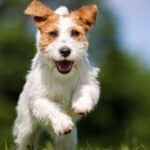
Malteagles are small dogs with fluffy coats of white hair. This designer dog breedโ€™s Beagle blood makes them slightly larger than their Maltese parents, but they are still small enough to be considered a toy breed. In general, you can expect a full-grown Malteagle to weigh between 13 and 25 pounds and to stand between and 15 inches tall. Male Malteagles are usually larger than their female counterparts, although the difference is often quite minimal.

Height (male)10-15 inches
Height (female)10-14 inches
Weight (male)15-25 lbs
Weight (female)13-22 lbs

Malteagle Common Health Issues

Like most designer dog breeds, Malteagles are incredibly healthy and have reliably long lifespans. These pups are too small to experience the joint dysplasia that often plagues purebred dogs; instead, they are likely to experience issues related to blood flow and the short distance between their heart and any relevant injuries. A Malteagle may also experience retinal issues and occasional skin allergies. In general, ask your vet to check for:

  • Heart concerns
  • Eye conditions
  • Hydrocephalus
  • Skin allergies

Malteagle Temperament

Malteagles are sweet and friendly dogs with loving and affectionate personalities. In general, you can expect a Malteagle to exhibit incredibly playful and cuddly personality traits โ€“ especially when they have recently had a nap. Like their Beagle parents, these dogs are also incredibly adventurous and love to explore both indoor and outdoor environments. Many Malteagle owners love to take their pets on long walks and enjoy seeing their dog happily prance through the dog park.

Although Malteagles have even temperaments, these dogs are as capable of getting irritated as any other canine. Most Malteagles expect to get a reasonable amount of rest and will become snappy if they are allowed to get to tired. Luckily, the solution is as simple as providing plenty of soft places and allowing your Malteagle to rest between social interactions. A Malteagleโ€™s ideal day involves good meals, several rounds of playtime, and plenty of cuddling with their primary owner.

How to Take Care of a Malteagle

Malteagles are sweet dogs that donโ€™t need much to stay happy. As long as you feed them at regular intervals, play with them throughout the day, and provide a safe environment for them to explore, your Malteagle will make their own fun while youโ€™re taking care of your human responsibilities. Donโ€™t forget to brush your dog regularly, and keep an eye on them to make sure they donโ€™t get lost in large or crowded environments.

The Best Dog Food for Malteagles

Even full-grown Malteagles are small dogs that donโ€™t need to eat a lot of food to stay healthy. However, because they are descended from Beagles, these dogs are very food-oriented and love to explore new tastes and smells. Start by buying a high-quality kibble and feeding small portions are recommended by your veterinarian.

Malteagles are vulnerable to heart disease, so look into the link between legumes and heart failure in dogs, and think about opting for legume-free dog food.

Alternatively, you can cook homemade dog food with lean meats and vegetables. You may also want to feed your dog small treats throughout the day, especially during training sessions. If your Malteagle is gaining weight or exhibiting destructive behavior, they may be consuming too many calories.

A-Z Animals believes the best dog food for Malteagles is Instinct Raw Boost Whole Grain Dry Dog Food, Natural Kibble with Omegas + Freeze Dried Raw Dog Food.

Thatโ€™s because this legume-free raw boost kibble has omegas, pus vitamins E and A to help maintain smooth, happy skin and coat. The lamb and fish recipe also includes carrots, which are good for your dogโ€™s eyes. Since the freeze-dried raw pieces are less processed, they retain more nutrients, flavor, and protein, so your Malteagle will be less likely to over-eat and gain weight.

Check Chewy and Amazon for this product.

Best Nutrient-Rich
Instinct Raw Boost Whole Grain Dog Food
  • High protein dog food mixed with freeze dried raw toppers
  • Contains probiotics for healthy digestion and omegas for skin & coat
  • No corn, wheat, soy, potato, peas, lentils, by-product meal, artificial colors or preservatives.


Check Chewy Check Amazon

Maintenance and Grooming

These dogs have long coats of hypoallergenic fur. Although they wonโ€™t shed, these dogs need to be brushed regularly to keep their fur from matting. For best results, make brushing a daily activity; look for a long-toothed brush or comb that doesnโ€™t snag or take the hair with it. You should also bathe your dog at least once a month. Remember to trim their nails, brush their teeth, and inspect their ears for any signs of infection.

Training

Malteagles are sweet and obedient dogs, but they tend to have low attention spans. Donโ€™t expect your dog to learn anything more than basic and essential commands. Start training soon after you bring your new puppy home. Keep sessions short; in the beginning, you may want to hold several 15-minute training sessions throughout the day to help reinforce important commands. As your dog gets older, hold at least three training sessions a week to make sure they donโ€™t forget anything that they have learned.

Exercise

These dogs are playful dogs that love to exercise. Start by providing your dog with plenty of space to run around the house. These dogs donโ€™t necessarily need a yard, but they love having access to one. If you canโ€™t let your dog outside and off-leash, make sure to take them on at least one 60-minute long walk every day. If your dog does have access to a yard, they may only need a short walk in the morning or evening.

Puppies

Puppies are excitable and adventurous. Because they are so small, they need to be watched closely to make sure that they do not get lost or hurt during their explorations. Expect puppies to eat more than their adult counterparts, and remember to buy a high-nutrition dog food intended for their age group.

Malteagles and Children

These dogs are playful and small, making them a great choice as companions for children. Remember not to give a Malteagle or any other dog to a child who is too small to understand canine boundaries. Because of their small size, these dogs need to be watched closely to make sure that they do not get hurt. Encourage your children to play gently, and rescue your dog from the situation if they start to get tired.

Dogs Similar to Malteagles

These dogs are popular for their playful attitudes and hypoallergenic coats. If youโ€™re looking for something similar, try looking for another hybrid that includes either a Maltese or a toy poodle. Many designer breeders offer several different crossbreeds from the same selection of genetic lines.

  • Maltipoo โ€“ Maltipoos are sweet, loving, and incredibly hypoallergenic.
  • Poogle โ€“ The Poogle has the playful personality of a Beagle mixed with the curly coat of a miniature poodle. Make sure that your Poogle isnโ€™t descended from a regular poodle, or theyโ€™ll be much bigger than expected.
  • Morkie โ€“ With bright eyes and fluffy coats, Morkies are one of the cutest terrier hybrids on the market.

Popular names for these dogs include:

  • Teddy
  • Daisy
  • Lola
  • Cherry
  • Coco
  • Buddy
  • Benji
  • Rocky
  • Marley
  • Buster
  • Joey
View all 330 animals that start with M

Sources

  1. Maltese Maniac / Accessed April 30, 2021
  2. Dog Breed Info / Accessed April 30, 2021
  3. 101 Dog Breeds / Accessed April 30, 2021
  4. Doggie Designer / Accessed April 30, 2021
  5. Pet Guide / Accessed April 30, 2021

About the Author

A-Z Animals Staff

AZ Animals is a growing team of animals experts, researchers, farmers, conservationists, writers, editors, and -- of course -- pet owners who have come together to help you better understand the animal kingdom and how we interact.
Connect:

Thank you for reading! Have some feedback for us?

Contact the AZ Animals editorial team

Related Articles You May Find Interesting


Malteagle FAQs (Frequently Asked Questions)

A Malteagle is a crossbreed made by mixing a Beagle with a Maltese. One of these purebred dogs is a hound, and the other is a toy breed meant to be a companion. The result is a small, fluffy, and playful pet that many owners choose for its unique and affectionate personality.

The Malteagle is a rare crossbreed that is often unavailable in many areas. Because of this, the price of a Malteagle puppy may vary greatly between different breeders. In general, the average price of a Malteagle is around $800 to $1,000. You may be able to find a Malteagle for a lower price at your local animal rescue.

Malteagles are both extremely playful and incredibly small. This means that they are a great choice as a companion animal for older children. However, no pup should be left alone with small children who do not understand how to respect a dogโ€™s boundaries, and malteagles are no exception. If you notice that your malteagle is getting tired, be sure to rescue them from the social situation before anything bad can happen.

The average lifespan of a malteagle is between 12 and 15 years. These dogs are small and healthy, so you can expect them to live a long time, especially if you take them to the vet on a regular basis. You can also improve your malteagleโ€™s lifespan with a good diet and plenty of exercise.

Beagles are known for shedding, but Maltese do not shed at all. Because the Malteagle is a crossbreed, you can expect them to show a minimal amount of shedding that varies based on which parent breed your puppy takes after.

Maltese are hypoallergenic, and so are most of their descendant breeds. Although your Malteagle may exhibit a slight amount of shedding, you can expect your puppy to be safe for allergen-free households. If you have pet allergies, always remember to spend time at the breederโ€™s location before you decide whether or not you can bring any puppy into your home.

Malteagles are small dogs, and most of their visual size comes from their fluffy coats of fur. A full-grown Malteagle usually doesnโ€™t get larger than around 25 pounds. In general, you can expect these dogs to weigh between 13 and 20 pounds.