








M
Species Profile

Mouse

Muridae

Small gnawers, huge impact.
Rudmer Zwerver/Shutterstock.com

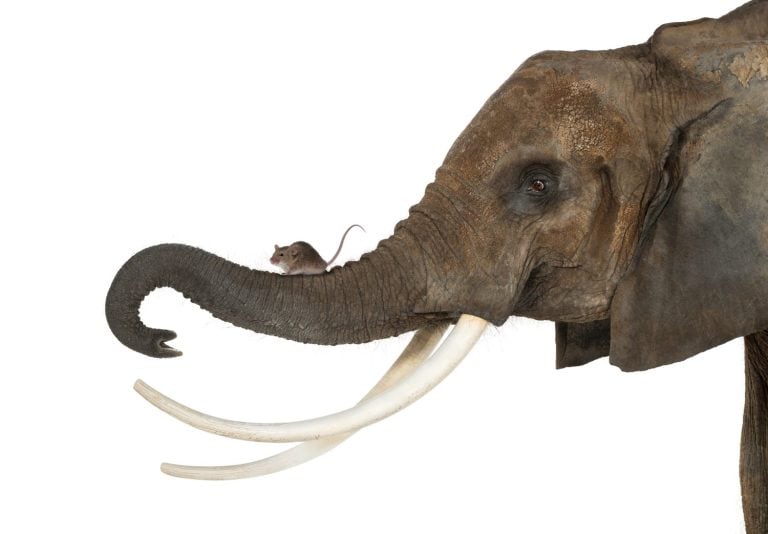
Size Comparison

Human 5'8"
Mouse 3 in

Mouse stands at 5% of average human height.

At a Glance

Family Overview This page covers the Mouse family as a group. Stats below are general traits shared across the family.
Also Known As Mice, House mouse, Field mouse, Wood mouse, Mousie, Mousy, Rodent
Diet Omnivore
Activity Nocturnal+
Lifespan 1.2 years
Weight 0.03 lbs
Status Not Evaluated
Did You Know?

Muridae is the largest mammal family by number of species-spanning hundreds of species across Africa, Eurasia, and beyond.

Scientific Classification

Family Overview "Mouse" is not a single species but represents an entire family containing multiple species.

Mice (in the common sense) are small rodents typically characterized by a pointed snout, prominent whiskers (vibrissae), relatively large ears and eyes, and a long, usually sparsely furred tail. As a hub, Muridae covers many of the best-known 'true mice' and close relatives, especially in the Old World.

Kingdom
Animalia
Phylum
Chordata
Class
Mammalia
Order
Rodentia
Family
Muridae

Distinguishing Features

  • Small-bodied rodent with continuously growing incisors adapted for gnawing
  • Prominent vibrissae (whiskers) and strong olfactory orientation
  • High reproductive potential (short generation times in many species)
  • Long tail used for balance; degree of fur/scale varies by species
  • Ecologically important as seed consumers, prey species, and sometimes agricultural pests

Physical Measurements

Males and females differ in size

Height
โ™‚ 3 in (1 in โ€“ 10 in)
Length
โ™‚ 6 in (5 in โ€“ 8 in)
โ™€ 6 in (5 in โ€“ 8 in)
Weight
โ™‚ 0 lbs (0 lbs โ€“ 0 lbs)
โ™€ 0 lbs (0 lbs โ€“ 0 lbs)
Tail Length
โ™‚ 3 in (2 in โ€“ 4 in)
โ™€ 3 in (2 in โ€“ 4 in)
Top Speed
8 mph
running

Appearance

Primary Colors
Secondary Colors
Skin Type Dense fur over skin; tail skin often shows visible keratinized scales with sparse hairs; plantar surfaces variably furred or bare for traction.
Distinctive Features
  • Measurements (family-wide range): head-body length ~5-40+ cm; tail length ~3-45+ cm (often similar to body, but varies by ecology).
  • Mass (smallest to largest murids): ~0.003 kg to ~2.5-3.0 kg (from tiny pygmy mice to large giant rats/cloud rats).
  • Lifespan (across species): commonly ~0.5-3 years in the wild; some reach ~5-8 years in captivity, especially larger-bodied or well-protected species.
  • Rodent dentition: one pair of ever-growing incisors per jaw; no canines; diastema; molars adapted from granivory to omnivory/insectivory depending on lineage.
  • Mouse-like head traits: pointed to blunt snout, prominent vibrissae (whiskers), relatively large ears and eyes; strong tactile and olfactory orientation.
  • Tail: usually long and slender; often sparsely furred and visibly scaled; used for balance in climbing species, shorter/thicker in some terrestrial burrowers.
  • Locomotion and habitat breadth: includes terrestrial runners, burrowers, climbers, and some semi-arboreal forms; found from deserts to tropical forests and montane regions.
  • Ecological roles: major prey base for many predators; important seed predators and sometimes seed dispersers; frequent agricultural pests and disease-reservoir concerns in some commensal species.
  • Human commensalism: several genera readily exploit buildings, storage, and farms, but many murids remain strictly wild and habitat-specialized.

Sexual Dimorphism

Often subtle: males are frequently slightly larger with broader heads and more pronounced scent-gland development; females have visible mammae when lactating. Degree varies widely-some species show minimal size differences, others show stronger body-mass and behavior contrasts.

โ™‚
  • Slightly larger average body mass and head breadth in many species.
  • More prominent anogenital distance; testes size can be seasonally conspicuous.
  • Scent-marking structures/behavior often more developed (varies by species).
โ™€
  • Nipples/mammae visible when breeding or lactating; enlarged abdomen during pregnancy.
  • Often slightly smaller average size in many species (not universal).
  • Maternal nesting and nursing behaviors; intensity varies with ecology and social system.

Did You Know?

Muridae is the largest mammal family by number of species-spanning hundreds of species across Africa, Eurasia, and beyond.

Not all animals called "mouse" are murids: North American "deer mice" are usually Cricetidae, not Muridae.

All murids have ever-growing incisors; they must gnaw constantly to keep teeth worn down.

Some murids are highly human-commensal (living alongside people), while many others are strictly wild and specialized.

Murid whiskers (vibrissae) are touch sensors so sensitive they can help an animal "feel" its surroundings in darkness.

Diet ranges widely: many are seed-eaters, others are omnivores, and a few are notably more insect-heavy than the classic "grain thief" stereotype.

Murids underpin many food webs-supporting predators from owls and snakes to small carnivores.

Unique Adaptations

  • Continuously growing incisors paired with a diastema (gap) and specialized jaw musculature enable powerful gnawing on seeds, roots, wood, and human materials.
  • Highly developed vibrissae and facial touch-processing support navigation in cluttered, low-light environments; many species "whisk" surfaces to map space.
  • Long tails often aid balance and agile climbing (especially in more scansorial species), though tail length and hairiness vary widely across the family.
  • Efficient reproduction: many murids can rebound quickly after population crashes-an adaptation to variable climates and boom-bust food supplies.
  • Kidney physiology in several arid-land murids supports water conservation (concentrated urine), though desert-adaptation is not universal across the family.
  • Auditory and olfactory sensitivity are generally strong; in some species this supports complex social communication and predator detection.

Interesting Behaviors

  • Nocturnal/crepuscular activity is common across Muridae, but some species shift to daytime in cooler climates or safer habitats.
  • Scent communication is a family hallmark: urine and glandular odors mark trails, territories, and reproductive status; intensity varies by species and social system.
  • Burrowing and nest-building are widespread-ranging from simple grass nests to multi-entrance tunnel systems (with big variation in complexity).
  • Scatter-hoarding (caching) of seeds occurs in multiple murid lineages; it can influence plant regeneration depending on what gets forgotten or relocated.
  • Social structure spans a spectrum: some murids form loose colonies or family groups, while others are more solitary and territorial.
  • Rapid life history is typical: short generation times and frequent breeding under good conditions, but many wild species reproduce seasonally when resources peak.
  • Predator-avoidance behaviors include freezing, zig-zag running, use of cover, and alarm responses; reliance on each strategy differs among habitats.

Cultural Significance

Muridae (mice and rats) live close to people in houses, granaries, and cities, causing crop loss and disease but also serving as lab animals (especially Mus and Rattus). In stories they mean shyness, cleverness, or underdogs; seen as pets or pests.

Myths & Legends

Ancient Greek fable tradition (Aesop) features mice repeatedly-such as "The Lion and the Mouse," where a small mouse repays mercy by freeing a lion, a lasting moral about the power of the small and humble.

In Hindu tradition, the god Ganesha is famously associated with a mouse as his vehicle, symbolizing the ability to navigate obstacles and reach hidden places; this image is widespread in South Asian devotional art.

In Chinese zodiac lore, the Rat (a close murid relative in popular storytelling) wins first place through cleverness-riding the Ox and leaping ahead at the finish-an enduring tale told during Lunar New Year celebrations.

European folktales preserve the motif of "The Town Mouse and the Country Mouse" (known from classical sources and retold widely), contrasting the risks of luxury with the security of a simpler life.

At the Karni Mata Temple in Rajasthan, temple rodents (often called rats or mice (Muridae)) are honored because of a local legend linking them to rebirth and protection, blending animals with sacred stories.

Conservation Status

NE Least Concern

Has not yet been evaluated against the criteria.

Population Unknown

Protected Under

  • Family-wide protection is not uniform; most Muridae are unprotected as common wildlife or pests, while many threatened endemics are protected under national endangered-species laws and occur in protected areas.
  • On some islands and reserves, legal frameworks support invasive predator control, biosecurity, and habitat restoration that directly benefit at-risk Muridae populations.

Looking for a specific species?

House mouse

Mus musculus

In everyday English, "mouse" most commonly refers to the house mouse, a globally distributed commensal species closely associated with human buildings, food stores, and settlements.

  • Across the Muridae family, total length (including tail) ranges from about 7โ€“8 cm in tiny pygmy mice to about 45โ€“50+ cm in large rats; adult weight ranges from about 3โ€“5 g to over 1,000 g.
  • Family-wide lifespan range (approx.): many small species typically live ~1-2 years in the wild, while larger murids (and protected/captive individuals) can reach ~4-8+ years depending on species and conditions.
  • Common ecological patterns across Muridae: mostly nocturnal/crepuscular, strong reliance on smell/hearing/vibrissae, high reproductive potential, and flexible diets ranging from seed- and plant-heavy to highly omnivorous/insectivorous (with notable habitat-linked variation).
  • Muridae are major prey-base animals in many ecosystems; predation pressure strongly shapes their behavior (burrowing, vigilance, rapid breeding, and use of cover), but arboreal, desert-adapted, and commensal strategies all occur within the family.
View House mouse Profile

You might be looking for:

House mouse

55%

Mus musculus

The most familiar 'mouse' worldwide; commensal with humans and widely used in research.

View Profile

Deer mouse (New World mice; not Muridae)

15%

Peromyscus maniculatus (family Cricetidae)

A very common 'mouse' in North America, but taxonomically in Cricetidae rather than Muridae.

Wood mouse

12%

Apodemus sylvaticus

Common wild mouse of Europe; often meant by 'field/wood mouse' regionally.

View Profile

Harvest mouse

10%

Micromys minutus

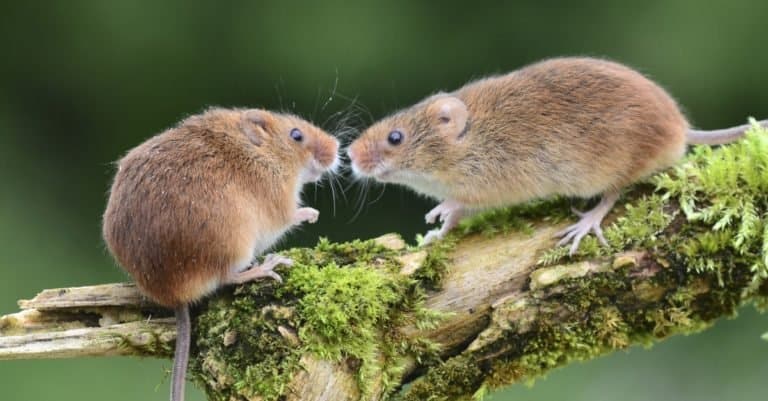
Small Eurasian mouse known for climbing grasses and weaving spherical nests.

African pygmy mouse

8%

Mus minutoides

Very small species of the genus Mus; sometimes referenced when discussing the smallest mice.

Life Cycle

Birth 6 pups
Lifespan 1 year

Lifespan

In the Wild 0.2โ€“5 years
In Captivity 1โ€“4 years

Reproduction

Mating System Polygynandry
Social Structure Transient
Breeding Pattern Transient
Fertilization Internal Fertilization
Birth Type Internal_fertilization

Across Muridae, mating is commonly polygynandrous with both sexes taking multiple mates; males compete via ranging, scent-marking, and dominance. Pair bonds are usually brief, and females typically provide most care, though communal nesting/allonursing occurs in some species.

Behavior & Ecology

Social Colony Group: 8
Activity Nocturnal, Crepuscular, Cathemeral, Diurnal
Diet Omnivore Seeds and grains (energy-dense seeds; often preferred when available)

Temperament

Highly variable across Muridae; often cautious yet exploratory in familiar areas
Strong neophobia to novel objects/foods in some species; others quickly habituate near humans
Territoriality ranges from strong solitary spacing to tolerance in dense colonies
Male-male aggression common during breeding; intensity depends on density and resource distribution
Opportunistic, flexible foragers; hoarding and burrow/nest defense occur in many species
Stress-sensitive; boldness and docility vary with habitat, predation pressure, and social context

Communication

Ultrasonic vocalizations (pups and adults) for contact, courtship, and distress
Audible squeaks/chirps during aggression, handling, or close-range interactions
Alarm-related calls in some species; structure and use vary widely
Scent marking via urine, feces, and gland secretions for territory, identity, and reproductive state
Substrate marking and trail following; strong reliance on olfactory cues
Tactile communication: whisker contact, huddling, grooming, and nudging
Visual postures and facial/body displays in aggressive or courtship contexts
Foot drumming/vibrational signals reported in some taxa, often in threat or alarm contexts

Habitat

Biomes:
Tropical Rainforest Tropical Dry Forest Savanna Desert Hot Desert Cold Mediterranean Temperate Grassland Temperate Forest Temperate Rainforest Boreal Forest (Taiga) Tundra Alpine Freshwater Wetland +8
Terrain:
Mountainous Hilly Plateau Plains Valley Coastal Island Riverine Volcanic Karst Rocky Sandy Muddy +7
Elevation: Up to 14763 ft 9 in

Ecological Role

Widespread omnivorous small-to-medium mammal consumers that function as both prolific prey and important consumers of seeds, vegetation, and invertebrates across many ecosystems (including human-modified habitats).

seed predation (influences plant recruitment and community composition) seed dispersal in some contexts (via caching and partial consumption) invertebrate predation (can reduce insect populations locally) soil disturbance/aeration and microhabitat creation through burrowing and digging nutrient cycling (feces, carcasses; movement of organic matter) key prey base for predators (raptors, snakes, small carnivorans), supporting food webs

Diet Details

Main Prey:
Insects Arthropods Earthworms and other soft-bodied invertebrates Snails and slugs Eggs and nestlings of small birds and reptiles Small vertebrates Carrion +1
Other Foods:
Seeds and grains Green plant material Fruits and berries Nuts and hard mast Roots, bulbs and tubers Fungi Agricultural crops and stored foods +1

Human Interaction

Domestication Status

Semi domesticated

House mouse (Mus musculus, Muridae) are not typical livestock but have long lived near people since farming began. In Europe by 1800s people bred "fancy mice" for color and tame traits. Early 1900s Abbie Lathrop and Clarence Cook Little made inbred lab lines. Today domesticated lines are common pets and lab animals; wild mice live near buildings and farms.

Danger Level

Moderate
  • Disease transmission (risk concentrated in commensal species and high-contact settings): leptospirosis, salmonellosis, rat-bite fever; some murid-associated hantaviruses/arenaviruses regionally; plague risk historically and locally via flea vectors on some rats
  • Allergies/asthma triggers from dander/urine proteins in homes, farms, and labs
  • Bites/scratches (typically minor but can become infected)
  • Food contamination and spoilage in homes, restaurants, and grain storage
  • Property/infrastructure damage from gnawing (wiring, insulation, stored goods), with secondary fire risk
  • Psychological/quality-of-life impacts during infestations

As a Pet

Suitable as Pet

Legality: Legality varies. Domesticated fancy mice and other pet Muridae are usually allowed in many places. Many areas restrict wild-caught, invasive species, imported or requiring quarantine animals, and wildlife sales. Check local laws.

Care Level: Moderate

Purchase Cost: Up to $300
Lifetime Cost: $200 - $4,000

Economic Value

Uses:
Biomedical and genetics research models Companion animals (fancy lines) and feeder animals Agricultural and stored-product pests Urban infrastructure pests (gnawing damage, contamination) Ecosystem services (prey base for predators, seed/soil interactions) Food source in some local/subsistence contexts (limited, region-specific)
Products:
  • Laboratory strains and research animals (e.g., inbred/outbred lines)
  • Pet trade animals (domesticated lines) and related supplies
  • Rodent control services and rodenticides/traps (industry driven by pest species)
  • Educational animals for teaching/behavioral studies

Relationships

Predators 8

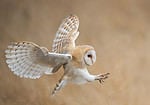
Barn owl Tyto alba
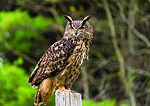
Eurasian eagle-owl Bubo bubo
Red fox Vulpes vulpes
Weasels Mustela nivalis
Stoat Mustela erminea
Cat Felis catus
Snakes Pantherophis spp.
Monitor lizards Varanus spp.

Related Species 5

Hamsters, voles, lemmings, and New World rats and mice Cricetidae Shared Family
Jerboas and jumping mice Dipodidae Shared Order
African climbing mice and relatives Nesomyidae Shared Family
Old World mice Murinae Shared Family
Gerbils and jirds Gerbillinae Shared Family

Ecological Equivalents 4

Animals that fill a similar ecological role in their ecosystem

Voles and lemmings Arvicolinae Often occupy similar small-mammal herbivore and seed-eater roles in grasslands and in tundra and temperate systems, and overlap as key prey for many of the same predators. Arvicolines tend to be more herbivorous and less omnivorous than many murids.
Deer mice and white-footed mice Peromyscus spp. Similar size, nocturnal activity, omnivorous diets, and use of burrows/nests. Ecological analogs in the Americas to many Old World murid mice.
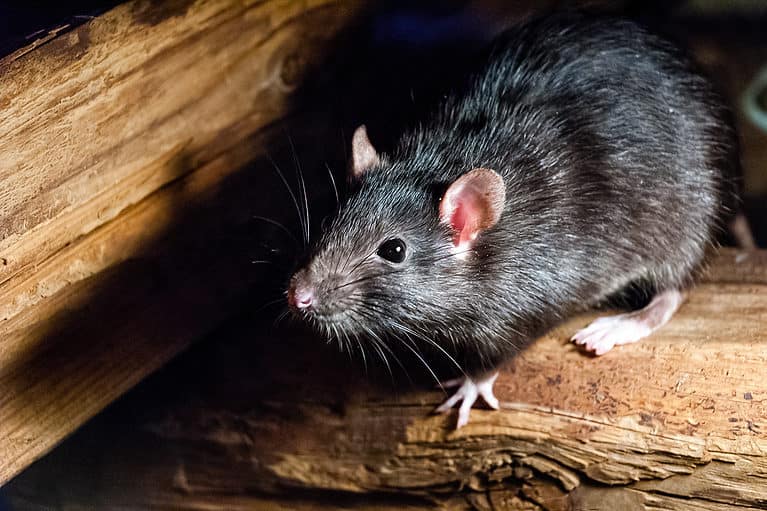
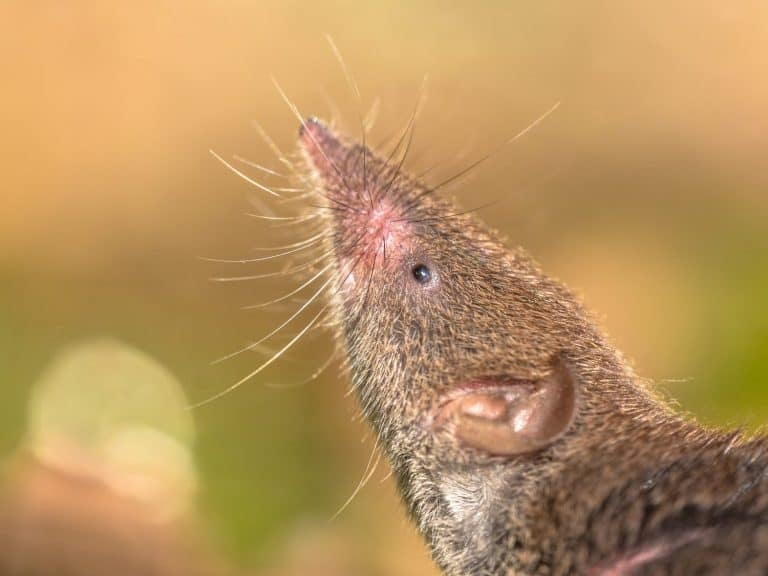
Shrew Soricidae Small-bodied, ground-dwelling insectivores that overlap in microhabitats and predator communities; they differ strongly in diet (mostly invertebrates) and physiology (high metabolic rates).
Small ground squirrels and chipmunks Sciuridae They share seed-caching and seed-consuming functions and can overlap in edge habitats, but squirrels are generally larger, more diurnal, and often more arboreal.

Types of Mouse

20

Explore 20 recognized types of mouse

House mouse Mus musculus
Algerian mouse Mus spretus
African pygmy mouse Mus minutoides
Wood mouse Apodemus sylvaticus
Yellow-necked mouse Apodemus flavicollis
Striped field mouse Apodemus agrarius
Harvest mouse Micromys minutus
Norway rat (brown rat) Rattus norvegicus
Black rat (ship rat) Rattus rattus
Polynesian rat Rattus exulans
Gambian pouched rat Cricetomys gambianus
Natal multimammate mouse Mastomys natalensis
Cape spiny mouse Acomys subspinosus
Common spiny mouse Acomys cahirinus
Indian gerbil Tatera indica
Mongolian gerbil Meriones unguiculatus
Fat-tailed jird Pachyuromys duprasi
Bengal bandicoot rat Bandicota bengalensis
Lesser bandicoot rat Bandicota indica
African grass rat Arvicanthis niloticus
๐Ÿ‘ Image

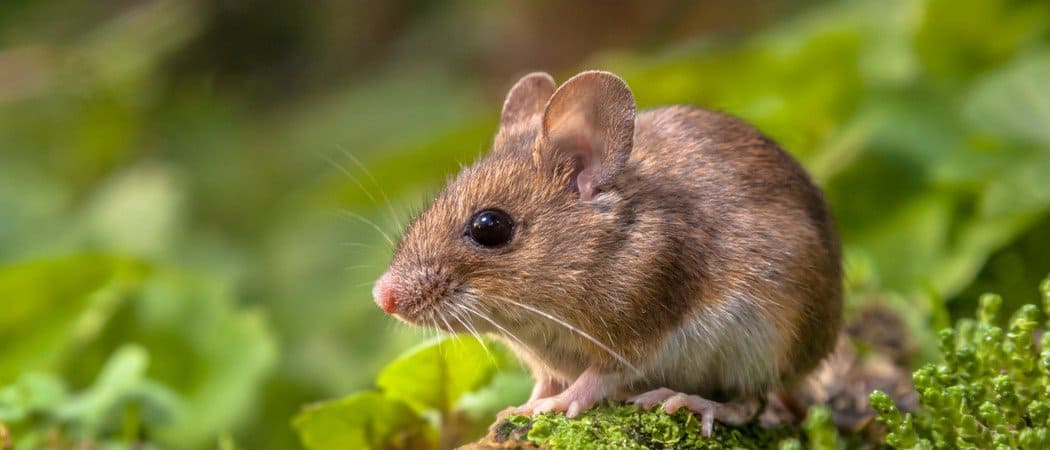
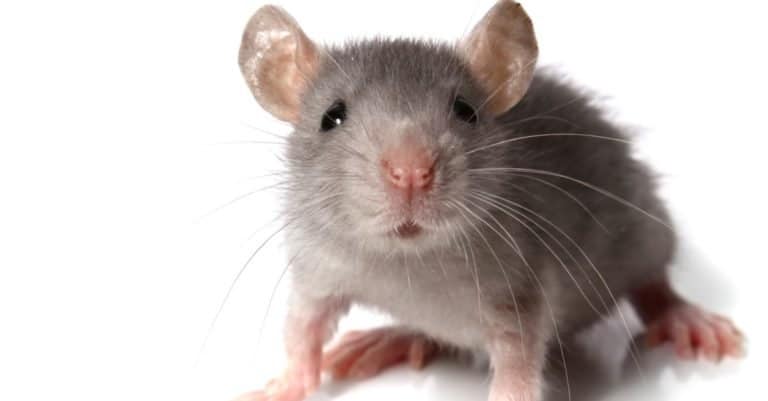
The mouse is a small animal in the order Rodentia, with the most well-known species being the common house mouse.

These mammals all have small bodies, rounded ears, a pointed snout, a long tail, and a high breeding rate. While the field mouse is well-known for invading homes for food and shelter, the house mouse is the most common mammal and household pet in the U.S.

The domesticated house mouse is called a fancy mouse and is one of the most popular rodent pets. Whether this animal is considered a pest or a pet depends on its lifestyle and treatment. Being mammals, mice are also often used for human experimentation for new market products and medicines.

5 Incredible Mouse Facts!
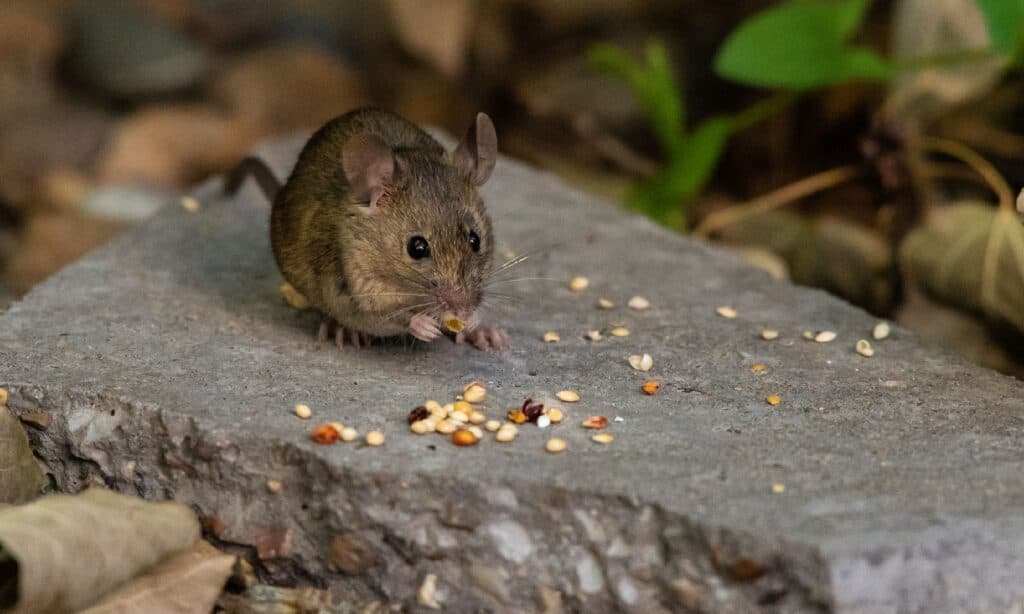
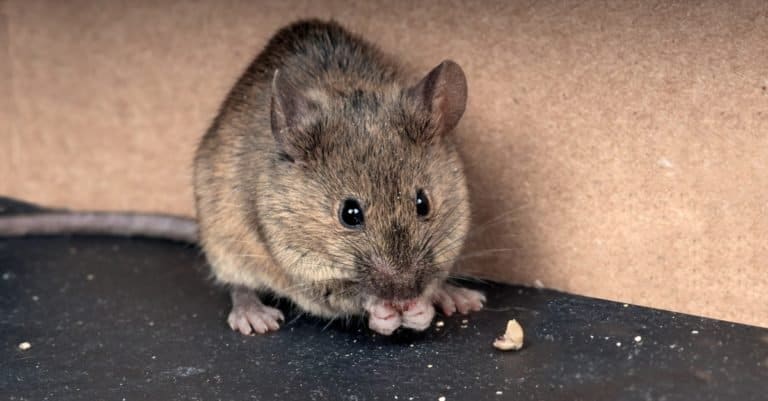
๐Ÿ‘ House mouse

Mice eat up to 20 times a day!

ยฉiStock.com/Vรญctor Suรกrez Naranjo

  • These animals are gymnasts and escape artists.
  • They have big appetites, eating 15-20 times a day.
  • They can carry up to 200 human pathogens, including Hantavirus and Salmonella.
  • They cannot be potty-trained as pets.
  • Females are ready to give birth at 2 months of age and can have up to a dozen babies every 3 weeks, with as many as 150 offspring in one year alone.

For a complete list of incredible mouse facts, make sure to give โ€™10 Incredible Mouse Factsโ€™ a read!

Scientific Name

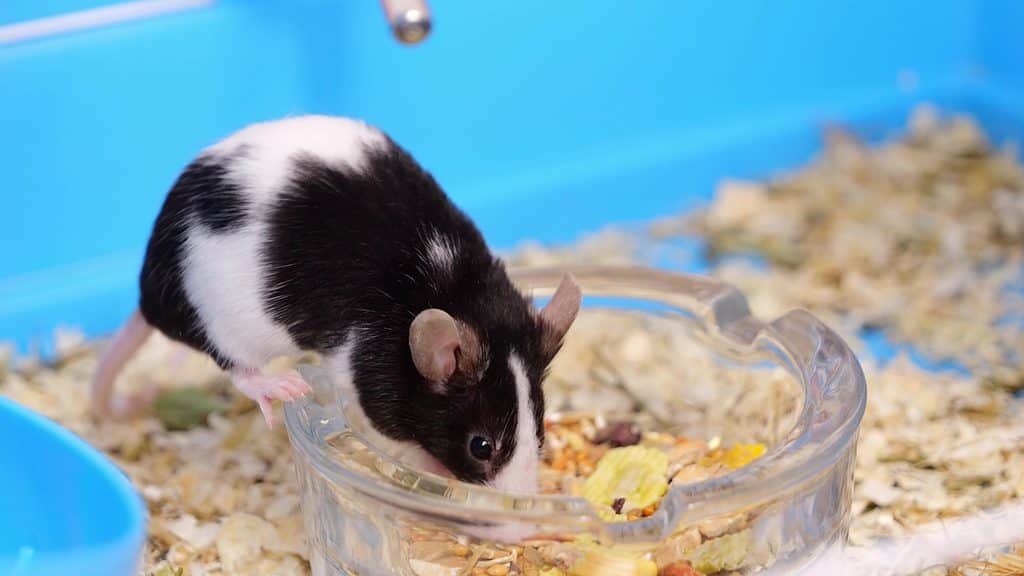
๐Ÿ‘ Black and white fancy mouse eats from a bowl.

Mice are members of the Rodentia family. Their scientific name is

Mus musculus

ยฉmyschka79/Shutterstock.com

The mouse is a mammal in the animal kingdom. As a member of the order Rodentia, it is a rodent. All muroid rodents smaller than rats are called mice. True mice and rats are in the family Muridae or the superfamily Muroidea (muroid rodents) which contains 711 species and includes gerbils, hamsters, and voles. Old World mice and rats are in the subfamily Murinae, also called murines, of which there are 519 species.

Typical mice are in the genus Mus, while many species of field mice are in the genus Apodemus. Mus contains 38 species with Mus musculus being the type species. The scientific name of the common house mouse is Mus musculus, and the scientific name of the fancy mouse is Mus musculus domestic.

The difference in the scientific name signifies that it is a domesticated version of the house mouse, having been made docile and bred over many generations specifically for exhibition. There are 13 subspecies of Mus musculus.

Evolution and Origins
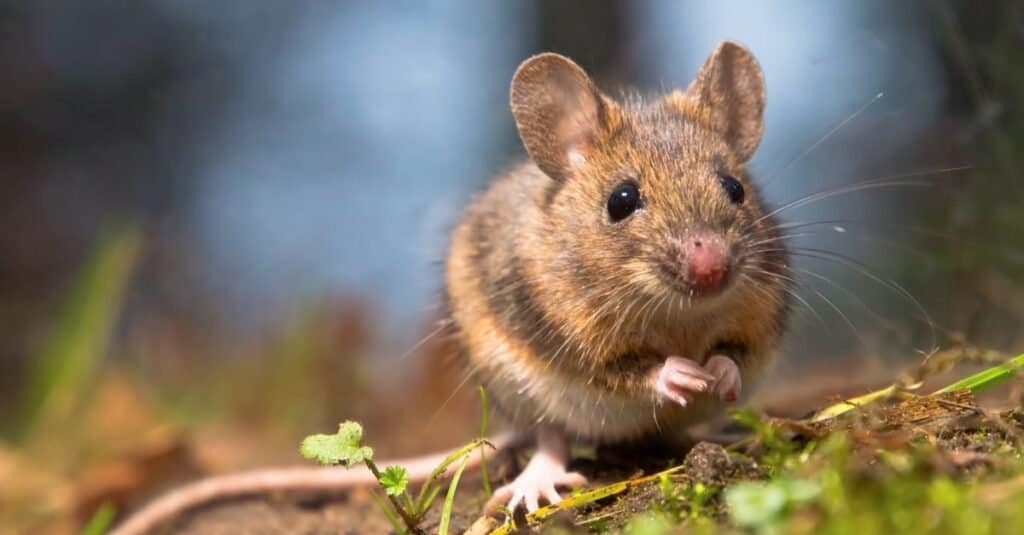
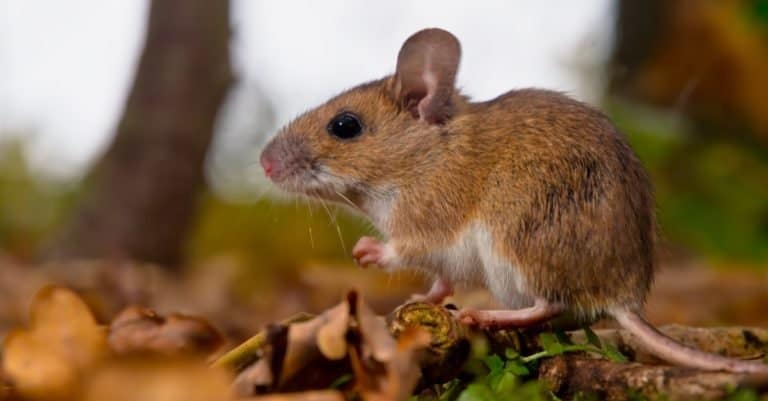
๐Ÿ‘ pet mouse

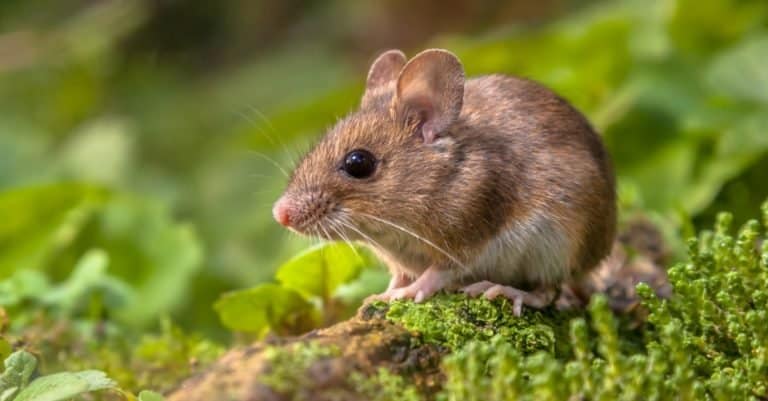
A wildwood mouse sitting on the forest floor. Male mice use their songs to attract a mate.

ยฉiStock.com/CreativeNature_nl

Where there are humans, there are mice. The two species have long been intertwined. Aristotle is credited as โ€œthe first researcher to use animals systematically for research purposes.โ€ That was 2,400 years ago. Mice have been critical to human understanding of diseases, genetics, and our own physiology.

Their origins, however, are suspected to go back much further in time. According to National Geographic, โ€œConventional wisdom has said that mice and people began living together when humans learned to farm,โ€ but research from Proceedings of the National Academy of Sciences suggests that โ€œMus musculus domesticus first cozied up to humans around 15,000 years ago.โ€

List of Different Types of Mice

Here is a full list of different mice species found around the world:

  • House mouse
  • Pachyuromys duprasi
  • African pygmy mouse
  • Deer Mouse
  • Pilliga mouse
  • White-footed mouse
  • Eurasian harvest mouse
  • Blue-gray mouse
  • Striped field mouse
  • Western harvest mouse
  • Sable
  • Northern Grasshopper mouse
  • Mountain pygmy possum
  • Cairo spiny mouse
  • Cactus mouse
  • Salt marsh harvest mouse
  • Oldfield mouse
  • Cotton mouse
  • Desert dormouse
  • California deer mouse
  • Shark Bay mouse
  • Algerian mouse
  • Eastern harvest mouse
  • Steppe mouse
  • Northwestern deer mouse
  • Silky pocket mouse
  • Great Basin pocket mouse
  • Asiatic long-tailed climbing mouse
  • Macedonian mouse
  • Flat-haired mouse
  • Sheath-tailed mouse
  • Olive-backed pocket mouse
  • Pembertonโ€™s deer mouse
  • Sumatran shrewlike mouse
  • Perognathinae
  • Luzon Aurora forest mouse
  • Columbian Mouse
  • Toad mouse
  • Luzon giant forest mouse
  • Sitka Mouse

Mouse vs. Rat

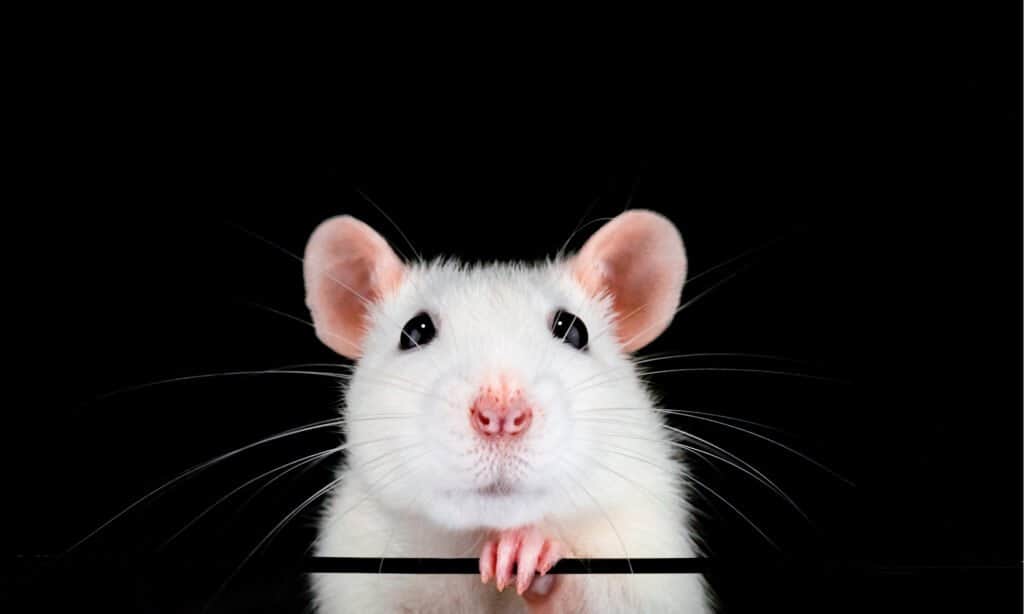
๐Ÿ‘ A fancy white rat peeks over a cage bar

Although mice and rats are both rodents, there are some important differences between the two, especially when choosing one as a pet.

ยฉLinda Bestwick/Shutterstock.com

Although mice and rats are both rodents, there are some important differences between the two, especially when choosing one as a pet. The most important difference is their size. In the wild, rats can reach up to 500 grams (17 1 โ„ 2 oz) in weight and are always larger than mice. Hence, rats need a significant amount of cage space.

They are also needier than their smaller relatives, demanding human attention and affection. On the other hand, rats can be potty-trained to avoid leaving droppings everywhere when outside the cage.

There are also differences in the types of rodents you can choose from. Unlike rats, mice have tails and ears the same color as their coat, which can come in a huge range of colors. All coat colors and types for the fancy mouse have the same genetics.

When it comes to rats, though, there is a variation. The common pet rat is the fancy rat, which is a standard top-eared Norway rat. The dumbo rat is the same species but with a genetic mutation on chromosome 14 caused by recessive gene dmbo, leading to the โ€œdumboโ€ name. This mutation results in some physical differences as well as a more docile temperament.

There are also differences when comparing the two as pests. Mice invade the home and cause damage to the structure, whereas rats tend to invade farmhouses, under houses, rubbish dumps, and sewer systems. Both carry diseases as well as parasitic insects that transmit disease, and both can bite people when cornered or near their territory, causing infection.

Rats are smarter, tougher to get rid of, and more damaging to the home, whereas some mice can be handled by the homeowners themselves using mouse traps or poison. Rats can eat mice because of their sheer size advantage.

Appearance
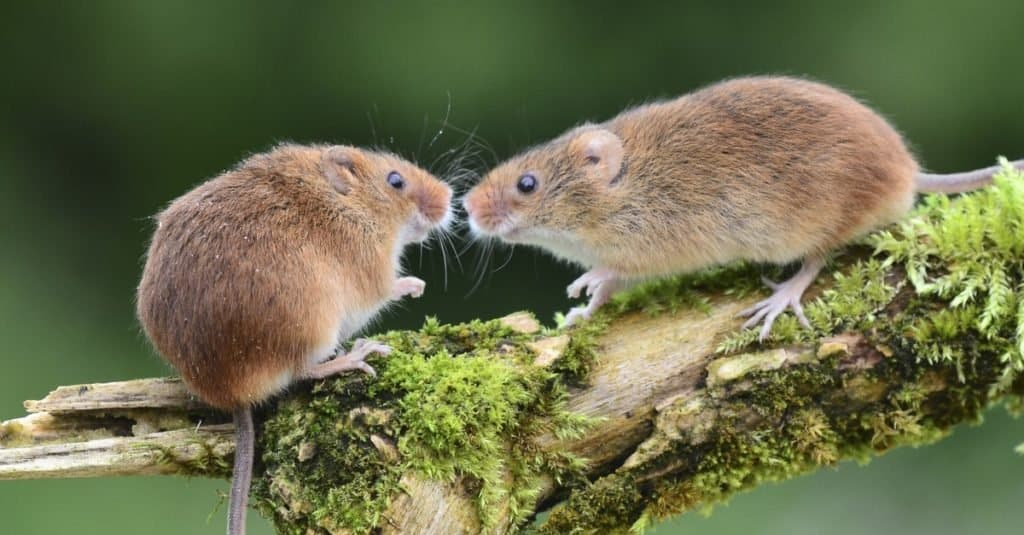
๐Ÿ‘ Harvest mouse on a branch

Adult mice weigh about 1 ounce (28 grams) and are about 2.5-3.5 inches (6-8cm) long,

ยฉcolin robert varndell/Shutterstock.com

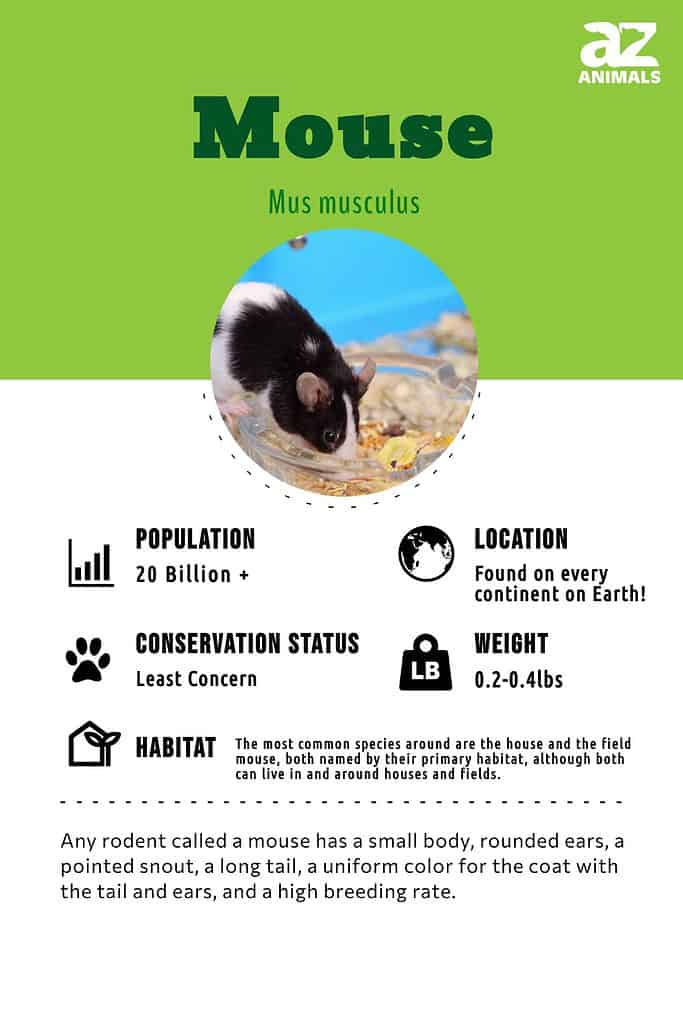
Any rodent called a mouse has a small body, rounded ears, a pointed snout, a long tail, a uniform color for the coat with the tail and ears, and a high breeding rate. Adults weigh about 1 ounce (28 grams) and are about 2.5-3.5 inches (6-8cm) long, excluding the tail. Males are larger than females. The field mouse is slightly larger than the house mouse and has a few other physical differences.

Pet mice can come in several different possible coat colors and coat types: Agouti, self, tan, pointed, patchwork, and marked are general coat colors divided into specific tickings, while hairless, rex/frizzy, satin, longhair, and shorthair are possible coat types. The common standard for the fancy mouse is a white color with a shorthair coat.

Behavior
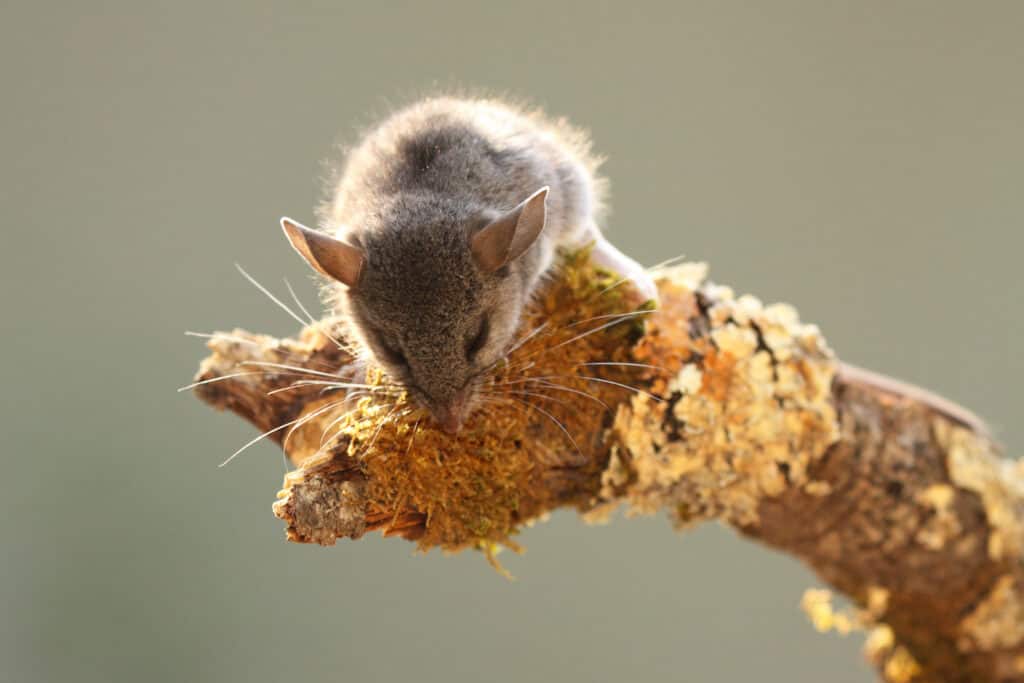
๐Ÿ‘ Image

A Jumping Mouse looking down from the end of a perch in California.

ยฉiStock.com/gatito33

Mice and other rodents invade an estimated 21 million homes in the United States each winter. They usually enter homes between October and February in search of food, water, and shelter. They store food near the nests, with food caches usually being within 10 feet of them. Very territorial creatures, they tend to stay within 30 feet of their nests.

Being naturally flexible, they can get into homes through a crack or hole as small as 1/4-inch. They can climb 13 inches up smooth-vertical walls and jump as high as a foot, even while running. Also, they can run 12 feet per second and swim as far as 1/2 mile.

These animals are nocturnal creatures, becoming active at night and constantly searching for new food sources. Being social creatures, they groom themselves and each other. They chase each other for fun or to show dominance during a fight. When happy, they wag their tails. Ears up mean curiosity, while ears down and back mean a defensive posture, especially when combined with stiff body language.

They may stand up to get a closer look or sniff something. Wiggling their whiskers for tactile navigation makes up for their lack of great eyesight. They grind their teeth or chew on wood and other materials to keep their incisors in check. Finally, they enjoy creating nests to sleep in and are natural burrowers.

Habitat

The most common species around are the house and the field mouse (also called deer or wood mouse), both named by their primary habitat, although both can live in and around houses and fields. House mice are native to India, and field mice are native to Europe and northwestern Africa. Another main difference is that field mice are often found in rural areas, whereas house mice take up residence in the buildings of suburbs and cities.

Diet

๐Ÿ‘ Image
Mice eat seeds, grains, fruits, and meats. They also eat up to 20 times a day!

These animals have voracious hunger, eating 15-20 times a day. Their diets in nature are omnivorous but largely herbivorous, consisting of fruits, grains, seeds, corn, oats, roots, leaves, grass, plants, and even tree bark.

They have also adapted to human food scraps and pet food, which often include meat. In captivity, they do well on the full nutrition provided by commercial pellets in combination with a variety of vegetables. Contrary to popular belief, they do not seek out cheese, but will only eat it as a last resort.

Mothers will eat their young during times of famine. Also, some species eat insects. Field mice (also called deer and wood mice) eat beetles, caterpillars, grasshoppers, and leafhoppers.

Predators and Threats

๐Ÿ‘ cat laying on leather couch

They have a number of larger mammals as predators including cats.

ยฉiStock.com/FediushkinaElena

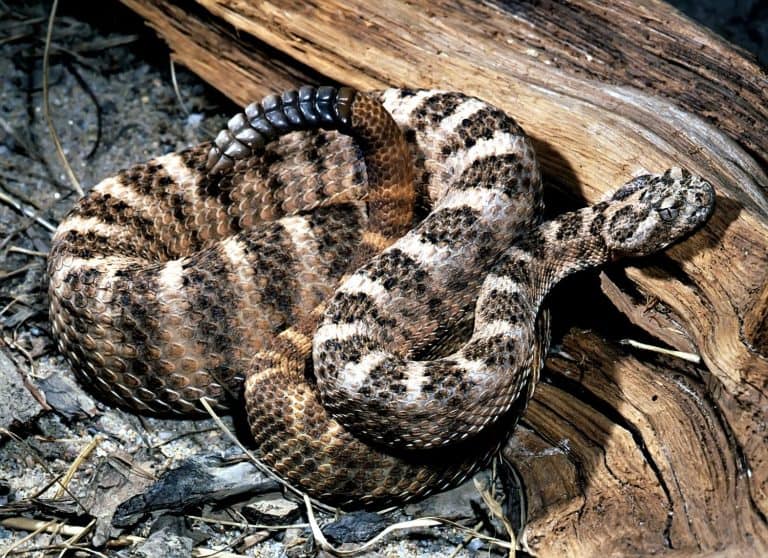
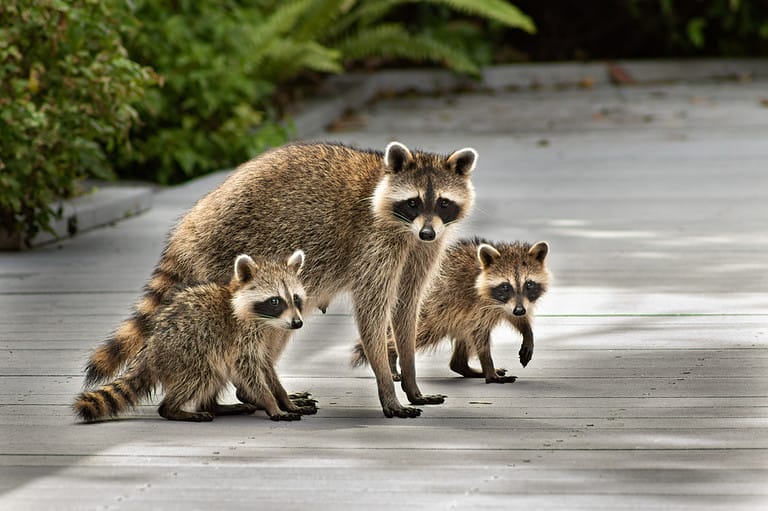
To avoid predation, these animals keep their activity confined to nighttime and seek covered shelters. They have a number of larger mammals as predators including foxes, snakes, lizards, frogs, weasels, skunks, hawks, owls, tarantulas, dogs, and cats. Humans are consumers of them as well, having eaten them since prehistoric times.

These animals are considered a delicacy in eastern Zambia and northern Malawi as well as in China, where babies are often eaten alive.

Reproduction, Babies, and Lifespan
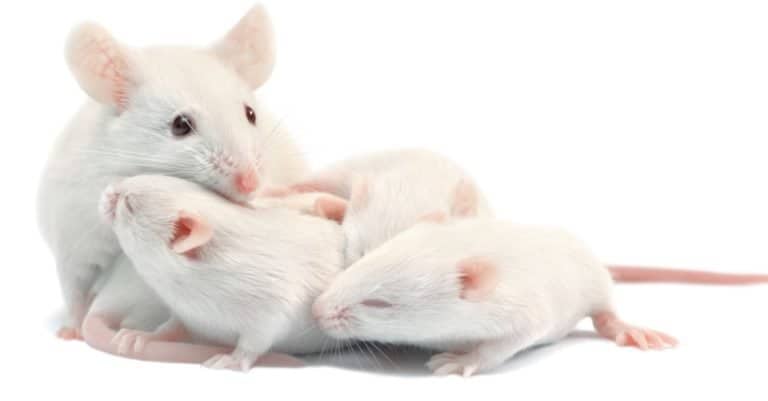
๐Ÿ‘ Baby pet Mouse - Baby Mice

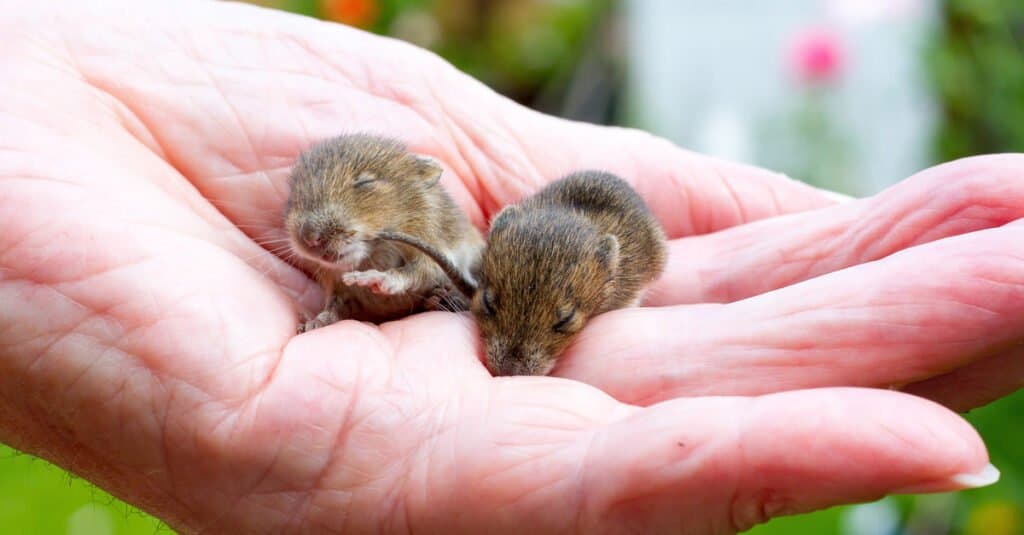
Baby mice

ยฉRICHARD-ASQUITH/Shutterstock.com

Females are ready to give birth at 2 months of age and can become pregnant 24 hours after giving birth. They can have up to a dozen babies every 3 weeks, and as many as 15 litters or 150 babies in one year alone.

When in heat, females dart, jump and vibrate their ears as displays to communicate their willingness to mate. They also emit pheromones, to which males answer by emitting an ultrasonic mating call. Males often have a harem of females in their territorial range.

A baby mouse is called a pup and is born deaf and blind. The average litter size is 5-8 but can be as many as 10-12 pups, with an average of 30-35 babies a year. Gestation is 19-21 days, with up to a week longer if the mother is still nursing another litter.

These animals become sexually mature 35 days after birth. Mothers will sometimes eat babies during famine or in captivity, believed to be due to stress, illness, overcrowding, or being unable to forage outside the nest. The lifespan of mice is 1-2 years in the wild. In captivity, they can live for 3-4 years.

Population

According to the IUCN Red List, the house mouse is of Least Concern. Their populations are stable due to their high breeding rate, the variety in their diet, and their ability to adapt to other habitats.

On the other hand, beach mice are under threat. The Perdido Key beach mouse, in particular, is threatened by habitat loss, introduced predators, and a population decline due to Hurricane Ivan in 2004.

In the Zoo

There are two species you can see at zoos: You can see the cactus mouse at the Lincoln Park Zoo and the Perdido Key beach mouse at the Smithsonianโ€™s National Zoo and the Brevard Zoo.

View all 330 animals that start with M

Sources

  1. Wikipedia / Accessed March 20, 2021
  2. Plus Pets / Accessed March 20, 2021
  3. Pest World / Accessed March 20, 2021
  4. Small Pet Journal / Accessed March 20, 2021
  5. Chewy / Accessed March 20, 2021
  6. Pet Mice / Accessed March 20, 2021
  7. Animallama / Accessed March 20, 2021
  8. The Spruce / Accessed March 20, 2021
  9. Pest Kill / Accessed March 20, 2021
  10. Orkin / Accessed March 20, 2021
  11. Merck Manual / Accessed March 20, 2021

About the Author

Rebecca Bales

Rebecca is an experienced Professional Freelancer with nearly a decade of expertise in writing SEO Content, Digital Illustrations, and Graphic Design. When not engrossed in her creative endeavors, Rebecca dedicates her time to cycling and filming her nature adventures. When not focused on her passion for creating and crafting optimized materials, she harbors a deep fascination and love for cats, jumping spiders, and pet rats.
Connect:

Thank you for reading! Have some feedback for us?

Contact the AZ Animals editorial team

Related Articles You May Find Interesting


Mouse FAQs (Frequently Asked Questions)

Omnivores. Although their diets are mostly herbivorous, as pests they will eat human food scraps and pet food. They also can and do eat their young, and some mice eat insects.

Mice belong to the Kingdom Animalia.

Mice belong to the class Mammalia.

Mice belong to the phylum Chordata.

Mice belong to the family Muridae.

Mice belong to the order Rodentia.

Mice are covered in fur.

Mice belong to the genus Mus.

Mice live in open fields and woodland areas.

Mice eat fruit, seeds, and grasses.

Predators of Mice include birds, cats, foxes, and reptiles.

The average number of babies a Mouse has is 6.

Mice are found on every continent on Earth!

1-2 years in the wild and 3-4 years in captivity.

There are many differences between mice and moles. Moles live underground, while mice live in fields or households. Mice also enjoy complex social lives, while moles prefer solitude.

The main differences between a gerbil and a mouse are that gerbils have hair on their tails, are native to Mongolia and China, and dig deep burrows in the desert. Mice have hairless tails, are an invasive species worldwide, and generally require a human presence to survive.

The key differences between mouse poop and bat poop are appearance and characteristics.

Mice infestations can be a major problem in homes. If you want to keep mice away from your house, follow these five steps as a starting point:

1.) Make sure to keep doors and windows closed.

2.) Use the barrier method โ€“ spray blockers like peppermint oil around vulnerable parts of your home.

3.) Shore up your defenses by sealing up any potential holes or gaps.

4.) Eliminate large plants that sit against your home.

5.) Seal up your food and clean up after leftovers.

โ€œThree Blind Miceโ€ is a common nursery rhyme but are there really blind mice? Yes, there are blind mice. However, like so many other questions in the animal world, this answer is not cut and dry. Some mice are functionally blind. Other mice are blind for a short time. Sometimes, mice are believed to be blind because of their poor vision.

Mice hate a variety of smells including mint oil, cayenne pepper, dryer sheets, cinnamon, ammonia, clove, vinegar, mothballs, and minty kinds of toothpaste.