



O
Species Profile

Ocelot

Leopardus pardalis

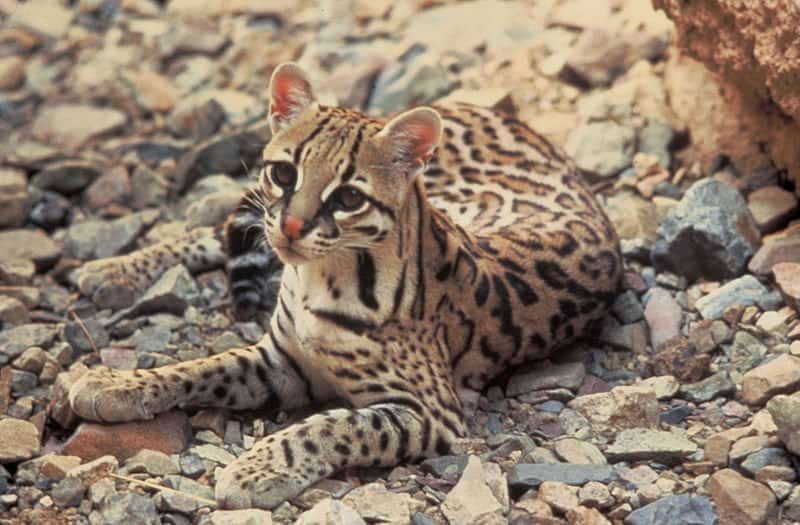
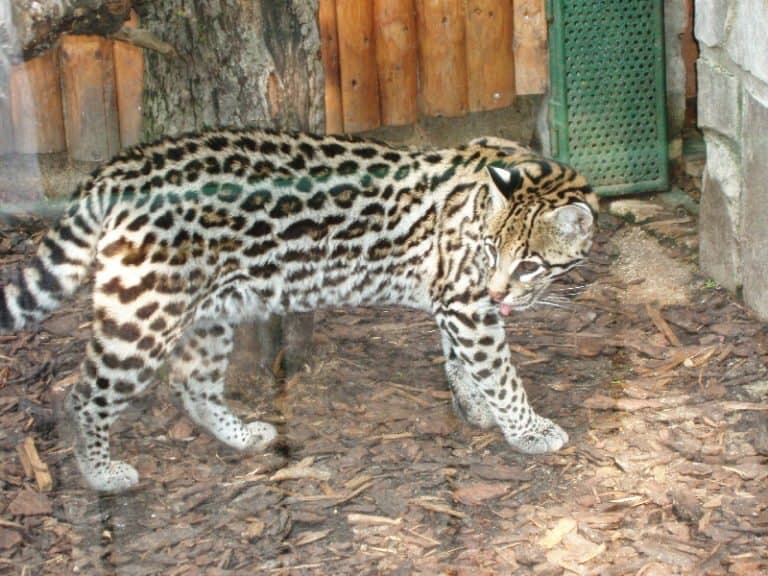
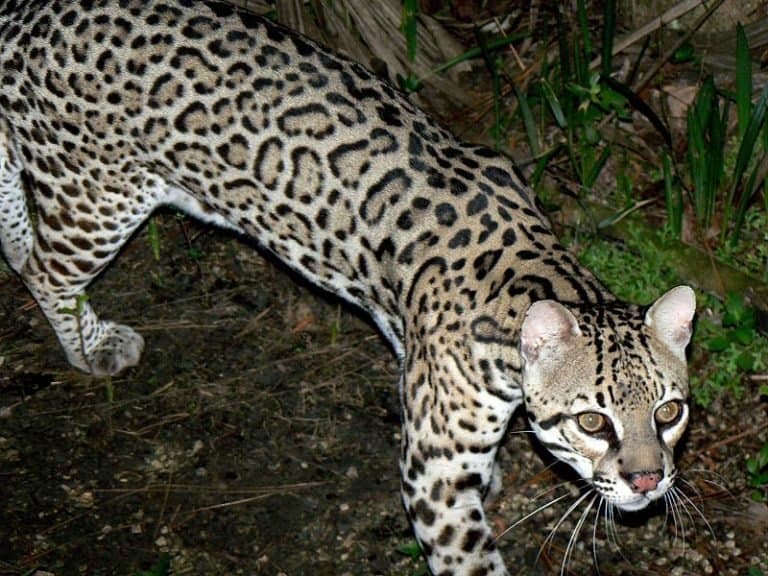
Rosettes in the shadows.
Tom Smylie, Public domain, via Wikimedia Commons

Size Comparison

Human 5'8"
Ocelot 1 ft 6 in

Ocelot stands at 26% of average human height.

At a Glance

Wild Species
Also Known As Dwarf leopard, Painted cat, Tiger cat, Tigrillo, Leoncillo
Diet Carnivore
Activity Nocturnal+
Lifespan 9 years
Weight 15.5 lbs
Status Least Concern
Did You Know?

Adult size: head-body 55-100 cm; tail 26-45 cm; shoulder height ~40-50 cm; mass commonly 7-15.5 kg (IUCN/Nowell & Jackson; Sunquist & Sunquist).

Scientific Classification

The ocelot is a medium-sized Neotropical wild cat characterized by a richly patterned coat of rosettes and elongated spots; it is primarily nocturnal/crepuscular and a versatile predator of small-to-medium vertebrates.

Kingdom
Animalia
Phylum
Chordata
Class
Mammalia
Order
Carnivora
Family
Felidae
Genus
Leopardus
Species
Leopardus pardalis

Distinguishing Features

  • Striking coat pattern with chain-like rosettes and elongated dark spots along the flanks
  • White facial markings with bold dark stripes/lines on the cheeks
  • Medium-sized build (larger than margay/oncilla, smaller than jaguar/leopard)
  • Typically solitary and strongly associated with dense cover

Physical Measurements

Males and females differ in size

Height
1 ft 6 in (1 ft 4 in – 1 ft 8 in)
Length
3 ft 9 in (2 ft 11 in – 4 ft 9 in)
3 ft 5 in (2 ft 8 in – 4 ft 2 in)
Weight
24 lbs (18 lbs – 34 lbs)
20 lbs (15 lbs – 25 lbs)
Tail Length
1 ft 2 in (10 in – 1 ft 6 in)
Top Speed
30 mph
running

Appearance

Primary Colors
Secondary Colors
Skin Type Short, dense mammalian fur over pliable skin; guard hairs emphasize high-contrast rosettes and stripes.
Distinctive Features
  • Medium-sized Neotropical spotted cat with elongated 'chain' rosettes, not uniform round spots.
  • Head-body length 68-100 cm; tail length 26-45 cm; adult mass commonly 7-15.5 kg (sources: Sunquist & Sunquist 2002; Emmons 1997; IUCN species accounts).
  • Rounded ears with prominent white 'ocelli' (eye-spots) on the back; ear backs otherwise dark.
  • Face shows strong dark stripes: paired lines from forehead to neck and two bold cheek stripes.
  • Tail relatively short for a Leopardus cat; visibly banded/ringed, aiding separation from margay.
  • Compared with margay (Leopardus wiedii): ocelot is heavier-bodied with shorter tail and less extremely large eyes; margay is more arboreal and has proportionally longer tail.
  • Compared with oncilla (Leopardus tigrinus): ocelot is substantially larger with larger, more elongated rosettes; oncilla tends to have smaller, more finely distributed spots/rosettes.
  • Typically crepuscular/nocturnal and strongly associated with dense cover (tropical forest, thorn scrub, mangroves); opportunistic predator of small-to-medium vertebrates (summarized in Emmons 1997; Sunquist & Sunquist 2002).
  • Longevity reported up to ~7-10 years in the wild and >20 years in captivity (commonly cited in zoo and field summaries; verify by population/study).

Sexual Dimorphism

Males average larger and heavier than females, with broader heads and necks. Both sexes share the same rosette-and-stripe pattern, but males typically occupy larger home ranges and show more robust body proportions.

  • Typically heavier-bodied; adult mass often near upper range (~10-15.5 kg reported in field summaries).
  • Broader skull/neck and more muscular shoulders; overall larger head-body dimensions.
  • Typically lighter and slightly shorter-bodied; adult mass often in lower-to-mid range (~7-11 kg reported in field summaries).
  • More gracile build; proportionally similar coat pattern and facial striping to males.

Did You Know?

Adult size: head-body 55-100 cm; tail 26-45 cm; shoulder height ~40-50 cm; mass commonly 7-15.5 kg (IUCN/Nowell & Jackson; Sunquist & Sunquist).

Each ocelot's coat pattern is individually unique-elongated spots and open rosettes form "chains" along the flanks, plus bold black facial stripes that frame the eyes.

Ocelots are strong climbers and swimmers, but unlike the very arboreal margay, they hunt mostly on the ground and use trees primarily for travel, resting, or escape.

Reproduction is slow for a cat this common-looking: gestation ~79-85 days; litter size 1-3 (most often 1) (Nowell & Jackson; Sunquist & Sunquist).

They're classic "dense-cover" cats-often most abundant where understory is thick (tropical forest, secondary growth, mangroves, thorn scrub), even near human-modified edges if cover remains.

ID tip vs. look-alikes: compared with the margay (Leopardus wiedii), ocelots are larger with a noticeably shorter tail (margay tail is proportionally much longer); compared with the oncilla/tigrina (Leopardus tigrinus complex), ocelots are much larger and have bolder, more elongated flank markings.

Unique Adaptations

  • Disruptive camouflage: open rosettes and elongated spots break up the body outline in dappled forest light; facial striping reduces glare and visually "shadows" the eyes, aiding concealment.
  • Low-light hunting toolkit: large eyes and highly reflective tapetum lucidum enhance night vision; sensitive hearing helps pinpoint small prey in leaf litter.
  • Stealth locomotion: padded paws and retractile claws enable quiet approach and rapid traction during pounces.
  • Flexible habitat use (with cover): persists in many Neotropical ecosystems (humid forest to thorn scrub) as long as dense cover and prey remain-an adaptation to naturally patchy forest-edge mosaics.
  • Pattern-based species recognition: bold facial stripes and flank "chains" are thought to aid individual/species recognition at close range in low-visibility understory (a common function proposed for felid facial markings).

Interesting Behaviors

  • Mostly nocturnal/crepuscular activity: tends to move and hunt from dusk through night, often using thick understory and trail edges as travel corridors.
  • Opportunistic predation: takes a wide variety of small-to-medium vertebrates (rodents, opossums, rabbits, birds, reptiles, amphibians), switching prey with local availability; hunts by slow stalking and short pounces.
  • Territory and scent communication: uses urine spraying and scat deposition along paths; also scratches and rubs to advertise presence and reproductive status.
  • Solitary spacing system: adults are typically solitary outside breeding; males' ranges overlap those of multiple females more than other males (pattern reported across radio-telemetry studies).
  • Denning and kitten rearing: females use concealed dens (dense vegetation, hollow logs, tangles) and move kittens as needed to reduce risk from predators and disturbance.
  • Vocal repertoire: includes mews, growls, hisses, and yowls during courtship-useful in dense habitat where visibility is low.

Cultural Significance

The name 'ocelot' comes from Nahuatl 'ocelotl', meaning jaguar or spotted cat, showing Mesoamerican people knew these patterned cats. In the 20th century the ocelot became a symbol of the fight against the spotted-cat fur trade; CITES and changing fashion cut demand.

Myths & Legends

The word that became 'ocelot' comes from Nahuatl 'ocelotl,' tied to 'jaguar' or 'spotted cat.' In Mesoamerica, spotted cats stood for night, stealth, and warrior power in stories and art.

In Central Mexican and Maya art and stories, stylized spotted cats from the night forest are shown. Communities often call them spotted wildcats—usually jaguars, sometimes ocelots—symbolizing night hunting power.

In colonial Spanish America, early writers and travelers described small, beautifully marked forest 'tiger-cats' (ocelot, Leopardus pardalis) as elusive night spirits of thick forests, not daytime hunters.

Conservation Status

LC Least Concern

Widespread and abundant in the wild.

Population Decreasing

Protected Under

  • CITES Appendix I (international commercial trade in wild specimens generally prohibited)
  • United States Endangered Species Act (listed as Endangered; applies to U.S. populations)
  • Range-country national wildlife protection laws in multiple Latin American jurisdictions (varies by country and enforcement)

Life Cycle

Birth 2 kittens
Lifespan 9 years

Lifespan

In the Wild 7–13 years
In Captivity 15–25 years

Reproduction

Mating System Polygyny
Social Structure Solitary
Breeding Pattern Transient
Fertilization Internal Fertilization
Birth Type Internal_fertilization

Solitary adults maintain territories; a male's range overlaps those of several females. Mating is brief during female estrus, with no pair bond; females rear 1-3 kittens alone after ~79-85-day gestation (Emmons 1988; Sunquist & Sunquist 2002).

Behavior & Ecology

Social Solitary Group: 1
Activity Nocturnal, Crepuscular, Cathemeral
Diet Carnivore Small mammals-particularly rodents such as spiny rats, which are repeatedly reported as among the most frequent prey items in diet studies (for example Emmons 1987; de Villa Meza et al. 2002).

Temperament

Strongly territorial and solitary; home ranges may overlap, especially male-female (Emmons 1988; Sunquist & Sunquist 2002).
Secretive and disturbance-averse; increased nocturnality in more human-impacted landscapes (e.g., Di Bitetti et al. 2008).
Opportunistic ambush predator; uses dense cover and slow, deliberate stalking rather than pursuit (Emmons 1988).
Intraspecific encounters are typically avoided; aggression occurs during territorial disputes and mating competition (Sunquist & Sunquist 2002).

Communication

meows Contact, especially mother-young
yowls/caterwauls Estrus and long-range calling
growls and hisses Threat/aggression
purrs Affiliative/comfort behaviors, especially in mother-young contexts
scent marking via urine spraying on vegetation and travel routes Emmons 1988
fecal marking/latrine use and ground-scraping to deposit scent cues Sunquist & Sunquist 2002
scratching and claw marks on substrates as visual/chemical signals
cheek/head rubbing on objects to deposit facial gland secretions
visual postures (arched back, tail/ear position) during close encounters

Habitat

Biomes:
Tropical Rainforest Tropical Dry Forest Savanna Wetland Temperate Forest
Terrain:
Coastal Riverine Plains Hilly Mountainous
Elevation: Up to 9842 ft 6 in

Ecological Role

Neotropical mesopredator regulating small-vertebrate communities and linking trophic levels in forest, scrub, and wetland-edge ecosystems.

Population control of small mammals (including seed/egg predators), which can influence vegetation regeneration and community composition Top-down regulation of prey behavior and habitat use (risk effects) Energy/nutrient transfer across habitats via predation on terrestrial and occasional aquatic prey Serving as prey/competitive interactant within felid guilds (for example, subject to intraguild predation/competition with larger felids in parts of its range)

Diet Details

Main Prey:
Small mammals Opossum Armadillo Rabbits and cottontails Small ground-dwelling birds Reptiles Amphibians Fish and crustaceans +2

Human Interaction

Domestication Status

Wild

Leopardus pardalis (ocelot) is a wild cat with no domesticated form. People sometimes caught or tamed single ocelots, but they were not bred into a pet species. Archaeology and history show some Neotropical groups kept spotted cats for status or ritual. These were individual taming or becoming used to people, not true domestication.

Danger Level

Moderate
  • Bite and claw injuries if cornered, handled, or kept in captivity; injuries can be deep and infection-prone (felid-associated bacterial infections).
  • Zoonotic disease risks typical of wild carnivores when handled (e.g., rabies risk where present; ectoparasites such as ticks/fleas).
  • Behavioral risk in captivity: even hand-raised individuals retain strong predatory/territorial behaviors; sexual maturity often coincides with increased aggression and spraying/marking.
  • Public-safety risk is usually limited because ocelots avoid humans; attacks on people in the wild are rare, but defensive encounters can occur if an animal is trapped, injured, or protecting young.

As a Pet

Not Suitable as Pet

Legality: Ocelot (Leopardus pardalis) is generally illegal or hard to own as a private pet. International trade is restricted under CITES Appendix I. U.S. and local rules often ban or require strict permits.

Care Level: Expert Only

Purchase Cost: $5,000 - $15,000
Lifetime Cost: $50,000 - $150,000

Economic Value

Uses:
Biodiversity/ecosystem value (mesopredator role; contributes to regulation of small vertebrate populations) Conservation funding and research value (flagship/indicator species for forest connectivity; camera-trap/telemetry studies) Ecotourism value (rare sightings; value concentrated in protected areas and guided wildlife tourism) Negative economic interactions (occasional predation on poultry/small livestock; costs of conflict mitigation) Historical commercial exploitation (fur trade; now largely illegal) HUBS-across Leopardus/small wild cats: conservation management, conflict mitigation, illegal trade enforcement, and protected-area ecotourism
Products:
  • Historically: fur/pelts (commercial trade now heavily restricted/illegal in most markets)
  • Modern (legal): zoo/sanctuary exhibition, education programs, and conservation-research outputs (non-consumptive)
  • Conflict-related: expenditures on coops/enclosures, deterrents, and compensation/mitigation programs

Relationships

Predators 6

Jaguar Panthera onca
Puma Puma concolor
Harpy eagle Harpia harpyja
Green anaconda Eunectes murinus
Boa constrictor Boa constrictor
Human Homo sapiens

Related Species 9

Margay Leopardus wiedii Shared Genus
Oncilla Leopardus tigrinus Shared Genus
Geoffroy's cat Leopardus geoffroyi Shared Genus
Pampas cat Leopardus colocola Shared Genus
Kodkod Leopardus guigna Shared Genus
Andean cat Leopardus jacobita Shared Genus
Jaguarundi Herpailurus yagouaroundi Shared Family
Puma Puma concolor Shared Family
Jaguar Panthera onca Shared Family

Ecological Equivalents 5

Animals that fill a similar ecological role in their ecosystem

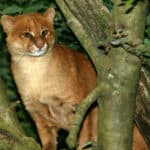
Margay Leopardus wiedii Both are solitary, small-to-medium Neotropical forest cats (the ocelot and the margay), primarily active at dusk and night and hunting small animals such as rodents, birds, and reptiles. The margay is more arboreal, but their diets overlap.
Jaguarundi Herpailurus yagouaroundi Jaguarundis are similar mesopredators that occupy the same habitats (forest edges, secondary growth) and take similarly sized prey (small mammals, birds, reptiles). Jaguarundis are primarily diurnal, whereas ocelots are mainly nocturnal or crepuscular (active at dawn and dusk).
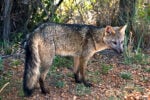
Crab-eating fox Cerdocyon thous Neotropical mesopredator that co-occurs with ocelots and shares prey (small mammals, birds, reptiles, carrion). Most similar in disturbed-edge habitats; competition is reduced by different hunting styles and the canid's broader diet.
Tayra Eira barbara Medium-sized Neotropical carnivore–omnivore that overlaps spatially with ocelots and can target similar prey (small mammals, birds, reptiles), especially in forest and edge environments. Likely niche overlap in opportunistic predation and use of dense cover, with tayras generally more diurnal.
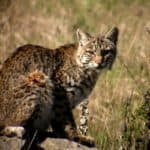
Bobcat Lynx rufus Ecological analog: a medium-sized, solitary felid mesopredator in North America, with a similar ambush/short-stalk hunting strategy and a prey spectrum dominated by small-to-medium vertebrates. On the northern fringe of the ocelot's range (e.g., south Texas), this niche similarity is especially relevant where habitat is fragmented.
👁 Image

Classification and Evolution
👁 Image

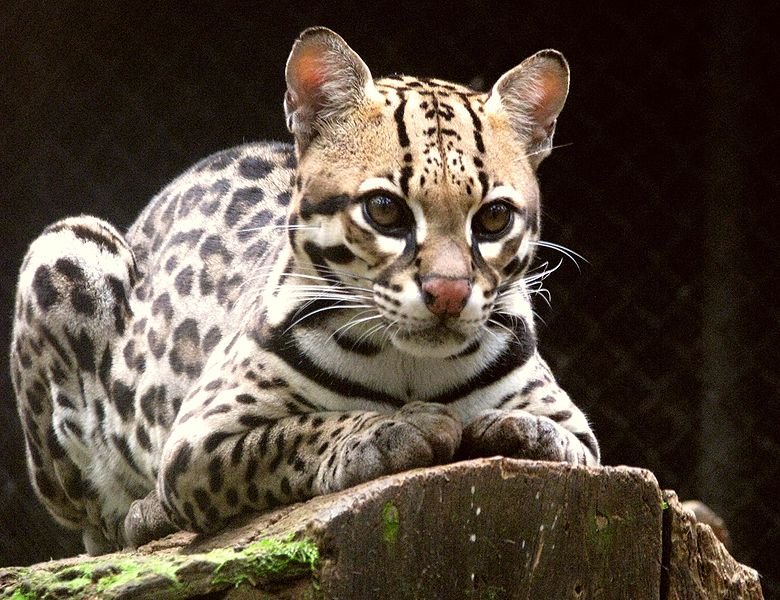
Ocelots have become a major success story for conservation efforts.

©Ana_Cotta, CC BY 2.0, via Wikimedia Commons – Original / License

The Ocelot is a medium-sized small cat that is native to the jungles of South America. The Ocelot is also known as the Painted Leopard due to the beautifully distinctive markings on its fur as it displays dark rosettes, along with spots and stripes. Similar in coloration to the much smaller but closely related Margay, the Ocelot is an animal that was nearly driven to extinction in the 20th century as they were commonly hunted for their fur. Today, however, national protection throughout much of their natural range has meant that the Ocelot population has been able to recover somewhat. The Ocelot is a strong and agile animal that can not only climb and run well but they are also good swimmers as they are not afraid of water like numerous other cat species.

Anatomy and Appearance
👁 Image

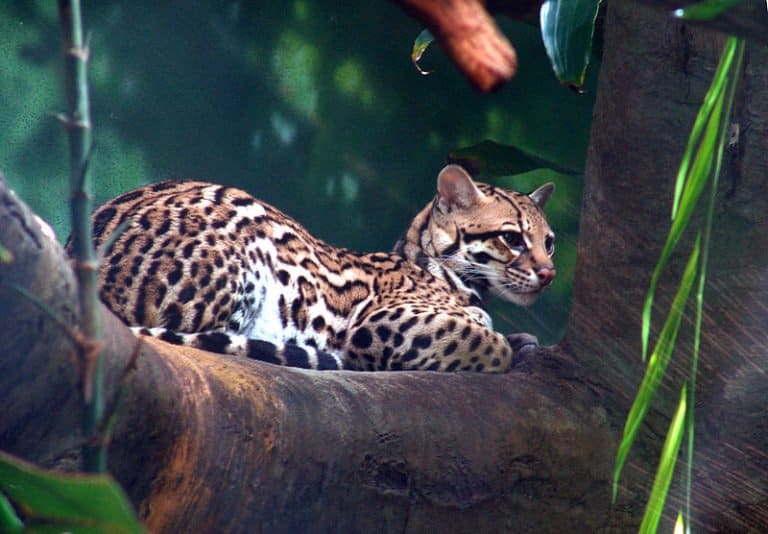
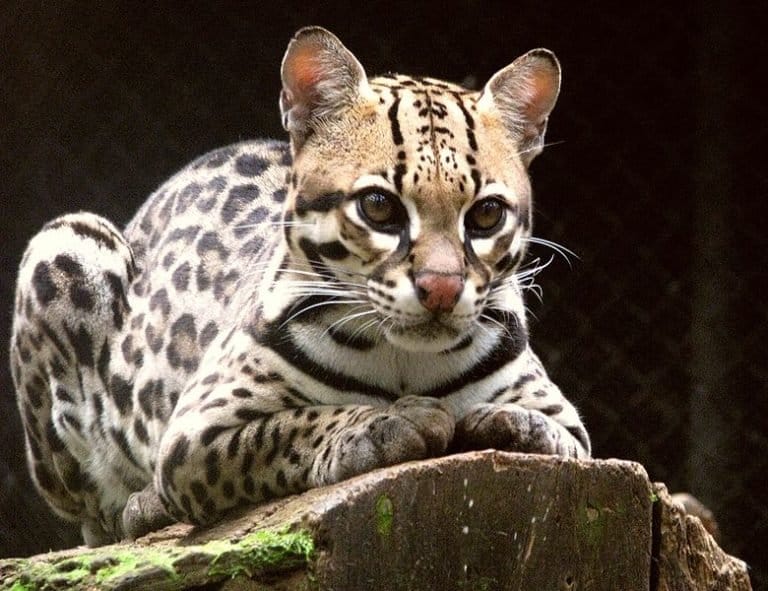
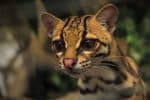
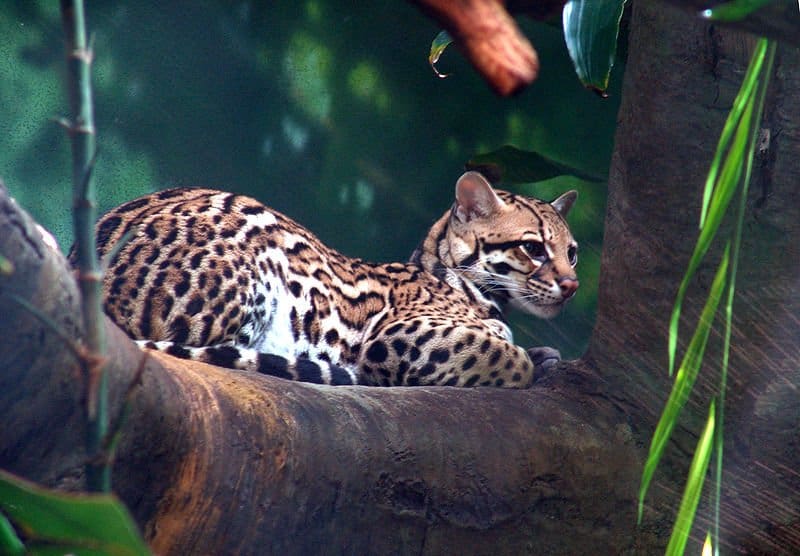
Ocelots are also known as “painted leopards” for their intricate, beautiful patterns.

©Danleo, CC BY-SA 3.0, via Wikimedia Commons – Original / License

The Ocelot is an animal with short and thick, velvety fur that is usually tawny-yellow to reddish-grey in color and marked with black chain-like rosettes on its back and sides. There are dark spots on their legs and stripes on their head and face which are distinctive to the individual. They have a long tail that is generally marked with dark rings and large paws in relation to their body size. Like all feline species (with the exception of Cheetahs) the Ocelot can retract its claws into protective pockets that prevent them from becoming blunt whilst the Ocelot is walking about. Males tend to be substantially larger than females and can grow up to a meter in length with a tail half their body size on top of that. The Ocelot has sharply pointed front teeth which are used for biting down on its prey and blade-like teeth in each cheek that are used for tearing up food.

Distribution and Habitat

👁 Amazon Rainforest

The Amazon Rainforest is home to more ocelots than anywhere else in the world.

©iStock.com/JarnoVerdonk

The Ocelot is found throughout the South American tropics but is most common in the dense jungles of the Amazon Basin. They are, however, fairly widespread and inhabit a variety of different habitats from southern Texas to northern Argentina. The Ocelot is an incredibly adaptable animal that can be found in a variety of habitats including tropical forests, grasslands, mangrove forests, and marshes providing that there is plenty of dense vegetation. Although the Ocelot is usually found below 1,200 meters above sea level, they are also known to inhabit the high slopes of the Andes Mountains and have been found at heights up to 3,800 meters. As strong swimmers, they are also sometimes found in seasonally flooded forests and have been reported as living close to Human settlements.

Behaviour and Lifestyle
👁 Image

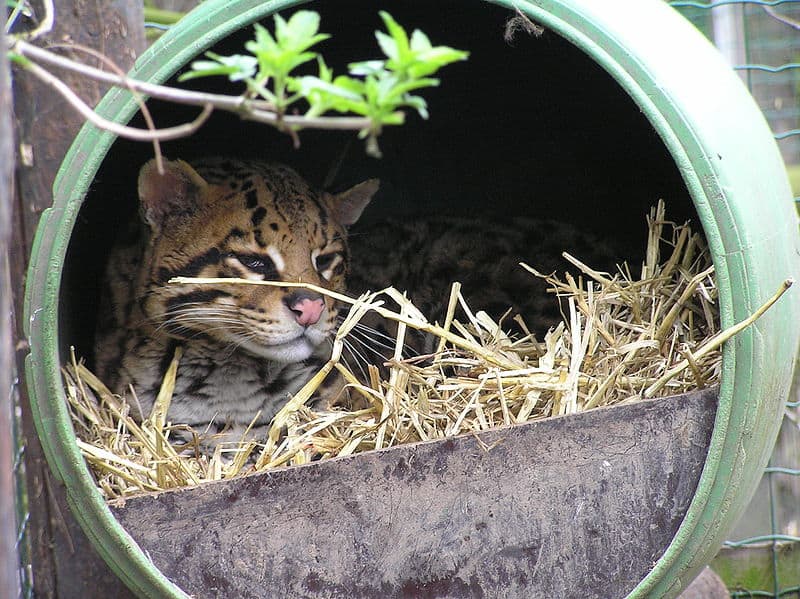
Though they may be incredibly cute, ocelots are still fierce predators.

©Chordata, CC BY-SA 3.0, via Wikimedia Commons – Original / License

The Ocelot is a solitary animal that occupies a home range that can be up to 30 square kilometers depending on the surrounding environment. Males tend to patrol territories that are often double the size of the females’, and that overlap the home ranges of a number of females (with which the male has breeding rights). The Ocelot is a nocturnal animal that spends its days sleeping either in thick vegetation or on a high and leafy branch. They have excellent sight, touch, and hearing which all help them when hunting at night, and they communicate with one another using soft meows which turn into loud yowls when looking for a mate. The Ocelot is an incredibly secretive animal that is very rare in some parts of its natural range and one that relies heavily on dense vegetation, only venturing into open areas during the night.

You can check out incredible facts about ocelots.

Reproduction and Life Cycles
👁 Image

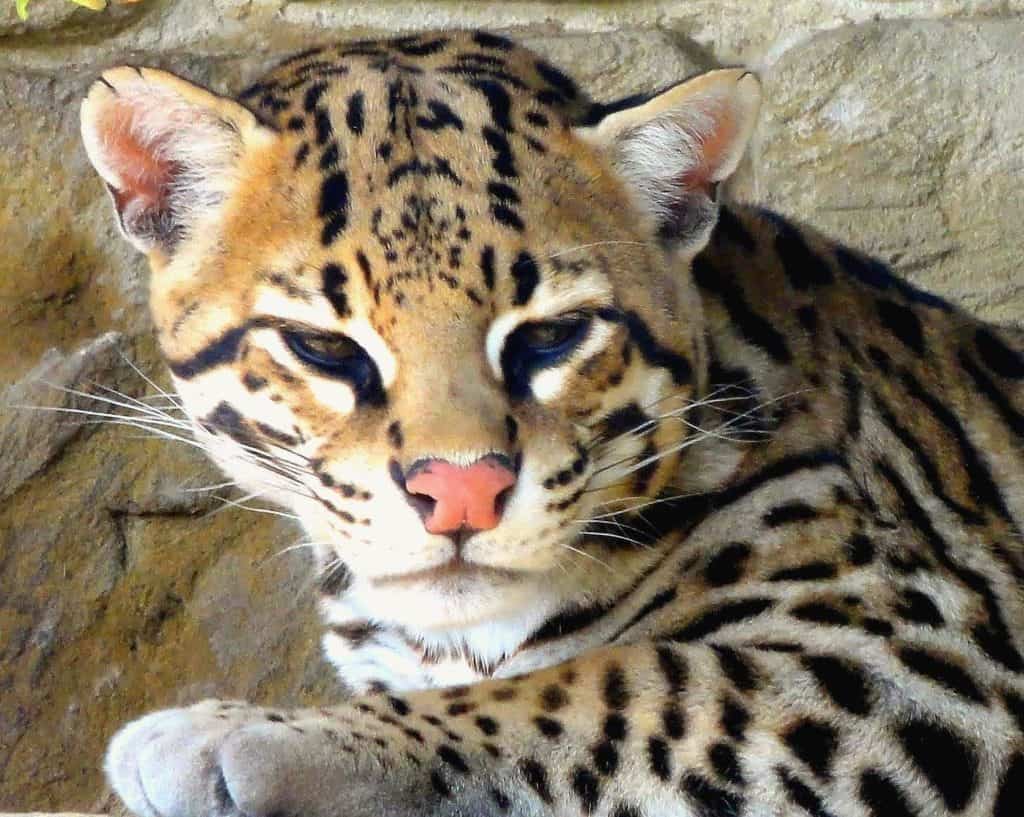
Ocelot kittens are born blind like housecats.

©Martyn Wright / CC BY 2.0, Flickr – Original / License

In the heart of the tropics, Ocelots are known to breed all year round but at the most northern and southern ends of its natural range, the breeding season tends to occur towards the end of the summer. After mating, the female Ocelot will find a crevice in the rocks, a hollow tree, or will nest in a dense and thorny thicket in order for her to have some privacy and protection whilst she is preparing to give birth. After about 85 days in the womb, the female Ocelot will give birth to up to 3 kittens, which are born without the ability to see and have a thin, dark coat of fur as opposed to their recognizable stripes and spots. Within about one month, the Ocelot kittens will be able to see their surroundings and their fur will have become thicker and more vibrant. Although Ocelot kittens are fully grown by the time they are a year old and are capable of becoming independent, they will often be tolerated in their mother’s home range for a couple of years before they leave to establish a territory of their own.

Diet and Prey

The Ocelot is a carnivore, meaning they that hunt for food under the shade of night and they do so by stalking their prey primarily on the forest floor from the safety of dense foliage. Although small rodents make up a large portion of their diet, they are known to hunt a variety of small animals including rabbits, birds, fish, crabs, lizards and snakes, and will even hunt small deer on occasion. The Ocelot is also known to eat monkeys, turtles, armadillos, and anteaters. Ocelots have been known to cause problems by killing domestic birds when their typical food sources are unavailable. However, the Ocelot happily preys upon numerous different invasive species, so they are nevertheless a vital part of their local ecosystems and their diverse taste also helps them to more easily adapt to changing habitats.

Predators and Threats
👁 Eastern Cougar

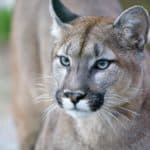
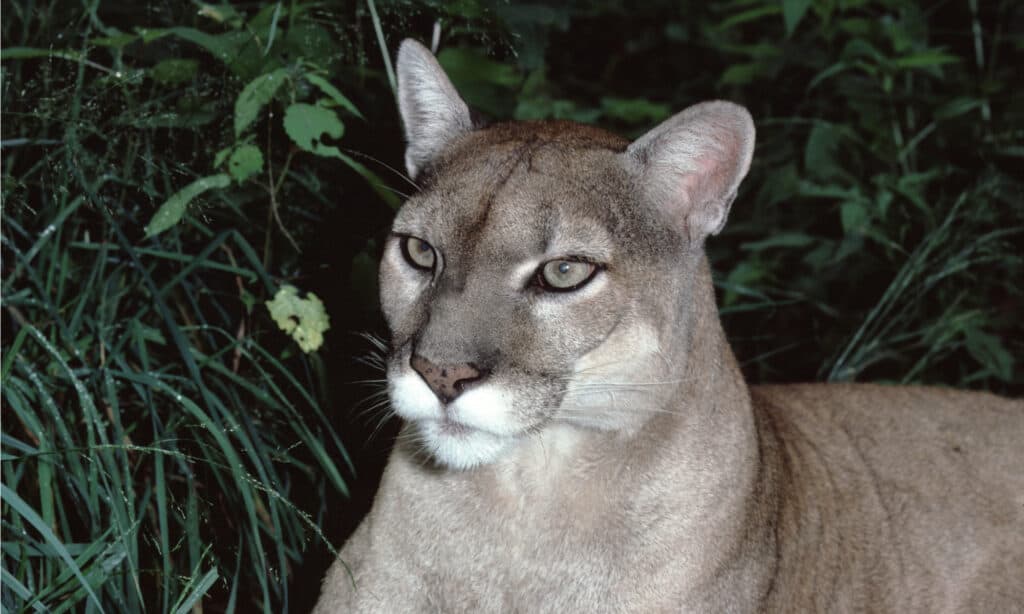
Pumas are one of ocelot’s staunchest opponents in the wild.

©Liz Weber/Shutterstock.com

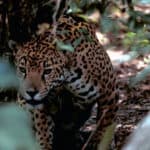
Not only is the Ocelot an important predator in its environment but they are also preyed upon by a number of large carnivores. Other felines including Jaguars and Pumas prey on the smaller Ocelot, along with Birds of Prey such as the Harpy Eagle and the world’s biggest snake, the Anaconda. The unique and distinctive fur of the Ocelot though actually provides it with some camouflage in the dense vegetation surrounding it but it is also this fur that has led to enormous population declines throughout much of its historical range. Hunted for their fur (known as pelts) particularly from the 1960s to the 1980s, the Ocelot nearly became extinct in the wild along with the fact that they were also captured and kept as exotic pets. Since the Ocelot became a protected species though in many countries, numbers have risen but they are now threatened by deforestation of their habitats.

Ocelot Interesting Facts and Features
👁 Image

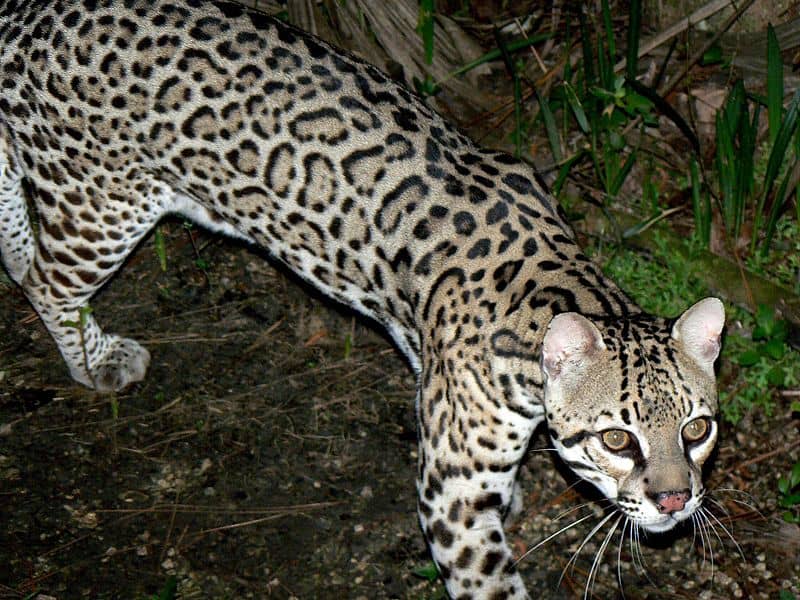
Many people have tried domesticating the ocelot.

©RawheaD Rex, CC BY-SA 2.0, via Wikimedia Commons – Original / License

In a similar way to many other species of smaller wildcats, the Ocelot has been kept as a pet by many people throughout history. The most famous of these was the abstract artist Salvador Dali who was known to travel frequently with his domesticated Ocelot. It was even thought that Mr. Dali actually took his pet Ocelot on an ocean liner! The Ocelot is also thought to have been worshipped by ancient Peruvian cultures (in a similar way to the Ancient Egyptians worshipping cats), and these cultures would often depict the beautiful Ocelot in their artwork. The Ocelot is thought to be active for at least 12 hours a day and can travel distances of up to seven miles in that time, with males generally covering twice the distance of their female counterparts.

Relationship with Humans
👁 Image

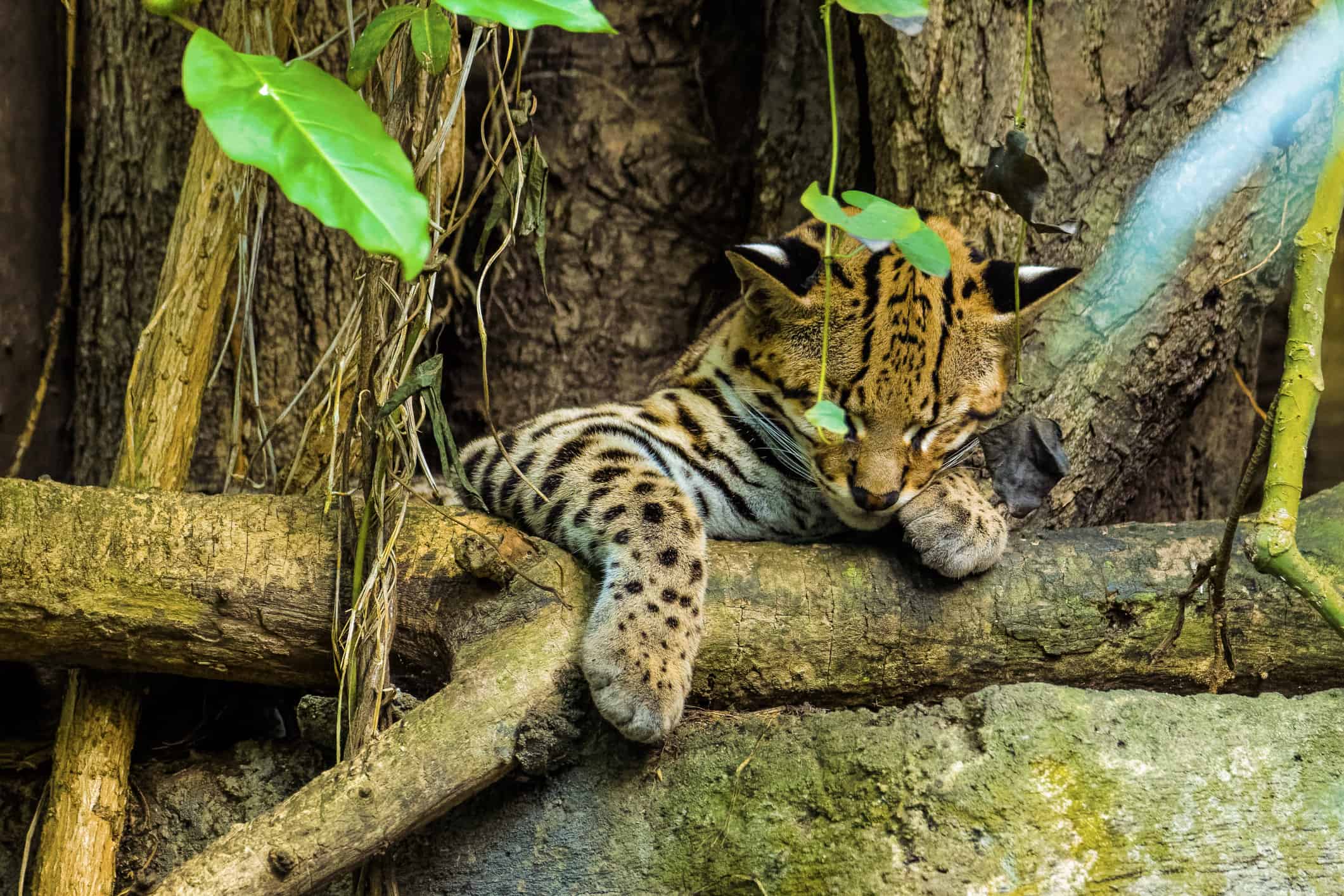
Ocelots are protected species in most parts of the world.

©Thorsten Spoerlein/ via Getty Images

The Ocelot was seen as a sacred animal by ancient cultures but its beautifully patterned and soft fur quickly attracted the attention of hunters. Ocelot population numbers were severely depleted throughout their natural range particularly during the 1960s and 1970s when they were thought to be so extensively hunted, that up to 200,000 skins were being traded each year and were selling for around 40,000 US dollars. Despite being wild and dominant predators, the Ocelot has also been captured to sell into the exotic pet trade which fortunately ceased after the Ocelot was listed on the Endangered Species List. Despite the fact that the Ocelot is now protected in most countries throughout its natural range and numbers have increased, populations particularly in certain areas are being severely affected by growing Human activity, primarily from deforestation and growing settlements.

Conservation Status and Life Today

Today, the Ocelot is listed by the IUCN as being a species that is of Least Concern of becoming extinct in their natural environment in the near future. Although some populations are small and unstable, the Ocelot is widespread but the general population trend is now decreasing. This is mainly due to habitat loss as vast areas particularity in the Amazon, are subject to drastic deforestation and no longer provide the dense cover and adequate food supply that the Ocelot needs to survive.

Types of Ocelot
👁 Image

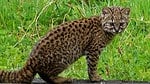
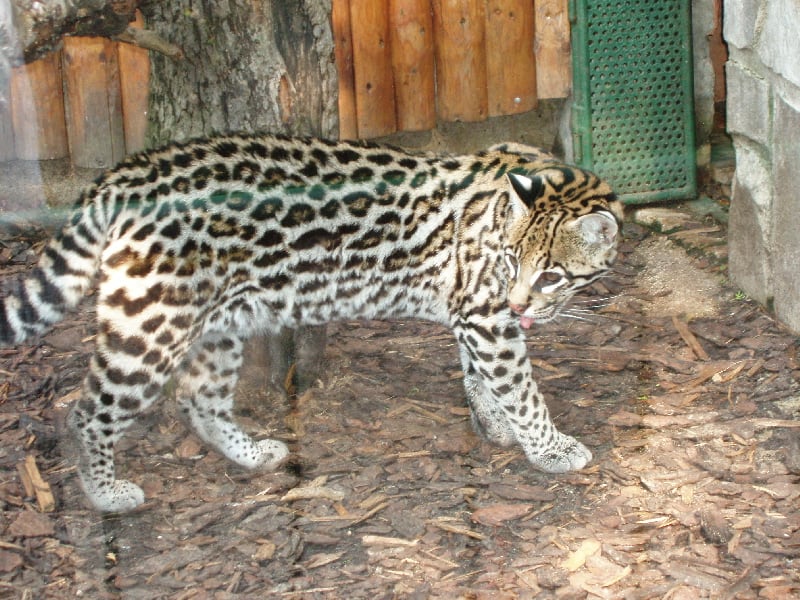
Ocelots are only divided into 2 subspecies today.

©Lady Rowena / CC BY-SA 3.0, from Wikimedia Commons, the free media repository – Original / License

Taxonomists initially believed ocelots to be divided into up to 9 different subspecies. These included:

  • Leopardus pardalis pardalis
  • Leopardus pardalis aequatorialis
  • Leopardus pardalis albescens
  • Leopardus pardalis melanurus
  • Leopardus pardalis mitis
  • Leopardus pardalis pseudopardalis
  • Leopardus pardalis pusaeus
  • Leopardus pardalis sonoriensis
  • Leopardus pardalis steinbachi

But today only the Leopardus pardalis pardalis and Leopardus pardalis mitis are generally recognized as distinct subgroups of ocelots, the former being critically endangered and native to Arizona and Mexico, while the latter is much more populous and inhabits much of South America and some islands of the Caribbean.

View all 87 animals that start with O
How to say Ocelot in ...
Bulgarian
Оцелот
Czech
Ocelot velký
German
Ozelot
English
Ocelot
Esperanto
Oceloto
Spanish
Ocelote
French
Ocelot
Hebrew
אוצלוט
Croatian
Ocelot
Hungarian
Ocelot
Italian
Ocelot
Japanese
オセロット
Dutch
Ocelot
English
Ocelot
Polish
Ocelot
Portuguese
Jaguatirica
Swedish
Ozelot

Sources

  1. David Burnie, Dorling Kindersley (2011) Animal, The Definitive Visual Guide To The World's Wildlife / Accessed May 11, 2009
  2. Tom Jackson, Lorenz Books (2007) The World Encyclopedia Of Animals / Accessed May 11, 2009
  3. David Burnie, Kingfisher (2011) The Kingfisher Animal Encyclopedia / Accessed May 11, 2009
  4. Richard Mackay, University of California Press (2009) The Atlas Of Endangered Species / Accessed May 11, 2009
  5. David Burnie, Dorling Kindersley (2008) Illustrated Encyclopedia Of Animals / Accessed May 11, 2009
  6. Dorling Kindersley (2006) Dorling Kindersley Encyclopedia Of Animals / Accessed May 11, 2009
  7. David W. Macdonald, Oxford University Press (2010) The Encyclopedia Of Mammals / Accessed May 11, 2009
  8. Ocelot Facts / Accessed May 11, 2009
  9. Ocelot Information / Accessed May 11, 2009
  10. Ocelot Conservation / Accessed May 11, 2009

About the Author

Corinna Cybele

My name is Corinna! In my profile photo you can see me with one of my two cats, Bisky! The other's name is Yma and she's a beautiful black Bombay kitty. I'm 24 years old and I live in Birmingham, AL with my partner Anastasia and like to spend my free time making music, collecting records and reading. Some other animals I've owned were a hamster, 2 chihuahuas and many different kinds of fish.

Thank you for reading! Have some feedback for us?

Contact the AZ Animals editorial team

Related Articles You May Find Interesting

The Growing Black Bear Population Spreading Across New Hampshire Forests


Ocelot FAQs (Frequently Asked Questions)

Ocelots are Carnivores, meaning they eat other animals.

Ocelots belong to the Kingdom Animalia.

Ocelots belong to the class Mammalia.

Ocelots belong to the phylum Chordata.

Ocelots belong to the family Felidae.

Ocelots belong to the order Carnivora.

Ocelots are covered in Fur.

Ocelots belong to the genus Leopardus.

Ocelots live in South America.

Ocelots live in tropical jungles, grasslands, and marshes.

Predators of Ocelots include jaguars, pumas, and harpy eagles.

The average number of babies an Ocelot has is 2.

The Ocelot is also known as the Painted Leopard!

The scientific name for the Ocelot is Leopardus pardalis.

Ocelots can live for 8 to 12 years.

There is 1 species of Ocelot.

The biggest threat to the Ocelot is habitat loss.

The Ocelot is also called the painted leopard.

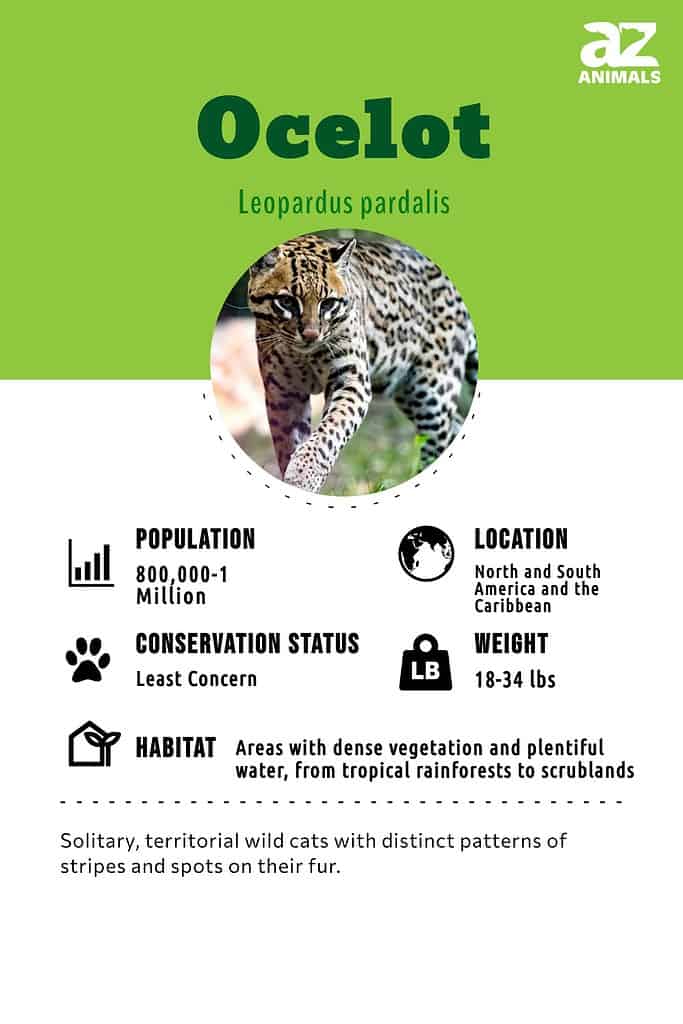
There are 800,000 Ocelots left in the world.

An Ocelot can travel at speeds of up to 38 miles per hour.

The key differences between the ocelot and the serval are their size, appearance, lifespan, habitat, diet, and habits.

The main differences between an ocelot and a clouded leopard are their size, evolutionary history, distribution, and habitat.