O
Species Profile

Oribi

Ourebia ourebi

The grassland ghost on tiptoe
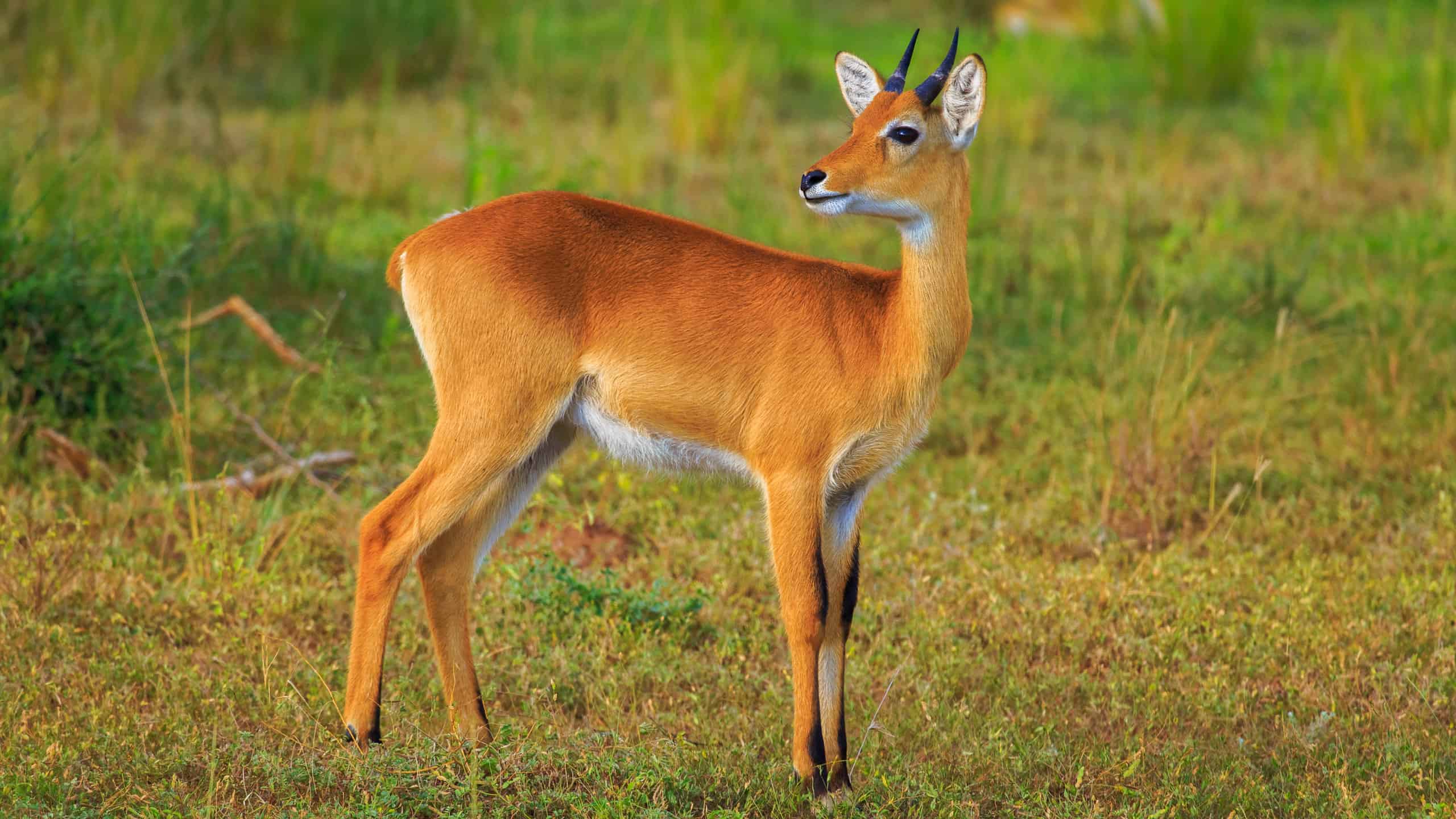
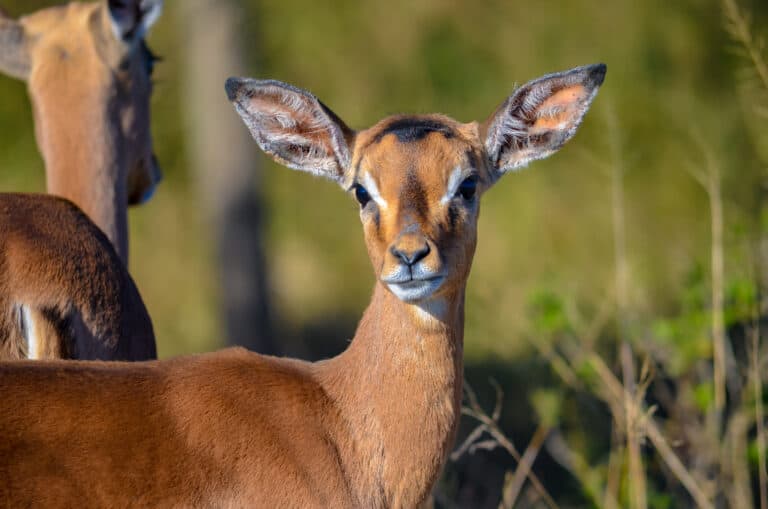
Anil Varma/Shutterstock.com

Oribi Distribution

Click a location to explore more animals from that region

Loading map...

Found in 31 countries

๐Ÿ‡ธ๐Ÿ‡ณ Senegal ๐Ÿ‡ฌ๐Ÿ‡ฒ Gambia ๐Ÿ‡ฌ๐Ÿ‡ณ Guinea ๐Ÿ‡ธ๐Ÿ‡ฑ Sierra Leone ๐Ÿ‡จ๐Ÿ‡ฎ Cรดte d'Ivoire ๐Ÿ‡ฌ๐Ÿ‡ญ Ghana ๐Ÿ‡น๐Ÿ‡ฌ Togo ๐Ÿ‡ง๐Ÿ‡ฏ Benin ๐Ÿ‡ง๐Ÿ‡ซ Burkina Faso ๐Ÿ‡ฒ๐Ÿ‡ฑ Mali ๐Ÿ‡ณ๐Ÿ‡ช Niger ๐Ÿ‡ณ๐Ÿ‡ฌ Nigeria ๐Ÿ‡จ๐Ÿ‡ฒ Cameroon ๐Ÿ‡จ๐Ÿ‡ซ Central African Republic ๐Ÿ‡น๐Ÿ‡ฉ Chad ๐Ÿ‡ธ๐Ÿ‡ธ South Sudan ๐Ÿ‡ธ๐Ÿ‡ฉ Sudan ๐Ÿ‡ช๐Ÿ‡น Ethiopia ๐Ÿ‡ฐ๐Ÿ‡ช Kenya ๐Ÿ‡บ๐Ÿ‡ฌ Uganda ๐Ÿ‡ท๐Ÿ‡ผ Rwanda ๐Ÿ‡ง๐Ÿ‡ฎ Burundi ๐Ÿ‡น๐Ÿ‡ฟ Tanzania ๐Ÿ‡ฒ๐Ÿ‡ผ Malawi ๐Ÿ‡ฒ๐Ÿ‡ฟ Mozambique ๐Ÿ‡ฟ๐Ÿ‡ฒ Zambia ๐Ÿ‡ฟ๐Ÿ‡ผ Zimbabwe ๐Ÿ‡ณ๐Ÿ‡ฆ Namibia ๐Ÿ‡ธ๐Ÿ‡ฟ Eswatini ๐Ÿ‡ฑ๐Ÿ‡ธ Lesotho ๐Ÿ‡ฟ๐Ÿ‡ฆ South Africa

Size Comparison

Human 5'8"
Oribi 1 ft 11 in

Oribi stands at 34% of average human height.

At a Glance

Wild Species
Diet Herbivore
Activity Diurnal+
Lifespan 10 years
Weight 22 lbs
Status Least Concern
Did You Know?

Adults are small: shoulder height ~51-67 cm and body mass ~12-22 kg (Kingdon; Estes).

Scientific Classification

The oribi is a small, slender African antelope (family Bovidae) known for its reddish-brown coat, white underparts, and upright posture in open grasslands. Males typically carry short, straight horns; females usually lack horns.

Kingdom
Animalia
Phylum
Chordata
Class
Mammalia
Order
Artiodactyla
Family
Bovidae
Genus
Ourebia
Species
Ourebia ourebi

Distinguishing Features

  • Small, delicate antelope with long legs and a fine muzzle
  • Reddish-tan to fawn coat with paler/whitish underparts
  • Males with short, straight, ringed horns; females typically hornless
  • Often seen singly or in pairs in open grassland; relies on hiding and sudden sprinting

Physical Measurements

Height
1 ft 11 in (1 ft 8 in โ€“ 2 ft 2 in)
Length
3 ft 8 in (3 ft 4 in โ€“ 4 ft 2 in)
Weight
33 lbs (26 lbs โ€“ 40 lbs)
Tail Length
5 in (4 in โ€“ 6 in)
Top Speed
31 mph
running

Appearance

Primary Colors
Secondary Colors
Skin Type Short, sleek fur over thin antelope skin; visible facial scent-gland area near eyes.
Distinctive Features
  • Small, slender African grassland antelope with long legs, narrow muzzle, and large upright ears.
  • Head-body length 92-110 cm; shoulder height 51-67 cm; tail length 9-12 cm (Kingdon, 2015; Estes, 1991).
  • Adult mass typically 12-22 kg (Estes, 1991; IUCN Red List account for Ourebia ourebi).
  • Males carry short, straight, ringed horns about 8-18 cm; females usually hornless (Estes, 1991; Kingdon, 2015).
  • Concealment behavior: crouches/'freezes' in grass; also uses rapid bounding escape and high alert upright stance in open plains.
  • Common in grasslands/floodplains; many local populations declining from habitat conversion, altered fire regimes, and hunting despite broad range (IUCN).

Sexual Dimorphism

Sexes are very similar in body coloration and overall size, but males typically bear short, straight, ringed horns while females are usually hornless. Males may show slightly more robust head/neck proportions in some populations.

โ™‚
  • Short, straight, ringed horns typically ~8-18 cm long.
  • Often slightly heavier/stockier head and neck (population-dependent).
โ™€
  • Usually hornless (rare horned females reported but uncommon).
  • Slightly more gracile head/neck profile on average.

Did You Know?

Adults are small: shoulder height ~51-67 cm and body mass ~12-22 kg (Kingdon; Estes).

Males carry short, straight horns ~8-18 cm long; females are typically hornless (Kingdon; Estes).

Oribi often "freeze" upright in grass to avoid detection, relying on camouflage rather than long chases.

They favor fresh green growth and can concentrate feeding on recently burned or mown patches of grassland (Estes).

Typical social units are tiny-often solitary, pairs, or small groups (commonly 1-4) with territorial males (Estes).

Reproduction is slow for a small antelope: usually a single calf after ~7 months gestation (~210 days), helping explain sensitivity to heavy hunting (Estes).

Global status has been assessed as Least Concern, yet many regional populations have declined from habitat conversion, overgrazing, and snaring (IUCN).

Unique Adaptations

  • Cryptic pelage: reddish-brown upperparts and white underparts blend with sunlit grassland and patchy burn mosaics.
  • High-quality forage specialization: narrow muzzle and selective feeding allow efficient use of short, nutrient-rich grass swards typical of floodplains and managed grasslands.
  • Scent-communication toolkit: well-developed facial (preorbital) glands support territorial spacing in visually uniform habitats (Estes).
  • Light, long-limbed build: small mass with slender legs supports quick acceleration and agile dodging through grass stems rather than long-distance endurance running.
  • Water flexibility: in many areas they meet much of their water needs from green forage, reducing dependence on open water (reported for the species in savanna settings; Kingdon/Estes).

Interesting Behaviors

  • Concealment-first antipredator tactic: individuals commonly crouch or stand motionless in tall grass, letting predators pass before slipping away.
  • Territoriality: adult males maintain small territories and advertise ownership with scent marking (using preorbital glands) and dung/urine deposition (Estes; Kingdon).
  • Vigilance posture: oribi often stand very upright with head high to scan over grass, then drop instantly into cover.
  • Selective grazing: feeds heavily on short, high-quality grasses and forbs; may shift to greener patches after rain, fire, or mowing (Estes).
  • Small-group sociality: pairs or a female with young are common; temporary feeding associations can form where forage is concentrated.
  • Crepuscular tendency: activity often peaks early morning and late afternoon, reducing heat stress and predator encounter risk in open habitats.
  • Alarm and flight: when forced to run, they sprint with a low, fast trajectory and may perform brief stiff-legged bounds (stotting) during escape (Estes).

Cultural Significance

Oribi (Ourebia ourebi) are symbols of threatened African grasslands because they depend on open, well-kept grasslands and decline quickly when grassland is changed, overgrazed, or heavily hunted. "Oribi Gorge" in South Africa shows their past local presence.

Myths & Legends

Name legacy in southern Africa: "oribi" entered English via Afrikaans usage, itself widely reported to derive from older Khoisan/Khoekhoe naming traditions-an example of indigenous language influence on regional wildlife names.

Place-name story: KwaZulu-Natal's Oribi Gorge is said to be named for the oribi (Ourebia ourebi) that once lived there, keeping the animal part of local identity even where it is now rare.

Southern African hunter-gatherer rock art often shows small antelope. Species are hard to tell, but these images are a long cultural record where animals like oribi stand for common, hard-to-catch game of grassland and savanna.

Conservation Status

LC Least Concern

Widespread and abundant in the wild.

Population Decreasing

Protected Under

  • Occurs in numerous protected areas across its African range (national parks, game reserves, and conservancies), where hunting pressure and habitat conversion are generally lower.
  • South Africa: National Environmental Management: Biodiversity Act (NEMBA) 2004 and provincial conservation ordinances regulate wildlife protection and hunting/permits where applicable.
  • Kenya: Wildlife Conservation and Management Act (2013) provides a legal framework for protection and management of wildlife populations, including antelopes, within and outside protected areas.
  • Tanzania: Wildlife Conservation Act (2009) regulates protection, utilization, and hunting controls for wildlife species within designated management areas.

Life Cycle

Birth 1 calf
Lifespan 10 years

Lifespan

In the Wild 8โ€“12 years
In Captivity 10โ€“15 years

Reproduction

Mating System Monogamy
Social Structure Socially Monogamous
Breeding Pattern Long Term
Fertilization Internal Fertilization
Birth Type Internal_fertilization

Oribi typically live as a territorial male-female pair (often with the year's offspring), with the male defending the pair's range and mating primarily with the resident female. Reproduction is via internal fertilization; births are usually single after ~210 days' gestation.

Behavior & Ecology

Social Herd Group: 2
Activity Diurnal, Matutinal, Vespertine
Diet Herbivore Fresh short-grass regrowth (new green shoots, often on recently disturbed/burned or heavily grazed patches)

Temperament

Wary, vigilant grazer; relies on freezing and sudden flight when threatened (Estes 1991).
Strong territoriality in males; boundaries maintained with routine patrols and marking (Kingdon 2015).
Usually solitary or in pairs; adult males are territorial; small groups may form where local density is high or habitat is patchy.
Some areas show more solitary females or temporary bachelor groups linked to local density (Estes 1991).
Longevity reported about 8-12 years in the wild and up to about 15 years in captivity (Estes 1991; Kingdon 2015).

Communication

Sharp whistling alarm call used to warn conspecifics and startle predators Estes 1991
Snorts/grunts during agitation and close-range interactions Estes 1991
Scent marking via dung/urine and gland secretions to advertise territorial ownership Kingdon 2015
Visual alert posture (upright stance, head high) signalling detection of danger to nearby oribi.
Chases and ritualized displays used in male-male territorial disputes; physical fights uncommon Estes 1991

Habitat

Biomes:
Savanna Temperate Grassland Wetland
Terrain:
Plains Plateau Hilly Valley Riverine Coastal Mountainous +1
Elevation: Up to 8202 ft 1 in

Ecological Role

Small-bodied primary consumer (selective grazer) in African grassland and savanna mosaics; important prey species for medium-to-large predators.

Maintains and reinforces short-grass habitat structure through selective grazing (can favor lawn-like swards) Contributes to nutrient cycling and soil fertility via dung and urine deposition Transfers energy from primary production to higher trophic levels as a prey base (e.g., for large carnivores and raptors) Can influence plant community composition by preferentially removing palatable, high-quality regrowth

Diet Details

Other Foods:
Short green grasses Herbaceous forbs Sedges Grass shoots and leaves Low shrubs and woody seedlings Flowers and tender plant tips

Human Interaction

Domestication Status

Wild

Ourebia ourebi (oribi) is not domesticated and has no domestication history. It is a wild African antelope sometimes kept in zoos or game ranches for display, breeding, or study, but is easily stressed and needs special food and calm places. People hunt it, and grassland loss, farming, and livestock compete with it.

Danger Level

Low
  • Physical injury is uncommon; if cornered/handled, an oribi can kick and males may jab with short straight horns.
  • Zoonotic/parasite exposure risk typical of wild ungulates (e.g., ticks and tick-borne pathogens) for hunters, handlers, and field staff.
  • Indirect risk from hunting activities (firearms/snares) and vehicle collisions in oribi habitat rather than from the animal itself.

As a Pet

Not Suitable as Pet

Legality: Oribi (Ourebia ourebi) are not suitable or commonly legal pets. Keeping them is usually treated as wildlife and needs permits, rules, or may be banned; moving them between countries follows national laws.

Care Level: Expert Only

Purchase Cost:
Lifetime Cost:

Economic Value

Uses:
Subsistence/commercial bushmeat Local hides/skins Limited sport hunting value (region-dependent) Ecotourism/wildlife viewing in savanna/grassland reserves Live capture/translocation for conservation or game ranching (limited)
Products:
  • meat (bushmeat/venison)
  • skins/hides (small-scale use)
  • hunting permits/fees where legally hunted
  • tourism value as part of grassland antelope assemblages

Relationships

Predators 10

Leopard Panthera pardus
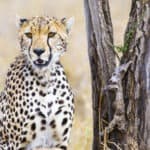
Cheetah Acinonyx jubatus
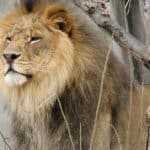
Lion Panthera leo
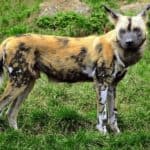
African wild dog Lycaon pictus
Spotted hyena Crocuta crocuta
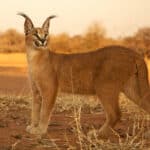
Caracal Caracal caracal
Serval Leptailurus serval
African rock python Python sebae
Martial eagle Polemaetus bellicosus
Crowned eagle Stephanoaetus coronatus

Related Species 6

Steenbok Raphicerus campestris Shared Family
Cape grysbok Raphicerus melanotis Shared Family
Klipspringer Oreotragus oreotragus Shared Family
Kirk's dik-dik Madoqua kirkii Shared Family
Springbok Antidorcas marsupialis Shared Family
Thomson's gazelle Eudorcas thomsonii Shared Family

Ecological Equivalents 4

Animals that fill a similar ecological role in their ecosystem

Steenbok Raphicerus campestris The oribi (Ourebia ourebi) and steenbok are small African antelopes, often solitary or occurring in pairs, and similar in size. Both inhabit open grasslands, use short-grass patches and perform alert scanning, and face similar predators.
Klipspringer Oreotragus oreotragus Comparable small-bodied bovid that occupies open, high-visibility microhabitats, uses a vigilant upright posture, and exhibits short flight distances. Differs mainly by specializing on rocky koppies and slopes rather than open grassland. Males have similar horn morphology (short, straight), and the species displays small-group sociality (often pairs).
Kirk's dik-dik Madoqua kirkii Both oribi and dik-diks are small antelopes that face high predation and rely on cover and rapid, short bursts of speed to escape. Dik-diks browse more and inhabit shrubland, but both use hiding and short sprints.
Southern reedbuck Redunca arundinum They share a grassland-edge niche with strong grazing dependence and a preference for taller grass or cover near open feeding areas. Southern reedbuck are larger, but both species occupy mesic grasslands and are frequently taken by similar large carnivores where their ranges overlap.

Summary

Oribis are unique little antelope because they can adapt well to most environments, which is why they can be found scattered across the African continent. While there are a few solitary males, they generally live in breeding pairs or groups of three, consisting of one male and two females.

Female oribis sexually mature at the young age of seven months, but the males take a bit longer, maturing between 10 and 14 months.

This antelope communicates by vocalizations and scent; males have six glands, each with an individual scent that the male oribi uses to mark its territory and attract a female.

Another unique trait is their eating habits. Unlike most antelope, they predominantly graze and tend to steer clear of areas littered with bushes, trees, and shrubs.

Oribi Facts

  • The oribi survives by hiding in the bushes and then jumping, while using vertical leaps to avoid being caught.
  • They let out shrill whistles when under threat.
  • Oribis can reach speeds of 25 to 30 mph, making it easier to escape predators.
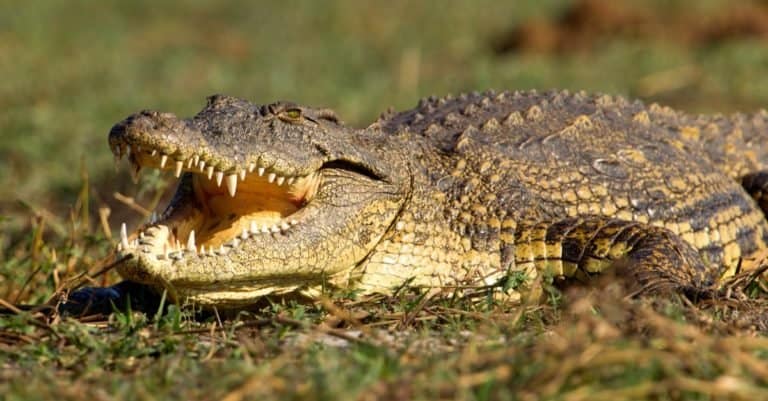
  • Their natural predators include crocodiles, leopards, jackals, caracals, hyenas, lions, wild dogs, eagles, and pythons.

Oribi Scientific Name

The oribiโ€™s scientific name is Ourebia ourebi, and they are members of the order Artiodactyla, which consists of even-toed ungulates. This order is a diverse group of mammals found all around the world, with the exceptions of Australia and Antarctica.

Artiodactyla is made up of 220 species, which include several types of gazelles, deer, bison, antelope, goats, cows, pigs, sheep, pigs, giraffes, camels, and hippopotamuses.

Most species in this order eat plant foods and have a few important adaptations to accommodate this diet. For example, their teeth have complex ridges that can grind coarse plant material. Their digestive system, which ferments these high-fiber foods, allows them to absorb as much nutrition as possible from leaves and grasses.

Oribis belong to the family Bovidae that consists of cloven-hoofed, ruminant mammals, including:

Presently, there are 143 species in this family, but there are also 300 known extinct species. This animal dates back to the Miocene epoch, almost 20 million years ago.

Oribi Appearance

The oribi is a tiny antelope that measures 20 to 26 inches tall. Both females and males weigh around 30 pounds. Because of their small stature, these fascinating little animals fall into the dwarf antelope family.

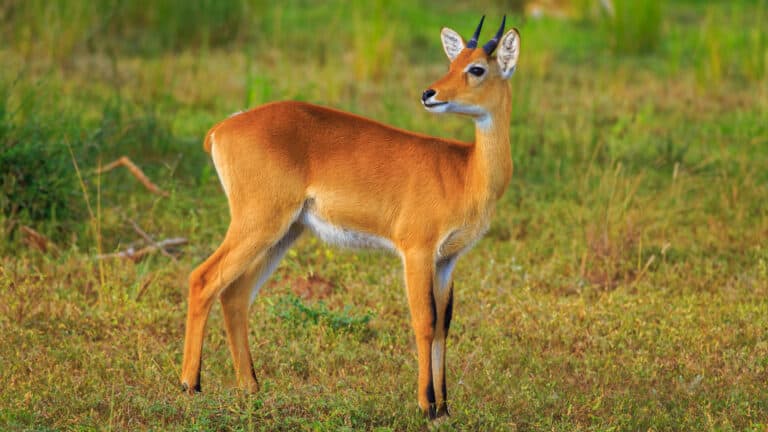
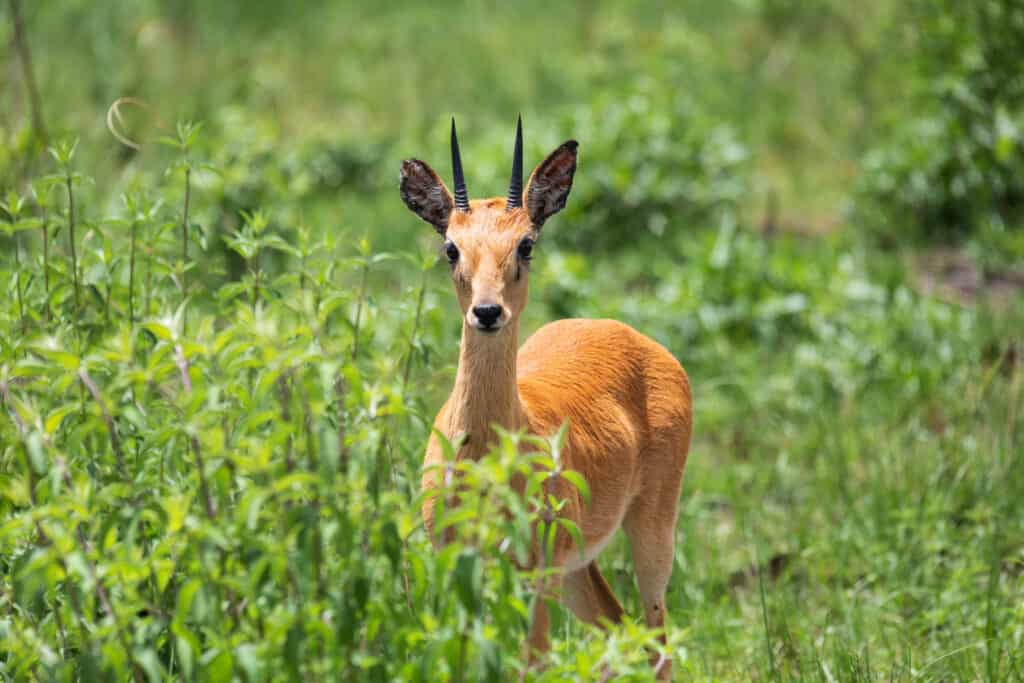
Oribis have long, slender necks, slightly curved pointed horns, narrow ears, and stunning reddish-ginger fur, with white bellies and a black tail. In addition, they have odd-shaped black dots on either side of their heads.
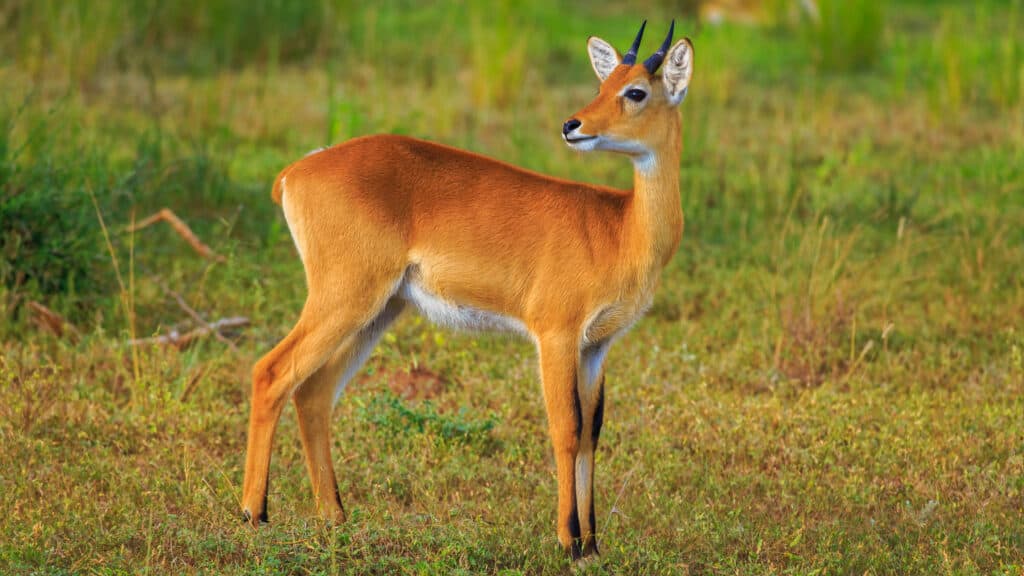
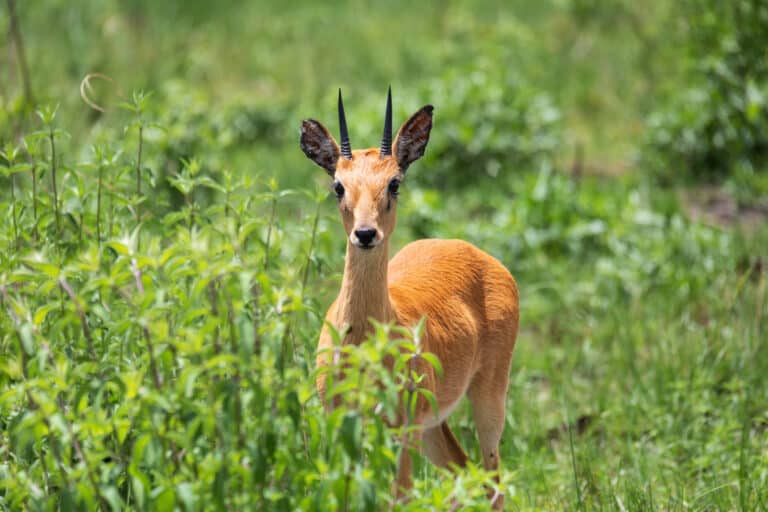
๐Ÿ‘ Oribi

Oribis have long, slender necks, slightly curved pointed horns, narrow ears, and stunning reddish-ginger fur.

ยฉArtush/Shutterstock.com

Oribi Behavior

These antelope might be small, but they are fiercely territorial. They mate for life, but some live in groups where the male has two female mates. Pairs typically live in territories that are approximately 250 acres.

When marking their territory, males smell the females, which stimulates them to deposit feces on the ground. Then, the male uses his scent glands to mark the feces before violently stomping on it. Lastly, the male urinates and defecates on the femaleโ€™s feces.

These antelope have six different glands that they use to release scents to mark their territories and attract mates. Some of these scents are also used to communicate with other oribis.

Other means of communication include visual displays and vocalizations; however, scent is their preferred choice. Although they mate for life, they only make physical contact when mating, where they will greet each other by touching noses.

Males oribis spend most of their time patrolling the borders of their territories; they do this about 16 times an hour! However, 27% of their day is spent grazing.

Oribi Habitat

Oribi can be found scattered throughout most countries in Africa, including South Africa, South Sudan, Benin, Togo, Malawi, and Zimbabwe.

These bucks are unique in the fact that they are one of the only small antelope to predominantly graze, and they try to avoid areas abundant in bushes, shrubs, and trees. Instead, they tend to gravitate towards open woodlands, grasslands, and floodplains, where they thrive.

Because they prefer eating short grass, they are often spotted near large herbivores like hippos, zebras, and buffalos. These large herbivores act like lawnmowers and keep the grass at the perfect length for oribis.

Oribi Diet

The oribi is a herbivore that thrives on grazing land and grasses, but if it doesnโ€™t have access to its preferred food, it will feed on foliage, nuts, legumes, fruits, and leaves.

Oribi Predators and Threats

Animals that prey on the oribi include:

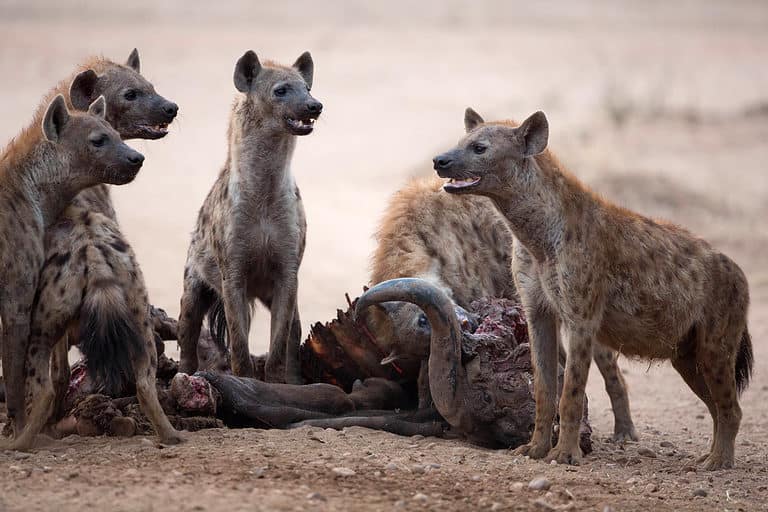
  • Hyenas
  • Caracals
  • Jackals
  • African wild dogs
  • Crocodiles
  • Lions
  • Leopards
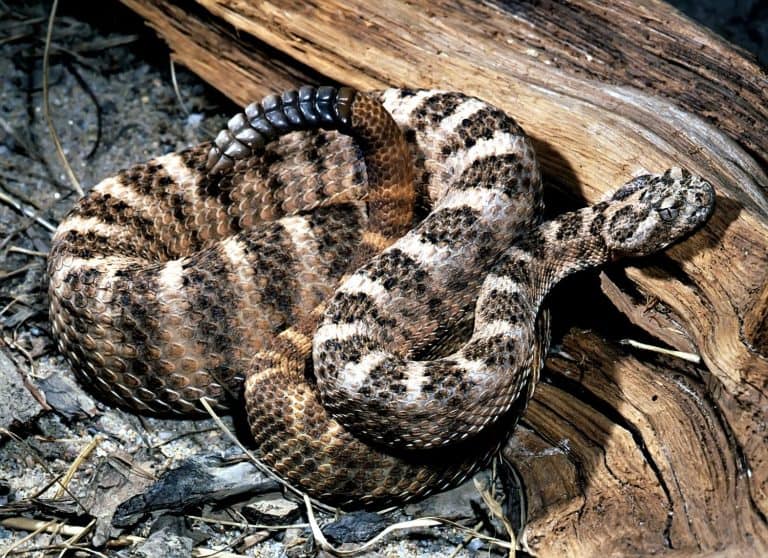
  • Snakes

Sadly, these tiny antelopes also fall prey to sport hunting in South Africa, even though itโ€™s illegal.

While the oribi is listed as Least Concern on IUCNโ€™s Redlist, their numbers are declining due to the following threats:

  • Mismanagement โ€“ the oribi inhabits many areas that overlap agricultural land, and due to impenetrable fences, poor veld management, irresponsible burning practices, and domestic dogs, their numbers are decreasing.
  • Habitat loss โ€“ they are losing their homes to commercial forestry, expanding settlements, commercial farming, erosion, and mining.
  • Illegal hunting โ€“ poachers set snare traps and release hunting dogs into their habitats.

Oribi Reproduction, Babies, and Lifespan

Oribis are mammals, so they give birth to living young. Their mating season occurs throughout the year, primarily during the wetter seasons. Females will carry their young for six to seven months and usually give birth to one calf, but they can sometimes have twins.

Females sexually mature at seven months old, and males take a little longer, only reaching maturity at 10 to 14 months.

Babies

Juvenile oribi males who havenโ€™t found a mate are typically solitary, but itโ€™s not uncommon to see juveniles stay in family groups with their parents. A few weeks before the female is about to give birth, she will avoid social interactions, and once her calves are born, she will hide them until they are weaned at around three months old. The calves will stay with their parents until they become sexually mature.

Lifespan

The oribisโ€™ average lifespan is around eight to 12 years in the wild. However, they can live to the old age of 16 in captivity.

Oribi Population

There are an estimated 750,000 oribis in the wild, but their population is declining each year.

Oribi In Captivity

Conservationists have set up a captive breeding program in South Africa, where they breed oribis and try to release them back into the wild. Once the oribi is old enough, they release it onto neighboring agricultural or game farms. This has been an ongoing project for 10 years.

However, it did not go as planned. Unfortunately, out of the 10 oribis released, only three survived. The remaining seven were either killed by predators or humans.

While there are not many of these tiny antelope in zoos, people can spot them at numerous national parks and game farms across the African continent.

Animals Similar to the Oribi

There are several African antelope species that are similar to the oribi; they include:

Duiker

The duiker is often referred to as the common duiker because they have the widest distribution of any African antelope species. Other names for these adorable animals are bush duiker or grey duiker. Duiker is an Afrikaans word that means โ€œto dive.โ€ This name references their ability to quickly duck into the bushes when threatened. They are approximately 35 inches tall and can reach a maximum weight of 175 pounds. They have very distinctive long orange or whitish-yellow fur that stands up on their backs.

Steenbok

Steenboks are one of the most adorable antelopes on the planet. They occur in southern Africa, particularly Botswana and South Africa. Due to their tiny size, they form part of the dwarf antelope group. But donโ€™t let their small bodies fool you; these antelopes are fast, making it hard for predators to catch them. Females are bigger than males and can weigh around 25 pounds, while males weigh approximately 24 pounds. In addition, males have short, straight horns that measure around 3.5 to 7.4 inches.

Klipspringer

The Klipspringer, which means rock jumper in Afrikaans, is also a member of the dwarf antelope group. They occur primarily in South Africa but also inhabit eastern Africa, in countries like Ethiopia. Klipspringers only grow to around 22 inches tall, which is tiny compared to the larger antelope species found in Africa. They have thick, speckled coats with olive shading, which helps them blend into rock outcrops.

View all 87 animals that start with O

Sources

  1. South African National Biodiversity Institue / Accessed November 13, 2022
  2. Wikipedia / Accessed November 13, 2022
  3. African Sky / Accessed November 13, 2022
  4. IUCN Redlist / Accessed November 13, 2022

About the Author

Chanel Coetzee

Chanel Coetzee is a writer at A-Z Animals, primarily focusing on big cats, dogs, and travel. Chanel has been writing and researching about animals for over 10 years. She has also worked closely with big cats like lions, cheetahs, leopards, and tigers at a rescue and rehabilitation center in South Africa since 2009. As a resident of Cape Town, South Africa, Chanel enjoys beach walks with her Stafford bull terrier and traveling off the beaten path.
Connect:

Thank you for reading! Have some feedback for us?

Contact the AZ Animals editorial team

Related Articles You May Find Interesting


Oribi FAQs (Frequently Asked Questions)

An oribi is a small African antelope.

There are an estimated 750,000 oribis in the wild, but even though that number sounds large, their population is declining each year. However, they are listed as Least Concern on IUCNโ€™s redlist.

Oribi are unique little antelope because they can adapt well to most environments, which is why they are found scattered across the African continent.