


P
Species Profile

Partridge

Phasianidae

Small birds, big survival skills.
Voodison328/Shutterstock.com

Partridge Distribution

Click a location to explore more animals from that region

Invasive Species
Loading map...

Found in 114 countries

๐Ÿ‡ฆ๐Ÿ‡ช United Arab Emirates ๐Ÿ‡ฆ๐Ÿ‡ซ Afghanistan ๐Ÿ‡ฆ๐Ÿ‡ฑ Albania ๐Ÿ‡ฆ๐Ÿ‡ฒ Armenia ๐Ÿ‡ฆ๐Ÿ‡ด Angola ๐Ÿ‡ฆ๐Ÿ‡น Austria ๐Ÿ‡ฆ๐Ÿ‡ฟ Azerbaijan ๐Ÿ‡ง๐Ÿ‡ฆ Bosnia and Herzegovina ๐Ÿ‡ง๐Ÿ‡ช Belgium ๐Ÿ‡ง๐Ÿ‡ซ Burkina Faso ๐Ÿ‡ง๐Ÿ‡ฌ Bulgaria ๐Ÿ‡ง๐Ÿ‡ฎ Burundi ๐Ÿ‡ง๐Ÿ‡ฏ Benin ๐Ÿ‡ง๐Ÿ‡ณ Brunei Darussalam ๐Ÿ‡ง๐Ÿ‡น Bhutan ๐Ÿ‡ง๐Ÿ‡ผ Botswana ๐Ÿ‡จ๐Ÿ‡ญ Switzerland ๐Ÿ‡จ๐Ÿ‡ฎ Cรดte d'Ivoire ๐Ÿ‡จ๐Ÿ‡ฒ Cameroon ๐Ÿ‡จ๐Ÿ‡ณ China ๐Ÿ‡จ๐Ÿ‡ฟ Czech Republic ๐Ÿ‡ฉ๐Ÿ‡ช Germany ๐Ÿ‡ฉ๐Ÿ‡ฏ Djibouti ๐Ÿ‡ฉ๐Ÿ‡ฐ Denmark ๐Ÿ‡ฉ๐Ÿ‡ฟ Algeria ๐Ÿ‡ช๐Ÿ‡ฌ Egypt ๐Ÿ‡ช๐Ÿ‡ท Eritrea ๐Ÿ‡ช๐Ÿ‡ธ Spain ๐Ÿ‡ช๐Ÿ‡น Ethiopia ๐Ÿ‡ซ๐Ÿ‡ท France ๐Ÿ‡ฌ๐Ÿ‡ฆ Gabon ๐Ÿ‡ฌ๐Ÿ‡ช Georgia ๐Ÿ‡ฌ๐Ÿ‡ญ Ghana ๐Ÿ‡ฌ๐Ÿ‡ฒ Gambia ๐Ÿ‡ฌ๐Ÿ‡ณ Guinea ๐Ÿ‡ฌ๐Ÿ‡ถ Equatorial Guinea ๐Ÿ‡ฌ๐Ÿ‡ท Greece ๐Ÿ‡ญ๐Ÿ‡ท Croatia ๐Ÿ‡ญ๐Ÿ‡บ Hungary ๐Ÿ‡ฎ๐Ÿ‡ฉ Indonesia ๐Ÿ‡ฎ๐Ÿ‡ฑ Israel ๐Ÿ‡ฎ๐Ÿ‡ณ India ๐Ÿ‡ฎ๐Ÿ‡ถ Iraq ๐Ÿ‡ฎ๐Ÿ‡ท Iran ๐Ÿ‡ฎ๐Ÿ‡น Italy ๐Ÿ‡ฏ๐Ÿ‡ด Jordan ๐Ÿ‡ฏ๐Ÿ‡ต Japan ๐Ÿ‡ฐ๐Ÿ‡ช Kenya ๐Ÿ‡ฐ๐Ÿ‡ฌ Kyrgyzstan ๐Ÿ‡ฐ๐Ÿ‡ญ Cambodia ๐Ÿ‡ฐ๐Ÿ‡ต North Korea ๐Ÿ‡ฐ๐Ÿ‡ท South Korea ๐Ÿ‡ฐ๐Ÿ‡ฟ Kazakhstan ๐Ÿ‡ฑ๐Ÿ‡ฆ Lao People's Democratic Republic ๐Ÿ‡ฑ๐Ÿ‡ง Lebanon ๐Ÿ‡ฑ๐Ÿ‡ฐ Sri Lanka ๐Ÿ‡ฑ๐Ÿ‡ท Liberia ๐Ÿ‡ฑ๐Ÿ‡ธ Lesotho ๐Ÿ‡ฑ๐Ÿ‡พ Libya ๐Ÿ‡ฒ๐Ÿ‡ฆ Morocco ๐Ÿ‡ฒ๐Ÿ‡ฉ Moldova ๐Ÿ‡ฒ๐Ÿ‡ช Montenegro ๐Ÿ‡ฒ๐Ÿ‡ฌ Madagascar ๐Ÿ‡ฒ๐Ÿ‡ฐ Macedonia ๐Ÿ‡ฒ๐Ÿ‡ฑ Mali ๐Ÿ‡ฒ๐Ÿ‡ฒ Myanmar ๐Ÿ‡ฒ๐Ÿ‡ณ Mongolia ๐Ÿ‡ฒ๐Ÿ‡ผ Malawi ๐Ÿ‡ฒ๐Ÿ‡พ Malaysia ๐Ÿ‡ฒ๐Ÿ‡ฟ Mozambique ๐Ÿ‡ณ๐Ÿ‡ฆ Namibia ๐Ÿ‡ณ๐Ÿ‡ช Niger ๐Ÿ‡ณ๐Ÿ‡ฌ Nigeria ๐Ÿ‡ณ๐Ÿ‡ฑ Netherlands ๐Ÿ‡ณ๐Ÿ‡ด Norway ๐Ÿ‡ณ๐Ÿ‡ต Nepal ๐Ÿ‡ด๐Ÿ‡ฒ Oman ๐Ÿ‡ต๐Ÿ‡ญ Philippines ๐Ÿ‡ต๐Ÿ‡ฐ Pakistan ๐Ÿ‡ต๐Ÿ‡ฑ Poland ๐Ÿ‡ต๐Ÿ‡น Portugal ๐Ÿ‡ท๐Ÿ‡ด Romania ๐Ÿ‡ท๐Ÿ‡ธ Serbia ๐Ÿ‡ท๐Ÿ‡บ Russia ๐Ÿ‡ท๐Ÿ‡ผ Rwanda ๐Ÿ‡ธ๐Ÿ‡ฆ Saudi Arabia ๐Ÿ‡ธ๐Ÿ‡ฉ Sudan ๐Ÿ‡ธ๐Ÿ‡ช Sweden ๐Ÿ‡ธ๐Ÿ‡ฌ Singapore ๐Ÿ‡ธ๐Ÿ‡ฎ Slovenia ๐Ÿ‡ธ๐Ÿ‡ฐ Slovakia ๐Ÿ‡ธ๐Ÿ‡ฑ Sierra Leone ๐Ÿ‡ธ๐Ÿ‡ณ Senegal ๐Ÿ‡ธ๐Ÿ‡ด Somalia ๐Ÿ‡ธ๐Ÿ‡ธ South Sudan ๐Ÿ‡ธ๐Ÿ‡พ Syria ๐Ÿ‡ธ๐Ÿ‡ฟ Eswatini ๐Ÿ‡น๐Ÿ‡ฌ Togo ๐Ÿ‡น๐Ÿ‡ญ Thailand ๐Ÿ‡น๐Ÿ‡ฏ Tajikistan ๐Ÿ‡น๐Ÿ‡ฒ Turkmenistan ๐Ÿ‡น๐Ÿ‡ณ Tunisia ๐Ÿ‡น๐Ÿ‡ท Turkey ๐Ÿ‡น๐Ÿ‡ผ Taiwan ๐Ÿ‡น๐Ÿ‡ฟ Tanzania ๐Ÿ‡บ๐Ÿ‡ฆ Ukraine ๐Ÿ‡บ๐Ÿ‡ฌ Uganda ๐Ÿ‡บ๐Ÿ‡ฟ Uzbekistan ๐Ÿ‡ป๐Ÿ‡ณ Vietnam ๐Ÿ‡ฝ๐Ÿ‡ฐ Kosovo ๐Ÿ‡พ๐Ÿ‡ช Yemen ๐Ÿ‡ฟ๐Ÿ‡ฆ South Africa ๐Ÿ‡ฟ๐Ÿ‡ฒ Zambia ๐Ÿ‡ฟ๐Ÿ‡ผ Zimbabwe

Size Comparison

Human 5'8"
Partridge 8 in

Partridge stands at 12% of average human height.

At a Glance

Family Overview This page covers the Partridge family as a group. Stats below are general traits shared across the family.
Diet Omnivore
Activity Diurnal+
Lifespan 4 years
Weight 1.6 lbs
Status Not Evaluated
Did You Know?

"Partridge" is an umbrella common name: in Eurasia it often means true partridges/francolins, while in North America it's also used for some grouse (also Phasianidae).

Scientific Classification

Family Overview "Partridge" is not a single species but represents an entire family containing multiple species.

Partridges are small-to-medium, ground-dwelling galliform birds commonly associated with open habitats (grasslands, farmland margins, scrub, and rocky hills). Many live in coveys, feed largely on seeds and shoots (often with more insects taken by chicks), and nest on the ground. The term covers multiple lineages within the pheasant family and is used inconsistently across regions.

Kingdom
Animalia
Phylum
Chordata
Class
Aves
Order
Galliformes
Family
Phasianidae

Distinguishing Features

  • Stocky, chicken-like body; short rounded wings adapted for explosive takeoff
  • Strong legs for running; predominantly terrestrial behavior
  • Cryptic brown/gray plumage common; some species with bold facial/neck patterns (e.g., Alectoris)
  • Ground nesting, often in dense cover
  • Often gregarious outside breeding season (coveys)

Physical Measurements

Males and females differ in size

Height
โ™‚ 1 ft 1 in (8 in โ€“ 2 ft 4 in)
Length
โ™‚ 1 ft 2 in (11 in โ€“ 2 ft 4 in)
โ™€ 12 in (8 in โ€“ 1 ft 4 in)
Weight
โ™‚ 1 lbs (1 lbs โ€“ 7 lbs)
โ™€ 1 lbs (0 lbs โ€“ 2 lbs)
Tail Length
โ™‚ 4 in (2 in โ€“ 8 in)
โ™€ 4 in (2 in โ€“ 6 in)
Top Speed
50 mph
flying

Appearance

Primary Colors
Secondary Colors
Skin Type Dense contour feathers with down; bare scaly legs and feet; some have small bare facial skin around eyes.
Distinctive Features
  • Common-name umbrella: "partridge" refers to multiple genera within Phasianidae, not the whole family.
  • Regional usage varies; North American "partridge" often refers to grouse (outside Phasianidae).
  • Size range (partridge-type Phasianidae): ~23-45 cm length; ~0.2-0.9 kg mass, varying by genus and habitat.
  • Build: compact, rounded body; short tail; short rounded wings; strong running legs adapted to ground life.
  • Bill short and stout; nostrils feathered in some taxa; legs typically unspurred in many partridge groups.
  • Habitats generalized: open country, scrub, rocky slopes, grasslands, and farmland edges; exceptions occur regionally.
  • Ecology: ground-dwelling; flush explosively when disturbed but often prefers running and concealment.
  • Sociality: many form coveys outside breeding season; flock size and stability vary by species and latitude.
  • Diet: largely seeds, shoots, and leaves; chicks take proportionally more insects; seasonal shifts common.
  • Nesting: shallow ground scrape with vegetation lining; clutch sizes and nesting cover vary widely.
  • Lifespan range: typically ~2-6 years in wild; up to ~10-15 years recorded in captivity for some species.

Sexual Dimorphism

Sexual dimorphism is variable across partridge-type Phasianidae. Many species show subtle differences (male slightly larger, brighter face/neck markings), while others are nearly monomorphic; in a few, males show stronger contrast and occasionally small spurs.

โ™‚
  • Often slightly larger/heavier overall body size.
  • More contrasting facial mask, throat patch, or neck band in some species.
  • Brighter bare-part coloration (e.g., redder legs/eye-ring) in some taxa.
  • Occasional small tarsal spurs in certain lineages (not universal).
โ™€
  • Slightly smaller with duller or less sharply defined head/neck markings.
  • More uniformly cryptic brown/gray tones aiding ground-nest concealment.
  • Typically reduced or absent spurs where males may show them.

Did You Know?

"Partridge" is an umbrella common name: in Eurasia it often means true partridges/francolins, while in North America it's also used for some grouse (also Phasianidae).

Across partridge-like Phasianidae, adults range roughly from ~23-45 cm long and ~0.15-0.9 kg, depending on species and region.

Many species live in coveys outside the breeding season, then split into pairs (or smaller groups) for nesting-though social systems vary.

Chicks typically eat proportionally more insects than adults; that protein boost is key for rapid early growth.

Most nest on the ground in shallow scrapes hidden in grass or scrub, relying on camouflage rather than elevated nesting.

Their "explosive flush" (sudden, loud takeoff) is a common anti-predator tactic-often after they've tried freezing and blending in first.

Wild lifespans are often only a few years (commonly ~1-7), but some species can reach around a decade or more in captivity under protected conditions.

Unique Adaptations

  • Cryptic patterning: mottled browns, buffs, and bars break up the body outline in grassland, scrub, stony hills, and field margins.
  • Powerful legs and toes: built for walking/running and rapid uphill movement; many prefer running over flying until forced.
  • Short, rounded wings + strong breast muscles: enable sudden vertical takeoff ("flush") and quick, low, fast flight through cover.
  • Efficient seed processing: a well-developed crop and a muscular gizzard (with swallowed grit) let them exploit hard seeds common in open habitats.
  • Flexible foraging: many can switch between wild seeds, shoots, buds, and farm grains-an advantage in human-modified landscapes.
  • Cold/climate specializations occur within the broader 'partridge' name-use (notably some grouse called "partridge" regionally): feathered feet, dense plumage, and seasonal color changes in harsher northern/alpine environments.

Interesting Behaviors

  • Covey life: many form tight social groups for feeding and vigilance, especially in autumn/winter; group size and stability vary by species and habitat.
  • Freeze-first defense: when threatened, many rely on stillness and cryptic plumage; they may only flush at the last moment.
  • Ground-scrape nesting: adults choose concealed sites; some use distraction displays (e.g., feigning injury) to draw predators away from nests or chicks.
  • Dust bathing and sunning: frequent maintenance behaviors that help control feather parasites and condition plumage.
  • Grit gathering: individuals deliberately swallow small stones to aid the muscular gizzard in grinding tough seeds.
  • Roosting strategies: some species roost on the ground in tight clusters (often with outward-facing vigilance), while others use low cover; patterns shift with weather and predation pressure.
  • Seasonal diet shifts: many increase green shoots/leafy material at certain times, while seed use peaks when plants dry; local agriculture can strongly influence what they eat.

Cultural Significance

Partridges (Phasianidae) are well known gamebirds in Europe, Asia and parts of Africa, linked to hunting, rural food and farmland conservation. They appear in literature and the carol "partridge in a pear tree" and live in fields, hedgerows, steppe, scrub and rocky slopes.

Myths & Legends

Greek myth of Perdix: Daedalus's gifted nephew Perdix is turned by the goddess Athena into a partridge (Phasianidae). The tale explains why partridges often avoid flying high and stay near the ground.

Biblical imagery: in 1 Samuel 26:20, David compares being pursued to "hunting a partridge in the mountains," using the bird as a familiar emblem of relentless pursuit in rugged country.

Biblical proverb/folk belief recorded in Jeremiah 17:11 describes a partridge that "hatches eggs it did not lay," a long-lasting cultural motif about ill-gotten gains and deception.

Medieval bestiaries in Europe portrayed the partridge as a symbol of theft and trickery, repeating traditional tales that it stole and brooded other birds' eggs-stories used for moral teaching in sermons and manuscripts.

In Aesop's fables, stories like 'The Fowler and the Partridge' show a trapped partridge using clever talk to trick its bird-catcher, teaching lessons about deception, persuasion, and the danger of trusting flattery.

Conservation Status

NE Not Evaluated (family-level hub; member species range from Least Concern to Critically Endangered)

Has not yet been evaluated against the criteria.

Population Unknown

Protected Under

  • Protected-area coverage varies widely by region; many species occur in national parks and reserves, though enforcement and connectivity differ
  • National hunting laws and seasons apply in many countries; some taxa are fully protected while others are managed as game
  • EU Birds Directive protections apply to wild birds in EU member states (with regulated hunting for listed game species where permitted)
  • CITES listings apply to some Phasianidae species (varies by taxon); trade controls are relevant where wildlife trade occurs

Looking for a specific species?

Grey partridge

Perdix perdix

In much of Europe (and in traditional English usage), "partridge" most commonly refers to the grey partridge; it is also a widely cited farmland gamebird and a focal species in partridge ecology and conservation discussions.

  • Family-wide size range (Phasianidae): roughly ~12-125 cm total length and ~30 g to ~11 kg, spanning tiny button-sized quails to large turkeys; many "partridges" sit toward the smaller end but the family is highly diverse.
  • Family-wide lifespan range: commonly ~1-8+ years in the wild (often shorter where hunting/predation is high), with maximum longevity in some species reaching ~10-15+ years; in captivity, some large phasianids can exceed ~15-20 years.
  • Common ecology across many phasianids often called "partridges": ground-dwelling, cryptic plumage, strong running/walking, explosive short-distance flight; many form coveys outside breeding season, but sociality varies (pairs to large flocks depending on species and habitat).
  • Diet generalization with variation: predominantly plant material (seeds, shoots, leaves, buds) with substantial invertebrate intake-especially by chicks; degree of insectivory and use of agricultural foods varies widely by species, season, and region.
  • Most partridge species nest on the ground, hidden by cover and camouflage. Clutch sizes are moderate to large. Breeding and care vary: usually females sit on eggs; males sometimes guard or help.

You might be looking for:

Grey Partridge

32%

Perdix perdix

Classic European/Palearctic 'partridge'; compact, gray-brown gamebird of farmland and open country.

Chukar Partridge

20%

Alectoris chukar

Boldly patterned Old World partridge widely introduced for hunting; rocky slopes and arid hills.

Red-legged Partridge

16%

Alectoris rufa

Western European partridge with red bill/legs; important game species.

Rock Partridge

8%

Alectoris graeca

Mountain partridge of southern Europe and the Balkans; often confused with chukar in overlap/introductions.

Ruffed Grouse (often called โ€œpartridgeโ€ in North America)

7%

Bonasa umbellus

A grouse, not a true partridge; 'partridge' is a common colloquial name in parts of North America.

Willow Ptarmigan (sometimes called โ€œpartridgeโ€ locally)

4%

Lagopus lagopus

A cold-region grouse/ptarmigan; 'partridge' can be a regional name in some areas.

Life Cycle

Birth 8 chicks
Lifespan 4 years

Lifespan

In the Wild 2โ€“15 years
In Captivity 5โ€“25 years

Reproduction

Mating System Monogamy
Social Structure Socially Monogamous
Breeding Pattern Seasonal
Fertilization Internal Fertilization
Birth Type Internal_fertilization

Across "partridges" within Phasianidae, breeding is typically seasonal with socially monogamous pair bonds; males court and may defend mates or small territories. Polygyny occurs in some taxa. Females usually incubate and brood, with variable male care.

Behavior & Ecology

Social Covey Group: 12
Activity Diurnal, Crepuscular, Matutinal, Vespertine
Diet Omnivore Seeds and grains (especially grass and cereal seeds; heavy use where agriculture provides abundant grain)

Temperament

Wary and cryptic; rely on camouflage and freezing before explosive flush
Gregarious outside breeding season; cohesion increases in winter or high predation
Territorial and more aggressive during breeding, especially males defending calling areas
Site-faithful and cover-dependent; prefer running to flight when disturbed
Boldness varies widely with hunting pressure, habitat openness, and human disturbance

Communication

soft contact calls to maintain covey cohesion during foraging
sharp alarm calls that trigger freezing, running, or synchronized flush
male advertising calls (crows/chucks/whistles) for territory and mate attraction
pair and brood assembly calls; chicks give high-pitched distress and food calls
visual threat and courtship displays Head posture, tail/wing droops, puffed plumage
ground-scratching and pecking signals during feeding; follow-the-leader movements
dust-bathing and communal roosting posture cues that reinforce group cohesion
short flights, flushing direction, and regrouping behavior used to coordinate escape

Habitat

Biomes:
Temperate Grassland Temperate Forest Mediterranean Savanna Tropical Rainforest Tropical Dry Forest Desert Hot Desert Cold Tundra Wetland Freshwater +5
Terrain:
Mountainous Hilly Plateau Plains Valley Coastal Island Riverine Rocky Sandy Muddy +5
Elevation: Up to 18044 ft 8 in

Ecological Role

Ground-foraging seed-and-invertebrate consumer that links plant production to higher trophic levels; important prey for mesopredators and raptors in open habitats.

invertebrate population suppression (notably during chick-rearing when insect intake is highest) seed predation that can influence plant community composition (including weeds and crop volunteers) localized seed dispersal via endozoochory for some small-fruited plants (variable among taxa/regions) nutrient cycling and soil disturbance through scratching/foraging that redistributes leaf litter and surface soil key prey base supporting predators (raptors, foxes, mustelids) in grassland-scrub-agricultural mosaics

Diet Details

Main Prey:
Insects Other invertebrates Small vertebrates
Other Foods:
Seeds of grasses and forbs Cereal grains and spilled crop seed Green shoots, leaves, buds and stems Legumes and other herbaceous plants Berries and small fruits Roots, bulbs, and tubers

Human Interaction

Domestication Status

Wild

โ€œPartridgeโ€ covers many ground birds in Phasianidae (e.g., Alectoris, Perdix). No partridge is fully domesticated like chickens, but many species have long histories of captivity and managed breeding for hunting, meat, and release. Large-scale gamebird rearing in Europe, North Africa, West/Central Asia, and North America has led to semi-domestication and some feral or invasive populations.

Danger Level

Low
  • Minor injuries: pecks, scratches, and wing-flapping impacts during capture/handling (risk increases with larger 'partridge' types).
  • Zoonotic and hygiene risks typical of poultry/gamebirds: Salmonella, Campylobacter, ectoparasites/mites, and (rarely, region-dependent) exposure pathways relevant to avian influenza control programs.
  • Allergens and respiratory irritation from dust/dander in enclosed aviaries.
  • Indirect hazards associated with human use: hunting-related firearm injuries, lead exposure concerns in hunting contexts, and biosecurity issues where gamebird releases mix with domestic poultry or wild birds.

As a Pet

Not Suitable as Pet

Legality: Laws vary. Partridges are often treated as gamebirds or controlled wildlife; owning them may need permits, checks, or poultry and aviary rules. Some species are banned for invasive or disease risk. Releasing them is usually illegal. Check local laws.

Care Level: Experienced

Purchase Cost: $10 - $600
Lifetime Cost: $500 - $4,000

Economic Value

Uses:
Hunting and recreational shooting Meat production (gamebird farming) Conservation/restocking and habitat programs (sometimes controversial) Agriculture interactions (both pest control and crop depredation) Cultural value (cuisine, symbolism, falconry traditions in some regions)
Products:
  • game meat (whole birds, processed products)
  • eggs (limited, mostly niche/household scale)
  • feathers and taxidermy/byproducts (small-scale)
  • live birds for managed shoots, dog training, and breeding stock

Relationships

Predators 12

Red fox Vulpes vulpes
Coyote Canis latrans
Golden eagle Aquila chrysaetos
Northern goshawk Accipiter gentilis
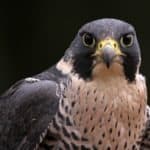
Peregrine falcon Falco peregrinus
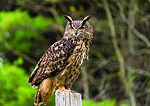
Eurasian eagle-owl Bubo bubo
Great horned owl Bubo virginianus
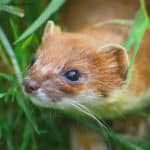
Stoat Mustela erminea
American mink Neogale vison
Feral cat Felis catus
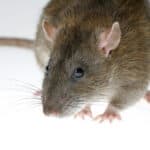
Brown rat Rattus norvegicus
Gopher snake Pituophis catenifer

Related Species 17

Grey partridge Perdix perdix Shared Family
Chukar partridge Alectoris chukar Shared Family
Red-legged partridge Alectoris rufa Shared Family
Tibetan partridge Perdix hodgsoniae Shared Family
Daurian partridge Perdix dauurica Shared Family
Barbary partridge Alectoris barbara Shared Family
Rock partridge Alectoris graeca Shared Family
Arabian partridge Alectoris melanocephala Shared Family
Sand partridge Ammoperdix heyi Shared Family
See-see partridge Ammoperdix griseogularis Shared Family
Bamboo partridges Bambusicola Shared Family
Hill partridges Arborophila Shared Family
Francolins and spurfowls Shared Family
Old World quails Shared Family
Grouse and ptarmigan Tetraoninae Shared Family
Pheasants Phasianinae Shared Family
Wild turkeys Meleagris spp. Shared Family

Ecological Equivalents 5

Animals that fill a similar ecological role in their ecosystem

New World quail Odontophoridae Ground-dwelling birds with a seed- and invertebrate-based diet and covey behavior in open or scrubby habitats; exhibit convergent ecology with many 'partridge-like' Phasianidae.
Guineafowl Numididae Terrestrial, flocking birds of open habitats that forage on seeds and invertebrates and nest on the ground; they often share predator communities and management issues in farmlandโ€“savanna mosaics.
Tinamous Tinamidae Ground-oriented foragers that rely on camouflage and explosive flush flight, occupying similar forest-edge and grassland niches in the Neotropics despite distant evolutionary relationship.
Bustards Otididae They occupy the same steppe and farmland landscapes and face similar pressures such as agricultural change, predation, and hunting, although bustards are generally larger and more cursorial.
Rail-like ground birds Rallidae They use dense ground cover in meadows and cropland margins, nest on the ground, and are vulnerable to mowing and mesopredators. They face similar conservation challenges in agricultural landscapes.

Types of Partridge

19

Explore 19 recognized types of partridge

Grey partridge Perdix perdix
Daurian partridge Perdix dauurica
Tibetan partridge Perdix hodgsoniae
Chukar partridge Alectoris chukar
Red-legged partridge Alectoris rufa
Rock partridge Alectoris graeca
Barbary partridge Alectoris barbara
Arabian partridge Alectoris melanocephala
Philby's partridge Alectoris philbyi
Sand partridge Ammoperdix heyi
See-see partridge Ammoperdix griseogularis
Chinese bamboo partridge Bambusicola thoracicus
Taiwan bamboo partridge Bambusicola sonorivox
Hill partridges Arborophila spp.
Red spurfowl Galloperdix spadicea
Sri Lanka spurfowl Galloperdix bicalcarata
Painted spurfowl Galloperdix lunulata
Ruffed grouse (often called "partridge" in parts of North America) Bonasa umbellus
Willow ptarmigan (sometimes called "partridge" regionally) Lagopus lagopus

Quick Take

  • Surviving a 91% crash remains the primary requirement for Gray partridges in the modern era.
  • The 1,000 individuals remaining in the Sichuan partridge population create a critical survival crisis.
  • It is surprising that the Crested wood partridge ignores the standard galliform pecking instinct.
  • Completing 2 broods simultaneously is the mandatory process for stabilizing Red-legged partridge populations.

The partridge is a ground-dwelling bird with over 40 species from 14 genera. They are game birds, often hunted for food or used as a target for practicing shooting.

Partridges are adaptable and thrive in various locations across the globe. They are found in Europe, Asia, and Africa. In addition, several species were introduced to North America for hunting purposes, particularly in the 19th and 20th centuries.

These birds have considerable populations in various areas across Europe and prefer habitats with grasslands, lowlands, and agricultural regions. They share similar characteristics with pheasants and quails. Out of the 40 species, the red-legged partridge and gray partridge are the most common.

The IUCN lists most members of the partridge family as Least Concern. But, unfortunately, the red-legged partridge is listed as Near Threatened on their Red List.

๐Ÿ‘ A detailed wildlife infographic about partridges, showing species illustrations, taxonomic charts, and statistics about a 91 percent population crash.
Beyond the pear tree, a 91% population crash and a final 1,000 survivors mark a critical tipping point for these iconic birds. ยฉ A-Z Animals

Three Incredible Partridge Facts

  • Long-lost civilizations have immortalized male partridges in art, depicting them as a symbol of fertility.
  • Partridges build their nests on the ground and generally hide them amongst dense vegetation.
  • They are native to Europe, Africa, and Asia; however, several species occur in North America because partridges were brought over to the New World for sport hunting.

Partridge Taxonomy

Partridges are members of the Phasianidae family, which are non-migratory birds forming part of the Old World group. They belong to the order Galliformes, which consists of heavy-bodied, ground-dwelling birds that include Turkeys, Chickens, Quails, and other landfowl.

These birds are essential in their various ecosystems because they are seed dispersers, and as predators, they keep various insect populations under control. Humans enjoy these birds because they use them for meat, eggs, and sport hunting.

The family Phasianidae consists of ground-dwelling birds and includes:

  • Pheasants
  • Partridges
  • Junglefowl
  • Chickens
  • Turkeys
  • Old World Quails
  • Peafowls

This family is vast and includes approximately 185 species divided into 54 genera. In addition, the family is made up of very popular game birds.

7 Different Types of Partridges

There are 40 different species of partridges, each unique in its own way. Below are seven of the most well-known partridges.

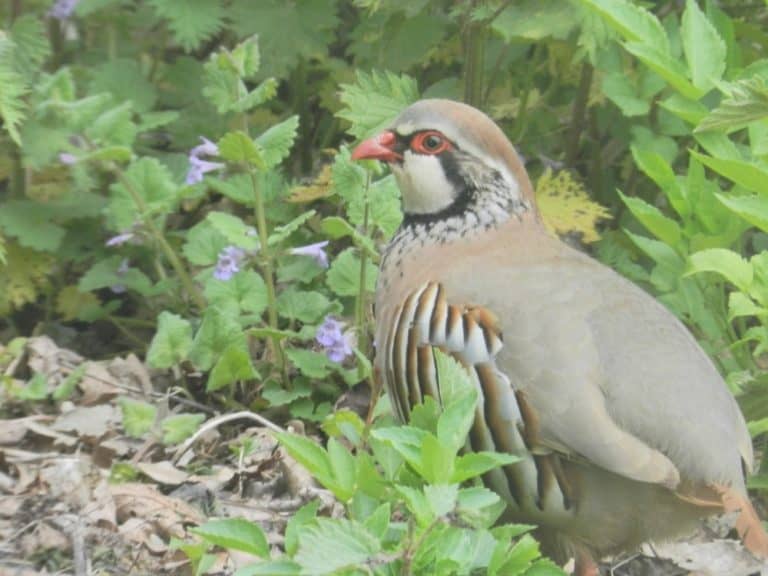
1. Red-Legged Partridge (Alectoris rufa)

The red-legged partridge is also known by another name: the French Partridge. It derived this name to help distinguish it from the Gray or English partridge.

They are stealthy, padded, round birds who inhabit areas in the United Kingdom. Their habitat of choice is lowland and farmland regions of southwestern Europe. These birds originated from France, Spain, and Italy, but locals transported them to England and Wales for sport hunting purposes.

Adults are sandy brown with a pinkish belly. Other distinctive characteristics include extravagant black streaking on their gorget (colored patch on throat), black flank bars, and rufous-streaked flanks. Red-legged partridges have red beaks, and their pink legs stand out against the vegetation of their natural habitats.

Red-legged partridges tend to flock together in groups of 20 and are often seen waddling over grassy fields and pastures. They are well camouflaged against the vegetation because of their sandy brown coloring, making them almost invisible.

As with many members of the partridge family, they are monogamous and prefer to live with a single partner. They will simultaneously produce two broods, which helps increase their numbers, even though they are huge targets as game birds.

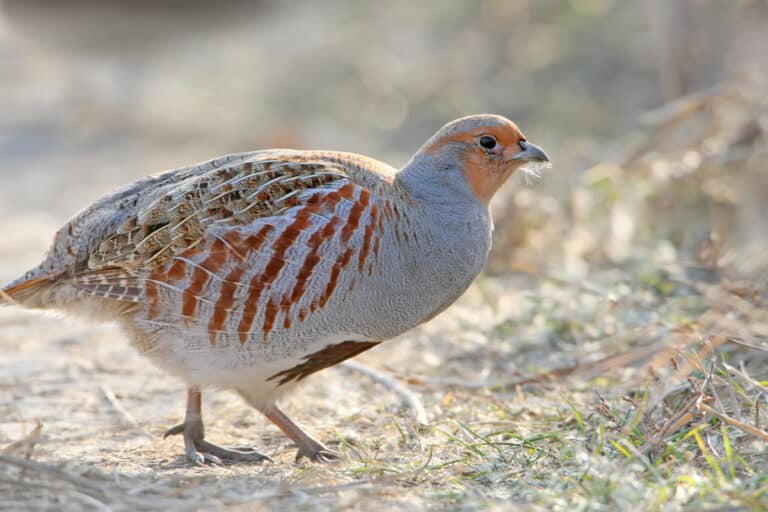
2. Gray Partridge (Perdix perdix)

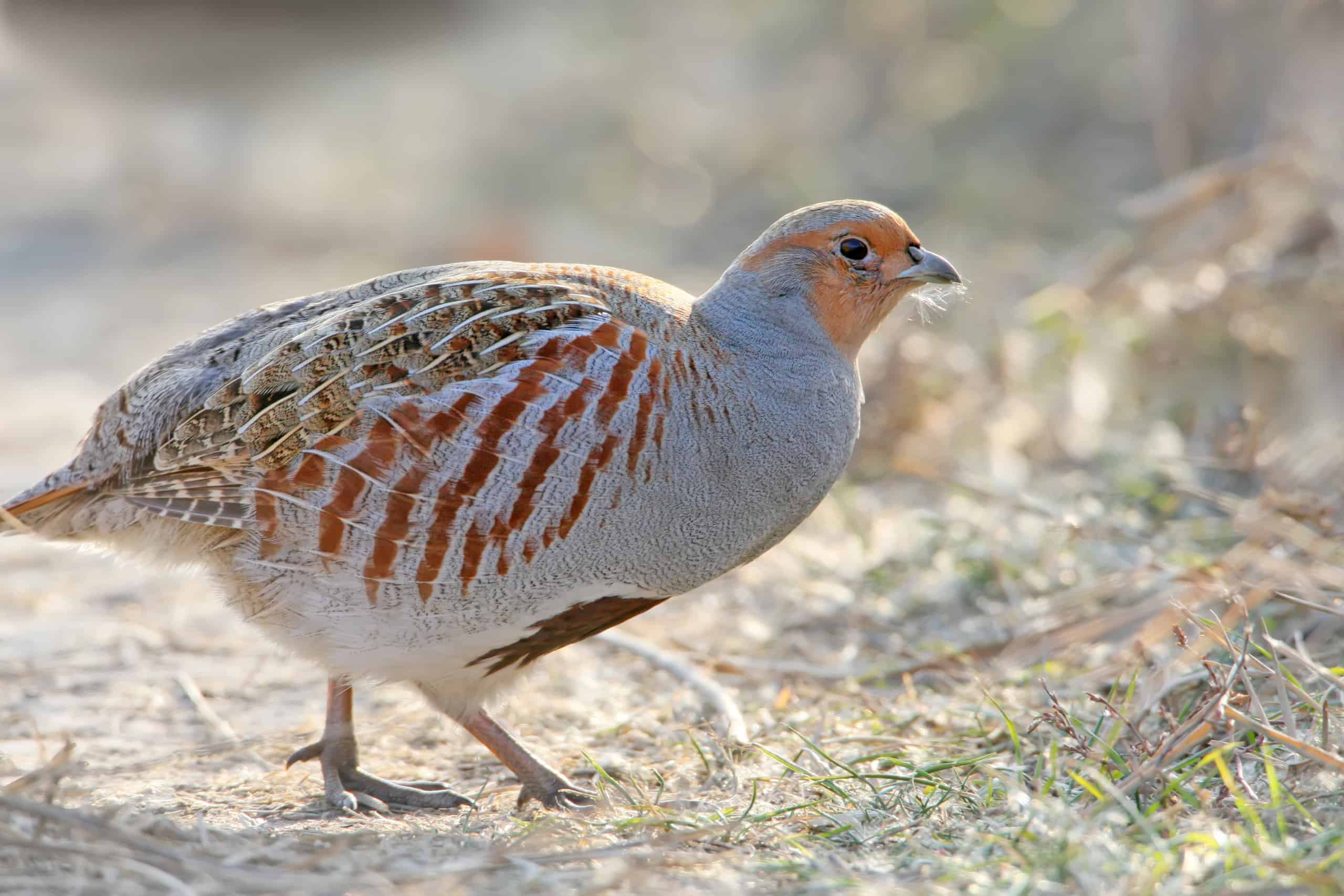
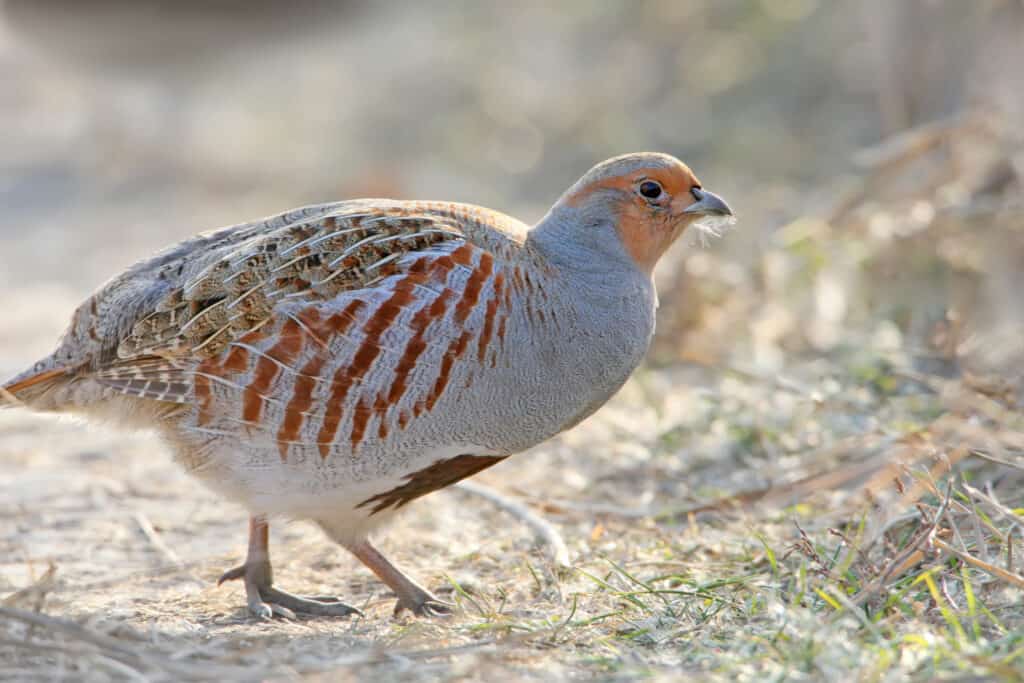
The gray partridge is a small bird belonging to the pheasant family. Their backs are brown, and they have grey chests and flanks. Gray partridges have white bellies with a significant chestnut-brown horseshoe marking. Juveniles have different coloring and are mostly yellow-brown, but lack distinctive face patterns and markings on their bellies.

They are distributed across most of Europe and western Asia. Their preferred habitat is shrublands, grasslands, and steppes, and agricultural areas with small fields.

3. Rock Partridge (Alectoris graeca)

The rock partridge belongs to the family Phasianidae, which includes pheasants. They are considered game birds and belong to the order Galliformes.

They originate from southern Europe and only occur in the Alps and Apennines, Sicily, and the Balkans. Rock partridges share very similar characteristics with their eastern cousins, the Chukar and Alectoris chukar.

4. Black Wood Partridge (Melanoperdix nigra)

The black wood partridge also goes by the name black partridge, belonging to the family Phasianidae. They are small birds originating from South Asian countries such as Malaysia, Indonesia, and Borneo. In addition, they used to occur in Singapore but have long since been extinct in the area. These crafty birds inhabit densely forested regions.

The black wood partridge population has been steadily decreasing over the years, and only 10,000 to 19,999 mature individuals are believed to be left in the wild. The biggest threat contributing to their demise is rapid deforestation. They are listed by the IUCN as Vulnerable.

5. Chestnut-bellied Partridge (Arborophila javanica)

The chestnut-bellied partridge goes by many names, like the chestnut-bellied hill-partridge and Javan hill-partridge. They are small, only measuring 11 inches in length.

In addition, they sport a rufous crown, nape, grey breast, red legs, brown wings, a black mask, throat, bill, and red facial skin. Both sexes have similar characteristics, but the juveniles have a whitish face with a reddish-brown bill. The chestnut-bellied partridge inhabits the hills and the mountain forests of West and East Java in Indonesia.

Males build domed nests from long grass, and females can lay up to four eggs, which help keep their population strong, and they are listed as Least Concern on IUCNโ€™s Red List.

6. Crested Wood Partridge (Rollulus roulroul)

The crested wood partridge is also known as the red-crowned wood partridge, green wood partridge, roul-roul, crested wood partridge, and green wood quail. They are game birds belonging to the pheasant family Phasianidae. In addition, they are the only members of the genus Rollulus.

Crested wood partridges occur in the lowland rainforests in southern Thailand, Malaysia, Sumatra, southern Myanmar, and Borneo.

To create their nests, they scrape the ground and line the hollowed area with leaves. Next, they conceal their nests under a heap of leaf litter. Females typically lay between 5 and 6 white eggs, which they incubate for 18 days.

Parents help their young eat with bill-to-bill feeding instead of making them peck the ground for food, which is unusual for galliform species.

7. Stone Partridge (Ptilopachus petrosus)

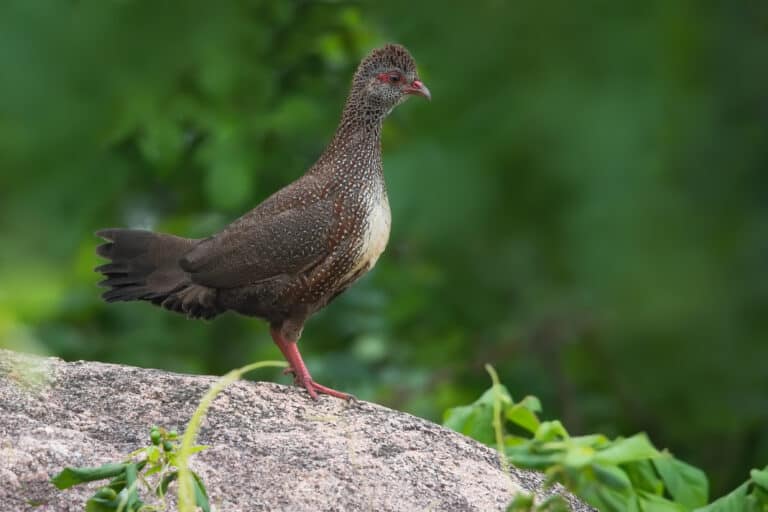
The stone partridge is a large bird that belongs to the Phasianidae family, native to Africa. They are predominantly brown and hold raised tails. These bulky birds inhabit scrubland and lightly wooded areas, typically near rocks in countries like Kenya, Ethiopia, and Gambia.

Due to genetic evidence, stone partridges are only one of two members of the genus Ptilopachus. The other member is Nahanโ€™s partridge.

They are small and dark with erect and thick tails. Their legs are red, and they have bare red skin around their eyes. In addition, there are fine markings on their heads and breasts. Plumage differs due to regional variations but is generally darker in areas with moister conditions and lighter in drier regions.

The stone partridge usually lives in pairs or small groups, taking preference for dense grassy understories, savannas, and rocky habitats.

Stone partridges communicate with a series of loud โ€œwheetsโ€ notes that become louder with every call. These sounds are generally duets by a pair.

Where to Find the Partridge

Partridges are highly adaptable and inhabit most of Europe, Africa, Asia, the Middle East, and North America.

Habitat differs from species to species, with some nesting on steppes or agricultural areas, while others inhabit dense vegetation like thick forests. They build nests on the ground with long grass and are considered omnivores.

Nests

Partridges are one of many bird species living entirely on the ground. All partridge species are ground-dwellers and use their short but strong legs as tools to dig holes for nests and food. The birds generally run fast but will burst into flight if they sense danger is near.

Size and Appearance

Partridges generally measure 11 to 13 inches in length and sport a wingspan of 20 to 22 inches. So, to put things into perspective, they are ยผ the size of a turkey. The partridge looks very similar to pheasants and quails. Their feathers are soft and fluffy, making them appear larger than they actually are, and they have small heads.

Coloration differs depending on species but is typically reddish-brown, gray, or black. Gray partridges have white bellies, gray flanks, and a brown back. However, red-legged partridges stand out because of the red ring around their eyes. Their backs are covered in brown feathers, with a gray stomach and cream-colored neck. But males differ because of the chestnut markings on their chests. These markings resemble the shape of a horseshoe.
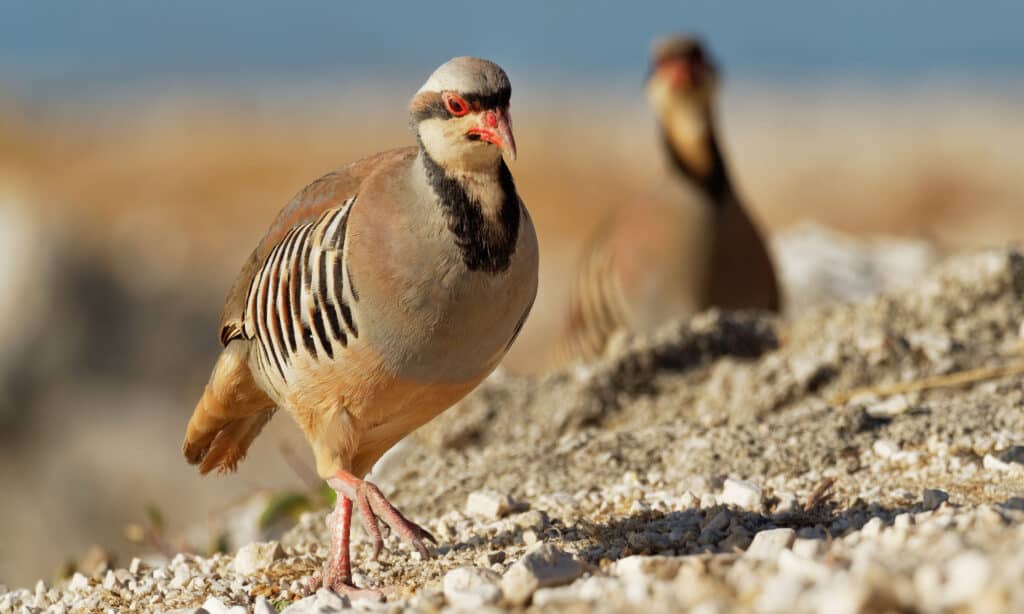
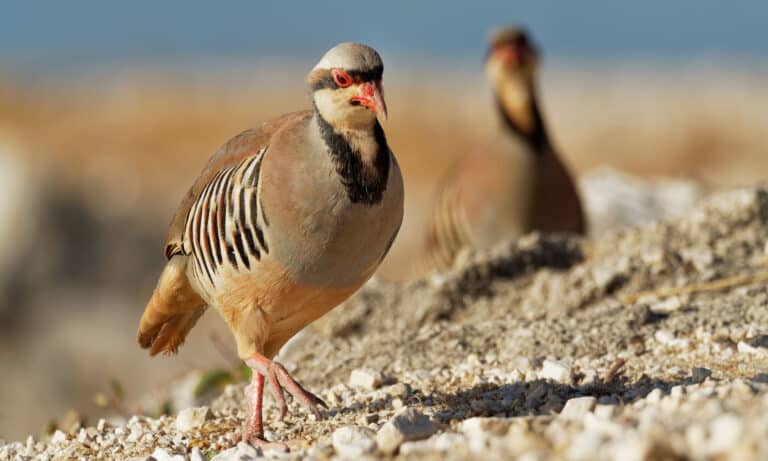
๐Ÿ‘ chukar

Partridges, like this chukar, are 11 to 13 inches long.

ยฉMartin Pelanek/Shutterstock.com

Habitat, Behavior, and Reproduction

Habitat

These popular birds inhabit lowlands and agricultural regions where they build their nests in the ground. However, species like the Hainan partridge live in woodlands or densely forested areas.

Behavior

Partridges are non-migratory and live in small groups called coveys, which consist of a breeding pair and their chicks. Once the chicks reach maturity, they leave their parents and start to form their own groups.

Diet

These ground-dwelling birds are omnivores but typically live on a herbivorous diet. Their diet consists of:

  • Seeds
  • Grains
  • Vegetation
  • Fruits
  • Nuts
  • Corn
  • Beans
  • Small insects
  • Invertebrates

Reproduction

Partridges generally mate for life and live in monogamous pairs. Both males and females take turns protecting their families. They become incredibly aggressive towards other animals that threaten their covey.

Nesting usually takes place on the ground in grasslands or agricultural areas. The number of eggs laid depends on the species. For example, Red-legged partridges can lay up to 16 eggs per clutch. They will cover the eggs with weeds, mud, and grass to protect their young.

The eggs will begin to hatch two and a half weeks after being laid. And after just one week, the chicks will start to come out of the nest independently. After that, however, they will stay with their parents until they are sexually mature at 3 months old.
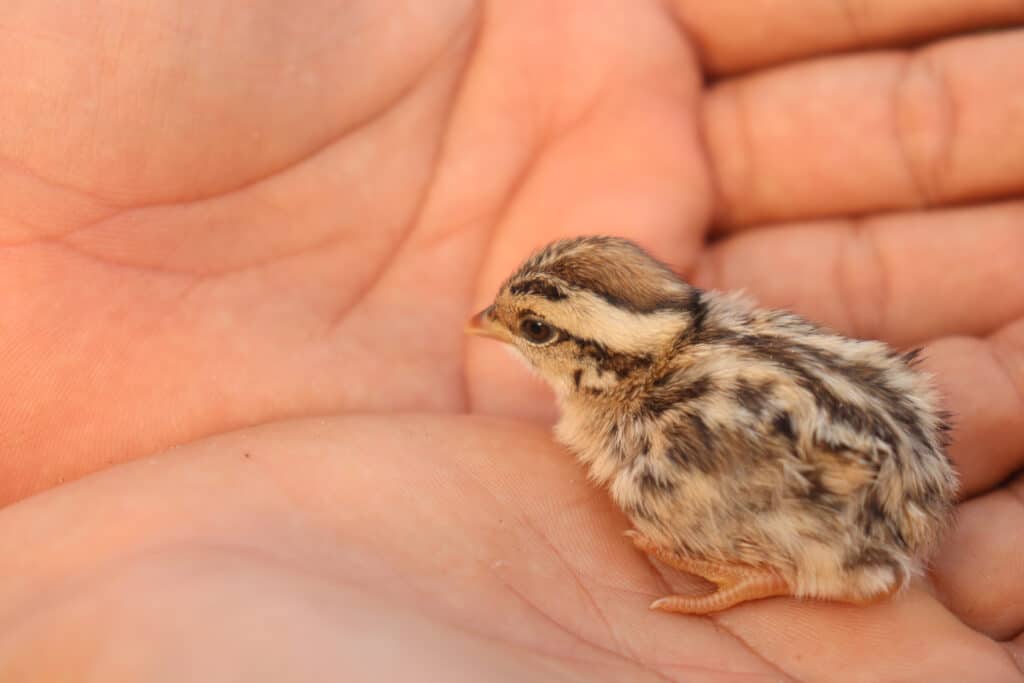
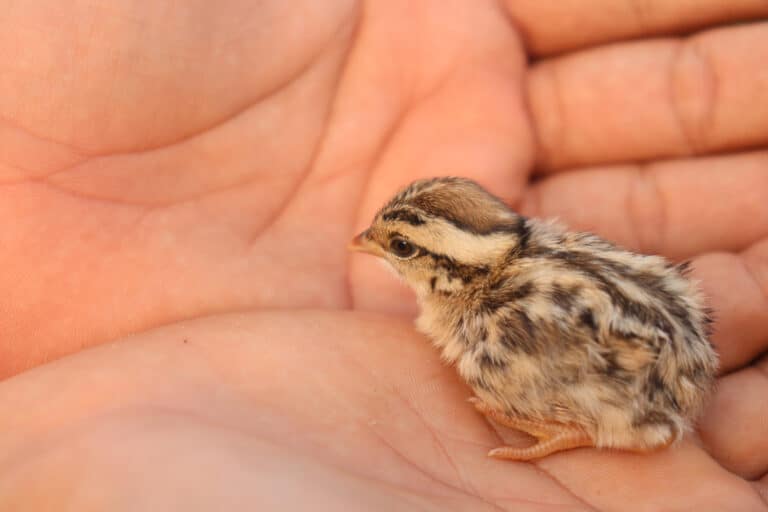
๐Ÿ‘ A gray partridge chick in a human hand

Partridge chicks, like this newly hatched gray partridge, are able to leave the nest independently when theyโ€™re only a week old.

ยฉAmir Khan Zumbul/Shutterstock.com

Molting

Molting differs between the various species. For example, the gray partridgeโ€™s plumage is basically complete after a month. However, the tail takes up to 6 weeks. Their post-juvenile body molt begins 4 to 5 weeks, with the inner primary. But the body molt only starts between 6 and 7 weeks, with the flanks and back feathers.

Lifespan

Partridges do not have a long lifespan; on average, they live for about 2 years. However, some species, like the gray partridge, can live for 4 years. In addition, the red-legged partridgeโ€™s lifespan is around 5 to 6 years.

Predators, Threats, and Conservation Status

Partridges make a good meal for many predators. They need to stay clear of animals like Great horned owls, falcons, red foxes, skunks, and raccoons.

There are 56 species of partridges, and while many are listed as Least Concern by the IUCN, several species are considered at risk, and many populations are gradually decreasing.

For example, the gray partridge is listed as Least Concern, but sadly, their population significantly decreased by 91% between 1967 and 2010. The reason behind this catastrophic decline is threats like pesticides and herbicides, which mainly affect the chicks.

Sadly, the Sichuan partridge that inhabits Chinaโ€™s south-central Sichuan Province is endangered, with only 1,000 individuals left in the wild. Another threat to all species is habitat loss, mainly due to illegal logging.

Population

Because partridges have so many different species, itโ€™s hard to calculate their population numbers. However, there is data on population sizes of specific species like the Red-legged partridge, which has 9,950,000 to 13,700,000 individuals in the wild.

Once upon a time, the gray partridge was the most common bird in the countryside of the UK. But, due to excessive hunting, their population has significantly decreased by 80% in the last 30 years.

View all 247 animals that start with P

Sources

  1. Wikipedia / Accessed August 12, 2022
  2. Biology Dictionary / Accessed August 12, 2022
  3. Beauty of Birds / Accessed August 12, 2022
  4. Game and Wildlife Conservation Trust / Accessed August 12, 2022
  5. Birds of the World / Accessed August 12, 2022
  6. eBird / Accessed August 12, 2022

About the Author

Chanel Coetzee

Chanel Coetzee is a writer at A-Z Animals, primarily focusing on big cats, dogs, and travel. Chanel has been writing and researching about animals for over 10 years. She has also worked closely with big cats like lions, cheetahs, leopards, and tigers at a rescue and rehabilitation center in South Africa since 2009. As a resident of Cape Town, South Africa, Chanel enjoys beach walks with her Stafford bull terrier and traveling off the beaten path.
Connect:

Thank you for reading! Have some feedback for us?

Contact the AZ Animals editorial team

Related Articles You May Find Interesting


Partridge FAQs (Frequently Asked Questions)

The partridge is a ground-dwelling bird with over 40 various species from 14 genera. They are game birds, often hunted for food or used as a target for practicing shooting.

Yes, Partridges are part of peopleโ€™s diets in many cultures. They are one of the most popular game birds in the world.

Partridges and quails form part of the same family but are not the same species.

Yes, they can fly but tend to stay firmly on the ground unless threatened.

No, partridges are wild birds and will not make good pets.