

R
Species Profile

Rottle

Canis lupus familiaris

Brains, brawn, and curls-maybe.
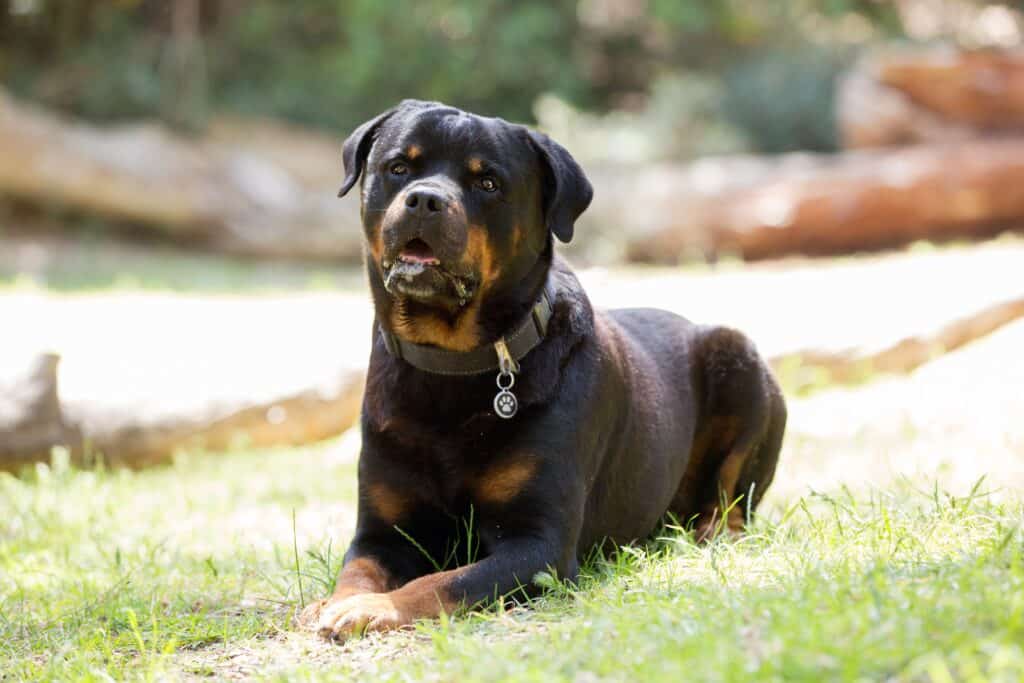
McCann Michelle/Shutterstock.com

Rottle Distribution

Click a location to explore more animals from that region

Origin Location

This map shows the native origin of the Rottle. As a domesticated species, they are now found worldwide.

Loading map...

Size Comparison

Human 5'8"
Rottle 1 ft 12 in

Rottle stands at 35% of average human height.

At a Glance

Domesticated
Also Known As Rottie-Poo, Rottipoo, Rottweiler Poodle mix, Rottweilerpoo, Rottie Doodle, Rottweiler Doodle
Diet Omnivore
Activity Diurnal+
Lifespan 12 years
Weight 50 lbs
Status Not Evaluated
Did You Know?

Because it's a mix, size and coat can vary widely even within the same litter.

Scientific Classification

The Rottle is a mixed-breed domestic dog produced by crossing a Rottweiler with a Poodle (often Standard Poodle). Traits vary widely by generation, but mixes commonly aim to combine the Rottweilerโ€™s guarding/working temperament with Poodle intelligence and coat variation.

Kingdom
Animalia
Phylum
Chordata
Class
Mammalia
Order
Carnivora
Family
Canidae
Genus
Canis
Species
Canis lupus

Distinguishing Features

  • Mixed Rottweilerโ€“Poodle ancestry
  • Highly variable coat: curly to wavy
  • Often black-and-tan or dark coat patterns
  • Large, athletic build common
  • High trainability; needs mental stimulation

Physical Measurements

Males and females differ in size

Height
โ™‚ 2 ft (1 ft 8 in โ€“ 2 ft 4 in)
โ™€ 1 ft 10 in (1 ft 8 in โ€“ 2 ft 1 in)
Length
โ™€ 3 ft 4 in (2 ft 11 in โ€“ 3 ft 9 in)
Weight
โ™‚ 93 lbs (60 lbs โ€“ 132 lbs)
โ™€ 73 lbs (49 lbs โ€“ 99 lbs)
Tail Length
โ™‚ 11 in (8 in โ€“ 1 ft 2 in)
โ™€ 1 ft (10 in โ€“ 1 ft 3 in)
Top Speed
26 mph
running

Appearance

Primary Colors
Secondary Colors
Skin Type Variable coat
Distinctive Features
  • Mixed-breed variability; appearance can resemble either Rottweiler, Poodle, or intermediate blend.
  • Coat ranges from short and dense to wavy/curly; shedding varies from moderate to low.
  • May develop Poodle-like facial furnishings: beard, mustache, and pronounced eyebrows.
  • Body typically athletic and sturdy; bone and chest often heavier than many doodle mixes.
  • Head often broad with defined stop; muzzle length varies from moderate to longer.
  • Ears usually drop or semi-drop; set and length vary widely by individual.
  • Tail carriage varies; can be straight or slightly curved; docking should not be assumed.
  • Needs early socialization to balance guarding instincts with friendly, stable manners.
  • High exercise and mental-enrichment needs; benefits from advanced obedience and structured work.
  • Health screening advised: hips/elbows, cardiac, eyes; watch bloat risk in larger dogs.
  • Possible inherited risks: hip dysplasia, elbow dysplasia, cruciate injury, PRA, vWD, Addison's.
  • Grooming needs range from weekly brushing to frequent professional trims; mats form quickly in curly coats.

Sexual Dimorphism

Sexual dimorphism is moderate: males are typically taller, heavier, and broader-headed with thicker necks. Females are usually lighter-framed and slightly more refined, while coat type and color remain similar.

โ™‚
  • Broader skull and thicker neck; more substantial forequarters.
  • Heavier bone and deeper chest, giving a more powerful outline.
โ™€
  • Slightly smaller overall size with a more refined head and muzzle.
  • Often a lighter, more agile build with less chest breadth.

Did You Know?

Because it's a mix, size and coat can vary widely even within the same litter.

Many are bred from Standard Poodles, often producing a medium-to-large, athletic companion.

Some inherit Poodle-style low-shedding coats, but others shed like a Rottweiler-testing matters.

Both parent breeds are intelligent; many Rottles excel at obedience, scent games, and structured work.

Early socialization is crucial: protective tendencies plus smarts can become reactivity without guidance.

Health screening often mirrors both parents: hips, elbows, heart, eyes, and thyroid are commonly checked.

Unique Adaptations

  • Coat diversity: tight curls to wavy or straight coats, affecting shedding, allergens, and grooming workload.
  • High learning speed: they can generalize commands fast, but also learn unwanted habits just as quickly.
  • Strong work stamina: many handle long walks, hiking, and training blocks when built up gradually.
  • Protective confidence: some show steady "stand-and-watch" responses rather than frantic barking when well socialized.
  • Athletic, powerful frames with poodle agility in some individuals-benefiting from joint-safe conditioning.

Interesting Behaviors

  • "Shadowing" their people: they may follow room-to-room, watching quietly and positioning near doorways.
  • Alert scanning and perimeter checks, especially in new places, reflecting inherited guarding and vigilance.
  • Puzzle-toy fixation: many persist until they solve it, then repeat the "game" for attention.
  • Mouthy, grab-and-carry habits: some enjoy holding toys or objects, needing clear bite-inhibition training.
  • Play can flip from goofy to serious quickly; structured play rules help manage arousal and focus.

Cultural Significance

Rottles reflect modern "designer mix" culture-seeking Rottweiler steadiness and Poodle intelligence. They also highlight responsible breeding themes: temperament testing, health screening, and realistic expectations for mixed-breed variability.

Myths & Legends

Rottweilers trace to the "Rottweil butcher's dog," famed in German lore for guarding cattle money pouches tied to their collars.

European water-dog tradition credits poodles as skilled retrievers; stories celebrate their "lion clip" as protection for joints and organs.

In Norse mythology, the monstrous wolf Fenrir is destined to break free and shape Ragnarok's battles and fate.

Aztec tradition tells of Xolotl guiding souls through the underworld; dogs were believed to help humans cross perilous waters after death.

Conservation Status

NE Not Evaluated

Has not yet been evaluated against the criteria.

Population Stable

Life Cycle

Birth 6 pups
Lifespan 12 years

Lifespan

In the Wild 9โ€“15 years
In Captivity 9โ€“15 years

Reproduction

Mating System Polygynandry
Social Structure Managed Domestic
Breeding Season Year-round; bitches cycle ~2 times yearly
Breeding Pattern Serial
Fertilization Managed Selective
Birth Type Managed_selective

Behavior & Ecology

Social Pack Group: 4
Activity Diurnal, Crepuscular, Cathemeral
Diet Omnivore Beef

Temperament

Protective
Intelligent
Biddable
Alert
Affectionate
Wary
Playful
Sensitive

Communication

barks
growls
whines
grumbles
alarm barking
body language
scent marking
eye contact
pawing
leaning
play bows

Habitat

Biomes:
Temperate Forest Temperate Grassland Boreal Forest (Taiga) Tundra Alpine Mediterranean Desert Hot Desert Cold Savanna Tropical Dry Forest Tropical Rainforest Freshwater Wetland Marine +8
Terrain:
Plains Hilly Coastal Valley
Elevation: Up to 16404 ft 3 in

Ecological Role

Human-associated omnivore; companion/guardian with low wild predation

pest control sentinel/guarding scavenging therapy/assistance

Diet Details

Main Prey:
Other Foods:
Commercial dog kibble Cooked rice Pumpkin Carrots Apples

Human Interaction

Domestication Status

Domesticated

Domestic dogs were domesticated from gray wolves in Eurasia ~15,000-30,000 years ago for hunting and companionship. The Rottle is a modern designer cross (late 20th century) combining Rottweiler guarding drive with Poodle intelligence and variable coat traits.

Danger Level

Moderate
  • protective aggression
  • bite injuries
  • resource guarding
  • large-dog knockdowns

As a Pet

Suitable as Pet

Legality: Generally legal; may face local dog/breed restrictions.

Care Level: Experienced

Purchase Cost: $300 - $2,500
Lifetime Cost: $20,000 - $60,000

Economic Value

Uses:
Companionship Security Service Therapy Sport
Products:
  • services
  • training

Relationships

Predators 6

Gray wolf Canis lupus
Coyote Canis latrans
Cougar Puma concolor
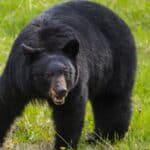
American black bear Ursus americanus
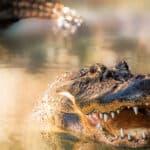
American alligator Alligator mississippiensis
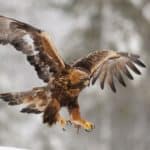
Golden eagle Aquila chrysaetos

Related Species 7

Domestic dog Canis lupus familiaris Shared Subspecies
Gray wolf Canis lupus Shared Species
Coyote Canis latrans Shared Genus
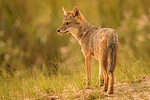
Golden jackal Canis aureus Shared Genus
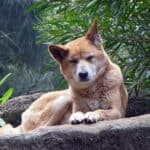
Dingo Canis lupus dingo Shared Species
Red fox Vulpes vulpes Shared Family
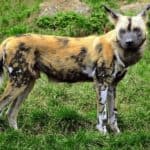
African wild dog Lycaon pictus Shared Family

Ecological Equivalents 5

Animals that fill a similar ecological role in their ecosystem

Doberman Pinscher Canis lupus familiaris Similar guardian role; high trainability and exercise needs
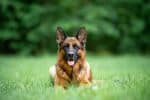
German Shepherd Dog Canis lupus familiaris Working/guard niche; smart, active, needs structured training
Giant Schnauzer Canis lupus familiaris Large protective companion; requires grooming and firm handling
Labradoodle (Labrador ร— Poodle) Canis lupus familiaris Poodle-mix companion; coat variability and intensive grooming
Belgian Malinois Canis lupus familiaris High-drive working dog; needs mental work and exercise

Rottle Introduction

Rottles, also known as Rottie-Poos or Rottidoodles, are a relatively recent hybrid of the Rottweiler and the Poodle that originated in the United States in the 1980s. Their Rottweiler ancestors may have been descended from dogs left behind in northern Europe by the retreating Roman army. Modern Rottles have been bred to combine some of the best features of two immensely popular breeds. They have a sweet and playful nature and do well with other pets and children. They can be reserved and protective around people they donโ€™t know and have a prey instinct to chase smaller creatures, but these behaviors can be modified, as they are quite intelligent and easy to train. People considering this breed should remember, though, that hybrid dogs, especially those without a long breeding history, can inherit unpredictable traits from the individual genetic mix of their parents. Puppies should be monitored and trained as necessary to bring out their adorable personality traits.

Rottle Fun Fact

โ€œThe ancestors of the Rottle might be descendants of European dogs left behind by the Roman army.โ€

3 pros and cons of owning Rottles

Pros!Cons!
Super loving
Rottles love people and get along great with children as well as any pets in the house. They want to please you and will do comical things to get attention.
Unpredictable traits
Generally speaking, these are wonderful dogs, but it is unpredictable what precise set of traits an individual puppy will inherit from its parents. If possible, itโ€™s best to observe the parent dogs before committing to a Rottle pup.
Relatively quiet
They donโ€™t bark much unless they feel there is a definite threat. This can make them less annoying to you . . . and your neighbors.
Loads of energy
These dogs are athletic, muscular, and highly energetic. They love to play with someone, not just alone, so be sure that fits with the lifestyle of your family.
Advantages of a rare breed
This is an uncommon dog that will be a topic of curiosity and conversation. Rarer breeds are not mass-produced by breeders or puppy mills, so they will be less inbred and healthier.
Can be stubborn
Rottles are very intelligent and enjoy interacting with humans, so they are highly trainable. They can have a stubborn tendency, though, that requires patience and consistency to achieve training goals without breaking the animalโ€™s spirit.

The Best Dog Food For Rottles

When considering a dog food for your Rottle, youโ€™ll want to chose a healthy food made from natural ingredients and make sure to follow portion guidelines recommended by your veterinarian. Obesity is one of the biggest health problems for all breeds of dog.

A-Z Animals recommends Blue Buffalo Life Protection Formula Natural Adult Dry Dog Food. Itโ€™s made from healthy natural products like real chicken, whole grains, healthy vegetables, and fruit. It contains no low-grade fillers such as poultry by-product meals, corn, wheat, soy, artificial flavors or preservatives. It has a scientific blend of antioxidants, vitamins and minerals, including omega 3 and 6 fatty acids. Youโ€™ll see a difference in your dogโ€™s shiny coat, healthy skin, and energy level.

Rottle Size and Weight

Rottles can vary greatly in size and weight depending on their parentage. In particular, because poodles come in miniature and standard sizes, Rottles can range from medium to large sized. Rottles of either gender may range from 18-27 inches tall and 30-100 pounds in weight.

Height (Male)18-27โ€ Tall
Height (Female)18-27โ€ Tall
Weight (male)30-100 lbs, fully grown
Weight (female)30-90 lbs, fully grown

Rottle Common Health Issues

Rottles inherit not only the positive traits of their parent breeds but some of their problems as well. Conditions you and your vet should monitor them for include:

Rottle Temperament and Behavior
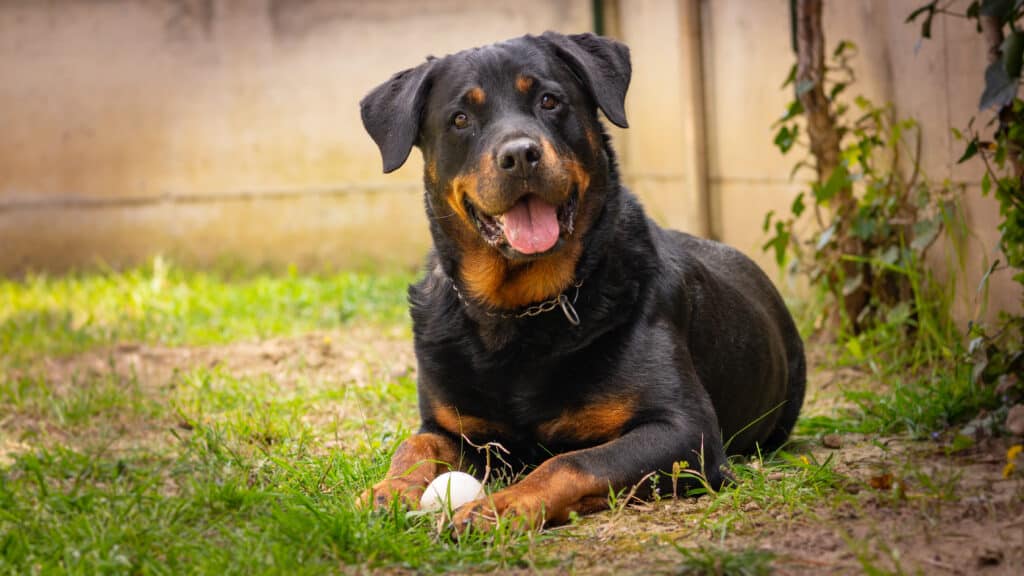
๐Ÿ‘ rottweiler

Much like a Rottweiler, rottles can be protective and reserved around strangers.

ยฉnicolas.fontana/Shutterstock.com

These dogs are noted most of all for their devoted, loving nature. They interact very well with other pets and with children. They can be protective and reserved around strangers, though. Given that traits may differ depending on the individual dogโ€™s genetic heritage, you should watch new puppies closely to determine their characteristics and training needs.

Rottles are also quite smart, sociable, and eager to please. This makes them not only fun companions, but for the most part easily trainable. Some are particularly independent-minded, though, and will resist training, particularly if you donโ€™t make it into a positive bonding experience.

How To Take Care of Rottles

Rottle Maintenance and Grooming

Rottles come in a variety of coat colors: gray, blue, red, brown, white, black or a combination of two or more colors. Their coats can be single or double-layered and are usually medium to long length and dense and curly.

They are low shedding but their coats do need brushing at least every other day to detangle them and prevent mats. They should be professionally groomed every 6-12 weeks. This can be expensive as groomers charge more for larger dogs, particularly if youโ€™ve fallen behind on your daily brushings.

Rottle Training

They can be easily trained if started early in puppyhood. Positive training methods based on praise and rewards rather than punishments should always be used. Untrained, a Rottle may become excessively protective of their food and toys and use guarding behaviors against people it doesnโ€™t know. This can especially be difficult if you have a Rottle on the larger end of the size range.

Rottle Exercise

Rottles are a playful, fun-loving, very energetic breed. They need daily exercise with a long walk and playtime in a fenced yard. Rottles like running, swimming, and playing ball. They generally do well at dog parks because of their general friendliness. Because they are quite intelligent, they will enjoy tasks that require some problem-solving skills, exercising both their mind and their body.

Even though these dogs are so athletic and can be quite large, they do adapt well to apartments or small homes. And because they donโ€™t bark very much, the can be good neighbors. Left alone too long they will act out on separation anxiety, however, and then all bets are off.

Rottles and Children
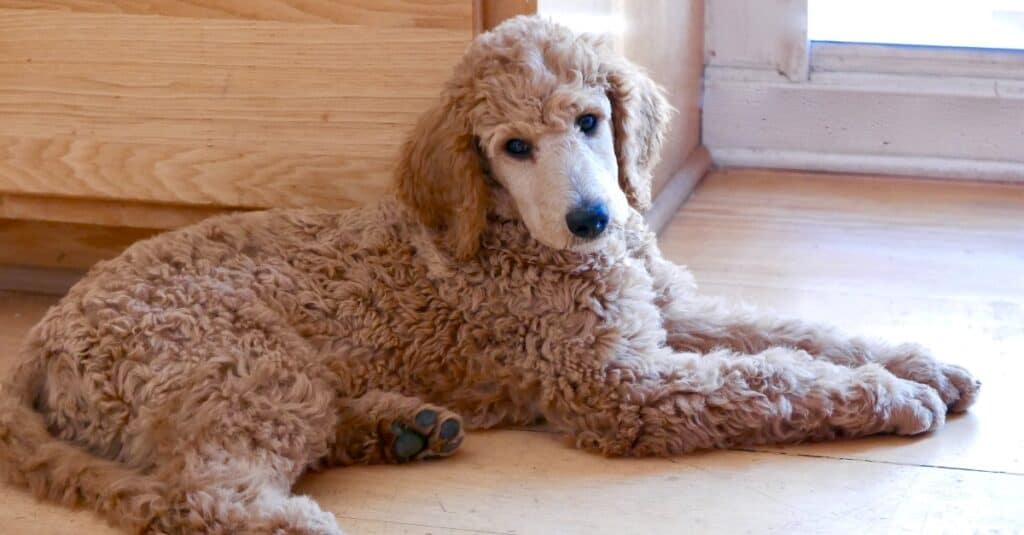
๐Ÿ‘ Standard Poodle puppy laying on hardwood floors

Much like poodles, rottles are considered quite good with children.

ยฉiStock.com/Laura Fay

Many consider rottles quite good with children. However, this can vary from puppy to puppy. Until you get to know your dog better, closely supervise them around small children. Larger Rottles can be clumsy and not understand their own size and strength. They might knock over a child or play-bite too hard. They can also be over-protective when your childrenโ€™s friends come to visit. All of these behaviors are trainable with a consistent, positive training regimen.

Dogs similar to Rottles

  • Rottweiler โ€“ Rottweilers are one of the parent breeds of Rottles and are similar in appearance. Rottles live longer, shed and drool less, and are generally healthier.
  • Poodle โ€“ Poodles are another of the parent breeds of Rottles. They are considered easier for novice owners. Are also even more kid-friendly, dog-friendly, and friendly to strangers than Rottles.
  • Beauceron โ€“ This breed looks like a Rottle and is similar in temperament, but barks more and tends to have more health issues. It is considered to be a good companion dog for the elderly.

Here are some names you can consider for your male Rottle:

  • Apollo
  • Moose
  • Brutus
  • Chief
  • Finn

Try out one of these names for a female Rottle:

  • Ava
  • Freya
  • Zelda
  • Ginger
  • Nina
View all 180 animals that start with R

Sources

  1. Hepper.com / Accessed December 2, 2022
  2. Kidadl.com / Accessed December 2, 2022
  3. Dogell.com / Accessed December 2, 2022
  4. The Happy Puppy Site / Accessed December 2, 2022
  5. Loverdoodles.com / Accessed December 2, 2022

About the Author

Drew Wood

Drew is a college professor and freelance writer who graduated from the University of Virginia. His travels have taken him to 25 countries and 44 states, where he has enjoyed learning about wildlife in a wide range of environments. In addition to his love of animals, he enjoys scary movies, landscaping, strategy games, and philosophical discussions over a cup of coffee. He is also an emotional support human to a neurotic Spanish Water Dog and a hyperactive Chihuahua mix.

Thank you for reading! Have some feedback for us?

Contact the AZ Animals editorial team

Related Articles You May Find Interesting


Rottle FAQs (Frequently Asked Questions)

The average lifespan of a Rottle is 10-15 years.

Rottles are usually good with children if raised from puppyhood with them and properly trained.

The typical price of a Rottle is $500-$1,500 but those with desirable pedigrees can be twice as expensive. Annual food, medicine, and supplies may run $1,000 a year.