










S
Species Profile

Spanador

Canis lupus familiaris

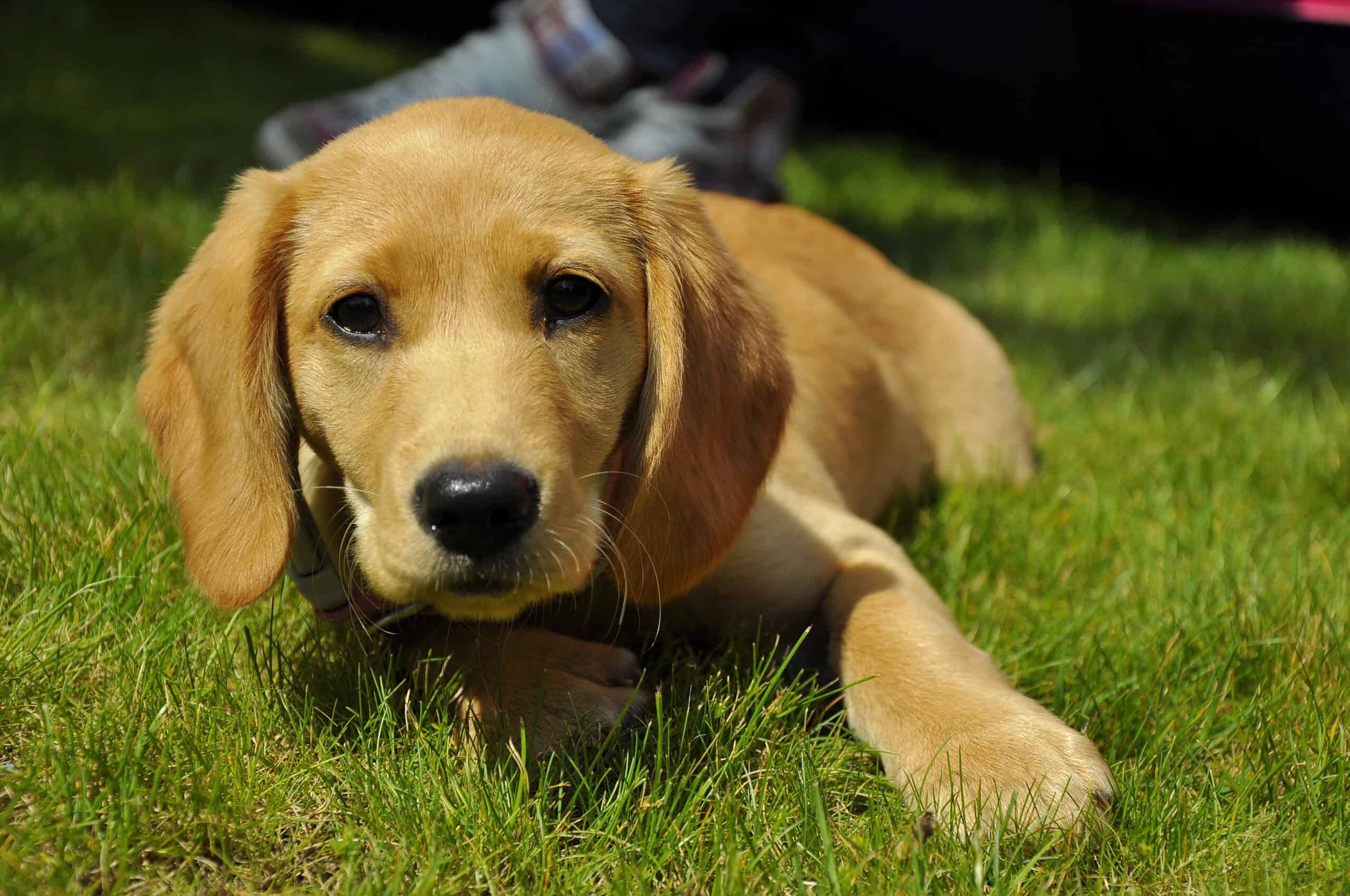
Two gun dogs, one great family pal
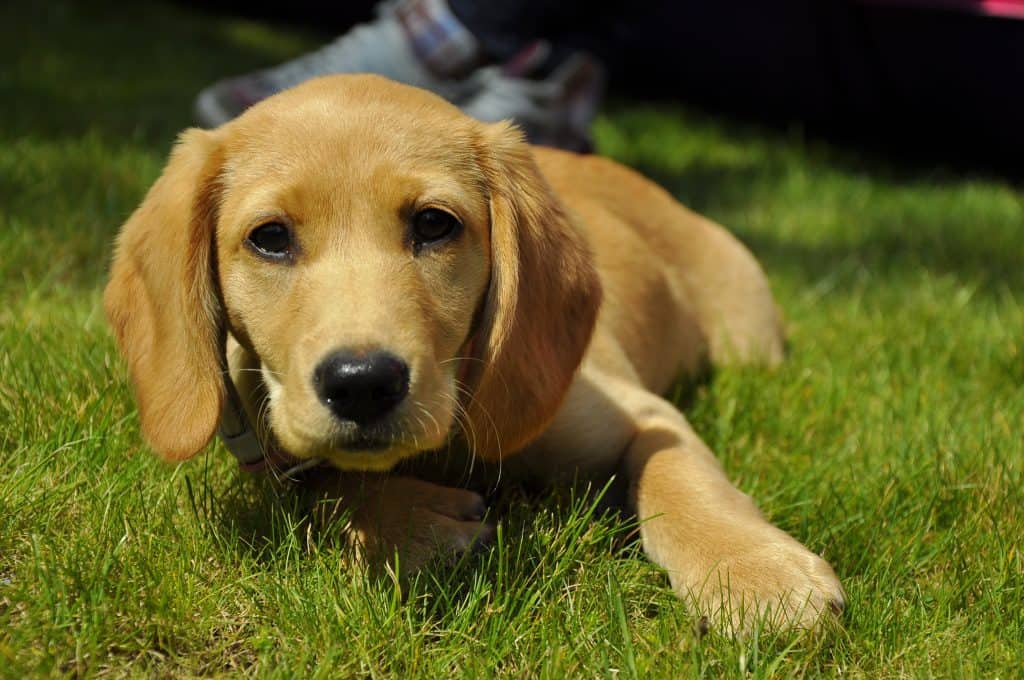
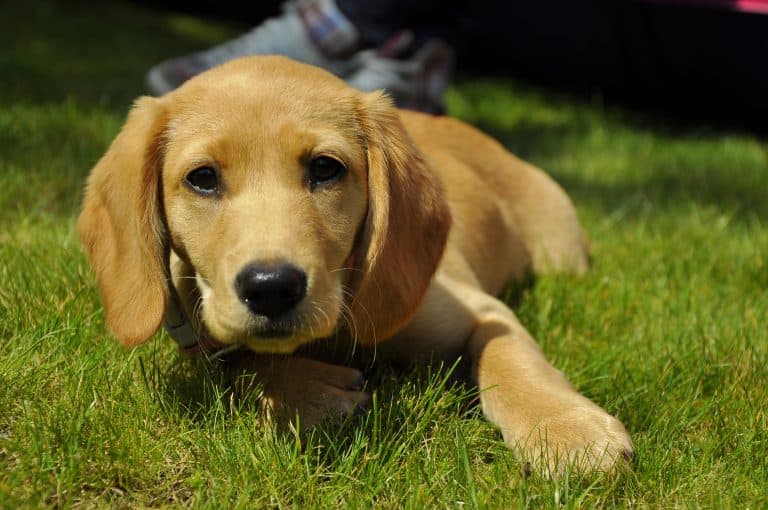
By LotteSedeyn - Own work, CC BY-SA 3.0, https://commons.wikimedia.org/w/index.php?curid=32933435

Spanador Distribution

Click a location to explore more animals from that region

Origin Location

This map shows the native origin of the Spanador. As a domesticated species, they are now found worldwide.

Loading map...

Size Comparison

Human 5'8"
Spanador 1 ft 7 in

Spanador stands at 28% of average human height.

At a Glance

Domesticated
Diet Omnivore
Activity Diurnal+
Lifespan 5 years
Weight 30 lbs
Status Not Evaluated
Did You Know?

"Spanador" most often refers to a Cocker Spaniel Γ— Labrador Retriever cross; looks and temperament can vary widely even within a litter.

Scientific Classification

The Spanador is a mixed-breed domestic dog most often produced by crossing a Cocker Spaniel (typically English or American Cocker) with a Labrador Retriever. As a crossbreed, appearance and temperament can vary by lineage and individual.

Kingdom
Animalia
Phylum
Chordata
Class
Mammalia
Order
Carnivora
Family
Canidae
Genus
Canis
Species
Canis lupus

Distinguishing Features

  • Medium-sized companion dog; traits often intermediate between Labrador and Cocker Spaniel
  • Coat commonly short-to-medium, may show feathering; colors vary widely
  • Typically floppy ears; may inherit Labrador-like build with spaniel facial traits
  • Crossbreed variability: behavior/appearance can differ markedly between individuals

Physical Measurements

Males and females differ in size

Height
β™‚ 1 ft 9 in (1 ft 6 in – 2 ft)
♀ 1 ft 7 in (1 ft 3 in – 1 ft 10 in)
Length
β™‚ 3 ft 7 in (2 ft 11 in – 4 ft 1 in)
♀ 2 ft 8 in (2 ft 4 in – 3 ft 1 in)
Weight
β™‚ 55 lbs (40 lbs – 75 lbs)
♀ 44 lbs (31 lbs – 60 lbs)
Tail Length
β™‚ 1 ft 3 in (12 in – 1 ft 7 in)
♀ 1 ft 1 in (10 in – 1 ft 4 in)
Top Speed
28 mph
running

Appearance

Primary Colors
Secondary Colors
Skin Type Typical domestic dog skin with pigmented areas under coat; some individuals show sensitive, allergy-prone skin requiring gentle grooming products.
Distinctive Features
  • Designer cross (Cocker Spaniel x Labrador Retriever) within the domestic dog; lacks a fixed breed standard.
  • More compact, softer-faced companion build than the base species (wolf), with reduced muzzle length and smaller teeth.
  • Medium to medium-large size; athletic but often slightly longer-bodied than a Labrador.
  • Coat ranges from short Labrador-like to medium, wavy spaniel-like; ear feathering is common.
  • Ears usually long and pendulous; prone to ear moisture buildup after swimming or baths.
  • Tail often thick at base ("otter tail") or more plume-like depending on lineage.
  • Temperament commonly energetic, people-focused, and trainable; strong retrieving/play drive is frequent.
  • Health concerns to watch: hip/elbow dysplasia, ear infections, progressive retinal atrophy/cataracts, allergies, and obesity risk.
  • Care requirements: regular brushing (more if feathered), routine ear drying/cleaning, consistent exercise, and portion control; early training and mental enrichment recommended.

Sexual Dimorphism

Males are typically taller and heavier with broader heads and chests. Females are often slightly smaller and lighter-boned, though overlap is common due to mixed-breed variability.

β™‚
  • Heavier bone and musculature; broader chest and neck.
  • Larger head with slightly wider muzzle.
  • May carry more overall mass at similar height.
♀
  • Slightly lighter build and narrower chest.
  • Often a more refined head and neck profile.
  • May appear more compact at the same shoulder height.

Did You Know?

"Spanador" most often refers to a Cocker Spaniel Γ— Labrador Retriever cross; looks and temperament can vary widely even within a litter.

Many inherit the Labrador's retrieving drive-some will carry toys gently and bring them back repeatedly.

Cocker ancestry often adds a "velcro-dog" streak: strong people-orientation and a desire to stay close.

The mix can produce a wide coat range (short Lab-like to wavy/feathered Spaniel-like), so grooming needs aren't one-size-fits-all.

Longer, pendulous ears (Spaniel influence) can improve scenting by wafting odor toward the nose-but also raise the risk of ear infections.

They're commonly described as highly trainable because both parent breeds were developed for cooperative work with humans (gun dog/retriever roles).

Despite "designer dog" marketing, crossbreeding does not guarantee "hypoallergenic" coats or freedom from inherited disease; screening still matters.

Unique Adaptations

  • Domestic-dog social cognition (Canis lupus familiaris): strong ability to read human gestures and cues, supporting obedience and family companionship.
  • Cooperative working-dog heritage from both sides: selection for biddability, attention to handlers, and sustained activity during field work.
  • Scent-and-retrieve synergy: Spaniel scenting tendencies paired with retriever carrying behavior can create an excellent hobby sport dog (fetch, scent work, rally).
  • Coat variability as a practical adaptation: individuals may inherit water-resistant outer coats (Lab) or feathering (Cocker), affecting climate comfort and grooming.
  • Ear structure trade-off: longer ears can help funnel scent toward the nose, but reduced airflow can predispose to otitis if moisture and wax build up.

Interesting Behaviors

  • Retrieval games become a "job": many Spanadors self-assign roles like fetching mail, toys, or dropped items.
  • Water enthusiasm is common (Labrador influence); some show natural confidence in shallow water and splashing play.
  • Nose-led exploration: Spaniel lineage may show zig-zag "quartering" patterns on walks, scanning for scents.
  • People-focused greeting rituals-circling, leaning, or shadowing family members from room to room.
  • Food motivation can be strong; some individuals counter-surf or "vacuum" the floor if not managed.
  • Soft-mouth carrying: gentle holding of objects without chewing, especially in dogs with stronger retrieving instincts.
  • Adolescent exuberance: many remain bouncy and distractible through the first 2-3 years without consistent training and exercise.

Cultural Significance

The Spanador is a modern mixed breed of the Labrador Retriever and Cocker Spaniel. People see it as an active, family-friendly pet and good for beginner training, though careful breeding and health checks are important.

Myths & Legends

Name lore from the parent breeds: "Cocker Spaniel" is historically linked to hunting woodcock, and stories of small spaniels excelling at flushing these birds helped cement the "cocker" nickname in Britain.

Newfoundland seafaring tales around Labrador ancestors: fishermen's "St. John's water dogs" were celebrated for swimming, hauling, and retrieving from cold waters-an origin story often invoked to explain modern Lab-like water love in crosses.

Modern breed-creation anecdotes: Spanadors are sometimes described in contemporary dog culture as aiming to combine a Spaniel's affectionate companionship with a Retriever's steadiness-part of the late-20th/early-21st-century wave of intentionally named mixes (e.g., "-doodles," "-adors").

Argos in Homer's Odyssey: a classic Western legend of a faithful dog who recognizes Odysseus after years apart-often cited as a cultural touchstone for the loyalty people seek in companion dogs like Spanadors.

Anubis in ancient Egyptian tradition: the jackal-headed guardian associated with guidance and protection in the afterlife, reflecting a long-standing human tendency to connect canids with guardianship and devotion.

The Black Shuck of English folklore: a ghostly black hound said to haunt the countryside-an enduring canine legend from the British Isles, culturally adjacent to the Spaniel's deep history in England.

Conservation Status

NE Not Evaluated

Has not yet been evaluated against the criteria.

Population Stable

Life Cycle

Birth 6 pups
Lifespan 5 years

Lifespan

In the Wild 2–8 years
In Captivity 10–15 years

Reproduction

Mating System Polygynandry
Social Structure Managed Domestic
Breeding Pattern Serial
Fertilization Managed Selective
Birth Type Internal_fertilization

As a Spanador (Labrador Γ— Cocker) typically bred under human management, matings are arranged; females in estrus may accept multiple males without enforced pair bonds, so genetic paternity can be mixed across litters.

Behavior & Ecology

Social Pack Group: 4
Activity Diurnal, Crepuscular, Cathemeral
Diet Omnivore Meat-forward diets (e.g., high-quality kibble or cooked lean poultry/fish)

Temperament

Species context: unlike wolves, Spanadors are strongly human-directed, tolerant, and less territorial.
Breed-specific blend: Labrador sociability and retrieving drive with Cocker sensitivity and scent interest.
HUBS pattern: adapts to household routines; most are social, but arousal levels vary by lineage.
Typically eager-to-please and trainable; responds best to positive reinforcement and consistent boundaries.
Often affectionate and people-oriented; may show separation distress without gradual alone-time training.
Playful with moderate-to-high energy; needs daily aerobic exercise plus retrieving or nosework games.
Some individuals are softer-nerved or noise-sensitive (spaniel influence), requiring gentle handling and exposure.
Common health concerns: hip/elbow dysplasia risk; maintain lean weight and avoid excessive jumping in growth.
Common health concerns: floppy ears predispose otitis; routine ear drying/cleaning after water or baths.
Common health concerns: eye issues (cataracts/PRA) and allergies; schedule routine vet/eye checks.
Care requirements: regular grooming for feathering/shedding, plus structured enrichment to reduce nuisance barking.

Communication

barking Alert, excitement, demand
whining Attention, stress, anticipation
growling Warning, guarding, play
howling Social contact, response to sounds
yips and grumbles during play
tail carriage and wag style indicating arousal and intent
ear and facial expression changes, including lip licks and yawns as calming signals
play bows and bouncy gait to invite interaction
body blocking, leaning, or pawing to solicit attention
scent investigation and marking; sniffing as social information gathering
retrieval presentation (bringing objects) as affiliative and attention-seeking behavior
mouthiness during play; needs early bite-inhibition training and appropriate chew outlets

Habitat

Biomes:
Temperate Forest Temperate Grassland Mediterranean Boreal Forest (Taiga) Tundra Alpine Desert Hot Desert Cold Savanna Tropical Dry Forest Tropical Rainforest Freshwater Wetland Marine +8
Terrain:
Plains Hilly Valley Coastal
Elevation: Up to 16404 ft 3 in

Ecological Role

Human-associated omnivorous mesopredator/scavenger (domestic companion) with occasional predatory impact on small wildlife if roaming

Companionship and social support to humans Deterrence/pest control via chasing rodents and alert behavior Scent-based working potential (retrieving, tracking, detection) depending on training Nutrient cycling at local scale through scavenging and waste consumption in human environments

Diet Details

Main Prey:
Small mammals Birds Carrion and discarded animal remains
Other Foods:
Wild berries and fallen fruit Grasses Root vegetables and leafy greens

Human Interaction

Domestication Status

Domesticated

Canis lupus familiaris (domestic dog) began when humans tamed gray wolves (Canis lupus), picking traits for hunting, guarding, herding, and being pets. The Spanador is a mixed breed of Cocker Spaniel and Labrador Retriever. They are family-focused, vary in size and coat, need daily exercise and training, and may inherit ear, hip, eye, or weight issues.

Danger Level

Low
  • Bites/scratches possible if fearful, poorly socialized, in pain, or mishandled (higher risk around children if jumping/mouthing isn't trained).
  • Knockdowns from exuberant greetings, especially in adolescent dogs.
  • Zoonotic risks typical of pet dogs if hygiene/veterinary care is neglected (e.g., parasites).
  • Allergy triggers (dander/saliva) for sensitive individuals.

As a Pet

Suitable as Pet

Care Level: Moderate

Purchase Cost: Up to $2,500
Lifetime Cost: $15,000 - $45,000

Economic Value

Uses:
Companion animal/pet industry Training and behavior services Grooming and boarding/daycare Veterinary and preventive healthcare Working/assistance and therapy roles (individual-dependent) Recreation and dog sports Rescue/adoption services
Products:
  • puppy/adult dog sale or adoption fees
  • vaccinations, spay/neuter, parasite prevention, routine veterinary care
  • professional training classes (puppy, obedience, behavior modification)
  • grooming services (bathing, brushing, ear care, trimming)
  • boarding, daycare, dog walking
  • pet supplies (food, crates, leashes, toys, enrichment puzzles)
  • sport/recreation fees (agility, rally, scent work)

Relationships

Predators 5

Coyote Canis latrans
Gray wolf Canis lupus
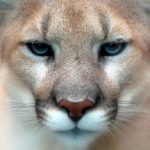
Cougar Puma concolor
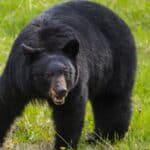
American black bear Ursus americanus
Golden eagle Aquila chrysaetos

Related Species 6

Gray wolf Canis lupus Shared Genus
Coyote Canis latrans Shared Genus
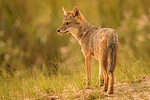
Golden jackal Canis aureus Shared Genus
Ethiopian wolf Canis simensis Shared Genus
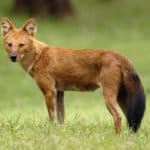
Dhole Cuon alpinus Shared Family
African wild dog Lycaon pictus Shared Family

Ecological Equivalents 7

Animals that fill a similar ecological role in their ecosystem

Labrador Retriever Canis lupus familiaris One primary parent breed. Similar sporting/gundog niche with a strong retrieving drive, high sociability, and appetite/weight-management needs. Spanadors often inherit Lab-like food motivation and exercise requirements.
English Cocker Spaniel Canis lupus familiaris Purebred. One primary parent breed. Similar flushing/field-companion niche, with stronger scenting ability, greater ear and coat care demands, and increased potential for ear infections. Spanadors commonly inherit longer, hairier ears and spaniel-like sensitivity.
American Cocker Spaniel Canis lupus familiaris Alternate common parent line. Shares a companion-flushing niche and similar grooming/ear-care requirements. Spanadors from this lineage may trend smaller and have higher grooming needs.
Golden Retriever Canis lupus familiaris Comparable family-oriented retriever niche: trainability, sociability, and exercise needs. Useful ecological analog for enrichment β€” daily aerobic activity, retrieval games, and cooperative training.
English Springer Spaniel Canis lupus familiaris Similar field-companion niche (active, handler-focused, scent-driven). Like many Spanadors, they can be prone to boredom-related behaviors without structured exercise and mental work.
Flat-coated Retriever Canis lupus familiaris Similar energetic gundog niche. Highlights common management themes for Spanadors: adolescent exuberance, high exercise needs, and benefit from ongoing training and structured play.
Spanador Canis lupus familiaris Bred for companionship and gundog work. Medium-sized, athletic, and very social; good at retrieving and scenting. Requires 60-90+ minutes of daily exercise, regular ear care and brushing, and monitoring of weight and joints. Prone to ear infections, hip problems, certain eye diseases, and obesity.

Quick Take

  • Securing a 15-year lifespan requires passing a rigorous genetic stock audit before acquisition.
  • The 2-cup feeding mandate creates a lethal risk of Gastric Dilatation-Volvulus if improperly timed.
  • The Spanador is unfit for apartment living, regardless of its manageable physical size.
  • Completing daily ear checks is mandatory to prevent debris from causing permanent sensory obstructions.

The Spanador is a mix between two different purebred dogs: a Cocker Spaniel (particularly the American Cocker Spaniel) and a Labrador Retriever. When you combine two different purebred dogs, you get what’s commonly referred to as a β€œdesigner dog.” These hybrids combine different aspects of their two parent breeds. The Cocker Spaniel is a small hunting dog (specialized for hunting the woodcock, hence the name) that probably originated somewhere in Europe during the Late Medieval period. The Labrador Retriever is a mid-sized hunting dog that originated in Newfoundland, Canada, in the early 19th century. It was specifically bred to retrieve the game from water. Today, it excels as a therapy, search and rescue, and service dog.

Depending on which traits it inherits from either parent, the Spanador will likely have an athletic build, strong paws, a pointed muzzle, and long, floppy ears, sometimes fringed with hair. The medium to long straight coat will have some combination of black, white, cream, fawn, or red colors or markings. There are many different variations to choose from.

πŸ‘ An educational infographic about the Spanador dog breed, featuring illustrations of Cocker Spaniels and Labradors, physical stats, and specific care instructions.
Beyond the cuddles lies a high-stakes care routineβ€”one wrong meal or missed ear check could lead to a permanent health crisis for this athletic hybrid. Β© A-Z Animals

3 Pros and Cons of Owning a Spanador

ProsCons
Athletic: They are a great choice for highly athletic owners who want to exercise with their dogs.Grows Bored Easily: They might exhibit annoying behavior if they don’t have enough to do.
Affectionate: They like to cuddle with their owners.Highly Energetic: They need an owner who can provide enough mental and physical stimulation.
Intelligent and Trainable: They are quick learners.Tendency to Wander: If not properly leashed, the Spanador tends to wander around and explore its surroundings.
πŸ‘ Spanador black and white image

If not properly leashed, the Spanador tends to wander around and explore its surroundings.

Β©skopi/Shutterstock.com

Size and Weight

The Spanador is a small to medium-sized dog with an athletic frame. Males are ever so slightly larger than females.

Height (Male):20 to 22 inches
Height (Female):18 to 20 inches
Weight (Male):22 to 50 pounds
Weight (Female):22 to 50 pounds

Origins

Spanadors are considered β€˜designer dogs’, i.e., breeds created by the intentional crossing of others.

In this case, this breed is a cross between the cocker spaniel and the Labrador. As such, its members have origins from Spain and Britain, by way of their cocker spaniel forebears, which were engaged in hunting woodcock. Their Labrador parentage also has Canadian and British origins, as well as a lengthy history of hunting wildfowl.

Spanadors come with excellent swimming capabilities thanks to their Labrador parents, who used to dive into cold waters to retrieve waterfowl. They also take after them in terms of their ability to tuck away impressive quantities of food. They are also especially energetic thanks to the athleticism of both their parent breeds.

Common Health Issues
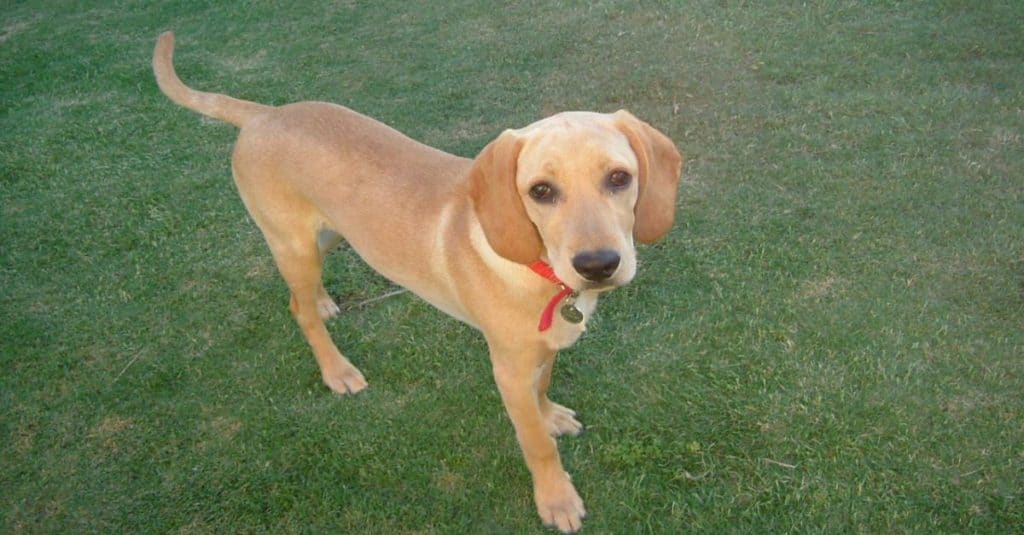
πŸ‘ Spanador standing in the grass

The Spanador is generally healthy but may also be prone to obesity, ear infections, and dry skin

Β©Shamrock593 at English Wikipedia / This work has been released into the public domain by its author, Shamrock593 at English Wikipedia. This applies worldwide. – Original / License

The Spanador is generally a healthy dog, but like its two parent breeds, it may be prone to several health conditions. These include obesity, allergies, cataracts, cancer, ear infections, dry skin, progressive retinal atrophy, hip dysplasia (resulting in temporary dislocations), and Gastric Dilatation-Volvulus, also known as bloating (a very serious condition that can cause the stomach to expand and even rupture).

It is impossible to predict exactly what it will inherit ahead of time, so if you’re buying a new puppy, you must make sure it comes from a healthy stock with few genetic disorders and an excellent medical history. A healthy dog that avoids many serious issues should have an excellent lifespan of some 12 to 15 years.

Temperament

The Spanador is a very gentle and affectionate dog that forms a close and deep bond with its owner as both a companion and a playmate. It wants nothing more than to be an eager participant in its owner’s life. The Spanador is not very well-suited for apartment living, since it needs plenty of space in which to live and play. Potential owners should be aware that this dog does need quite a lot of attention. If left alone for too long, it could become easily bored and create trouble around the home. This dog can also become very excitable and start to jump on furniture and people, but it can be trained to avoid this behavior, and it does tend to become calmer later in life.

How to Take Care of the Spanador

πŸ‘ Spanador puppy playing on a bed

Spanadors are somewhat high maintenance in terms of the attention and care they require.

Β©Kutuzova_Svetlana/Shutterstock.com

The Spanador is not an easy dog to care for, especially in single-person homes. It does require quite a bit of attention and maintenance in terms of its diet, grooming, and exercise habits. If you decide that the Spanador is right for you, then the first step is to find a trustworthy place that sells this hybrid. A high-quality breeder or a rescue group is your best bet.

While there may not be many Spanador rescue groups around, you might be able to find one in a Cocker Spaniel or Labrador Retriever-specific group that takes in mixes. Once you bring your dog home, it will need to receive regular veterinary checks, even if it appears otherwise healthy. They can catch health problems as they arise. If you have any other questions about the dog’s routine, then you should consult with the vet.

The Best Dog Food

Depending on its age, weight, and activity level, the Spanador may need around 2 cups of food specifically designed for highly athletic dogs. This should preferably be divided into a few meals per day to prevent bloating. This dog also has the tendency to gain weight quickly. Its calorie intake needs to be carefully monitored and controlled as necessary if it starts to show signs of weight gain.

To accommodate dogs like Spanadors with a propensity for allergies, there is a wide range of allergy-alleviating limited ingredient dog foods.

Maintenance and Grooming

πŸ‘ Spanador playing in the water

Spanadors are pretty clever and easy to please; that said, they have a mind of their own.

Β©Adam Tremel/Shutterstock.com

As part of its regular grooming routine, the Spanador needs to be brushed several times a week throughout the year, preferably with a simple pin brush and comb, to prevent matting and maintain a healthy coat. During its heavy shedding months in the summer, the frequency of the brushes needs to be increased to almost every single day. This needs to be complemented with daily tooth brushing to prevent gum disease and semi-regular ear checks to remove debris and obstructions. The Spanador only requires baths whenever it becomes dirty; it is recommended that you use a special shampoo designed for dry skin.

Training

The Spanador should be an easy dog to train. It is generally eager to please and quick to grasp commands, although there may be moments when it becomes distracted and ignores its owner. During these moments, it is never a good idea to act negatively toward it. This dog responds best to positive reinforcement methods, so you should shower it with praise, treats, and other rewards for a job well done. The Spanador excels at all types of training, from basic commands to more advanced tricks.

Exercise

The Spanador is a highly energetic dog that needs more than an hour of exercise every single day. As a physically versatile mix, it loves to fetch, swim, perform tricks, play with toys, and accompany its owner on long walks or jogs. It is a good idea to have a large backyard or any other enclosed area nearby. When going for walks or runs, you should keep your dog on a leash, because it has the tendency to wander around and may stop responding to your commands.

Puppies

While they can be a little fragile and thus require special handling, Puppies are bundles of affection and energy. They are eager to explore their surroundings and play with people. However, this dog does need time to grow and develop before it can really start engaging in strenuous physical activity. To avoid serious health problems, you should do your research about the best places to obtain a puppy. Try to avoid low-quality breeders or puppy mills that do not screen for health issues.

Children

The Spanador seems to have a natural affinity for children. Its approachable size and fun, engaging personality make it an ideal companion for the entire family. The only downside is that its excitable behavior could be a problem around smaller children, so it is probably not a good idea to leave them alone together.

Dogs Similar to the Spanadors

The Spanador obviously shares much in common with its two parent breeds, the Cocker Spaniel and the Labrador Retriever. You might also want to consider the following types of dogs as well:

  • Cockapoo: This mix of a Cocker Spaniel and a Poodle is a small, lovable, lively, and intelligent companion that desires nothing more than to participate in all family/owner activities. It usually comes in a medium-length wavy coat with a large number of different colors and patterns.
  • Beagador: A cross between a Beagle and a Labrador Retriever, the Beagador is an intelligent, athletic dog that desires fun and adventure. This dog is great for highly engaged owners, with whom the Beagador will form an intimate bond and fierce loyalty. The short and dense double coat of fur can come in a mixture of brown, tan, black, fawn, yellow, or red colors.
  • Cavalier King Charles Spaniel: Originally bred as a sort of companion to British nobility, the Cavalier King Charles Spaniel is an affectionate, gentle, attentive companion that blends athleticism and good manners. Coat colors include ruby, black, and tan, and either black or chestnut markings on white fur.
View all 385 animals that start with S

Sources

  1. Petguide / Accessed March 26, 2021
  2. Wagwalking / Accessed March 26, 2021

About the Author

Ashley Haugen

Ashley Haugen is the editor of A-Z Animals. She's a lifelong animal lover with an affinity for dogs, cows and chickens. When she's not immersed in A-Z-Animals.com (her favorite editorial job of her 25-year career), she can be found on the hiking trails of Middle Tennessee or hanging out with her family, both human and furry.
Connect:

Thank you for reading! Have some feedback for us?

Contact the AZ Animals editorial team

Related Articles You May Find Interesting


Spanador FAQs (Frequently Asked Questions)

A Spanador is a cross between an American Cocker Spaniel and a Labrador Retriever. Sporting a medium or long straight coat of hair, this is an athletic and intelligent dog that can form a deep bond with its owner.

The Spanador can grow up to 50 pounds large and around 22 inches at the shoulder height.

No, the Spanador does not have a hypoallergenic coat, so people with serious allergies might want to avoid this mix.

Yes, Spanadors are very friendly toward people of all ages. The entire family can share in the responsibility of caring for it.

Yes, Spanadors are moderate shedders for most of the year, and with the start of the summer, they tend to shed a lot more.

The price of a Spanador is typically between $500 and $2,000, depending on the quality of the breeder. Owners looking for a particularly great pedigree will end up paying a much higher price, but for a typical companion dog, it is not necessary to pay more than the standard cost. You should also factor in the monthly price of providing for the dog’s needs.