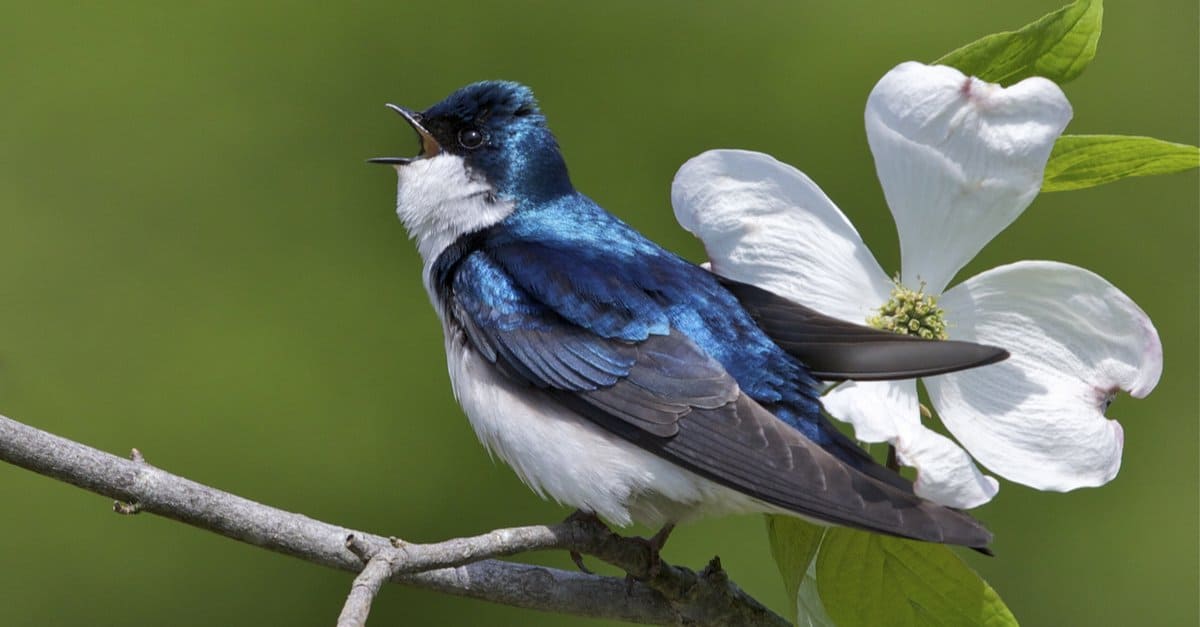
The swallow (Hirundinidae) is a bird family encompassing morphologically unique passerine birds. There are 89 swallow species, and they have an extensive range, inhabiting every continent except for Antarctica. You will find them in any open area, such as grasslands and open woodlands. Some species are highly social, joining flocks outside the breeding season, while others are solitary and only form monogamous pairs.
5 Amazing Facts
- Unlike most passerine species, swallows have aerodynamic bodies for hunting in flight.
- These birds are relatively vocal and use their musical twittering to express excitement, communicate with each other, and warn their species of intruders.
- While they don’t inhabit Antarctica, some species are common vagrants to the continent and its islands.
- Some swallows break apart into niches to feed. Some will feed on the ground, while others will forage higher up.
- They fiercely defend their nests and lunge at intruders.
Where to Find the Swallow
The swallow inhabits every continent except Antarctica, and some species are vagrants to remote islands and can even fly to Antarctica. These migratory birds have extensive ranges, breeding in the northern hemisphere and wintering in the southern hemisphere. However, those in tropical areas may be more sedentary. They live in any open habitat, including grasslands, open woodlands, savannas, mangroves, marshes, scrublands, agricultural fields, and are also found in urban areas. These birds stay from sea level to high alpine habitats and easily adapt to manmade areas.
Nest
New World swallow species nest in cavities, and Old World swallows construct mud nests. Their requirements include an overhead that protects them from weather and predators, and both sexes assist in gathering materials and forming the structure. Some build tunnels, digging together as a pair.
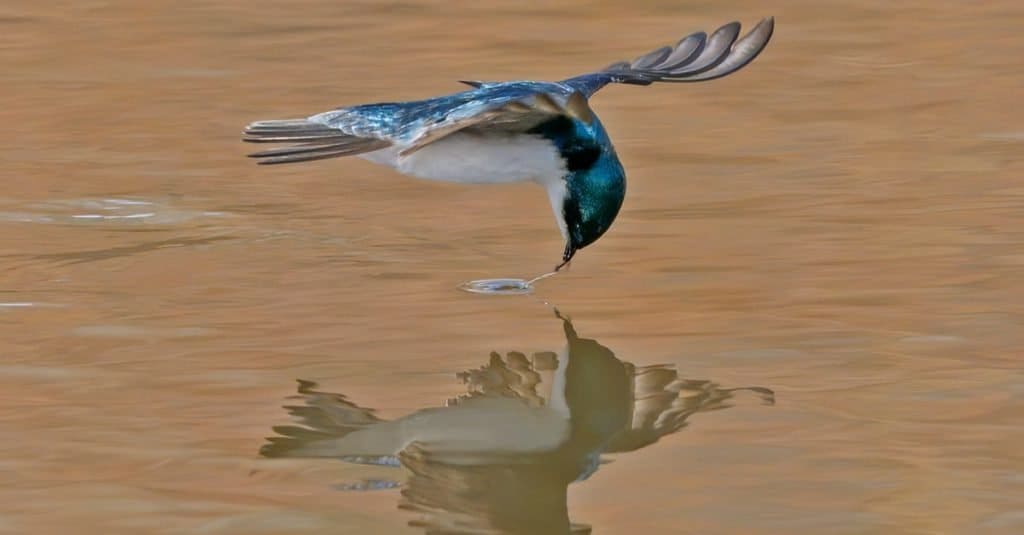
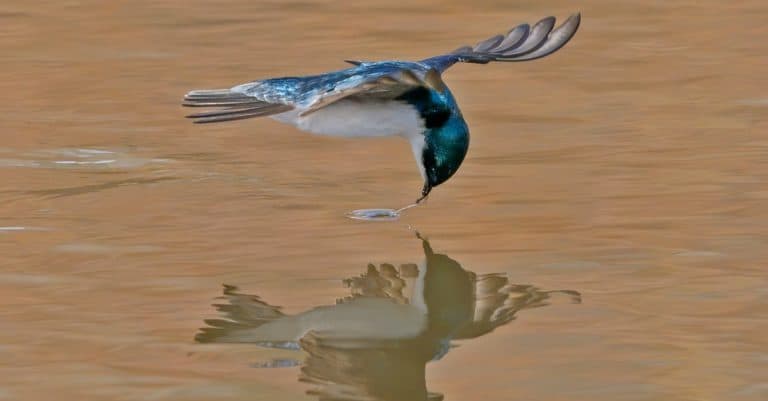
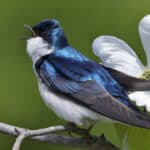
A tree swallow grabs its target as it flies over the water surface of a pond. Silverthorne, Colorado.
©Richard Seeley/Shutterstock.com
Classification and Scientific Name
The swallow (Hirundinidae) is from the Passeriformes order and is morphologically unique from other passerines due to their aerodynamic body, perfect for hunting by the wing.
The Hirundinidae family contains 21 genera and 89 species:
Cliff-Nesting Swallows
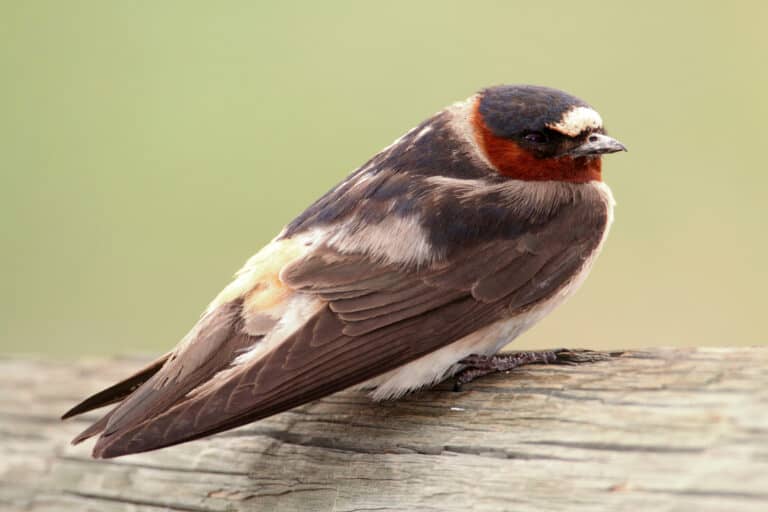
- American cliff swallow, Petrochelidon pyrrhonota
- Cave swallow, Petrochelidon fulva
- Chestnut-collared swallow, Petrochelidon rufocollaris
- Preuss’s cliff swallow, Petrochelidon preussi
- Red-throated cliff swallow, Petrochelidon rufigula
- Red Sea cliff swallow, Petrochelidon perdita
- South African cliff swallow, Petrochelidon spilodera
- Streak-throated swallow, Petrochelidon fluvicola
- Fairy martin, Petrochelidon ariel
- Tree martin, Petrochelidon nigricans
Forest Swallows
- Forest swallow, Atronanus fuliginosus
African and Tropical Asian Swallows
- Red-breasted swallow, Cecropis semirufa
- Mosque swallow, Cecropis senegalensis
- Lesser striped swallow, Cecropis abyssinica
- Greater striped swallow, Cecropis cucullata
- Red-rumped swallow, Cecropis daurica
- West African swallow, Cecropis domicella
- Sri Lanka swallow, Cecropis hyperythra
- Striated swallow, Cecropis striolata
- Rufous-bellied swallow, Cecropis badia
House Martins
- Common house martin, Delichon urbicum
- Siberian house martin, Delichon lagopodum
- Asian house martin, Delichon dasypus
- Nepal house martin, Delichon nipalense
Typical Swallows
- Black-and-rufous swallow, Hirundo nigrorufa
- Blue swallow, Hirundo atrocaerulea
- Pied-winged swallow, Hirundo leucosoma
- White-tailed swallow, Hirundo megaensis
- Pearl-breasted swallow, Hirundo dimidiata
- Pacific swallow, Hirundo tahitica
- Hill swallow, Hirundo domicola
- Welcome swallow, Hirundo neoxena
- White-throated swallow, Hirundo albigularis
- Wire-tailed swallow, Hirundo smithii
- White-bibbed swallow, Hirundo nigrita
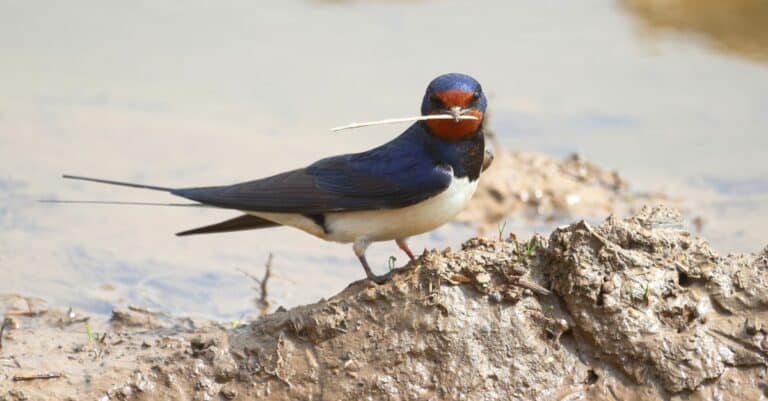
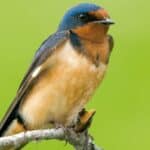
- Barn swallow, Hirundo rustica
- Angola swallow, Hirundo angolensis
- Red-chested swallow, Hirundo lucida
- Ethiopian swallow, Hirundo aethiopica
Crag Martins
- Eurasian crag martin, Ptyonoprogne rupestris
- Pale crag martin, Ptyonoprogne obsoleta
- Rock martin, Ptyonoprogne fuligula
- Dusky crag martin, Ptyonoprogne concolor
Only-Genus Swallows
- White-backed swallow, Cheramoeca leucosterna
- Grey-rumped swallow, Pseudhirundo griseopyga
- Tawny-headed swallow, Alopochelidon fucata
- Mascarene martin, Phedina borbonica
- Brazza’s martin, Phedinopsis brazzae
- Banded martin, Neophedina cincta
New World Martins
- Brown-chested martin, Progne tapera
- Peruvian martin, Progne murphyi
- Galápagos martin, Progne modesta
- Purple martin, Progne subis
- Southern martin, Progne elegans
- Grey-breasted martin, Progne chalybea
- Sinaloa martin, Progne sinaloae
- Cuban martin, Progne cryptoleuca
- Caribbean martin, Progne dominicensis
Rough-Winged Swallows
- Northern rough-winged swallow, Stelgidopteryx serripennis
- Southern rough-winged swallow, Stelgidopteryx ruficollis
Swallows of the Andes Mountains
- Pale-footed swallow, Orochelidon flavipes
- Brown-bellied swallow, Orochelidon murina
- Andean swallow, Orochelidon andecola
Swallows of the Neotropics
- Blue-and-white swallow, Pygochelidon cyanoleuca
- Black-collared swallow, Pygochelidon melanoleuca
South American Swallows
- White-banded swallow, Atticora fasciata
- Black-capped swallow, Atticora pileata
- White-thighed swallow, Atticora tibialis
Swallows of the Americas
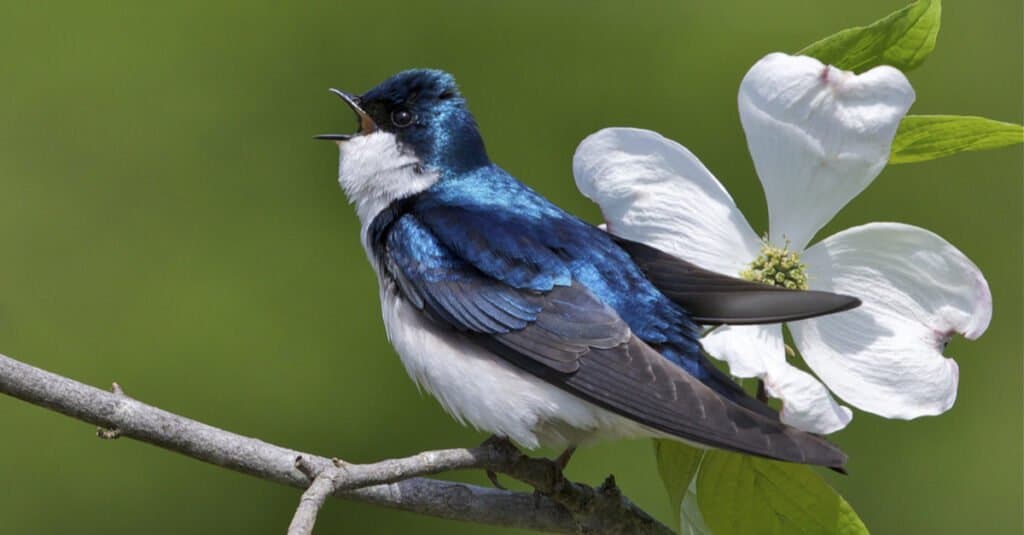
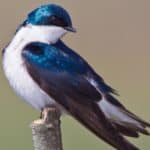
- Tree swallow, Tachycineta bicolor
- Bahama swallow, Tachycineta cyaneoviridis
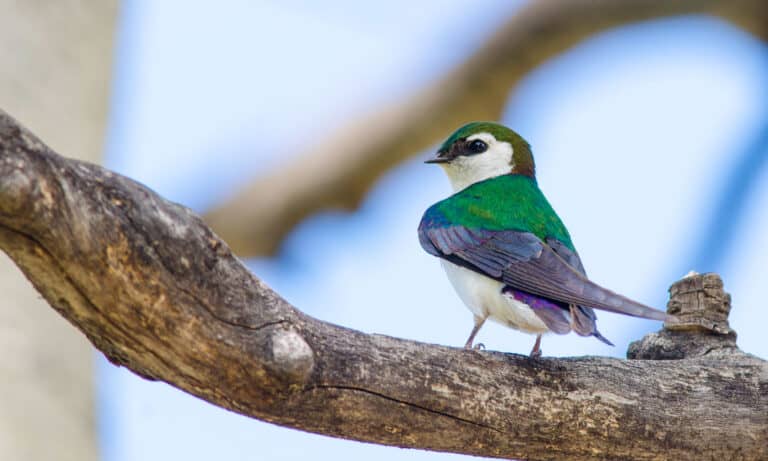
- Violet-green swallow, Tachycineta thalassina
- Golden swallow, Tachycineta euchrysea
- Mangrove swallow, Tachycineta albilinea
- White-rumped swallow, Tachycineta leucorrhoa
- Chilean swallow, Tachycineta meyeni
- Tumbes swallow, Tachycineta stolzmanni
- White-winged swallow, Tachycineta albiventer
Tunnel-Nesting Martins
- Congo martin, Riparia congica
- Sand martin, Riparia riparia
- Pale martin, Riparia diluta
- Brown-throated martin, Riparia paludicola
- Grey-throated martin, Riparia chinensis
Saw-Wings
- Square-tailed saw-wing, Psalidoprocne nitens
- Black saw-wing, Psalidoprocne pristoptera
- Fanti saw-wing, Psalidoprocne obscura
- White-headed saw-wing, Psalidoprocne albiceps
- Mountain saw-wing, Psalidoprocne fuliginosa
River Martins
- African river martin, Pseudochelidon eurystomina
- White-eyed river martin, Pseudochelidon sirintarae
Size, Appearance, & Behavior
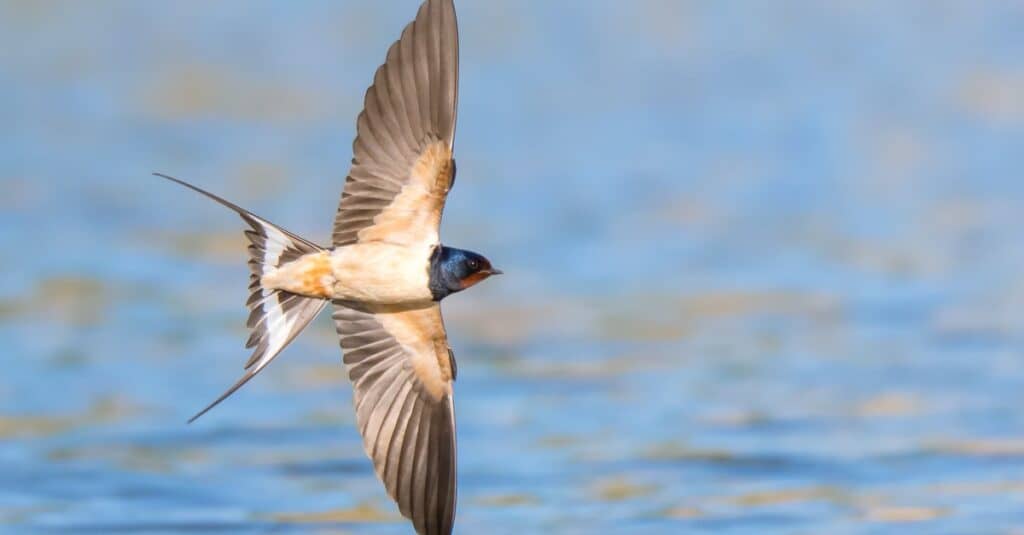
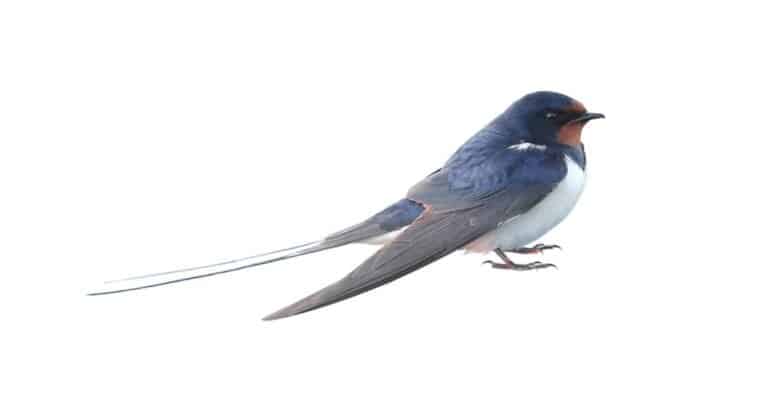
Swallows have long, streamlined bodies and pointy wings that allow them to hunt and catch their food in the air.
©Mirko Graul/Shutterstock.com
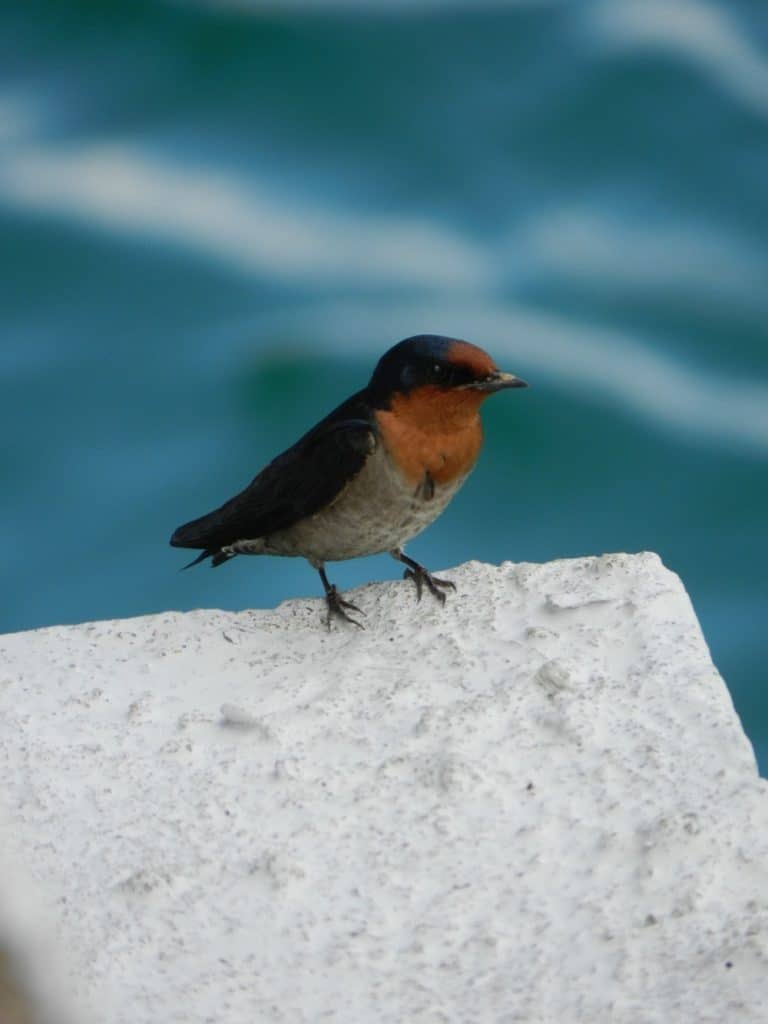
The swallow is a small passerine songbird, measuring 3.9 to 9.4 inches and weighing 0.35 to 2.12 ounces, with an 11 to 13-inch wingspan. Although they are passerine birds, their bodies are adapted for hunting by flight. They feature streamlined bodies, long, pointed wings, and eyes similar to a raptor. These birds also have short bills, wide gapes, and long tails. Males and females look similar with glossy dark blue or green plumage on top and heavily streaked white or rufous-colored feathers below. Juveniles are slightly duller versions of adults.
Some species are nonsocial and do not form flocks, while others participate in colonial nesting and form large flocks outside the breeding season. They have many calls and songs, often sounding like musical twittering. These birds are vocal and use their calls to express excitement, communicate with their mate and others in their species, or warn off intruders. Swallows are also strong fliers and use their skills to attract mates.
Migration Patterns and Timing
Swallows are long-distance migrants. They have a worldwide distribution and an enormous range. For instance, the barn swallow breeds over most of the northern hemisphere and winters in most of the southern hemisphere. They are even vagrants to remote islands and places in the Antarctic.
Diet
Swallows are primarily insectivores and forage on the wing.
What Does the Swallow Eat?
Their diet consists of grasshoppers, crickets, caterpillars, spiders, worms, and snails. Some species supplement their diet with berries, plant matter, and seeds. They mainly forage by flying, but you will occasionally see them snatching prey from branches and the ground. Several swallow species will feed together, breaking apart into niches, where some will feed on the ground, and others will forage higher up.
Predators, Threats, and Conservation Status
Several swallow bird species are threatened due to habitat loss. The white-eyed river martin is critically endangered and has not been officially recorded since 1978, leading many to believe it may already be extinct. This species breeds on river banks, a diminishing habitat in Southeast Asia.
The golden swallow, native to the Caribbean, is considered “Vulnerable,” and the Bahama swallow, found in the Bahamas, is “Endangered.” Forest loss and invasive species are the reasons for their decline.
Most other swallow species are listed as “Least Concern.”
What Eats the Swallow?
Hawks, falcons, owls, and kestrels are the main predators of swallows. Their nest predators include grackles, rats, weasels, squirrels, raccoons, bobcats, snakes, domestic cats, bullfrogs, and fish. Although small, they are fierce defenders of their nest and will lunge at intruders and chase away anyone who gets too close.
Reproduction, Young, and Molting
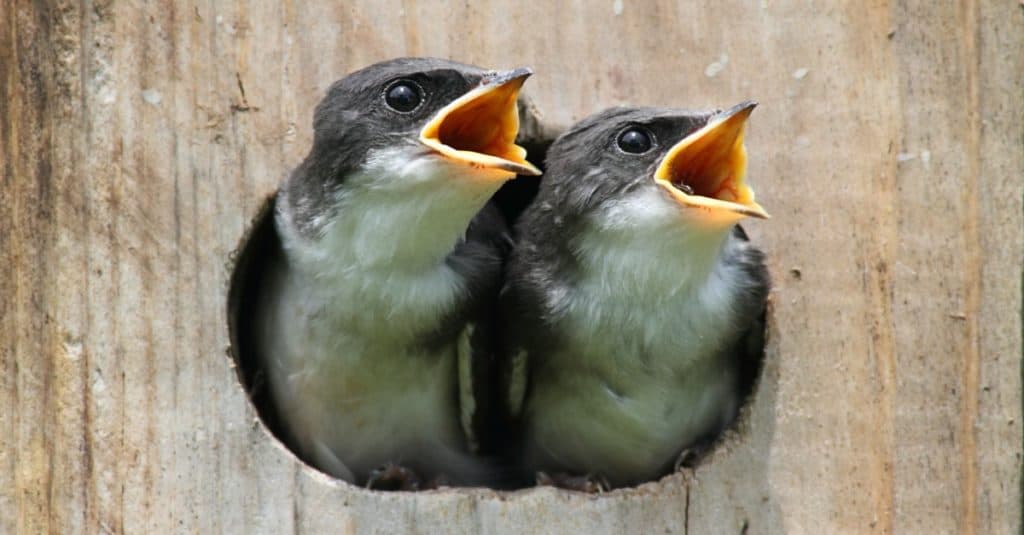
These cavity-nesting Tree Swallows will not fledge as early as other songbirds and will stay in the nest between 18 and 22 days, depending on weather, feeding conditions, and the size of the brood.
©Steve Byland/Shutterstock.com
Many swallows form monogamous pairs for life. However, some may practice polygamy and take multiple partners. Females lay two to five white eggs and incubate them for 10 to 21 days. Their young take longer to develop than other passerine birds, and the parents coax them out of the nest after three weeks. However, they will keep returning to the nest to roost. Most species reach sexual maturity around one year and have a lifespan between 2 and 16 years.
Population
The global swallow bird population is unknown, but barn swallows alone account for 290 million to 487 million mature individuals. Some populations may be going through slight declines due to changes in agricultural practices, resulting in reduced nesting sites.