

Quick Take
- Acquiring these rare mountain sheepdogs often requires a $2,000 investment and European importation.
- The independent nature of Tornjaks creates unique training challenges despite their high intelligence levels.
- These 110-pound giants require a surprisingly small food intake compared to other large breeds.
- Maintaining the Tornjak coat during the shedding season is vital to prevent severe matting.
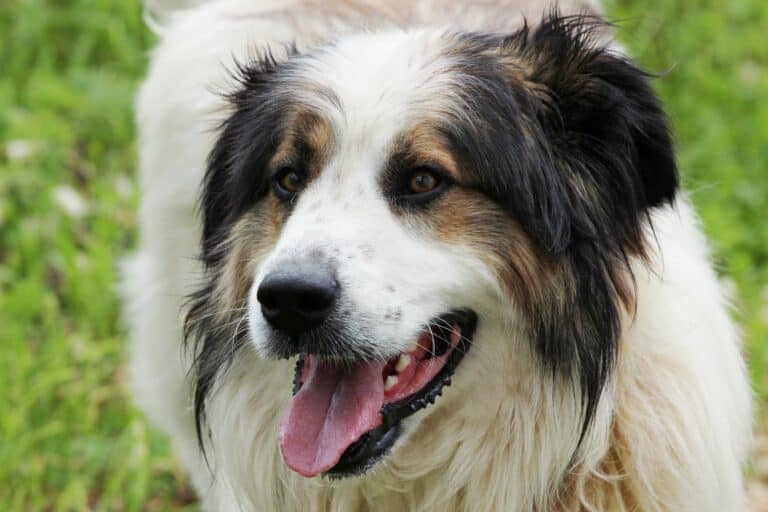
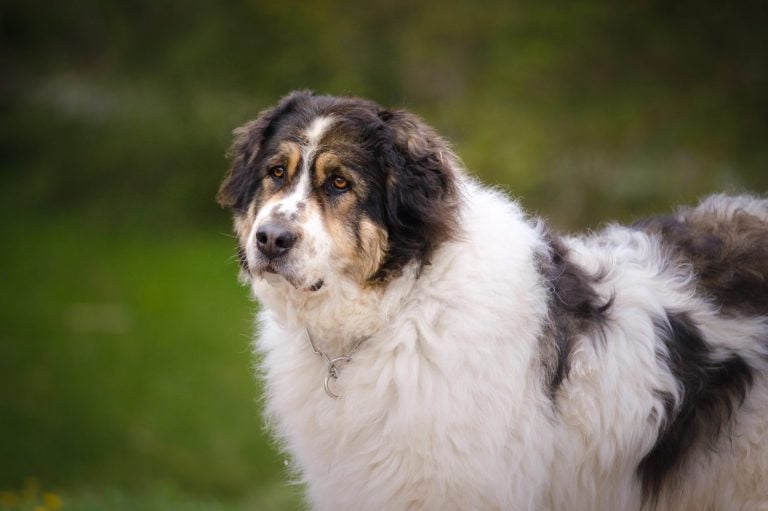
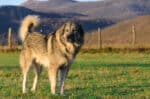
Tornjaks are mountain sheepdogs that originate from Croatia and Bosnia. They are a large breed but have gentle natures. Their primary purpose was to protect sheep because they were alert and protective.
In addition, they are calm, obedient, easily trainable, and rarely aggressive, making them ideal for families with children and other pets. However, they may become aggressive if they fear their families are under threat.
Different Types of Tornjak Mixes
While there are no registered Tornjak hybrids, people have crossbred them with breeds like:
Jakman Shepherd
The Jakman is a mix between a German Shepherd and a Tornjak. These dogs are loyal, protective, and playful. Jakman Shepherds are great for active families with older children.
Labrajak
Labrajak is a mix between a Labrador Retriever and a Tornjak. This is one goofy dog that needs a lot of exercise and attention. But they are super sweet and gentle and will work well in family settings where there are young kids. They make great companions and show a lot of affection.
Three Pros and Cons of Owning a Tornjak
Owning a Tornjak comes with a list of pros and cons, including:
| Pros | Cons |
|---|---|
| They make really excellent watchdogs. | This breed is too big to be an apartment dog. |
| Tornjaks are very adaptable and can acclimate well to different living environments. | They require a lot of grooming, and they shed a lot. |
| These dogs are the perfect breed for first-time owners because of their calm and obedient nature. | Tornjaks drool a lot. |
The Best Dog Food for a Tornjak
Tornjaks are big and therefore need food specially formulated for large breeds, especially since they are that active and don’t need to eat that much. They should never be allowed to free-feed, as they are prone to obesity, and instead, they should have 2 smaller meals a day. Another option is to use slow-feeder bowls, which deters them from eating too quickly.
Size and Weight
Tornjak males are bigger than females, weighing 77 to 110 pounds and growing 25 to 28 inches tall. Females weigh between 62 and 88 pounds and measure 24 to 26 inches tall.
Common Health Issues
These dogs are exceptionally healthy but susceptible to a few health conditions that plague the breed, including:
- Elbow and Hip Dysplasia
- Von Willebrand Disease
- Gastric Dilation (Bloat)
Besides these health issues, Tornjaks typically live a long and healthy life of 12 to 14 years.
Temperament
While the Tornjak is quiet and laid-back, they can become aggressive, territorial, and defensive if put into a threatening situation. The Tornjak is not violent by nature, but if pushed, they will react defensively; this is not a common trait associated with this gentle breed.
They were bred to protect livestock against predators on farms in Bosnia and Croatia, so they make excellent guard dogs. However, they are loyal and affectionate companions.
They are very adaptable and can live harmoniously in packs as they get along well with other dogs. Their bark is loud and low, which is great for scaring predators and intruders away, but their barking can become a nuisance in certain situations.
How to Take Care of a Tornjak
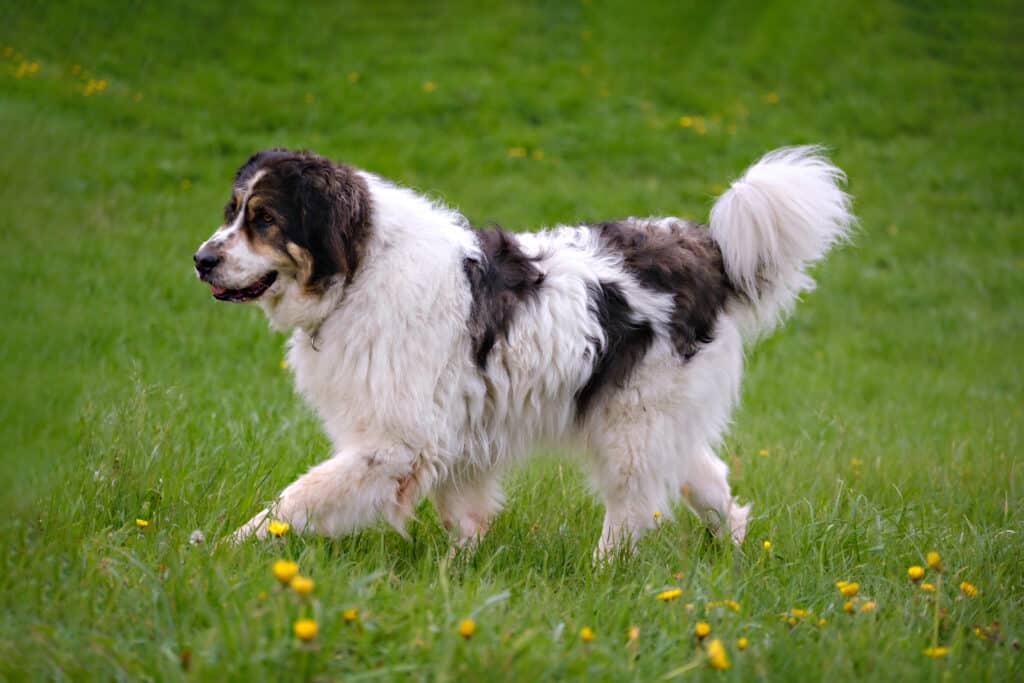
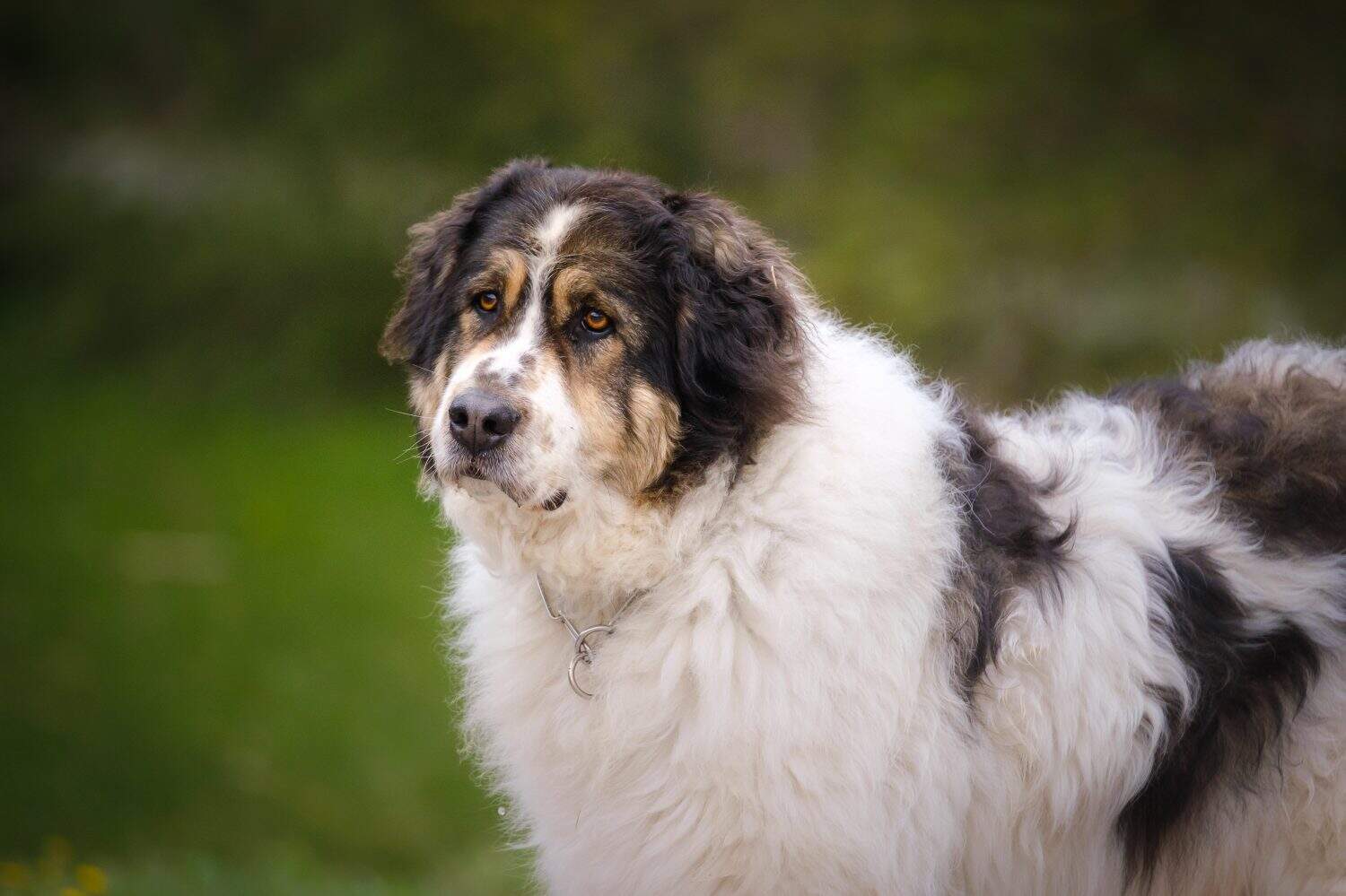
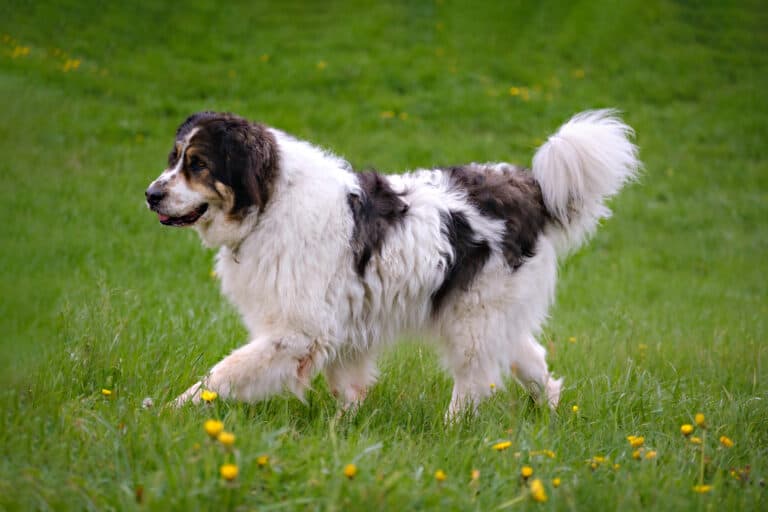
Because of their thick, long coat, they need a good brush two to three times a week with a metal comb or pin brush.
©Vesna Kriznar/Shutterstock.com
While the Tornjak is huge and has dense, long hair, caring for them is relatively easy.
Grooming
Because of their thick, long coat, they need a good brush two to three times a week with a metal comb or pin brush. In addition, they may require a mat splitter if their fur has tangled or matted.
As with human hair, a detangler will help to remove any tangles. The Tornjak has a double coat and will require extra grooming during certain seasons when it sheds more. When they start to shed heavily, they need daily brushes.
Tornjaks don’t need a lot of baths, but it will help loosen the hair when shedding; just use a mild shampoo and warm water.
Dental hygiene is very important in dogs, and they should have their teeth brushed at least 3 times a week, but they are also susceptible to gum disease, so daily brushing would be even better.
They must have their nails clipped as soon as they touch the ground, approximately every 3 months.
Training
Tornjaks were bred to guard livestock and herd sheep, and they have instincts that help them do that. But when it comes to training this breed, their independent and decisive nature makes it hard.
However, they are quick learners, and you will see results if you are consistent and patient. In fact, they are so intelligent that they rarely have to be taught the same thing twice!
Exercise
While the Tornjak is not as energetic as other herding breeds, they still need at least two lengthy walks daily to keep them fit and stimulated. In addition, they are happiest when exercising alongside other dogs because of their social nature.
Owners need to have a large yard where they can play outside for prolonged periods, even when it’s freezing outdoors. But they should never overexert themselves while they are still growing, because this can cause joint issues as they get older. However, once they are fully grown, let them off the lead and enjoy their freedom.
Puppies
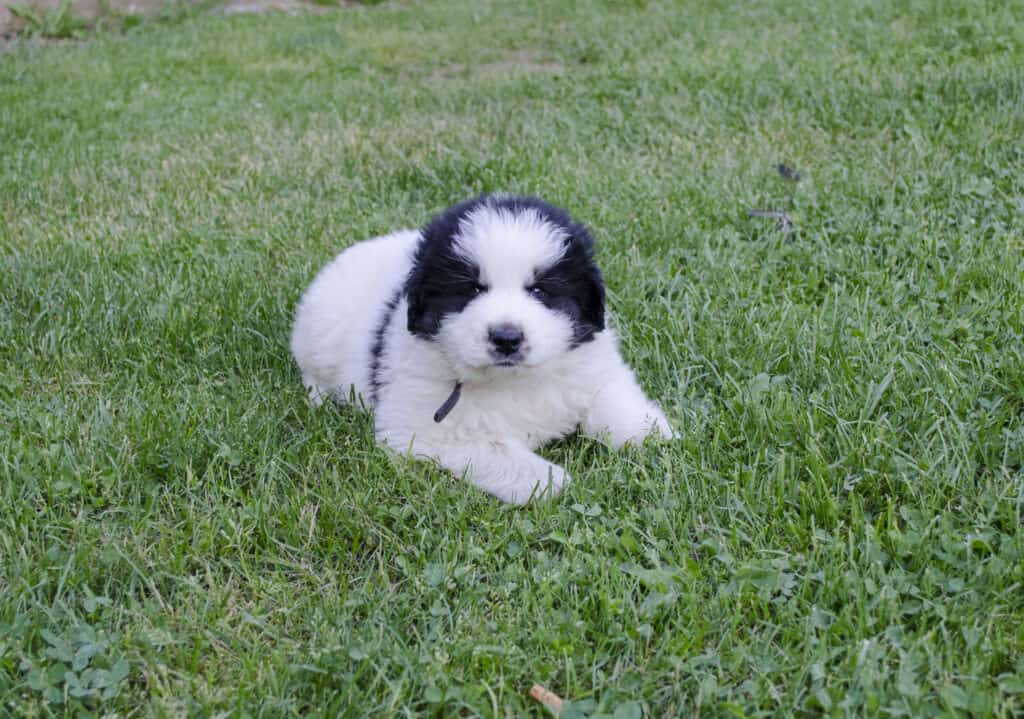
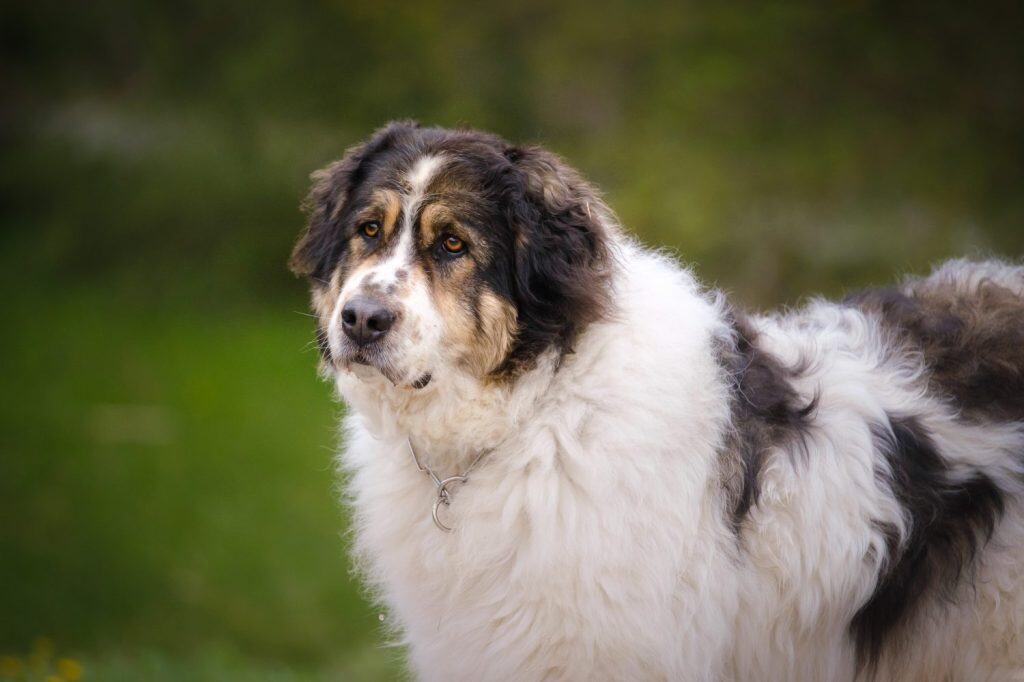
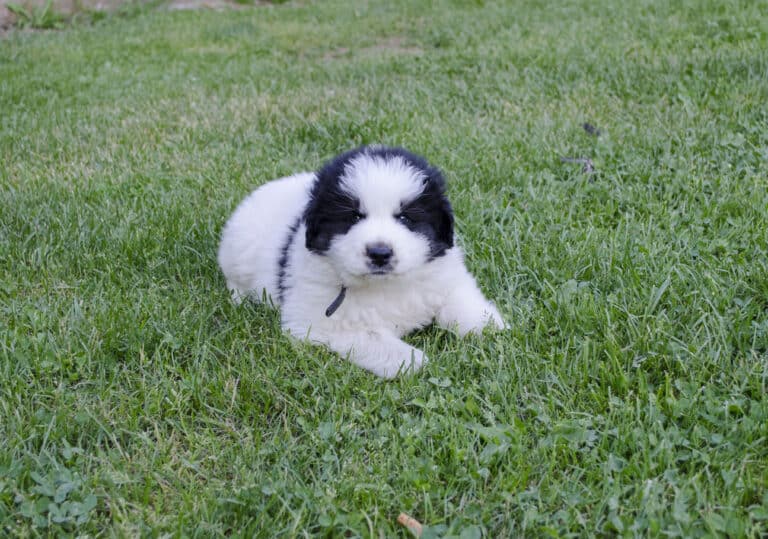
These dogs have an average litter size of 6 to 10 puppies. They are extremely rare and hard to find, especially in the USA.
©Nikolina Mrakovic/Shutterstock.com
These dogs have an average litter size of 6 to 10 puppies. They are extremely rare and hard to find, especially in the USA. That’s why finding a responsible breeder is essential, and a lot of research is required to ensure the pups are healthy and screened for any genetic health issues.
Tornjaks are so rare in the United States that prospective owners might need to import a pup from Europe, which is really expensive. Puppy prices typically range from $2,000 to $2,500, depending on availability, the breeder’s reputation, location, and pedigree.
Tornjaks and Children
While the Tornjak is fantastic with children, they still need to be trained and socialized as soon as possible. In addition, children must also be taught how to interact properly with large breeds and never be left unsupervised around any dog.
These dogs are very social animals and like to be surrounded by other dogs, but it might take Tornjaks a while to get used to non-canine pets, so be careful when introducing animals like cats, rabbits, or birds.
Dogs similar to the Tornjak
Several breeds are similar to the Tornjak in size and behavior; they include:
Old English Sheepdog
It’s hard to miss the Old English Sheepdog because of its poofy black and white coat. But did you know that they can be sheared to make grooming easier? These dogs are mischievous and can be quite challenging to train.
Owners need a lot of patience and encouragement to achieve training goals, but they make up for it with their gentle and kind personalities, perfect for families with children. In addition, the Old English Sheepdog is surprisingly agile for its size, as it can weigh up to 90 pounds.
Shetland Sheepdog
The Shetland Sheepdog looks like a tiny version of a Collie but is its own distinct breed. They are a small breed, only weighing a maximum of 20 pounds, making them perfect for apartment living or smaller homes. However, they still need daily walks or exercise in a fenced yard.
This breed is sweet, eager to please, and playful. In addition, they are excellent watchdogs because of their wariness of strangers.
Collie
The Collie is a popular breed, mostly because of the movie Lassie. But die-hard Collie enthusiasts know they are sweet-tempered, gentle, and social dogs. They are notorious for their patience with children and other pets. This breed originates from the Scottish Highlands and is believed to share ancestry with the Border Collie, but they are less rambunctious.