
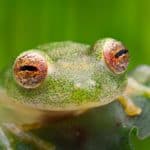
T
Species Profile

Tree Frog

Sticky toes, big voices, forest lives
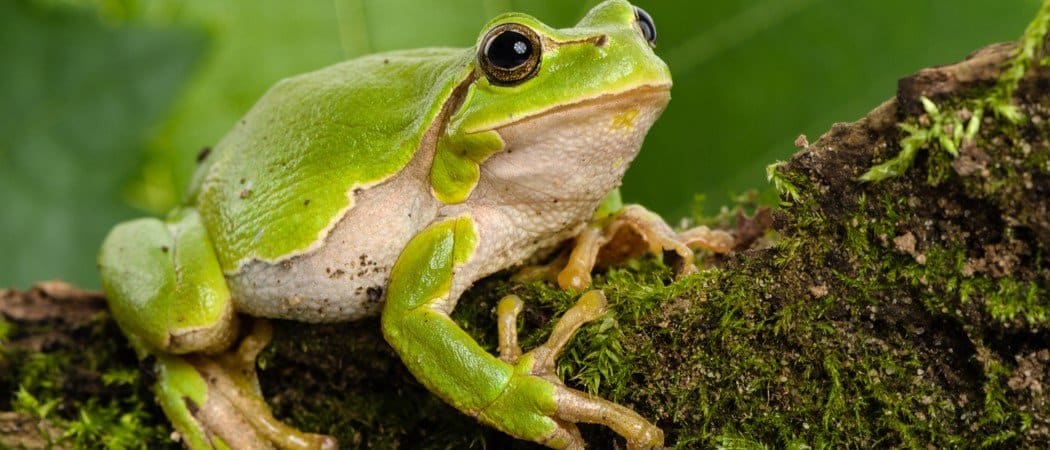
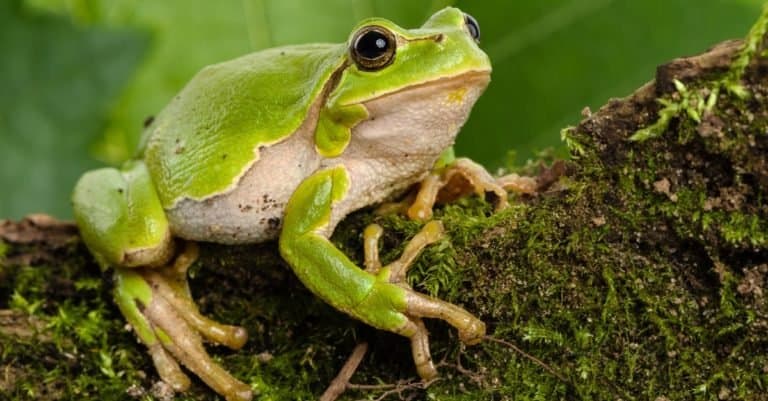
Manuel Findeis/Shutterstock.com

At a Glance

Family Overview This page covers the Tree Frog family as a group. Stats below are general traits shared across the family.
Also Known As Arboreal frog, Tree-toad, Tree-climbing frog, Bush frog, Leaf frog
Activity Nocturnal+
Lifespan 5 years
Weight 0.2 lbs
Status Not Evaluated
Did You Know?

"Tree frog" is an ecological label spanning multiple families, including Hylidae, Rhacophoridae, Hyperoliidae, and Pelodryadidae.

Scientific Classification

Family Overview "Tree Frog" is not a single species but represents an entire family containing multiple species.

Tree frogs are arboreal (tree- and shrub-dwelling) frogs found across several frog families. They commonly have adhesive toe pads for climbing and often breed in water or water-filled plant cavities. Many are nocturnal insectivores with calls used for mate attraction and territory.

Kingdom
Animalia
Phylum
Chordata
Class
Amphibia
Order
Anura

Distinguishing Features

  • Enlarged toe pads for climbing
  • Lightweight, arboreal body form
  • Nocturnal calling during breeding season
  • Camouflage or bright warning coloration in some

Physical Measurements

Males and females differ in size

Weight
0 lbs (0 lbs – 0 lbs)
Top Speed
6 mph
hopping
Poisonous

Appearance

Primary Colors
Skin Type Smooth granular
Distinctive Features
  • Not one family; multiple Anura lineages share tree-frog traits.
  • Snout-vent length ranges about 1.5-14 cm across arboreal forms.
  • Lifespan roughly 2-15+ years; some can reach ~20 in captivity.
  • Enlarged adhesive toe pads for climbing leaves, bark, and smooth surfaces.
  • Long limbs and lightweight bodies for jumping between branches.
  • Webbing varies from minimal to extensive; some glide with large membranes.
  • Moist skin; texture ranges smooth to finely warty or granular.
  • Often nocturnal insectivores; some take larger prey, including small vertebrates.
  • Breeding varies: ponds, streams, tree holes, bromeliads, or foam nests.
  • Males commonly use loud advertisement calls; call types vary greatly by lineage.

Sexual Dimorphism

Often subtle but common: males are usually smaller with vocal sacs and breeding-season pads. Females are frequently larger and more robust; however, degree of dimorphism varies widely among the different tree-frog lineages.

  • Paired or single vocal sac; throat may darken during calling season.
  • Nuptial pads on thumbs for gripping during amplexus.
  • Typically smaller body size with proportionally longer forelimbs.
  • Often larger and heavier-bodied, especially when gravid.
  • Broader abdomen during breeding season due to egg load.
  • Sometimes less throat patterning when males have darkened call throats.

Did You Know?

"Tree frog" is an ecological label spanning multiple families, including Hylidae, Rhacophoridae, Hyperoliidae, and Pelodryadidae.

Adult size ranges from about 1.5 cm to ~14 cm snout-vent length, depending on species and family.

Toe pads work via microscopic structures and thin mucus films, creating strong wet adhesion on leaves and bark.

Some Asian "flying" tree frogs glide using extensive webbing between fingers and toes.

Breeding sites vary widely: ponds, streams, tree holes, bromeliads, and even water-filled leaves.

Calls are species-specific acoustic "fingerprints," helping mates find each other and reducing cross-species breeding.

Many species can rapidly shift color or pattern for camouflage, signaling, or temperature and moisture regulation.

Unique Adaptations

  • Expanded toe pads with specialized skin microstructures increase grip on smooth, wet leaves and vertical surfaces.
  • Long limbs and flexible joints aid climbing, leaping, and controlled landings on narrow perches.
  • Moisture-management skin and behaviors (posture, microhabitat choice) reduce dehydration during arboreal living.
  • Foam nesting (common in some lineages) protects eggs from drying, overheating, and certain predators.
  • Gliding membranes in some species allow controlled descent and escape across gaps in forest canopy.

Interesting Behaviors

  • Mostly nocturnal hunting, with sit-and-wait ambush or slow stalking from leaves and branches.
  • Chorusing: many males call together, timing and pitch shifting to stand out in noisy breeding aggregations.
  • Territorial calling and occasional wrestling or shoving matches between males around prime calling perches.
  • Breeding diversity: eggs laid in open water, attached to vegetation, placed in tree cavities, or guarded near small water pools.
  • Tadpole lifestyles vary widely, from pond-dwelling swimmers to phytotelm specialists in bromeliads and tree holes.

Cultural Significance

Frogs, including tree-dwelling kinds, are widely linked with rain, renewal, and seasonal change. Their loud breeding calls mark wet-season timing and have inspired art, proverbs, and ecological knowledge across many regions.

Myths & Legends

In Australia's Dreaming tale "Tiddalik," a frog drinks all the water, and other animals make it laugh to release rivers and lakes.

In Cherokee stories of the "Thunder Boys," frogs help stop dangerous creatures, linking frog voices with storms and the coming of rain.

In Japan, frogs symbolize return and safe journeys; charms and stories connect their calls with homecoming and good fortune.

In Mesoamerican traditions around rain deities like Tlaloc and Chaac, frogs' voices and appearances are associated with rains, fertility, and life-giving water.

Looking for a specific species?

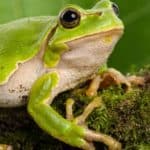
European tree frog

Hyla arborea

Often the default "tree frog" in European field guides and general references.

  • Family-wide size range ~1.3-14 cm snout-vent length
  • Typical adult lifespan ~2-15 years, varying by species and conditions
  • Most are nocturnal callers; activity and habitat use vary widely
  • Toe pads common for climbing, but some hylids are more terrestrial
  • Breeding usually in water with tadpoles; egg-laying sites vary by species

You might be looking for:

True tree frogs

38%

Hylidae

Large, well-known tree-frog family (especially in the Americas and Australia); many classic “tree frog” species belong here.

Old World tree frogs

28%

Rhacophoridae

Major Afro-Asian arboreal frog family; includes “flying frogs” with extensive webbing used for gliding.

Reed frogs

14%

Hyperoliidae

African arboreal/vegetation-dwelling frogs often called tree frogs in field guides; many are brightly patterned.

Glass frogs

10%

Centrolenidae

Mostly Neotropical arboreal frogs; many have translucent bellies, sometimes loosely referred to as tree frogs.

View Profile

Chorus frogs (some species climb)

10%

Pseudacris (Hylidae)

Small North American hylids commonly seen near vegetation; sometimes casually called tree frogs though many aren’t strongly arboreal.

Life Cycle

Birth 500 tadpoles
Lifespan 5 years

Lifespan

In the Wild 1–15 years
In Captivity 2–20 years

Reproduction

Mating System Promiscuity
Social Structure Aggregation Group
Breeding Season Warm rainy season; spring-summer, varies regionally
Breeding Pattern Transient
Fertilization Substrate Spawning
Birth Type Substrate_spawning

Most species breed in temporary aggregations (choruses) where males call and compete; females choose mates and may mate with multiple males. Fertilization is external via amplexus with eggs laid on aquatic or wet substrates; strategies vary widely.

Behavior & Ecology

Social Chorus Group: 20
Activity Nocturnal, Crepuscular, Diurnal, Cathemeral
Diet Insectivore moths
Seasonal Hibernates 2 mi

Temperament

Shy
Cryptic
Territorial
Opportunistic
Tolerant

Communication

advertisement calls
territorial calls
release calls
distress screams
chirps and trills
body posture displays
color change signaling
tactile amplexus cues
substrate vibration
site fidelity cues

Habitat

Biomes:
Tropical Rainforest Tropical Dry Forest Savanna Mediterranean Temperate Forest Temperate Rainforest Temperate Grassland Boreal Forest (Taiga) Alpine Freshwater Wetland +5
Terrain:
Mountainous Hilly Plateau Plains Valley Coastal Island Riverine Karst Volcanic +4
Elevation: Up to 11482 ft 11 in

Ecological Role

arboreal mesopredators regulating invertebrate communities

insect control energy transfer prey base nutrient cycling

Diet Details

Other Foods:
Nectar Fruit pulp

Human Interaction

Domestication Status

Wild

Tree-dwelling frogs ("tree frogs") are not domesticated. Humans have collected and kept diverse arboreal frog species for education, research, and the pet trade since the late 1800s-1900s; captive breeding exists for some lineages.

Danger Level

Low
  • skin secretions irritate eyes/skin
  • bite is minor and rare
  • zoonotic bacteria with poor hygiene

As a Pet

Suitable as Pet

Legality: Varies; many legal, protected species require permits.

Care Level: Experienced

Purchase Cost: $10 - $500
Lifetime Cost: $500 - $7,000

Economic Value

Uses:
Pet trade Ecotourism Research Education Conservation
Products:
  • captive-bred
  • exhibits

Relationships

Predators 6

Garter snake Thamnophis sirtalis
Rat snake Pantherophis spp.
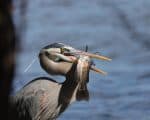
Great blue heron Ardea herodias
Raccoon Procyon lotor
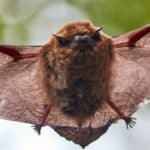
Little brown bat Myotis lucifugus
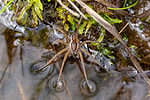
Fishing spider Dolomedes

Related Species 5

Tree frogs Hyla Shared Genus
North American tree frogs Dryophytes Shared Genus
Caribbean tree frogs Osteopilus Shared Genus
Middle American tree frogs Smilisca Shared Genus
Chorus frogs Pseudacris Shared Genus

Ecological Equivalents 5

Animals that fill a similar ecological role in their ecosystem

Old World tree frogs Rhacophoridae Arboreal frogs with toe pads; many breed in pools and ponds.
Leaf frog Phyllomedusidae Arboreal, nocturnal insectivores. Eggs are often laid on vegetation above water.
Australasian tree frogs Pelodryadidae Similar climbing adaptations and calling behavior, reflecting convergent arboreal lifestyles.
Glass frogs Centrolenidae Streamside, canopy-dwelling frogs; share insectivory and leaf-egg reproductive strategies.
Reed frogs Hyperoliidae Small, vegetation-dwelling frogs that consume similar prey, have similar calling behavior, and breed near water.

Types of Tree Frog

15

Explore 15 recognized types of tree frog

European tree frog Hyla arborea
Mediterranean tree frog Hyla meridionalis
Japanese tree frog Hyla japonica
Savi's tree frog Hyla savignyi
American green tree frog Dryophytes cinereus
Gray treefrog Dryophytes versicolor
Cope's gray treefrog Dryophytes chrysoscelis
Pine woods treefrog Dryophytes femoralis
Barking treefrog Dryophytes gratiosus
Spring peeper Pseudacris crucifer
Pacific chorus frog Pseudacris regilla
Little grass frog Pseudacris ocularis
Cuban tree frog Osteopilus septentrionalis
Canyon tree frog Dryophytes arenicolor
Mexican treefrog Smilisca baudinii

Tree frogs are some of the world’s most whimsical amphibians, thanks to their cute eyes and unique legs and toes that allow them to climb trees easily.
👁 Image

Unlike their somewhat dumpy terrestrial counterparts, tree frogs generally have bright colors that make them a favorite zoo exhibit. Their distinctive calls often make them heard and not seen in their native habitat as they are primarily active at night. Although these frogs live mostly in tropical climates, some species live in more temperate areas and hibernate during the winter.

5 Incredible Facts!

  • In Europe, these frogs were historically seen as barometers because they would respond to approaching rain by barking.
  • Most of these frog species can change skin color, sometimes because of their mood, among a range of green, gray, brown, and yellow hues.
  • White’s tree frogs have a strong sense of hearing and can sense vibrations through the ground.
  • Red-eyed tree frogs are considered to be the ambassadors of these frog species because of their strikingly vivid eyes.
  • These frogs have an additional eyelid that veils their eyes. They also blink when swallowing to force down their prey.

You can check out more incredible facts about tree frogs.

Scientific Name and History
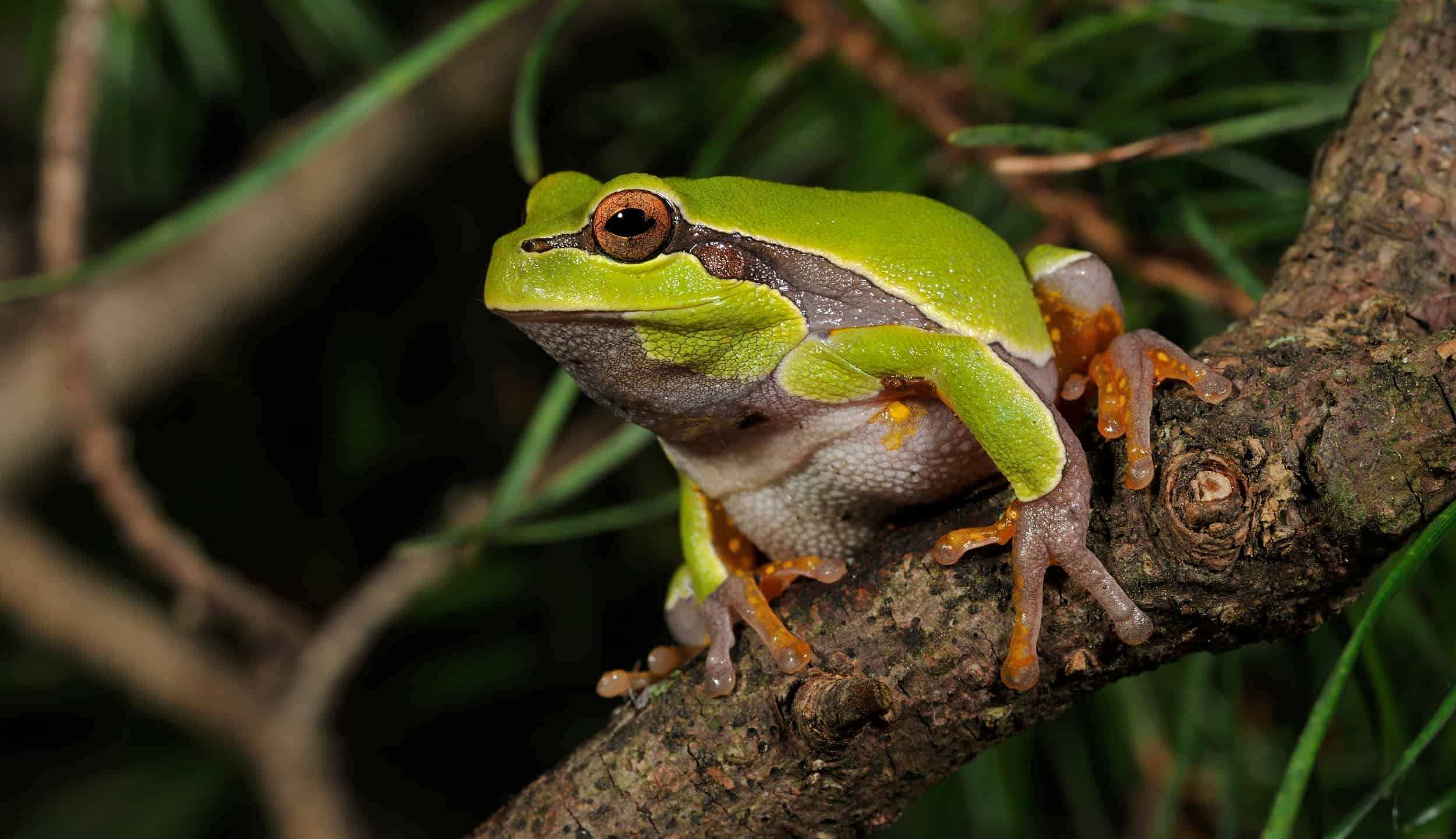
👁 Pine Barren Treefrog (Hyla andersonii)

The Pine Barren Treefrog (

Hyla andersonii

) is a member of the family

Hylidae

and thus is one of the “true” tree frogs.

©Breck P. Kent/Shutterstock.com

Tree frogs comprise several families of the order Anura. Those in the family Hylidae with the scientific name Hyla are sometimes called true tree frogs and are the most numerous — about 700 species in 40 or so genera. Nonhylid tree frogs have scientific names that incorporate the families Centrolenidae, Hyperoliidae, Rhacophoridae, and Microhylidae.

Frogs have lived on Earth for about 100 million years. There is fossil evidence that the red-eyed tree frog has remained much the same for more than 10 million years.  The reason there are so many different species from several different biological families is a process called convergent evolution; that is, similar living conditions have caused them to evolve to look very similar.

To the ancient Egyptians and Mesopotamians, frogs symbolized fertility, while to the ancient Greeks and Romans, frogs represented not only fertility, but also harmony and licentiousness. Frogs have been popular characters in folklore and fairy tales, including the frog that turned into a prince when kissed by the fair maiden.

Types of Tree Frogs
👁 Image

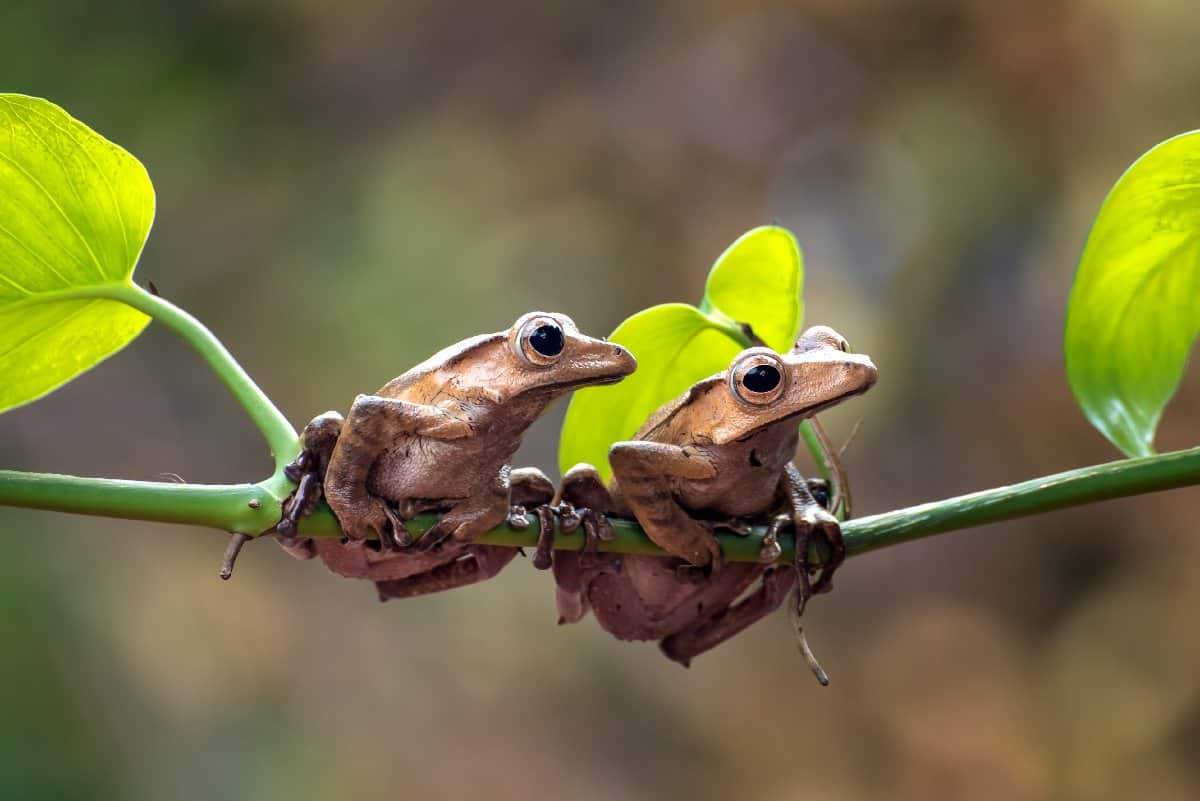
The Borneo Eared Frog (

Polypedates otilophus,

family Rhacophoridae) is endemic to Borneo but lives also in Brunei, Indonesia, and Malaysia

©iStock.com/DikkyOesin

Although there are far too many types of tree frogs to name here, a few notables include:

  • White-lipped tree frog – largest, lives in Australia and Oceana
  • Cuban tree frog – largest in Western Hemisphere, lives in Caribbean and southeastern U.S.
  • Red-eyed tree frog – flashing, bulging eyes; has remained relatively unchanged for 10 million years, lives in southern Mexico, Central America and northern South America.
  • American green tree frog – bright green, uses a variety of barking calls for communication
  • White’s tree frog (aka dumpy tree frog or Australian tree frog) – encase their bodies in caerviein to preserve moisture, live in Australia and New Guinea.
  • Gray tree frog – lives in North America
  • Little grass frog – smallest of all tree frogs, lives in cypress swamps of Virginia, Florida and Alabama.
  • Boophis (aka bright-eyed or skeleton) tree frog – the only genus in the subfamily Boophinae; lives on Madagascar and Mayotte Island.
  • Other names you might come across are the European green frog, the spring peeper, the pine barren tree frog, the Borneo eared tree frog, Cope’s gray tree frog, and the Pacific tree frog, which is the frog that makes the famous “ribbit” sound attributed to all frogs on TV and in the movies.

More detail about these frogs appears below.

Appearance
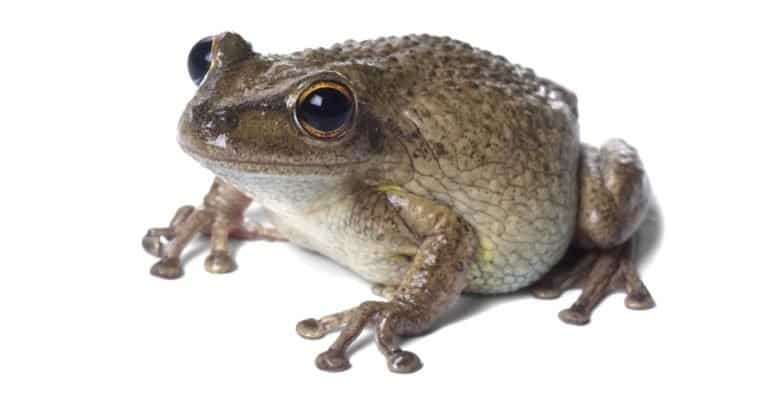
👁 Cuban Tree Frog

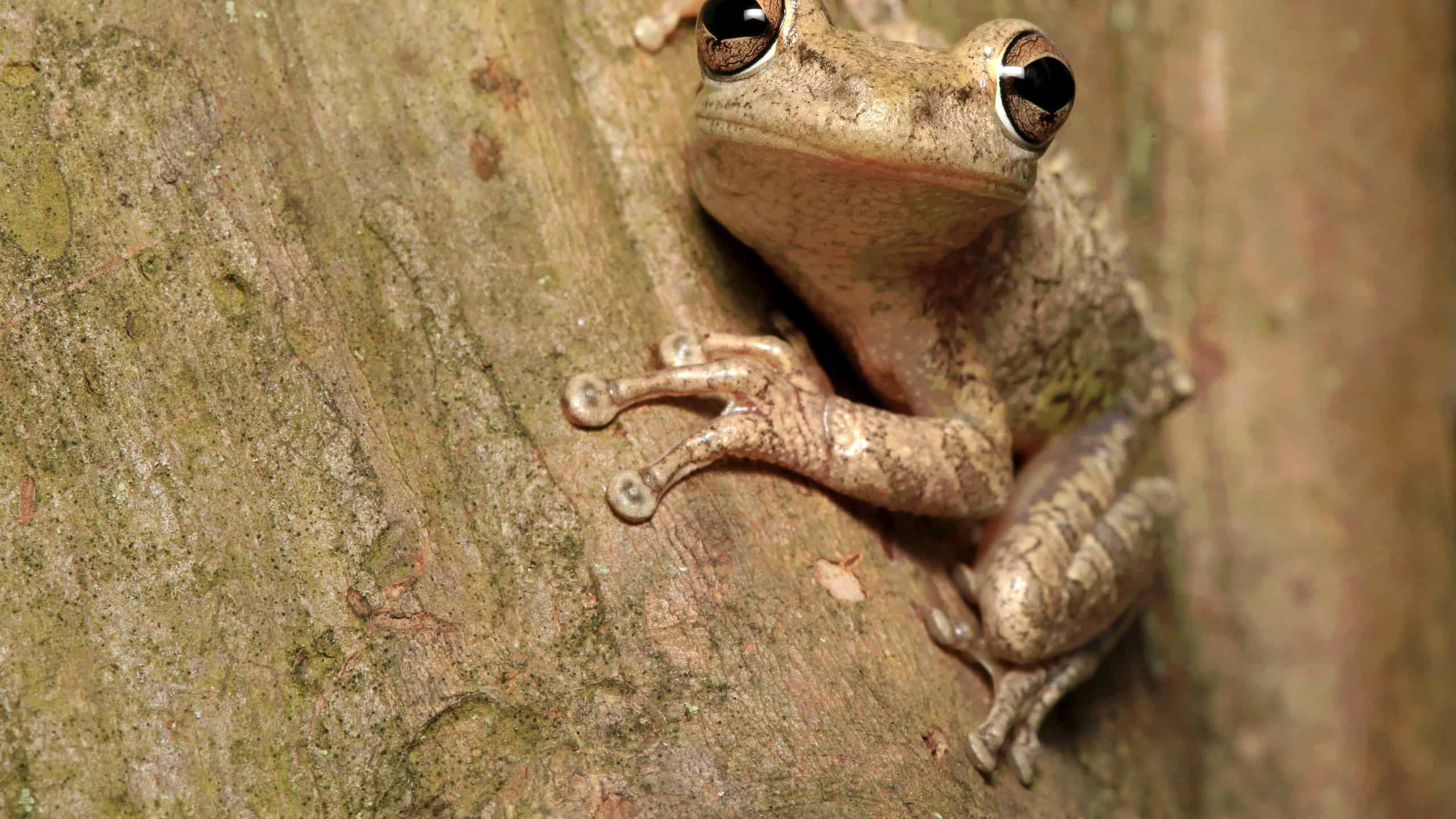
This Cuban tree frog is showing off his distinctive feet with their odd toe bones and toe pads.

©Steve Bower/Shutterstock.com

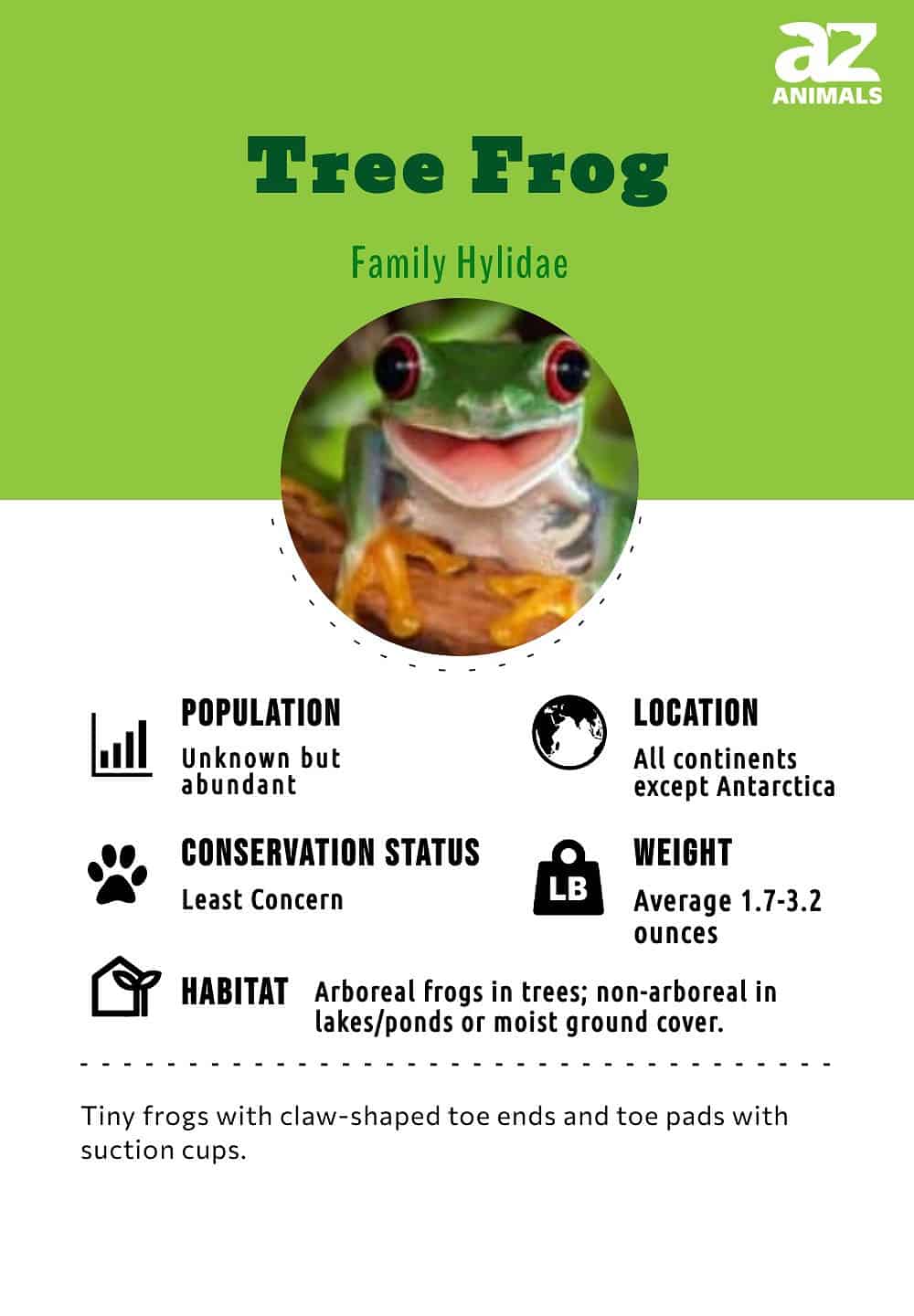
The most distinguishing feature of the tree frogs is their feet, as the last bone in their toes is claw-shaped. Toe pads with tiny suction cups and extraskeletal structures on their toes also help them climb trees. They come in a variety of colors, most commonly green, gray, or brown.

Because of the primarily arboreal habitat that finds them living on leaves and small branches, most of these frogs are small in size and typically more slender than terrestrial frogs. The smallest species are less than an inch in length.

The largest of these frogs are the white-lipped tree frog found in Australia and Oceana, ranging from four inches to 5.5 inches long. The largest species in the Western Hemisphere is the Cuban tree frog, found in the Caribbean and the southeastern United States with a length of 1.5 to five inches. It is brown and somewhat bland and dumpy in appearance.
👁 A colorful Red-Eyed Tree Frog in its tropical setting.

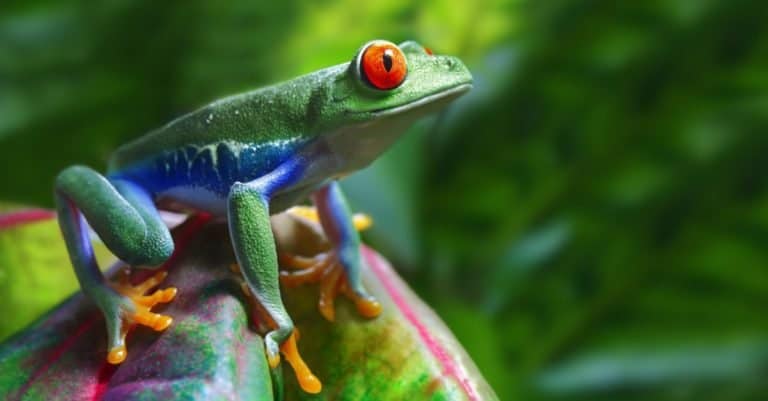
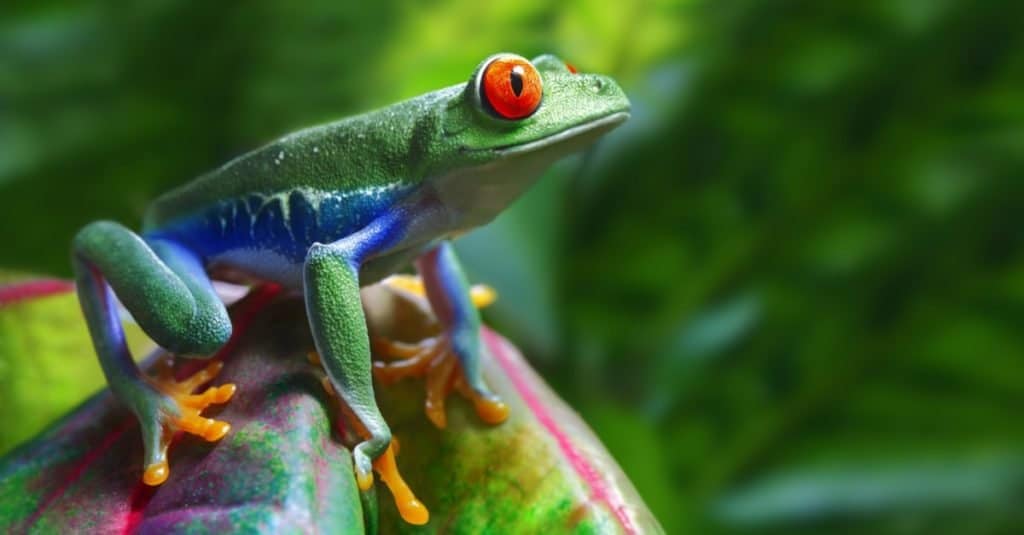
The red-eyed tree frog can flash its bulging eyes to reveal their bright body colors and startle prospective predators.

©Brandon Alms/Shutterstock.com

As one of the most striking members of the Hylidae family, red-eyed tree frogs may have developed their bright eyes, in part, so that predators may question their meal choice and go for a less intimidating prey. Another adaptation, called startle coloration, allows red-eyed tree frogs to flash their bulging eyes and reveal webbed orange feet and their bright blue-and-yellow flanks, often causing birds and snakes to stop in surprise, which gives time for the frog to flee. Their bright green color may also overstimulate predators’ eyes by creating a confusing ghost image.

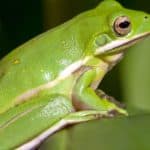
American green tree frogs are a bright green, which helps them camouflage in surrounding foliage in the wild. They have a light white or cream-colored stripe from the side of the head down to their flanks.

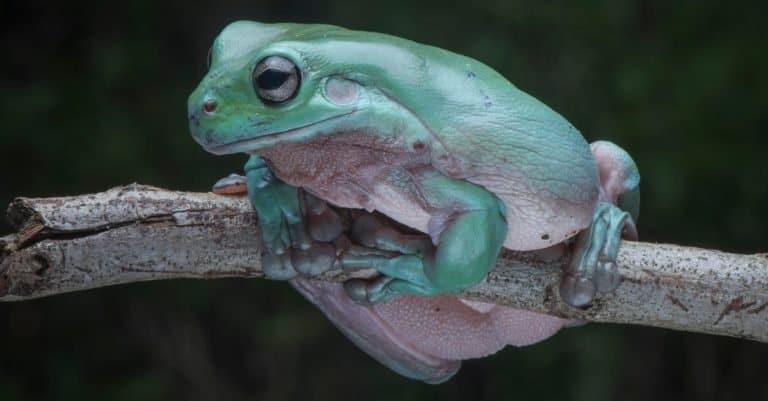
White’s tree frogs encase their bodies in a milky white coating called caerviein that helps them survive in dry areas by conserving body moisture. Scientists have used extracts from their skin for medicines that fight staphylococcus bacteria, lower blood pressure, and treat cold sores caused by the herpes virus.

Behavior

Most species are nocturnal and solitary but will gather in large groups during mating season. Many spend their days sleeping on leaves and branches. In hot summer months, White’s tree frogs often go looking for water in people’s homes. When threatened, they emit an ear-piercing scream. Green tree frogs use a variety of barking calls for communication. Adults will frequently camouflage themselves in vegetation by tucking in their legs and closing their eyes.

Habitat
👁 Cope's Gray Tree Frog

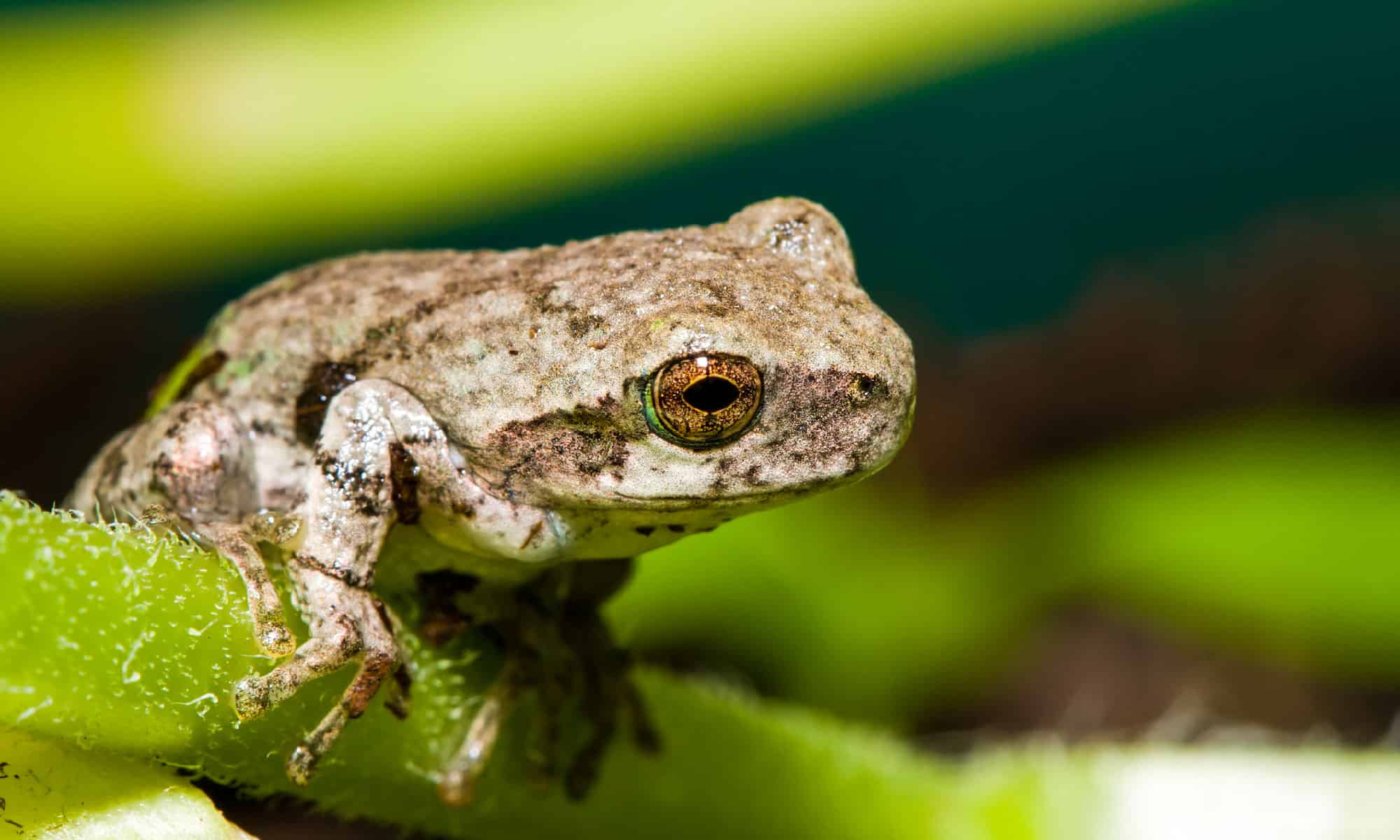
This Cope’s gray tree frog, which is almost identical to the gray tree frog, also lives in North America.

©iStock.com/Coffee999

Tree frogs live on every continent except Antarctica, with the highest concentration in Central and South America, where you will find about 600 species. About 30 species live in the warmer regions of the southeastern United States. Most, but not all, species are arboreal, which is why they have long legs and toe pads to help them climb and jump. Non-arboreal species live in lakes and ponds or among moist ground cover.

Red-eyed frogs live in tropical lowlands from southern Mexico, through Central America and into northern South America. They are nocturnal, hiding in the rain forest canopy.

An adaptable species called White’s tree frogs live in Australia and New Guinea. They prefer moist forests and typically do not live near bodies of water, collecting rainwater that collects on leaves and in cup-shaped plants and crevices. This species’ adaptability allows them to live in suburban and agricultural areas with people and is commonly found in bathrooms, water tanks, and reservoirs.

Diet
👁 Animals That Change Color- Gray Tree Frog

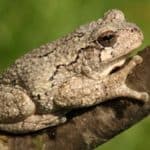
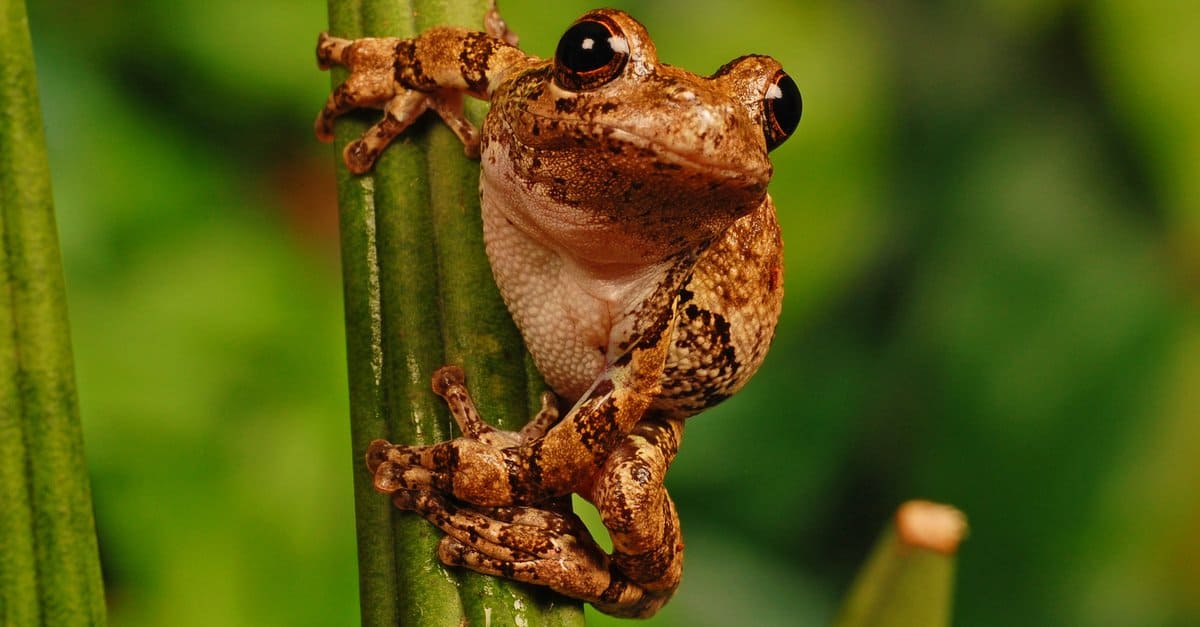
Tree bark is the most common element the gray tree frog imitates.

©Deatonphotos/Shutterstock.com

Like other amphibians, these frogs are carnivores, eating insects like crickets and flies, worms, spiders, moths, and other invertebrates. The large Cuban frog will eat anything that will fit in its mouth, including lizards, snakes, small mammals, and even other frogs. These frogs ambush their unsuspecting prey with their long, sticky tongues. For a complete list of foods tree frogs eat, check out our “What Do Tree Frogs Eat?” page.

Predators and Threats

Predators include a variety of mammals, reptiles, birds, and even some large fish, mainly due to the frog’s small size. The official conservation status of these frogs is stated as least concern, because of their wide distribution and assumed large population. Nevertheless, these frogs experience threats to their overall population, including habitat destruction by humans, pollution, climate change, and disease. Habitat destruction is a concern in Europe, although conservation efforts in several European countries have successfully rebuilt some tree frog habitats.

Reproduction, Babies, and Lifespan

The males of almost every species attract mates via barking calls, with each tree frog type having its unique call.
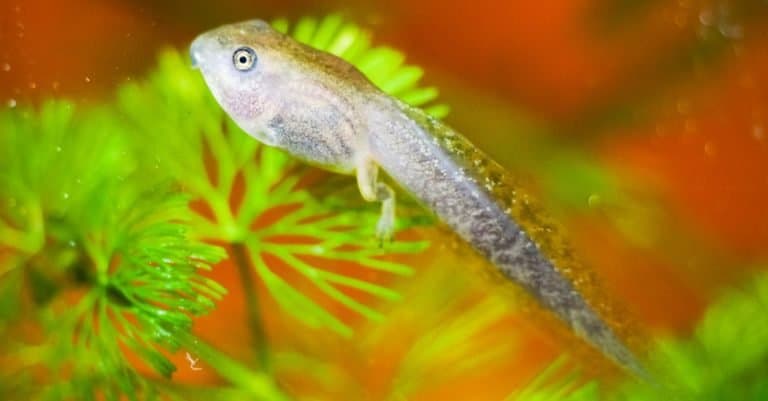
👁 Green tree frog tadpole

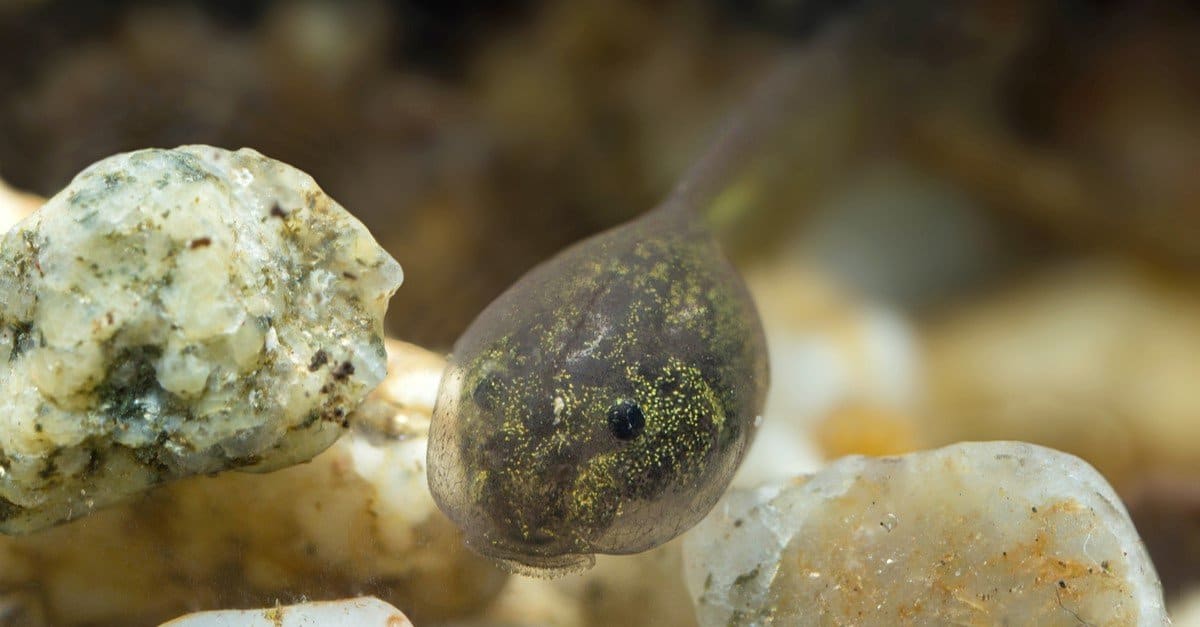
The green tree frog hatches as a tadpole that is dropped into the water to develop into an adult.

©Macrolife/Shutterstock.com

Some hatch as miniature adults, but more commonly, these frogs hatch as tadpoles that develop into adults. Females lay eggs on leaves above water, allowing hatched tadpoles to drop into the water to develop. The metamorphosis from tadpole to adult can take a few weeks to a few months.

White’s tree frogs begin to reproduce in their second year and often feast for several days before mating. Males develop a black pad on their thumbs to help grip females during mating. Clutch size varies according to species and can contain 150 to 1,000 eggs, with hatching beginning about 28 to 36 hours after laying.

Lifespan varies among species, with some living less than three years. Gray tree frogs in North America live about five years, while the Australian tree frog can live as long as 15 years in captivity. White’s tree frogs generally live about 16 years and have lived as long as 21 years in captivity.

Population

Scientists have no real estimation of the worldwide population of these frogs as they are widespread and are not endangered. However, their populations are thought to be declining as humans continue to encroach on their habitats.

In the Zoo

The Smithsonian National Zoo in Washington DC keeps red-eyed tree frogs along with White’s tree frog. Both species receive a diet of crickets, cockroaches, and worms. The best time to see these frogs in the zoo is in the early morning and late afternoon. They are primarily nocturnal creatures, so most of the time, visitors will see them sleeping on top of green leaves in their exhibit. You’ll have to look carefully, though, as these frogs tend to blend in with their environment.

View all 589 animals that start with T

Sources

  1. The National Wildlife Federation / Accessed February 11, 2021
  2. National Geographic / Accessed February 11, 2021
  3. Wikipedia / Accessed February 11, 2021
  4. The Spruce Pets / Accessed February 11, 2021
  5. Smithsonian National Zoo & Biology Research Institute / Accessed February 11, 2021
  6. UF Department of Wildlife Conservation and Ecology / Accessed February 11, 2021

Thank you for reading! Have some feedback for us?

Contact the AZ Animals editorial team

Related Articles You May Find Interesting

The Growing Black Bear Population Spreading Across New Hampshire Forests


Tree Frog FAQs (Frequently Asked Questions)

Tree Frogs are Carnivores, meaning they eat other animals.

Tree Frogs belong to the Kingdom Animalia.

Tree Frogs belong to the class Amphibia.

Tree Frogs belong to the phylum Chordata.

Tree Frogs belong to the family Hylidae.

Tree Frogs belong to the order Anura.

Tree Frogs are covered in permeable skin.

Tree Frogs live in forests, woodlands, and marshes.

Tree Frogs prey on insects, worms, small frogs.

Predators of Tree Frogs include birds, mammals, and reptiles.

Tree Frogs typically lay 50 eggs.

Tree Frogs are found in warmer jungles and forests!

Tree Frogs can live for 2 to 4 years.

A Tree Frog can travel at speeds of up to 10 miles per hour.

Every continent, except Antarctica, provides a home to tree frogs. They usually live in tropical or semi-tropical climates in forests, woodlands, and marshes with high humidity, primarily near a body of water.

Tree frogs are carnivorous creatures that eat a variety of insects, including flies, ants, crickets, beetles, and moths. However, when they are tadpoles, they primarily eat plants.

Touching a tree frog can be potentially dangerous to humans and animals because the skin of some species contains a toxin that protects the front from predators. The poison in the skin can cause swelling, nausea, and even death to smaller animals.

American tree frogs (Hyla cinerea) make good pets, but because of their mildly poisonous skin, you shouldn’t handle them with your bare hands.

First off, they need a moist, warm environment with humidity of at least 70%. When kept in captivity, tree frogs don’t need direct sunlight but merely a light source that mimics the day/night cycle. They also require a steady diet of insects or worms and a temperature between 65 degrees and 85 degrees Fahrenheit.

Tree frogs are a group of over 800 tree-dwelling frog species in the family Hylidae. Toads (or true toads) include more than 300 species belonging to the family Bufonidae. The key differences between tree frogs and toads are habitat, size, appearance, reproduction, and behavior.