W
Species Profile

Worm

Many lineages, one wormy shape
iStock.com/Ozii45

At a Glance

Wild Species
Also Known As Worms, Helminths, Parasitic worms, Roundworms, Segmented worms, Flatworms
Activity Nocturnal+
Lifespan 2 years
Weight 2 lbs
Status Not Evaluated
Did You Know?

Earthworms (annelids) breathe through moist skin, so drought can force them deeper or into dormancy.

Scientific Classification

“Worm” is an informal label for diverse, often elongate, soft-bodied invertebrates across multiple phyla. These lineages evolved worm-like shapes independently and include both free-living decomposers/predators and major groups of animal parasites.

Kingdom
Animalia

Distinguishing Features

  • Elongate, limbless body form
  • Often soft-bodied with reduced hard parts
  • Locomotion via muscles and/or cilia
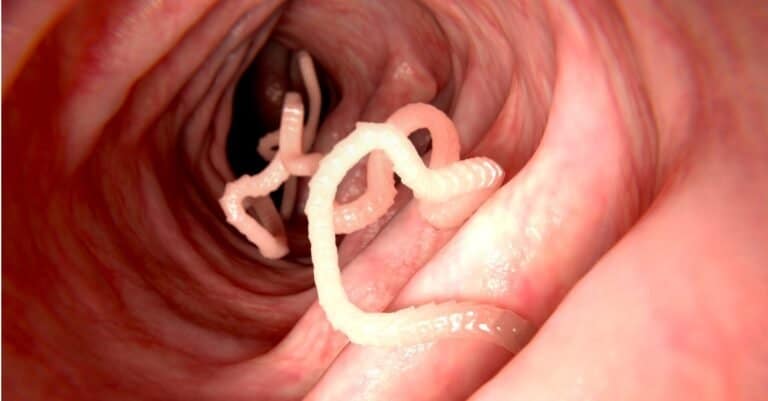
  • Many groups include parasitic species

Physical Measurements

Length
4 in (0 in – 180 ft 5 in)
Weight
0 lbs (0 lbs – 4 lbs)
Top Speed
0 mph
crawling

Appearance

Primary Colors
Secondary Colors
Skin Type Moist cuticle
Distinctive Features
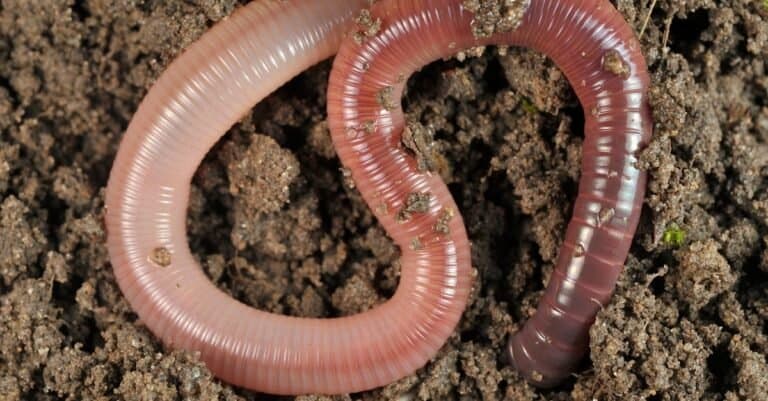
  • Elongate, cylindrical body with no distinct limbs
  • Soft, flexible body that readily contracts and extends
  • Segment-like rings or shallow annulations along the body
  • Rounded anterior end with small mouth opening
  • Surface often coated with mucus or fine debris particles

Did You Know?

Earthworms (annelids) breathe through moist skin, so drought can force them deeper or into dormancy.

Flatworms include planarians that regenerate whole bodies; some can regrow from small fragments.

Roundworms (nematodes) may be the most abundant animals on Earth, thriving in soils, oceans, and hosts.

Many marine "worms" aren't worms at all, like peanut worms or arrow worms from separate phyla.

Leeches are annelids; some species are predators, while others feed on blood using anticoagulants.

Parasitic worm infections shaped human history, influencing sanitation, cuisine practices, and modern public health campaigns.

Unique Adaptations

  • Segmented bodies in annelids provide flexible, efficient movement and allow specialized structures to repeat along the body.
  • Hydrostatic skeletons let many worm-like animals move without rigid bones, using fluid pressure and muscles.
  • Cuticles in nematodes resist drying and digestive enzymes, aiding survival in soil and inside hosts.
  • Regeneration in some flatworms relies on stem cells (neoblasts), enabling remarkable tissue replacement after injury.
  • Anticoagulant saliva in medicinal leeches keeps blood flowing, a trait adapted for feeding and useful in microsurgery.

Interesting Behaviors

  • Earthworms drag leaf litter into burrows, mixing organic matter into soil and accelerating decomposition.
  • Some bristle worms ambush prey with eversible jaws, striking quickly from crevices on reefs.
  • Leeches locate hosts by sensing heat, vibrations, and chemical cues in the water.
  • Planarian flatworms glide on cilia and mucus, steering toward food using simple eyespots.
  • Parasitic worms often time reproduction to host rhythms, releasing eggs or larvae when transmission is likeliest.

Cultural Significance

Worms symbolize transformation and renewal in agriculture and composting, while parasitic "worms" shaped hygiene laws and medicine. Vermiculture, fishing bait, and leech therapy link worms to livelihoods and healing.

Myths & Legends

The Lambton Worm legend (northeast England) tells of a monstrous "worm" that terrorized villages until slain by John Lambton.

The Worm of Linton (Scottish Borders) is a tale of a gigantic worm defeated by a local laird, celebrated in regional lore.

The Sockburn Worm (County Durham) recounts a knight killing a fearsome worm; the story ties to the ceremonial "Sockburn Sword."

In Old English and Norse-influenced traditions, "wyrm" meant serpent or dragon, blending worm imagery with guarding monsters in folklore.

In Norse mythology, the Midgard Serpent (Jormungand), the world-encircling serpent, is sometimes rendered a "worm" in older translations, embodying cosmic threat and fate.

Conservation Status

NE Not Evaluated (informal group: "worms" spans many unrelated taxa)

Has not yet been evaluated against the criteria.

Population Unknown

Life Cycle

Birth 2 youngs
Lifespan 2 years

Lifespan

In the Wild 0.01–30 years
In Captivity 0.01–10 years

Reproduction

Mating System Data Deficient
Social Structure Solitary
Breeding Season Varies widely by taxon and habitat
Breeding Pattern Transient
Fertilization Internal Fertilization
Birth Type Internal_fertilization

Because "worm" spans many unrelated invertebrate groups, mating systems vary widely, including separate sexes and hermaphroditism. Fertilization may be internal or external depending on the group, and parental care is uncommon.

Behavior & Ecology

Social Aggregation Group: 1
Activity Nocturnal, Crepuscular, Cathemeral
Diet Detritivore Decaying leaves
Seasonal Hibernates

Temperament

Evasive
Nonconfrontational
Opportunistic
Predatory
Parasitic

Communication

pheromone cues
mucus trail cues
tactile contact
substrate vibrations
chemical host cues
light-synchronized spawning

Habitat

Biomes:
Tropical Rainforest Tropical Dry Forest Savanna Desert Hot Desert Cold Mediterranean Temperate Grassland Temperate Forest Temperate Rainforest Boreal Forest (Taiga) Tundra Alpine Freshwater Marine Wetland +9
Elevation: -433071 in – 19685 ft 1 in

Ecological Role

Soil decomposer and ecosystem engineer

nutrient cycling soil aeration soil mixing organic matter breakdown soil structure formation

Diet Details

Other Foods:
Decaying leaf litter Partially decomposed plant material Organic-rich soil humus Fungi (mycelium and spores) Bacteria and biofilms

Human Interaction

Domestication Status

Wild

Most "worms" are wild, but some lineages (especially earthworms) have been intentionally cultured since the 20th century worldwide for vermicomposting, soil improvement, bait production, and laboratory use; others remain unmanaged or are controlled as pests/parasites.

Danger Level

Moderate
  • Parasitic infection via food/water
  • Skin irritation from bristles
  • Bites/bleeding from leeches
  • Allergic reactions handling cultures
  • Secondary infection from wounds

As a Pet

Not Suitable as Pet

Legality: Usually unregulated; some species restricted as invasives.

Care Level: Moderate

Purchase Cost: Up to $50
Lifetime Cost: $20 - $300

Economic Value

Uses:
Agriculture Research Medicine Tourism Fishing
Products:
  • compost
  • bait
  • drugs
  • biomass

Relationships

Predators 6

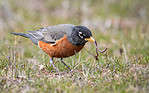
American robin Turdus migratorius
European mole Talpa europaea
Common shrew Sorex araneus
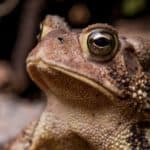
American toad Anaxyrus americanus
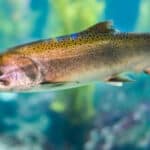
Rainbow trout Oncorhynchus mykiss
Common black ground beetle Pterostichus melanarius

Related Species 6

Common earthworm Lumbricus terrestris Shared Genus
Red wiggler compost worm Eisenia fetida Shared Family
Ragworm (sandworm) Hediste diversicolor Shared Family
Giant roundworm Ascaris lumbricoides Shared Genus
Pork tapeworm Taenia solium Shared Genus
Brown planarian Dugesia tigrina Shared Genus

Ecological Equivalents 5

Animals that fill a similar ecological role in their ecosystem

Slugs Deroceras reticulatum Moist-soil detritivore; hides in leaf litter and burrows.
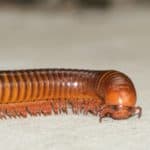
Millipedes Narceus americanus Leaf-litter decomposer; long-bodied and slow-moving like worms.
Woodlice (pillbugs) Armadillidium vulgare Soil-surface detritivore; overlaps with worm microhabitats.
Sea cucumbers Holothuria atra Seafloor deposit-feeder; processes sediment similarly to marine worms.
Maggots (fly larvae) Calliphora vicina Soft-bodied decomposers; often mistaken for true worms.

Worms are one of the largest groups of invasive species in the world.
With over one million species, the bilateral symmetry of their elongated bodies makes them easy to identify. They can live on land and in the sea, moving along any surface with a slimy substance that comes from their skin. Worms are hermaphrodites, but they need a partner to reproduce.

Though the worm may seem harmless, many species have ways to hurt their predators with stinging or the release of poison.

5 Incredible Worm Facts!

  • Ringworm is a misleading phrase because it isn’t actually a species. Instead, ringworm is a type of fungal infection in the skin. Left untreated, ringworm can be quite painful.
  • A hammerhead worm eats other earthworms, and there is no known lifespan for it.
  • The Alaskan bull worm on Nickelodeon’s SpongeBob Square-Pants is not a real species. While a bull worm is real, the Alaskan bull worm on the show is based on a mythical creature. No worm as large as the Alaskan bull worm is depicted.
  • Earthworms exist as an invasive species around the world.
  • Worms do not have eyes. Instead, they have receptors that tell them if their surroundings are dark or light to indicate if they are underground.

Scientific Name
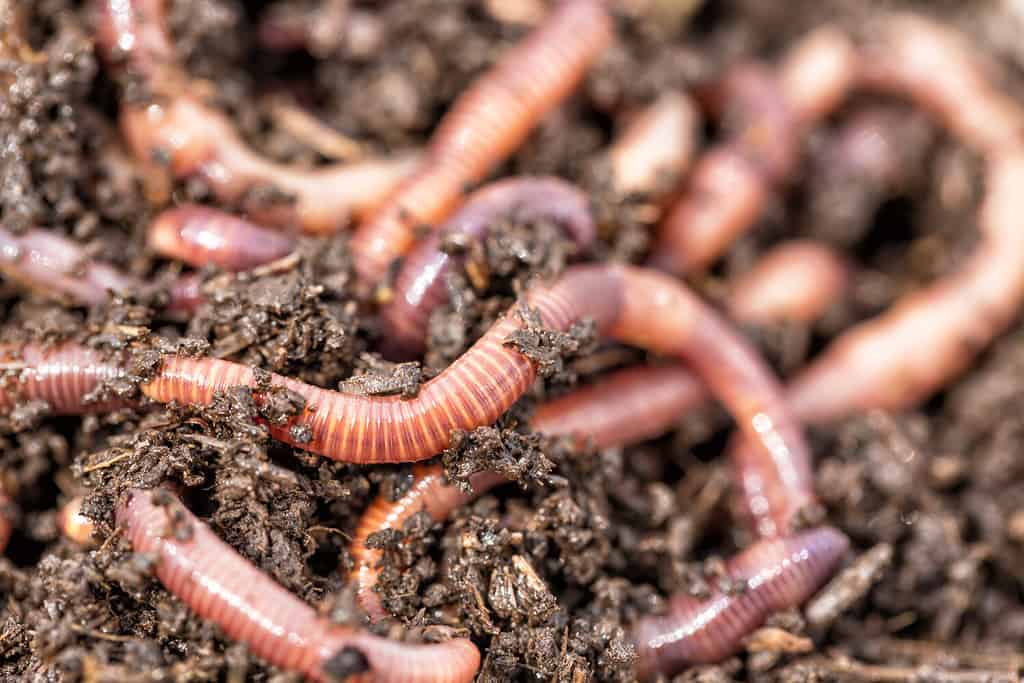
👁 Macro shot of red worms Dendrobena in manure, earthworm live bait for fishing

Typically the word “worm” is used to refer to the earthworm.

©Nick N A/Shutterstock.com

The scientific name of the worm is “Annelida,” belonging to 16 different families under the Clitellata class. Typically, the word “worm” is used to refer to the earthworm, but even that word includes millions of types of animals. With over 1 million species of worms that each have their own types of habitats, the 16 families that earthworms and other species typically fall under include:

  • Acanthodrilidae
  • Ailoscolidae
  • Alluroididae
  • Almidae
  • Criodrilidae
  • Eudrilidae
  • Exxidae
  • Glossoscolecidae
  • Hormogastridae
  • Lumbricidae
  • Lutodrilidae
  • Megascolecidae
  • Microchaetidae
  • Ocnerodrilidae
  • Octochaetidae
  • Sparganophilidae

The word “Annelida” comes from a modern Latin term in French – “annelés.” The Old French word “anel” means “a ring,” which comes from the Latin word anellus.

There are too many species to list, but here is just a small sample of the different types of worms:

Appearance

👁 Earthworm, Worm, Dirt, Garden, Mud

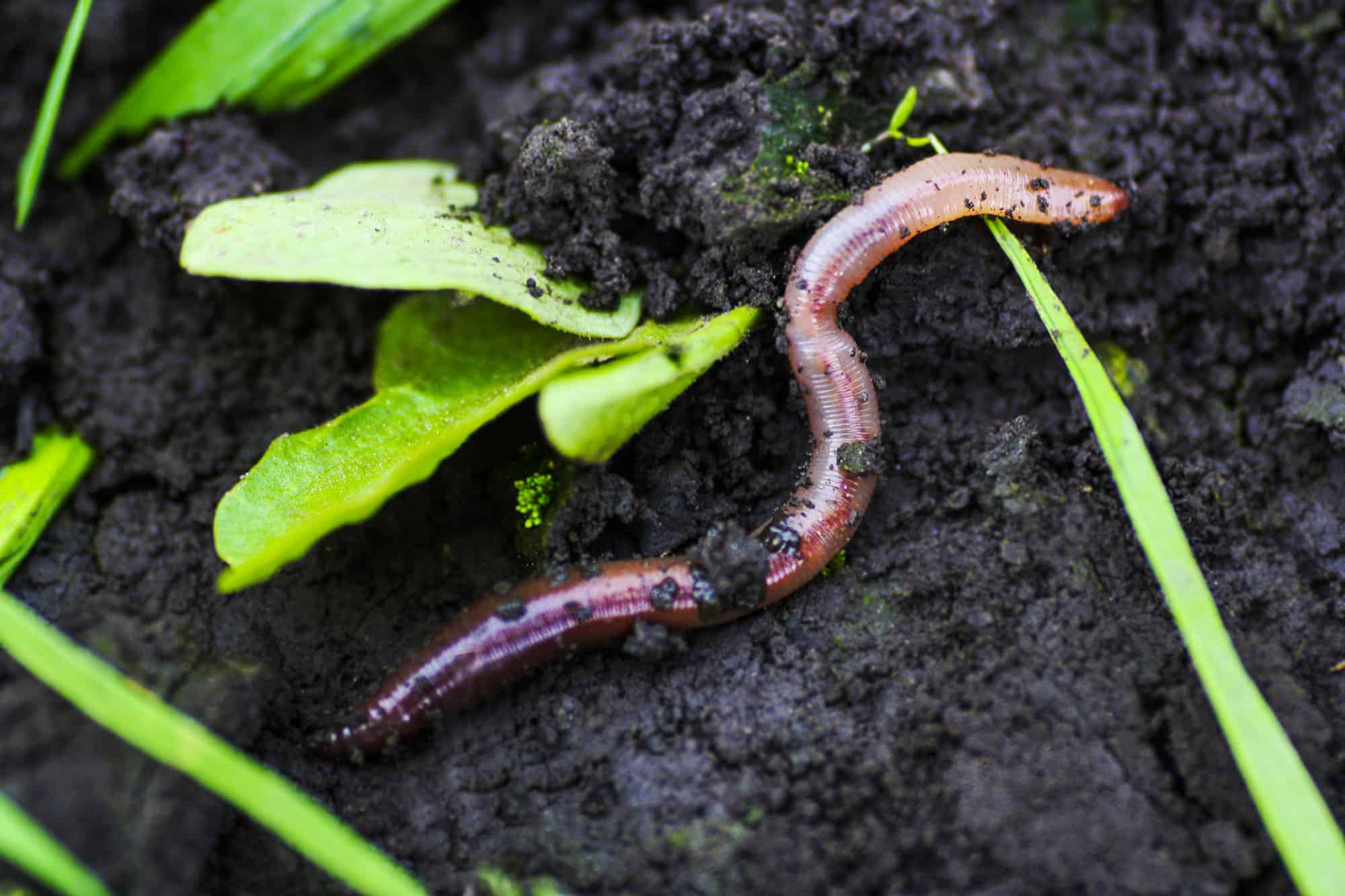
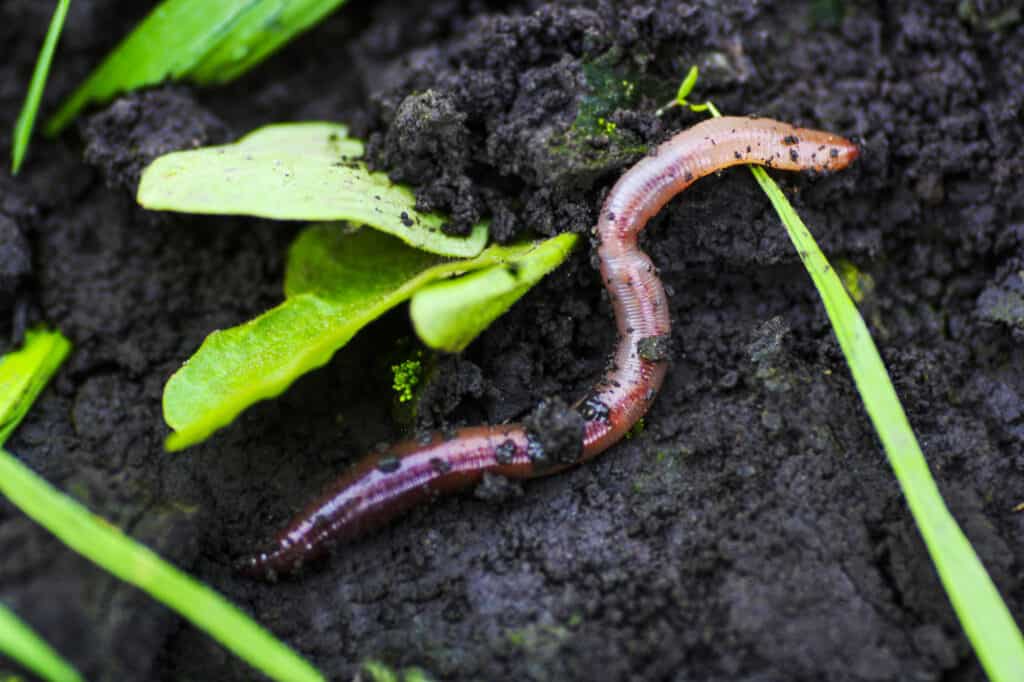
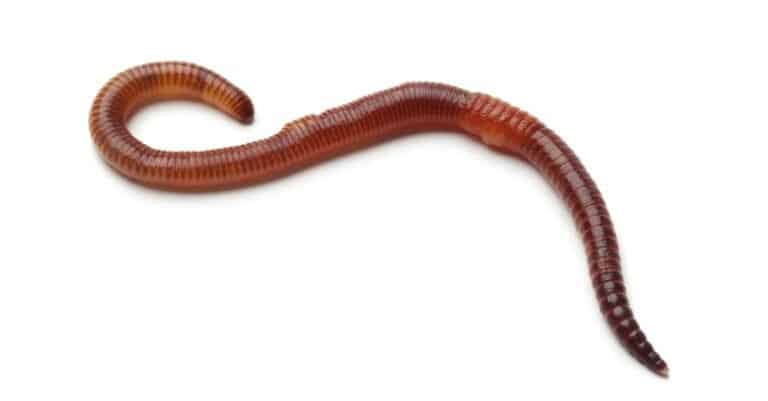
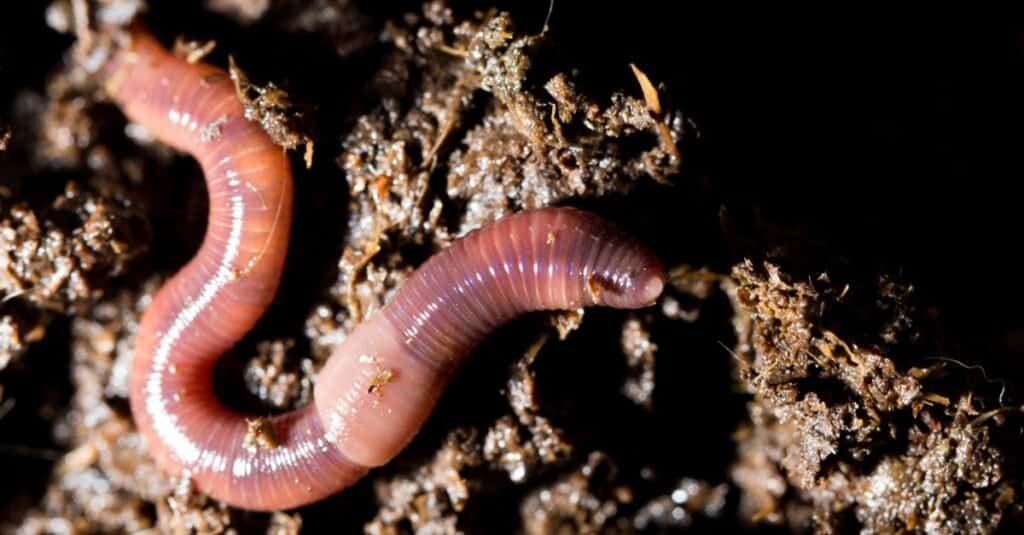
Most often, you’ll find earthworms with gray, pink, white, or reddish-brown skin to blend easily with the soil of their habitat.

©iStock.com/Ozii45

Due to the millions of species around the world, you would think that the worm has quite a broad range of colors or physical differences, but it doesn’t. Generally, worms have no internal or external skeleton, moving around with the muscles of their tube-like body. They come in many shapes, though some resemble a flat cylinder or a leaf without any other appendages.

They are rather easy to identify. The earthworm covers many types of worms, but they generally lack bold coloration. Most often, you’ll find them with gray, pink, white, or reddish-brown skin to blend easily with the soil of their habitat. Some species of earthworms are so translucent that you can see their red blood through the skin.

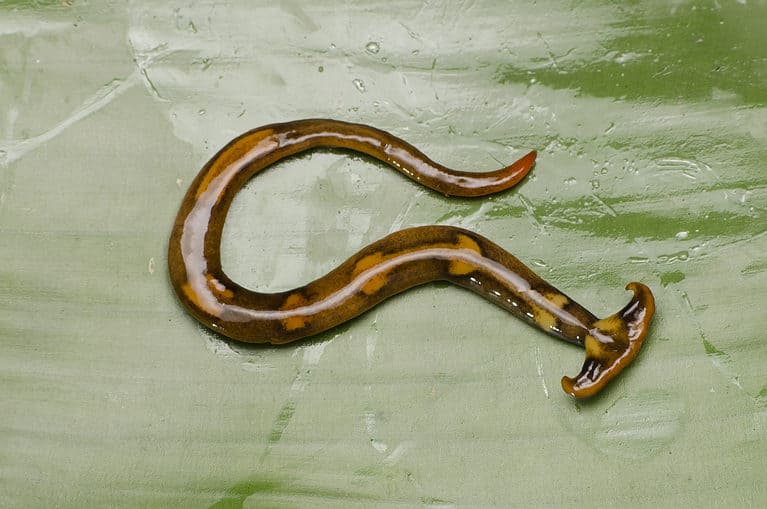
To get around, the worm’s skin produces mucus which is why smooth and slimy to make movement easy. Their body is primarily made of a brain with a nerve cord attached internally with a skin-like texture externally. Many types of worms have no obvious defenses against predators, putting them rather low on the food chain. The hammerhead worm, however, is a flatworm with its own poison, notable by its wide head (much like a hammerhead shark).

Most of these animals are only a few inches long, though the longest species is called the bootlace worm. It stretches up to 180 feet long, and it is one of the longest animals in the entire world. However, it is not the largest. All worms have bilateral symmetry. Bilateral symmetry means that the right and left sides of the invertebrate are identical mirror images.

Behavior
👁 Fear of Animals: Helminthophobia/Scoleciphobia

In one acre of land, there can be more than a million earthworms.

©schankz/Shutterstock.com

Like cattle or even many species of fish, the earthworm generally is part of a larger group called a herd, according to scientific research. With touch, they are able to communicate and make decisions as part of a group. They’ll decide where they want to travel collectively, using taste and sense vibrations in the soil to send messages to each other.

Generally, worms tend to stay buried underground to hide from predators. Some species – like the jumping worm – will bite when disturbed. The jumping worm is known by many names, like the Georgia jumper, crazy worm, and snake worm. Most earthworms stay in the soil to avoid any interaction, but the jumping worm is quite violent if provoked.

Habitat
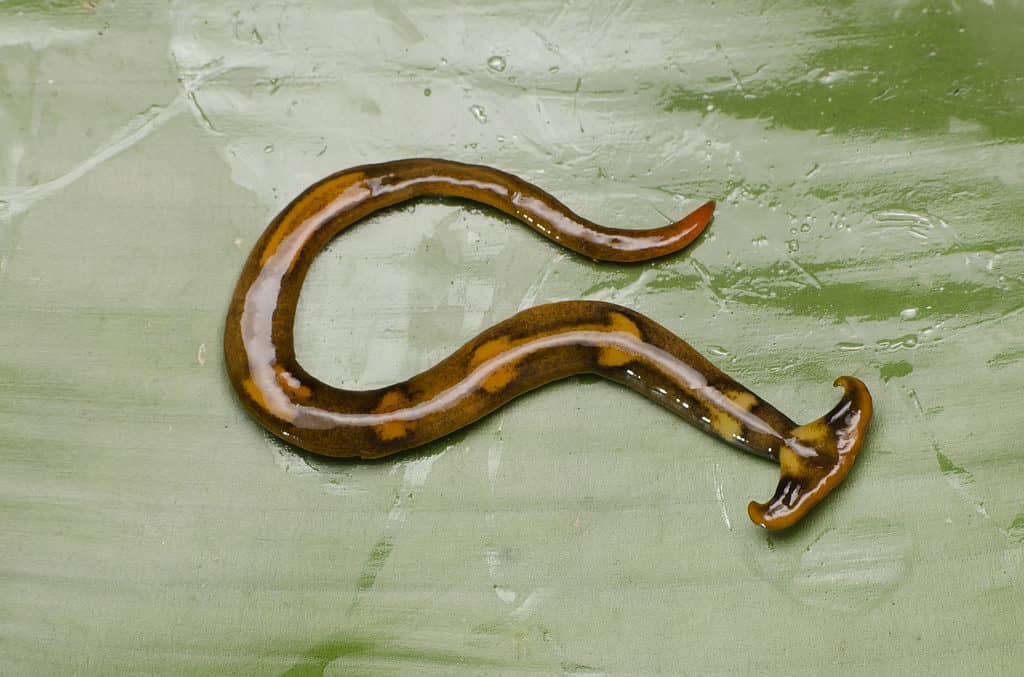
👁 Hammerhead Worm

Classrooms used to dissect hammerhead worms in Louisiana due to their abundance.

©zaidi razak/Shutterstock.com

Due to the worldwide distribution of worms, the main place to find the earthworm is in moist soil and areas with dead plant material. Most commonly, the earthworm is found in forests with a lot of rain, but their habitat varies. The only real necessity for any type of earthworm habitat is moist soil. As the invasive species that many worms are, they live on land and in the sea, which is part of the reason that they have so many predators. You can create a worm habitat at home within a tank or a garden.

Rather than migrating from one region of a continent to another, worms migrate deeper into the earth to avoid being struck by frostbite in the fall. To maintain moisture within the herd, as many as 100 worms will bond together until the cold season has passed. Some species will go as little as 5-10 meters to migrate, while others go much further.

Predators & Threats
👁 What Do Robins Eat
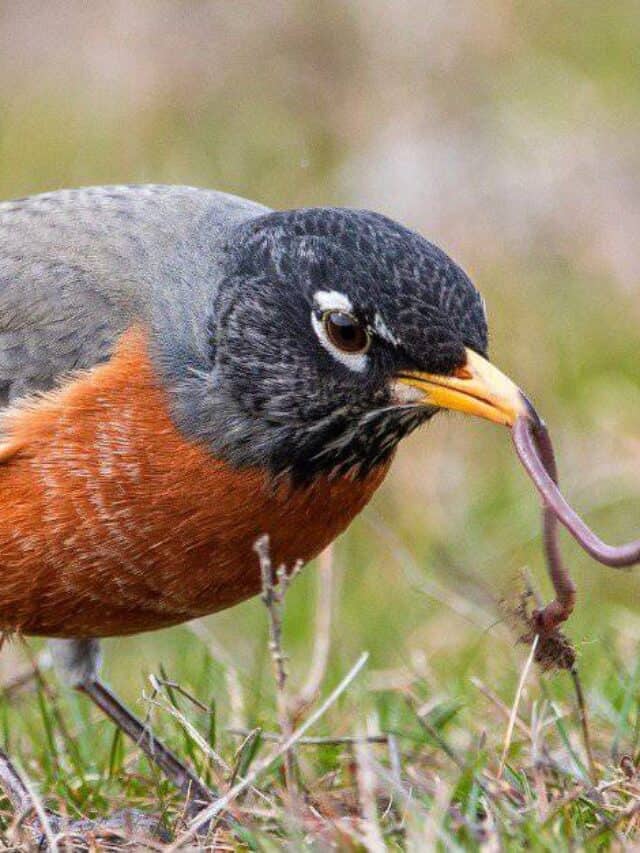
Worms are threatened by nearly any species of predator that eats invertebrates as a typical part of their diet, including birds.

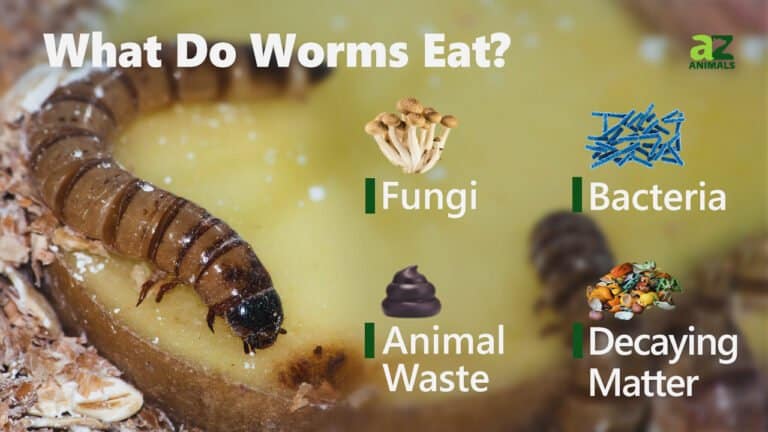
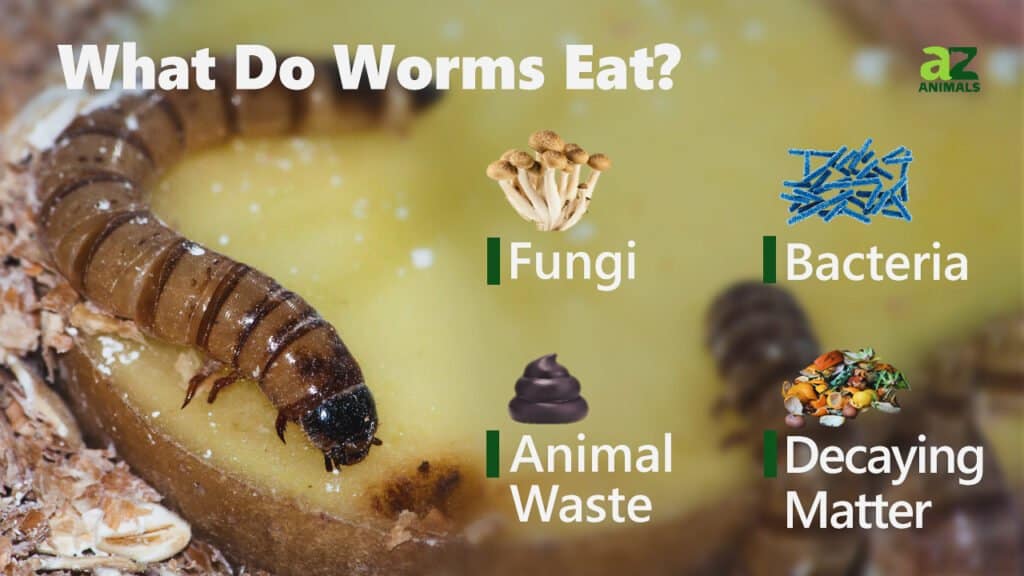
Much of the diet of a worm is comprised of things that they can find in the soil around them, like roots or leaves. They also consume the manure of other animals in the soil to provide them with the necessary nutrients to grow. Rather than maintaining an entirely herbivorous diet, many worm species also consume living organisms like fungi and bacteria. They’ll also consume decomposed animals, though the hammerhead worm is a distinct exception.

Worms are threatened by nearly any species of predator that eats invertebrates as a typical part of their diet. Some earthworms are a threat to other worm species, like the hammerhead worm. The hammerhead worm has no problem consuming other earthworms, maintaining a carnivorous diet, and is just as toxic as consuming an improperly cooked pufferfish.

Predators don’t need much effort to attack an earthworm. If the animal can dig enough to find an earthworm, as long as they don’t have their own poison, they are easy to consume. Some species are even prepared as a delicacy for humans.

At this point, no conservation efforts are necessary to maintain the population.

What Eats Worms?

Since the worm is an invertebrate, it is easily consumed by thousands (if not millions) of different types of animals. Some animals that eat worms include birds, bats, beetles, wasps, amphibians, salamanders, toads, skunks, and moles.
Worms are such a good source of enticing nutrients that they are even used by humans to catch fish and other animals.
👁 Image

What Do Worms Eat?

The majority of a worm’s diet consists of what they can find in the soil. They aren’t particular to any animal that has perished.

Reproduction, Babies, and Lifespan
👁 earthworm in dirt in someones hands

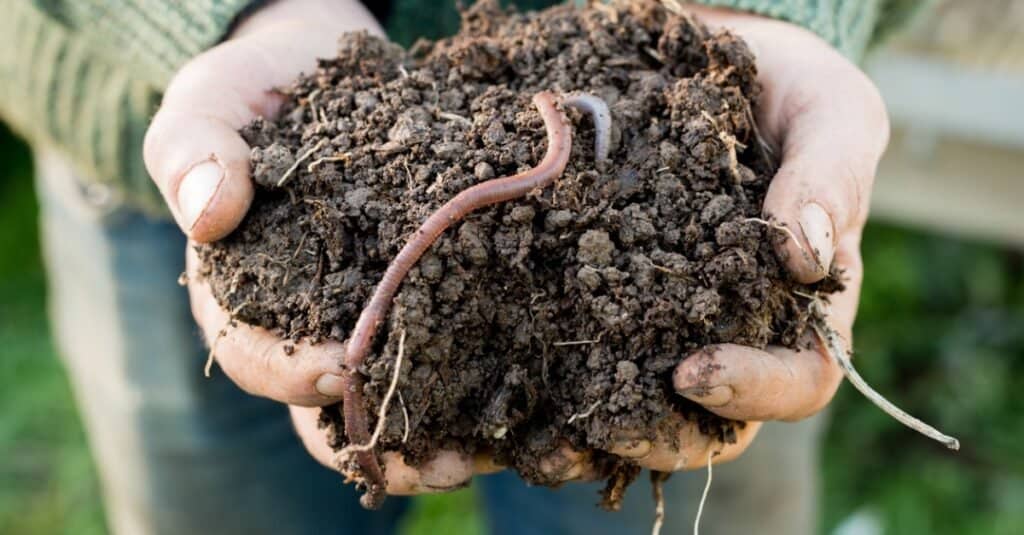
When they are born, worms immediately burrow into the soil after hatching.

©iStock.com/PhotographyFirm

To mate, worms line up against each other on their sides, touching their tail to the head of the other worm. The males excrete sperm packets, and the females store the packets in their female pores. Gestation takes 2-4 weeks, laying up to 20 eggs in a cocoon. Worms are hermaphrodites, but they require a partner to reproduce.

Baby worms are called hatchlings. When they are born, they immediately burrow into the soil after hatching. They do not stay with the parent for any length of time.

The average lifespan of a worm is 4-8 years old. However, due to their status at the bottom of the food chain, very few worms live to old age.

Worm Population
👁 Common Earthworm Nightcrawler (Lumbricus Terrestris)
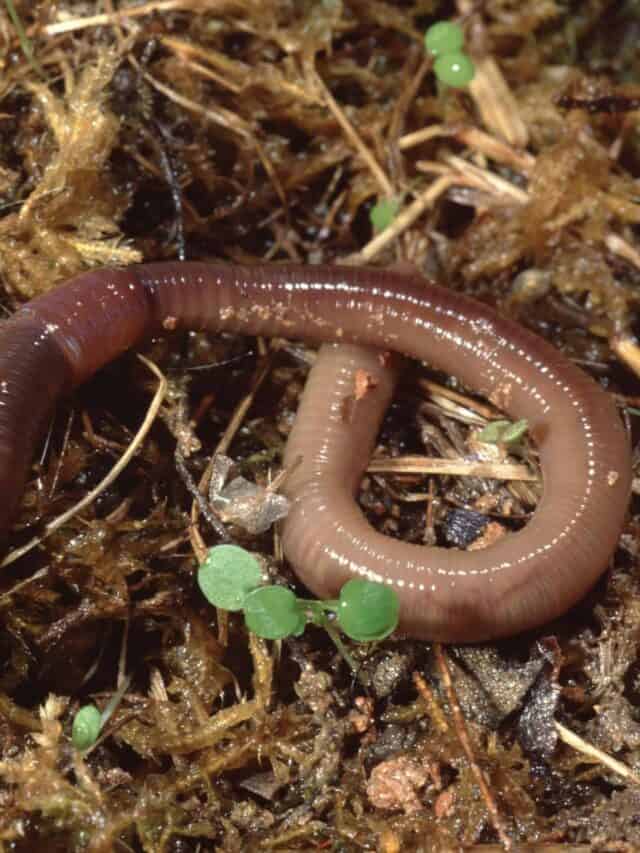
The Earthworm Nightcrawler is just one of 1 million species of worms.

In the entire world, there are approximately 57 million worms, and the number continues to grow with over 1 million different species. Though some species can be particularly helpful in gardens and other areas with a lot of moist soil, they are invasive species. No conservation efforts are currently being made on behalf of worms.

Origin and Evolution
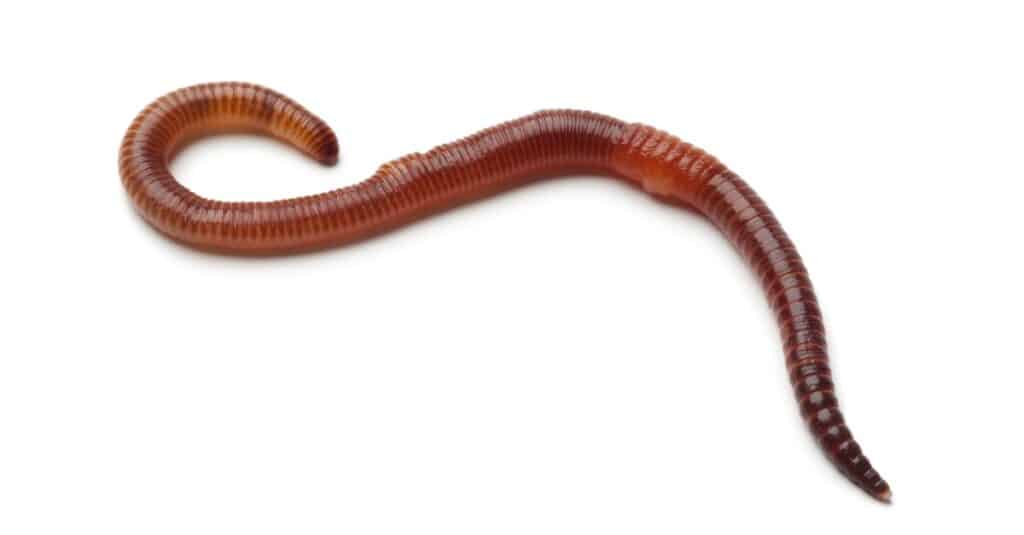
👁 Earth worm isolated on a white background.

The origin of today’s earthworms is from the general area of Europe.

©Picture Partners/Shutterstock.com

Though worms might have existed millions of years ago, experts believe native worm species were wiped out when glaciers covered the earth. The origin of today’s earthworms is from the general area of Europe. They traveled in the rootstocks of plants that were taken on voyages.

In the 13th century, worms were actually recognized in Europe as part of the category of reptiles that consisted of a miscellany of egg-laying creatures, which were labeled by Vincent of Beauvais in his Mirror of Nature. These days, the outdated term worm is applied to various other living forms such as larvae, insects, centipedes, and even some vertebrates. 

View all 405 animals that start with W

Sources

  1. Fact Monster / Accessed December 21, 2021
  2. Sciencing / Accessed December 21, 2021
  3. Guinness World Records / Accessed December 21, 2021
  4. Earth News / Accessed December 21, 2021
  5. University of Michigan Medicine / Accessed December 21, 2021
  6. Thought Co / Accessed December 21, 2021
  7. Fandom / Accessed December 21, 2021
  8. Biokids / Accessed December 21, 2021
  9. Nacdnet / Accessed December 21, 2021
  10. Pets on Mom / Accessed December 21, 2021
  11. Woodland Trust / Accessed December 21, 2021

About the Author

Bethany McKay

Bethany is a professional copywriter and editor, working with newspapers, small businesses, Fortune 500 companies, and everything in-between. She graduated from Penn State University with degrees in journalism and international studies. She loves her cat, Maggie, and has had numerous pets over the years, including guinea pigs, hermit crabs, fish, and a red-eared slider turtle. She lives among farmlands in southcentral PA and enjoys gardening, cooking, reading, and sewing.
Connect:

Thank you for reading! Have some feedback for us?

Contact the AZ Animals editorial team

Related Articles You May Find Interesting


Worm FAQs (Frequently Asked Questions)

A worm includes any invertebrate animal that has a long body with no appendages. They cover over 1 million different types of invertebrates, and they are considered invasive species. They are divided into three groups, which include the flatworm, the roundworm, and the segmented worm. With bilateral symmetry, their body is perfectly proportioned on both sides.

Worms are animals.

Yes, you can eat worms. However, there’s a chance that this animal can carry parasites, so it is best to cook them before eating. Maggots can grow and cause bacterial poisoning.

Yes, some types of worms can cause infections, but the majority of these infections aren’t serious. Human-made medicine should be enough to handle it.

Some types of worms have some way of biting. Predominantly, the pain comes from a sting, rather than an actual bite.

Over one million species of worms exist naturally today.

For the most part, worms maintain an herbivorous diet, allowing them to live in gardens and other habitats with a lot of plant life. However, they will also consume dead animals when the opportunity arises.

Worms have five hearts.

Pinworms are an intestinal infection. They are dangerous because they cause some symptoms.

Wax worms eat the pollen, beeswax, shed bee skins, and cocoons found in honeycomb.