
There’s now
more to JSTOR
We’re a mission-driven nonprofit increasing access to knowledge, so people can improve their lives through learning.
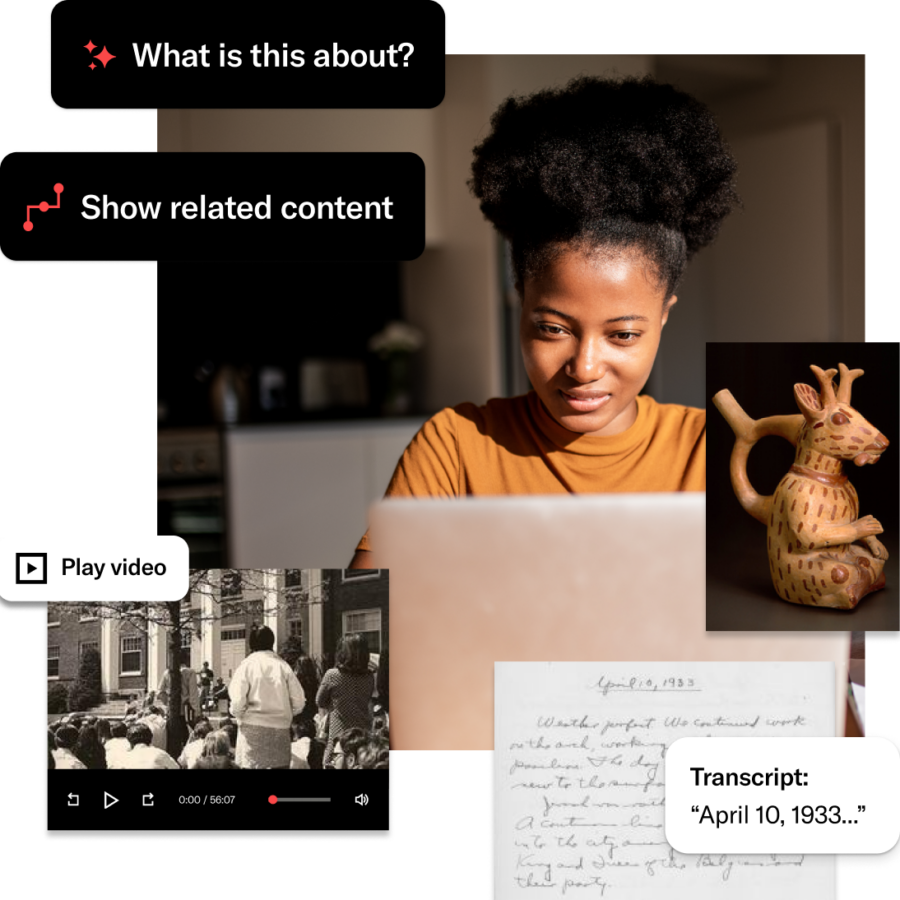
Explore everything JSTOR
has to offer
Built with and for our community
Over 30+ years, JSTOR has brought together 14,000+ institutions, 1,850+ publishers, and millions of users to create solutions that reduce costs, extend access, and preserve scholarship.
Discover JSTOR for:
Transform your teaching with JSTOR
Bring scholarship to life with easy access to journals, books, primary sources, and multimedia content, all on one platform. JSTOR helps you engage students, build research skills, and design adaptable assignments with diverse, interdisciplinary resources.

The latest from JSTOR
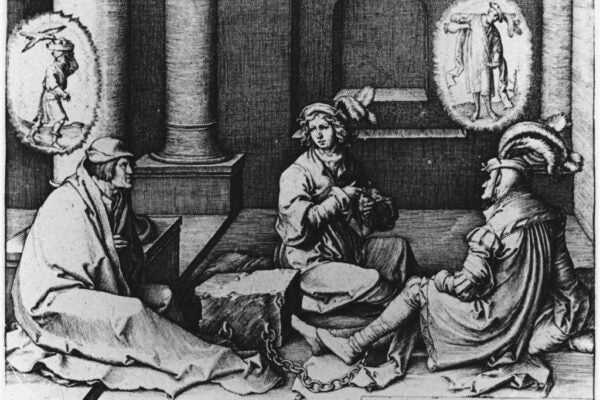
Leaders and Followers
An acting workshop becomes a lesson in trust, responsibility, and shared experience. Reflecting on moments of leading and following, William Davenport considers what it means to guide others, to rely on them, and to recognize that both roles are essential to how we learn and grow.

Star Dog by Jeremy Moss
This post introduces Star Dog by Jeremy Moss, the first published piece from an Unbound Authors student, a program supporting incarcerated writers across Colorado. Moss’s story follows a stray dog bearing witness to a man’s final moments, offering a quiet reflection on presence, dignity, and what it means not to be forgotten.

Welcome to Fair Opportunity Month: Centering the voices of people inside
JSTOR Access in Prison introduces Fair Opportunity Month, a reimagining of Second Chance Month that centers the voices and intellectual work of people inside. This year’s theme, We Learn Together, highlights writing, research, and creative work that challenges assumptions about who gets to participate in knowledge-making.

Like It or Not, AI Has Arrived in Archives. Now Is the Time for Archivists to Take the Reins.
A new perspective on responsible AI in libraries, exploring how institutions can adopt emerging technologies while maintaining trust, transparency, and scholarly values.
What’s new in JSTOR Stewardship: March 2026
JSTOR Digital Stewardship Services welcomes new institutions and shares recent collection highlights now available on JSTOR. This update features examples of AI-assisted description, expanded open access materials, and ongoing efforts to support responsible digital collections management.

Parallel paths to innovation: How user research and engineering collaboration shape JSTOR Seeklight
At ITHAKA, innovation happens when user research and engineering exploration move in parallel. This behind-the-scenes look at JSTOR Seeklight shows how collaboration with archivists and technologists shaped an AI-driven tool designed to accelerate collections processing while keeping human expertise at the center.
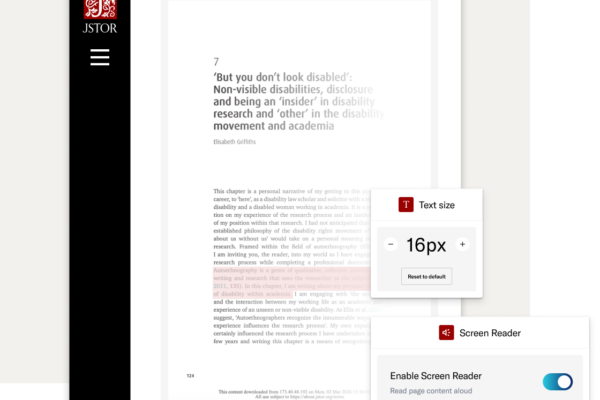
What we’re hearing from accessibility leaders across higher education
Ahead of updated ADA Title II requirements, we spoke with accessibility leaders at seven public universities about what sustainable progress really looks like. Their focus: prioritization, transparency from providers, and scalable, human-centered solutions that build accessibility into systems.

JSTOR upholds 100% ASPIRE Gold rating for accessibility statement
JSTOR has upheld a Gold 100% ASPIRE rating for its accessibility statement, recognized for clarity, transparency, and meaningful investment in user-centered access.
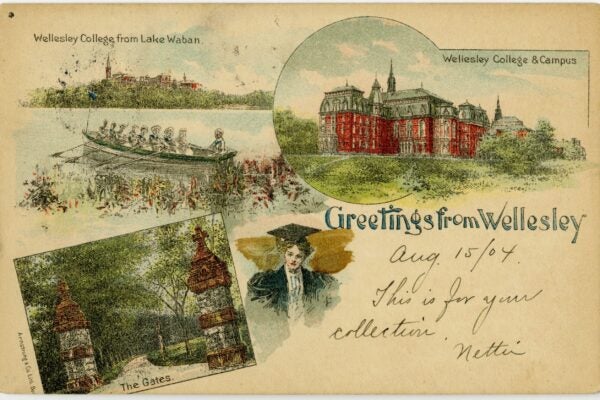
Wellesley College deepens engagement with JSTOR Digital Stewardship Services, joins Tier 3 charter program
Wellesley College becomes the fifth Oberlin Group and second Boston Library Consortium institution to join JSTOR’s Tier 3 charter program, advancing responsible, AI-assisted collections stewardship with JSTOR Seeklight.
Sign up for updates
Never miss a thing. Get updates from JSTOR delivered straight to your inbox.
By signing up you agree to our Privacy Policy. You may unsubscribe at any time by clicking on the provided link on any marketing message.
"*" indicates required fields