|
VOOZH | about |
|
VOOZH | about |
In 1984, Apple launched the Macintosh, a user-friendly computer featuring a graphical interface, icons, and a mouse—revolutionizing mass-market computing. Its accessible design made it a cult favorite and set the stage for Apple’s commitment to elegant design, brilliant marketing, and advanced engineering—values that endure four decades later.
To celebrate the Mac’s 40th birthday, CHM curated a special mini pop-up of Macintosh artifacts from both our vast collection and on loan from Apple alum, including rare prototypes and unique memorabilia.
Check out the featured artifacts below.
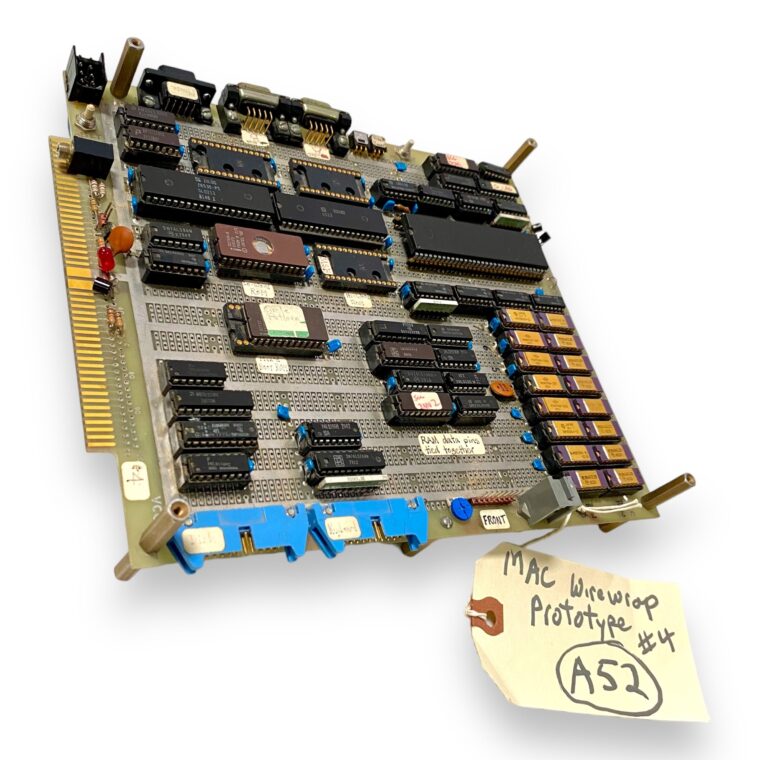
The evolution of Macintosh hardware began with wire-wrap prototypes built in the early 1980s by Apple employees Dan Kottke and Brian Howard. As the design changed throughout the development process, new versions were made. Shown below is Prototype #4.
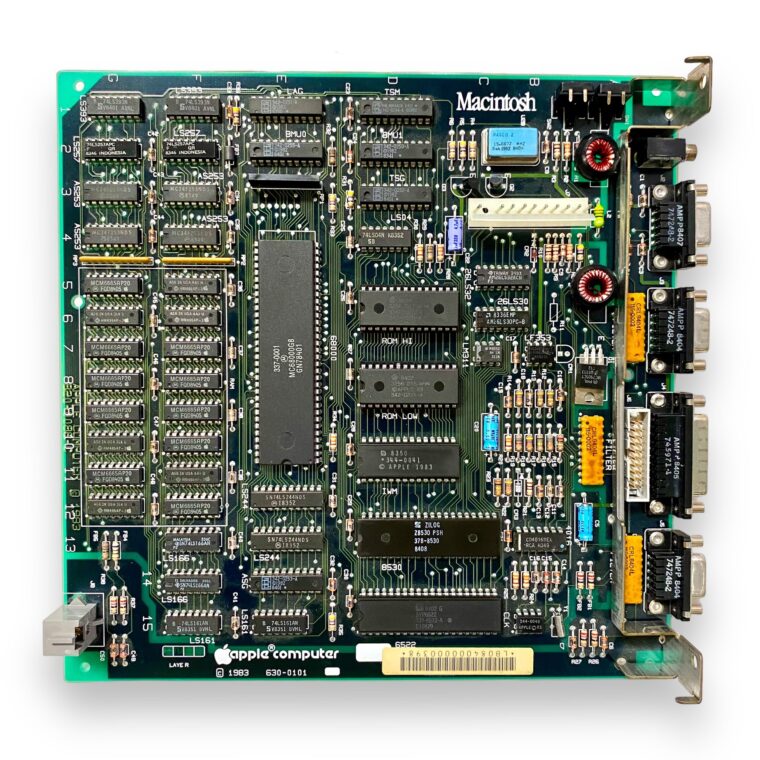
Once the hardware was finalized using wire-wrap, a printed circuit board was designed by team member Colette Askeland for mass production. This board was very compact, allowing for the Mac’s highly portable “all-in-one” packaging. To make a complete Macintosh system, a screen, floppy disk, keyboard, mouse, and power supply were added.
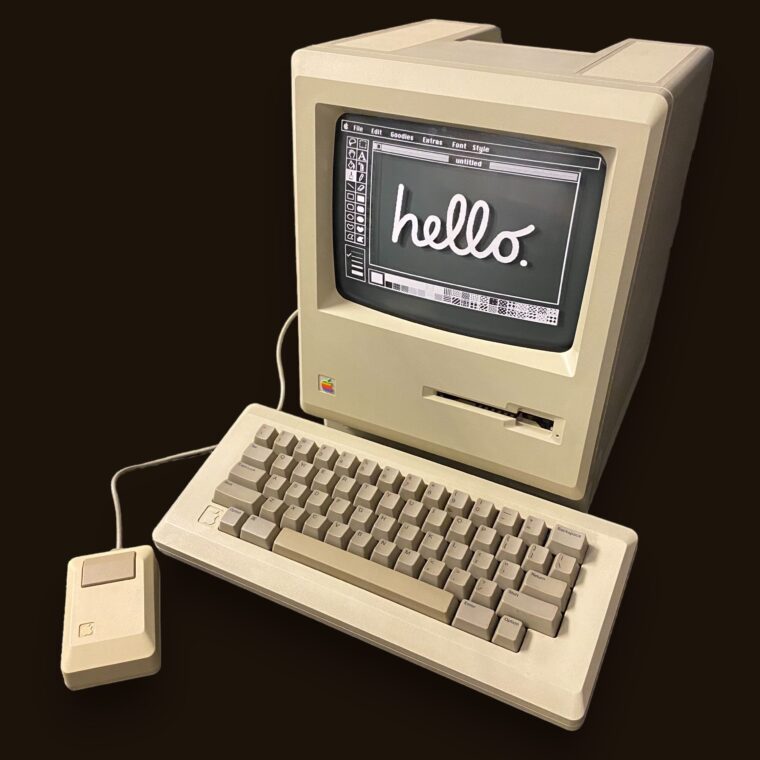
Original Macintosh, with keyboard, and mouse (1984)
Catalog number: 102633564
Gift of Leroy Smith
Wire–wrapped Mac Prototype #4 (ca. 1983)
Catalog number: 102638251
Gift of Andy Hertzfeld
Macintosh Main Logic Board, Apple Computer, Inc. (1984)
Gift of Henri Socha
Catalog number: 102667053
The Macintosh team was a close-knit group of passionate, idealistic, and creative people. Developing the Mac took three years of long days, all-nighters, lost weekends, take-out food, and near constant fatigue punctuated by rare thrills when tough technical challenges were solved.
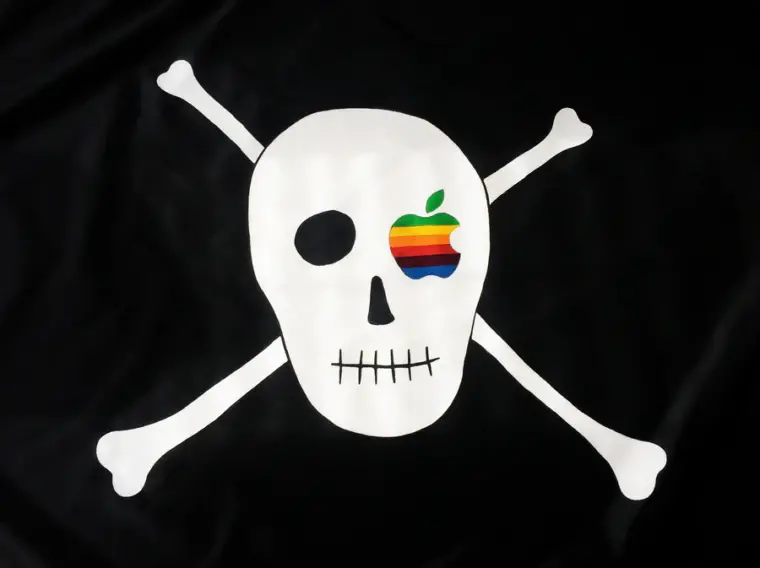
Originally the idea of Jef Raskin, who argued for a computer that would be easy to use and affordable, Steve Jobs took over the project in 1981, leading the team to create something “insanely great.” The team flew a pirate flag over Bandley 3, the Macintosh building at Apple, for more than a year to symbolize their counterculture attitude. They firmly believed what they were doing was going to revolutionize the personal computing industry.
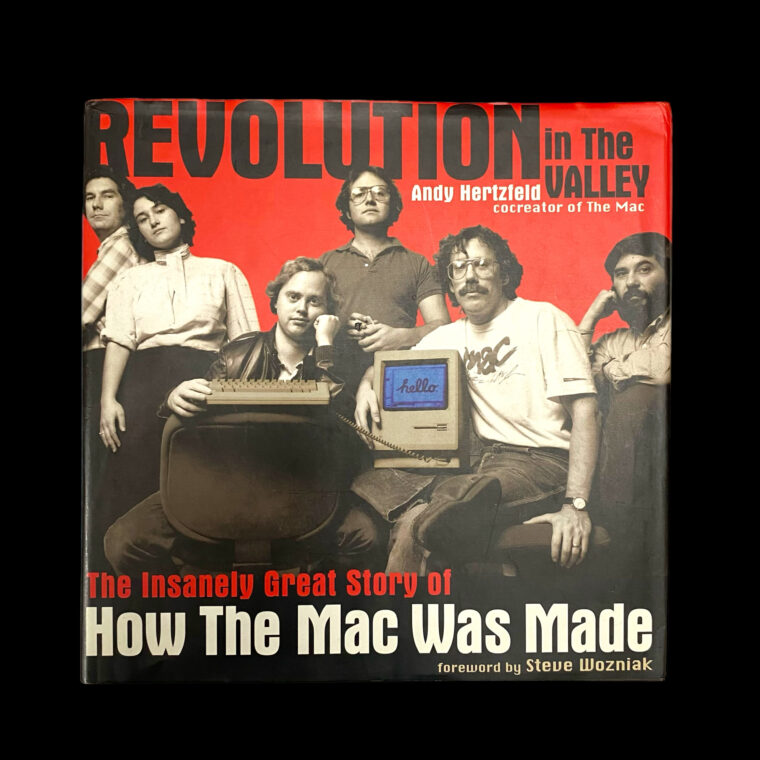
“Revolution in the Valley: The Insanely Great Story of How the Mac Was Made,” 2004, signed by Mac team
Gift of Andy Hertzfeld
Catalog number: 102805277
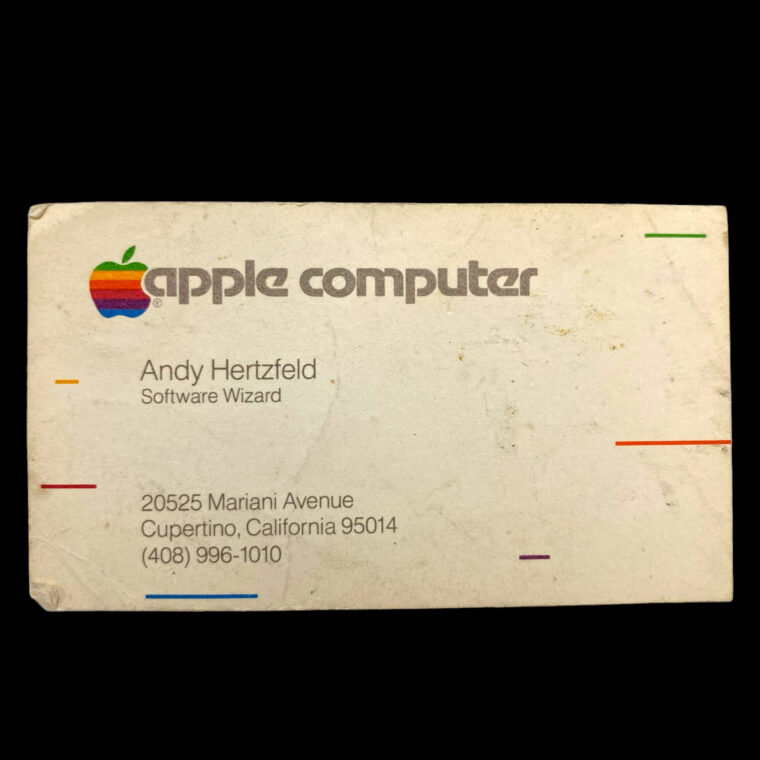
Business Card, Andy Hertzfeld, Apple Computer, Inc. (1984)
Gift of Andy Herzfeld
Catalog number: 102805282
Reproduction Pirate Flag
Loan of Susan Kare
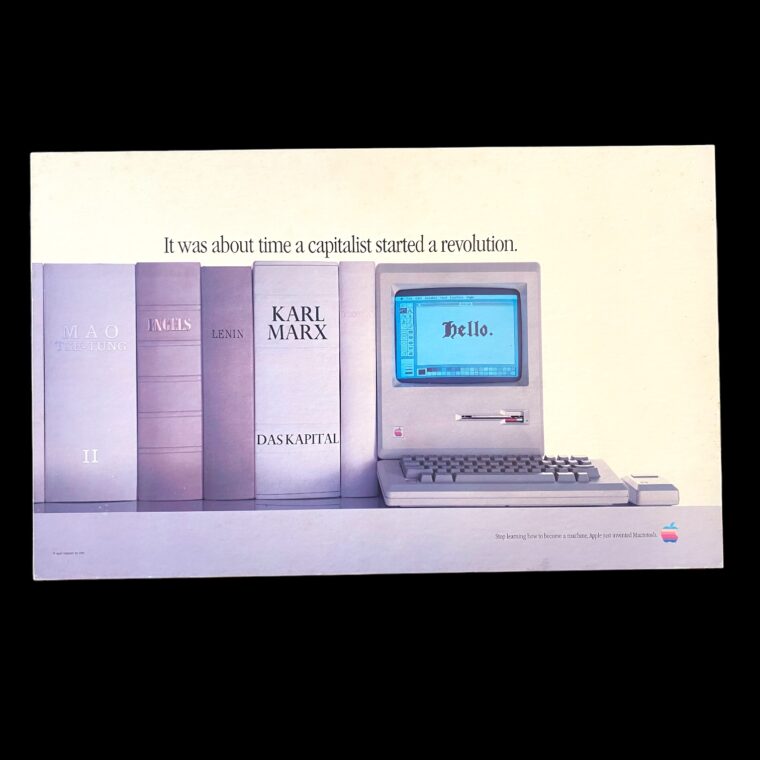
Capitalist Revolution ad, Apple Computer Inc. (1984)
Loan of Dan’l Lewin
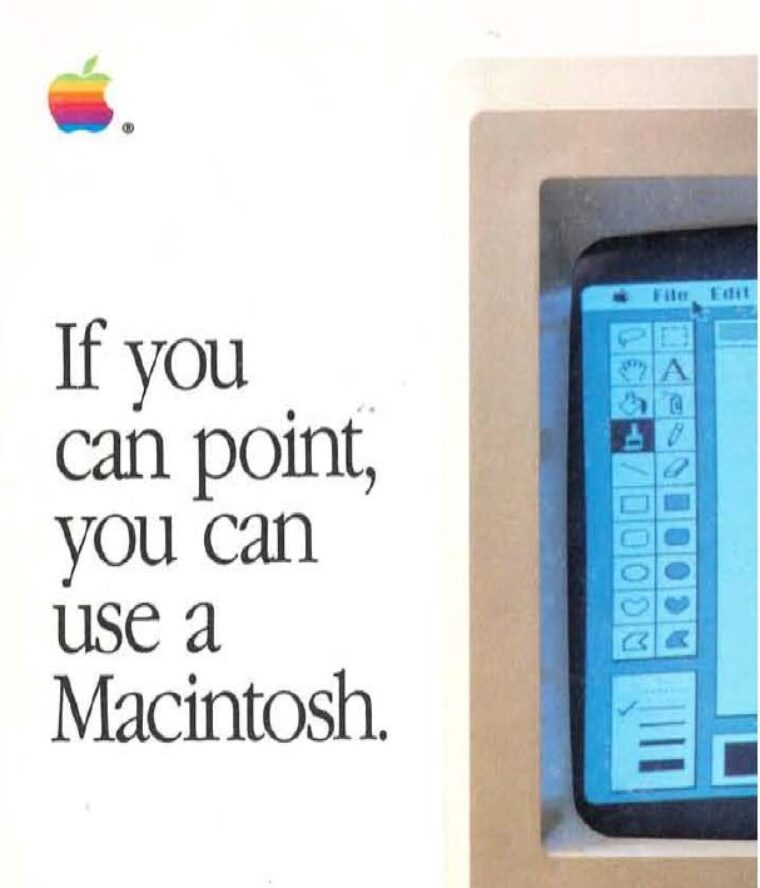
The graphical user interface (GUI) was the main innovation of the Macintosh. The GUI let people control computers using onscreen icons and images rather than by typing memorized commands. This changed computers from mysterious machines used by specialists into information processing systems and creative tools that could be easily used by anyone.
Apple’s GUI was inspired by the work of computer scientists at the nearby Xerox Palo Alto Research Center, who had demonstrated a sophisticated GUI-based system to Steve Jobs and Apple technical team members in late 1979. The 1983 Lisa—too expensive at $10,000—was Apple’s first attempt at a GUI-based computer.
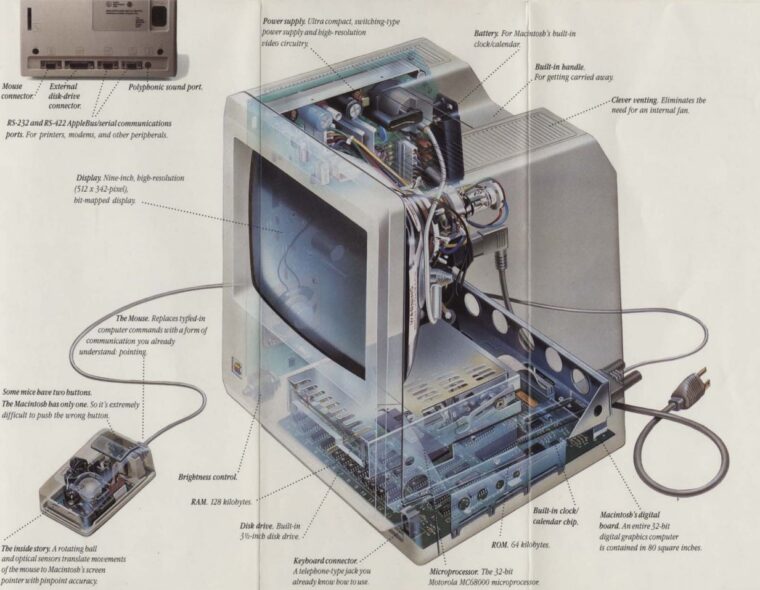
“If you can point, you can use Macintosh,” brochure, Apple Computer, Inc. (1984)
Catalog number: 102640962
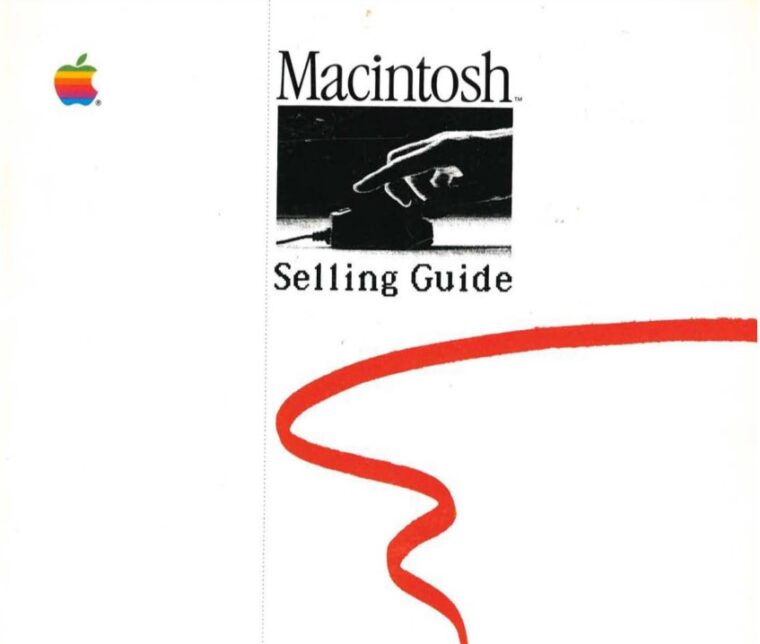
“Macintosh Selling Guide,” booklet, Apple Computer, Inc. (1984)
Catalog number: 102646178
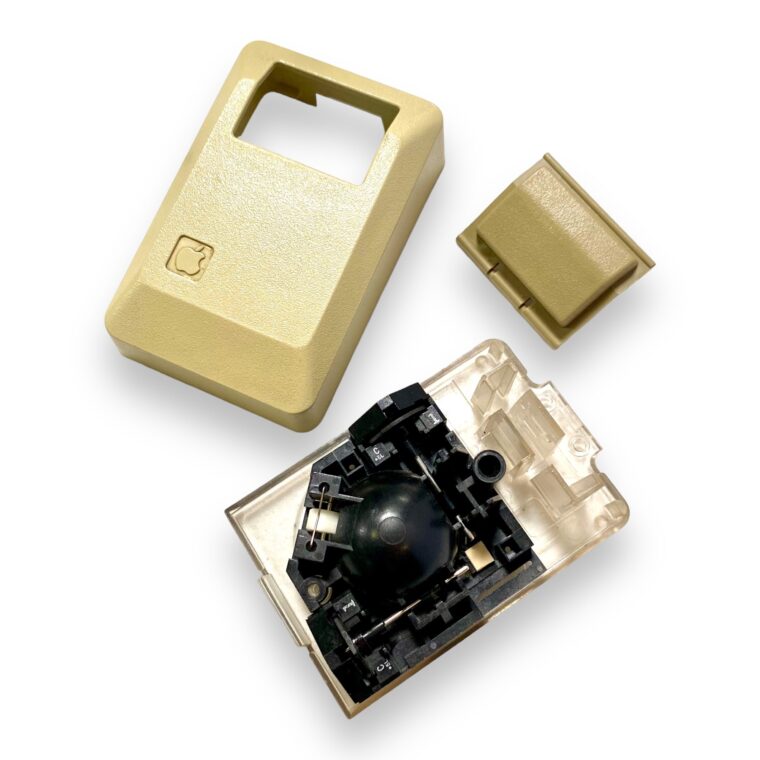
Macintosh mouse engineering prototype, Apple Computer, Inc. (ca. 1984)
Gift of Bud Delisle
Catalog number: 102672948
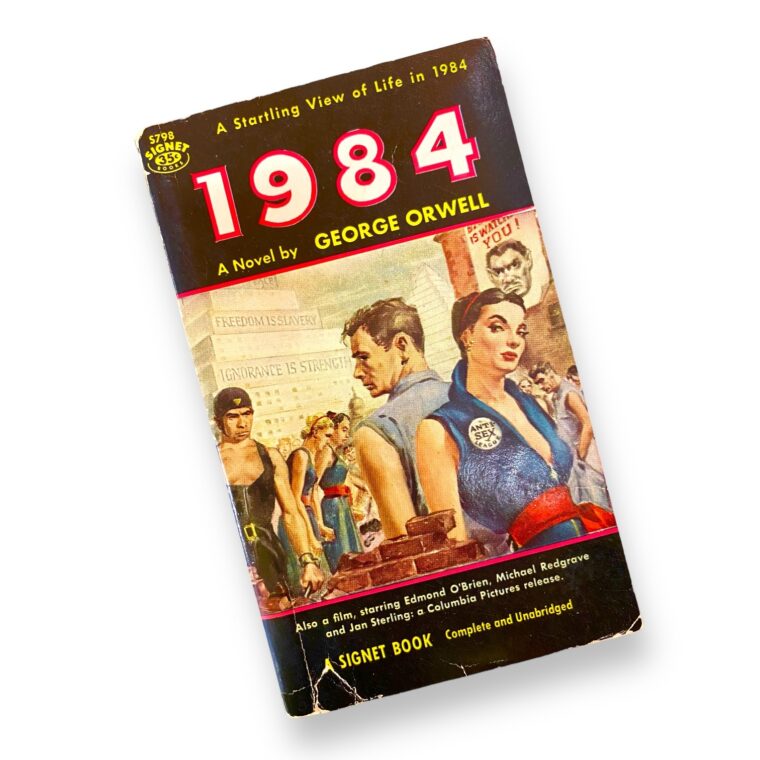
Throughout its history, Apple has been known for its strong brand identity, built up through a focus on design, user experience, and inventive new products. It has a passionate and loyal customer base worldwide. Apple’s branding is seen in the original Macintosh Super Bowl XVIII TV ad, which alluded to George Orwell’s novel 1984, and symbolized Apple’s desire to “rescue” humanity from the conformity of computer industry giant IBM.
Over the years, Apple has continued to cultivate this outsider image with campaigns that portray Mac users as rebels. Apple consistently ranks in first place of all global brands.
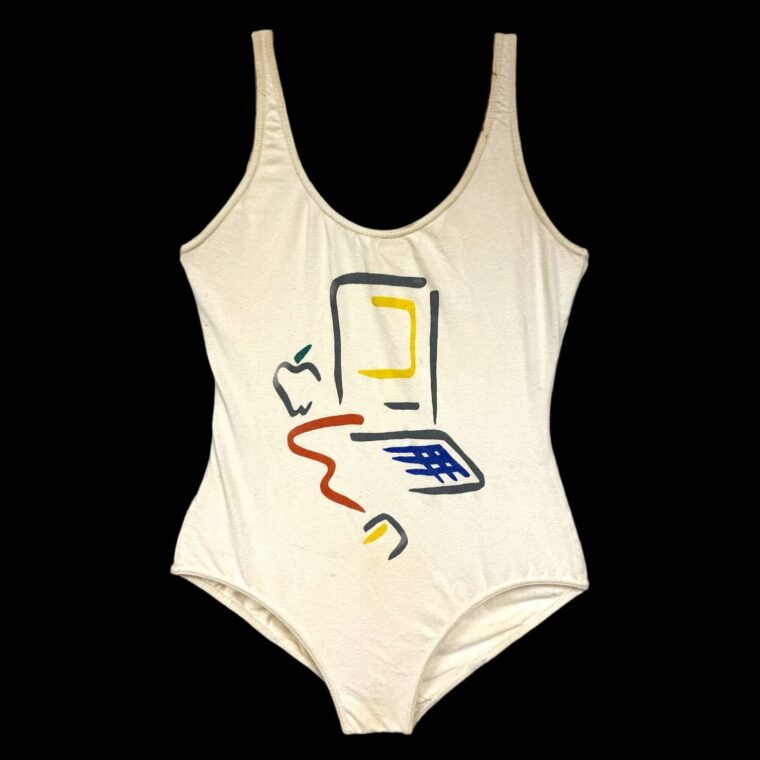
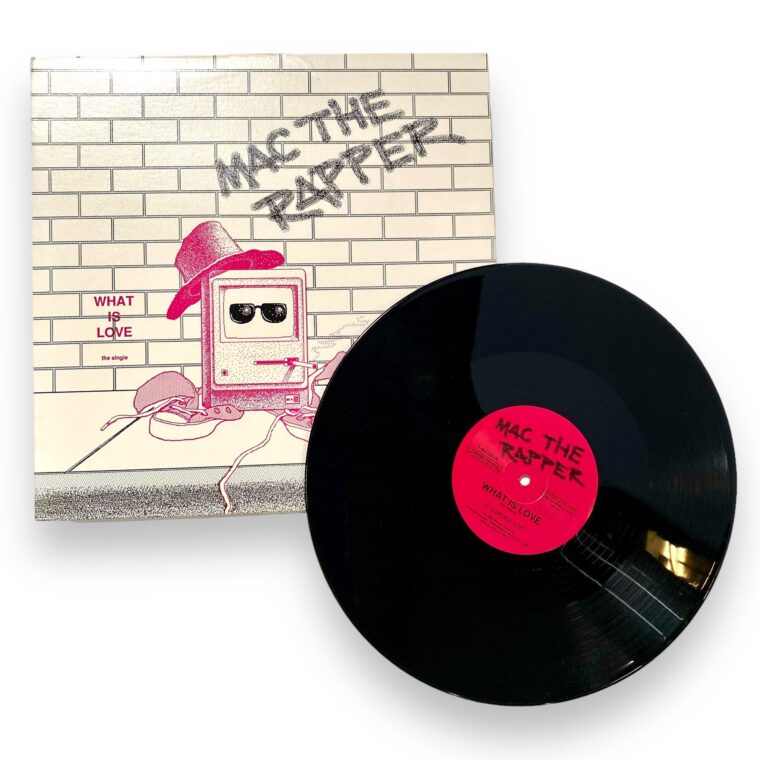
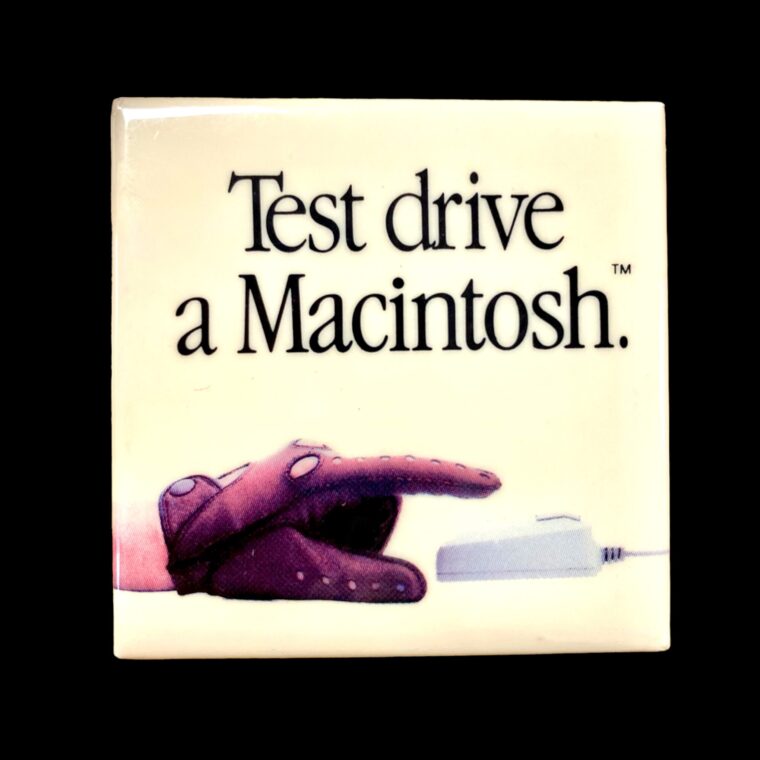
Apple’s loyal customers feel a strong emotional connection with the company, transforming them from customers into promoters. It’s a marketer’s dream. Beyond regularly buying new Apple products, Apple fans have shown their affection for the Mac in many different—and sometimes oddball—ways: Mac tattoos, a “MacQuarium,” Apple logo haircuts, paper Macs, Mac-inspired music, and more.
No doubt, much of this popularity was driven by Apple CEO Steve Jobs, whose charismatic personality drove the company forward with a consistent vision of technical sophistication, marketing savvy, and elegant design.
“What is love?,” Mac the Rapper, performed by the Apple Macintosh, Shinola Records (1987)
Catalog number: 102651542
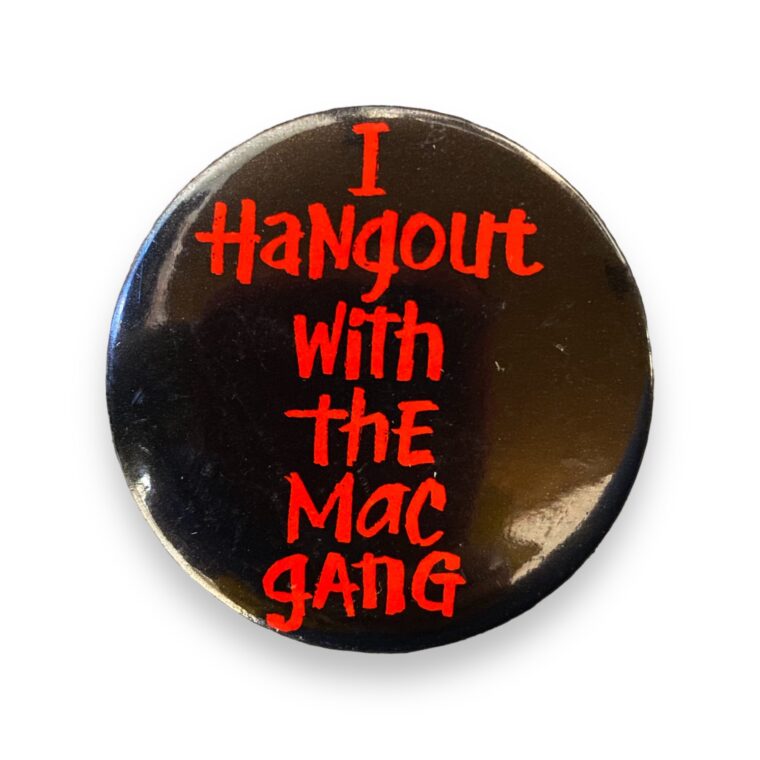
“I Hangout with the Mac ganG” button
Gift of Jerry and Carol Cohen
Catalog number: 102657344
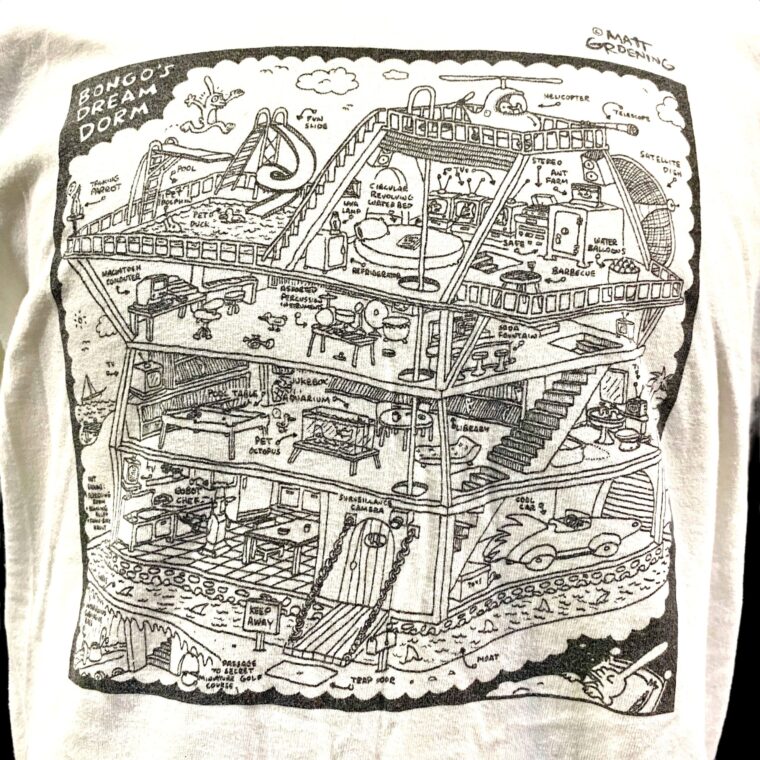
Bongo’s Dream Dorm, Matt Groening, 1989
Gift of Raines Cohen
Catalog number: 102642055
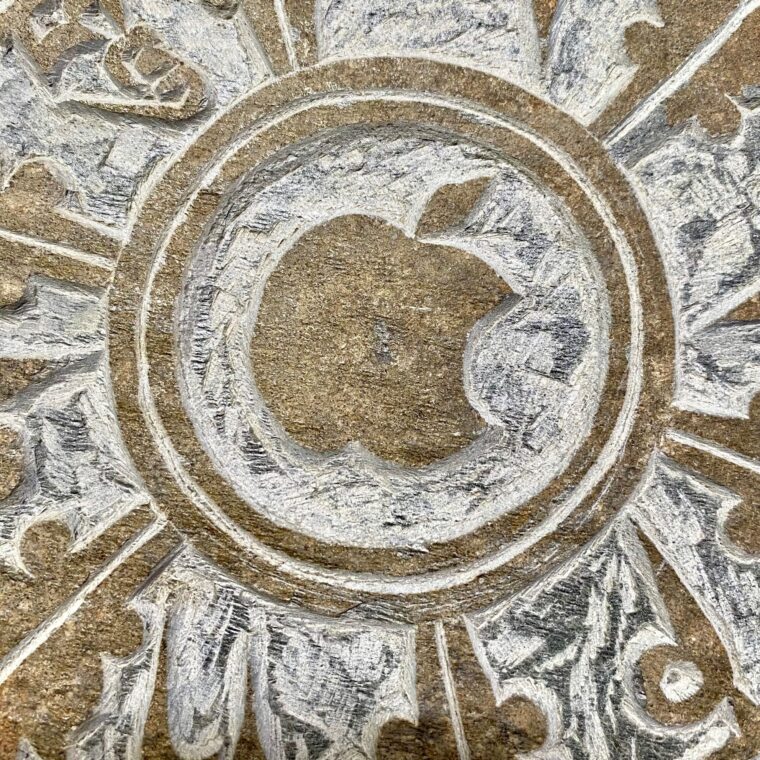
The Macintosh became a global brand thanks to Apple’s awareness of other cultures. Apple’s Singapore factory, for example, was the origin of several Macs donated by Apple to the Lamdom School in Ladakh, a region in northern India that sought to keep alive its language and culture.
As a way of thanking Apple, the school carved a Mani stone, a sacred talisman in Tibetan culture, similar to a Buddhist prayer flag. The text at the bottom reads, “the lamp that lights the path.” Apple subsidiary Claris modified their ClarisWorks word processor to handle Tibetan and soon a printer was added, allowing the school to print its own textbooks.