
















Cosmic Origins
How did we get here? Answering this question is the key goal of the Cosmic Origins Program and one of the overarching goals of NASA Astrophysics.
Answering the hard questions
How did we get here?
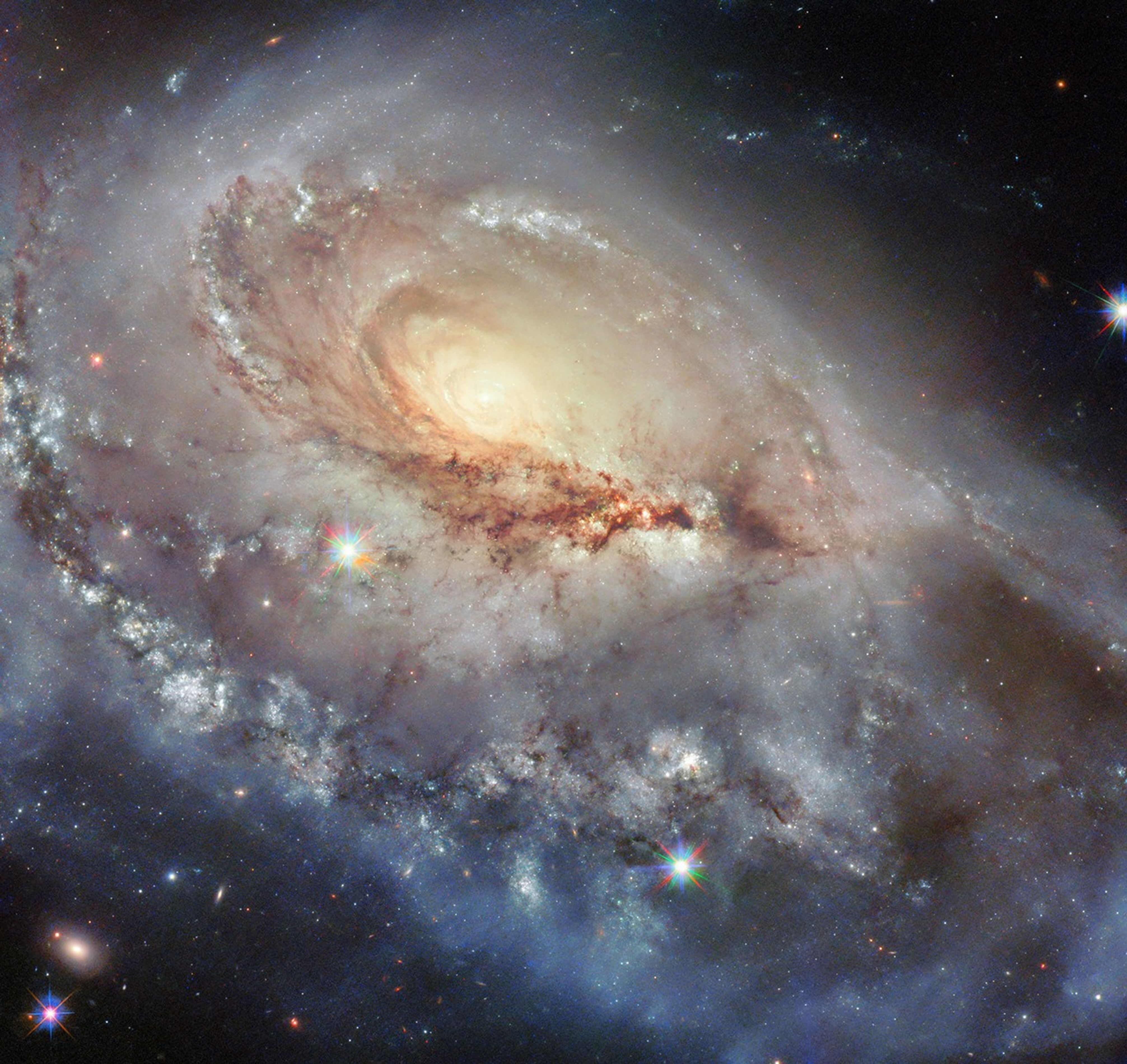
Answering this question is the key goal of the Cosmic Origins Program and one of the overarching goals of NASA Astrophysics. As a cornerstone of NASA Astrophysics, the program studies the universe from its beginning in the Big Bang, through the formation of stars and galaxies, to the creation of the elements forged within those stars. By tracing how these elements gave rise to planets and, ultimately, to life, Cosmic Origins connects the story of the cosmos to our own existence.
Our Community
Exploring the origin and evolution of the galaxies, stars and planets that make up our universe.
The Cosmos Origins Program Analysis Group serves as a community-based, interdisciplinary forum for soliciting and coordinating community analysis and input in support of Cosmic Origin objectives and of their implications for architecture planning and activity prioritization and for future exploration.
Why We Study
Studies refine mission designs, assess technical readiness, and identify potential risks.
Ensuring that only the most scientifically valuable, technically feasible, and cost-effective missions advance toward full development and eventual launch.
Missions
Searching for answers about our universe and its origins.
No one mission or observatory can provide all the answers. The Cosmic Origins Program includes telescopes that together operate across much of the electromagnetic spectrum. From the iconic Hubble Space
Telescope’s groundbreaking science to the future discoveries awaiting us with the James Webb Space Telescope and more to come, Cosmic Origin's facilities help us in our search for answers to the biggest questions about our universe and its origins.
Latest News & Events
The ALMA Survey to Resolve exoKuiper Belt Substructures. Speaker Sebastian Marino Estay, University of Exeter UK
Simulation-Based Inference Speaker Tomasz Rozanski, ANU Meeting Connection Join the Meeting
Potential Diffuse Gas Science Cases and Instrument Goals for UV Imaging and Spectroscopy with HWO. Speaker: Kevin France (LASP)
SPHEREx Wide-Field Infrared Spectral Mapping of Interstellar Ices and Polycyclic Aromatic Hydrocarbons

Habitable Worlds Observatory SIG Seminar. 1:00pm ET / 10:00am PT

From Jets to Fountains: How Black Holes Shape Galactic Gas across Cosmic Time. Speaker: Namrata Roy (ASU)
Latest Podcast
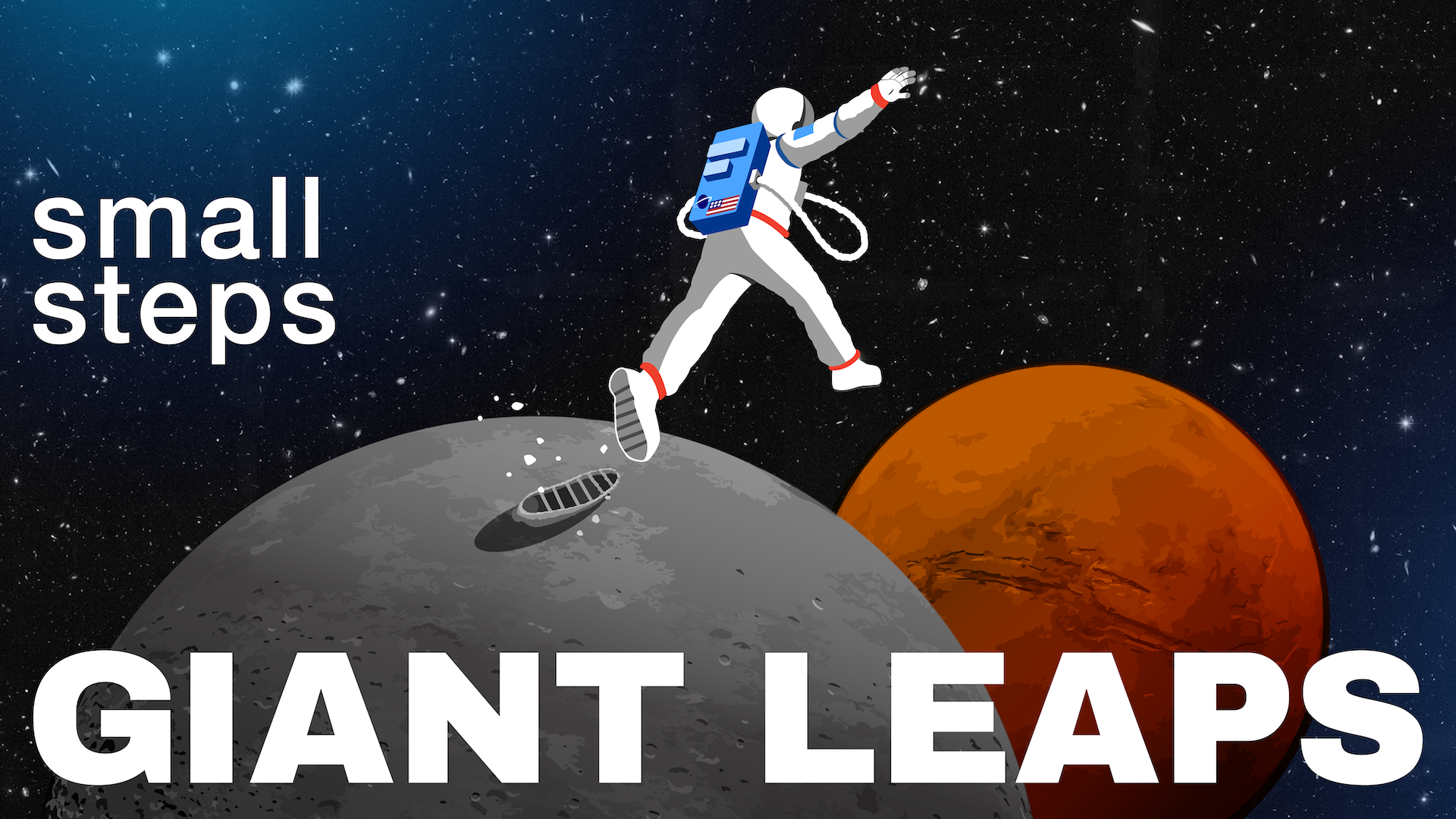
Small Steps, Giant Leaps: Episode 139: NASA's Cosmic Origins Program
NASA’s Cosmic Origins Program seeks to understand the origins of the universe, including the formation and evolution of galaxies, stars, and planets. In this episode, Dr. Swara Ravindranath, deputy chief scientist, and Dr. Ron Gamble, a theoretical astrophysicist, discuss their research and the program's goals. They also highlight the importance of diverse perspectives and experiences.
Featured Videos
XRISM Exploring the Hidden X-ray Cosmos
Watch this video to learn more about XRISM (X-ray Imaging and Spectroscopy Mission), a collaboration between JAXA (Japan Aerospace Exploration Agency) and NASA.
Expansion Rate: The Hubble Tension
In this video, Nobel Laureate Dr. Adam Riess explains this phenomenon known as “Hubble Tension,” and how important this mystery is to our understanding of the universe.

Mystery of Galaxy’s Missing Dark Matter Deepens
Finding a galaxy lacking the invisible stuff is an extraordinary claim that challenges conventional wisdom. It would have the potential to upset theories of galaxy formation and evolution.
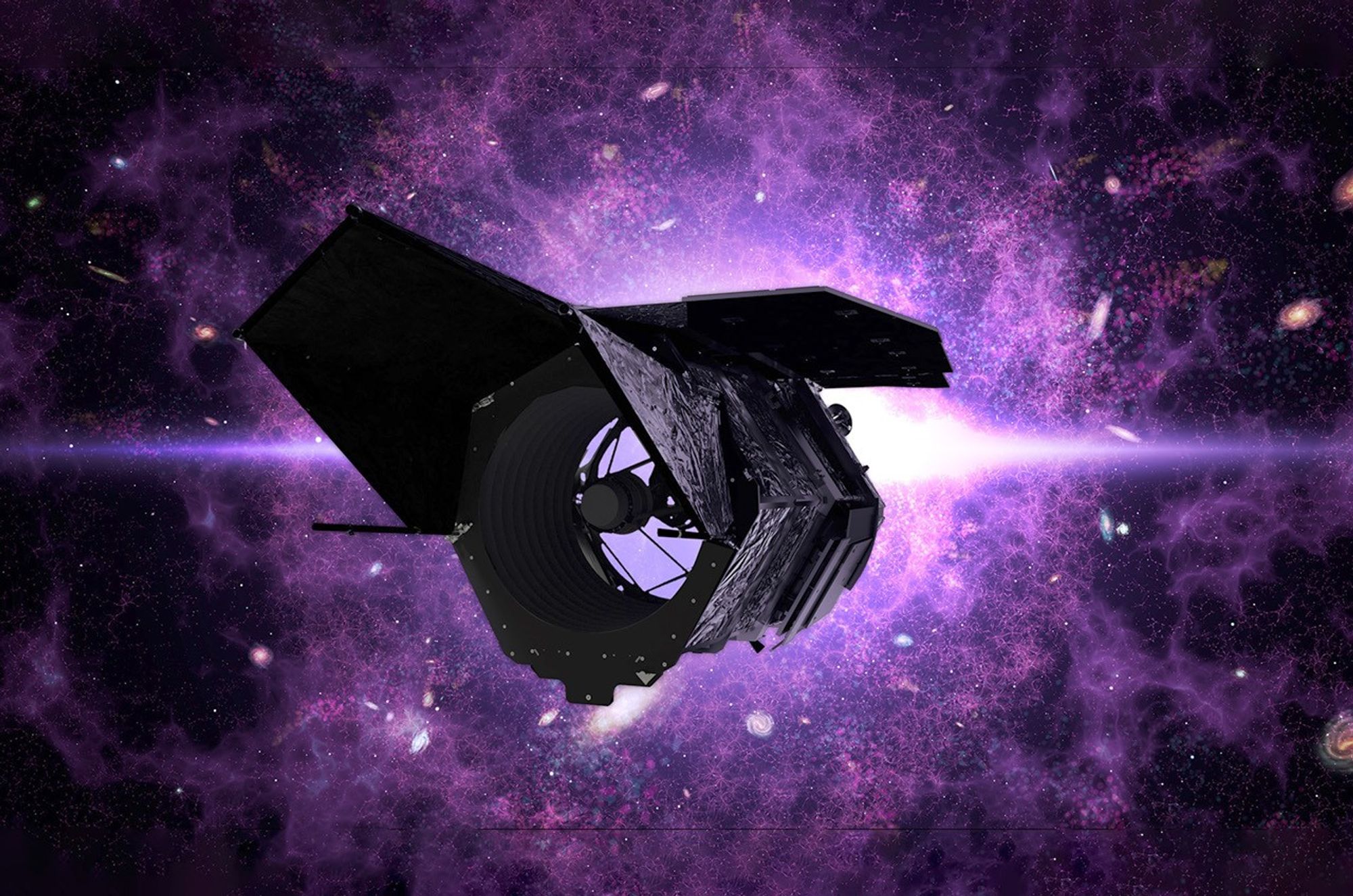
A New Portrait of the Cosmos is Coming
The Nancy Grace Roman Space Telescope, formerly known as WFIRST, is an upcoming space telescope designed to perform wide-field imaging and spectroscopy of the infrared sky.
Eye on Infinity: NASA Celebrates Hubble’s 35th Year in Orbit
After more than three decades of perusing the universe, Hubble remains a household name — the most well-recognized and scientifically productive telescope in history. The Hubble mission is a glowing success story of America’s technological prowess, unyielding scientific curiosity, and a reiteration of our nation’s pioneering spirit.
Read More about Eye on Infinity: NASA Celebrates Hubble’s 35th Year in Orbit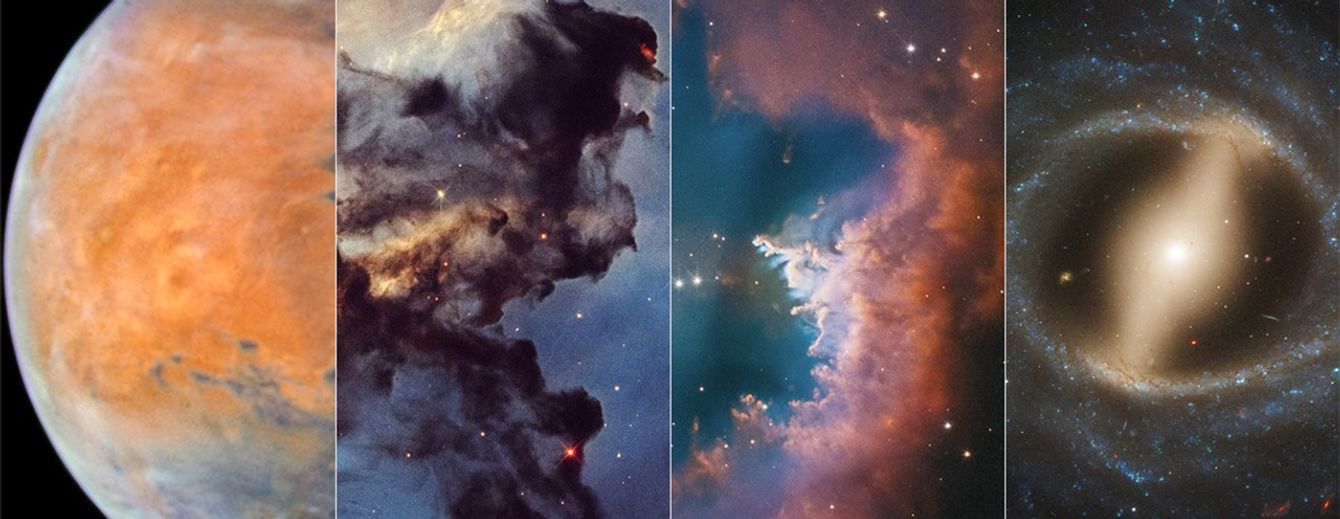
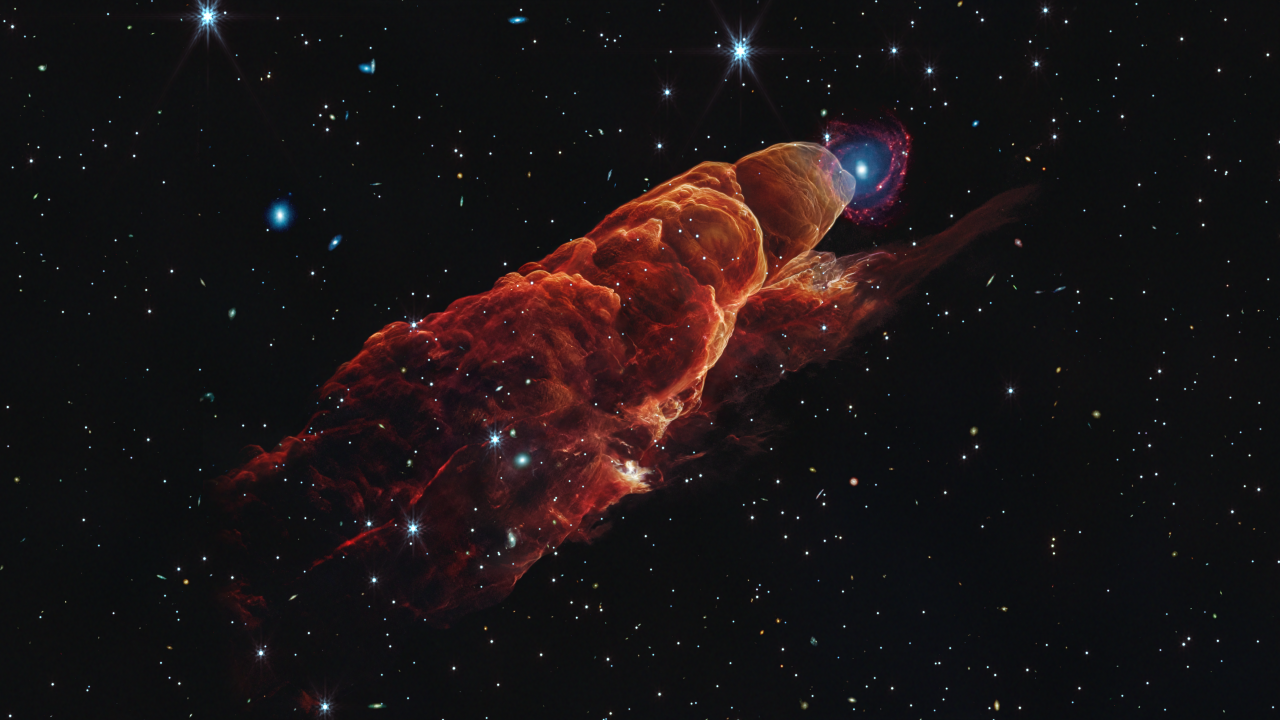
Discover More NASA Science Missions
Hubble Space Telescope
Since its 1990 launch, the Hubble Space Telescope has changed our fundamental understanding of the universe.

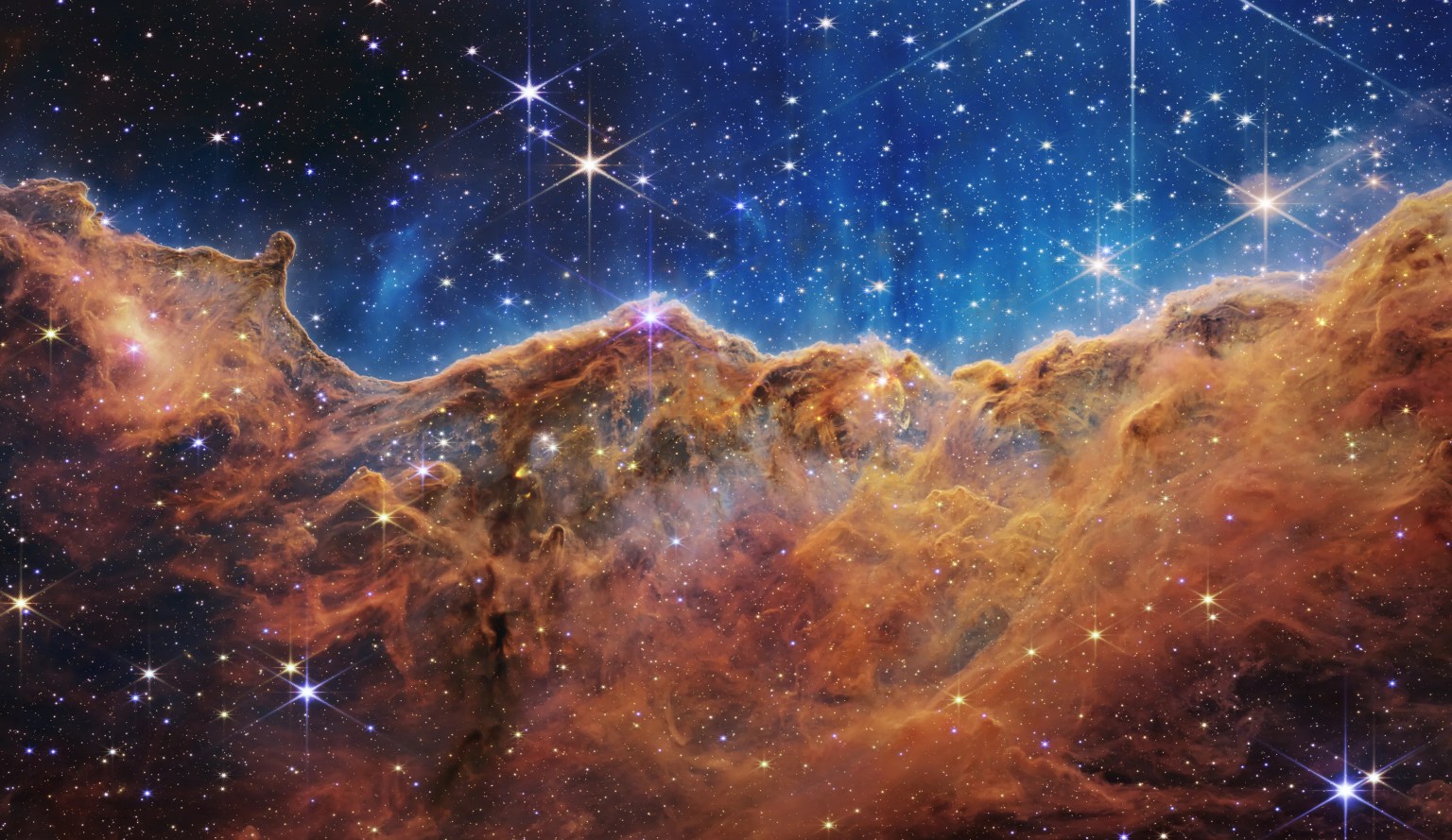
James Webb Space Telescope
Webb is the premier observatory of the next decade, serving thousands of astronomers worldwide. It studies every phase in the…
Nancy Grace Roman Space Telescope

Chandra X-ray Observatory
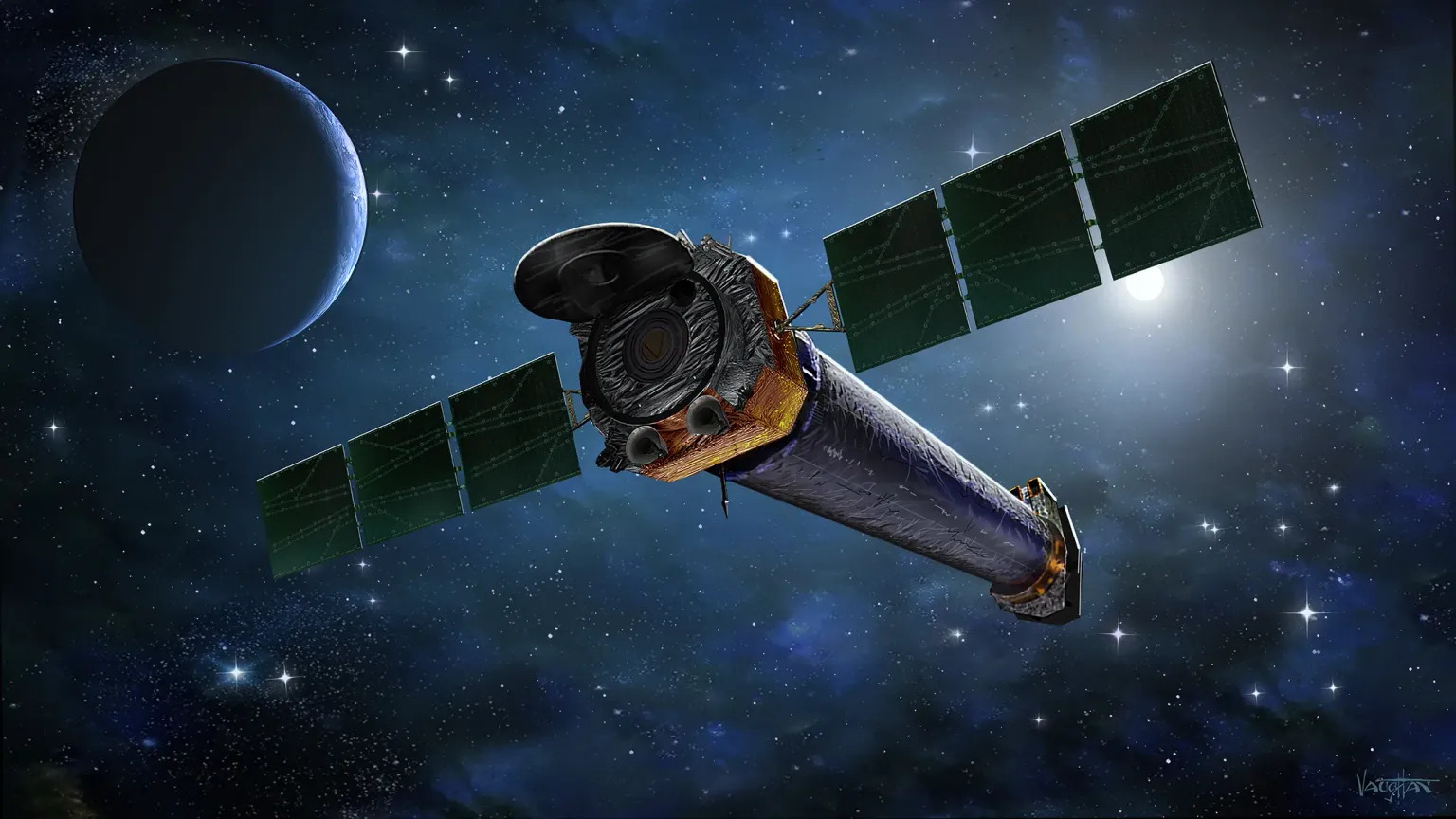
The Chandra X-ray Observatory is the world's most powerful X-ray telescope.