
-
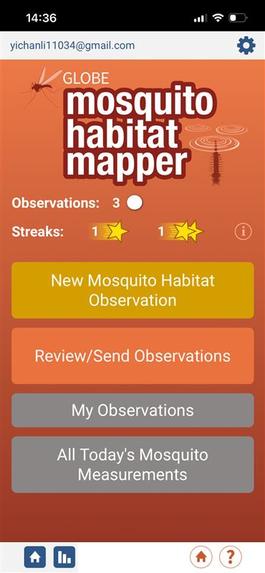
👁 Filed Track Data Collection for Mosquito Habitat – screenshot 1
NASA Globe Observer
-
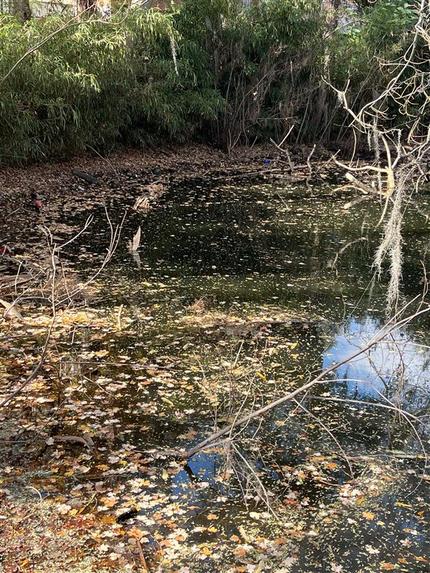
👁 Filed Track Data Collection for Mosquito Habitat – screenshot 2
Still Pond
-
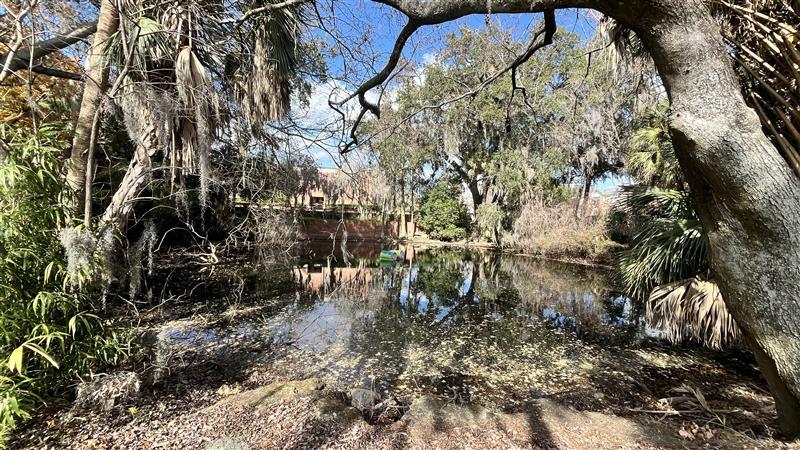
👁 Filed Track Data Collection for Mosquito Habitat – screenshot 3
Still Pond
-
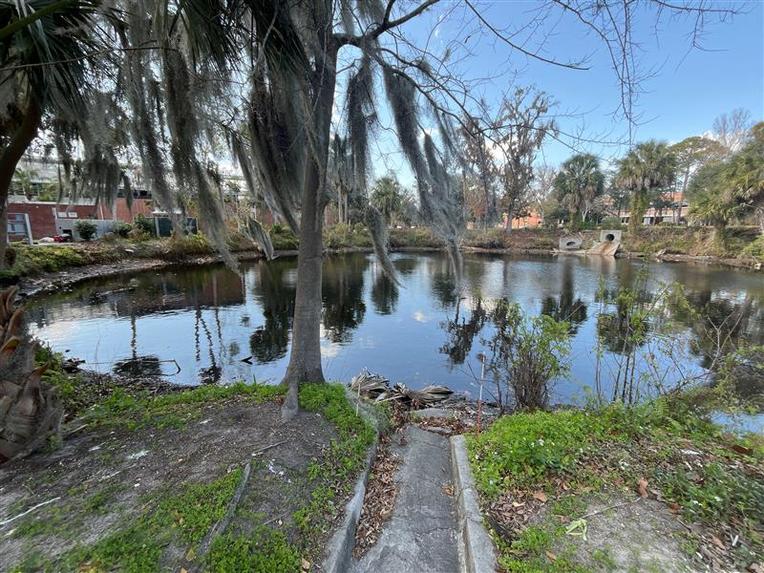
👁 Filed Track Data Collection for Mosquito Habitat – screenshot 4
Still Pond




Inspiration
Mosquito-borne diseases are a persistent public health concern, yet we found that localized mosquito data for Gainesville are extremely limited, especially around the University of Florida (UF) campus. Most available datasets are aggregated at county or regional scales, which makes it difficult to understand mosquito habitat patterns in specific, high-use environments like university campuses.
This data gap inspired our team to collect our own mosquito-related field data. By focusing on the UF campus and its surrounding areas, we aimed to create a small but meaningful dataset that highlights potential mosquito habitats in a location where such data are largely missing.
What it does
Our project collects and organizes mosquito-related observations around the UF campus. We identified three still ponds near campus that exhibit environmental conditions suitable for mosquito breeding, such as stagnant water and surrounding vegetation.
The dataset records when and where mosquitoes are potentially present, providing a foundation for exploring spatial and temporal patterns of mosquito habitat suitability at a local scale.
How we built it
We built this project through a combination of field observation and structured data collection:
- We selected three still ponds near the UF campus based on accessibility and their potential as mosquito habitats.
- We conducted field surveys at these locations, recording location, date, and indicators of mosquito presence.
- All observations were organized into a clean, consistent dataset that can be easily extended or reused.
Challenges we ran into
One major challenge was the lack of existing mosquito data for Gainesville at the campus scale. Without baseline information, it was difficult to evaluate how representative our observations were.
Fieldwork also presented practical limitations, including weather conditions, limited time for sampling, and access constraints in campus areas. Additionally, confirming actual mosquito breeding (such as larval sampling) was beyond the scope of this project, so our observations focus on potential habitats rather than confirmed breeding sites.
Accomplishments that we're proud of
- Identified and documented three potential mosquito habitats near the UF campus
- Created a structured dataset in a data-scarce environment
- Designed and executed a complete field-to-data workflow
- Established a foundation for future mosquito habitat monitoring around campus
What we learned
This project showed us that meaningful insights can come from small, well-designed data collection efforts. We learned how local environmental features influence mosquito habitat suitability and how important consistency and documentation are in field data collection.
We also learned that real-world data collection is inherently iterative and often requires adapting plans to on-the-ground conditions.
What's next for Data Collection for Mosquito Habitat
Next steps include expanding the number of sampling locations, increasing the frequency of observations, and incorporating additional environmental variables such as temperature, rainfall, and vegetation characteristics. With continued data collection, this project could support more detailed ecological analysis and help inform mosquito risk awareness around the UF campus.
Built With
- nasa-globe-observer