
Key Points
-
Humans are constantly exposed to numerous viruses but the consequences of infection are different in different individuals.
-
The outcome of host–viral interactions depend on the dose and route of infection, viral virulence properties, as well as several host factors that mainly involve innate and adaptive immunity.
-
Host factors that influence the outcome of viral infection include genetic factors, such as polymorphism in MHC alleles, mutations in genes encoding innate receptors, cytokines, chemokine receptors, age, the nature of endogenous and persistent infections and pre-exposure to other infections.
-
The host has numerous anti-inflammatory activities that limit the extent of tissue damage caused by infections.
-
Successful pathogens such as HIV, hepatitis B virus (HBV), HCV and herpesviruses persist either as chronic or latent infections in the host with or without causing immediate ill effects; however, they may have lethal consequences when the host is immunocompromised.
-
Viruses that cause chronic infection influence immune cells to produce predominantly anti-inflammatory cytokines, such as interleukin-10 (IL-10) and transforming growth factor-β (TGFβ), and they upregulate inhibitory receptors on effector T cells giving them an exhaustion phenotype.
Abstract
Many viruses infect humans and most are controlled satisfactorily by the immune system with limited damage to host tissues. Some viruses, however, do cause overt damage to the host, either in isolated cases or as a reaction that commonly occurs after infection. The outcome is influenced by properties of the infecting virus, the circumstances of infection and several factors controlled by the host. In this Review, we focus on host factors that influence the outcome of viral infection, including genetic susceptibility, the age of the host when infected, the dose and route of infection, the induction of anti-inflammatory cells and proteins, as well as the presence of concurrent infections and past exposure to cross-reactive agents.
This is a preview of subscription content, access via your institution
Access options
Subscribe to this journal
Receive 12 print issues and online access
$259.00 per year
only $21.58 per issue
Buy this article
- Purchase on SpringerLink
- Instant access to the full article PDF.
USD 39.95
Prices may be subject to local taxes which are calculated during checkout
Understanding virus–host interactions in tissues
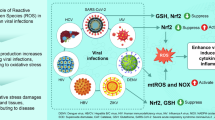
Effects of oxidative stress on viral infections: an overview
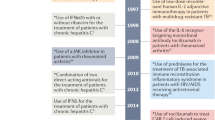
References
Munz, C., Lunemann, J. D., Getts, M. T. & Miller, S. D. Antiviral immune responses: triggers of or triggered by autoimmunity? Nature Rev. Immunol. 9, 246–258 (2009).
de Martel, C. & Franceschi, S. Infections and cancer: established associations and new hypotheses. Crit. Rev. Oncol. Hematol. 70, 183–194 (2009).
Tal, M. C. et al. Absence of autophagy results in reactive oxygen species-dependent amplification of RLR signaling. Proc. Natl Acad. Sci. USA 106, 2770–2775 (2009).
Pichlmair, A. & Reis e Sousa, C. Innate recognition of viruses. Immunity 27, 370–383 (2007).
Iwasaki, A. & Medzhitov, R. Toll-like receptor control of the adaptive immune responses. Nature Immunol. 5, 987–995 (2004).
Brooks, D. G. et al. Interleukin-10 determines viral clearance or persistence in vivo. Nature Med. 12, 1301–1309 (2006). This paper implicated the role of IL-10 in the persistence of LCMV infection of mice and showed the therapeutic value of its neutralization in achieving viral control.
Brady, M. T., MacDonald, A. J., Rowan, A. G. & Mills, K. H. Hepatitis C virus non-structural protein 4 suppresses Th1 responses by stimulating IL-10 production from monocytes. Eur. J. Immunol. 33, 3448–3457 (2003).
Hyodo, N., Nakamura, I. & Imawari, M. Hepatitis B core antigen stimulates interleukin-10 secretion by both T cells and monocytes from peripheral blood of patients with chronic hepatitis B virus infection. Clin. Exp. Immunol. 135, 462–466 (2004).
Brockman, M. A. et al. IL-10 is up-regulated in multiple cell types during viremic HIV infection and reversibly inhibits virus-specific T cells. Blood 114, 346–356 (2009).
Smit, J. J., Rudd, B. D. & Lukacs, N. W. Plasmacytoid dendritic cells inhibit pulmonary immunopathology and promote clearance of respiratory syncytial virus. J. Exp. Med. 203, 1153–1159 (2006).
Guidotti, L. G. et al. Viral clearance without destruction of infected cells during acute HBV infection. Science 284, 825–829 (1999).
Rehermann, B. Hepatitis C virus versus innate and adaptive immune responses: a tale of coevolution and coexistence. J. Clin. Invest. 119, 1745–1754 (2009).
Favre, D. et al. Critical loss of the balance between Th17 and T regulatory cell populations in pathogenic SIV infection. PLoS Pathog. 5, e1000295 (2009). This paper showed that T H 17 cells are induced after SIV infection and that the balance of T H 17 and T Reg cells is a crucial determinant in the progression of disease in pigtailed macaques but not in African green monkeys, in which T H 17 cells were progressively depleted by the virus.
Rowan, A. G. et al. Hepatitis C virus-specific Th17 cells are suppressed by virus-induced TGF-β. J. Immunol. 181, 4485–4494 (2008). This is the first study to show that viral antigen-specific T H 17 cells are induced in HCV-infected individuals and that viral protein (NS4)-induced TGFβ can inhibit the activity of T H 17 cells.
Bermejo-Martin, J. F. et al. Th1 and Th17 hypercytokinemia as early host response signature in severe pandemic influenza. Crit. Care 13, R201 (2009).
Culley, F. J., Pennycook, A. M., Tregoning, J. S., Hussell, T. & Openshaw, P. J. Differential chemokine expression following respiratory virus infection reflects Th1- or Th2-biased immunopathology. J. Virol. 80, 4521–4527 (2006).
Ravetch, J. In vivo veritas: the surprising roles of Fc receptors in immunity. Nature Immunol. 11, 183–185 (2010).
Buchmeier, M. J. & Oldstone, M. B. Virus-induced immune complex disease: identification of specific viral antigens and antibodies deposited in complexes during chronic lymphocytic choriomeningitis virus infection. J. Immunol. 120, 1297–1304 (1978). This is the first report in which immune complex deposits were measured using sensitive immunofluorescence and radioimmunoprecipitation in the tissue sites after a viral infection.
Nowoslawski, A., Krawczynski, K., Nazarewicz, T. & Slusarczyk, J. Immunopathological aspects of hepatitis type B. Am. J. Med. Sci. 270, 229–239 (1975).
Johnson, R. J. et al. Membranoproliferative glomerulonephritis associated with hepatitis C virus infection. N. Engl. J. Med. 328, 465–470 (1993).
Kimmel, P. L. et al. Brief report: idiotypic IgA nephropathy in patients with human immunodeficiency virus infection. N. Engl. J. Med. 327, 702–706 (1992).
Dakhama, A. et al. Virus-specific IgE enhances airway responsiveness on reinfection with respiratory syncytial virus in newborn mice. J. Allergy Clin. Immunol. 123, 138–145 (2009).
Couper, K. N., Blount, D. G. & Riley, E. M. IL-10: the master regulator of immunity to infection. J. Immunol. 180, 5771–5777 (2008).
Vieira, P. et al. Isolation and expression of human cytokine synthesis inhibitory factor cDNA clones: homology to Epstein-Barr virus open reading frame BCRFI. Proc. Natl Acad. Sci. USA 88, 1172–1176 (1991).
Kotenko, S. V., Saccani, S., Izotova, L. S., Mirochnitchenko, O. V. & Pestka, S. Human cytomegalovirus harbors its own unique IL-10 homolog (cmvIL-10). Proc. Natl Acad. Sci. USA 97, 1695–1700 (2000).
Moore, K. W., de Waal Malefyt, R., Coffman, R. L. & O'Garra, A. Interleukin-10 and the interleukin-10 receptor. Annu. Rev. Immunol. 19, 683–765 (2001).
Sarangi, P. P., Sehrawat, S., Suvas, S. & Rouse, B. T. IL-10 and natural regulatory T cells: two independent anti-inflammatory mechanisms in herpes simplex virus-induced ocular immunopathology. J. Immunol. 180, 6297–6306 (2008).
Mangia, A. et al. IL-10 haplotypes as possible predictors of spontaneous clearance of HCV infection. Cytokine 25, 103–109 (2004).
Naicker, D. D. et al. Interleukin-10 promoter polymorphisms influence HIV-1 susceptibility and primary HIV-1 pathogenesis. J. Infect. Dis. 200, 448–452 (2009).
Sun, J., Madan, R., Karp, C. L. & Braciale, T. J. Effector T cells control lung inflammation during acute influenza virus infection by producing IL-10. Nature Med. 15, 277–284 (2009). This study showed that by making IL-10, effector CD8+ T cells limit the extent of pulmonary tissue damage.
Elrefaei, M. et al. HIV-specific IL-10-positive CD8+ T cells suppress cytolysis and IL-2 production by CD8+ T cells. J. Immunol. 178, 3265–3271 (2007).
Kobasa, D. et al. Aberrant innate immune response in lethal infection of macaques with the 1918 influenza virus. Nature 445, 319–323 (2007).
Li, M. O. & Flavell, R. A. Contextual regulation of inflammation: a duet by transforming growth factor-β and interleukin-10. Immunity 28, 468–476 (2008).
Li, M. O. & Flavell, R. A. TGF-β: a master of all T cell trades. Cell 134, 392–404 (2008).
Aung, H., Wu, M., Johnson, J. L., Hirsch, C. S. & Toossi, Z. Bioactivation of latent transforming growth factor β1 by Mycobacterium tuberculosis in human mononuclear phagocytes. Scand. J. Immunol. 61, 558–565 (2005).
Omer, F. M., de Souza, J. B., Corran, P. H., Sultan, A. A. & Riley, E. M. Activation of transforming growth factor β by malaria parasite-derived metalloproteinases and a thrombospondin-like molecule. J. Exp. Med. 198, 1817–1827 (2003).
Schultz-Cherry, S. & Hinshaw, V. S. Influenza virus neuraminidase activates latent transforming growth factor β. J. Virol. 70, 8624–8629 (1996).
Beckham, J. D., Tuttle, K. & Tyler, K. L. Reovirus activates transforming growth factor β and bone morphogenetic protein signaling pathways in the central nervous system that contribute to neuronal survival following infection. J. Virol. 83, 5035–5045 (2009).
Alatrakchi, N. et al. Hepatitis C virus (HCV)-specific CD8+ cells produce transforming growth factor β that can suppress HCV-specific T-cell responses. J. Virol. 81, 5882–5892 (2007).
Tinoco, R., Alcalde, V., Yang, Y., Sauer, K. & Zuniga, E. I. Cell-intrinsic transforming growth factor-β signaling mediates virus-specific CD8+ T cell deletion and viral persistence in vivo. Immunity 31, 145–157 (2009). This report showed that TGFβ functions intrinsically to limit CD8+T cell responses to viral infection.
O'Connor, W. Jr et al. A protective function for interleukin 17A in T cell-mediated intestinal inflammation. Nature Immunol. 10, 603–609 (2009).
Hou, W., Kang, H. S. & Kim, B. S. Th17 cells enhance viral persistence and inhibit T cell cytotoxicity in a model of chronic virus infection. J. Exp. Med. 206, 313–328 (2009).
Rabinovich, G. A. & Toscano, M. A. Turning 'sweet' on immunity: galectin-glycan interactions in immune tolerance and inflammation. Nature Rev. Immunol. 9, 338–352 (2009).
Zhu, C. et al. The Tim-3 ligand galectin-9 negatively regulates T helper type 1 immunity. Nature Immunol. 6, 1245–1252 (2005).
Sehrawat, S., Suryawanshi, A., Hirashima, M. & Rouse, B. T. Role of Tim-3/galectin-9 inhibitory interaction in viral-induced immunopathology: shifting the balance toward regulators. J. Immunol. 182, 3191–3201 (2009). This paper showed that galectin 9 could promote FOXP3+ T Reg cell responses and that ligation of TIM3 with galectin 9 induces apoptosis of effector T cells but not T Reg cells.
Sehrawat, S., Reddy, P. B. J., Rajasagi, N., Suryawanshi, A., Hirashima, M. & Rouse, B. T. Galectin-9/TIM-3 interaction regulates virus-specific primary and memory CD8+ T cell response. PLoS Pathog. 6, e1000882 (2010).
Chagan-Yasutan, H. et al. Persistent elevation of plasma osteopontin levels in HIV patients despite highly active antiretroviral therapy. Tohoku J. Exp. Med. 218, 285–92 (2009).
Mengshol, J. A. et al. A crucial role for kupffer cell-derived galectin-9 in regulation of T cell immunity in hepatitis C infection. PLoS ONE 5, e9504 (2010).
Sakaguchi, S. Regulatory T cells: key controllers of immunologic self-tolerance. Cell 101, 455–458 (2000).
Belkaid, Y. & Tarbell, K. Regulatory T cells in the control of host-microorganism interactions. Annu. Rev. Immunol. 27, 551–589 (2009).
Suvas, S., Azkur, A. K., Kim, B. S., Kumaraguru, U. & Rouse, B. T. CD4+CD25+ regulatory T cells control the severity of viral immunoinflammatory lesions. J. Immunol. 172, 4123–4132 (2004).
Ruckwardt, T. J., Bonaparte, K. L., Nason, M. C. & Graham, B. S. Regulatory T cells promote early influx of CD8+ T cells in the lungs of respiratory syncytial virus-infected mice and diminish immunodominance disparities. J. Virol. 83, 3019–3028 (2009).
Lanteri, M. C. et al. Tregs control the development of symptomatic West Nile virus infection in humans and mice. J. Clin. Invest. 119, 3266–3277 (2009).
Sehrawat, S., Suvas, S., Sarangi, P. P., Suryawanshi, A. & Rouse, B. T. In vitro-generated antigen-specific CD4+ CD25+ Foxp3+ regulatory T cells control the severity of herpes simplex virus-induced ocular immunoinflammatory lesions. J. Virol. 82, 6838–6851 (2008).
Sehrawat, S. & Rouse, B. T. Anti-inflammatory effects of FTY720 against viral-induced immunopathology: role of drug-induced conversion of T cells to become Foxp3+ regulators. J. Immunol. 180, 7636–7647 (2008).
Rouse, B. T., Sarangi, P. P. & Suvas, S. Regulatory T cells in virus infections. Immunol. Rev. 212, 272–286 (2006).
MacDonald, A. J. et al. CD4 T helper type 1 and regulatory T cells induced against the same epitopes on the core protein in hepatitis C virus-infected persons. J. Infect. Dis. 185, 720–727 (2002). This report showed that induction of T regulatory 1 cells in patients infected with HCV negatively correlated with the extent of liver damage.
Liew, F. Y., Xu, D., Brint, E. K. & O'Neill, L. A. Negative regulation of Toll-like receptor-mediated immune responses. Nature Rev. Immunol. 5, 446–458 (2005).
Virgin, H. W., Wherry, E. J. & Ahmed, R. Redefining chronic viral infection. Cell 138, 30–50 (2009).
Barber, D. L. et al. Restoring function in exhausted CD8 T cells during chronic viral infection. Nature 439, 682–687 (2006). This seminal paper showed that the functional T cell exhaustion caused by a chronic viral infection could be reversed using antibody specific for the inhibitory molecule PD1.
Day, C. L. et al. PD-1 expression on HIV-specific T cells is associated with T-cell exhaustion and disease progression. Nature 443, 350–354 (2006). This report showed that antigen-specific CD8+ T cells isolated from patients with HIV expressed higher levels of the inhibitory molecule PD1 and that the exhaustion could be reversed, at least ex vivo , by using blocking antibody.
Radziewicz, H. et al. Liver-infiltrating lymphocytes in chronic human hepatitis C virus infection display an exhausted phenotype with high levels of PD-1 and low levels of CD127 expression. J. Virol. 81, 2545–2553 (2007).
Maier, H., Isogawa, M., Freeman, G. J. & Chisari, F. V. PD-1:PD-L1 interactions contribute to the functional suppression of virus-specific CD8+ T lymphocytes in the liver. J. Immunol. 178, 2714–2720 (2007).
Said, E. A. et al. Programmed death-1-induced interleukin-10 production by monocytes impairs CD4+ T cell activation during HIV infection. Nature Med. 16, 452–459 (2010).
Yao, Z. Q., King, E., Prayther, D., Yin, D. & Moorman, J. T cell dysfunction by hepatitis C virus core protein involves PD-1/PDL-1 signaling. Viral Immunol. 20, 276–287 (2007).
Boasso, A. et al. PDL-1 upregulation on monocytes and T cells by HIV via type I interferon: restricted expression of type I interferon receptor by CCR5-expressing leukocytes. Clin. Immunol. 129, 132–144 (2008).
Brooks, D. G. et al. IL-10 and PD-L1 operate through distinct pathways to suppress T-cell activity during persistent viral infection. Proc. Natl Acad. Sci. USA 105, 20428–20433 (2008).
Blackburn, S. D. et al. Coregulation of CD8+ T cell exhaustion by multiple inhibitory receptors during chronic viral infection. Nature Immunol. 10, 29–37 (2009).
Brooks, D. G., Lee, A. M., Elsaesser, H., McGavern, D. B. & Oldstone, M. B. IL-10 blockade facilitates DNA vaccine-induced T cell responses and enhances clearance of persistent virus infection. J. Exp. Med. 205, 533–541 (2008).
Ha, S. J. et al. Enhancing therapeutic vaccination by blocking PD-1-mediated inhibitory signals during chronic infection. J. Exp. Med. 205, 543–555 (2008).
Racaniello, V. R. One hundred years of poliovirus pathogenesis. Virology 344, 9–16 (2006).
Whitley, R. J. Herpes Simplex Viruses (eds Knipe, D. M & Howley, P. M.) (Lippincott Williams & Wilkins, New York, 2001).
Tabeta, K. et al. The Unc93b1 mutation 3d disrupts exogenous antigen presentation and signaling via Toll-like receptors 3, 7 and 9. Nature Immunol. 7, 156–164 (2006).
Zhang, S. Y. et al. TLR3 deficiency in patients with herpes simplex encephalitis. Science 317, 1522–1527 (2007).
McIntosh, E. D. Paediatric infections: prevention of transmission and disease — implications for adults. Vaccine 23, 2087–2089 (2005).
Rothberg, M. B., Haessler, S. D. & Brown, R. B. Complications of viral influenza. Am. J. Med. 121, 258–264 (2008).
Tregoning, J. S. & Schwarze, J. Respiratory viral infections in infants: causes, clinical symptoms, virology, and immunology. Clin. Microbiol Rev. 23, 74–98 (2010).
Collins, P. L. & Graham, B. S. Viral and host factors in human respiratory syncytial virus pathogenesis. J. Virol. 82, 2040–2055 (2008).
Spann, K. M., Tran, K. C., Chi, B., Rabin, R. L. & Collins, P. L. Suppression of the induction of α, β, and λ interferons by the NS1 and NS2 proteins of human respiratory syncytial virus in human epithelial cells and macrophages. J. Virol. 78, 4363–4369 (2004).
Smit, J. J. et al. The balance between plasmacytoid DC versus conventional DC determines pulmonary immunity to virus infections. PLoS ONE 3, e1720 (2008).
Culley, F. J., Pollott, J. & Openshaw, P. J. Age at first viral infection determines the pattern of T cell-mediated disease during reinfection in adulthood. J. Exp. Med. 196, 1381–1386 (2002). The influence of age at first exposure to a viral infection on the susceptibility of the same infection later in the life was shown in a mouse model of RSV infection.
Whitley, R. J. A 70-year-old woman with shingles: review of herpes zoster. JAMA 302, 73–80 (2009).
Rouse, B. T. & Kaistha, S. D. A tale of 2 alpha-herpesviruses: lessons for vaccinologists. Clin. Infect. Dis. 42, 810–817 (2006).
Nikolich-Zugich, J. Ageing and life-long maintenance of T-cell subsets in the face of latent persistent infections. Nature Rev. Immunol. 8, 512–522 (2008).
Maue, A. C. et al. T-cell immunosenescence: lessons learned from mouse models of aging. Trends Immunol. 30, 301–305 (2009).
Snyder, C. M. et al. Memory inflation during chronic viral infection is maintained by continuous production of short-lived, functional T cells. Immunity 29, 650–659 (2008).
Schakel, K. Dendritic cells — why can they help and hurt us. Exp. Dermatol. 18, 264–273 (2009).
Haaland, R. E. et al. Inflammatory genital infections mitigate a severe genetic bottleneck in heterosexual transmission of subtype A and C HIV-1. PLoS Pathog. 5, e1000274 (2009).
McDermott, A. B. et al. Repeated low-dose mucosal simian immunodeficiency virus SIVmac239 challenge results in the same viral and immunological kinetics as high-dose challenge: a model for the evaluation of vaccine efficacy in nonhuman primates. J. Virol. 78, 3140–3144 (2004).
Oh, S., McCaffery, J. M. & Eichelberger, M. C. Dose-dependent changes in influenza virus-infected dendritic cells result in increased allogeneic T-cell proliferation at low, but not high, doses of virus. J. Virol. 74, 5460–5469 (2000).
Legge, K. L. & Braciale, T. J. Lymph node dendritic cells control CD8+ T cell responses through regulated FasL expression. Immunity 23, 649–659 (2005).
Asabe, S. et al. The size of the viral inoculum contributes to the outcome of hepatitis B virus infection. J. Virol. 83, 9652–9662 (2009). This study investigated the influence of dose of infecting HBV on the pathogenesis of liver disease and clearly showed that very high or very low doses of infection led to severe liver damage.
King, N. J. et al. Immunopathology of flavivirus infections. Immunol. Cell Biol. 85, 33–42 (2007).
Wang, T. et al. Toll-like receptor 3 mediates West Nile virus entry into the brain causing lethal encephalitis. Nature Med. 10, 1366–1373 (2004).
Koelle, D. M. & Corey, L. Herpes simplex: insights on pathogenesis and possible vaccines. Annu. Rev. Med. 59, 381–395 (2008).
Weiner, L. P. Pathogenesis of demyelination induced by a mouse hepatitis. Arch. Neurol. 28, 298–303 (1973).
Fazakerley, J. K. & Walker, R. Virus demyelination. J. Neurovirol. 9, 148–164 (2003).
Cole, G. A., Nathanson, N. & Prendergast, R. A. Requirement for θ-bearing cells in lymphocytic choriomeningitis virus-induced central nervous system disease. Nature 238, 335–337 (1972).
Halstead, S. B. Dengue. Lancet 370, 1644–1652 (2007).
Mathew, A. & Rothman, A. L. Understanding the contribution of cellular immunity to dengue disease pathogenesis. Immunol. Rev. 225, 300–313 (2008).
Hadinoto, V. et al. On the dynamics of acute EBV infection and the pathogenesis of infectious mononucleosis. Blood 111, 1420–1427 (2008).
Clute, S. C. et al. Cross-reactive influenza virus-specific CD8+ T cells contribute to lymphoproliferation in Epstein-Barr virus-associated infectious mononucleosis. J. Clin. Invest. 115, 3602–3612 (2005). This study showed that major contributors to infectious mononucleosis are cross-reactive T cells specific for a previously encountered virus.
Kim, S. K. et al. Private specificities of CD8 T cell responses control patterns of heterologous immunity. J. Exp. Med. 201, 523–533 (2005).
Welsh, R. M. & Fujinami, R. S. Pathogenic epitopes, heterologous immunity and vaccine design. Nature Rev. Microbiol. 5, 555–563 (2007).
Segal, S. & Hill, A. V. Genetic susceptibility to infectious disease. Trends Microbiol. 11, 445–448 (2003).
Goulder, P. J. & Watkins, D. I. Impact of MHC class I diversity on immune control of immunodeficiency virus replication. Nature Rev. Immunol. 8, 619–630 (2008).
Brass, A. L. et al. Identification of host proteins required for HIV infection through a functional genomic screen. Science 319, 921–926 (2008).
Good, R. A. & Hansen, M. A. Primary immunodeficiency diseases. Adv. Exp. Med. Biol. 73, 155–178 (1976).
Liu, R. et al. Homozygous defect in HIV-1 coreceptor accounts for resistance of some multiply-exposed individuals to HIV-1 infection. Cell 86, 367–377 (1996).
Hill, A. V. Aspects of genetic susceptibility to human infectious diseases. Annu. Rev. Genet. 40, 469–486 (2006).
Casrouge, A. et al. Herpes simplex virus encephalitis in human UNC-93B deficiency. Science 314, 308–312 (2006).
Zhang, S. Y. et al. Inborn errors of interferon (IFN)-mediated immunity in humans: insights into the respective roles of IFN-α/β, IFN-γ, and IFN-λ in host defense. Immunol. Rev. 226, 29–40 (2008).
Kaur, G. & Mehra, N. Genetic determinants of HIV-1 infection and progression to AIDS: susceptibility to HIV infection. Tissue Antigens 73, 289–301 (2009).
Hubert, J. B. et al. Natural history of serum HIV-1 RNA levels in 330 patients with a known date of infection. The SEROCO Study Group. AIDS 14, 123–131 (2000). This study showed that some patients with HIV can control the virus for a long time without the need for antiretroviral therapy.
Seifarth, W. et al. Comprehensive analysis of human endogenous retrovirus transcriptional activity in human tissues with a retrovirus-specific microarray. J. Virol. 79, 341–352 (2005).
Lower, R., Lower, J. & Kurth, R. The viruses in all of us: characteristics and biological significance of human endogenous retrovirus sequences. Proc. Natl Acad. Sci. USA 93, 5177–5184 (1996).
Wilkins, C. & Gale, M. Jr. Recognition of viruses by cytoplasmic sensors. Curr. Opin. Immunol. 22, 41–47 (2001).
York, I. A. et al. A cytosolic herpes simplex virus protein inhibits antigen presentation to CD8+ T lymphocytes. Cell 77, 525–535 (1994).
Ahn, K. et al. Human cytomegalovirus inhibits antigen presentation by a sequential multistep process. Proc. Natl Acad. Sci. USA 93, 10990–10995 (1996).
Gilbert, M. J., Riddell, S. R., Plachter, B. & Greenberg, P. D. Cytomegalovirus selectively blocks antigen processing and presentation of its immediate-early gene product. Nature 383, 720–722 (1996).
Levitskaya, J., Sharipo, A., Leonchiks, A., Ciechanover, A. & Masucci, M. G. Inhibition of ubiquitin/proteasome-dependent protein degradation by the Gly-Ala repeat domain of the Epstein-Barr virus nuclear antigen 1. Proc. Natl Acad. Sci. USA 94, 12616–12621 (1997).
Koppelman, B., Neefjes, J. J., de Vries, J. E. & de Waal Malefyt, R. Interleukin-10 down-regulates MHC class II αβ peptide complexes at the plasma membrane of monocytes by affecting arrival and recycling. Immunity 7, 861–871 (1997).
Greenberg, M. E. et al. Co-localization of HIV-1 Nef with the AP-2 adaptor protein complex correlates with Nef-induced CD4 down-regulation. EMBO J. 16, 6964–6976 (1997).
Holmes, E. C. Evolutionary history and phylogeography of human viruses. Annu. Rev. Microbiol. 62, 307–328 (2008).
Devergne, O., Birkenbach, M. & Kieff, E. Epstein–Barr virus-induced gene 3 and the p35 subunit of interleukin 12 form a novel heterodimeric hematopoietin. Proc. Natl Acad. Sci. USA 94, 12041–12046 (1997).
Moskophidis, D., Lechner, F., Pircher, H. & Zinkernagel, R. M. Virus persistence in acutely infected immunocompetent mice by exhaustion of antiviral cytotoxic effector T cells. Nature 362, 758–761 (1993).
Periwal, S. B. & Cebra, J. J. Respiratory mucosal immunization with reovirus serotype 1/L stimulates virus-specific humoral and cellular immune responses, including double-positive (CD4+/CD8+) T cells. J. Virol. 73, 7633–7640 (1999).
Fulton, J. R., Smith, J., Cunningham, C. & Cuff, C. F. Influence of the route of infection on development of T-cell receptor β-chain repertoires of reovirus-specific cytotoxic T lymphocytes. J. Virol. 78, 1582–1590 (2004).
Le Goffic, R. et al. Detrimental contribution of the Toll-like receptor (TLR)3 to influenza A virus-induced acute pneumonia. PLoS Pathog. 2, e53 (2006).
Bochud, P. Y., Magaret, A. S., Koelle, D. M., Aderem, A. & Wald, A. Polymorphisms in TLR2 are associated with increased viral shedding and lesional rate in patients with genital herpes simplex virus type 2 infection. J. Infect. Dis. 196, 505–509 (2007).
Almarri, A. & Batchelor, J. R. HLA and hepatitis B infection. Lancet 344, 1194–1195 (1994).
Gao, X. et al. AIDS restriction HLA allotypes target distinct intervals of HIV-1 pathogenesis. Nature Med. 11, 1290–1292 (2005).
Fellay, J. et al. A whole-genome association study of major determinants for host control of HIV-1. Science 317, 944–947 (2007).
Fanning, L. J. et al. HLA class II genes determine the natural variance of hepatitis C viral load. Hepatology 33, 224–230 (2001).
Thomas, D. L. et al. Genetic variation in IL28B and spontaneous clearance of hepatitis C virus. Nature 461, 798–801 (2009).
Ge, D. et al. Genetic variation in IL28B predicts hepatitis C treatment-induced viral clearance. Nature 461, 399–401 (2009).
Knapp, S. et al. Polymorphisms in interferon-induced genes and the outcome of hepatitis C virus infection: roles of MxA, OAS-1 and PKR. Genes Immun. 4, 411–419 (2003).
Monto, A. S. Epidemiology of influenza. Vaccine 26, D45–D48 (2008).
Peebles, R. S. Jr & Graham, B. S. Pathogenesis of respiratory syncytial virus infection in the murine model. Proc. Am. Thorac Soc. 2, 110–115 (2005).
Lemke, G. & Rothlin, C. V. Immunobiology of the TAM receptors. Nature Rev. Immunol. 8, 327–336 (2008).
Acknowledgements
We thank D. Masopust and M. Sangster for valuable comments. The work was supported by US National Institutes of Health grants RO1 AI 106336501 and RO1 EY 05093.
Ethics declarations
Competing interests
The authors declare no competing financial interests.
Related links
Glossary
- Plasmacytoid DC
-
A dendritic cell (DC) subset with a morphology that resembles that of a plasmablast. Plasmacytoid DCs produce large amounts of type I interferons in response to viral infection.
- Resolvins
-
Resolution-phase interaction products that are made by the host from eicosapentaenoic acid (EPA) and docosahexaenoic acid (DHA) and that have anti-inflammatory properties.
- Galectins
-
A family of lectin proteins that bind a wide variety of glycoproteins and glycolipids containing β-galactosides through their carbohydrate-recognition domain. They have extracellular and intracellular functions, including the regulation of apoptosis, RAS signalling, cell adhesion and angiogenesis.
- Regulatory T (TReg) cells
-
A subset of T cells that control the activity of effector T cells under inflammatory or steady state conditions.
- Protectins
-
A family of compounds that are derived from DHA and that are characterized by a conjugated triene-containing structure. They have been shown to regulate the influx of neutrophils at inflammatory sites.
- Exhaustion
-
Impaired ability of effector T cells to carry out their functions such as cytotoxicity and cytokine secretion owing to chronic stimulation by antigen.
- Latent infection
-
A dormant infection with a microorganism that persists in the body for a long period of time, but it can be reactivated under certain conditions, such as immunosuppression.
- Shingles
-
A viral disease characterized by painful, blistering skin rashes due to infection or recurrence of infection with varicella zoster virus.
- Innate receptors
-
The receptors that are present either on the surface or in the cytoplasm of innate immune cells that recognize microbial surface patterns or their replicative products and induce cytokine production.
- Dengue haemorrhagic fever
-
A viral disease transmitted by the bites of Aedes egypti mosquitos that carry dengue virus and is characterized by headache, fever, rash and evidence of haemorrhage in the body.
- Infectious mononucleosis
-
A viral disease caused by infection with Epstein–Barr virus most commonly during adolescence and young adulthood. The classical symptoms include fever, sore throat and swollen lymph glands, especially in the neck.
- Virome
-
The total virus-derived genetic material present in the host owing to integrated or persistent exogenous viruses.
Rights and permissions
About this article
Cite this article
Rouse, B., Sehrawat, S. Immunity and immunopathology to viruses: what decides the outcome?. Nat Rev Immunol 10, 514–526 (2010). https://doi.org/10.1038/nri2802
Issue date:
DOI: https://doi.org/10.1038/nri2802
Share this article
Anyone you share the following link with will be able to read this content:
Sorry, a shareable link is not currently available for this article.
Provided by the Springer Nature SharedIt content-sharing initiative
This article is cited by
-
Infection prevention and control of highly infectious pathogens in resource-limited countries: an experience from Marburg viral disease outbreak in Kagera Region - Tanzania
BMC Infectious Diseases (2024)
-
Differential kinetics of splenic CD169+ macrophage death is one underlying cause of virus infection fate regulation
Cell Death & Disease (2023)
-
MxA for differentiating viral and bacterial infections in adults: a prospective, exploratory study
Infection (2023)
-
Hematopoietic responses to SARS-CoV-2 infection
Cellular and Molecular Life Sciences (2022)
-
Functional foods with antiviral activity
Food Science and Biotechnology (2022)
