
Abstract
Macrophages are one of the most abundant leukocyte populations infiltrating tumor tissues and can exhibit both tumoricidal and tumor-promoting activities. In 1989, we reported the purification of monocyte chemoattractant protein-1 (MCP-1) from culture supernatants of mitogen-activated peripheral blood mononuclear cells and tumor cells. MCP-1 is a potent monocyte-attracting chemokine, identical to the previously described lymphocyte-derived chemotactic factor or tumor-derived chemotactic factor, and greatly contributes to the recruitment of blood monocytes into sites of inflammatory responses and tumors. Because in vitro-cultured tumor cells often produce significant amounts of MCP-1, tumor cells are considered to be the main source of MCP-1. However, various non-tumor cells in the tumor stroma also produce MCP-1 in response to stimuli. Studies performed in vitro and in vivo have provided evidence that MCP-1 production in tumors is a consequence of complex interactions between tumor cells and non-tumor cells and that both tumor cells and non-tumor cells contribute to the production of MCP-1. Although MCP-1 production was once considered to be a part of host defense against tumors, it is now believed to regulate the vicious cycle between tumor cells and macrophages that promotes the progression of tumors.
This is a preview of subscription content, access via your institution
Access options
Subscribe to this journal
Receive 12 digital issues and online access to articles
$119.00 per year
only $9.92 per issue
Buy this article
- Purchase on SpringerLink
- Instant access to the full article PDF.
USD 39.95
Prices may be subject to local taxes which are calculated during checkout
The chemokine monocyte chemoattractant protein-1/CCL2 is a promoter of breast cancer metastasis
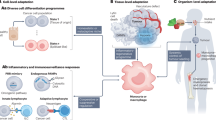
Pathophysiological roles of monocytes and macrophages in cancer
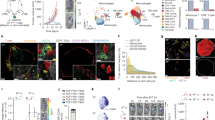
Cancer cells impair monocyte-mediated T cell stimulation to evade immunity
References
Bloom BR, Bennett B. Mechanism of a reaction in vitro associated with delayed-type hypersensitivity. Science 1966; 153: 80–82.
David JR. Delayed hypersensitivity in vitro: its mediation by cell-free substances formed by lymphoid cell-antigen interaction. Proc Natl Acad Sci USA 1966; 56: 72–77.
Altman LC Chemotactic lymphokines: a review. In:Gallin JI, Quie PG (eds). Leukocyte Chemotaxis. Raven Press: New York, NY, USA. 1978; pp 267–287.
Zbar B, Wepsic HT, Borsos T, Rapp HJ. Tumor-graft rejection in syngeneic guinea pigs: evidence for a two-step mechanism. J Natl Cancer Inst 1970; 44: 473–481.
Hibbs JB Jr. The macrophage as a tumoricidal effector cell: a review of in vivo and in vitro studies on the mechanism of the activated macrophage nonspecific cytotoxic reaction. In: Fink MA (ed.). The Macrophage in Neoplasia. Academic Press: New York, NY, USA. 1976; pp 83–89.
Ruco LP, Meltzer MS. Macrophage activation for tumor cytotoxicity: development of macrophage cytotoxic activity requires completion of short-lived intermediary reactions. J Immunol 1978; 121: 2035–2042.
Salmon SE, Hamburger AW. Immunoproliferation and cancer: a common macrophage-derived promoter substance. Lancet 1978; 1: 1289–1290.
Currie GA. Promotion of fibrosarcoma cell growth by products of syngeneic host macrophages. Br J Cancer 1981; 44: 506–513.
Bottazzi B, Polentarutti N, Acero R, Boraschi D, Ghezzi P, Salmona M et al. Regulation of the macrophage content of neoplasms by chemoattractants. Science 1983; 220: 210–212.
Evans R, Haskill SActivities of macrophages within and peripheral to the tumor mass. In: Herberman RB (ed.). The Reticuloendothelial System. A Comprehensive Treatise Vol. 5. Plenum Press: New York, NY, USA. 1983; pp 155–176.
Fidler IJ. Macrophages and metastasis. Cancer Res 1985; 45: 4714–4726.
Yoshimura T, Robinson EA, Tanaka S, Appella E, Kuratsu J, Leonard EJ. Purification and amino acid analysis of two human glioma cell-derived monocyte chemoattractants. J Exp Med 1989; 169: 1449–1459.
Yoshimura T, Robinson EA, Tanaka S, Appella E, Leonard EJ. Purification and amino acid analysis of two human monocyte chemoattractants produced by phytohemagglutinin-stimulated human peripheral blood mononuclear leukocytes. J Immunol 1989; 142: 1956–1962.
Matsushima K, Larsen CG, DuBois GC, Oppenheim JJ. Purification and characterization of a novel monocyte chemotactic and activating factor produced by a human myelomonocytic cell line. J Exp Med 1989; 169: 1485–1490.
Meltzer MS, Stevenson MM, Leonard EJ. Characterization of macrophage chemotaxins in tumor cell cultures and comparison with lymphocyte-derived chemotactic factors. Cancer Res 1977; 37: 721–725.
Bottazzi B, Polentarutti N, Balsari A, Boraschi D, Ghezzi P, Salmona M et al. Chemotactic activity for mononuclear phagocytes of culture supernatants from murine and human tumor cells: evidence for a role in the regulation of the macrophage content of neoplastic tissues. Int J Cancer 1983; 31: 55–63.
Yoshimura T, Matsushima K, Tanaka S, Robinson EA, Appella E, Oppenheim JJ et al. Purification of a human monocyte-derived neutrophil chemotactic factor that has peptide sequence similarity to other host defense cytokines. Proc Natl Acad Sci USA 1987; 84: 9233–9237.
Rollins BJ, Stier P, Ernst T, Wong GG. The human homolog of the JE gene encodes a monocyte secretory protein. Mol Cell Biol 1989; 9: 4687–4695.
Van Damme J, Decock B, Lenaerts JP, Conings R, Bertini R, Mantovani A et al. Identification by sequence analysis of chemotactic factors for monocytes produced by normal and transformed cells stimulated with virus, double-stranded RNA or cytokine. Eur J Immunol 1989; 19: 2367–2373.
Cochran BH, Reffel AC, Stiles CD. Molecular cloning of gene sequences regulated by platelet-derived growth factor. Cell 1983; 33: 939–947.
Bottazzi B, Colotta F, Sica A, Nobili N, Mantovani A. A chemoattractant expressed in human sarcoma cells (tumor-derived chemotactic factor, TDCF) is identical to monocyte chemoattractant protein-1/monocyte chemotactic and activating factor (MCP-1/MCAF). Int J Cancer 1990; 45: 795–797.
Yoshimura T, Leonard EJ. Identification of high affinity receptors for human monocyte chemoattractant protein-1 (MCP-1) on human monocytes. J Immunol 1990; 145: 292–297.
Denholm EM, Stankus GP. Changes in the expression of MCP-1 receptors on monocytic THP-1 cells following differentiation to macrophages with phorbol myristate acetate. Cytokine 1995; 7: 436–440.
Charo IF, Myers SJ, Herman A, Franci C, Connolly AJ, Coughlin SR. Molecular cloning and functional expression of two monocyte chemoattractant protein 1 receptors reveals alternative splicing of the carboxyl-terminal tails. Proc Natl Acad Sci USA 1994; 91: 2752–2756.
Proudfoot AE. Chemokine receptors: multifaceted therapeutic targets. Nat Rev Immunol 2002; 2: 106–115.
Phillips RJ, Litz M, Premack B. Differential signaling mechanisms regulate expression of CC chemokine receptor-2 during monocyte maturation. J Inflam 2005; 2: 14.
Yoshimura T. cDNA cloning of guinea pig monocyte chemoattractant protein-1 and expression of the recombinant protein. J Immunol 1993; 150: 5025–5032.
Rollins BJ, Sunday ME. Suppression of tumor formation in vivo by expression of the JE gene in malignant cells. Mol Cell Biol 1991; 11: 3125–3131.
Yamashiro S, Takeya M, Nishi T, Kuratsu J, Yoshimura T, Ushio Y et al. Tumor-derived monocyte chemoattractant protein-1 induces intratumoral infiltration of monocyte-derived macrophage subpopulation in transplanted rat tumors. Am J Pathol 1994; 145: 913–921.
Mosser DM, Edwards JP. Exploring the full spectrum of mac- rophage activation. Nat Rev Immunol 2008; 8: 958–969.
Sierra-Filardi E, Nieto C, Domínguez-Soto A, Barroso R, Sánchez-Mateos P, Puig-Kroger A et al. CCL2 shapes macrophage polarization by GM-CSF and M-CSF: identification of CCL2/CCR2-dependent gene expression profile. J Immunol 2014; 192: 3858–3867.
Lacey DC, Achuthan A, Fleetwood AJ, Dinh H, Roiniotis J, Scholz GM et al. Defining GM-CSF- and macrophage-CSF-dependent macrophage responses by in vitro models. Immunol 2012; 188: 5752–5765.
Sica A, Mantovani A. Macrophage plasticity and polarization: in vivo veritas. J Clin Invest 2012; 122: 787–795.
Bloch O, Crane CA, Kaur R, Safaee M, Rutkowski MJ, Parsa AT. Gliomas promote immunosuppression through induction of B7-H1 expression in tumor-associated macrophages. Clin Cancer Res 2013; 19: 3165–3175.
Yamashiro S, Takeya M, Kuratsu J, Ushio Y, Takahashi K, Yoshimura T. Intradermal injection of monocyte chemoattractant protein-1 induces emigration and differentiation of blood monocytes in rat skin. Int Arch Allergy Immunol 1998; 115: 15–23.
Nakamura K, Williams IR, Kupper TS. Keratinocyte-derived monocyte chemoattractant protein 1 (MCP-1): analysis in a transgenic model demonstrates MCP-1 can recruit dendritic and Langerhans cells to skin. J Invest Dermatol 1995; 105: 635–643.
Rutledge BJ, Rayburn H, Rosenberg R, North RJ, Gladue RP, Corless CL et al. High level monocyte chemoattractant protein-1 expression in transgenic mice increases their susceptibility to intracellular pathogens. J Immunol 1995; 155: 4838–4843.
Gunn MD, Nelken NA, Liao X, Williams LT. Monocyte-chemoattractant protein-1 is sufficient for the chemotaxis of monocytes and lymphocytes in transgenic mice but requires an additional stimulus for inflammatory activation. J Immunol 1997; 158: 376–382.
Grewal IS, Rutledge BJ, Fiorillo JA, Gu L, Gladue RP, Flavell RA et al. Transgenic monocyte chemoattractant protein-1 (MCP-1) in pancreatic islets produces monocyte-rich insulitis without diabetes: abrogation by a second transgene expressing systemic MCP-1. J Immunol 1997; 159: 401–408.
Fuentes ME, Durham SK, Swerdel MR, Lewin AC, Barton DS, Megill JR et al. Controlled recruitment of monocytes and macrophages to specific organs through transgenic expression of monocyte chemoattractant protein-1. J Immunol 1995; 155: 5769–5776.
Murphy PM, Baggiolini M, Charo IF, Hebert CA, Horuk R, Matsushima K et al. International union of pharmacology. XXII. Nomenclature for chemokine receptors. Pharmacol Rev 2000; 52: 145–176.
Lu B, Rutledge BJ, Gu L, Fiorillo J, Lukacs NW, Kunkel SL et al. Abnormalities in monocyte recruitment and cytokine expression in monocyte chemoattractant protein 1-deficient mice. J Exp Med 1998; 187: 601–608.
Takahashi M, Galligan C, Tessarollo L, Yoshimura T. Monocyte chemoattractant protein-1 (MCP-1), not MCP-3, is the primary chemokine required for monocyte recruitment in mouse peritonitis induced with thioglycollate or zymosan A. A J Immunol 2009; 183: 3463–3471.
Si Y, Tsou CL, Croft K, Charo IF. CCR2 mediates hematopoietic stem and progenitor cell trafficking to sites of inflammation in mice. J Clin Invest 2010; 120: 1192–1203.
Castela MND, Sbeih M, Jachiet M, Wang Z, Aractingi S. Ccl2/Ccr2 signalling recruits a distinct fetal microchimeric population that rescues delayed maternal wound healing. Nat Commun 2017; 8: 15463.
Salcedo R, Ponce ML, Young HA, Wasserman K, Ward JM, Kleinman HK et al. Human endothelial cells express CCR2 and respond to MCP-1: direct role of MCP-1 in angiogenesis and tumor progression. Blood 2000; 96: 34–40.
Conti I, Rollins BJ. CCL2 (monocyte chemoattractant protein-1) and cancer. Semin Cancer Biol 2004; 14: 149–154.
Zhang J, Lu Y, Pienta KJ. Multiple roles of chemokine (C-C motif) ligand 2 in promoting prostate cancer growth. J Natl Cancer Inst 2010; 102: 522–528.
Furukawa S, Soeda S, Kiko Y, Suzuki O, Hashimoto Y, Watanabe T et al. MCP-1 promotes invasion and adhesion of human ovarian cancer cells. Anticancer Res 2013; 33: 4785–4790.
Thanos D, Maniatis T. NF-kB: a lesson in family values. Cell 1995; 80: 529–532.
Li Q, Verma IM. NF-kB regulation in the immune system. Nat Immunol 2002; 2: 725–734.
Prasad S, Ravindran J, Aggarwal BB. NF-kappaB and cancer: how intimate is this relationship. Mol Cell Biochem 2010; 271: 25–37.
Grivennikov SI, Greten FR, Karin M. Immunity, inflammation, and cancer. Cell 2010; 140: 883–899.
Ueda A, Okuda K, Ohno S, Shirai A, Igarashi T, Matsunaga K et al. NF-kappa B and Sp1 regulate transcription of human monocyte chemoattractant protein-1 gene. J Immunol 1994; 153: 2052–2063.
Ping D, Jones PT, Boss JM. TNF regulates the in vivo occupancy of both distal and proximal regulatory regions of the MCP-1/JE gene. Immunity 1996; 4: 455–469.
Ueda A, Ishigatsubo Y, Okubo T, Yoshimura T. Transcriptional regulation of the human monocyte chemoattractant protein-1 gene: cooperation of two NF-kB sites and NF-kB/rel subunit specificity. J Biol Chem 1997; 272: 31092–31099.
Valente AJ, Xie JF, Abramova MA, Wenzel UO, Abboud HE, Graves DT. A complex element regulates IFN-gamma-stimulated monocyte chemoattractant protein-1 gene transcription. J Immunol 1998; 161: 3719–3728.
Kuratsu J, Leonard EJ, Yoshimura T. Production and partial characterization of human glioma cell-derived monocyte chemotactic factor. J Natl Cancer Inst 1989; 81: 347–351.
Mukaida N, Okamoto S, Ishikawa Y, Matsushima K. Molecular mechanism of interleukin-8 gene expression. J Leukoc Biol 1994; 56: 554–558.
Nam JS, Kang MJ, Suchar AM, Shimamura T, Kohn EA, Michalowska AM et al. Chemokine (C-C motif) ligand 2 mediates the prometastatic effect of dysadherin in human breast cancer cells. Cancer Res 2006; 66: 7176–7184.
Safe S, Abdelrahim M. Sp transcription factor family and its role in cancer. Eur J Cancer 2005; 41: 2438–2448.
Wierstra I. Sp1: emerging roles—beyond constitutive activation of TATA-less housekeeping genes. Biochem Biophys Res Commun 2008; 372: 1–13.
Kalluri R, Weinberg RA. The basics of epithlial-mesenchymal transition. J Clin Invest 2009; 119: 1420–1428.
Low-Marchelli JM, Ardi VC, Vizcarra EA, van Rooijen N, Quigley JP, Yang J. Twist1 induces CCL2 and recruits macrophages to promote angiogenesis. Cancer Res 2013; 73: 662–671.
Hsu DS, Wang HJ, Tai SK, Chou CH, Hsieh CH, Chiu PH et al. Acetylation of snail modulates the cytokinome of cancer cells to enhance the recruitment of macrophages. Cancer Cell 2014; 26: 534–548.
Agalioti T, Giannou AD, Krontira AC, Kanellakis NI, Kati D, Vreka M et al. Mutant KRAS promotes malignant pleural effusion formation. Nat Commun 2017; 8: 15205.
Karnoub AE, Weinberg RA. Ras oncogene: split personalities. Nat Rev Mol Cell Biol 2008; 9: 517–531.
Knobbe CB, Reifenberger J, Reifenberger G. Mutation analysis of the Ras pathway genes NRAS, HRAS, KRAS and BRAF in glioblastomas. Acta Neuropathol 2004; 108: 467–470.
Zhu JF, Valente AJ, Lorenzo JA, Carnes D, Graves DT. Expression of monocyte chemoattractant protein 1 in human osteoblastic cells stimulated by proinflammatory mediators. J Bone Miner Res 1994; 9: 1123–1130.
Kulbe H, Thompson R, Wilson JL, Robinson S, Hagemann T, Fatah R et al. The inflammatory cytokine tumor necrosis factor-alpha generates an autocrine tumor-promoting network in epithelial ovarian cancer cells. Cancer Res 2007; 67: 585–592.
Popivanova BK, Kostadinova FI, Furuichi K, Shamekh MM, Kondo T, Wada T et al. Blockade of a chemokine, CCL2, reduces chronic colitis-associated carcinogenesis in mice. Cancer Res 2009; 69: 7884–7892.
Popivanova BK, Kitamura K, Wu Y, Kondo T, Kagaya T, Kaneko S et al. Blocking TNF-alpha in mice reduces colorectal carcinogenesis associated with chronic colitis. J Clin Invest 2008; 118: 560–570.
Ottewell PD. The role of osteoblasts in bone metastasis. J Bone Oncol 2016; 5: 124–127.
Li X, Loberg R, Liao J, Ying C, Snyder LA, Pienta KJ et al. A destructive cascade mediated by CCL2 facilitates prostate cancer growth in bone. Cancer Res 2009; 69: 1685–1692.
Ueno T, Toi M, Saji H, Muta M, Bando H, Kuroi K et al. Significance of macrophage chemoattractant protein-1 in macrophage recruitment, angiogenesis, and survival in human breast cancer. Clin Cancer Res 2000; 6: 3282–3289.
Saji H, Koike M, Yamori T, Saji S, Seiki M, Matsushima K et al. Significant correlation of monocyte chemoattractant protein-1 expression with neovascularization and progression of breast carcinoma. Cancer 2001; 92: 1085–1091.
Soria G, Ben-Baruch A. The inflammatory chemokines CCL2 and CCL5 in breast cancer. Cancer Lett 2008; 267: 271–285.
Fujimoto H, Sangai T, Ishii G, Ikehara A, Nagashima T, Miyazaki M et al. Stromal MCP-1 in mammary tumors induces tumo-associated macrophage infiltration and contributes to tumor progression. Int J Cancer 2009; 125: 1276–1284.
Bertram JS, Janik P. Establishment of a cloned line of Lewis Lung Carcinoma cells adapted to cell culture. Cancer Lett 1980; 11: 63–73.
Yoshimura T, Howard OMZ, Ito T, Kuwabara M, Matsukawa A, Chen K et al. Monocyte chemoattractant protein-1/CCL2 produced by stromal cells promotes lung metastasis of 4T1 murine breast cancer cells. PLoS One 2013; 8: e58791.
Liu Y, Chen K, Wang C, Gong W, Yoshimura T, Liu M et al. Cell surface receptor FPR2 promotes anti-tumor host defense by limiting M2 polarization of macrophages. Cancer Res 2014; 73: 550–560.
Stathopoulos GT, Psallidas I, Moustaki A, Moschos C, Kollintza A, Karabela S et al. A central role for tumor-derived monocyte chemoattractant protein-1 in malignant pleural effusion. J Natl Cancer Inst 2008; 100: 1464–1476.
Fridlender ZG, Kapoor V, Buchlis G, Cheng G, Sun J, Wang LC et al. Monocyte chemoattractant protein-1 blockade inhibits lung cancer tumor growth by altering macrophage phenotype and activating CD8+ cells. Am, J Respir Cell Mol Biol 2011; 44: 230–237.
Yoshimura T, Liu M, Chen X, Li L, Wang JM. Crosstalk between tumor cells and macrophages in stroma renders tumor cells as the primary source of MCP-1/CCL2 in Lewis lung carcinoma. Front Immunol 2015; 6: 332.
Cordero JB, Macagno JP, Stefanatos RK, Strathdee KE, Cagan RL, Vidal M. Oncogenic Ras diverts a host TNF tumor suppressor activity into tumor promoter. Dev Cell 2010; 18: 999–1011.
Metpally RPR, Sowdhamini R. Cross genome phylogenetic analysis of human and Drosophila G protein-coupled receptors: application to functional annotation of orphan receptors. BMC Genomics 2005; 6: 106.
Kim S, Takahashi H, Lin WW, Descargues P, Grivennikov S, Kim Y et al. Carcinoma-produced factors activate myeloid cells through TLR2 to stimulate metastasis. Nature 2009; 457: 102–106.
Heppner GH, Miller FR, Shekhar PVM. Nontransgenic models of breast cancer. Breast Cancer Res 2000; 2: 331–334.
Wagenblast E, Soto M, Gutiérrez-Ángel S, Hartl CA, Gable AL, Maceli AR et al. A model of breast cancer heterogeneity reveals vascular mimicry as a driver of metastasis. Nature 2015; 520: 358–362.
Qian BZ, Li J, Zhang H, Kitamura T, Zhang J, Campion LR et al. CCL2 recruits inflammatory monocytes to facilitate breast-tumour metastasis. Nature 2011; 475: 222–225.
Yoshimura T, Imamichi T, Weiss JM, Sato M, Li L, Matsukawa A et al. Induction of monocyte chemoattractant proteins in macrophages via the production of granulocyte/macrophage colony-stimulating factor by breast cancer cells. Front Immunol 2016; 7: 2.
Su S, Liu Q, Chen J, Chen J, Chen F, He C et al. A positive feedback loop between mesenchymal-like cancer cells and macrophages is essential to breast cancer metastasis. Cancer Cell 2014; 25: 605–620.
Yoshimura T, Leonard EJ. Secretion by human fibroblasts of monocyte chemoattractant protein-1 (MCP-1), the product of gene JE. J Immunol 1990; 144: 2377–2383.
Tsuyada A, Chow A, Wu J, Somlo G, Chu P, Loera S et al. CCL2 mediates cross-talk between cancer cells and stromal fibroblasts that regulates breast cancer stem cells. Cancer Res 2012; 72: 2768–2779.
Green JE, Shibata MA, Yoshidome K, Liu ML, Jorcyk C, Anver MR et al. The C3(1)/SV40 T-antigen transgenic mouse model of mammary cancer: ductal epithelial cell targeting with multistage progression to carcinoma. Oncogene 2000; 19: 1020–1027.
Redon CE, Dickey JS, Nakamura AJ, Kareva IG, Naf D, Nowsheen S et al. Tumors induce complex DNA damage in distant proliferative tissues in vivo. Proc Natl Acad Sci USA 2011; 107: 17992–17997.
Dvorak HF. Tumors: wounds that do not heal. Similarities between tumor stroma generation and wound healing. New Engl J Med 1986; 315: 1650–1659.
Garber K. First results for agents targeting cancer-related inflammation. J Natl Cancer Inst 2010; 101: 1110–1112.
Mahalingam D, Curiel TJ Antibodies as cancer immunotherapy. In: Curiel TJ. (ed.). Cancer Immunotherapy. Springer: New York, NY, USA. 2013; pp 335–376.
Pienta KJ, Machiels JP, Schrijvers D, Alekseev B, Shkolnik M, Crabb SJ et al. Phase 2 study of carlumab (CNTO 888), a human monoclonal antibody against CC-chemokine ligand 2 (CCL2), in metastatic castration-resistant prostate cancer. Invest New Drugs 2012; 31: 760–768.
Bonapace L, Coissieux MM, Wyckoff J, Mertz KD, Varga Z, Junt T et al. Cessation of CCL2 inhibition accelerates breast cancer metastasis by promoting angiogenesis. Nature 2014; 515: 130–133.
Acknowledgements
I am grateful to Drs Hideo Hayashi, Edward J Leonard, Kouji Matsushima and Joost J Oppenheim for their invaluable input during my studies on inflammation. I am also grateful to Drs Naoya Yuhki, Shuji Tanaka and Ettore Appella, and Ms Elizabeth A Robinson for their critical collaborations for the identification and cloning of MCP-1, and to Dr Ji Ming Wang and the members of the Laboratory of Molecular Immunoregulation, NCI, for their discussion and support.
Ethics declarations
Conflict of interest
The author declares no conflict of interest.
Rights and permissions
About this article
Cite this article
Yoshimura, T. The chemokine MCP-1 (CCL2) in the host interaction with cancer: a foe or ally?. Cell Mol Immunol 15, 335–345 (2018). https://doi.org/10.1038/cmi.2017.135
Received:
Revised:
Accepted:
Published:
Version of record:
Issue date:
DOI: https://doi.org/10.1038/cmi.2017.135
Share this article
Anyone you share the following link with will be able to read this content:
Sorry, a shareable link is not currently available for this article.
Provided by the Springer Nature SharedIt content-sharing initiative
This article is cited by
-
Deciphering double-negative prostate cancer: from aggressive subtype to novel therapeutic paradigms
Cell Communication and Signaling (2026)
-
Melittin enhances PD-L1 blockade in prostate cancer by inhibiting M2 macrophage polarization and recruitment
World Journal of Surgical Oncology (2026)
-
Clinicopathological and molecular characterization of tumor-associated macrophages in sporadic and Xeroderma Pigmentosum-related cutaneous melanoma
BMC Cancer (2026)
-
CDK4/6 inhibitors synergize with radiotherapy to prime the tumor microenvironment and enhance the antitumor effect of anti-PD-L1 immunotherapy in triple-negative breast cancer
Journal of Biomedical Science (2025)
-
CD317 stabilizes TNFR1 and confers the anti-inflammatory functions of MSCs via NF-κB/TSG6 pathway
Stem Cell Research & Therapy (2025)