|
VOOZH | about |
|
VOOZH | about |
Today's cyber threat landscape necessitates a nuanced and proactive strategy for circumventing attacks due to the increasingly complex, sophisticated nature of threats. Security teams must not only have a solid understanding of the landscape but also have effective solutions for predicting and preempting security threats — those both known and unknown to their organization.
In this updated Refcard, you will learn about the evolving threat landscape as well as basic and advanced threat detection techniques, how they are similar and different to threat hunting, and key challenges of emerging technologies, all provided to help strengthen your overall security strategy.
Written By
Many leading organizations face complex decisions when dealing with the multifaceted nature of cyber threats. One could approach threat detection and prevention reactively, putting up defenses as threats appear. Alternatively, a more strategic stance could be adopted, using sophisticated systems to predict and prevent threats before they manifest. But employing these complex mechanisms requires a thoughtful balance of several factors. Most organizations also make the mistake of considering threat detection as a static practice. Instead, it must evolve with your organization's needs and the constantly changing nature of threats.
This Refcard will discuss how threat detection works, explore the nuanced methods of identifying and mitigating external threats while also addressing internal risks, and offer guidance on integrating these methods into your overall security strategy.
The complexity of today's cyber threats, whether external or internal, demands a nuanced approach. It's no longer about merely thwarting attacks but about understanding, predicting, and preempting them. An essential proactive strategy of an organization's cybersecurity structure, threat detection serves as an analytical blueprint for identifying potential security breaches and malicious activities within a system.
Threat detection can be further categorized based on the origin of the threat:
Different from threat hunting (proactive search), threat prevention (security enforcement), and threat response (incident management), threat detection continuously monitors the environment to detect actual threats already present within the IT service boundaries.
The practice of employing advanced threat detection systems offers a layered defense strategy against highly sophisticated threats. It also plays a crucial role to safeguard personal and sensitive information — and ensures compliance with regulatory standards, including GDPR, HIPAA, and PCI DSS. The ultimate success factor here is to focus on not merely implementation but also on understanding how threat detection systems align with industry best practices, the organization's unique attributes, and regulatory frameworks.
The threat landscape is as complex and dynamic as the mechanisms designed to detect it. Before delving into threat detection, it's vital to recognize the inherent complexity due to the evolving nature of attack vectors and ever-expanding organizational attack surfaces. In some instances, a common challenge is also to differentiate the source of the attack. A clear distinction is crucial because the attack's origin largely determines the response and mitigation strategies.
The design of a threat detection system requires meticulous planning and continuous fine-tuning. A continuous recalibration of defense mechanisms also helps you optimize your security posture with the changing threat landscape.
In the past, simple viruses and malware constituted the primary concerns for security professionals. These rudimentary threats were often tackled with regular updates to virus definitions and relied on relatively straightforward methods, such as signature-based antivirus software that recognized known malicious code. But now, the complexity of the task has increased significantly. External threats, in particular, have grown increasingly sophisticated, with cybercriminals employing advanced techniques like zero-day exploits, polymorphic malware, and AI-powered attacks.
This escalating threat complexity also underscores the importance of comprehensive monitoring and continuous assessment. If a particular threat detection method continuously succeeds without challenge, or without identifying vulnerabilities, perhaps it's time to augment your defenses. Conversely, if a certain area seems persistently vulnerable, it could be indicative of the need for a comprehensive reassessment.
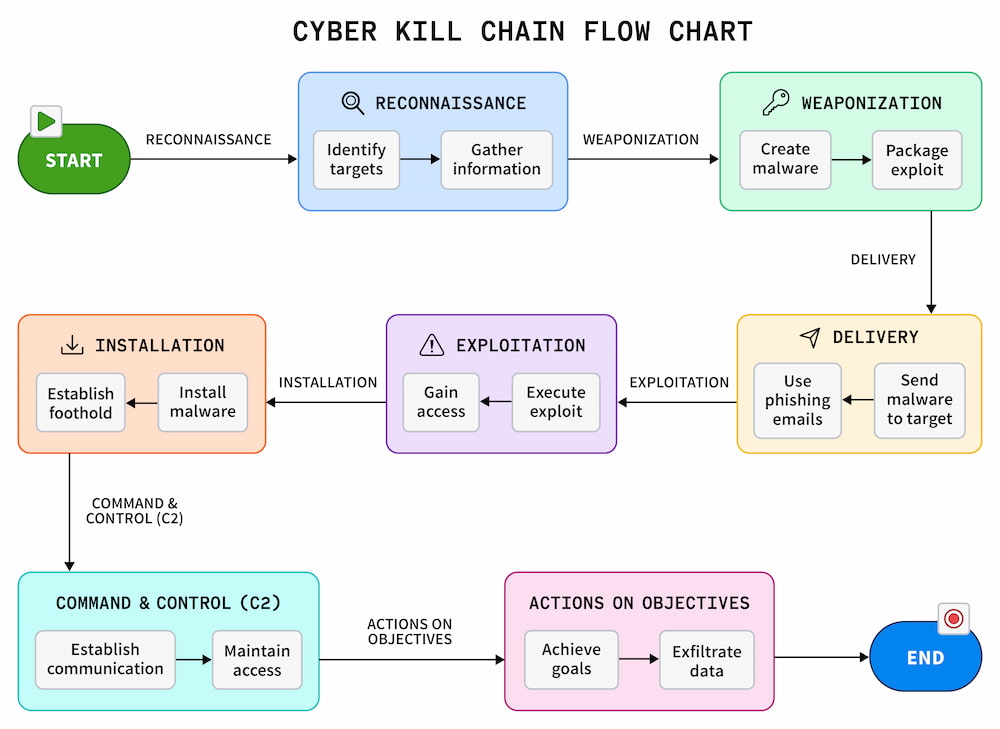
Figure 1: A typical cyber kill attack pattern
Take, for instance, sophisticated state-sponsored cyber attacks, advanced persistent threats (APTs), and organized ransomware groups. These threats often originate from external actors with malicious intent. Each of these threats operates on a different level, requiring diverse strategies for detection. APTs might be ongoing, stealthy, and persistent, while ransomware attacks are more immediate and demanding, and state-sponsored attacks can be incredibly complex and covert. And to make things worse, most of such cyber activities are orchestrated by cross-border entities. Jurisdictional differences in regulations and law enforcement collaboration can impede coordinated response efforts, further complicating the containment and mitigation of such threats.
The challenges don't stop there. The proliferation of Internet of Things (IoT) devices and cloud services increases the attack surface exponentially, subsequently introducing new vulnerabilities that are difficult to anticipate and monitor. These technologies often present attractive targets for external attackers seeking to exploit their inherent security weaknesses or gain unauthorized access to sensitive data stored within.
And the growing sophistication of cybercriminal tactics, techniques, and procedures to target unknown vulnerabilities makes threat detection a continuous challenge. Subtle forms of deception, like living-off-the-land attacks, often mimic legitimate activities, making detection even more challenging. External attackers typically employ these stealthy techniques to blend in with normal activity, making it even harder to identify their malicious intent.
In addition, the interplay between maintaining security and respecting privacy is a highly nuanced aspect of modern threat detection. Encryption remains fundamental to ensuring data privacy and integrity, yet it simultaneously cloaks the malicious activities within the very secure channels designed to protect information. Penetrating this cloak without infringing privacy rights or undermining trust requires a fine balance that demands advanced analytical tools and intelligent inspection methodologies capable of identifying suspicious patterns and anomalies within encrypted traffic.
Translating an understanding of the threat landscape into actionable insights is another significant challenge. It's not enough to merely grasp the complexity; the real task lies in converting this abstract concept into practical applications. Failure to do so can render the understanding ineffective, making it more of a theoretical exercise rather than a vital component of an effective cybersecurity strategy. For context, a single successful attack can lead to data breaches, financial losses, reputational damage, and even operational disruptions.
Advanced threat detection platforms are needed to transform this knowledge into robust defense mechanisms. These platforms go beyond traditional signature-based detection, employing a combination of cutting-edge technologies to provide a multi-layered defense against sophisticated external threats.
Threat detection requires a multifaceted approach that constantly adapts to the ever-changing cyber landscape. It is also important to note that recognizing the "what" through indicators of compromise (IOCs) and known malicious patterns is only half the equation. The ability to identify the "how" via predictive analytics, anomaly detection, and threat intelligence feeds — all aligned with strategic incident response planning — forms the other essential half.
The progression from foundational techniques, like signature- and behavior-based analysis, to advanced machine learning (ML) and heuristic methods highlights the industry's gradual innovation over the years. The tables below summarize these methodologies and the purposes they serve:
Table 1: Primary threat detection methodologies by threat source
| Approach | Attributes | Purpose |
Method
|
|
|
Internal
|
External
|
|||
| Signature-based detection |
Relies on known patterns and definitions to identify threats | Identify and block known malicious codes and viruses, originating externally or from those that have already infiltrated the system | Antivirus software, intrusion detection systems |
Email filtering, web content filtering, network intrusion prevention systems |
|
Behavior-based detection |
Monitors and analyzes unusual system behavior to detect anomalies |
Detect insider threats or attempts to exploit vulnerabilities from external sources |
User and entity behavior monitoring |
Anomaly detection in network traffic, cloud security monitoring |
Table 2: Advanced threat detection methodologies by threat source
| Approach | Attributes | Purpose |
Method
|
|
|
Internal
|
External
|
|||
|
Heuristics |
Utilizes rules and patterns to identify suspicious activities |
Quickly identify potential threats with less data |
Privileged access management, insider threat detection systems |
Email scanning for spam and phishing, web app firewalls, fraud detection |
|
Anomaly detection |
Detects deviations from established baselines, revealing potential threats |
Detect unknown sources by identifying behavioral anomalies |
User behavior analytics, file integrity monitoring |
Network traffic analysis, cloud security, endpoint detection and response |
|
ML algorithms |
Employs algorithms that learn and adapt to detect new and evolving threats |
Adapt to the evolving threat landscape, including new external attack vectors, with continuous learning |
Insider threat detection, user and entity behavior analytics |
Adaptive threat detection, predictive threat analysis, security information and event management |
Effective threat detection relies on a cohesive set of core practices that collectively form the defense against internal or external threats. The following practices are essential pillars that represent a multifaceted defense strategy, each one tailored to address specific challenges in the modern cyber environment.
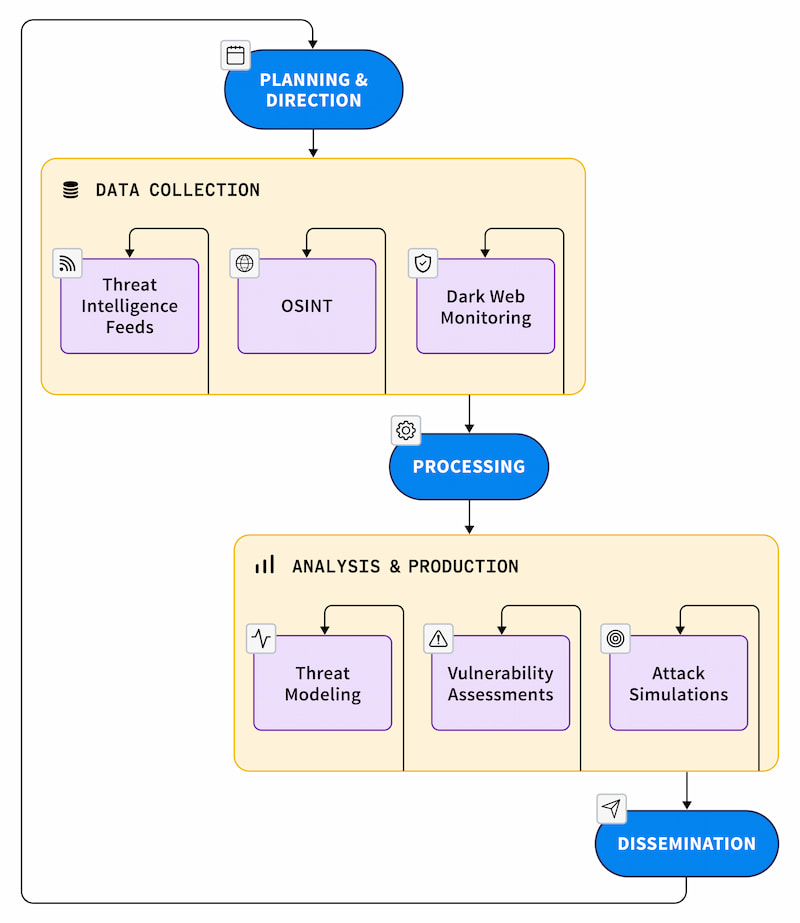
Figure 2: Cyber threat intelligence cycle
Exposure management functions as a critical threat detection pillar that focuses on the comprehensive assessment of an organization's external-facing attack surface — all the points where external threats can potentially infiltrate your systems and networks. Representing a strategic alignment of technology and process, the primary purpose of this stage is to understand the scope of what needs to be protected, optimizing response mechanisms against an ever-changing cyber environment.
This is typically achieved by implementing the following series of measures:
Going beyond exposure management's focus on known vulnerabilities and visible attack surface, proactive threat hunting delves deeper to actively neutralize unknown, concealed threats originating from external sources. Unlike traditional methods that react to security incidents as they occur, proactive threat hunting searches through networks to detect and isolate advanced threats that have already infiltrated existing security solutions.
Consider the complex role that threat feeds, IOCs, and indicators of attack play together. A diligent analysis of these components can provide significant and actionable insights into attackers' attack patterns. The real challenge, instead, is to separate valuable signals from inconsequential noise, a task demanding both technical expertise and strategic insight.
For a more comprehensive approach, consider the following actions:
Evolved cyber threats extending beyond traditional perimeters to target both physical and virtual infrastructures demand an adaptive response. Intrusion detection systems (IDSs) with advanced persistent threat (APT) correlation, and intrusion prevention systems (IPSs) with stateful protocol analysis, serve this purpose by administering a continuous surveillance mechanism against network anomalies.
IDSs' behavior-based detection models raise the alarm on suspicious activity, and IPSs neutralize the threat swiftly. But the dynamics change with the adoption of hybrid cloud and bring-your-own-device (BYOD) approaches, opening up new threat vectors that require specialized attention. Understanding these vectors is crucial as they can extend into previously secure areas, thus demanding a broader perspective on threat management.
Endpoint detection and response (EDR) solutions and cloud access security brokers (CASBs) are designed to tackle these unique vulnerabilities:
The integration of these systems is as critical as their individual roles. When properly aligned, they create a holistic security environment that adapts to changing threats, recognizing patterns that might be missed in isolation. For example, combining insights from EDRs and CASBs can provide a complete view of both internal and external threat movements, enhancing the reaction time to incidents.
But in the face of advanced threats, are traditional security systems completely irrelevant? Not really.
Despite their conventional nature, security information and event management (SIEM) systems continue to add depth by correlating and analyzing security events across the threat landscape. Through integration with various security sources and threat intelligence feeds — and employing complex event processing (CEP) — SIEMs detect subtle, sophisticated attacks, ensuring a uniform security posture across all assets.
This layered approach to threat detection, integrating both new solutions and augmenting existing tools, creates a robust, flexible defense strategy capable of not only reacting to current threats but also anticipating future challenges.
The foundation of an effective incident response is a robust incident response plan (IRP), which guides swift action during a security incident, supported by the specialized skills of an incident response team. Regular incident response drills take this preparedness a step further, replicating potential threats and solidifying a proactive stance.
It is, however, important to note that creating a resilient and agile response strategy does not follow a linear path. Instead, it is a continuous cycle that demands both strategic foresight and multi-layer execution. The real art also lies in balancing readiness with continuous adaptation to new threats and vulnerabilities, ultimately crafting an incident response that evolves with the cyber threat landscape.
Table 3: Incident response stages
| Stage | Key Actions | Considerations |
|
Prepare |
|
|
|
Identify |
|
|
|
Contain |
|
|
|
Eradicate |
|
|
|
Recover |
|
|
|
Lessons learned |
|
|
Adapting to the dynamic nature of users and triggered transactions, user behavior analytics (UBA) analyzes user activities and interactions to establish a baseline of normal behavior. Anomalies from this baseline signify potential threats, even if they originate from a seemingly legitimate user account.
UBA's capabilities also extend beyond merely identifying insider threats and are known to help uncover external attacks that leverage compromised user accounts or exploit vulnerabilities in user behavior.
Enterprises often regard cybersecurity as merely a technical concern, overlooking its strategic role in safeguarding assets and reputation. In contrast, the fabric of modern cybersecurity extends into intelligence, adaptability, and continuous improvement to maintain a layered defense strategy that can withstand the relentless onslaught of external threats. The real strength of your cybersecurity posture lies in the ability to detect unknown, shifting threats. While the challenge of administering such a robust posture is unending, this dynamic approach paves the way for continuous growth and readiness.
But as you embrace sophisticated threat detection mechanisms, it is worth recognizing that although they furnish enterprises with robust defenses, they can't fully contain the volatility of the evolving threat landscape. This doesn't diminish the vitality of these security practices, though. Instead, it highlights the need to reinforce them with advanced technologies, contextual intelligence, expert insights, and an organizational culture that nurtures vigilance, resilience, and innovation.
Additional resources:
DZone Article
DZone Article
ADVERTISE
CONTRIBUTE ON DZONE
LEGAL
CONTACT US
Let's be friends: