
This article needs additional citations for verification. Please help improve this article by adding citations to reliable sources. Unsourced material may be challenged and removed. Find sources: "Howard family" – news · newspapers · books · scholar · JSTOR (May 2010) (Learn how and when to remove this message) |


| Howard family | |
|---|---|
| Noble family | |
| 👁 Image Coat of arms of Howard, granted to Thomas Howard, 2nd Duke of Norfolk | |
| Country | |
| Founded | 1483; 543 years ago (1483) |
| Founder | John Howard, 1st Duke of Norfolk |
| Current head | Edward Fitzalan-Howard, 18th Duke of Norfolk |
| Titles | See list
|
| Estates | |
| Cadet branches | |
.svg)

The Howard family is an English noble family founded by John Howard, who was created Duke of Norfolk (third creation) by King Richard III of England in 1483. However, John was also the eldest grandson (although maternal) of the 1st Duke of the first creation. The Howards have been part of the peerage since the 15th century and remain both the Premier Dukes and Earls of the Realm in the Peerage of England, acting as Earl Marshal of England. After the English Reformation, many Howards remained steadfast in their Catholic faith as the most high-profile recusant family; two members, Philip Howard, 13th Earl of Arundel, and William Howard, 1st Viscount Stafford, are regarded as martyrs: a saint and a blessed respectively.
The senior line of the house, as well as holding the title of Duke of Norfolk, is also Earl of Arundel, Earl of Surrey and Earl of Norfolk, as well as holding six baronies. The Arundel title was inherited in 1580, when the Howards became the genealogical successors to the paternally extinct FitzAlans, ancient kin to the House of Stuart, dating back to when the family first arrived in Great Britain from Brittany (see Alan fitz Flaad).
Thomas Howard, 4th Duke of Norfolk, married as his first wife Mary FitzAlan, who, after the death of her brother Henry in 1556, became heiress to the Arundel estates of her father Henry FitzAlan, 12th Earl of Arundel. Her son was the above-mentioned Philip Howard, 13th Earl of Arundel. It is from this marriage that the present Duke of Norfolk takes his surname of FitzAlan-Howard and why his seat is Arundel Castle. There have also been several notable cadet branches; those existing to this day include the Howards of Effingham, Howards of Carlisle, Howards of Suffolk and Howards of Penrith. The former three are earldoms, and the latter a barony.
Throughout much of English and later British history, the Howards have played an important role. Claiming descent from Hereward the Wake, the resister of the Norman Conquest who has been much celebrated in folklore, John Howard fought to the death at the Battle of Bosworth Field in defence of the cause for the House of York. The Howards regained favour with the new Tudor dynasty after leading a defence of England from Scottish invasion at the Battle of Flodden, and Catherine Howard subsequently became the fifth wife and Queen consort to King Henry VIII. Her uncle, Thomas Howard, 3rd Duke of Norfolk, played a significant role in Henrician politics. Charles Howard, 1st Earl of Nottingham, served as Lord High Admiral of the English fleet which defeated the invading Spanish Armada.
Arundel Castle has been in the family of the Duke of Norfolk for over 400 years, and it is still the principal seat of the Norfolk family. As cultural heritage, it is a Grade I listed building.[1]
Origins
[edit]See: Howarth
.jpg)

The later Howards would claim legendary descent from Hereward the Wake, but a pedigree compiled and signed by Sir William Dugdale, Norroy King of Arms of the College of Arms, and dated 8 April 1665, stated that the Howard family are descended from the Howarth [sic, Howard] family of Great Howarth Hall, Rochdale. According to Dugdale, "it is clear from above seventy deeds, without date, that the Howards, Dukes of Norfolk, do derive from the Howards Howarth of Great Howarth and that William Howard of Wigenhall… was a direct decedent of Osbert Howard de Howarth." Osbert, Dugdale wrote, had been given lands in Rochdale in return for his service as Master of King Henry I's Buckhounds.
The scroll states, in clear terms, that William Howard de Howard (born 1237) was the second son of Robert Howarth of Howarth, son of William, who was himself the son of Peter de Howard. Dugdale states that William Howard de Howard was the progenitor of the subsequently noble Howard family. William Howard was knighted in c. 1278 and that he was appointed (Chief) Justice of the Common Pleas in 1297. William Howard married firstly Alice de Ufford, the daughter of the Justiciar and Suffolk landowner Sir Robert de Ufford. If Dugdale was correct a young William Howard left Lancashire to settle in Norfolk and practise as a lawyer perhaps at the behest of his father-in-law.[2]
Later in 1636 the Rev. Richard James separately wrote the Iter Lancastrense, a poem on the history of Lancashire in which he mentions "Robin Howorrth, from whose familie Great Noble peers derive their progenie".[3]
Alternatively it is sometimes stated that William Howard is son of a John (Howard) de Wiggenhale, who with other family members appears to have held land in or near Wiggenhall in Norfolk.[4]
Sir William Howard settled in East Winch and Wiggenhall. He was a Justice of the Court of Common Pleas and was summoned as a justice to the House of Commons in the Model Parliament of 1295. Sir William's son, Sir John Howard I, became Sheriff of Norfolk and Suffolk and married Joan de Cornwall, an illegitimate granddaughter of Richard, 1st Earl of Cornwall and King of the Romans,[5] the second son of King John. He died in 1308.
History
[edit]
.JPG)
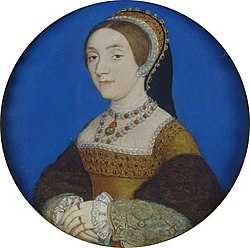
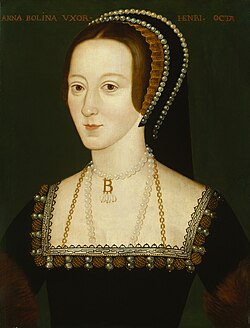
Sir William's great-great-great-grandson, Sir Robert Howard, married Lady Margaret Mowbray, elder daughter of Thomas Mowbray, 1st Duke of Norfolk (1366–1399). The Mowbray line of Dukes died out in 1476 and the heiress of the last Duke, Anne Mowbray, died at the age of nine in 1481; after declaring her widower King Edward IV's son Richard of Shrewsbury, 1st Duke of York, illegitimate, Richard III of England created the son of Sir Robert and Lady Margaret, John Howard, 1st Duke of Norfolk, of a new creation on 28 June 1483, the 200th anniversary of the Barony of Mowbray to which he was also senior co-heir. John had previously been summoned to Parliament as Lord Howard by Edward IV. He was also created hereditary Earl Marshal. John's son and heir, Thomas Howard, 2nd Duke of Norfolk, was the grandfather of two English queens, Anne Boleyn and Catherine Howard, both wives of Henry VIII.


The Howard family became one of the foremost recusant families due to their continued adherence to Roman Catholicism throughout the English Reformation and its aftermath. Four members of the family in a row fell from grace or were convicted and imprisoned because of their Catholic beliefs: Thomas Howard, 3rd Duke of Norfolk and his son Henry Howard, Earl of Surrey were imprisoned in late 1546. , accused of being involved in a plot to usurp the crown from Henry VIII's son, Prince Edward (future Edward VI) and thus reverse the Reformation and return the English Church to papal jurisdiction. Both the 3rd Duke and his son were tried for treason and sentenced to death; Surrey was only executed in January 1547 while his father was saved from the same fate by the death of Henry VIII, although he remained imprisoned in the Tower of London throughout the reign of Edward VI. The elderly 3rd Duke was freed early in the reign of the Catholic Queen Mary I in 1553 but died the following year and the Dukedom was inherited by her grandson and son of Surrey, Thomas, who became the 4th Duke.[6] The 4th Duke, who despite having received a Protestant education as a child was a Catholic, was imprisoned in 1569 on suspicion of involvement in the Rebellion of the Catholic earls of northern England, being released in August 1570 after insufficient evidence was found against him. However, in 1571, the Duke would participate in the Ridolfi Plot to overthrow, and possibly also assassinate Elizabeth I,[7] and replace her with Mary I Stewart, Queen of Scots, to marry her and then restore Catholicism in England. Norfolk was arrested in September of that same year when his participation in the plot was discovered. The Duke was tried for high treason and sentenced to death in January 1572, and executed in June of that year.[8] Norfolk's son, Philip Howard, 13th Earl of Arundel was imprisoned in the Tower of London for his Catholicism in 1585, remaining there for over ten years until he fell ill with dysentery and he died in October 1595. It became a tradition among the Howards to suffer for being Catholics.[9]
Both the Duchy and Earl Marshalship have been the subject of repeated attainders and restorations in the 15th to 17th centuries. Before Charles II restored the titles for good, the Howards had inherited the ancient title of Earl of Arundel through an heiress, and formed additional branches that have continued to this day.
A branch of the Howard family has been seated at Castle Howard, one of England's most magnificent country houses, for over 300 years.
In order of genealogical seniority:
- the Barons Howard of Penrith descend from a younger brother of the 12th Duke;
- the Earls of Suffolk and Berkshire descend from the 2nd son of the 4th Duke;
- the Earls of Carlisle descend from the third son of the 4th Duke;
- the Earls of Effingham descend from the fourth son of the 2nd Duke, who was Lord High Admiral and whose son was commander in chief against the Spanish Armada. (Curiously, this line was excluded from eligibility to inherit on the restoration of the Dukedom).
Howard family tree
[edit]| Family tree of the Dukes of Norfolk; Earls of Arundel, East Anglia, Norfolk, Norwich, Nottingham, and Surrey; and Barons Mowbray, Segrave and Stourton | |||||||||||||||||||||||||||||||||||||||||||||||||||||||||||||||||||||||||||||||||||||||||||||||||||||||||||||||||||||||||||||||||||||||||||||||||||||||||||||||||||||||||||||||||||||||||||||||||||||||||||||||||||||||||||||||||||||||||||||||||||||||||||||||||||||||||||||||||||||||||||||||||||||||||||||||||||||||||||||||||||||||||||||||||||||||||||||||||||||||||||||||||||||||||||||||||||||||||||||||||||||||||||||||||||||||||||||||||||||||||||||||||||||||||||||||||||||||||||||||||||||||||||||||||||||||||||||||||||||||||||||||||||||||||||||||||||||||||||||||||||||||||||||||||||||||||||||||||||||||||||||||||||||||||||||||||||||||||||||||||||||||||||||||||||||||||||||||||||||||||||||||||||||||||||||||||||||||||||||||||||||||||||||||||||||||||||||||||||||||||||||||||||||||||||||||||||||||||||||||||||||||||||||||||||||||||||||||||||||||||||||||||||||||||||||||||||||||||||||||||||||||||||||||||||||||||||||||||||||||||||||||||||||||||||||||||||||||||||||||||||||||||||||||||||||||||||||||||||||||
|---|---|---|---|---|---|---|---|---|---|---|---|---|---|---|---|---|---|---|---|---|---|---|---|---|---|---|---|---|---|---|---|---|---|---|---|---|---|---|---|---|---|---|---|---|---|---|---|---|---|---|---|---|---|---|---|---|---|---|---|---|---|---|---|---|---|---|---|---|---|---|---|---|---|---|---|---|---|---|---|---|---|---|---|---|---|---|---|---|---|---|---|---|---|---|---|---|---|---|---|---|---|---|---|---|---|---|---|---|---|---|---|---|---|---|---|---|---|---|---|---|---|---|---|---|---|---|---|---|---|---|---|---|---|---|---|---|---|---|---|---|---|---|---|---|---|---|---|---|---|---|---|---|---|---|---|---|---|---|---|---|---|---|---|---|---|---|---|---|---|---|---|---|---|---|---|---|---|---|---|---|---|---|---|---|---|---|---|---|---|---|---|---|---|---|---|---|---|---|---|---|---|---|---|---|---|---|---|---|---|---|---|---|---|---|---|---|---|---|---|---|---|---|---|---|---|---|---|---|---|---|---|---|---|---|---|---|---|---|---|---|---|---|---|---|---|---|---|---|---|---|---|---|---|---|---|---|---|---|---|---|---|---|---|---|---|---|---|---|---|---|---|---|---|---|---|---|---|---|---|---|---|---|---|---|---|---|---|---|---|---|---|---|---|---|---|---|---|---|---|---|---|---|---|---|---|---|---|---|---|---|---|---|---|---|---|---|---|---|---|---|---|---|---|---|---|---|---|---|---|---|---|---|---|---|---|---|---|---|---|---|---|---|---|---|---|---|---|---|---|---|---|---|---|---|---|---|---|---|---|---|---|---|---|---|---|---|---|---|---|---|---|---|---|---|---|---|---|---|---|---|---|---|---|---|---|---|---|---|---|---|---|---|---|---|---|---|---|---|---|---|---|---|---|---|---|---|---|---|---|---|---|---|---|---|---|---|---|---|---|---|---|---|---|---|---|---|---|---|---|---|---|---|---|---|---|---|---|---|---|---|---|---|---|---|---|---|---|---|---|---|---|---|---|---|---|---|---|---|---|---|---|---|---|---|---|---|---|---|---|---|---|---|---|---|---|---|---|---|---|---|---|---|---|---|---|---|---|---|---|---|---|---|---|---|---|---|---|---|---|---|---|---|---|---|---|---|---|---|---|---|---|---|---|---|---|---|---|---|---|---|---|---|---|---|---|---|---|---|---|---|---|---|---|---|---|---|---|---|---|---|---|---|---|---|---|---|---|---|---|---|---|---|---|---|---|---|---|---|---|---|---|---|---|---|---|---|---|---|---|---|---|---|---|---|---|---|---|---|---|---|---|---|---|---|---|---|---|---|---|---|---|---|---|---|---|---|---|---|---|---|---|---|---|---|---|---|---|---|---|---|---|---|---|---|---|---|---|---|---|---|---|---|---|---|---|---|---|---|---|---|---|---|---|---|---|---|---|---|---|---|---|---|---|---|---|---|---|---|---|---|---|---|---|---|---|---|---|---|---|---|---|---|---|---|---|---|---|---|---|---|---|---|---|---|---|---|---|---|---|---|---|---|---|---|---|---|---|---|---|---|---|---|---|---|---|---|---|---|---|---|---|---|---|---|---|---|---|---|---|---|---|---|---|---|---|---|---|---|---|---|---|---|---|---|---|---|---|---|---|---|---|---|---|---|---|---|---|---|---|---|---|---|---|---|---|---|---|---|---|---|---|---|---|---|---|---|---|---|---|---|---|---|---|---|---|---|---|---|---|---|---|---|---|---|---|---|---|---|---|---|---|---|---|---|---|---|---|---|---|---|---|---|---|---|---|---|---|---|---|---|---|---|---|---|---|---|---|---|---|---|---|---|---|---|---|---|---|---|---|---|---|---|---|---|---|---|---|---|---|---|---|---|---|---|---|---|---|---|---|---|---|---|---|---|---|---|---|---|---|---|---|---|---|---|---|---|---|---|---|---|---|---|---|---|---|---|---|---|---|---|---|---|---|---|---|---|---|---|---|---|---|---|---|---|---|---|---|---|---|---|---|---|---|---|---|---|---|---|---|---|---|---|---|---|---|---|---|---|---|---|---|---|---|---|---|---|---|---|---|---|---|---|---|---|---|---|---|---|---|---|---|---|---|---|---|---|---|---|---|---|---|---|---|---|---|---|---|---|---|---|---|---|---|---|---|---|---|---|---|---|---|---|---|---|---|---|---|---|---|---|---|---|---|---|---|---|---|---|---|---|---|---|---|---|---|---|---|---|---|---|---|---|---|---|---|---|---|---|---|
| |||||||||||||||||||||||||||||||||||||||||||||||||||||||||||||||||||||||||||||||||||||||||||||||||||||||||||||||||||||||||||||||||||||||||||||||||||||||||||||||||||||||||||||||||||||||||||||||||||||||||||||||||||||||||||||||||||||||||||||||||||||||||||||||||||||||||||||||||||||||||||||||||||||||||||||||||||||||||||||||||||||||||||||||||||||||||||||||||||||||||||||||||||||||||||||||||||||||||||||||||||||||||||||||||||||||||||||||||||||||||||||||||||||||||||||||||||||||||||||||||||||||||||||||||||||||||||||||||||||||||||||||||||||||||||||||||||||||||||||||||||||||||||||||||||||||||||||||||||||||||||||||||||||||||||||||||||||||||||||||||||||||||||||||||||||||||||||||||||||||||||||||||||||||||||||||||||||||||||||||||||||||||||||||||||||||||||||||||||||||||||||||||||||||||||||||||||||||||||||||||||||||||||||||||||||||||||||||||||||||||||||||||||||||||||||||||||||||||||||||||||||||||||||||||||||||||||||||||||||||||||||||||||||||||||||||||||||||||||||||||||||||||||||||||||||||||||||||||||||||
Arms of the Howard family
[edit]

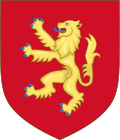
The Howard family's original arms were the white bend on red with the crosslets. On marrying the heiress of the dukes of Norfolk, the first Howard duke of Norfolk quartered his arms with those of Thomas of Brotherton 1st Earl of Norfolk, son of King Edward I Longshanks as well as the Mowbray arms. Starting with the 2nd Duke of Norfolk, the Howards added in the 3rd quarter the checkered blue and gold of the Warren Earls of Surrey, whom they became heirs of. Philip Howard was deprived of the dukedom of Norfolk, which was under attainer, but inherited the earldom of Arundel. His descendants used the gold lion on red of the Fitzalan Earls of Arundel in the 4th quarter.
-
Howard Arms unaugmented (pre-1513)
-
👁 Arms of Thomas of Brotherton (1300 † 1338), Earl of Norfolk, son of Edward I Longshanks, from whom all the Dukes of Norfolk are descended.Gules, three lions passant guardant in pale or armed and langued azure a label of three points argent.Arms of Thomas of Brotherton (1300 † 1338), Earl of Norfolk, son of Edward I Longshanks, from whom all the Dukes of Norfolk are descended.Gules, three lions passant guardant in pale or armed and langued azure a label of three points argent.
-
👁 Arms of John Howard, 1st Howard Duke of Norfolk, showing the unaugmented Howard Arms (I & IV), quartering the arms of Thomas of Brotherton (II) and the arms of Mowbray (III): Gules, a lion rampant argent.Arms of John Howard, 1st Howard Duke of Norfolk, showing the unaugmented Howard Arms (I & IV), quartering the arms of Thomas of Brotherton (II) and the arms of Mowbray (III): Gules, a lion rampant argent.
-
Arms of Mowbray
-
👁 The coat of arms used by the Howard Family. The Scots shield is an augmentation, see below.[10] Gules, on a bend between six cross-crosslets fitchy argent an escutcheon or charged with a demi-lion rampant pierced through the mouth by an arrow within a double tressure flory counterflory of the first.The coat of arms used by the Howard Family. The Scots shield is an augmentation, see below.[10] Gules, on a bend between six cross-crosslets fitchy argent an escutcheon or charged with a demi-lion rampant pierced through the mouth by an arrow within a double tressure flory counterflory of the first.
-
👁 Augmentation to the arms of Thomas Howard, 2nd Duke of Norfolk for his services at the Battle of Flodden (1513).Augmentation to the arms of Thomas Howard, 2nd Duke of Norfolk for his services at the Battle of Flodden (1513).
-
Arms of the Warenne Family, Earls of Surrey.
-
👁 Coat of arms of the Howard Dukes of Norfolk, starting with Thomas Howard, 2nd Duke of Norfolk.Quarterly of 4: 1: Howard, with augmentation of honour; 2: Plantagenet, arms of Thomas of Brotherton, 1st Earl of Norfolk; 3: Chequy or and azure (de Warenne, Earl of Surrey); 4: MowbrayCoat of arms of the Howard Dukes of Norfolk, starting with Thomas Howard, 2nd Duke of Norfolk.Quarterly of 4: 1: Howard, with augmentation of honour; 2: Plantagenet, arms of Thomas of Brotherton, 1st Earl of Norfolk; 3: Chequy or and azure (de Warenne, Earl of Surrey); 4: Mowbray
-
👁 Confirmation of arms, crest and supporters, dated 28 May 1580, by Robert Cooke, Clarenceux to Philip Howard, 20th Earl of Arundel, omitting Howard arms and quarterings as the Dukedom of Norfolk was under attainder.Confirmation of arms, crest and supporters, dated 28 May 1580, by Robert Cooke, Clarenceux to Philip Howard, 20th Earl of Arundel, omitting Howard arms and quarterings as the Dukedom of Norfolk was under attainder.
-
👁 Usual quarterings of Howard, Dukes of Norfolk after 1842: with FitzAlan (Gules a lion rampant or) in the 4th quarter, in place of Mowbray; in 1842 the future 14th Duke adopted as a prefix the additional surname of FitzAlan (of Arundel Castle, feudal Earls of Arundel, Barons Mowbray, etc.), whose heiress in 1555 had married Thomas Howard, 4th Duke of Norfolk.Usual quarterings of Howard, Dukes of Norfolk after 1842: with FitzAlan (Gules a lion rampant or) in the 4th quarter, in place of Mowbray; in 1842 the future 14th Duke adopted as a prefix the additional surname of FitzAlan (of Arundel Castle, feudal Earls of Arundel, Barons Mowbray, etc.), whose heiress in 1555 had married Thomas Howard, 4th Duke of Norfolk.
-
FitzAlan, Earls of Arundel.
-
👁 Arms of the arms of Henry Howard, Earle of Surrey, for which he was attainted. The main offense was bearing the arms of Edward the Confessor (5th quarter), which only the monarch was allowed. Surrey was beheaded on 19 January 1547 on a charge of treasonably quartering the royal arms.Arms of the arms of Henry Howard, Earle of Surrey, for which he was attainted. The main offense was bearing the arms of Edward the Confessor (5th quarter), which only the monarch was allowed. Surrey was beheaded on 19 January 1547 on a charge of treasonably quartering the royal arms.
-
Coat of arms of Howard Earls of Suffolk, with a crescent for difference for a second son.
-
Coat of arms of Howard Earl of Carlisle
-
Arms of Thomas Howard, 1st Earl of Berkshire
-
Arms of Charles Howard, 2nd Earl of Berkshire
-
Arms of William Howard, 1st Viscount Stafford
-
Coat of arms Howard Earl of Nottingham Effingham (original)
.svg)


.svg)


![👁 The coat of arms used by the Howard Family. The Scots shield is an augmentation, see below.[10] Gules, on a bend between six cross-crosslets fitchy argent an escutcheon or charged with a demi-lion rampant pierced through the mouth by an arrow within a double tressure flory counterflory of the first.](https://upload.wikimedia.org/wikipedia/commons/thumb/4/41/Howard_arms_%28augmented%29.svg/120px-Howard_arms_%28augmented%29.svg.png)


.svg)


.svg)


.svg)

Earl Marshal is a hereditary royal officeholder and chivalric title under the sovereign of the United Kingdom used in England (then, following the Act of Union 1800, in the United Kingdom). It is the eighth of the Great Officers of State in the United Kingdom, ranking beneath the Lord High Constable and above the Lord High Admiral. The Earl Marshal has responsibility for the organisation of State funerals and the monarch's coronation in Westminster Abbey.[11] He is also a leading officer of arms. The office is hereditary in the Howard Family in their position as Dukes of Norfolk, the senior dukedom in the United Kingdom.
| 👁 Image |
|


Titles
[edit]


Bibliography
[edit]- William Dugdale, Baronage of England (London, 1675–76);
- Collins, Peerage of England (fifth edition, London, 1779);
- Henry Howard, Memorials of the Howard Family (privately printed, 1834);
- Edmund Lodge, Portraits of Illustrious Personages (London, 1835); The Howard Papers, with a Biographical Pedigree and Criticism by Canston (London, 1862);
- Yeatman, The Early Genealogical History of the House of Arundel (London, 1882);
- Doyle, Official Baronage of England (London, 1886);
- Brenan and Statham, The House of Howard (London, 1907).
References
[edit]- ^ Historic England. "Arundel Castle (1027926)". National Heritage List for England. Retrieved 2 December 2007.
- ^ "Dugdale's 1665 Pedigree of the Howarths of Great Howarth on Page 64 of The history of the county palatine and duchy of Lancaster by Baines, Edward, 1774-1848". 20 April 1888. Retrieved 6 February 2024.
- ^ "The Rev. Richard James, Iter Lancastrense 1636". Retrieved 6 February 2024.
- ^ Blomefield, Francis (20 April 1775). "Francis Blomefield and Charles Parkin An Essay towards a Topographical History of the County of Norfolk (1739-1775)". Retrieved 6 February 2024.
- ^ Douglas Richardson, Plantagenet Ancestry, pg 232–33.
- ^ Graves, Michael A. R. (2008) [2004]. "Howard, Thomas, third duke of Norfolk (1473–1554)". Oxford Dictionary of National Biography (online ed.). Oxford University Press. doi:10.1093/ref:odnb/13940. (Subscription, Wikipedia Library access or UK public library membership required.)
- ^ Williams, Neville (1964). A Tudor Tragedy:Thomas Howard Fourth Duke of Norfolk. p. 218.
- ^ Graves, Michael A. R. (2008) [2004]. "Howard, Thomas, fourth duke of Norfolk (1538–1572)". Oxford Dictionary of National Biography (online ed.). Oxford University Press. doi:10.1093/ref:odnb/13941. (Subscription, Wikipedia Library access or UK public library membership required.)
- ^ "For centuries this Catholic family has orchestrated Britain's most Anglican royal events".
- ^ Rietstap, Johannes Baptist (2003). Armorial general. Vol. 2. Genealogical Publishing Co. ISBN 0806348119.
- ^ "The history of the Royal heralds and the College of Arms". The College of Arms website. Retrieved 16 April 2009.
- ^ Brooke-Little, J.P., FSA (1978) [1950]. Boutell's Heraldry (Revised ed.). London: Frederick Warne LTD. p. 125. ISBN 0-7232-2096-4.
{{cite book}}: CS1 maint: multiple names: authors list (link)
External links
[edit]- European Heraldry page Archived 27 March 2019 at the Wayback Machine
- http://www.tudorplace.com.ar/HOWARD1.htm

- Wikipedia articles incorporating a citation from the ODNB
- CS1 maint: multiple names: authors list
- Articles with short description
- Short description is different from Wikidata
- Use dmy dates from September 2020
- Articles needing additional references from May 2010
- All articles needing additional references
- Pages using infobox family with conflicting parameters
- Commons category link is locally defined
- Webarchive template wayback links