

















Exoplanet Exploration Program
NASA's search for habitable planets and life beyond our solar system
Overview
The Exoplanet Exploration Program (ExEP) is responsible for implementing NASA’s plans for the discovery and understanding of planetary systems around nearby stars. ExEP serves the science community and NASA by acting as a focal point for exoplanet science and technology, and by the integration of cohesive strategies for future discoveries.
The mission of the Exoplanet Exploration Program is threefold — to search for planets beyond our solar system, characterize them, and look for life on the planets. The scientists and engineers who work at NASA's exoplanet program work daily to make those goals a reality.
Learn more about us on our Team page, and view foundational documents in the Documents section.
Exoplanet Meetings
The Exoplanet Exploration Program (ExEP) maintains a list of meetings and events that have a significant exoplanet-related component.

ExoExplorers
ExoExplorers aims to enable the professional development of a cohort of PhD candidates and/or postdocs in exoplanet research.

Exoplanet Travel Bureau
Journey beyond our solar system with guided tours, 360-degree surface visualizations, and our popular travel posters.
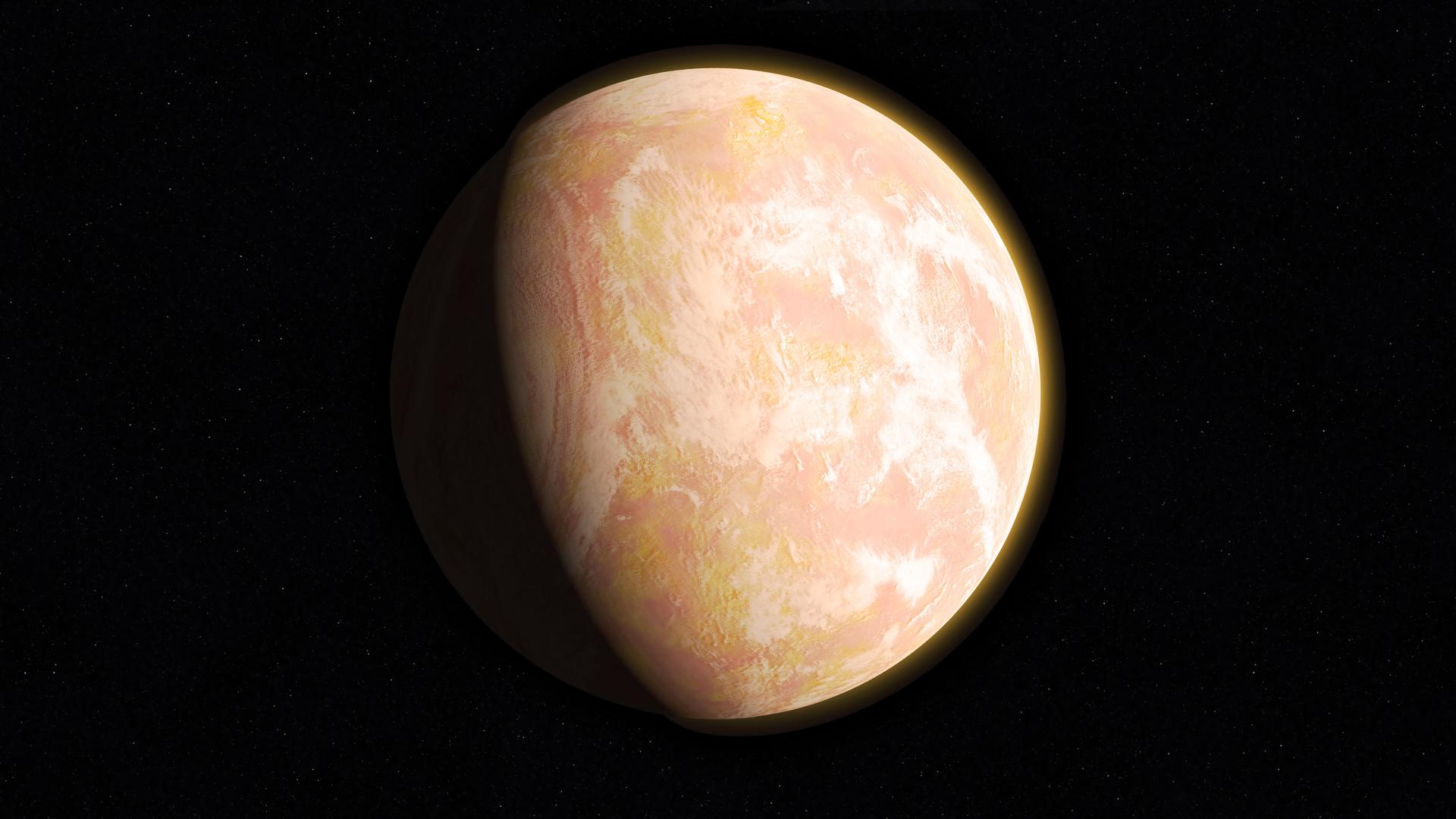
How Do We Find Exoplanets?
Exoplanets are far, but scientists have discovered some creative ways to spot these elusive objects.
The Search for Habitable Worlds
The Target Star Catalog is a guide to intriguing nearby stars that astronomers want to study with future missions, such as the Habitable Worlds Observatory, which will be built specifically to find and observe Earth-like exoplanets, to search for signs of life.
Browse the Target Star Catalog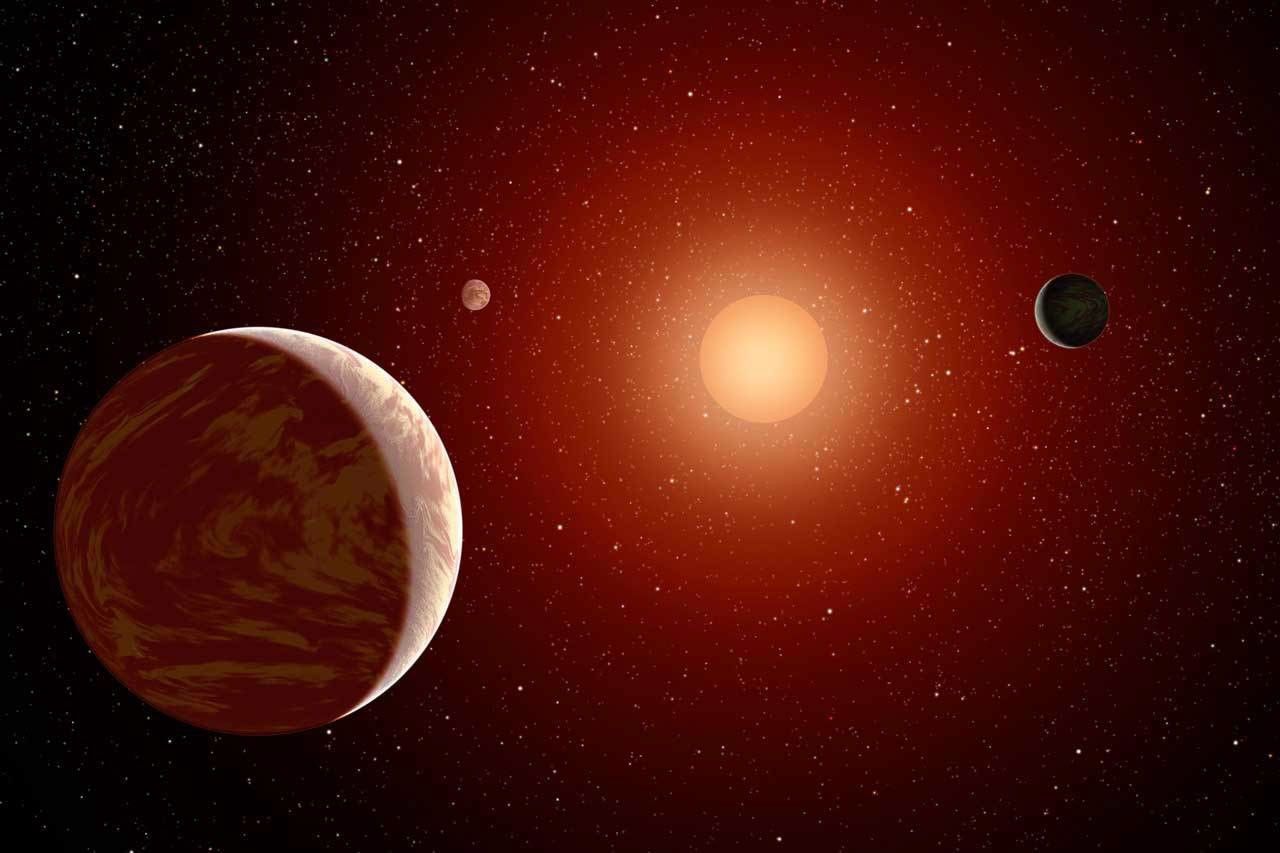
Exoplanet Catalog
Learn more about every confirmed exoplanet — 6,000+ and counting — in this continuously updated resource. View interactive 3D models, read descriptions and vital statistics, and filter by exoplanet type, or by the method used to discover it, or by the spacecraft, observatory, or other facility that found it.
Browse the Exoplanet Catalog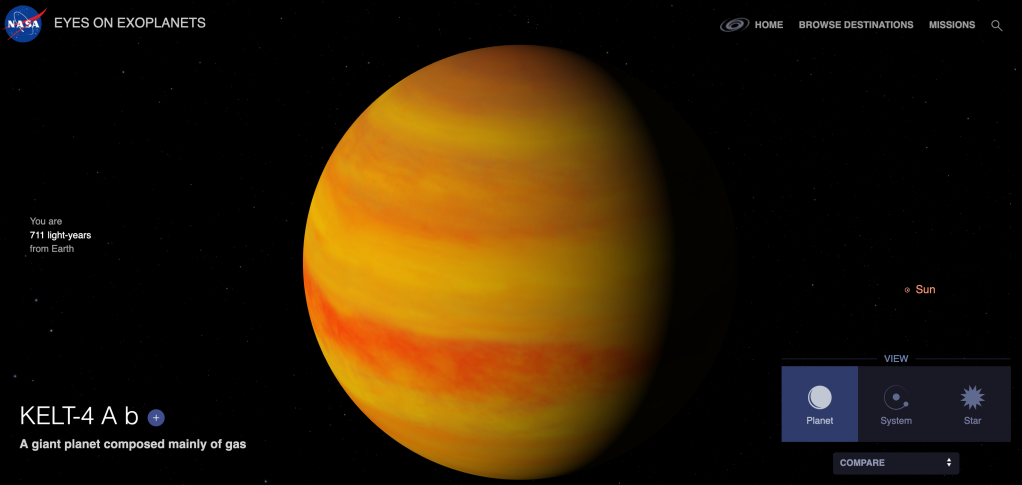
Exoplanet Types
So far scientists have categorized exoplanets into the following types: Gas giant, Neptunian, super-Earth, and terrestrial, with subcategories — such as mini-Neptunes — within those groups. How are they alike or different? What makes them special?
Learn More about Exoplanet Types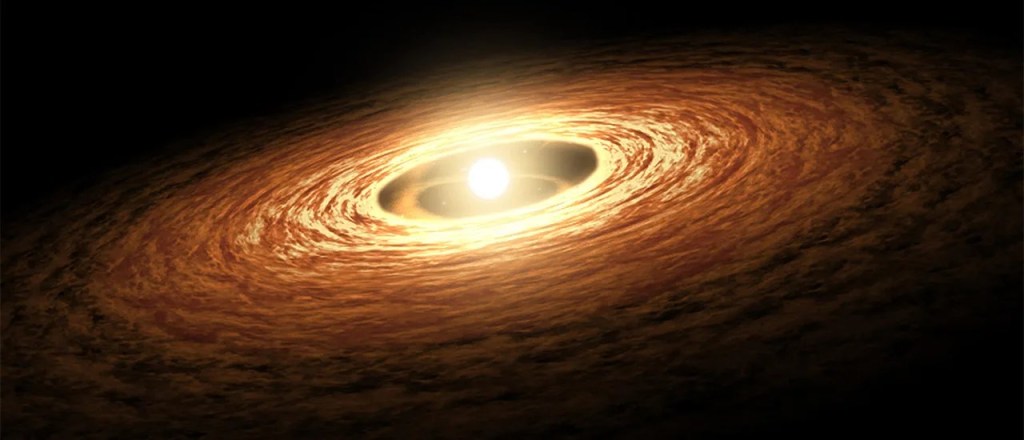
Managed by the Exoplanet Exploration Program and the Jet Propulsion Laboratory for NASA’s Astrophysics Division