VOOZH about

URL: https://fifdh.org/en/festival/program/2026/forum/sudan-who-profits-from-the-war/

⇱ Sudan: Who Profits from the War? - FIFDH


Accessibility
05-14.03.2027 Geneva
fr
Preceded by the film Sudan, Remember Us

Sudan: Who Profits from the War?
👁 Image
Forum
Ticket

Sunday 15 March – 13h00
Preceded by the film Sudan, Remember Us
Espace Pitoëff - Grande Salle
Rue de Carouge 52, 1205 Geneva

Book
In Sudan, violence extends far beyond clashes between armed groups, devastating a population trapped in the middle of a highly complex conflict shaped by geopolitical interests and the ambiguous role of external actors.

Since August 2023, Sudan has plunged back into extreme violence, displacing millions and causing an estimated 150,000 deaths, including among the besieged population of Al-Fashir. What began as a struggle for power has increasingly taken the form of a war against civilians. Two rival forces dominate the conflict: the Sudanese Armed Forces (SAF), led by General Abdel Fattah al-Burhan, and the Rapid Support Forces (RSF), commanded by Mohamed Hamdan Daglo, known as “Hemedti”, a former Janjaweed leader implicated in campaign of atrocities, including ethnic cleansing, in Darfur in 2003–2005. At the same time, regional powers have positioned themselves as mediators while continuing to fuel a conflict driven by Sudan’s strategic location and natural resources.

Co-presented with Human Rights Watch
Discussion

Kholood Khair
Founder and Director of Confluence Advisory

Mona Rishmawi
Member of UN Independent Fact-Finding Mission for Sudan

Roland Marchal
Sociologist specialising in conflicts on the African continent

Mohamed Osman
Sudan Researcher, Africa Division, Human Rights Watch

Moderators

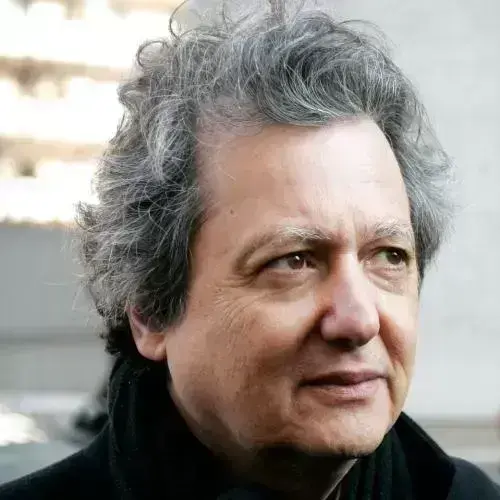
Pierre Haski
Geopolitical journalist

Language(s)
Discussions are interpreted in English and French

By Hind Medded

Sudan, Remember Us

Soudan, souviens-toi
👁 Image
Documentaries - Out of Competition

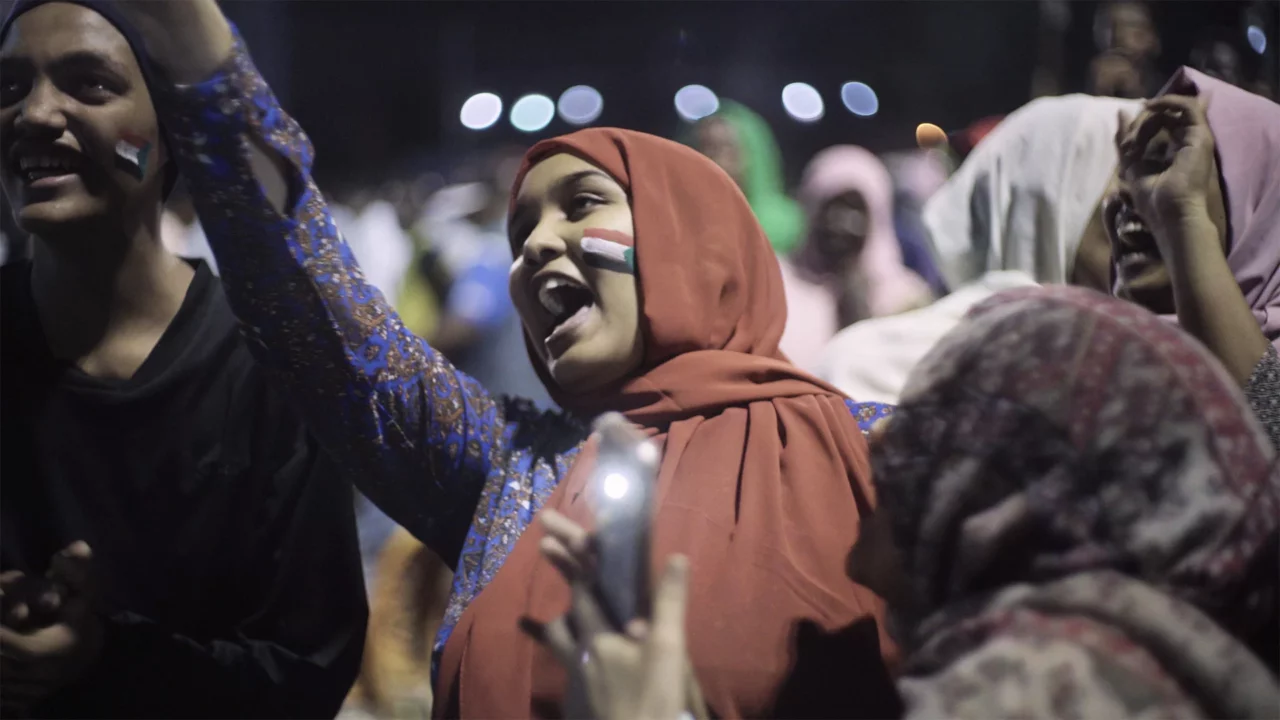
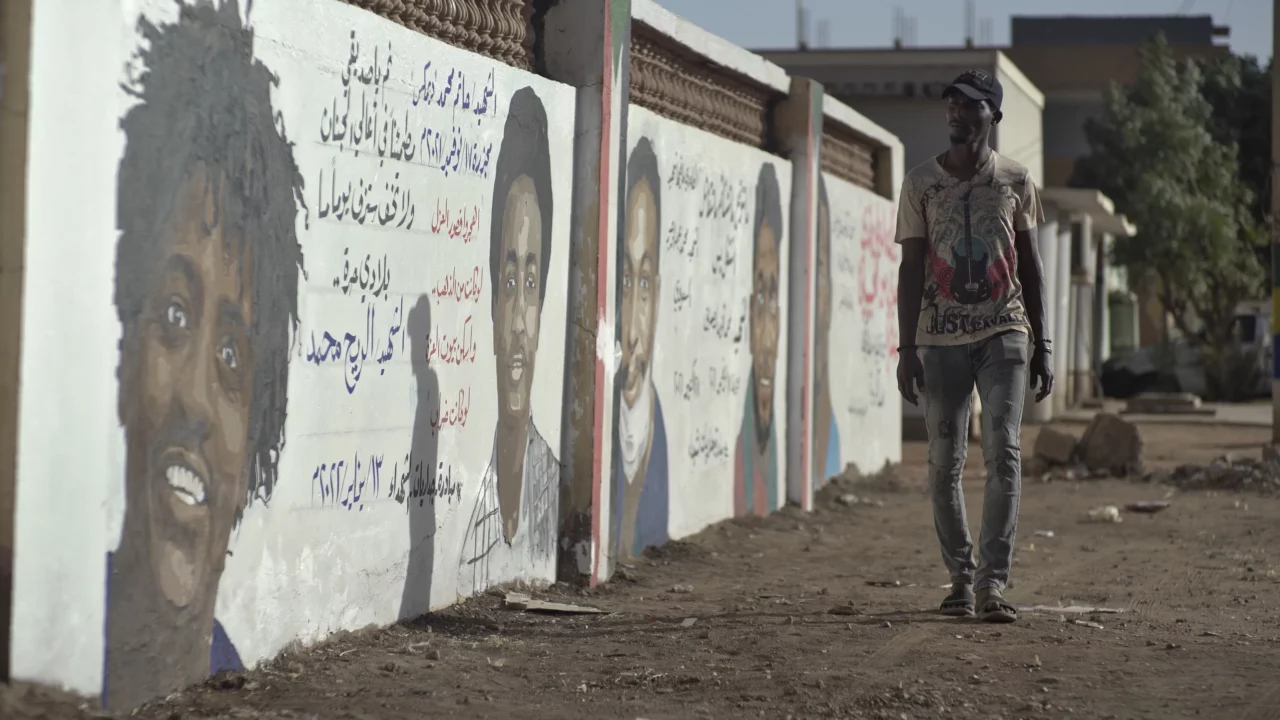
From 2019 to 2023, Hind Meddeb films the Sudanese revolution carried by a young generation which, after decades of silence, forges a language of resistance shaped by poetry and images. Blending intimate narratives with collective memory, the documentary paints the portrait of a generation that believed in democracy. An ode to creative resistance, the film also bears witness to a crushed uprising, whose survivors were ultimately driven into exile.

⚠︎ This film contains disturbing scenes and narratives that may be sensitive to some viewers (physical violence).

Section : Documentaries - Out of Competition
Country : France, Tunisia, Qatar
Original language : Arabic
Subtitles : French, English
Duration
76’
Year
2024
Director
Hind Medded
Producers
Echo Films
Blue Train Films
My Way Production
Writer
Hind Meddeb
Editing
Gladys Joujou
Son
Hind Meddeb
Damien Tronchot
World Sales
Totem Films
Discussion

Kholood Khair

Founder and Director of Confluence Advisory
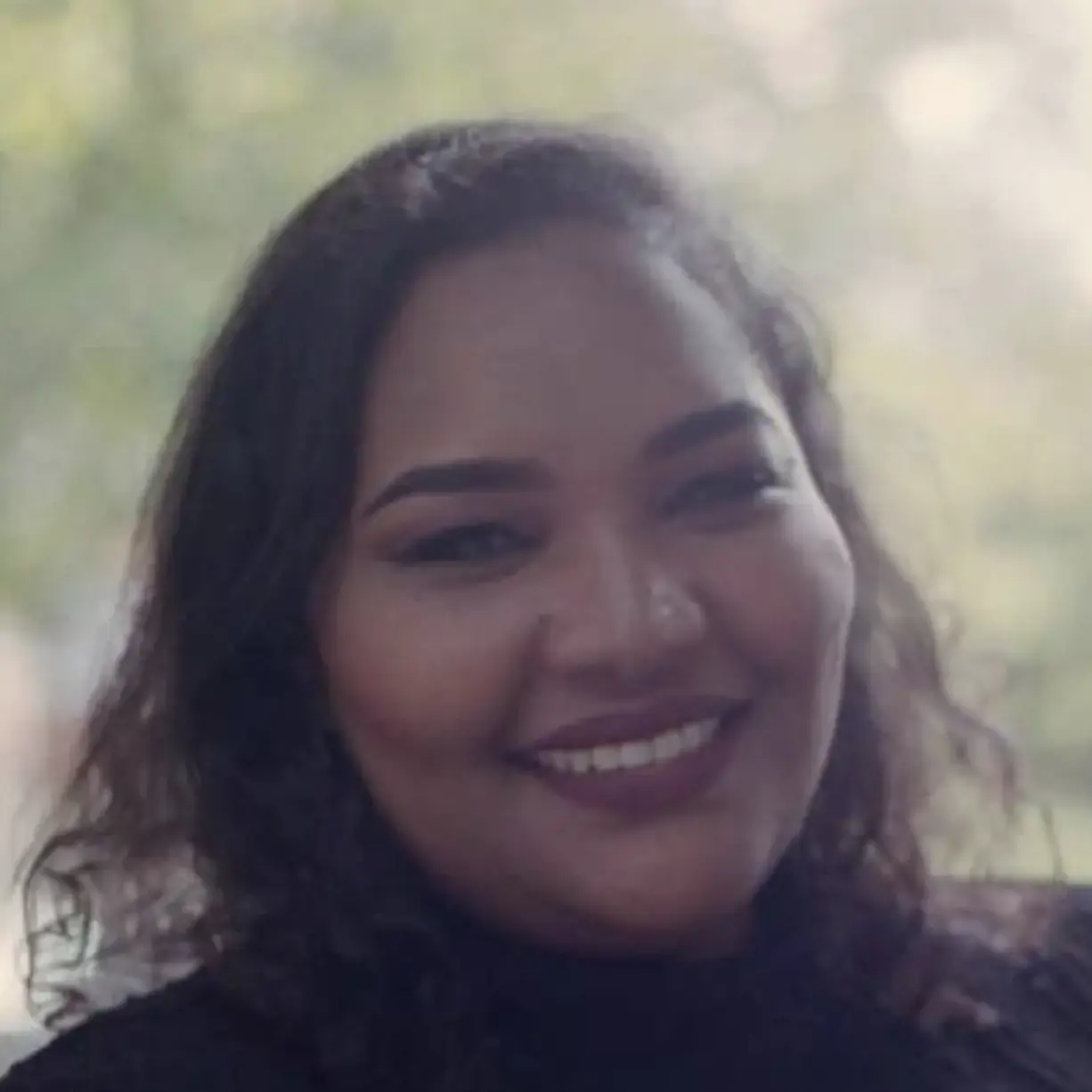
Kholood Khair is the founder and director of Confluence Advisory, a 'think and do tank' founded in Khartoum, that works on three priority policy areas: peace and security, economy, and governance. This year, Kholood is part of the inaugural Yale Peace Fellows working on inclusive peace. In Sudan, during its short-lived transition to democracy, Kholood also hosted and co-produced Spotlight 249, Sudan's first English language political discussion and debate show aimed at young Sudanese.Kholood career has, for almost two decades, spanned the fields of research, aid programming, mediation and policy in Sudan and across the Horn of Africa. She has written research and analysis pieces for several international publications and has provided analyses for research and policy institutions worldwide. Kholood has briefed the the UK Parliament, the UNSC twice, as well as testified in the US Congress, twice.
Discussion

Mona Rishmawi

Member of UN Independent Fact-Finding Mission for Sudan
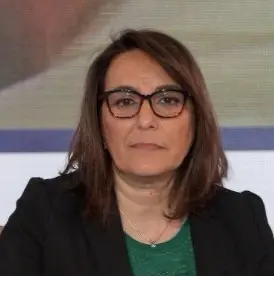
Mona Rishmawi is a former senior official at the United Nations, where she last served in 2022/2023 as Head of Office for the UN Special Envoy for Syria based in Damascus, Syria. From 2004-2005, she was the Executive Director of the Secretariat of the UN International Commission of Inquiry on Darfur, established by Security Council resolution 1564. From 2009-2022, she was Chief of the UN Human Rights Office’s Rule of Law, Equality, and Non-Discrimination Branch. From 2004 to 2009, she headed the Rule of Law and Democracy Unit and was the OHCHR Legal Advisor. Between 2000 and 2004, she was Senior Policy Adviser to two UN High Commissioners for Human Rights, including serving as the Senior Human Rights and Women’s Rights Adviser to Special Representative of the Secretary-General Sérgio Vieira de Mello in Iraq. From 1996 to 2000, she was the UN Independent Expert on the Situation of Human Rights in Somalia, and from 1996 to 2000. From 1991-2000, Ms. Rishmawi was the Director of the Centre for the Independence of Judges and Lawyers at the International Commission of Jurists in Geneva. Prior to this, she practiced law from 1981-1991 in the West Bank, Occupied Palestinian Territory, and played a senior role within a main Palestinian human rights organization, al Haq. Her academic publications cover human rights, international human rights law and international criminal law.
Discussion

Roland Marchal

Sociologist specialising in conflicts on the African continent
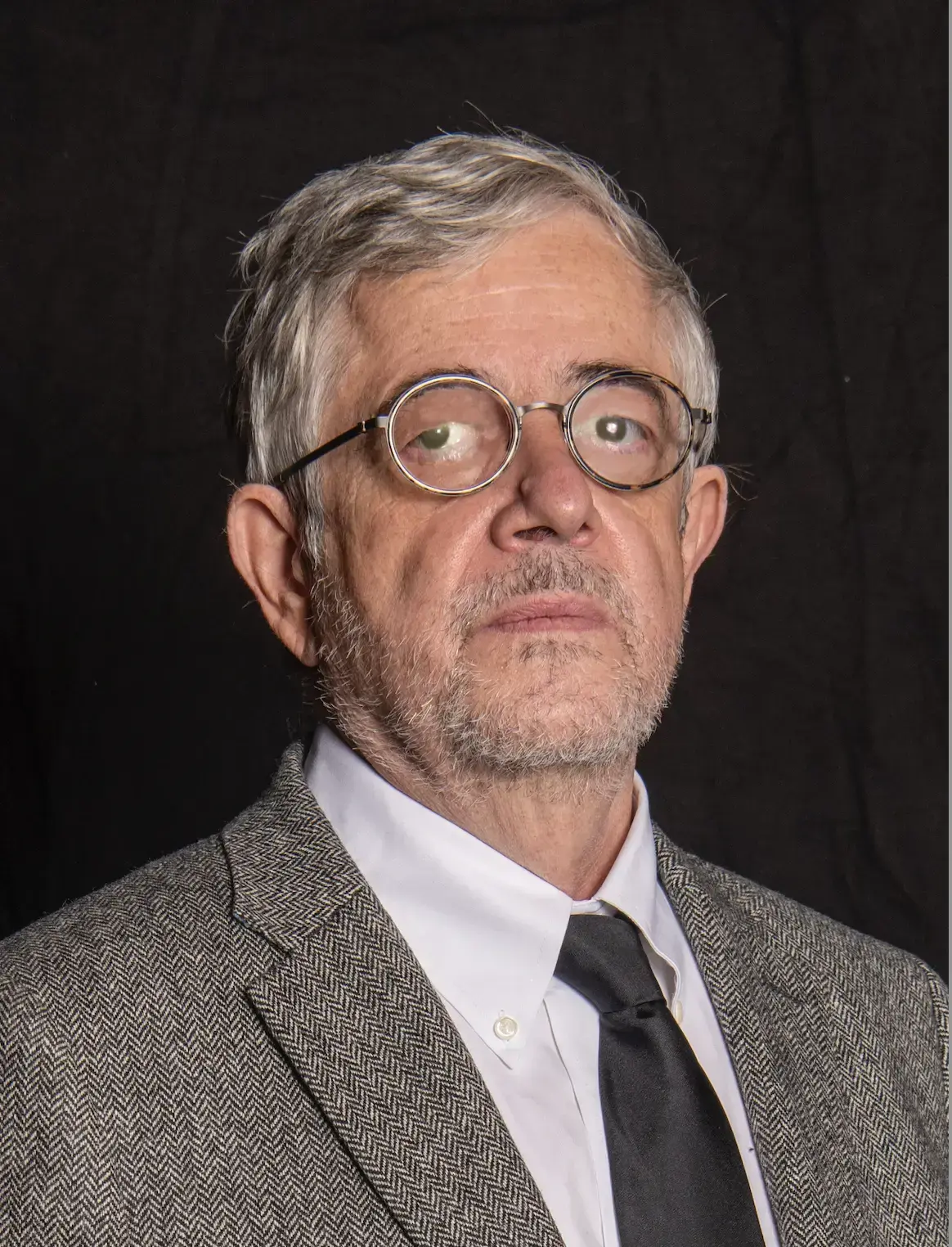
Roland Marchal was a researcher at the French National Centre for Scientific Research (CNRS) until August 2022, before joining the National Foundation for Political Science. (FNSP). He has been based at the Centre for International Research at Sciences Po Paris since 1996. He was editor-in-chief of the French academic quarterly Politique africaine from 2002 to 2006. He has conducted research and published articles and books on conflicts and politics in Africa, particularly in the Horn of Africa and Central Africa. He has also taught in France (Sciences Po Paris, Paris I Sorbonne), the United States (Johns Hopkins, Northwestern, Columbia), Latin America (University of Mexico, Diplomatic Academy of Bogota, etc.) and Japan (Waseda, etc.). He has worked as a consultant for several European governments, the European Union, the World Bank, the United Nations and non-governmental organisations.
Discussion

Mohamed Osman

Sudan Researcher, Africa Division, Human Rights Watch
Mohamed Osman is a Researcher in Human Rights Watch's Africa Division. He joined the organization in late 2018 and covers Sudan. Prior to joining the organization, Mohamed worked with the Open Society Justice Initiative in New York as an Aryeh Neier fellow working on corruption and advocacy. He started his career as a practicing lawyer in Sudan before working as a legal adviser to Redress and Sudan Human Rights Monitor on torture and ill-treatment project. He has also worked as the legal adviser for the International Committee of the Red Cross (ICRC) delegation in Sudan, responsible for International Humanitarian Law dissemination among officials and arms carriers.
Moderators

Pierre Haski

Geopolitical journalist
Pierre Haski has worked as a correspondent in Johannesburg, Jerusalem and Beijing, successively for Agence France-Presse and the French daily "Libération". In 2007, he co-founded the news website Rue89.com. Since 2018, he has been a geopolitical columnist for France Inter radio's Matinale and for the magazine L'Obs, and since 2017, President of the organization Reporters sans frontières (RSF).He is the author of several books and documentaries, including Liu Xiaobo, l'homme qui a défié Pékin and Nous sommes Taiwan, broadcast by ARTE. Latest book: Une terre doublement promise - Israël-Palestine, un siècle de conflit(Stock, 2024).