Mission Name:
Ghost Riders in the SkyMission Type:
Lunar MissionCustomer:
NASASpacecraft:
Blue Ghost lunar landerLaunch Date:
January 15, 2025Landing Date:
March 2, 2025Landing Time:
2:34 a.m. CSTLanding Site:
Mare Crisium near Mons LatreilleMission Summary
Firefly’s Blue Ghost Mission 1, named Ghost Riders in the Sky, launched on January 15 and performed the first fully successful commercial Moon landing on March 2. Blue Ghost then completed more than 14 days of surface operations (346 hours of daylight) and just over 5 hours of operations into the lunar night. This achievement marks the longest commercial operations on the Moon to date. Read more about the mission’s historic accomplishments in Firefly’s end of mission press release.
Our Trajectory
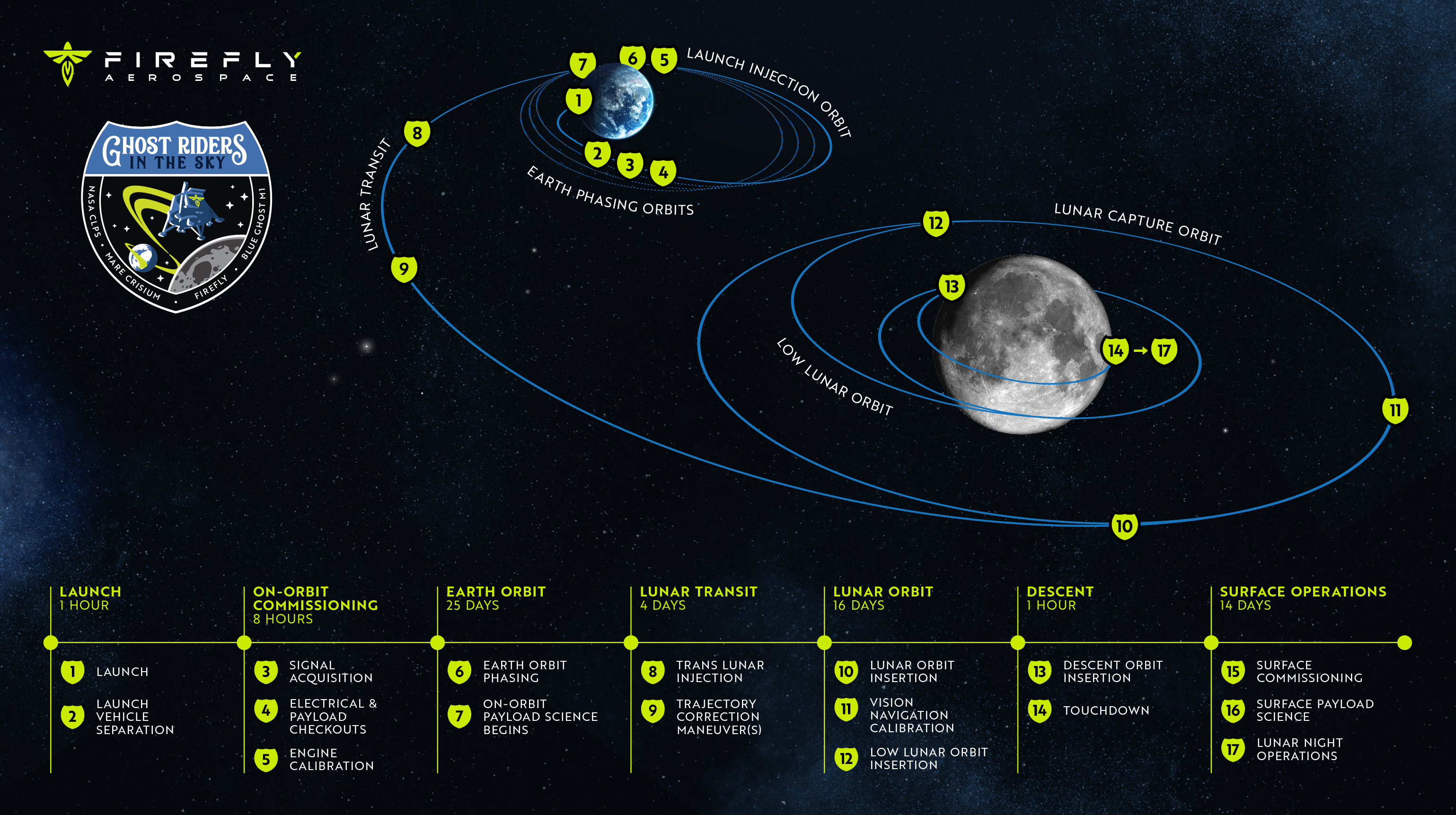
Blue Ghost Mission 1 had approximately 60 days of operations, including 45 days in transit to the Moon and more than 14 days on the lunar surface. Our 45-day transit included 25 days in Earth orbit, 4 days in lunar transit, and 16 days in lunar orbit, which enabled the team to conduct robust health checks on each subsystem, calibrate the propulsion system in preparation for critical maneuvers, and begin payload science operations ahead of landing.
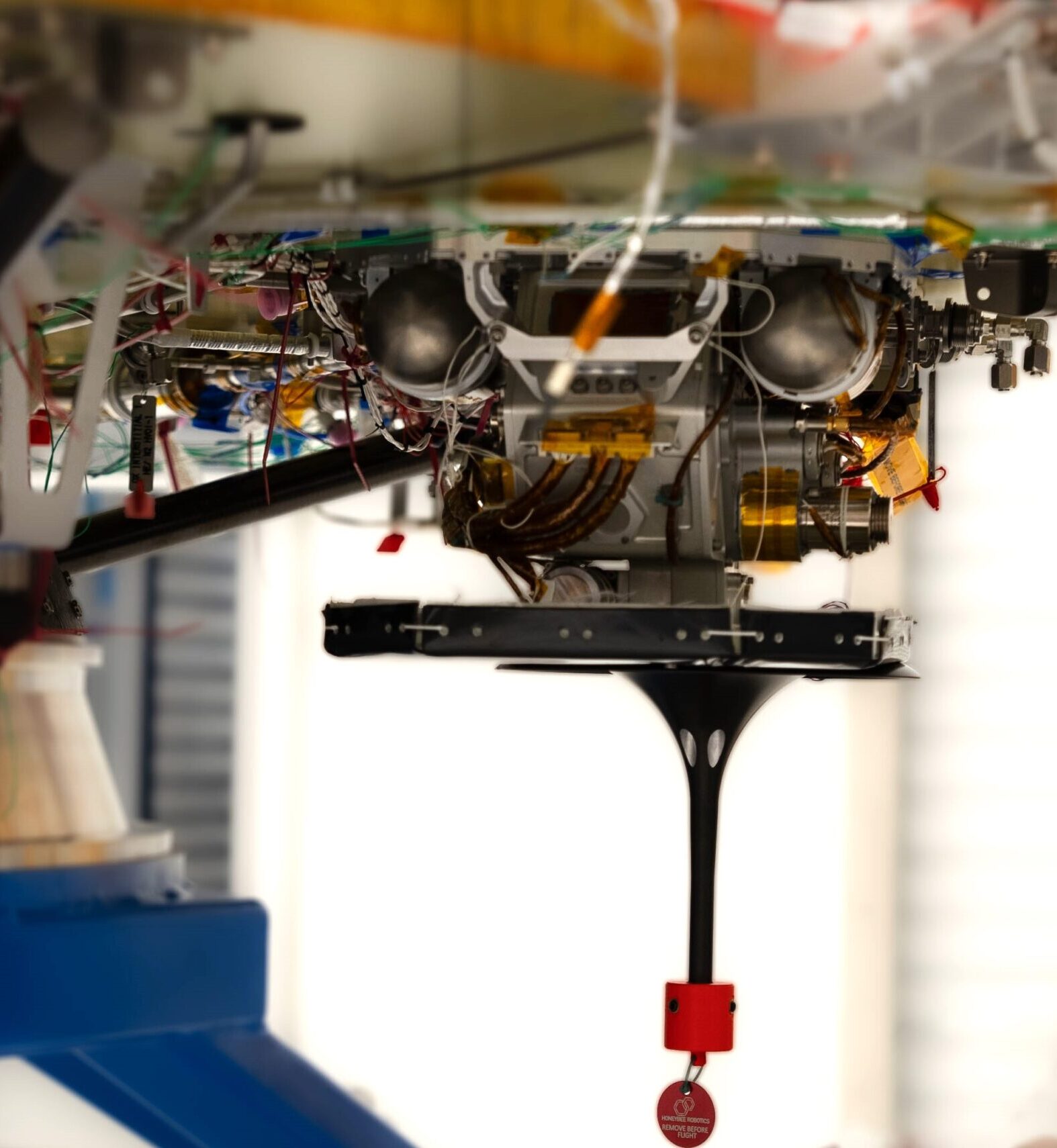
Honeybee Robotics (Blue Origin)
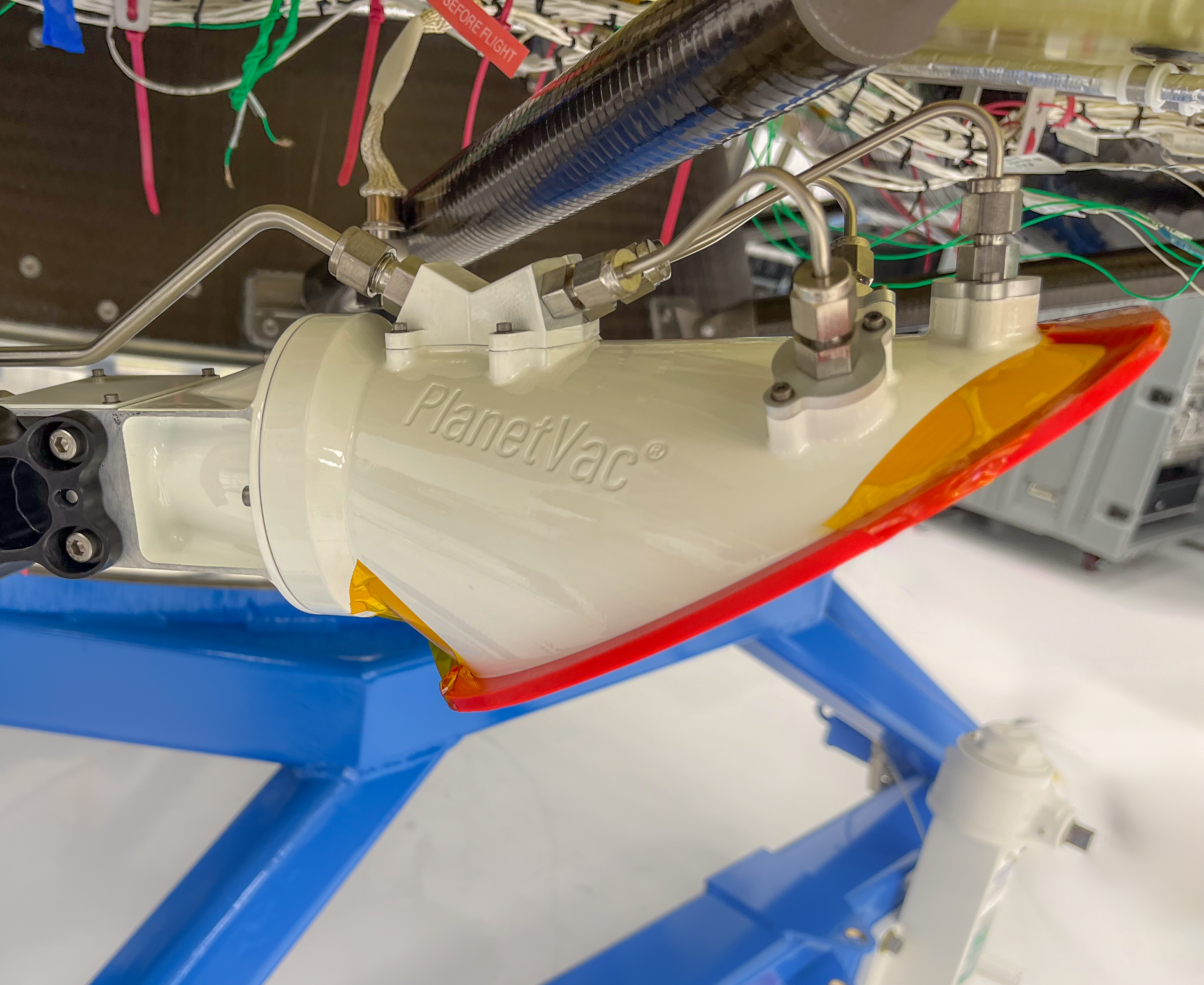
Honeybee Robotics (Blue Origin)
University of Maryland
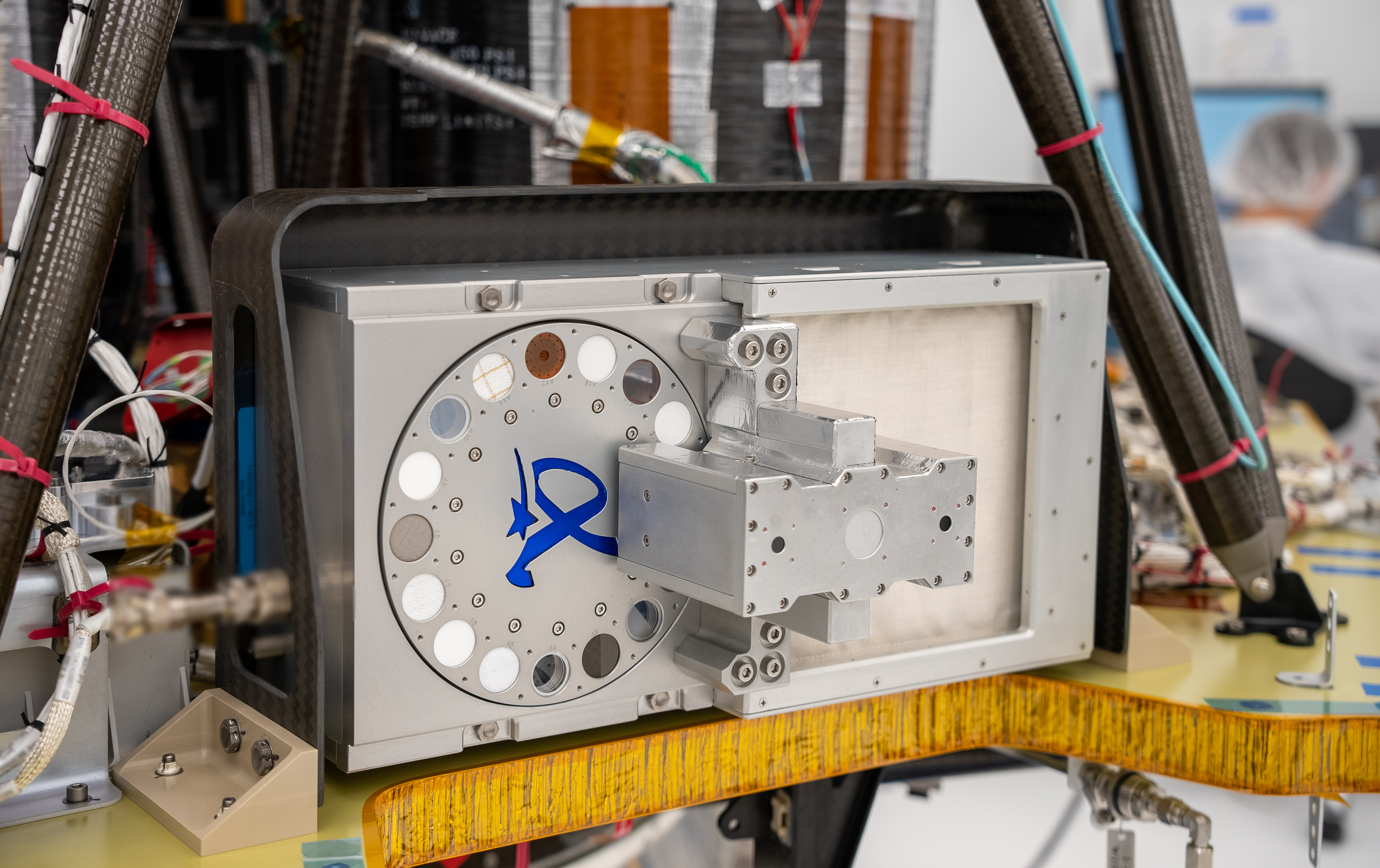
Aegis Aerospace
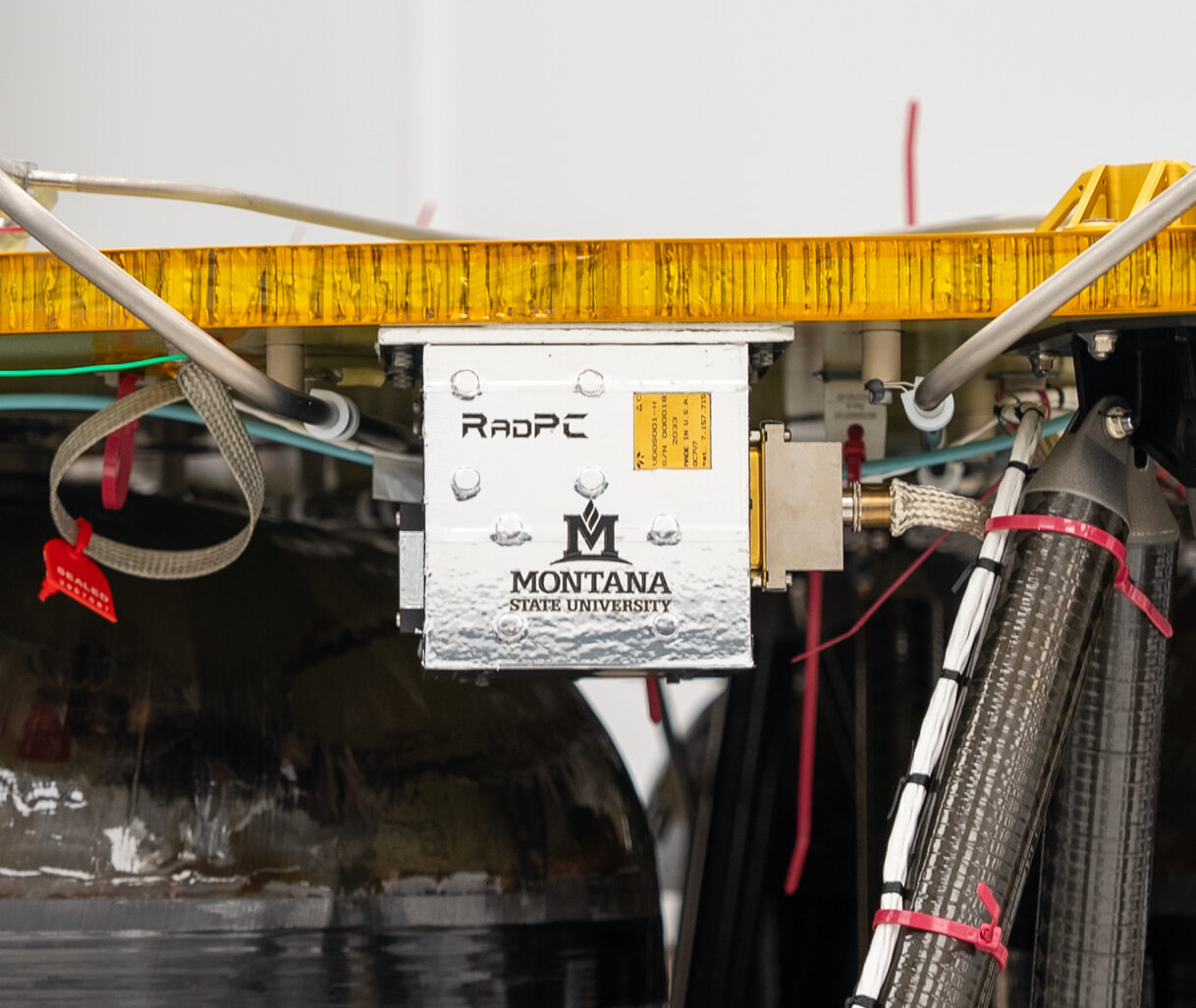
Montana State University
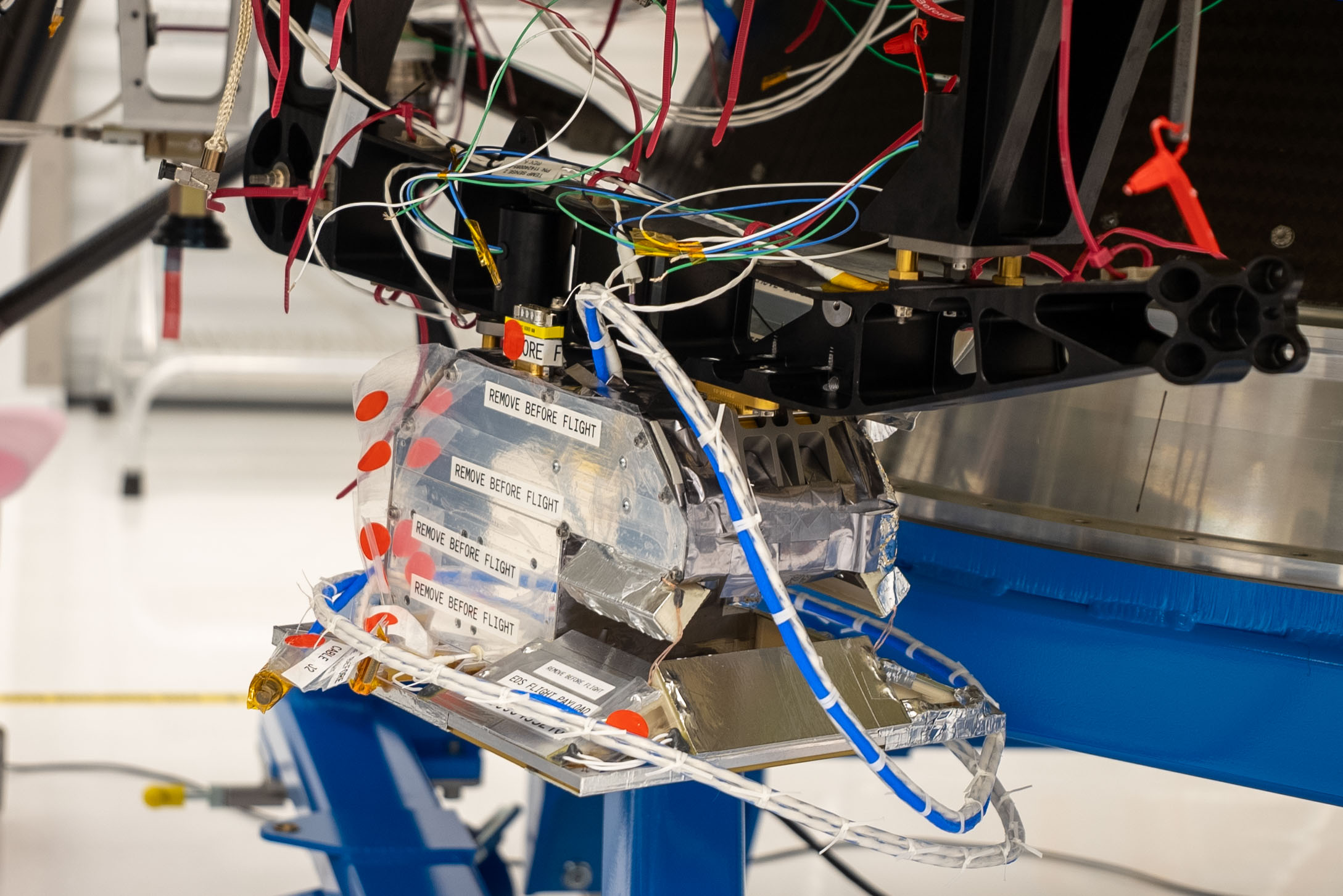
NASA Kennedy Space Center
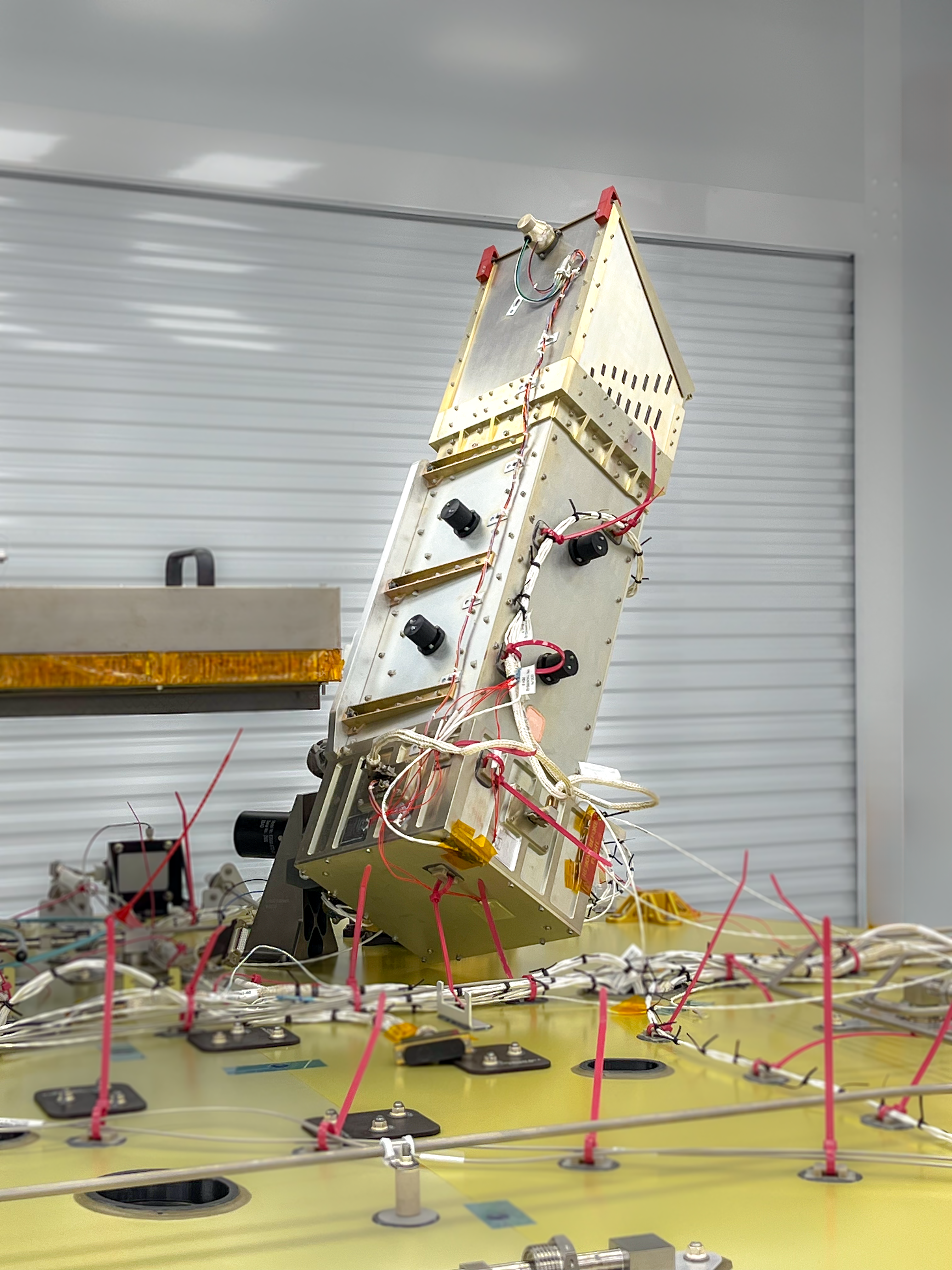
Boston University; NASA Goddard Space Flight Center; Johns Hopkins University
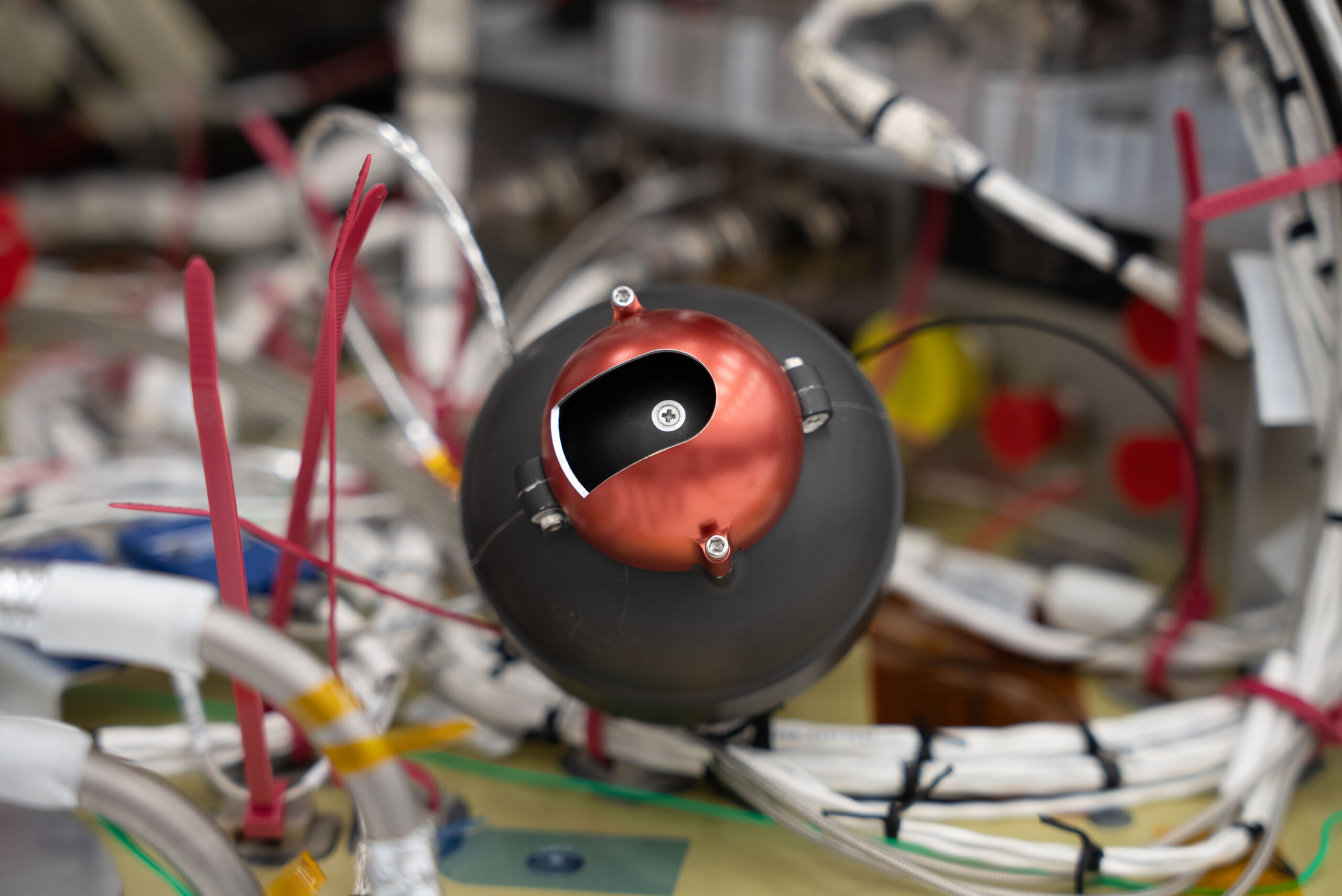
Southwest Research Institute
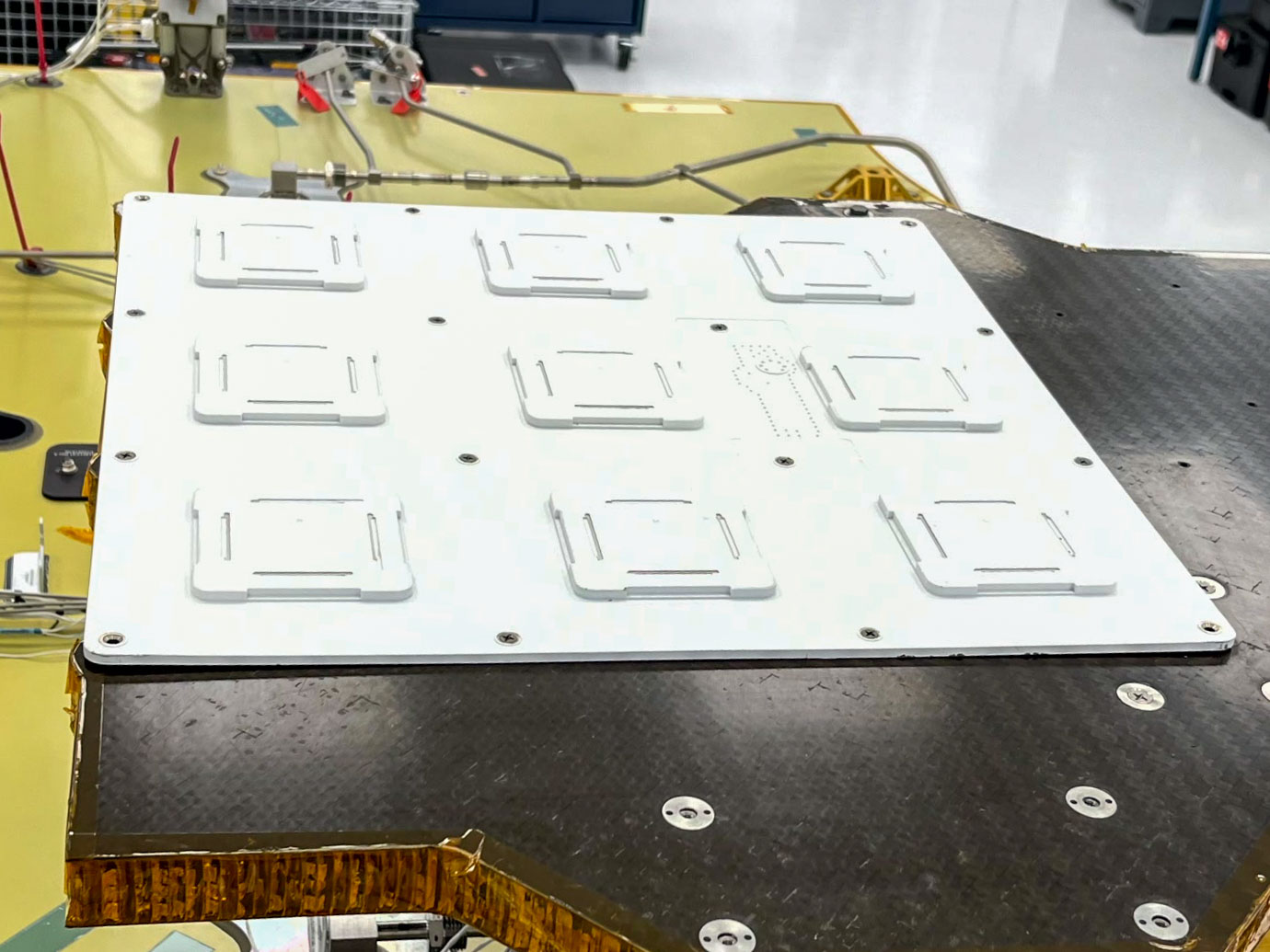
Italian Space Agency (ASI); NASA Goddard Space Flight Center
NASA Langley Research Center
Our Ride
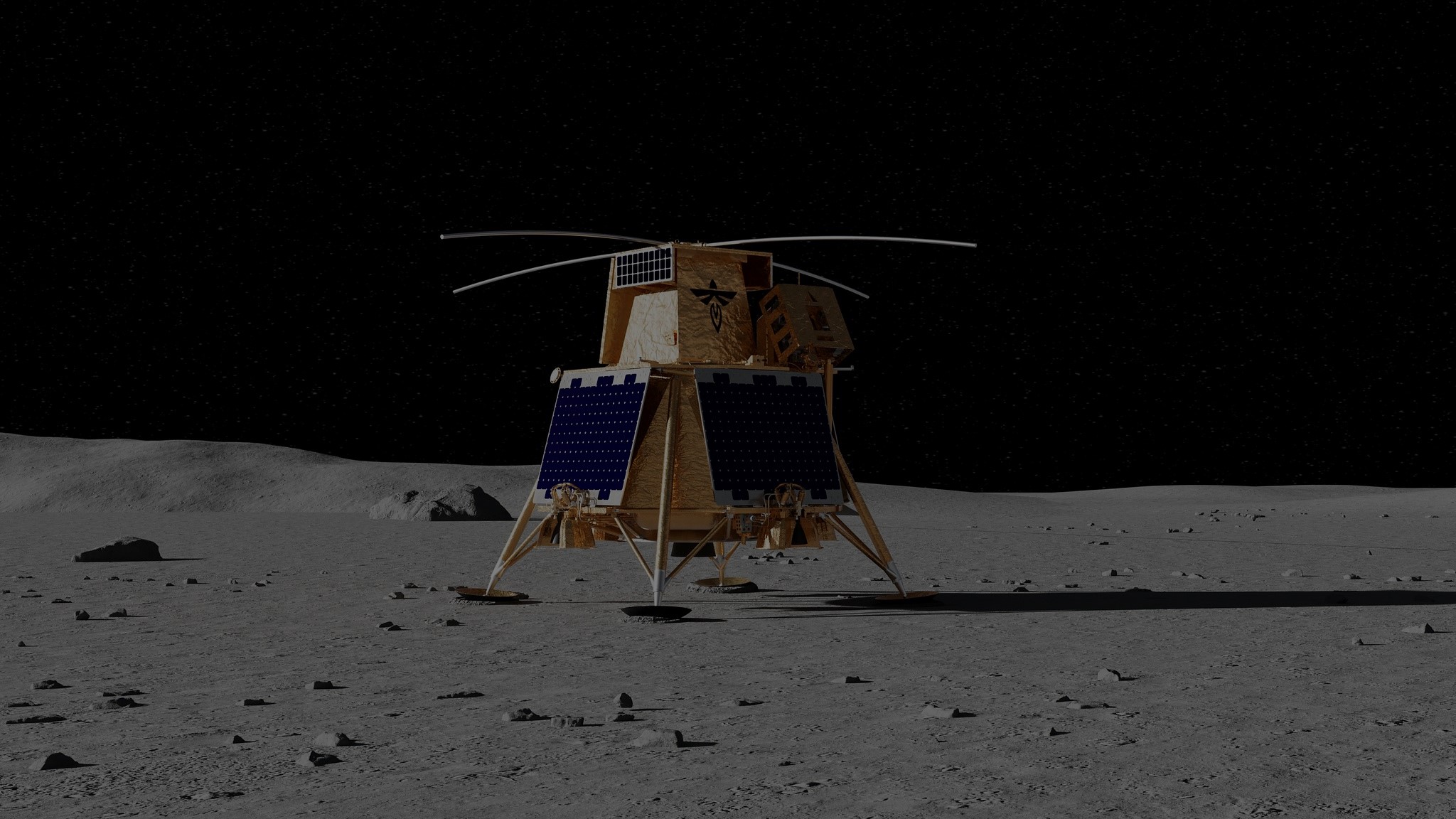
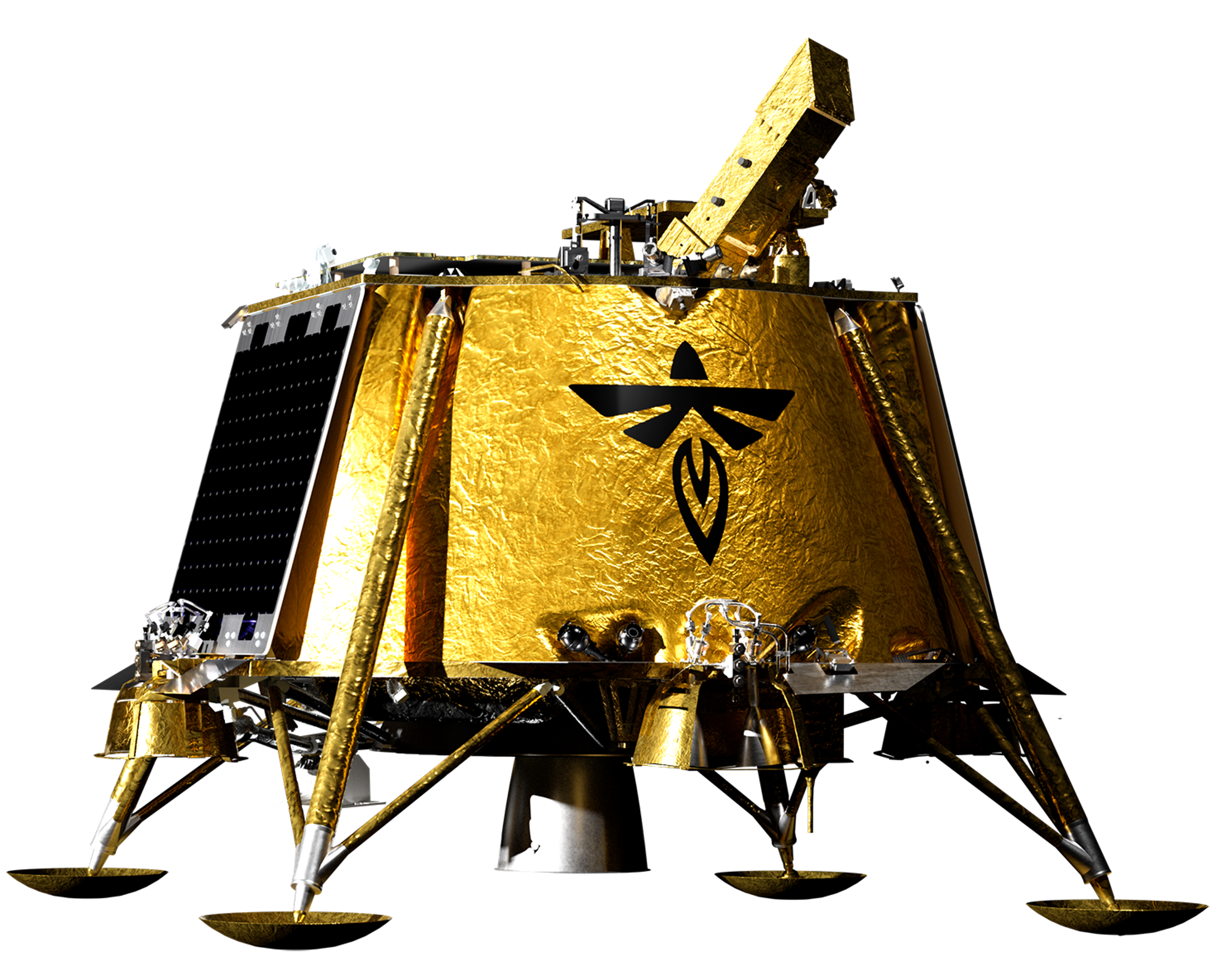
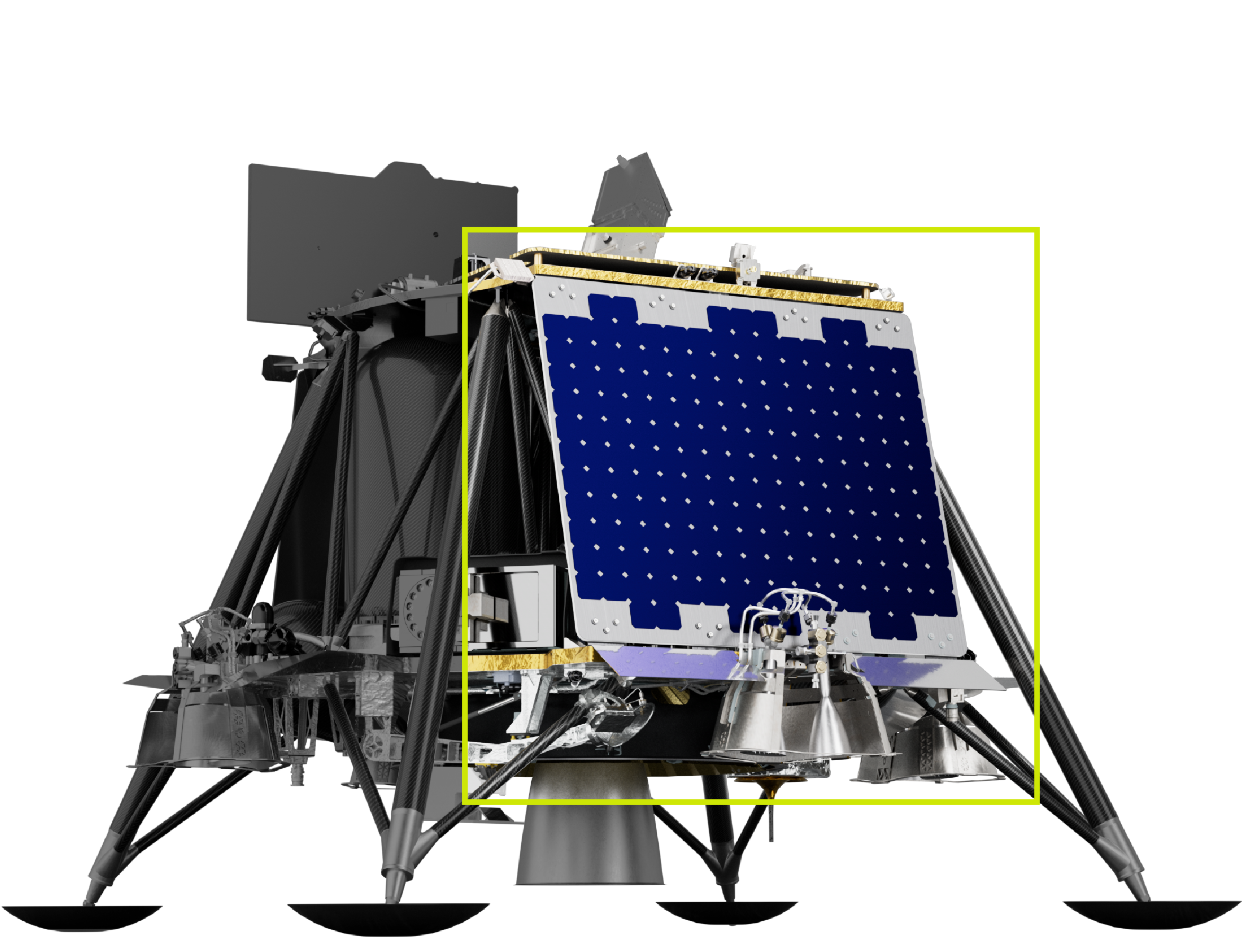
Standing 2 m (6.6 ft) tall and 3.5 m (11.5 ft) wide, Blue Ghost is designed for stability with shock absorbing feet, a low center of mass, and a wide footprint. Blue Ghost’s core components, including the panels, struts, legs, harnesses, avionics, batteries, and thrusters, were built using many of the same flight-proven technologies common to all of Firefly’s launch and orbital vehicles, enabling lower costs and improved reliability.

Blue Ghost
Blue Ghost will supply data, power, and thermal resources for payload operations throughout the approximately 60-day mission, including transit to the Moon and operations on the lunar surface.
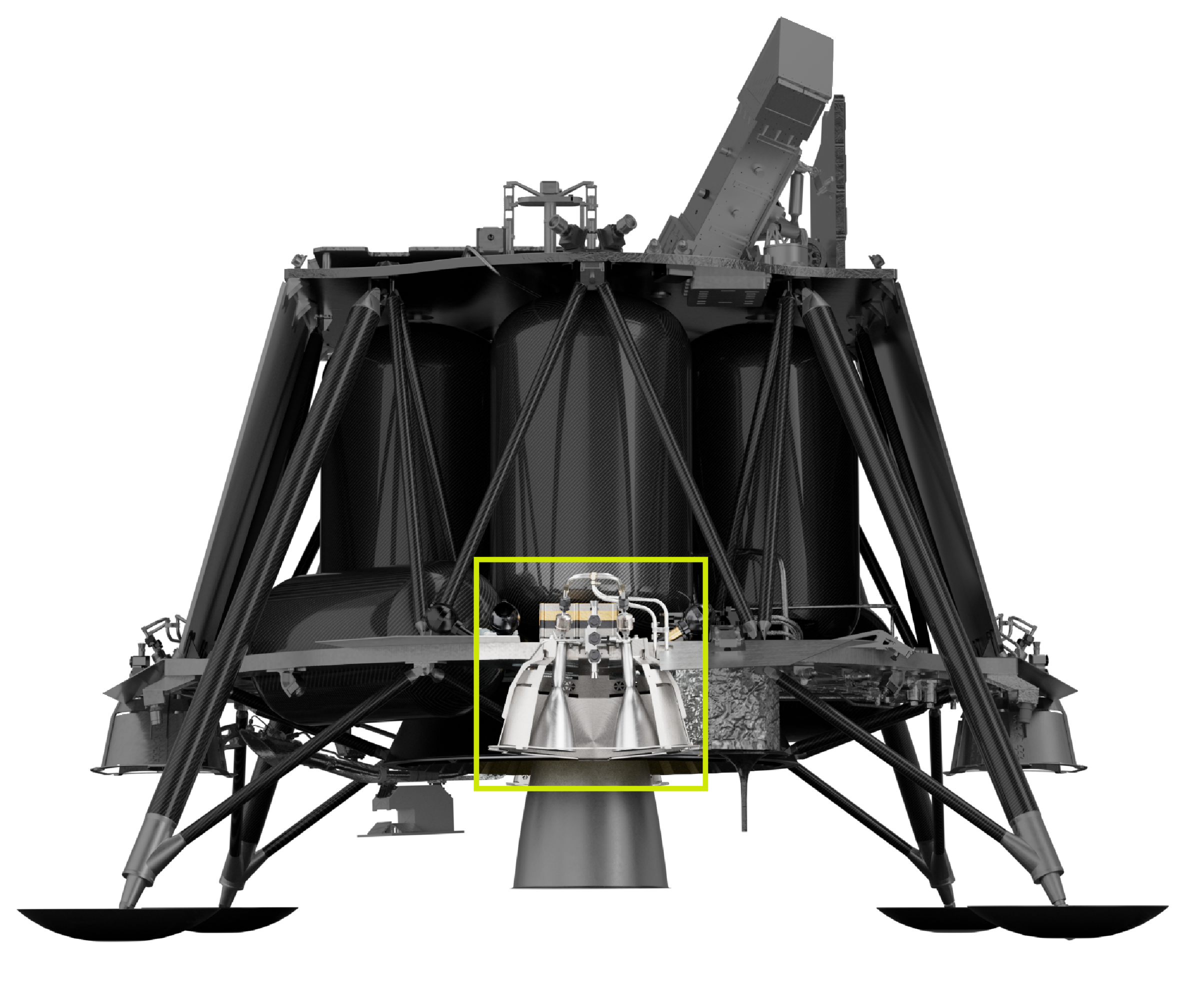
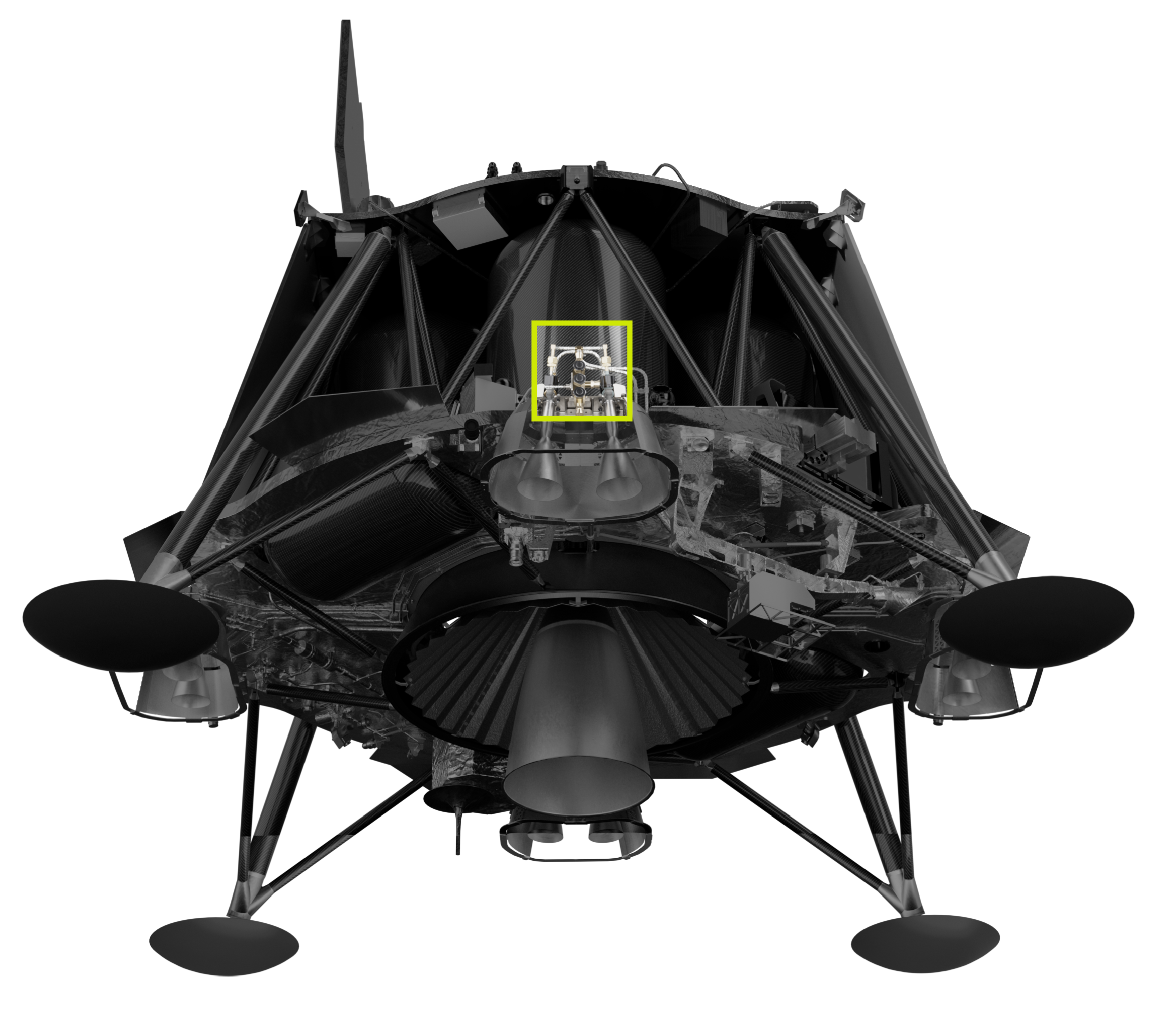
RCS Thrusters
Designed and built in house, Blue Ghost’s 8 Reaction Control System (RCS) thrusters, called Spectre, produce 1,600 N of total thrust to maintain orientation during maneuvers and throttle as needed for a soft landing.
ACS Thrusters
With five flights of heritage on Firefly’s Alpha rocket, Blue Ghost’s 12 cold gas Attitude Control System thrusters control pointing through all coast phases and provide settling thrust prior to maneuvers.
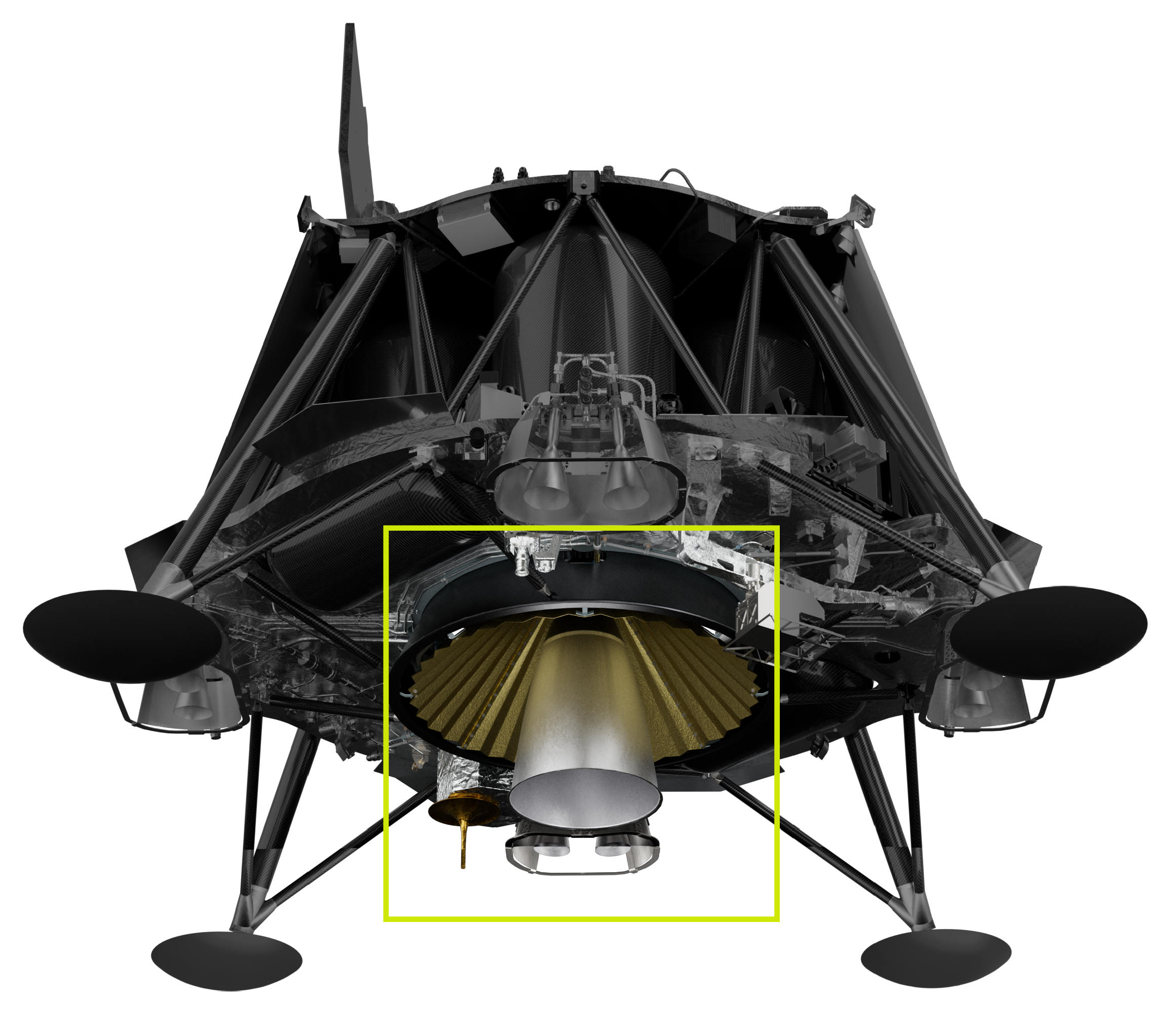
Main Engine
Blue Ghost’s main engine produces more than 1,000 N of thrust, supporting lunar orbit insertion and the braking burn prior to landing.
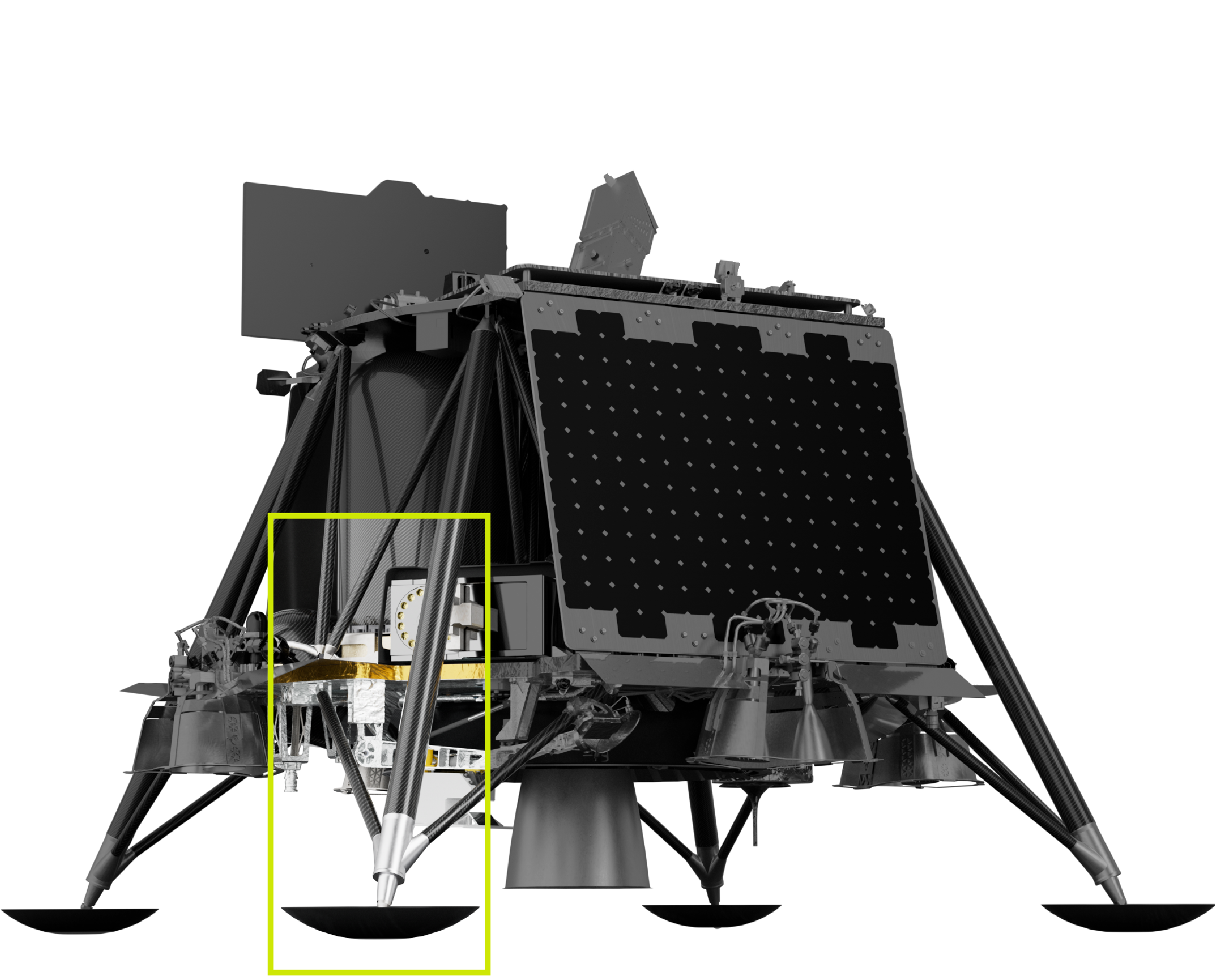
Legs
Built in house with Firefly’s lightweight carbon composites, Blue Ghost’s four legs utilize crush core honeycomb to absorb shock during touchdown, and the footpads utilize contact sensors to trigger engine shutdown upon landing.
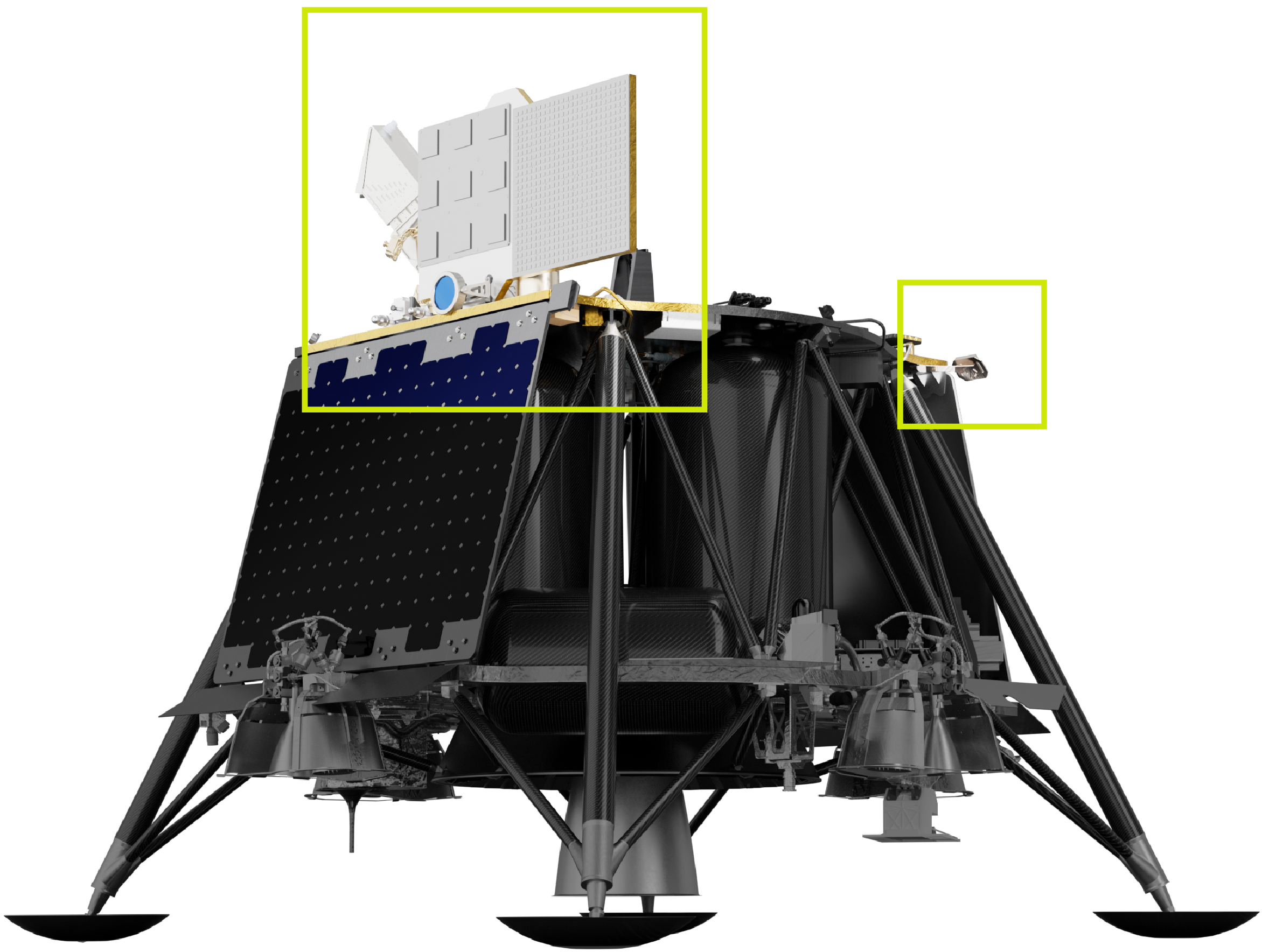
Antennas
Blue Ghost has one X-band antenna and three S-band antennas to enable robust communications and HD video from the Moon to Firefly’s Mission Operations Center in Texas.
Solar Panels
Blue Ghost has two solar panels on the sides and one on the top deck to provide up to 400 W and 1470 hours of power generation for the lander and 10 payloads during transit and on the lunar surface.
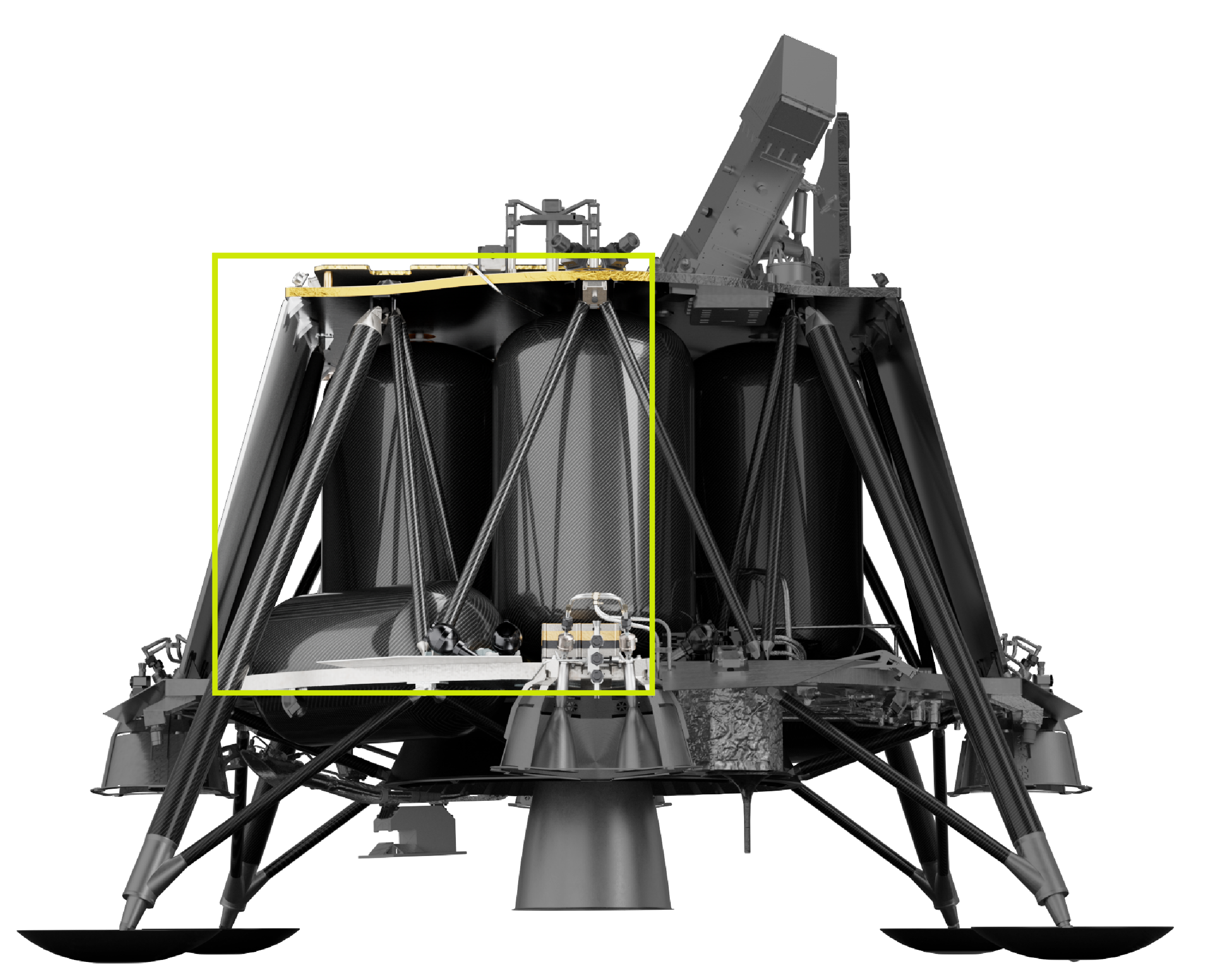
Struts
Built with the same high-strength, lightweight carbon composites on Firefly’s launch vehicles, Blue Ghost has 49 struts, enabling a strong, rigid structure for payload operations.
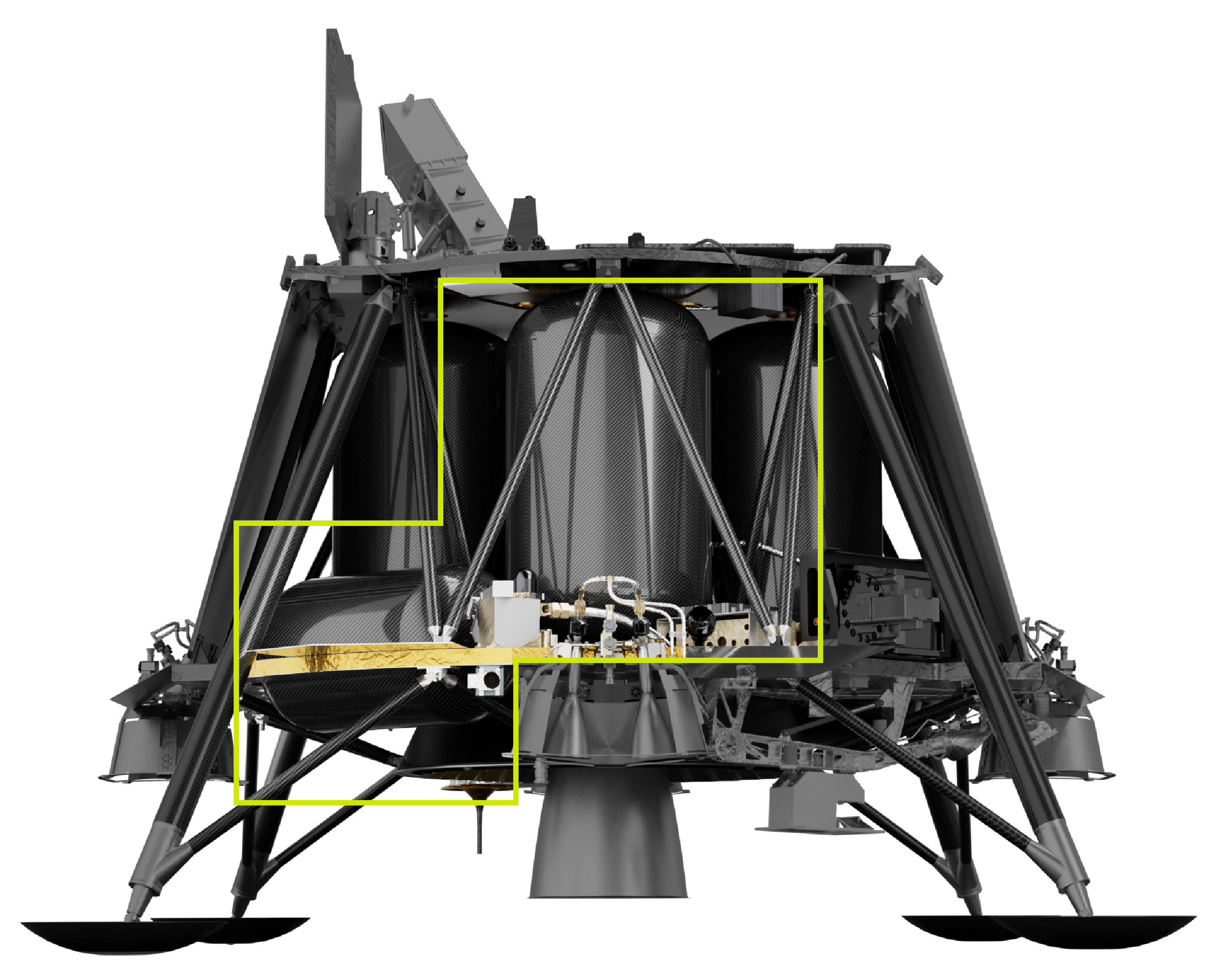
Tanks
Overwrapped with carbon fiber, Blue Ghost’s two pressurant tanks and four propellant tanks carry the lander’s helium, MMH fuel, and MON-3 oxidizer.
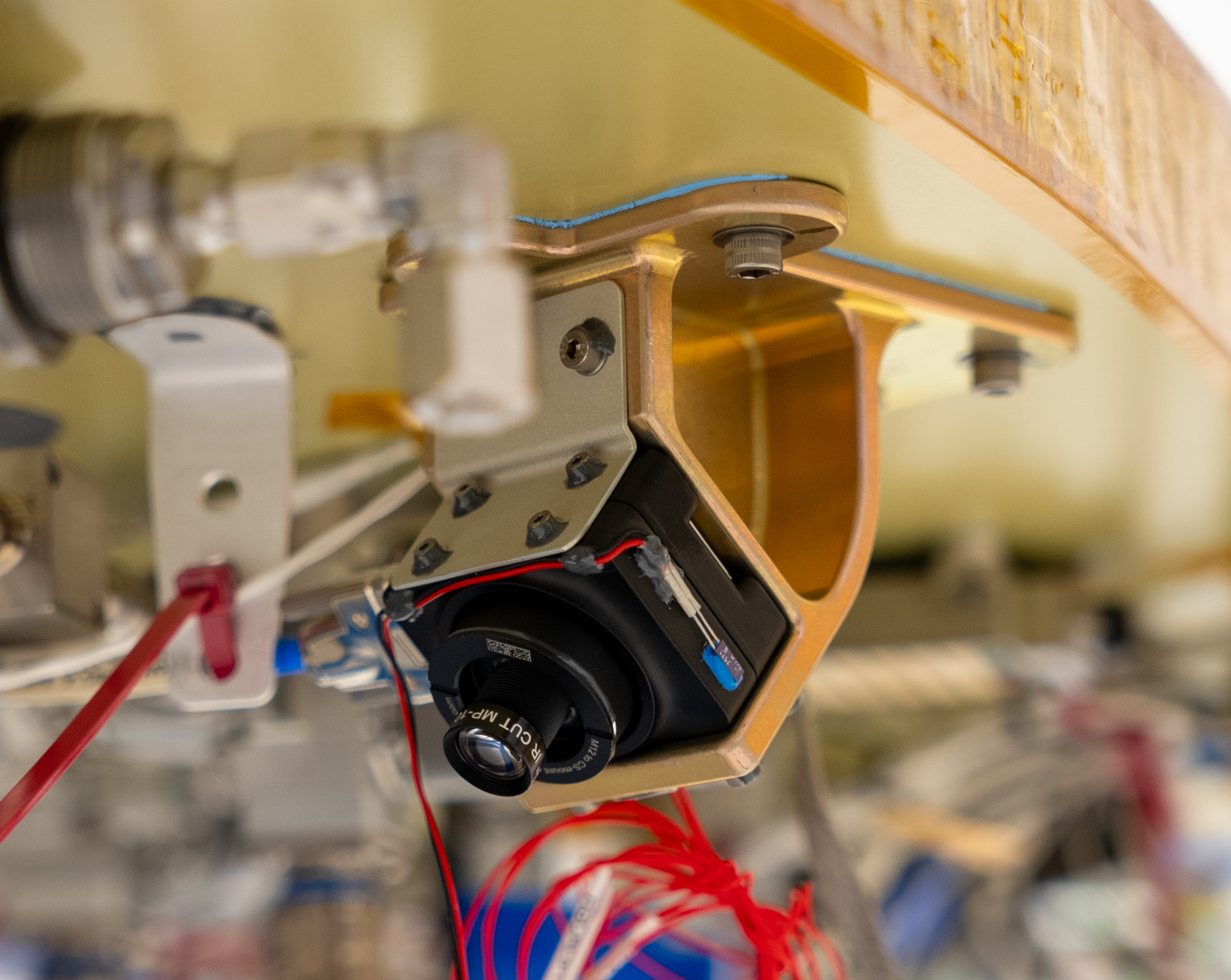
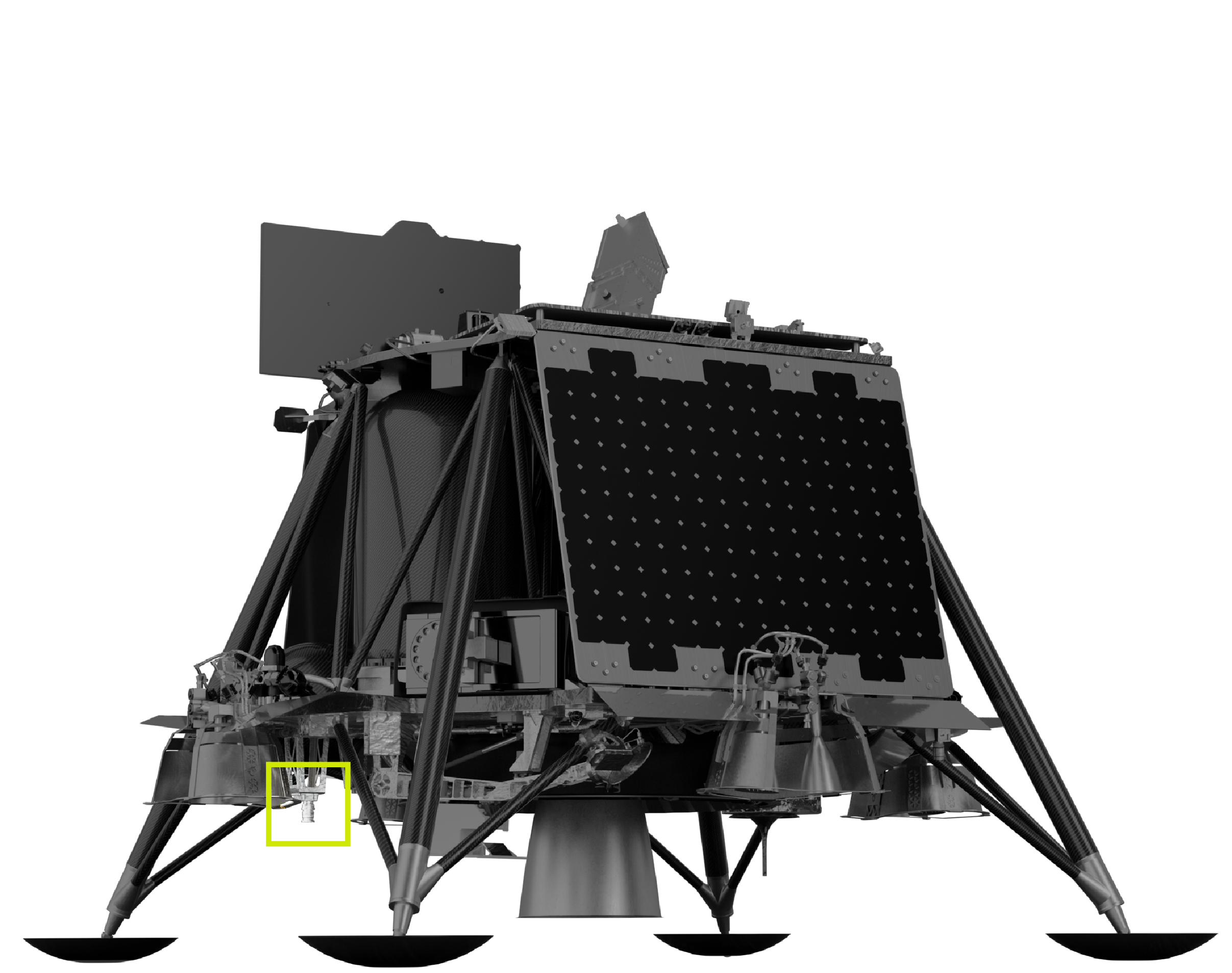
Navigation Cameras
Blue Ghost’s two vision navigation cameras target the landing zone, identify potential hazards, and determine the safest landing site.
Our Descent
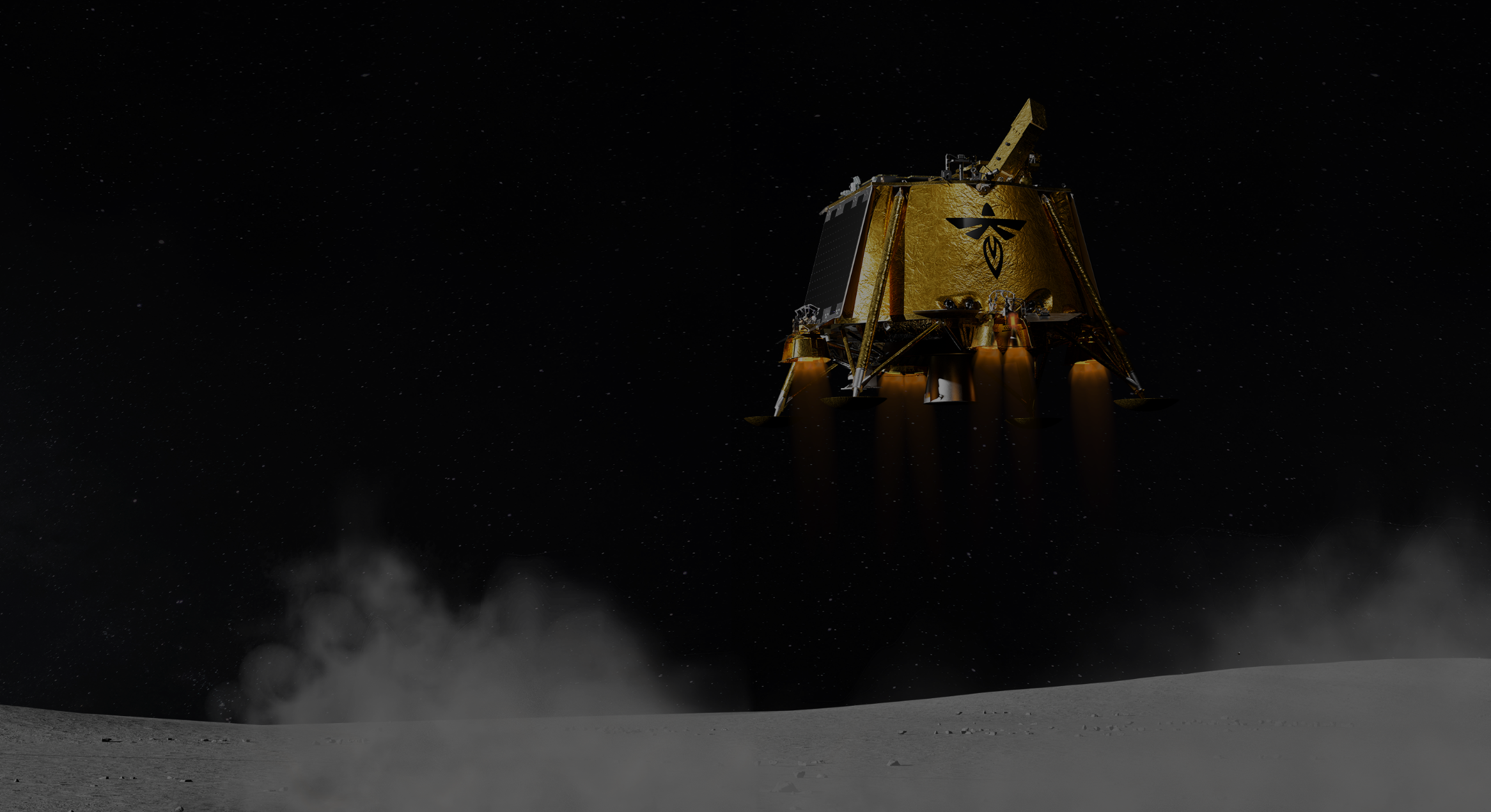
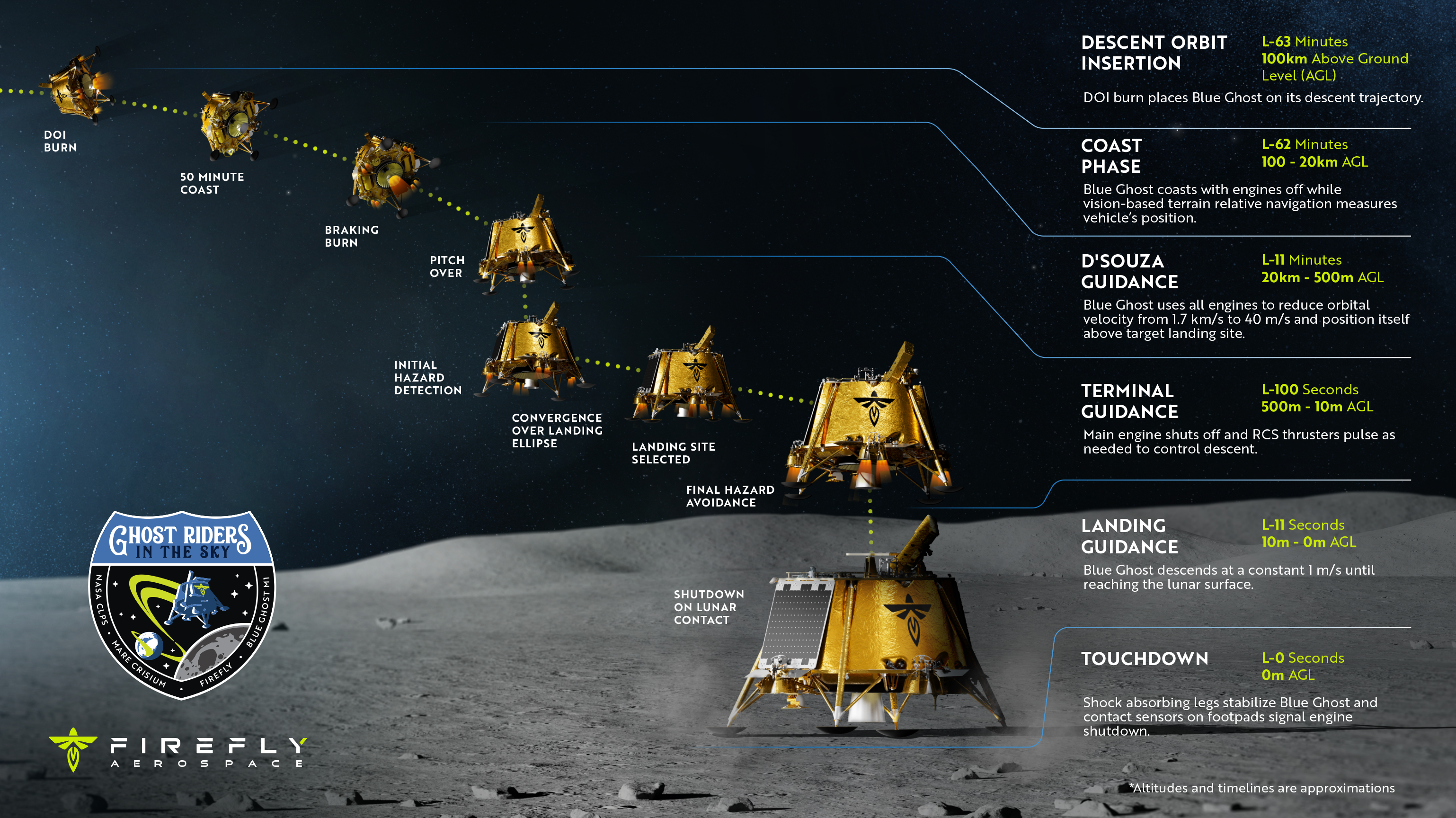
During the final hour of descent, Blue Ghost used vision-based terrain relative navigation and hazard avoidance to measure the lander’s position and identify craters, slopes, and rocks before selecting the final hazard-free target within the landing zone. Blue Ghost’s RCS thrusters pulsed as needed throughout the descent for a soft landing.
Our Destination
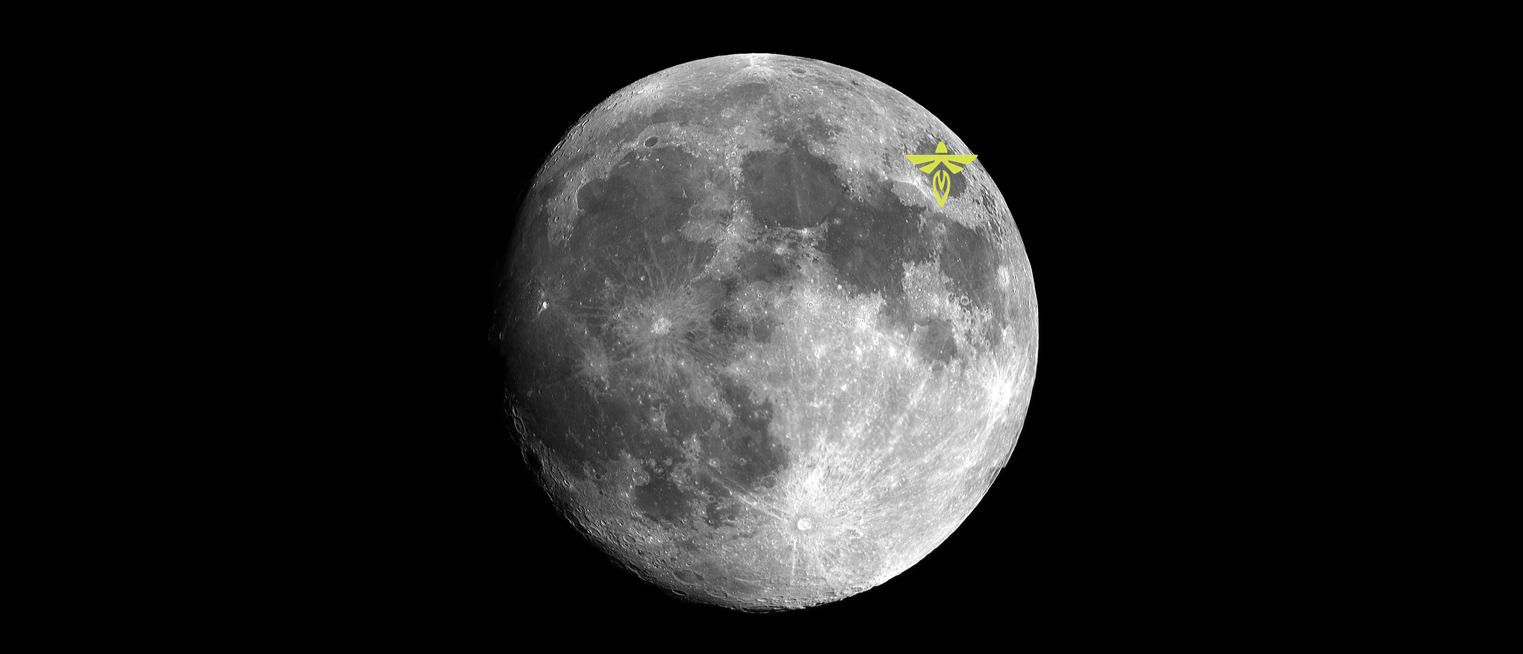
Blue Ghost landed near a volcanic feature called Mons Latreille within Mare Crisium, a large basin located in the northeast quadrant of the Moon’s near side (when observing the Moon from Earth’s northern hemisphere). Formerly an ancient asteroid impact site, Mare Crisium was created by volcanic eruptions that flooded the basin with basaltic lava about 3 billion years ago. This unique landing site will allow Firefly’s payload partners to gather critical data about the Moon’s regolith, geophysical characteristics, and the interaction of solar wind and Earth’s magnetic field.
Our Team
More than 700 Firefly employees from all over the world have played a role in bringing Blue Ghost to life. These Ghost Riders are forging a highway to the Moon by enabling regular lunar access, advancing lunar research, and laying the groundwork for humans to have a lasting lunar presence. Get to know these talented individuals as we begin our road trip to the Moon: Blue Ghost – Meet the Team – YouTube.