Mission Name:
Blue Ghost Mission 4Mission Type:
Lunar MissionCustomer:
NASA; RideshareSpacecraft:
Blue Ghost lunar lander; Elytra Dark orbital vehicleLanding Site:
Moon's south polePayloads:
Government and commercial payloadsMission Summary
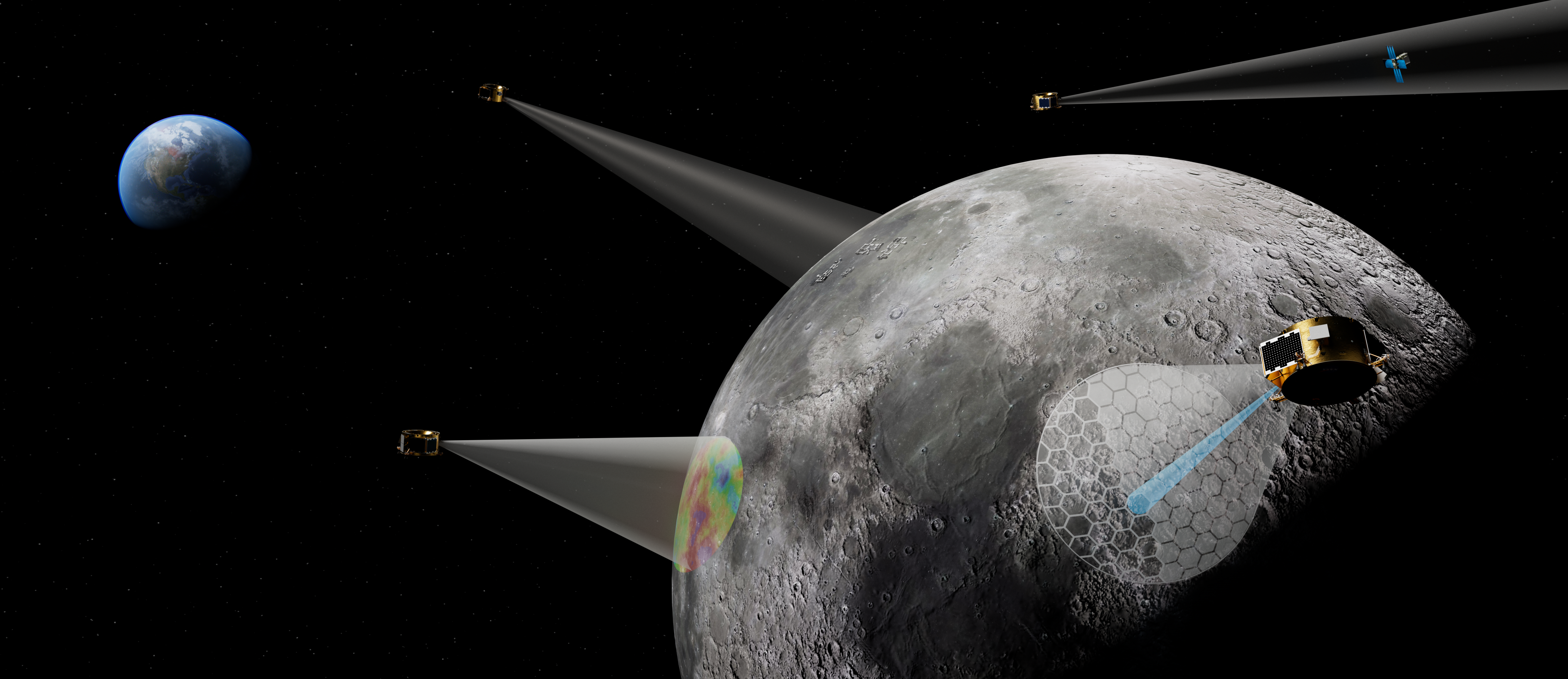
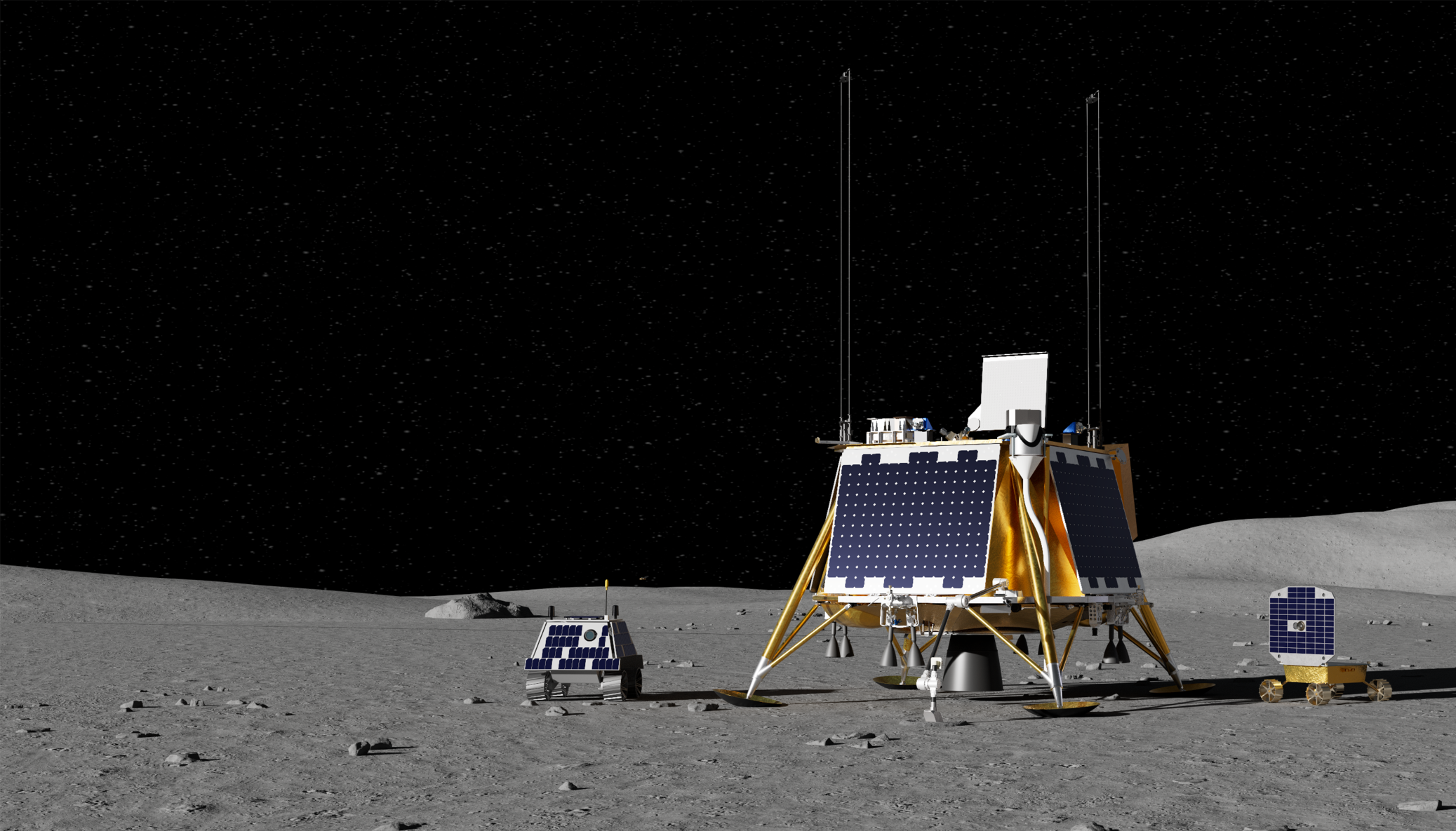
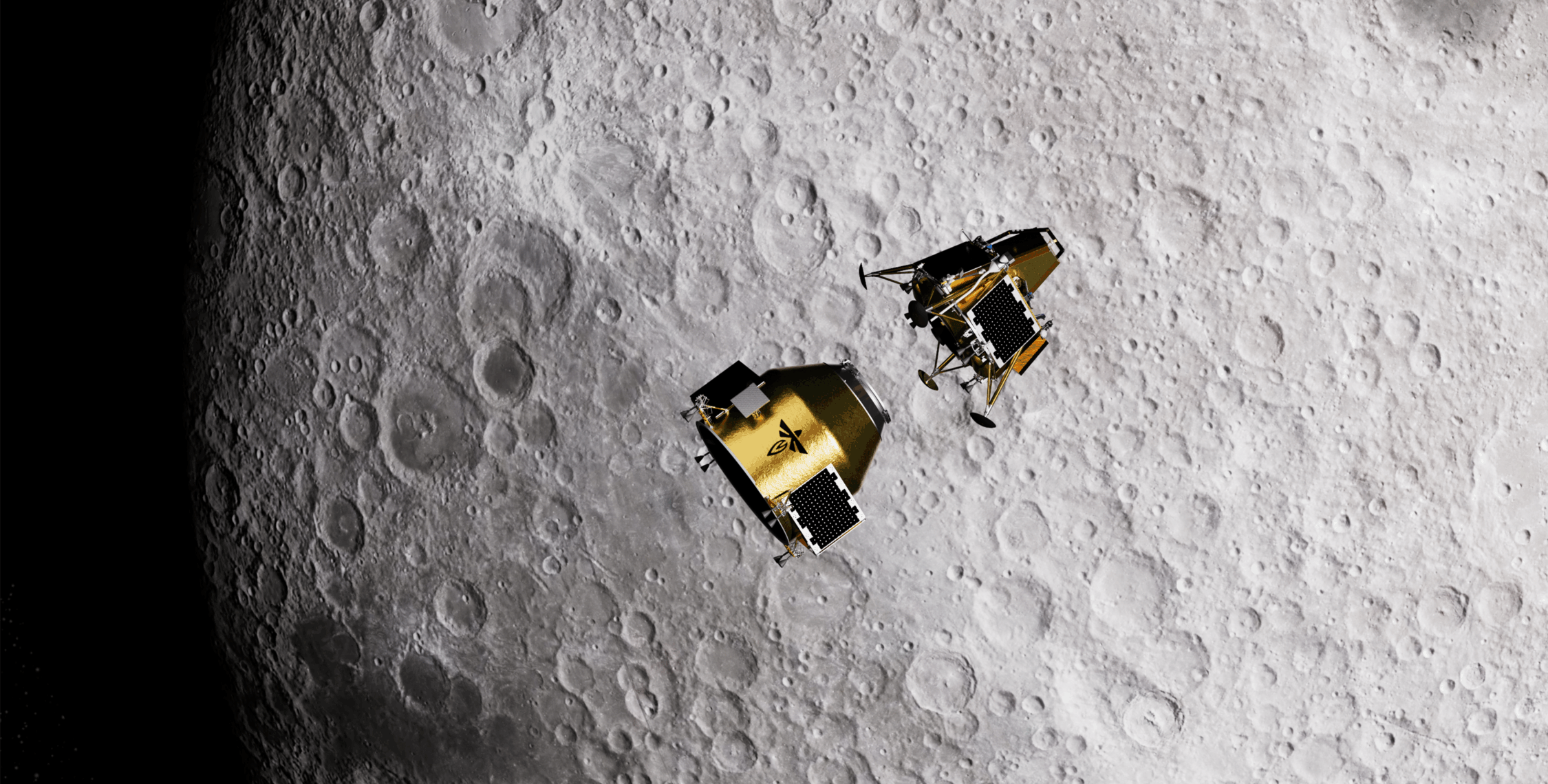
As part of NASA’s Commercial Lunar Payload Services (CLPS) initiative, Firefly’s fourth mission to the Moon, targeted for 2029, will utilize Firefly’s Blue Ghost lunar lander and Elytra Dark orbital vehicle to deliver and operate two rovers and three scientific instruments at the lunar south pole. During mission operations, Elytra Dark will first deploy Blue Ghost into lunar orbit and remain on orbit to provide a long-haul communications relay and capture continuous lunar imagery as part of Firefly’s Ocula service. Blue Ghost will then land in the Moon’s south pole region, deploy the rovers, and enable payloads operations with data, power, and communications services for more than 12 days on the lunar surface.
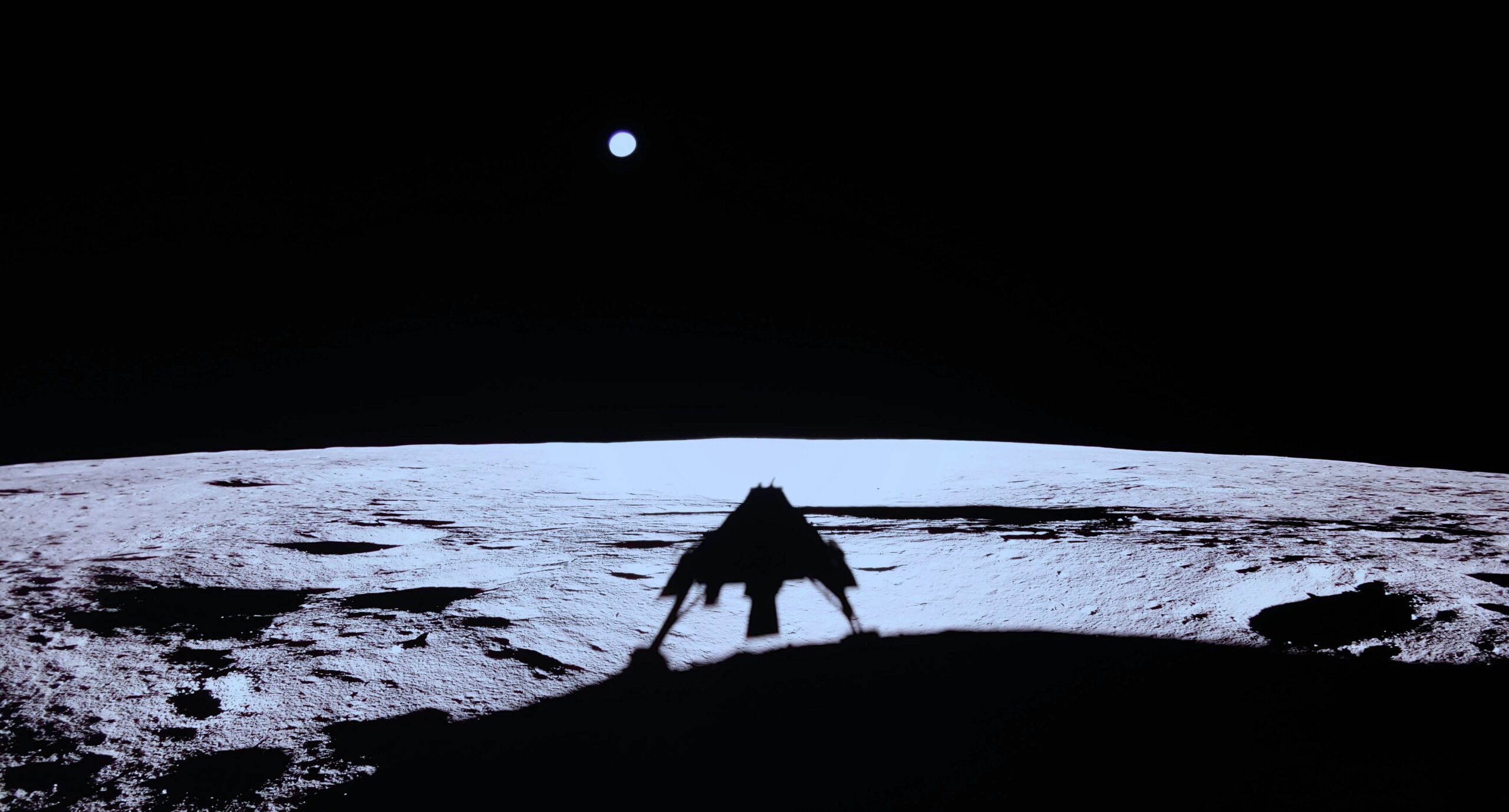
👁 Firefly Blue Ghost Mission 4 - Elytra Dark deployment of Blue Ghost
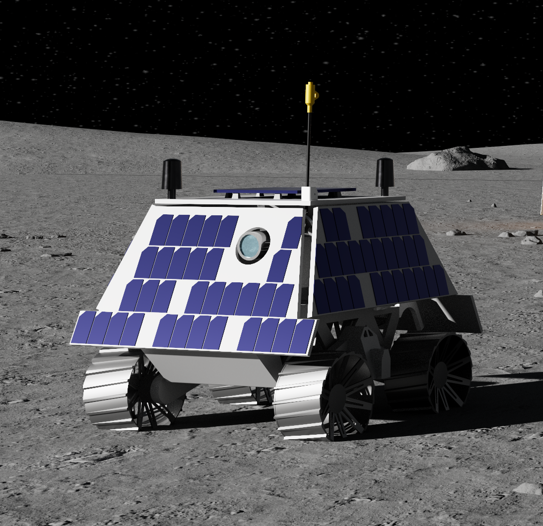
Canadian Space Agency
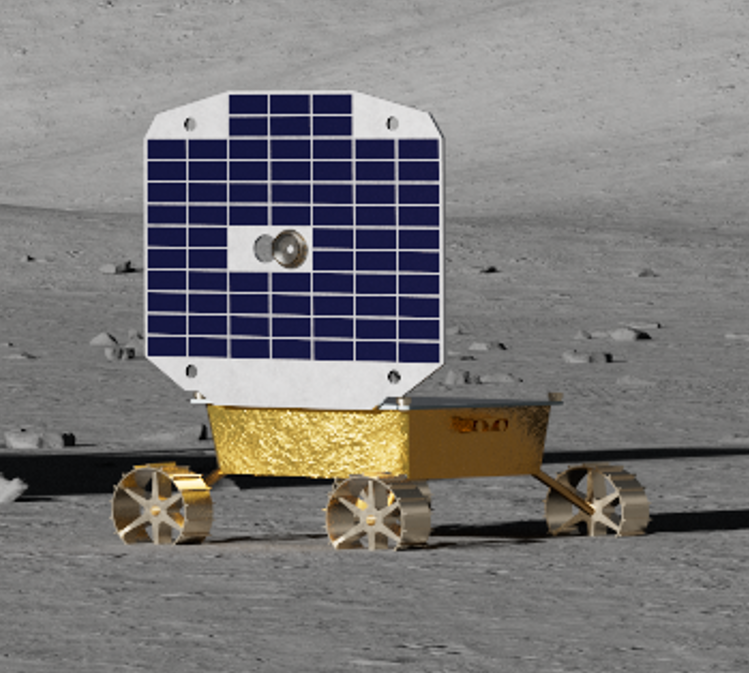
Carnegie Mellon University; Astrobotic; NASA Ames Research Center
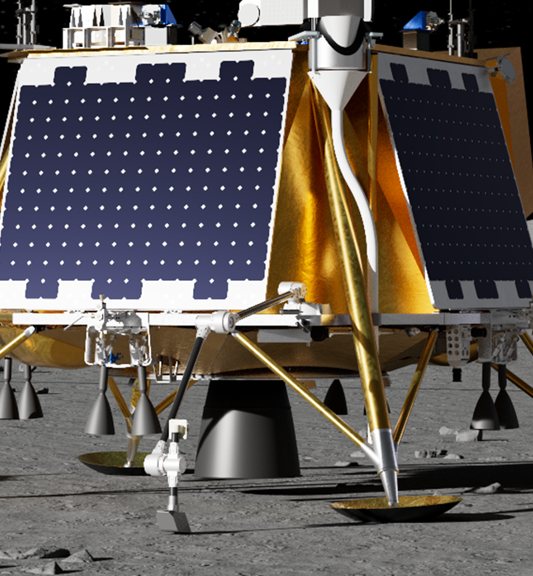
University of Bern
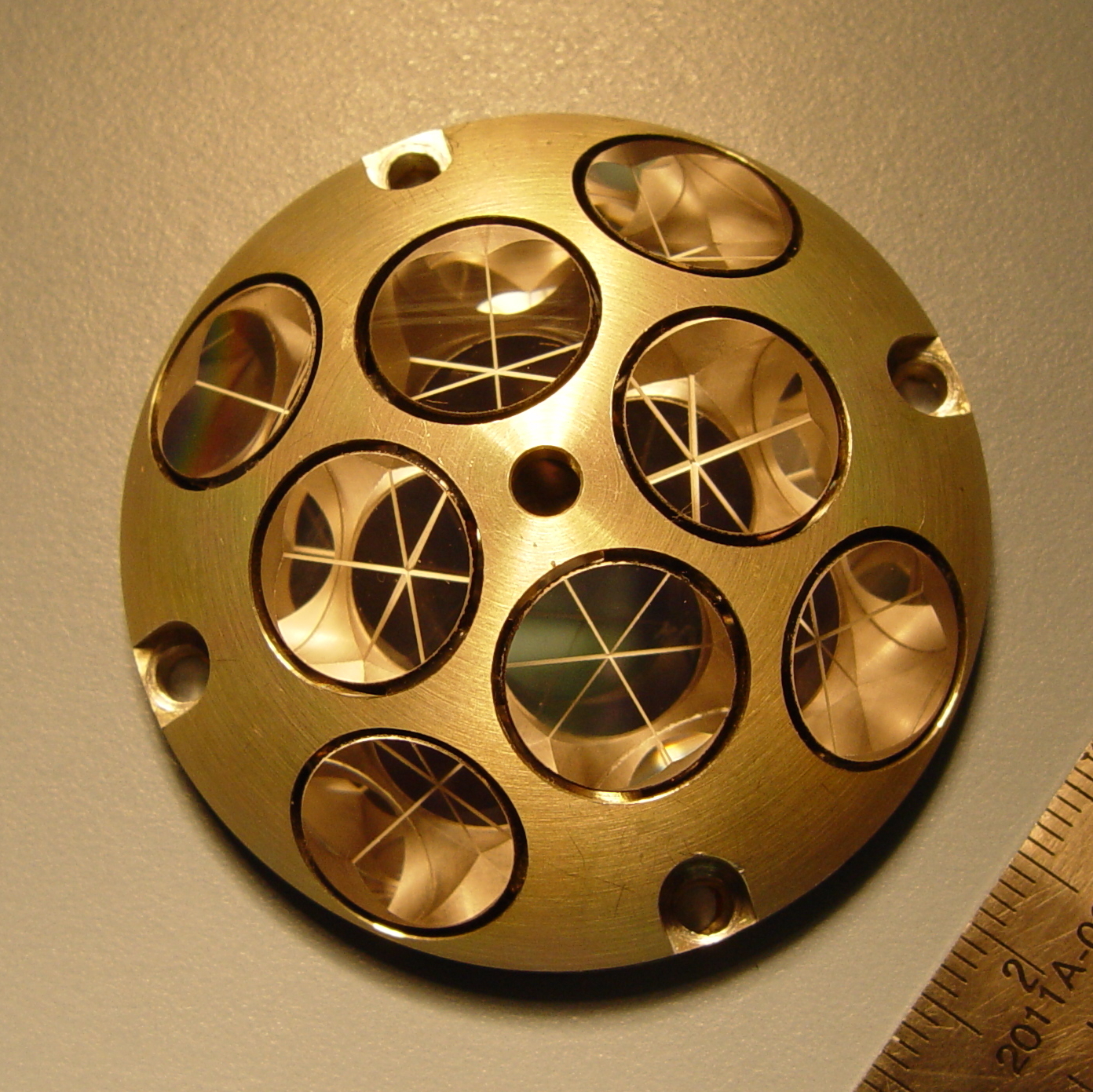
NASA Goddard Space Flight Center
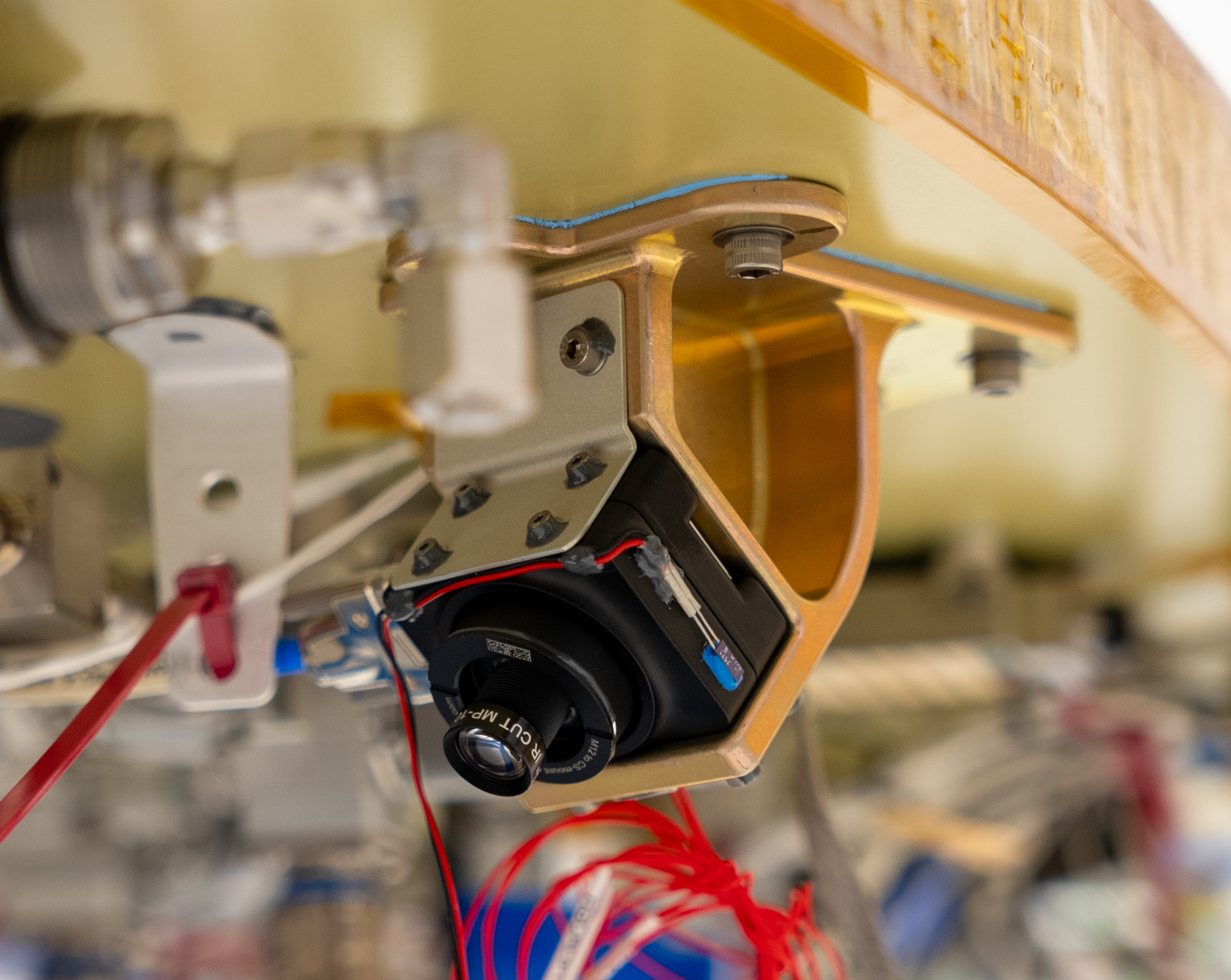
NASA Langley Research Center
Our Ride
Similar to Blue Ghost Mission 2 and Mission 3, Firefly’s fourth lunar mission utilizes a dual spacecraft configuration with our Blue Ghost lunar lander stacked on our Elytra Dark orbital vehicle. This unique configuration enables payload deployment and operations in lunar orbit and on the lunar surface. Both spacecraft are built with the same flight-proven hardware and systems that enabled the first successful commercial Moon landing on Blue Ghost Mission 1.
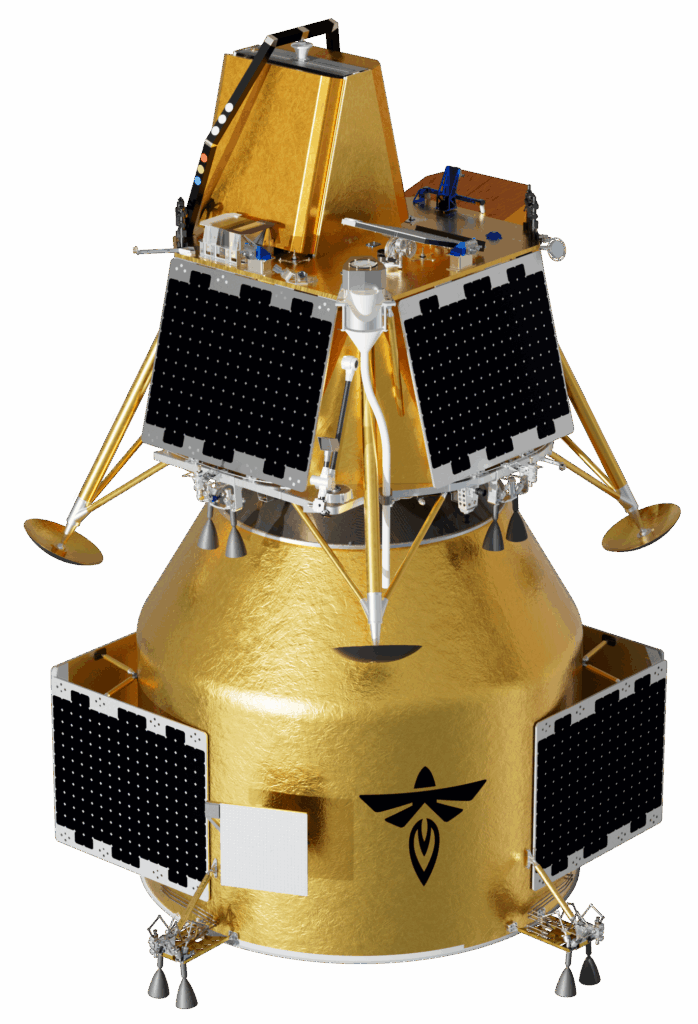
Full Spacecraft Stack
Stacked on Elytra Dark, Blue Ghost carries two rovers – one on the top deck and one integrated on the side within protective cases to shield the rovers during transit prior to deployment on the lunar surface. Blue Ghost also has three additional science instruments integrated on its top and bottom decks.
At the bottom of the stack, Elytra Dark will serve as a transfer vehicle for Blue Ghost. Following deployment, Elytra will remain in lunar orbit to provide a communications relay for the mission and supplement Firefly’s growing Elytra constellation that enables Firefly’s Ocula lunar imaging service.
Our Destination
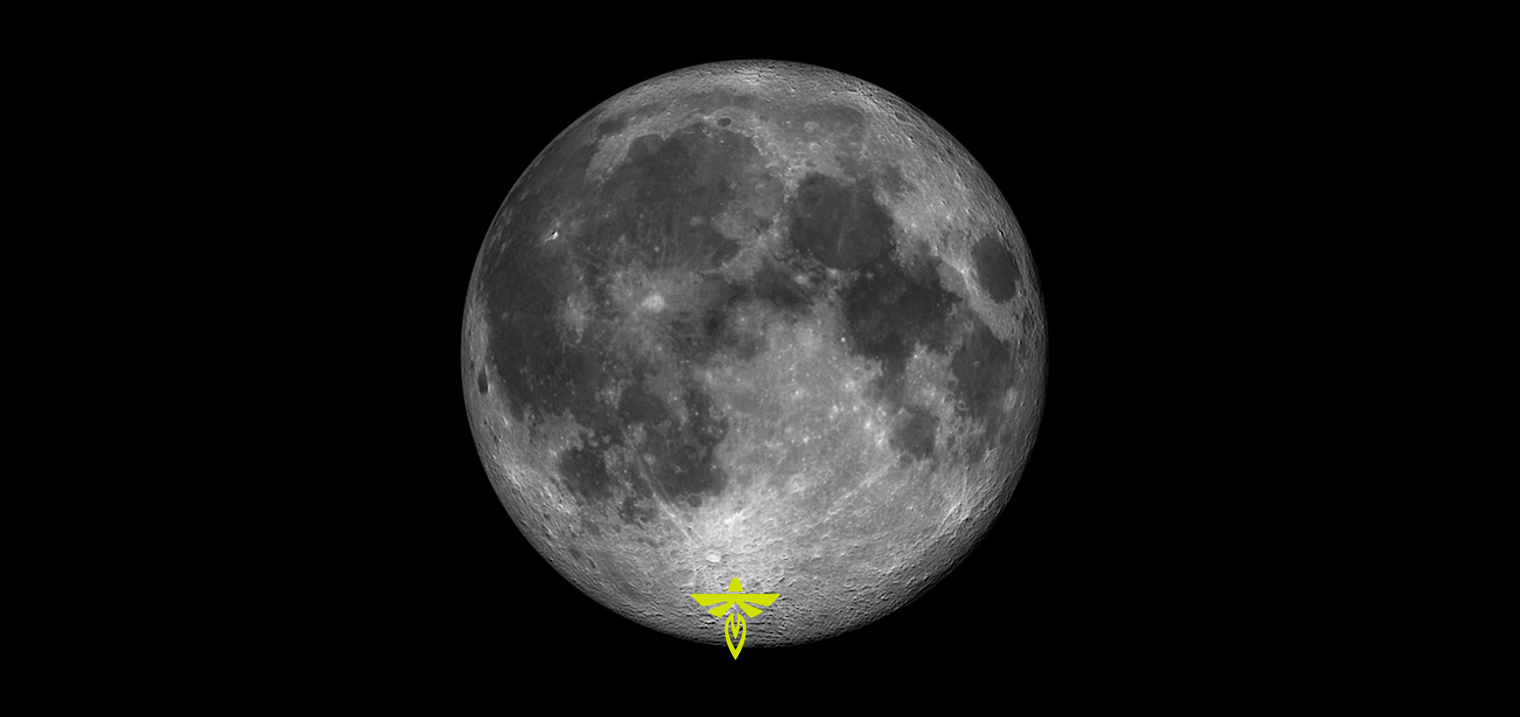
Firefly’s Blue Ghost lander will touch down in the Moon’s south pole region, approximately 40 km south of Mons Malapert on the rim of the Haworth Crater. Landing just outside Haworth will provide enough solar power to the lander’s solar arrays, while giving the rovers access to the crater and permanently shadowed regions. This unique area of the Moon is expected to have water, hydrogen, methane, carbon dioxide, and other volatiles that could be utilized as resources for future human and robotic missions.