Beyond the brew: The rise of the tea party
Ever wondered where tea parties actually originated from? Here's everything you need to know.


- 👁 tea party1 / 7
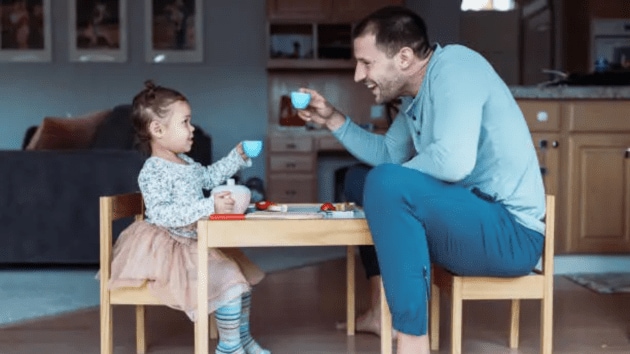
Tea parties have long been associated with elegance, conversation, and social ritual. What began as a simple way to enjoy tea slowly evolved into a cultural tradition shaped by class, politics, and changing lifestyles. The history of tea parties reveals how a beverage became a social event. (unsplash)
- 👁 tea party2 / 7
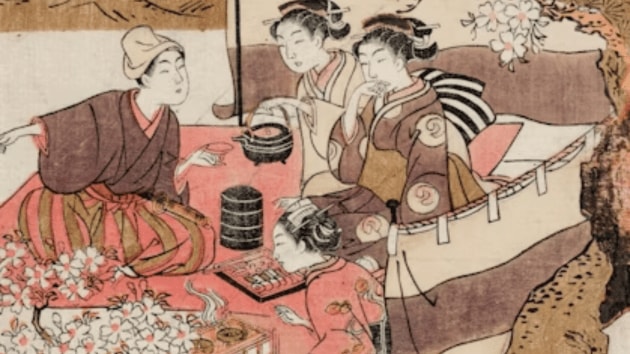
Tea Arrives in Europe: Tea was introduced to Europe in the seventeenth century through trade with China. It quickly became popular among the elite due to its high cost. Drinking tea soon turned into a social activity rather than just a refreshment. (unsplash)
- 👁 tea party3 / 7
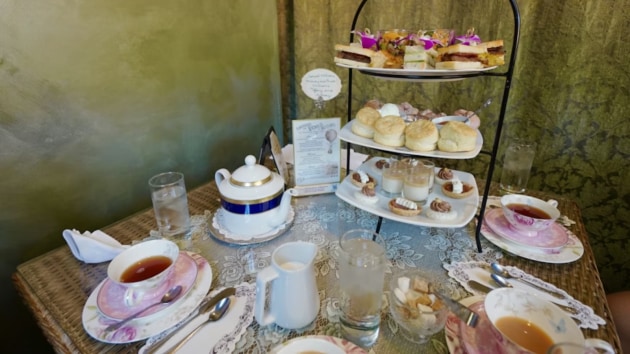
The Rise of Afternoon Tea: In the nineteenth century, afternoon tea became fashionable in Britain. It was popularised by Anna, the Duchess of Bedford, who used it to bridge the long gap between lunch and dinner. Hosting tea became a symbol of refinement and good manners. (unsplash)

- 👁 tea party4 / 7
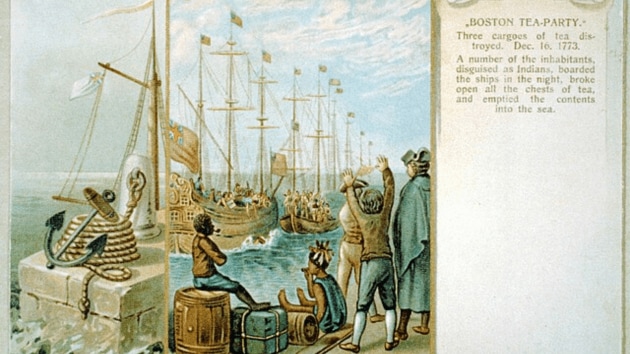
Political Tea Parties: Not all tea parties were about leisure. The Boston Tea Party of 1773 turned tea into a symbol of protest against British taxation. This event gave the tea party a lasting political meaning. (wikimedia commons)
- 👁 tea party5 / 7
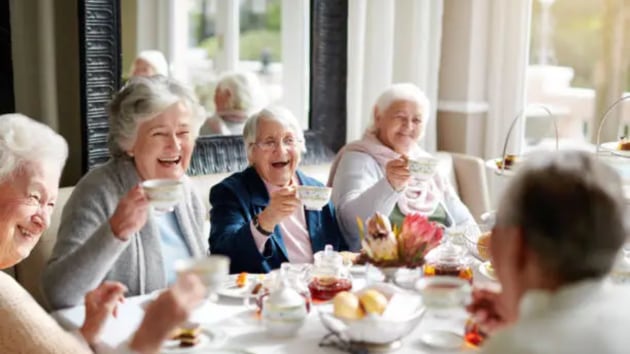
Tea Parties as Social Gatherings: Tea parties evolved into important social occasions. They provided space for conversation, networking, and forming alliances, especially among women. Etiquette, porcelain, and presentation became central to the experience. (unsplash)
- 👁 tea party6 / 7
Tea Parties in Colonial and Global Cultures: As the British Empire expanded, tea parties spread across colonies. Local customs influenced how tea was served and enjoyed. This blending created new traditions in places like India and Africa.
- 👁 tea party7 / 7
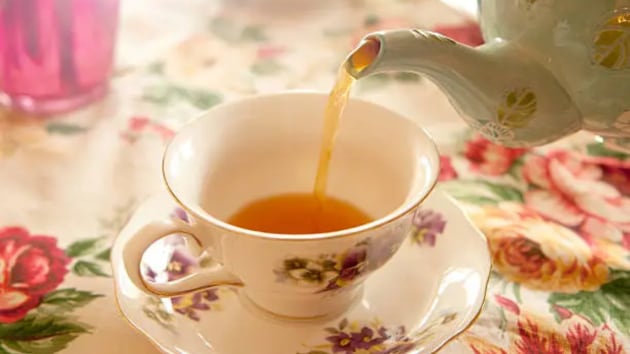
Tea Parties in Modern Times: Today, tea parties range from formal high teas to casual gatherings. They are celebrated for their nostalgia and charm. While styles have changed, the idea of tea as a shared social moment remains the same. (unsplash)