Trump says he's considering NATO exit amid rift over Iran war


Editor's note: The story has been updated with the latest details.
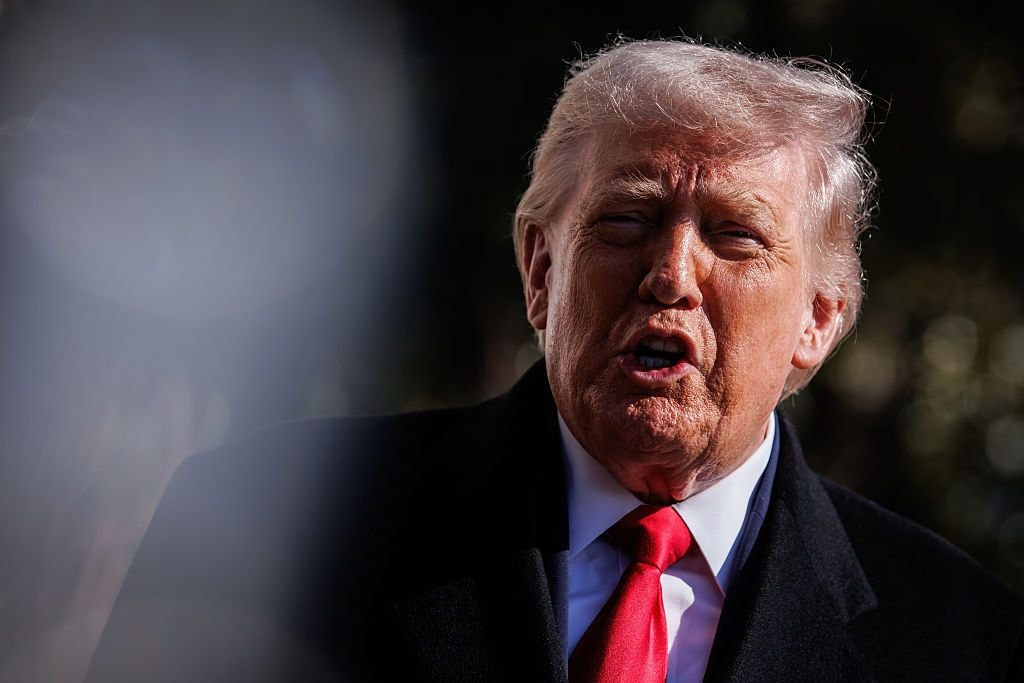
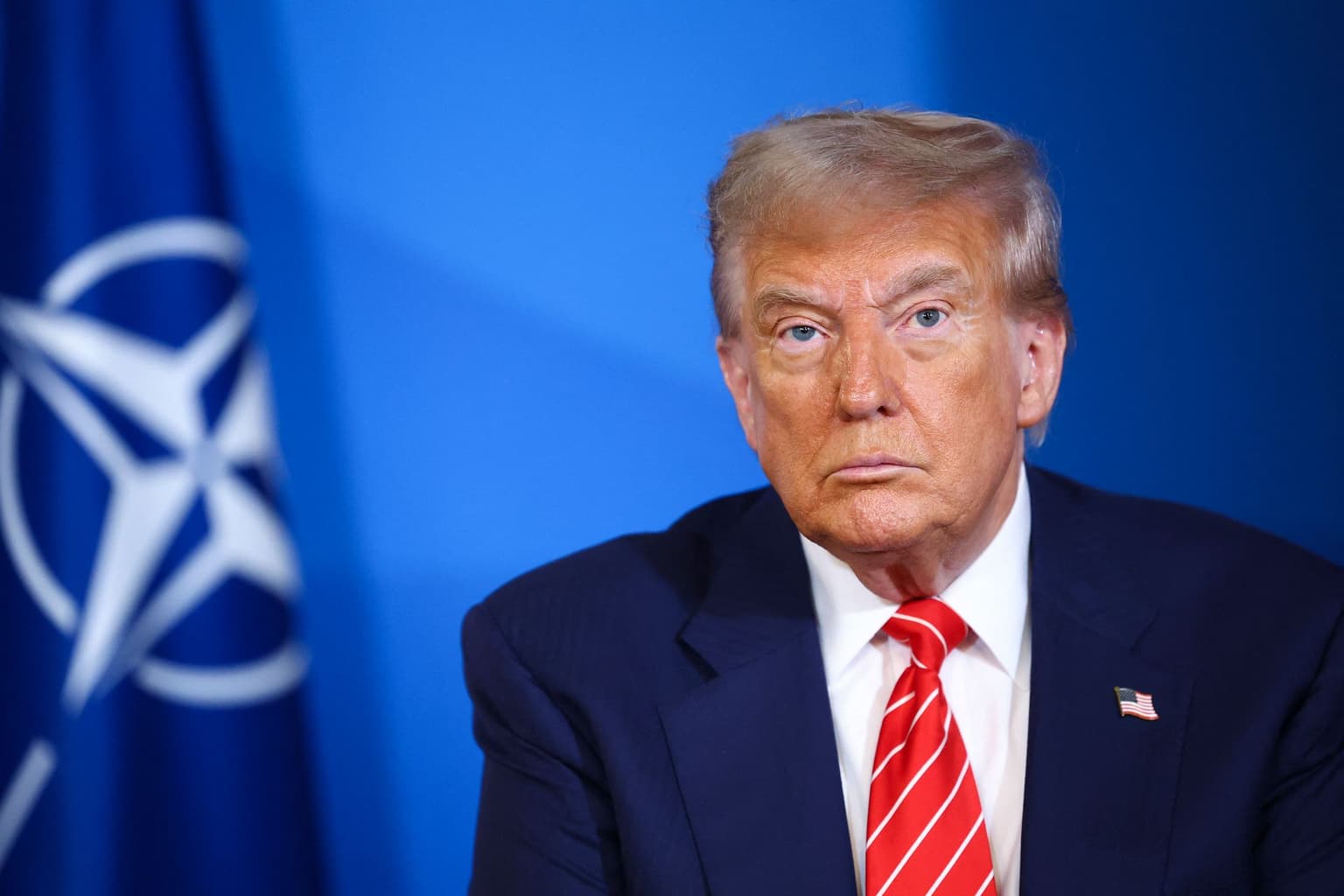
U.S. President Donald Trump said he is strongly considering pulling the U.S. from NATO, according to an interview with the Telegraph published on April 1.
The comments come as top U.S. officials increasingly voice frustration with their NATO allies over their refusal to join the U.S.-Israeli war with Iran.
Asked by the Telegraph whether he would reconsider the U.S. membership in the alliance after the war, Trump said: "Oh yes, I would say (it's) beyond reconsideration. I was never swayed by NATO."
The U.S. president, a long-time critic of the alliance, went on to call NATO a "paper tiger" and said Russian President Vladimir Putin shares that opinion.
Trump also noted that the U.S. has "been there" for the alliance when it came to the Russia-Ukraine war.
"Ukraine wasn't our problem. It was a test, and we were there for them, and we would always have been there for them. They weren't there for us," Trump told the Telegraph.
Matthew Whitaker, the U.S. ambassador to NATO, said Trump is also reevaluating U.S. "support for the European efforts in Ukraine" in light of recent events.
"Right now, everything is on the table," Whitaker said in an interview with Newsmax.
The Trump administration ended nearly all new aid allocations to Ukraine, passing the financial burden of supporting Kyiv to European allies. The U.S. still provides intelligence support to Ukraine and sells hard-to-replace equipment, such as Patriot interceptors, via NATO.
Trump's remarks about NATO prompted a reaction from European leaders.
Asked about the president's remarks, British Prime Minister Keir Starmer said he would continue to "act in the British national interest," no matter "the noise."
Polish Defense Minister Wladyslaw Kosiniak-Kamysz urged calm and underscored the importance of continued transatlantic cooperation.
"There is no NATO without the U.S., but there is no strong U.S. without allies either," the minister said on X.
"The world today is looking more intently at the Middle East, but the security of NATO's eastern flank does not take a back seat," he added.
Finland's President Alexander Stubb later said he held a "constructive discussion and exchange of ideas on NATO, Ukraine, and Iran" with the U.S. leader.
"Problems are there to be solved, pragmatically," said Stubb, who is seen as one of Trump's closest confidants among European leaders.
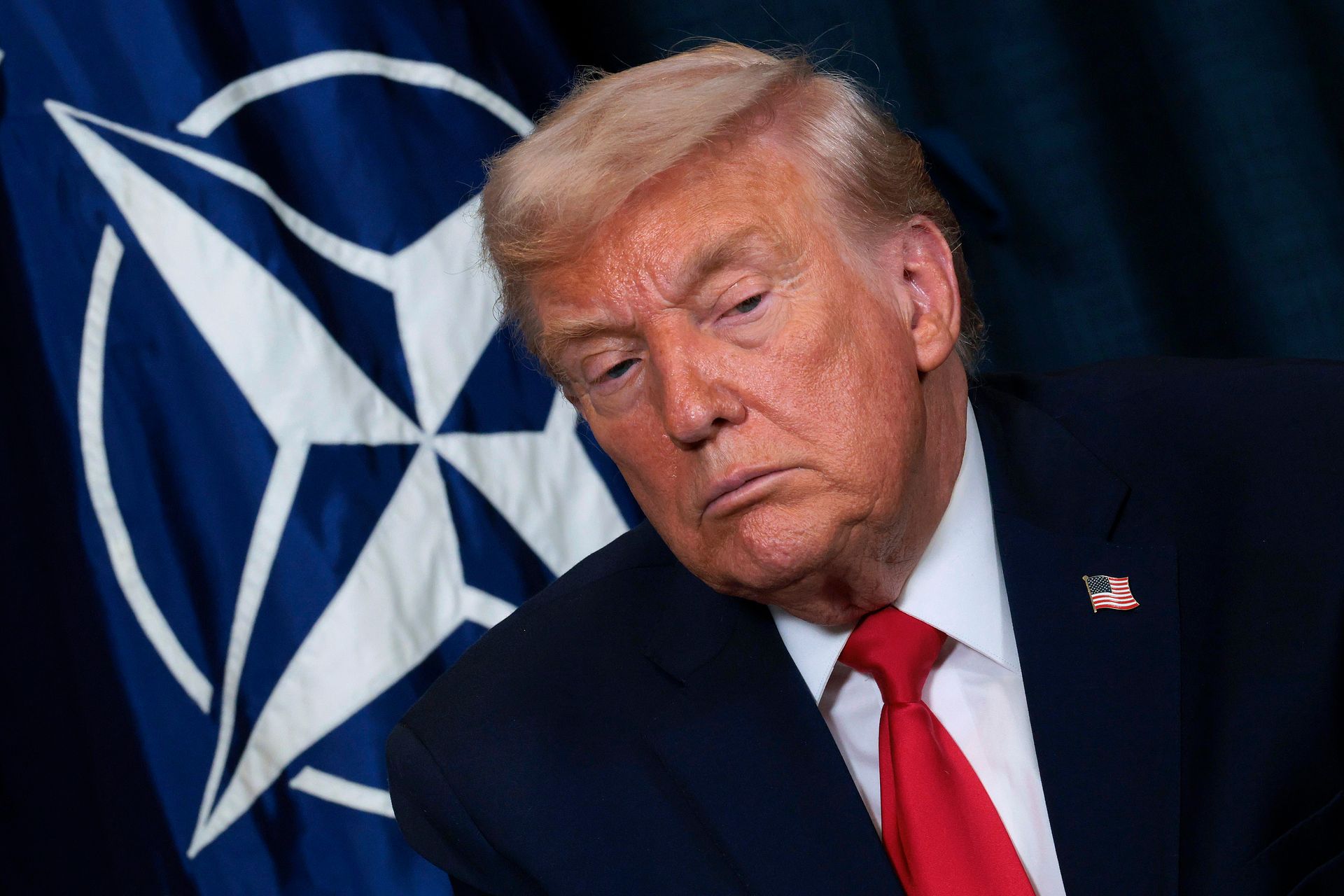
U.S. Secretary of State Marco Rubio told Fox News on March 31 that the U.S. would "reexamine" its relationship with NATO after the allies did not assist Washington in the Middle East.
Trump made similar comments last week in Miami, saying, "We would have always been there for them (NATO), but now, based on their actions, I guess we don't have to be, do we?"
The U.S.-Iran war, ongoing for over a month, has led to the closure of the Strait of Hormuz and driven a global surge in oil and gas prices.
European allies have rejected Trump's calls to send warships to reopen the strait, and some have closed their airspace to U.S. aircraft involved in the military operation.
Washington has not consulted its European partners before the operation, and the NATO collective defense principle does not require partners to join offensive wars.
In 2023, the U.S. Congress passed a bill — advocated by then-Senator Rubio — barring any U.S. president from unilaterally withdrawing from NATO without the approval of two-thirds of the Senate or an act of Congress.
"Trump is escalating an old pattern that other NATO leaders should be familiar with by now," Jörn Fleck, senior director with the Europe Center at the Atlantic Council, told the Kyiv Independent earlier this week.
According to the expert, "European leaders would be well advised to avoid getting drawn in by provocations or insinuations over NATO and Article 5."
Commenting on Trump's earlier questioning of NATO commitments, Michael McFaul, the former U.S. ambassador to Russia, told the Kyiv Independent that the comments are a "gift to Putin," but noted the U.S. president's rhetoric often shifts and has little "staying power."
Jamie Shea, a security expert and a retired NATO official, nevertheless warned on March 31 that Trump's remarks "send the wrong signals to Russia and encourage the Kremlin in its attempts to undermine and challenge NATO."
Trump has questioned the value of the alliance since before his second term, criticizing other members for not spending enough on their defense.
Under pressure from Trump, all NATO members met the 2% of GDP defense spending goal last year and agreed to raise that benchmark to 5%.