












Lunar Reconnaissance Orbiter
NASA's LRO (Lunar Reconnaissance Orbiter) is paving the way for human and robotic exploration of the Moon.
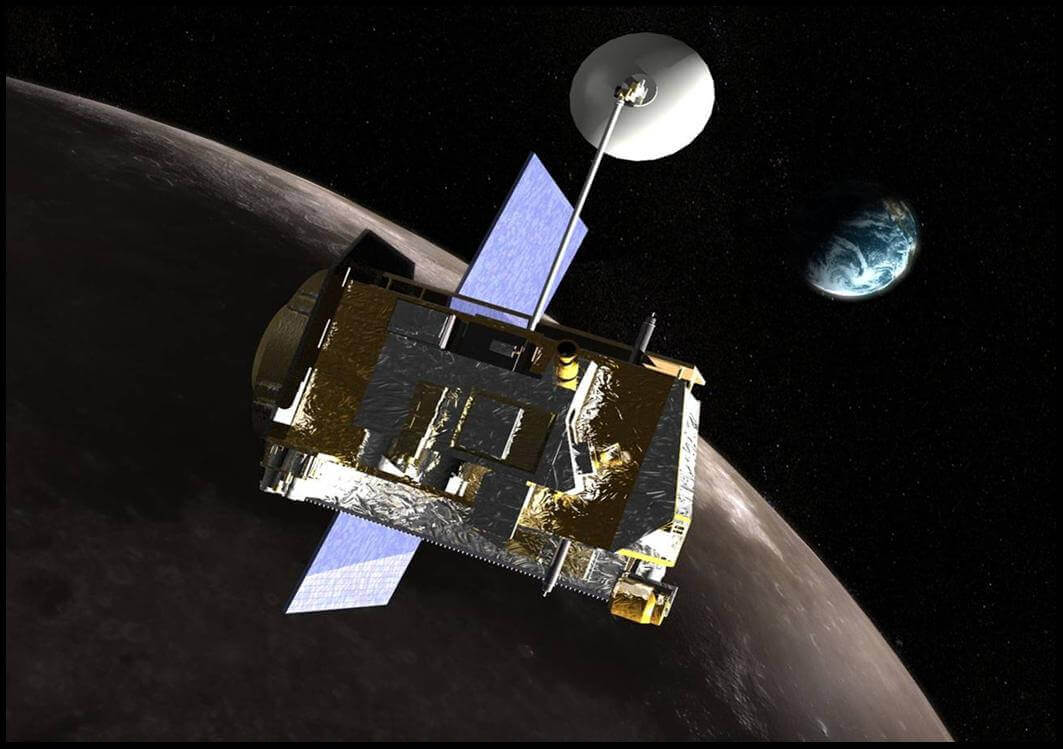
LRO has been studying the Moon from up close since 2009, making it the longest-lived lunar orbiting mission ever. The orbiter has mapped the Moon’s surface and measured its temperature, composition, and radiation environment in unprecedented detail. Data from LRO enables NASA, and our international and commercial partners, to select locations on the lunar surface where spacecraft and astronauts can safely land. The orbiter is also helping NASA identify areas near the Moon’s South Pole with crucial resources like water and extended sunlight, which provides power for equipment and supports exploration activities.
Type
Launch
Target
Objective
Light and Shadow Near the Moon's South Pole
The pattern of low-angle sunlight and shadows near the Moon's poles is unlike anywhere else on the lunar surface — or on Earth. This visualization, created using LRO data, shows the movement of shadows near the Lunar South Pole over the course of two lunar days (approximately two Earth months).
Learn MoreNov 16, 2022
Mapping the Moon in Three Dimensions
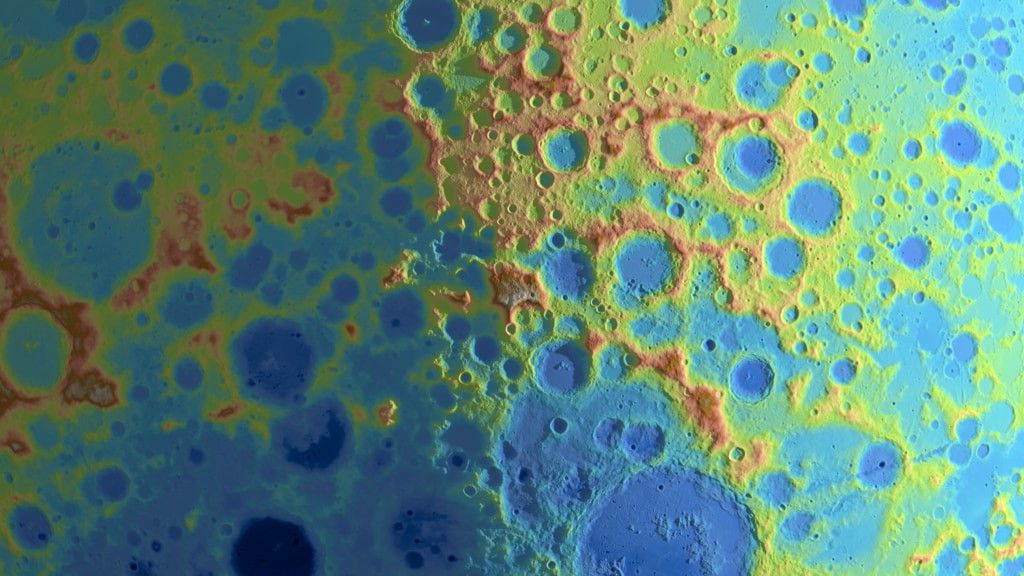
One of LRO's seven science instruments, LOLA (the Lunar Orbiter Laser Altimeter), measures the Moon's elevation profile. This color-coded image is based on LOLA data gathered near the Moon's South Pole. Red coloring indicates high-altitude parts of the landscape, and blue indicates lower-altitude areas. Credit: NASA's Scientific Visualization Studio
Learn MoreNov 16, 2022
Mapping the Moon in Three Dimensions
LRO Stories

Discover More Topics From NASA
Earth’s Moon
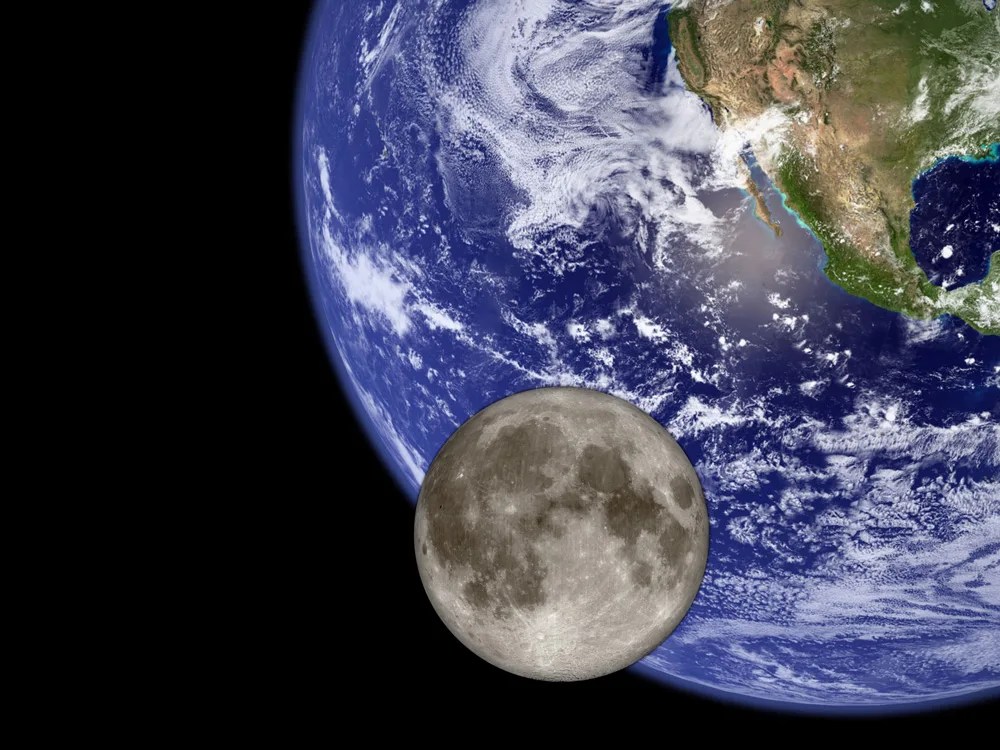
The Moon makes Earth more livable, sets the rhythm of ocean tides, and keeps a record of our solar system's…
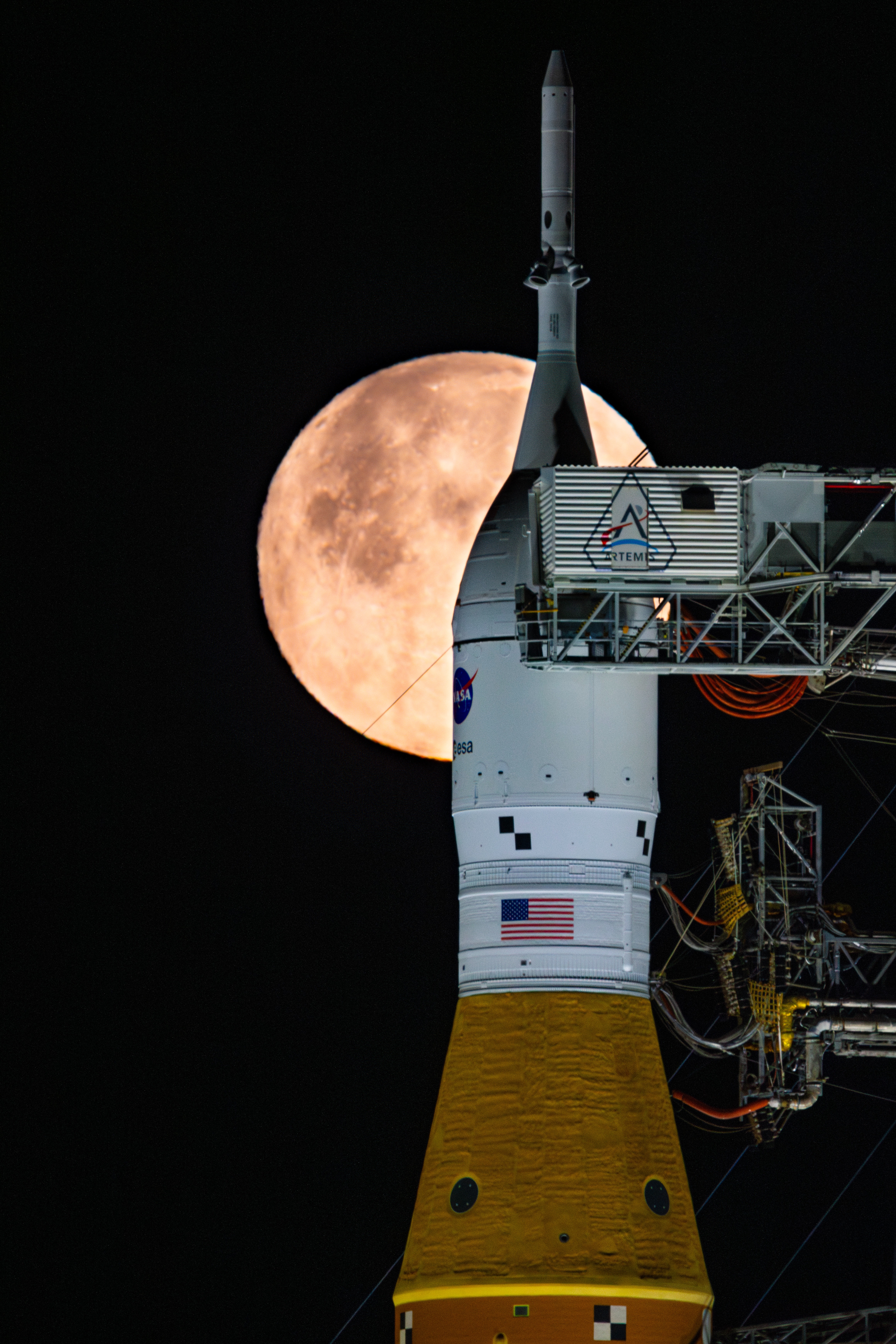
Artemis
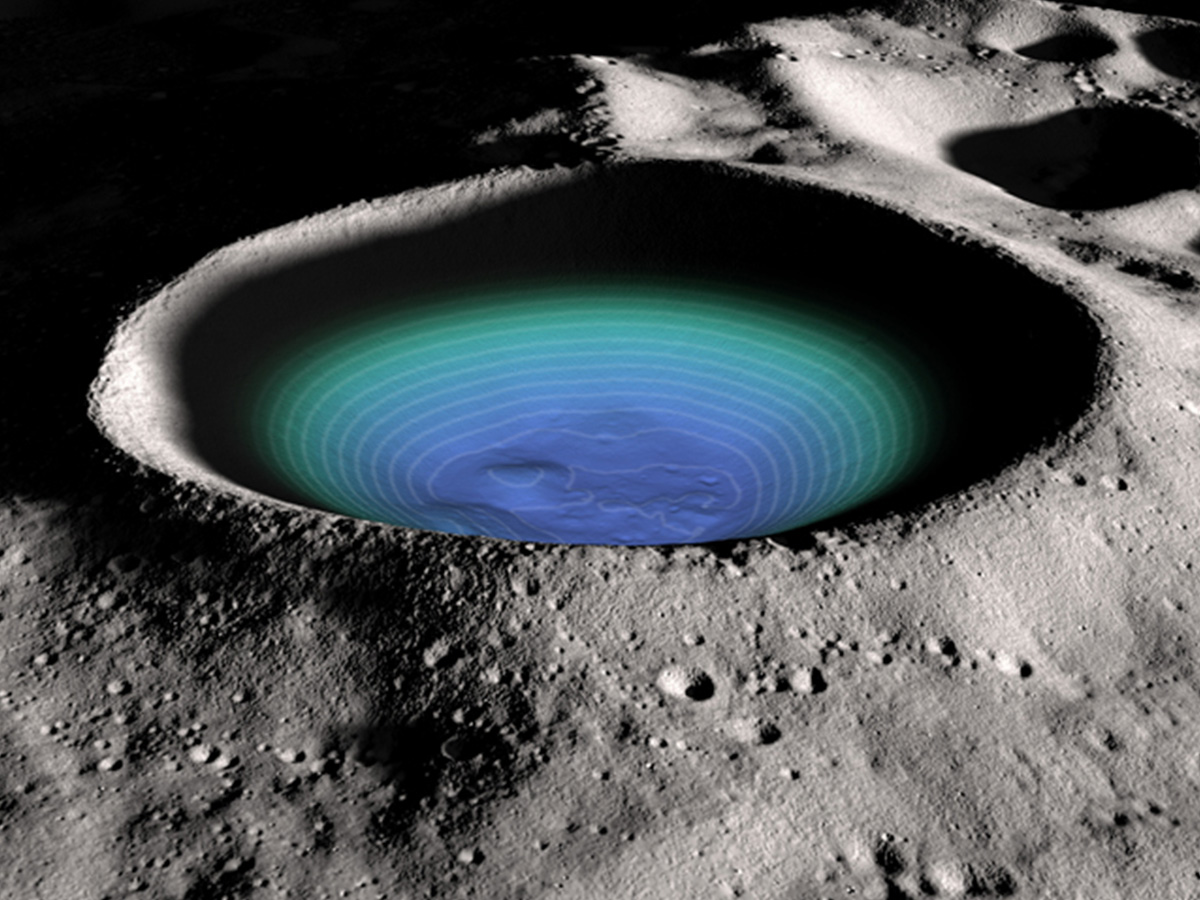
Moon Water and Ices
What’s big, covered in water, yet 100 times drier than the Sahara Desert? It’s not a riddle, it’s the Moon!
The Moon’s Atmosphere
Does the Moon have an atmosphere? Yes, but just barely. The lunar atmosphere is mostly an exosphere, which itself is…