



Popular
 |
VOOZH | about |
|
VOOZH | about |
In Ukraine, developers are working on automating how interceptor drones engage targets using infrared seeker heads (IR SH).
Denys Lohvynenko, head of the UAV division at Brave1, told Militarnyi that active research is underway to enable these drones to operate autonomously and more effectively.
He explained that the goal is to make the interception process as simple and automated as possible. This process involves not only the infrared seeker heads but also other complementary systems.
However, he emphasized that the main challenge remains ensuring the system’s reliability.
Infrared seeker heads (IR SH) are now widely used around the world on many types of missiles. They are generally cheaper than active seekers, like those on the AIM-120 AMRAAM or R-77 missiles, which can also track targets autonomously without external guidance.
Infrared seekers are compact, and modern versions can detect targets whose temperature is just 1°C higher than the surrounding environment.
Seeker heads can also be classified based on how they work, with the sensor array (matrix) being the key component. Unlike older thermal seekers that detected only a single “hot spot” (like an engine), modern IIR (Imaging Infrared) arrays create a full thermal image of the target.
These arrays became common in the 2000s, greatly improving missile accuracy and making them less vulnerable to false heat sources, such as decoys.
👁 Схема роботи оптико-механічної ІЧ ГСН. Фото: Basic reticle seekerIn addition to IIR arrays, missiles still use more traditional linear photodetectors. These systems long dominated infrared sights for tanks and certain surface-to-air missiles, as it was much easier to manufacture a high-quality linear array of semiconductors than a large, complete matrix.
To produce a two-dimensional image, the sensor array was made to oscillate or rotate rapidly using mirrors – a process known as mechanical scanning.
There are also some more unusual combinations. For example, the Japanese Type 91 MANPADS uses hybrid guidance: during daytime firing, initial target acquisition is done with a conventional camera (visible spectrum).
This approach enables much more reliable tracking of small targets, such as quadcopters or drones like the Orlan-10, which have a low thermal signature.
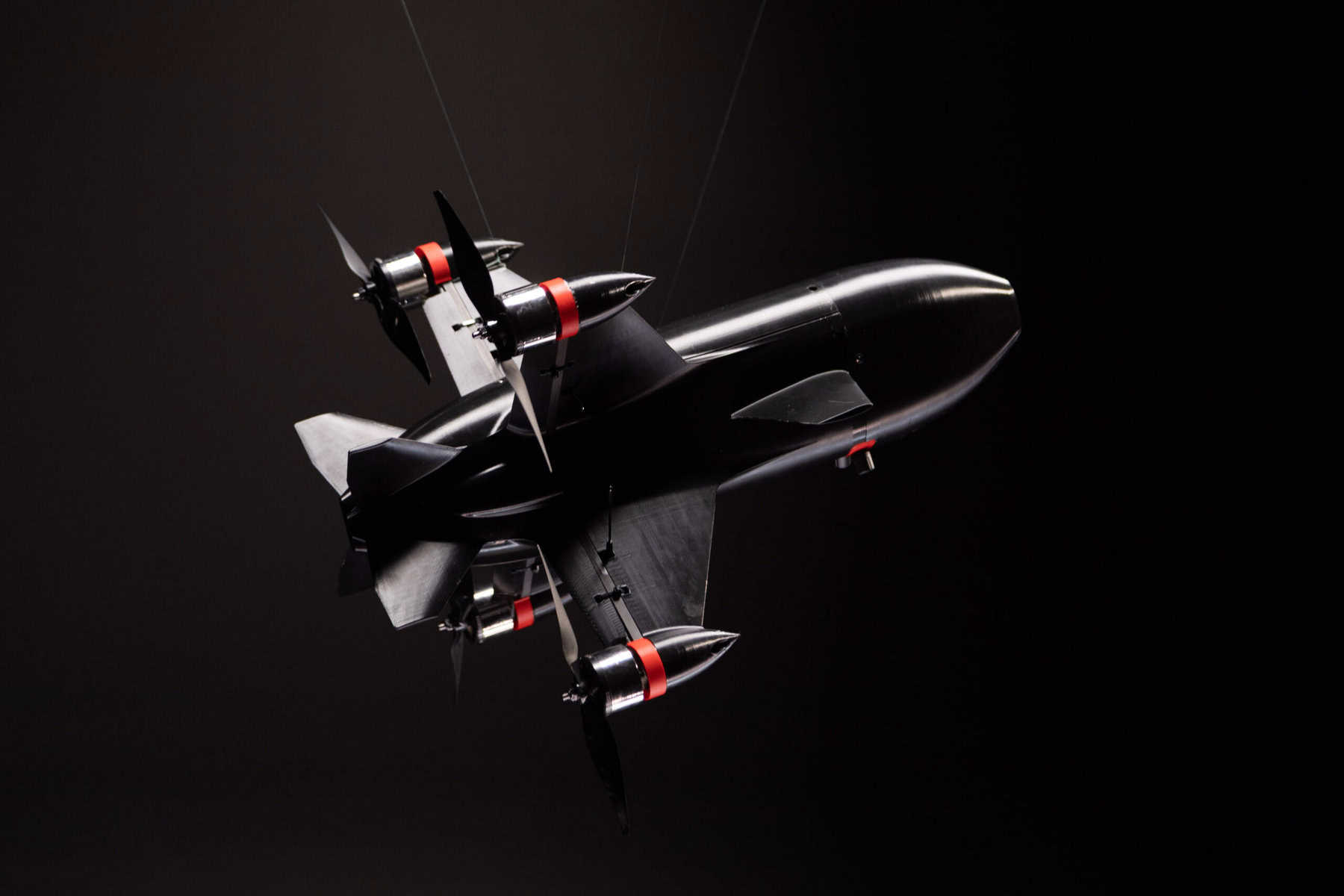
Militarnyi previously reported that the Ukrainian company Kolos Defense presented the Eclipse aircraft-type interceptor, designed for automated hunting of enemy kamikaze drones. Thanks to a terminal guidance system developed in partnership with foreign specialists, the system can effectively perform its tasks even under intensive electronic warfare conditions.
Підтримати нас можна через:
Приват: 5169 3351 0164 7408
PayPal - [email protected]
Стати нашим патроном за лінком ⬇
Subscribe to our newsletter
or on ours Telegram
Thank you!!
You are subscribed to our newsletter