


























NISAR
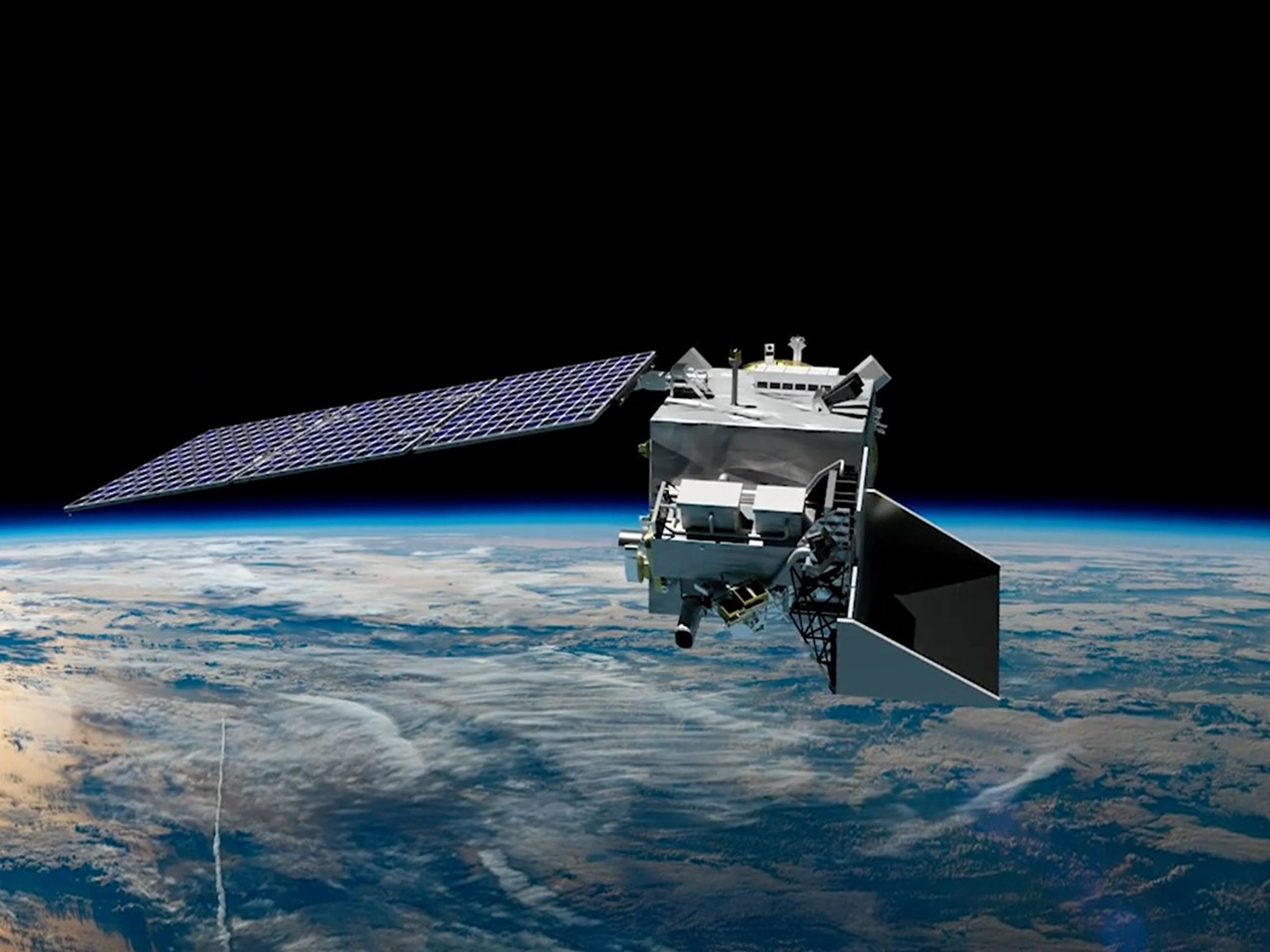
NISAR (NASA-ISRO Synthetic Aperture Radar)

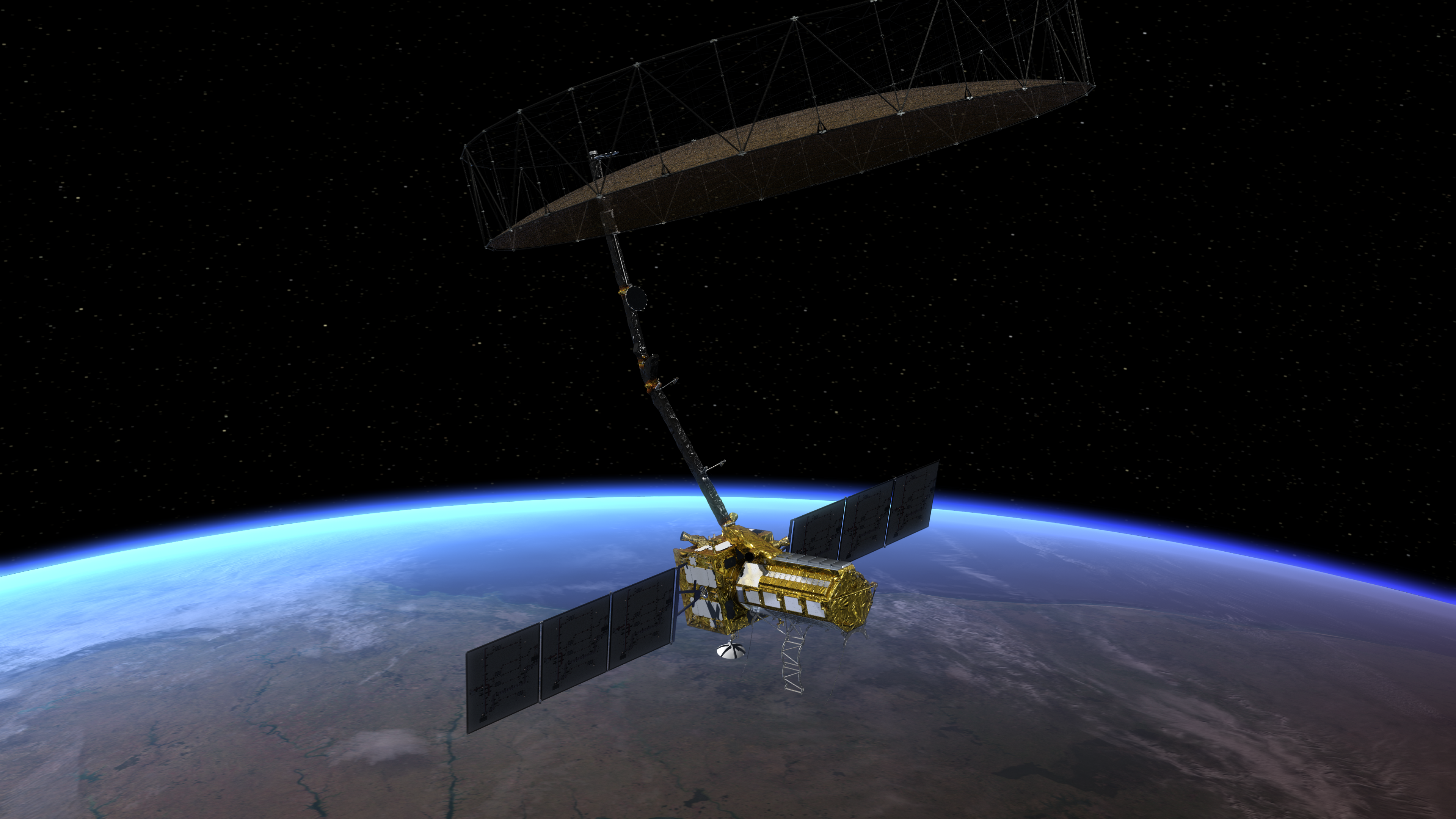
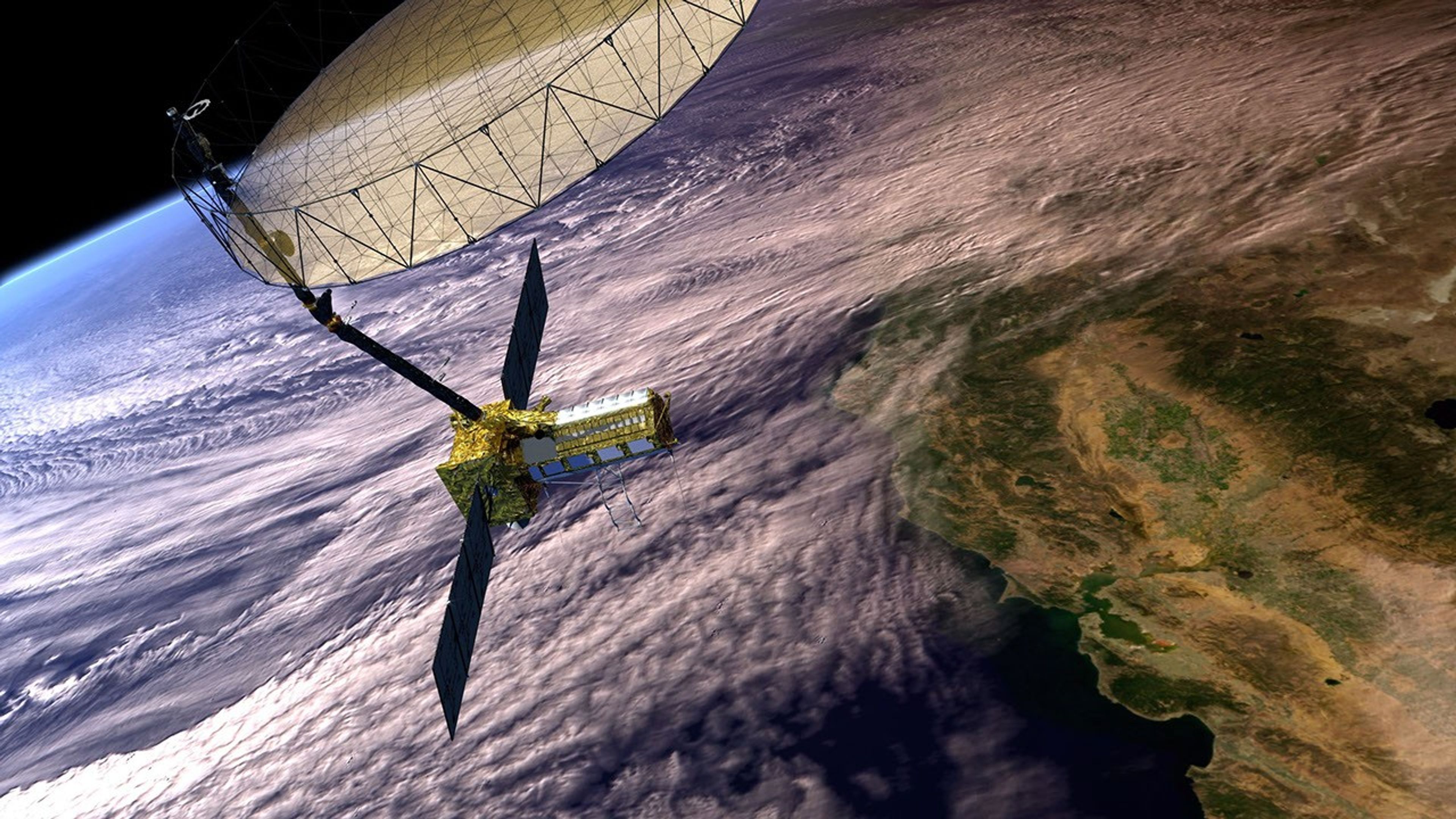
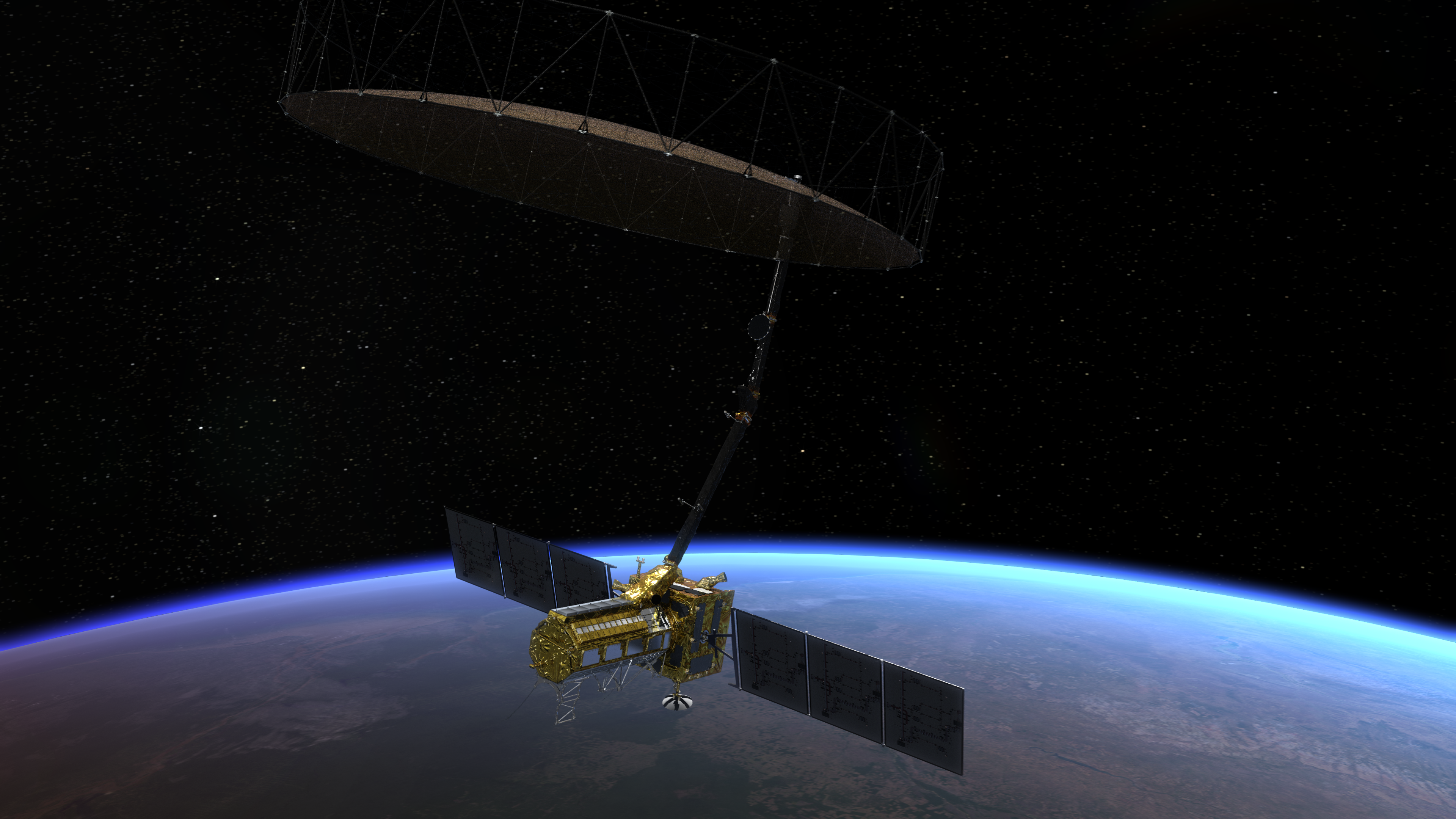
NISAR will help us track disasters, monitor ecosystems and crops, study glaciers and ice sheets, and understand how Earth’s surface moves and changes. The data it provides will help protect lives, support the management of natural resources, and give us a deeper understanding of our changing planet than ever before.
Type
Launch
Partners
Objective
- Mission Partners
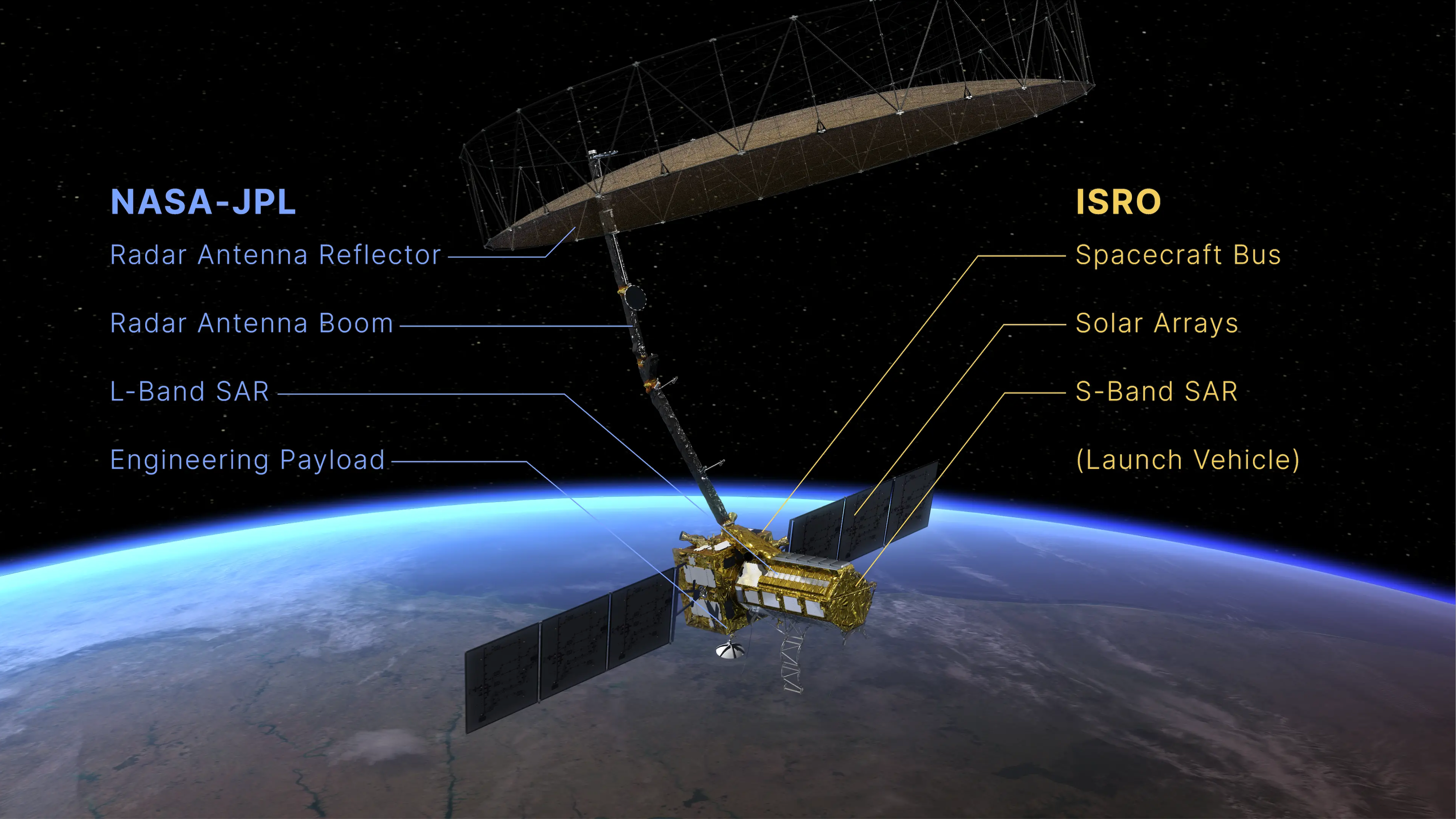
NASA, ISRO - Instruments
L-band SAR (24 cm wavelength) and S-band SAR (9.4 cm wavelength) - Instrument Type
Synthetic Aperture Radar (SAR) - Mission Phase
Commissioning phase - Data Availability
NISAR data is being archived by the Alaska Satellite Facility (ASF) DAAC and is openly available to the public.
NISAR Limited Data Released in February 2026
In late February 2026 NISAR released over 100,000 Level 1 to Level 3 L-band data products through the Alaska Satellite Facility DAAC.
NISAR Science Users’ Handbook
Mission Overview
An Unprecedented View of Earth
NISAR's data can help people worldwide better manage natural resources and hazards, as well as providing information for scientists to better understand the effects and pace of Earth system change. It will also add to our understanding of our planet's hard outer layer, called its crust.
Learn MoreMission Overview
News/Mission Updates
science Behind the Mission


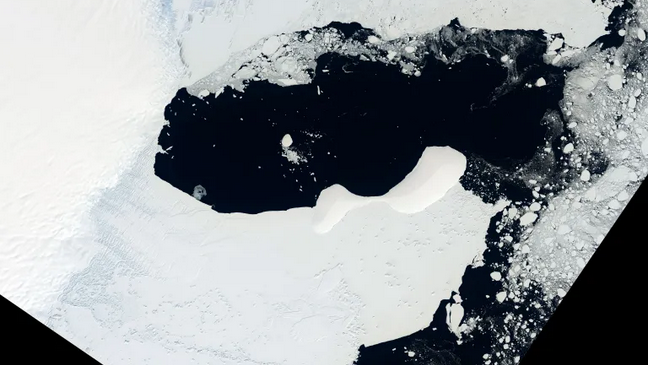
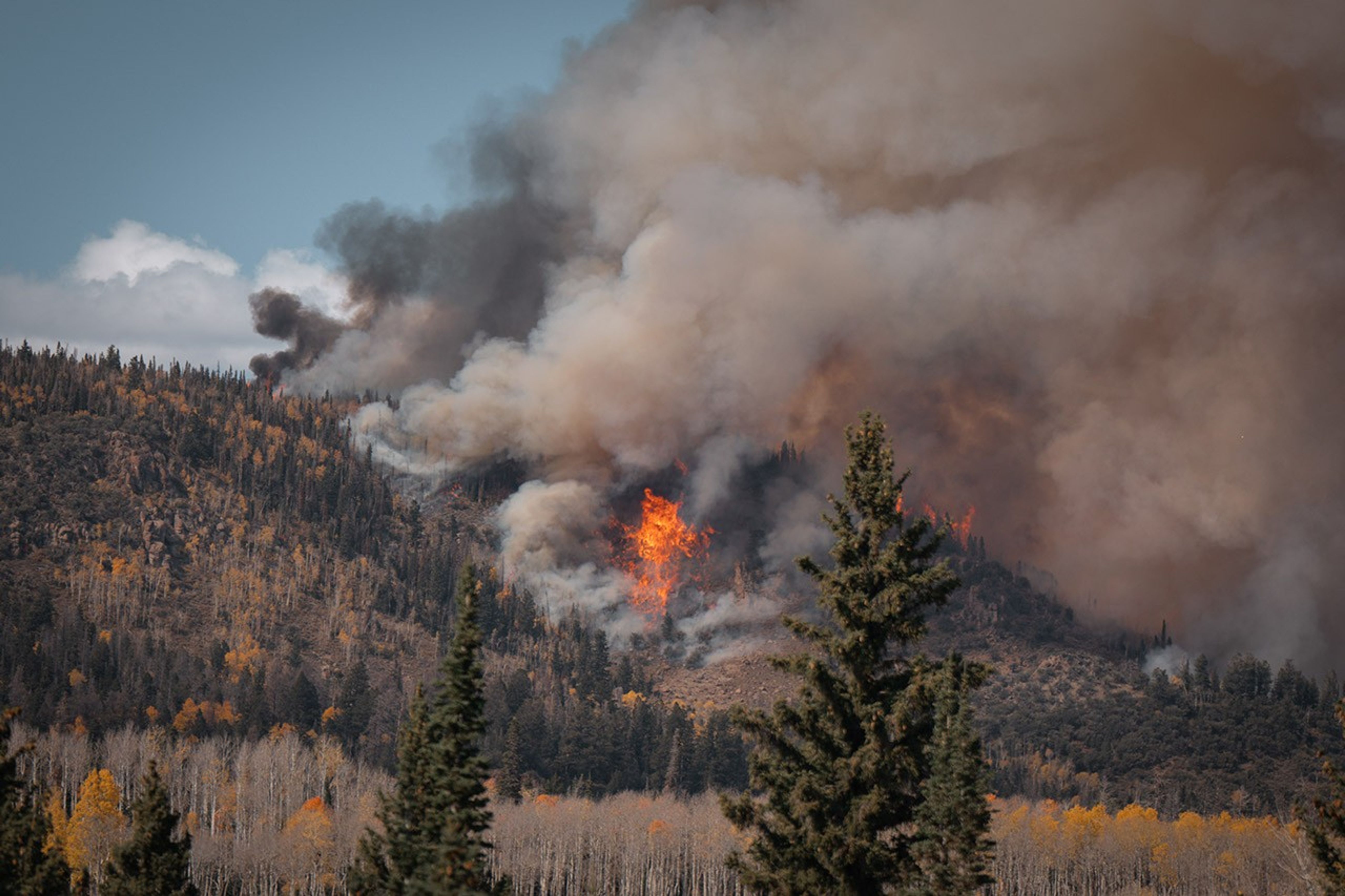
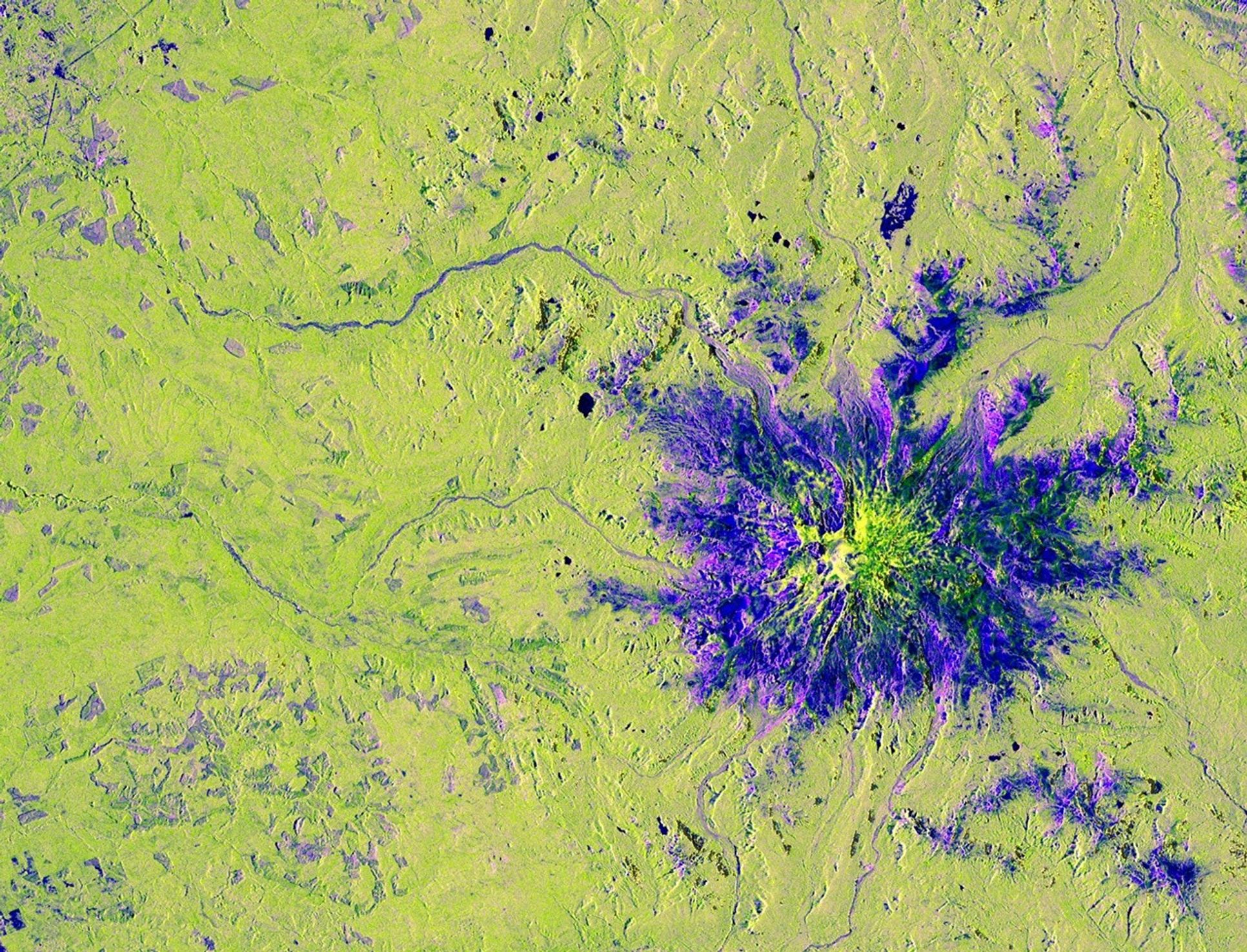
The Magic of SAR
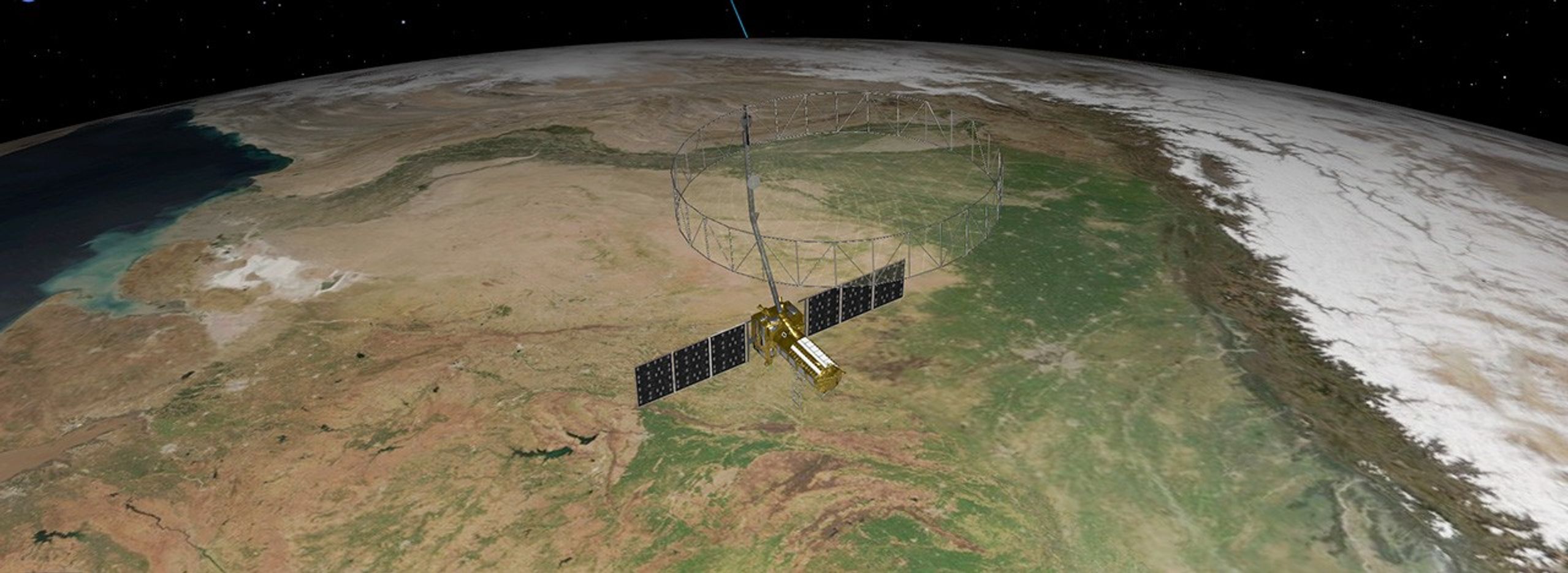
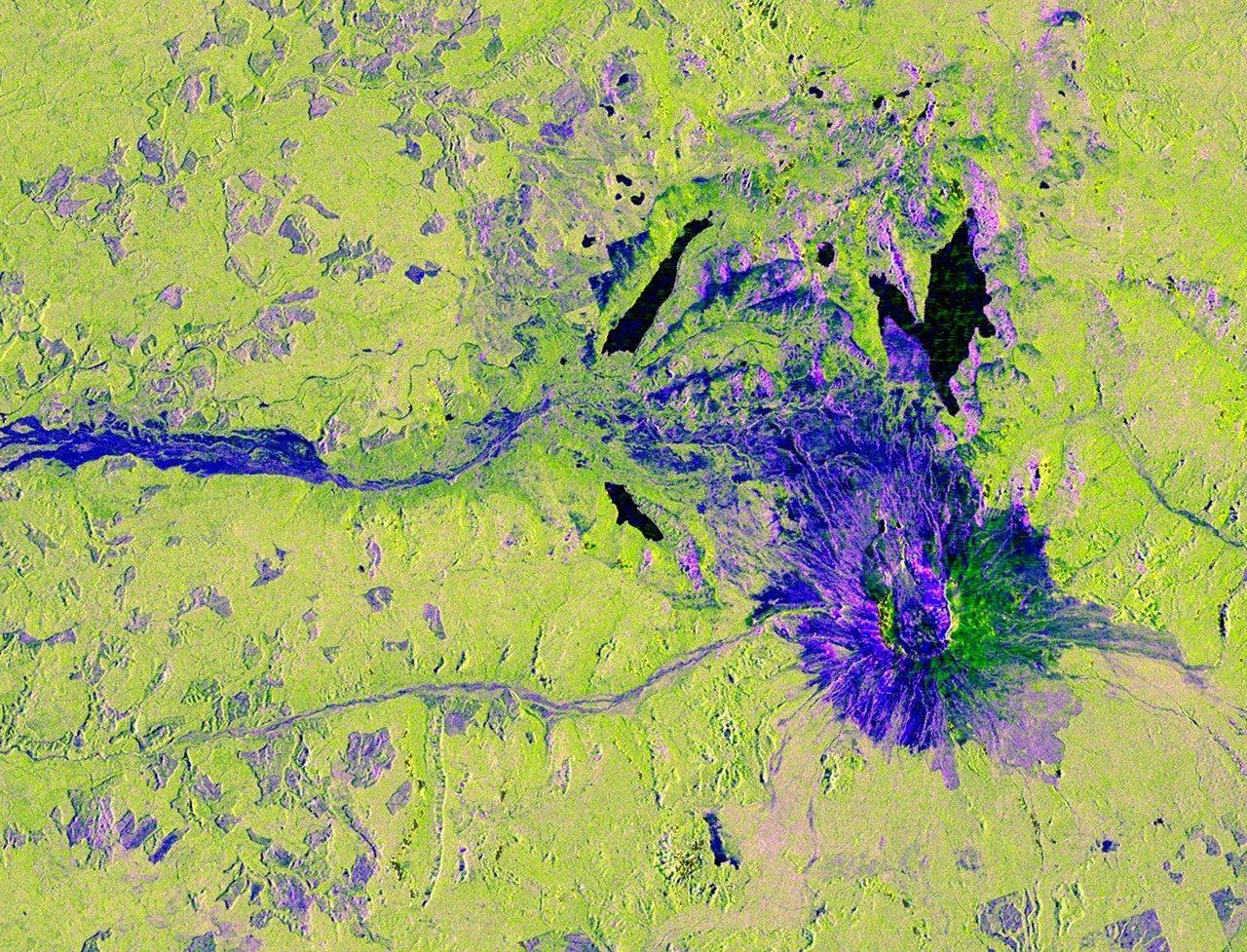
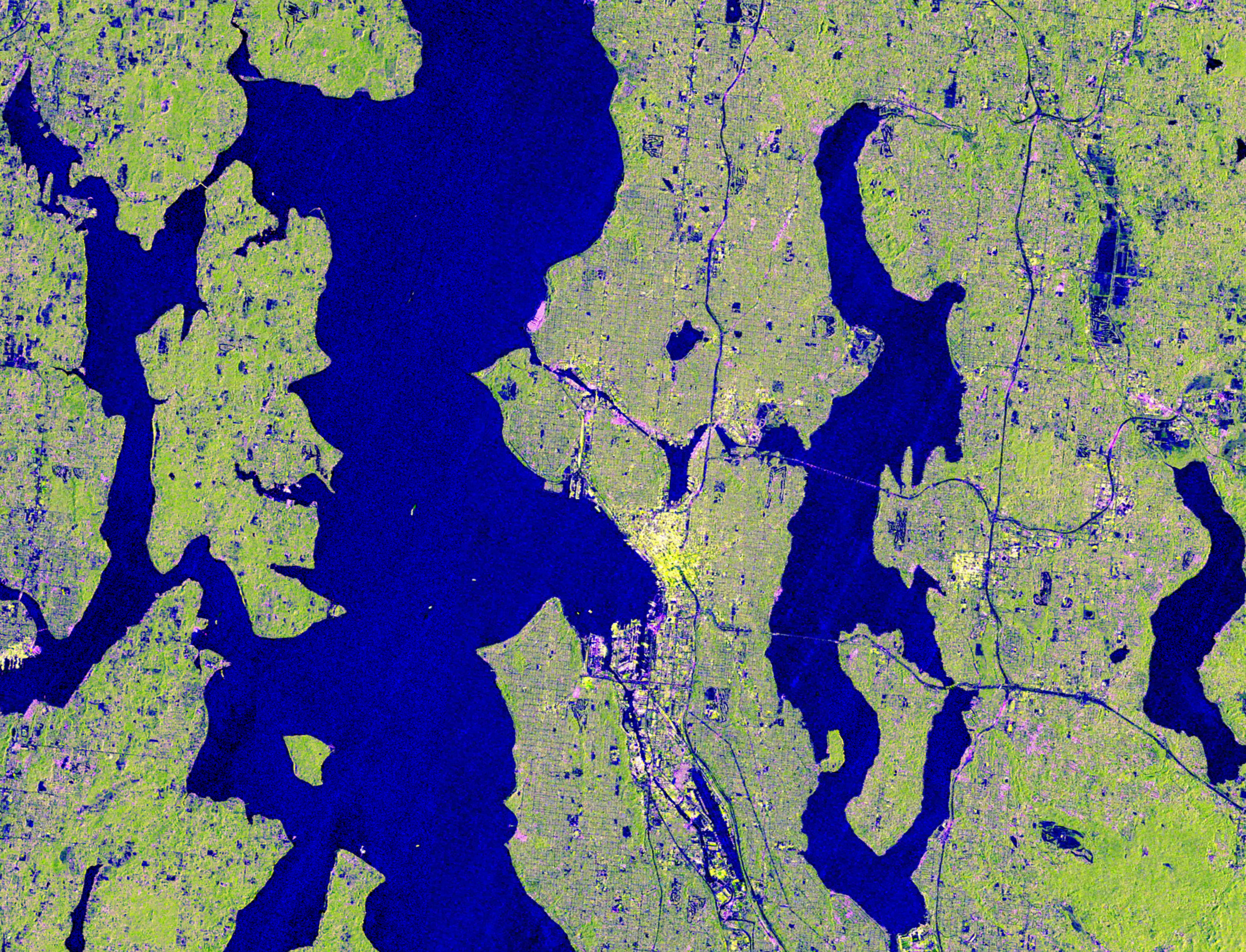
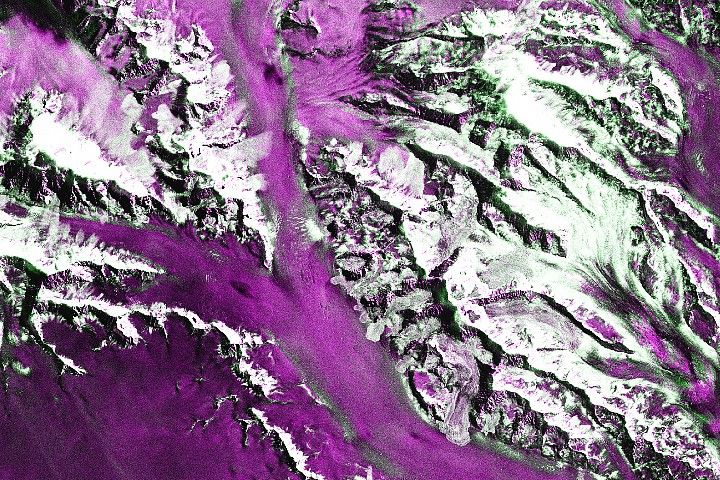
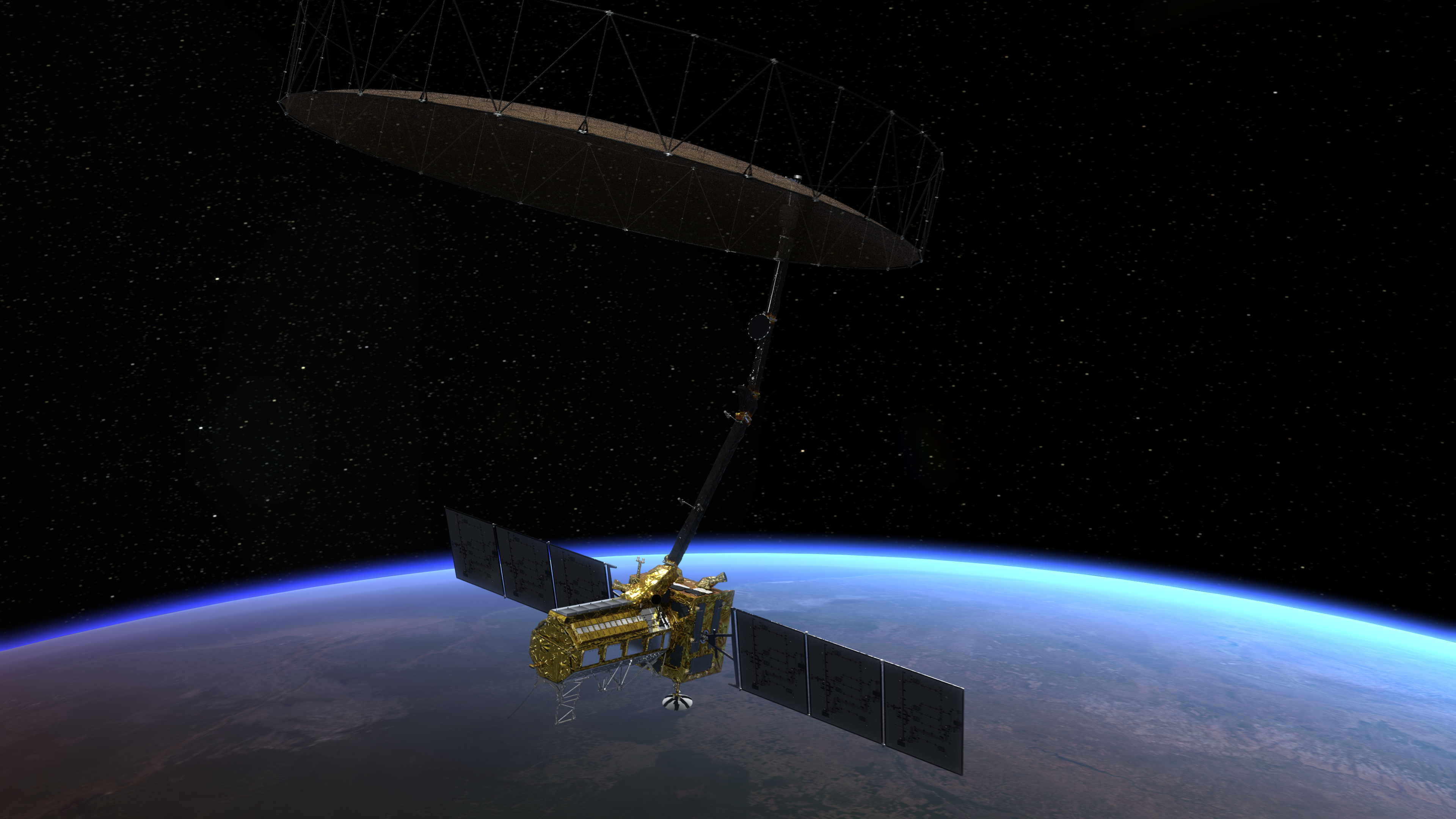
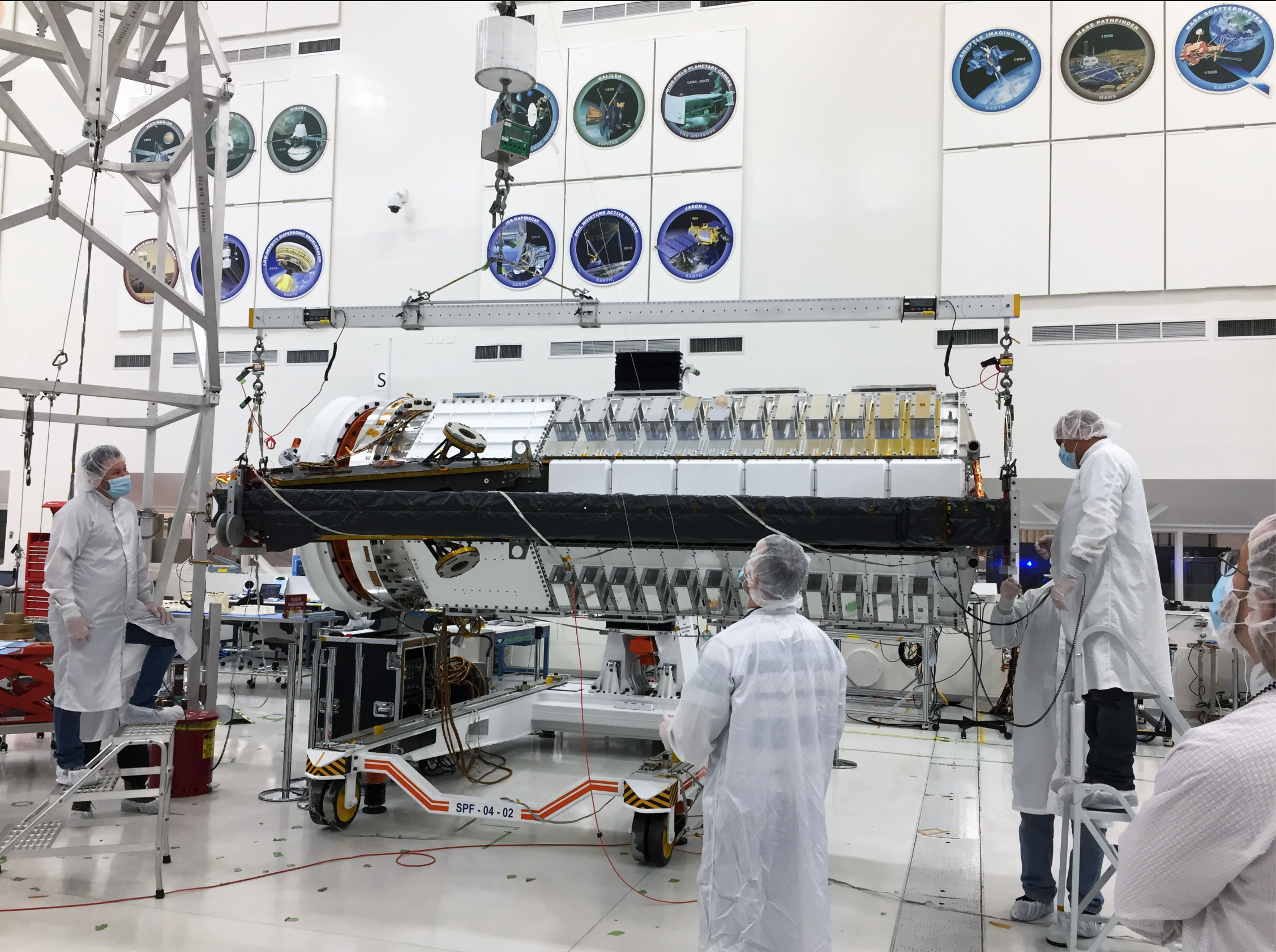
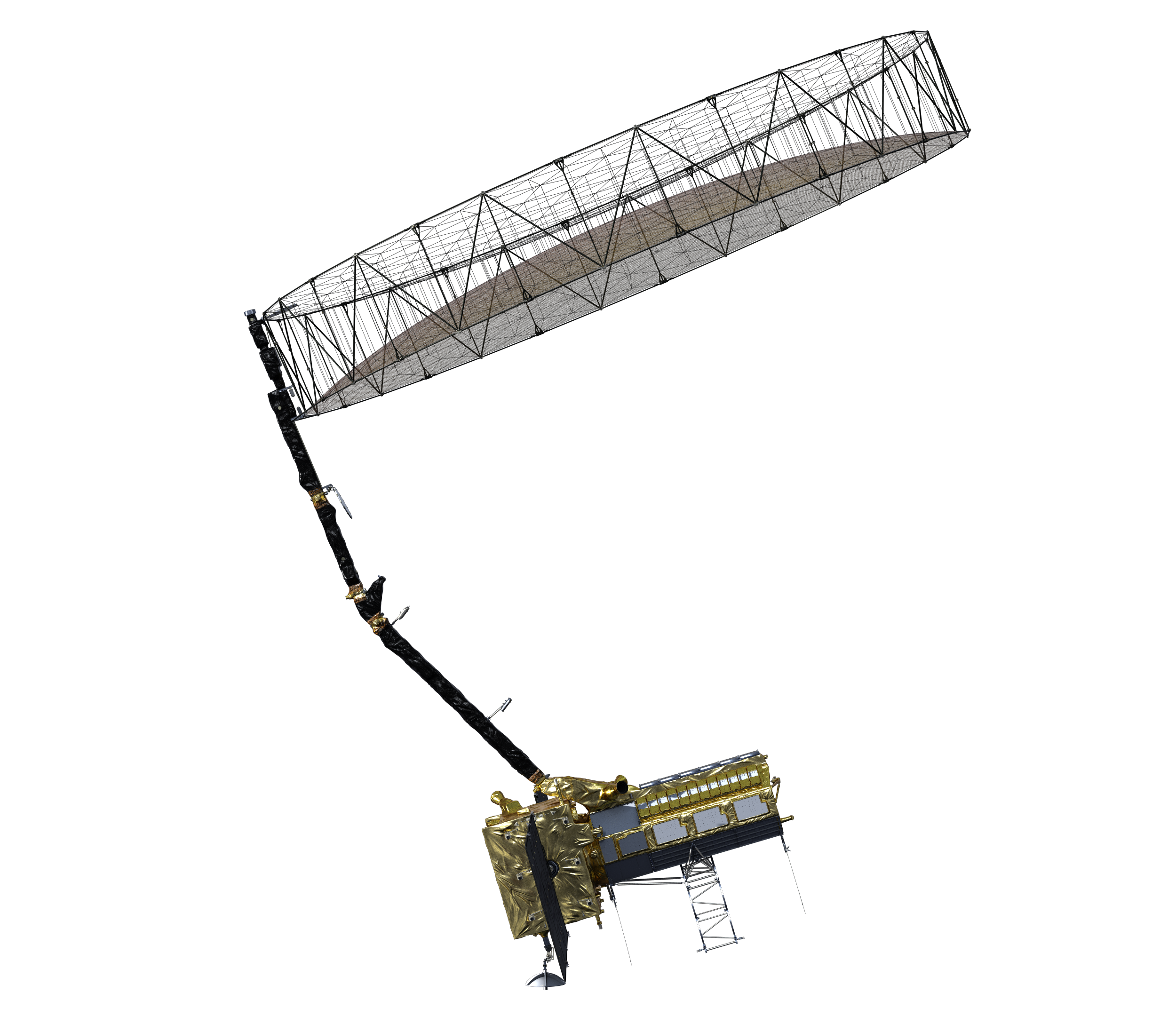
NISAR will be the first radar of its kind in space to systematically map Earth, using two different radar frequencies (L-band and S-band) to measure changes of our planet’s surface, including movements as small as centimeter. Synthetic aperture radar (SAR) refers to a technique for producing fine-resolution images from a resolution-limited radar system.
Get to Know SARNISAR Multimedia
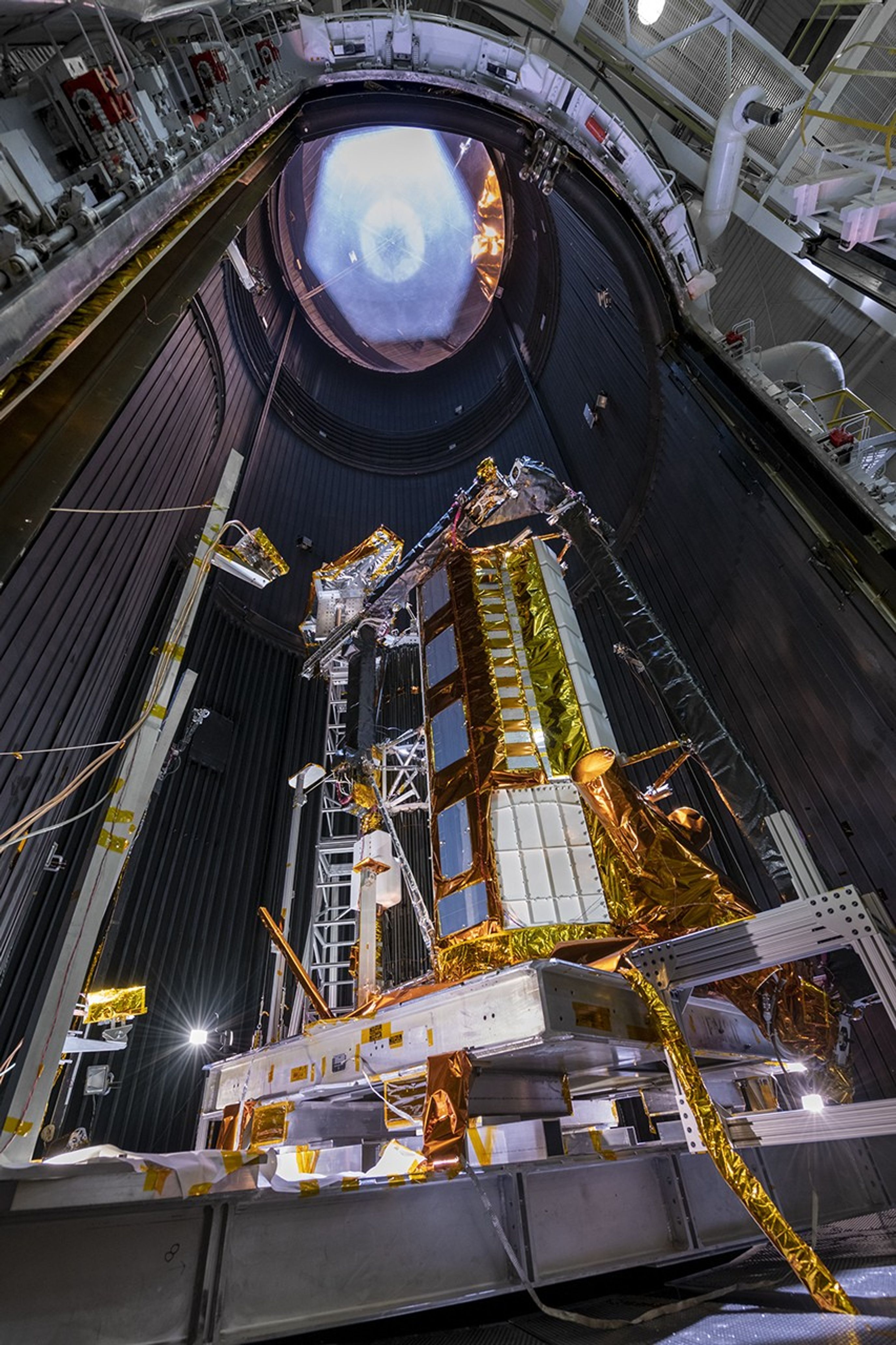
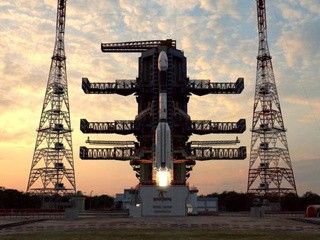


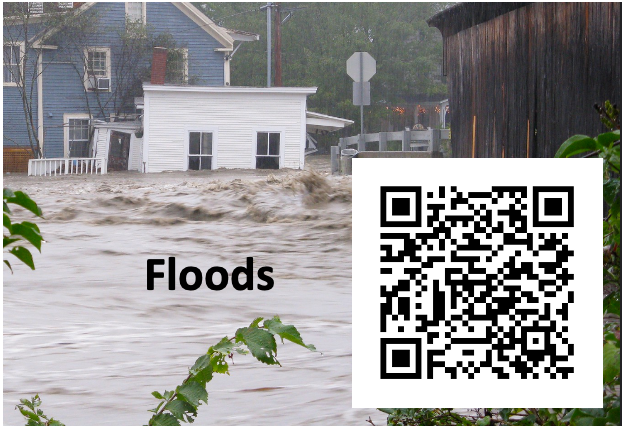
Explore Storymaps Across NISAR Applications

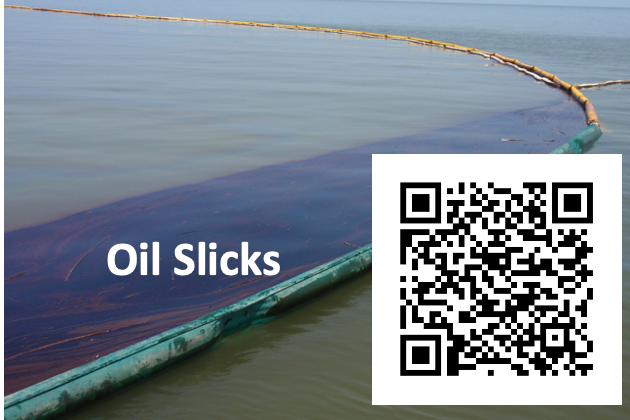
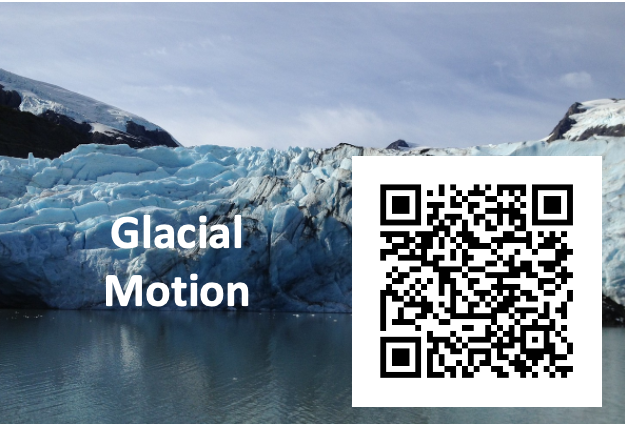
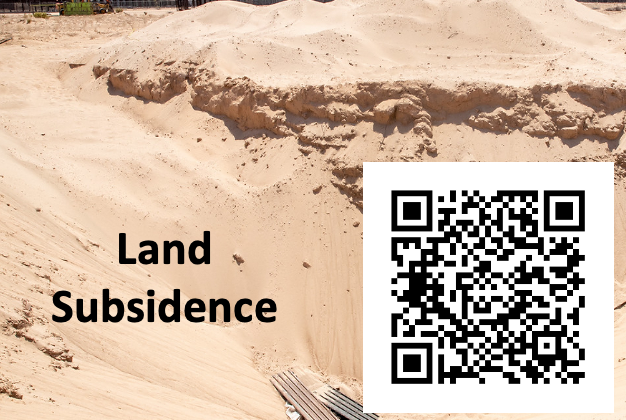
Discover Related Topics
Explore Earth Science

Earth Science at Work
NASA Earth Science helps Americans respond to challenges and societal needs — such as wildland fires, hurricanes, and water supplies…

Earth Science Missions
In order to study the Earth as a whole system and understand how it is changing, NASA develops and supports…
Earth Science Data
Open access to NASA’s archive of Earth science data
