|
VOOZH | about |
|
VOOZH | about |
Navigating the Murky Legal Waters of Maritime Piracy
September 10, 2012 by Roger L. Phillips Leave a comment
This guest commentary, cross-posted at ilawyerblog, is by Rachel Lindon, who has represented Somalis charged with piracy in legal proceedings in France. An English version is available here. We have previously discussed piracy trials in France, here and here.
Three of the six Somalis charged with taking the crew of Le Ponant hostage walk along a wall of La Sante jailhouse in Paris on 15 June 2012, a day after being released from prison (Photo: THOMAS COEX/AFP/GettyImages)
Deux procès se sont tenus à ce jour en France, à l’encontre de somaliens accusés d’actes de piraterie au large des côtes somaliennes. Lors du premier procès, qui s’est tenu en novembre 2011, dans l’affaire dite du Carré d’As, sur les six personnes accusées, une a été acquittée, et les cinq autres ont été condamnées à des peines de 4 à 8 années d’emprisonnement. Le Parquet ayant interjeté appel, cette décision n’est pas définitive. Lors du deuxième procès, qui s’est tenu en juin 2012, dans l’affaire dite du Ponant, sur les six personnes accusées, deux ont été acquittées, et les quatre autres ont été condamnées à des peines de 4 à 10 années d’emprisonnement. Cette décision est devenue définitive, en l’absence d’appel des parties. Ainsi, à ce jour, quatre somaliens se retrouvent libres en France : trois qui ont été acquittés et souffert pendant plusieurs années de détention provisoire indue et arbitraire, et un dont la détention provisoire abusivement longue de quatre années a couvert sa peine (la France, régulièrement condamnée par la Cour Européenne des Droits de l’Homme pour des durées de détention trop longues, a établi un funeste record mondial en matière de détention provisoire de supposés pirates somaliens…). Après avoir été interpellés en territoire somalien (territoire maritime ou terrestre selon les cas), transférés en France, quelles ont été les conditions des détentions provisoires des somaliens pendant les longs mois d’enquêtes, et qu’a-t-il été prévu à leur sortie ?
LE TRAITEMENT PAR LA FRANCE DES SOMALIENS EN DETENTION
Ces douze somaliens, coupables ou non, ont été arrachés de leurs terres pour être transférés dans des geôles d’un pays qui leur était inconnu. Déracinés brutalement, ils ont été incarcérés dans des conditions devenues presqu’inhumaines: ne parlant que le somalien, et devant être séparés les uns des autres pendant l’enquête, ils n’ont pu communiquer avec personne pendant des années, sauf pendant les interrogatoires chez le juge d’instruction. Les avocats ont systématiquement sollicité les services d’un interprète, pour les parloirs. Les magistrats ont également sollicité les interprètes pour tous les actes d’instruction. Pourtant, ces douze somaliens n’ont jamais bénéficié du truchement d’un interprète, en détention, tant pour les actes médicaux, parfois lourds, que pour les commissions disciplinaires, en violation du principe du respect de la dignité humaine du prisonnier, reconnu par la Cour européenne des Droits de l’Homme (RAFFRAY TADDEI C. France, 21 décembre 2010, §50) et les règles minima pour le traitement des détenus, telles que définies par le Haut Commissariat des Nations Unies aux droits de l’homme (article 36§2). Nombre d’entre eux ont été victimes de violences de la part de codétenus, d’autant plus qu’ils étaient particulièrement isolés, et l’Administration Pénitentiaire française semble avoir trop souvent manqué à son devoir d’enquête, en violation de la jurisprudence de la CEDH (PREMININY C. RUSSIE, 10 février 2011).
A ces violations s’ajoutaient les difficultés et l’isolement propres à leur situation de ressortissants somaliens : ils ne recevaient pas de deniers de l’extérieur (alors qu’il est connu dans les prisons françaises qu’il faut un pécule minimal pour survivre, louer un téléviseur, et s’acheter de la nourriture), ils ne recevaient aucune visite et que très rarement des nouvelles de leurs familles, un courrier annuellement tout au plus, alors que la plupart étaient mariés et pères de familles. Ces détentions provisoires furent d’une telle violence que nombre d’entre eux ont souffert de problèmes psychologiques graves, ont été internés dans les hôpitaux psychiatriques de l’Administration Pénitentiaire, au point qu’aujourd’hui, certains, même libres, doivent encore faire l’objet d’un suivi psychiatrique.
LE TRAITEMENT PAR LA FRANCE DES SOMALIENS HORS DE DETENTION
L’espoir du procès et de la fin de la dureté de la détention n’a été que de courte durée pour ceux qui ont été libérés : relâchés quelques heures après les délibérés, en pleine nuit, dans Paris, l’Administration pénitentiaire française leur a remis, outre leurs ballots de vêtements accumulés pendant la détention grâce au secours populaire, un kit indigent comprenant un ticket de métro, cinq tickets restaurant et une carte de téléphone… La France n’a pas estimé utile de prévoir ce qu’il adviendrait de ces hommes, appréhendés à plus de 6.000 km, reconnus innocents pour trois d’entre eux, après la détention. Ils ne peuvent, qu’ils soient innocents ou coupables, retourner dans leur pays, du fait des mesures de rétorsion encourues. En effet, la justice a exigé une coopération complète, en les sommant d’indiquer les noms des puissants chefs pirates qui agissent en Somalie.
Ces véritables coupables, ces chefs de guerre exploitant la misère des somaliens, et possédant eux mêmes des biens immobiliers issus de la piraterie, aussi bien à Nairobi qu’à Londres, sont toujours actifs sur place, sans jamais avoir été inquiétés, la France se contentant de lampistes ou d’innocents, qui aujourd’hui risquent la peine de mort en cas de retour. Les somaliens acquittés, et ceux coupables mais ayant coopéré, libres ou encore détenus, sont par conséquent contraints de demander l’asile en France, puisqu’ils craignent d’être persécutés dans leur pays et de ne peuvent se réclamer de sa protection. puisque « craignant avec raison d’être persécutés du fait de (…) (leur) appartenance à un certain groupe social ou de (leurs) opinions politiques, se trouvent hors du pays dont (ils ont) la nationalité et qui ne (peuvent) ou, du fait de cette crainte, ne (veulent) se réclamer de la protection de ce pays ».
Mais pas plus qu’un retour dans leur pays n’est possible, une vie en France ne l’est. Lâchés dans les rues de Paris aussi brutalement qu’ils avaient été appréhendés en Somalie, ils n’ont eu de toits pour dormir et se nourrir que grâce à la solidarité de la société civile, compatriotes, conseils et interprète, puis d’associations pour le logement… Pêcheurs somaliens, parlant peu ou pas le français, ils se retrouvent à nouveau dans un dénuement extrême, mais dans un environnement inconnu, et définitivement séparés des leurs.
Leur situation ubuesque ayant interpellé certaines personnes, les trois somaliens du dossier du Ponant, sortis de détention le 15 juin 2012, à 3 heures du matin, ont finalement trouvé une association pour les héberger temporairement, dans l’attente prochaine de places en Centre d’Accueil pour Demandeurs d’Asile (leur situation particulière a permis que leur demande de logement soit considérée comme prioritaire). Ils recevront également l’aide financière conférée par l’Etat français pour tout demandeur d’asile, quel qu’il soit, de l’ordre de 400 euros mensuellement. Enfin, pour ceux définitivement acquittés, une requête en référé d’indemnisation de détention arbitraire est en cours. La justice aura à quantifier 50 mois de détention arbitraire et des vies définitivement brisées…
Pendant ce temps, le sort de ceux encore détenus est loin d’être résolu, car condamnés à des peines de 4 à 10 années d’emprisonnement (peines qui pourraient paraître légères, mais le peuple français, au travers de ses jurés, a pris en compte la particularité des crimes et de la situation sur place), ils sortiront bientôt de détention.
Dans un mois, le mineur du dossier du Carré d’As, âgé de 17 ans au moment des faits et donc de son incarcération, condamné à 4 années d’emprisonnement, aura accompli l’intégralité de sa peine. Il devra par conséquent être libéré. Encore une fois, rien n’est prévu pour sa sortie : il ne pourra quitter le territoire français, car il se doit d’attendre l’appel de son affaire (qui se déroulera probablement au printemps 2013). Mais pour autant, il ne sera pas régulier sur le territoire, et ne pourra espérer aucune aide au logement… Il sera hors des murs de FLEURY MEROGIS, sans argent, sans famille et sans papiers, mais non expulsable et contraint de rester. L’Etat français, qui a tant voulu protéger ses ressortissants navigant dans le Golf d’Aden, va ainsi laisser un jeune mineur, totalement isolé, ne parlant que quelques mots de français appris au contact des autres détenus et ne connaissant de notre territoire que nos maisons d’arrêt, errer dans nos rues, le temps de l’audiencement de l’appel interjeté par le Parquet… La France ne lui aura appris ni sa langue ni un métier, seulement à survivre dans une maison d’arrêt, puis survivre dans une ville si éloignée de sa vie passée…
Les somaliens libérés se heurteront ensuite à la rigueur administrative française : Les services d’insertion et de probation des maisons d’arrêts appliquent leur règles : sans papiers, pas d’aide à la sortie. Les services des demandeurs d’asiles les leurs : à la suite d’une demande d’asile (à effectuer dans les limites des règles très strictes), et sans s’attarder sur leur situation pénale, le logement n’est conféré qu’à certaines conditions. Les services du Ministère de la Justice demandent que l’on applique les leurs : il ne reste qu’à demander une indemnisation pour ceux innocentés, et sinon, cela ne les regarde plus… La France se comporte comme la communauté internationale : appliquons des règles abstraites, à la Somalie, ou à ses ressortissants transférés en France, sans qu’il soit évoqué le particularisme de leurs situations…
Le combat contre la piraterie et les déclarations d’intention aux visées électoralistes autorisent-ils la « patrie des droits de l’homme » à bafouer ces droits et à jeter dans nos geôles puis dans nos rues des hommes ? Le traitement que ces hommes, accusés de piraterie, innocents ou coupables, ont subi en France leur en fait regretter la Somalie, pays sans Etat, en situation de guerre civile depuis 20 ans, mais qu’ils ne pourront, tout comme leur famille, plus jamais retrouver.
Filed under Somalia Tagged with Country Case Study, defences, prisons, treatment of accused
July 5, 2012 by Roger L. Phillips Leave a comment
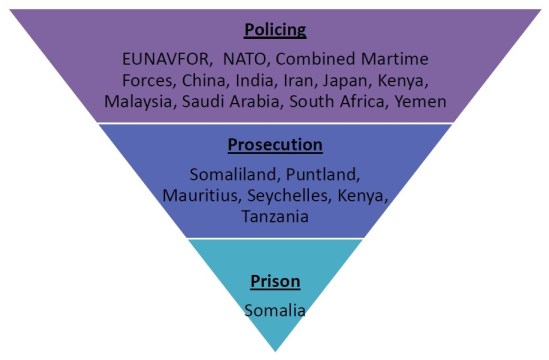
Following a recent trial in the UAE resulting in the conviction of 10 pirates, the UAE has announced that it will host a training of Somali judges to buttress local, Somalia-based prosecutions. The UN report from January recommended regional prosecutions, in lieu of an international court, to tackle the expanding docket of Indian Ocean piracy cases without an obvious home. Such prosecutions were recommended and have continued in regional states, including Kenya, Tanzania, Mauritius, and Seychelles. Moreover, the UN report suggested that the break-away regions of Somaliland and Puntland, as well as the Transitional Federal Government in Mogadishu, would be appropriate locations for prosecutions. Since then, violence against the judiciary and fair trial concerns have arisen in Puntland in particular. Nonetheless, the UAE judicial training, apparently supported by the French ministry of foreign and European affairs, will identify and train judges from Puntland, Somaliland and the TFG. The move is consistent with efforts to funnel the piracy issue back to Somalia as regional states grow tired of bearing the brunt of the prosecutorial burden. The UAE report notes:
The Kenyan ambassador to the UAE Mohamed Gello said prosecuting pirates in neighbouring countries such as his was also a strain on resources.”Any move that will help the Somali judicial system effectively deal with pirates is welcome,” Mr Gello said. “This sends the right signals that law and order is slowly being restored, along with the administration of justice. “It is crucial to build confidence in the judicial system and for the pirates to be dealt with in their own country.”
Filed under Somalia Tagged with Kenya, Mauritius, Piracy Tribunal, prisons, puntland, Seychelles, somaliland, Tanzania, TFG
January 24, 2012 by Roger L. Phillips 1 Comment
Crew from HMS RICHMOND provide technical assistance to Seychelles Coastguard - Source: EUNAVFOR
Seychelles has been one of the international community’s preferred partners in the fight against piracy. There is productive, on-going cooperation between the country and, amongst others, INTERPOL, EUNAVFOR, UNODC. Likewise, in March 2010, Seychelles National Assembly amended its penal code to re-define piracy in line with the definition in the 1982 LOS Convention which Seychelles ratified in 1991.
In a recent interview, President James Michel highlighted some new initiatives of his government. He noted that, “Seychelles [is] becoming the anti-piracy hub for our international allies, who are committed to the fight against piracy.” In addition, President James Michel emphasized the need to focus police and prosecutorial resources on the financiers of piracy, “Piracy has developed into a lucrative business model and therefore more emphasis needs to be made to target the financiers of piracy, to eliminate the criminal networks and bring to justice the main profiteers of this business.” Therefore, he stated:
We are in the process of setting up a Regional Anti-Piracy Prosecution and Intelligence Centre, with the support of the International Maritime Organisation (IMO) and the UK and its Serious Organised Crime Agency, that will coordinate the tracking of financial transactions and enforcement operations. This will, in turn, assist law enforcement agencies to build cases needed to issue international arrest warrants and prosecute the financiers of piracy.
However, he noted certain constraints on Seychelles’ ability to continue such projects.
We are committed to coordinating international efforts and seek greater participation by all countries in terms of assets, resources and to highlight the adverse effects for small island states such as Seychelles. We have also been at the forefront of prosecuting pirates by framing new anti-piracy laws and formulating partnerships with Somali authorities for the transfer of convicted pirates. We have taken these initiatives despite the tremendous strain on our limited resources.
For example, he explains that 12 % of the prison population in Seychelles is made up of Somali Pirates (although it is noted elsewhere that this consists of 76 prisoners). In addition, his government signed a prisoner transfer agreement with Puntland in early 2011. However, the transfer agreement will likely only take effect upon the completion of new UN-funded prisons in Puntland. This must explain in part the recent decision to refuse the transfer of 24 suspected Somali pirates from the Danish Navy. With Kenya still reticent to recommence prosecutions, and other regional states only taking on a handful of Somali pirates, there will be significant pressure for the Seychelles to pick up the slack and take on significantly more cases. Although Seychelles continues to be one of very few willing regional partners in East Africa and the Indian Ocean, its assistance is necessarily contingent upon continuing financial and other assistance from international powers.
Filed under Somalia Tagged with EUNAVFOR, prisons, puntland, Seychelles
January 25, 2011 by Roger L. Phillips Leave a comment
UPDATE: Lang actually recommended the creation of three courts: one in Puntland, one in Somaliland, and one in Arusha (to be moved to Mogadishu when conditions warrant). The Security Council members are generally in support of his recommendations, but you can discern some variations in their preferences by parsing the language of their statements. A number of questions come immediately to mind: (1) how will an arresting force determine to which of the three courts to send an arrested person? (2) Have Puntland and Somaliland delimited territorial waters where they would have exclusive jurisdiction? (3) Insofar as any nation may prosecute piracy on the High Seas, will the process of determining the proper venue be ad hoc or based upon formalized negotiations and agreements?
Jack Lang, UN Special Adviser on Piracy, has issued his report to the Secretary General. News agencies are saying that he has recommended the creation of a Somali court sitting in another regional state (akin to the Lockerbie court). There is some indication that Arusha, Tanzania is being considered as a seat for the Somali court due to the infrastructure already in place at the ICTR. A number of serious challenges would need to be overcome to create such a court.
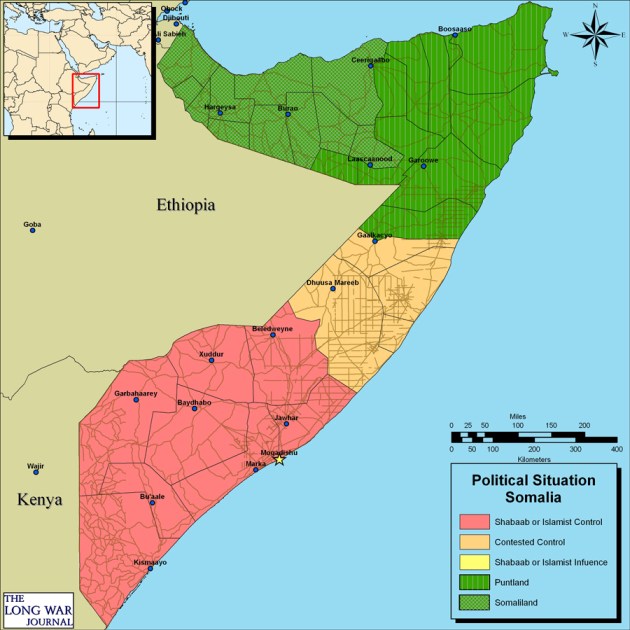
First, Somalia continues to be described as a monolithic entity, thereby necessitating a bilateral treaty between the regional State in which the court would be situated and Somali. However, the United States policy has recently changed with regard to the heretofore unrecognized regions of Somaliland and Puntland. Assistant Secretary of State Johnnie Carson said at a briefing in September 2010:
We hope to be able to have more American diplomats and aid workers going into those countries [Somaliland and Puntland] on an ad hoc basis to meet with government officials to see how we can help them improve their capacity to provide services to their people, seeing whether there are development assistance projects that we can work with them on […] We think that both of these parts of Somalia have been zones of relative political and civil stability, and we think they will, in fact, be a bulwark against extremism and radicalism that might emerge from the South.
Carson said the United States will follow the African Union position and recognize only a single Somali state. However, with Somaliland and Puntland apparently offering to house convicted pirates within their territories, and other States increasingly recognizing their practical autonomy, it begs the question of whether or not an agreement to create a Somali court would require the assent of the Somaliland and Puntland governments. It would seem that a prerequisite to these regions signing an international treaty would be recognition of their Statehood.
The 26 July 2010 Report to the Security Council set forth several additional challenges with regard to the option put forward by Lang. These include:(1) the considerable assistance that the UN will need to extend to the court; (2) the amount of time necessary for the court to commence functioning could be significant; and (3) the inadequacy of Somalia’s piracy laws and the capacity of Somalia’s judicial system. In particular, the report noted:
Although there is some judicial capacity in Somalia and among the Somali diaspora, the challenge of establishing a Somali court meeting international standards in a third State would be considerable at present. Further, any advantages that such a court may enjoy would be outweighed if it were to draw limited judicial resources from Somalia’s courts.
One final point that should not be lost amidst the excitement is the mundane, but essential task of determining where Somalis who are eventually convicted of piracy, in the yet to be created court, will serve their sentences. Apparently, Lang has recommended the construction of one prison each in Somaliland and Puntland. To which, Bronwyn Bruton, an author of reports on Somalia for the New York-based Council on Foreign Relations, reportedly said:
The idea that they’re [pirates] going to be scared off by prisons that meet UN human rights standards is wholly unrealistic. In these jails, they will have food, protection from violence and probably some basic literacy training. For these guys, it’s going to sound like a holiday camp.
Indeed the prospect of serving time in these prisons may not create a serious deterrent to piracy. However, during the 8 or 20 years in which a pirate might serve a sentence, he will not be capable of committing further acts of piracy. Furthermore, rehabilitation is a real possibility if stability can be maintained, jobs created, and inmates trained. Any sustainable solution should take into account the possibilities for a newly released pirate. If it does not, there is nothing to stop a jobless, ex-convict from continuing to seek bounty on the high seas.
Filed under Somalia Tagged with Jack Lang, Jurisdiction, Piracy Tribunal, prisons, puntland, somaliland