














NASA Science
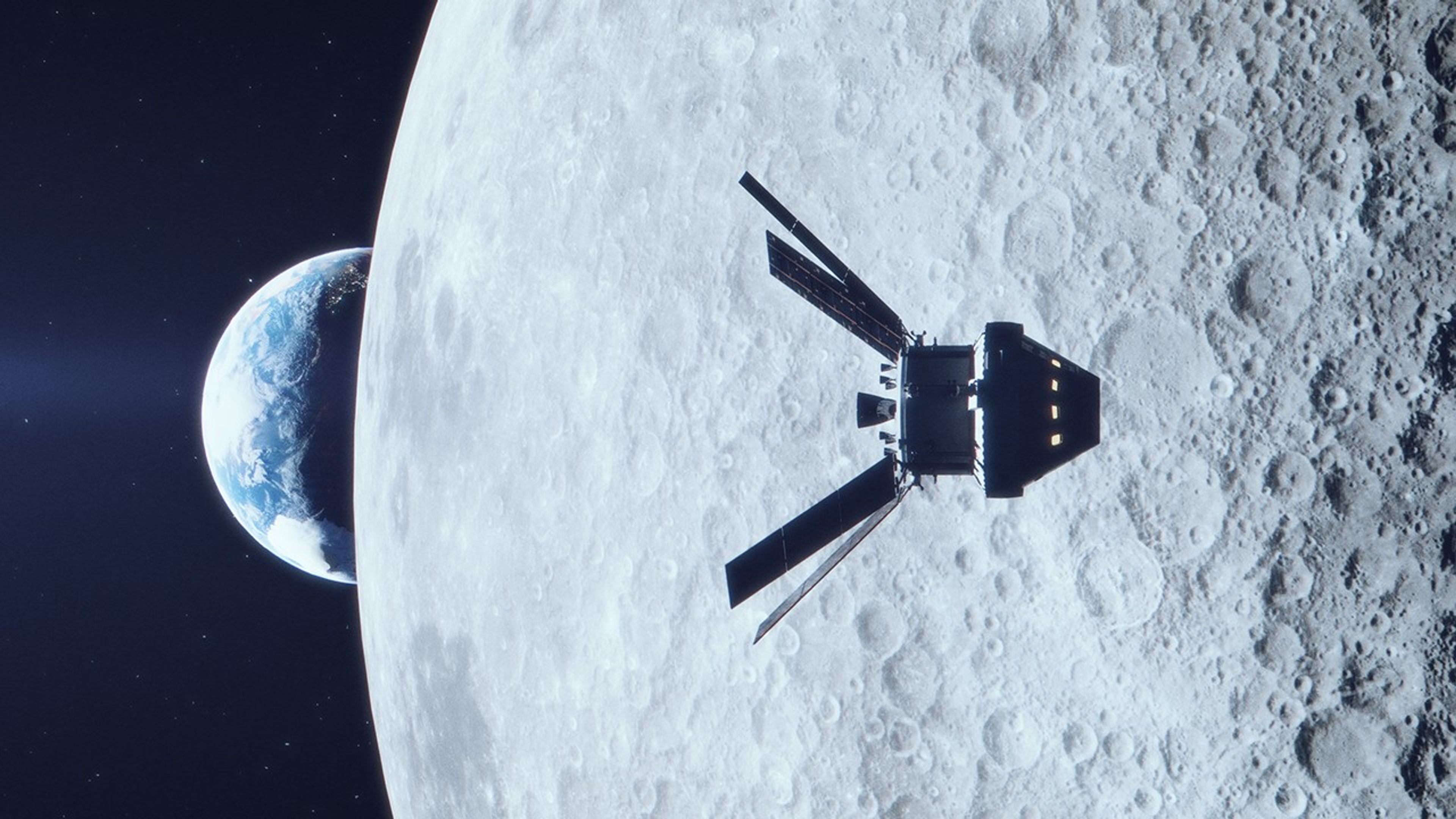
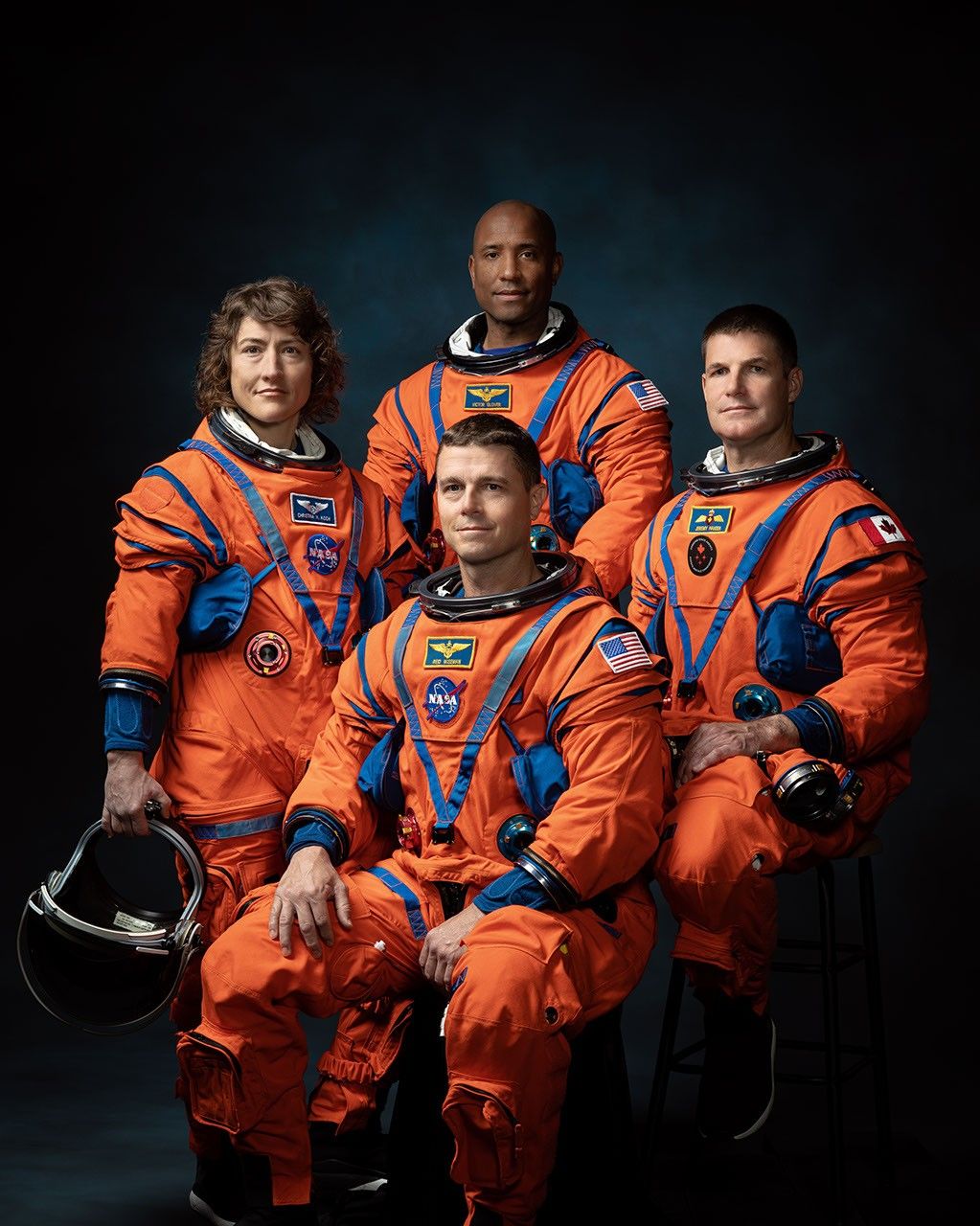
NASA’s Science Mission Directive supports the Artemis II Mission. Four astronauts will venture around the Moon on Artemis II, the first crewed mission on NASA’s path to establishing a long-term presence at the Moon for science and exploration through Artemis.
The Artemis II mission will carry astronauts farther from Earth and closer to the Moon than any human has been in over half a century. From this unique vantage point and environment, the Artemis II crew will work with scientists on Earth to facilitate science investigations to inform future human spaceflight missions.
NASA’s Artemis II Live Mission Coverage
This feed will provide continuous coverage of Artemis II mission activities with live commentary, beginning with tanking of the SLS (Space Launch System) rocket at NASA’s Kennedy Space Center and concluding with the recovery of the Orion Integrity spacecraft after splashdown. Live coverage of Artemis II’s launch and lunar flyby, as well as daily mission briefings, will also stream on this feed.
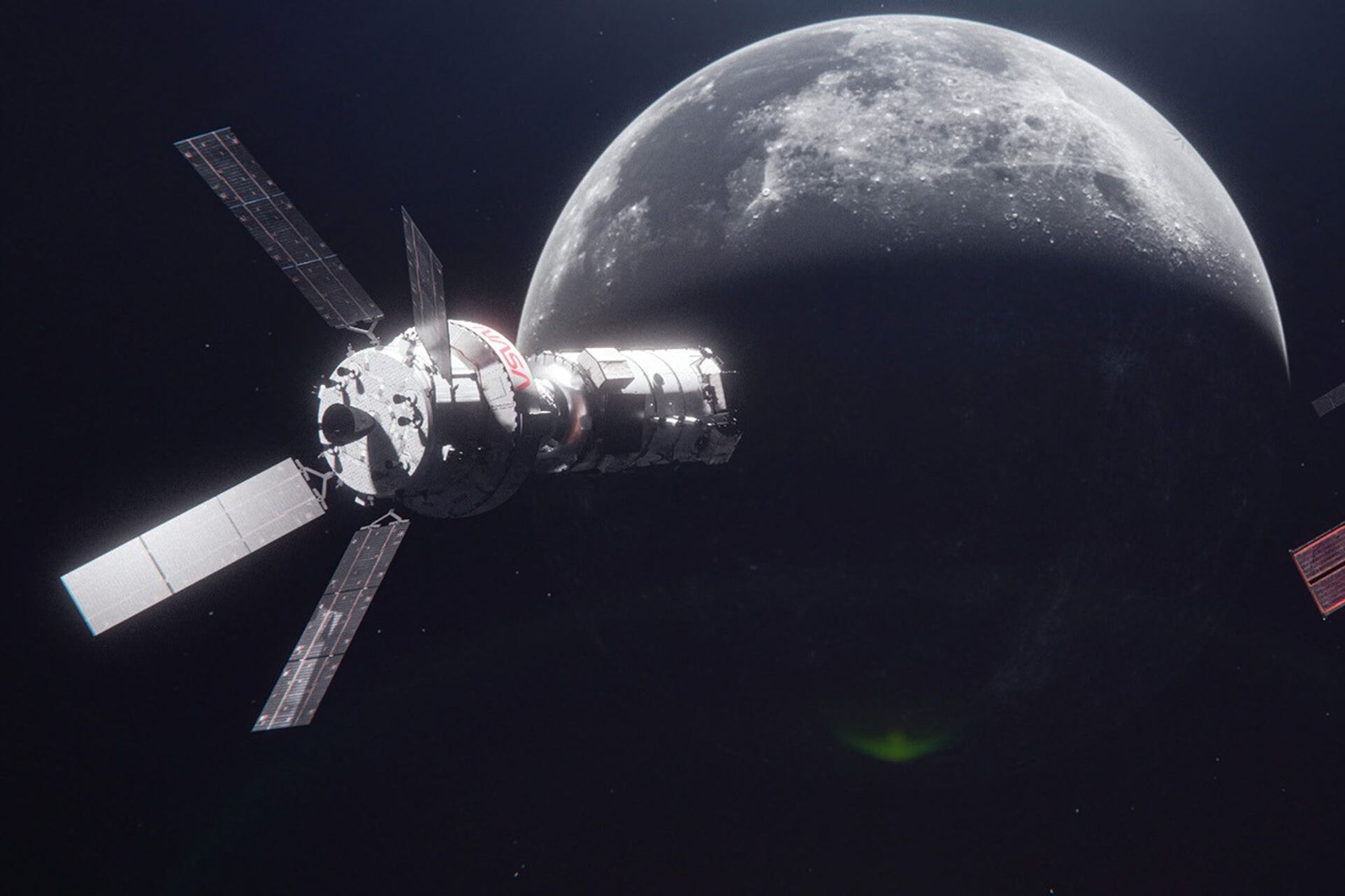
After launching into space atop SLS, the crew will journey around the Moon and back in their Orion spacecraft on an approximately 10-day mission. Artemis II will be the first crewed flight test of SLS and Orion, testing the technologies we’ll need for long-term lunar exploration and human missions to Mars.
Artemis II
First Artemis Flight With Crew Important Step on Long-term Return to the Moon, Missions to Mars.
Artemis II builds on the success of the uncrewed Artemis I in 2022, and will demonstrate a broad range of capabilities needed on deep space missions. The Artemis II test flight will be NASA’s first mission with crew aboard the SLS (Space Launch System) rocket and Orion spacecraft.
A Virtual Astronaut Tissue Analog Response (AVATAR)
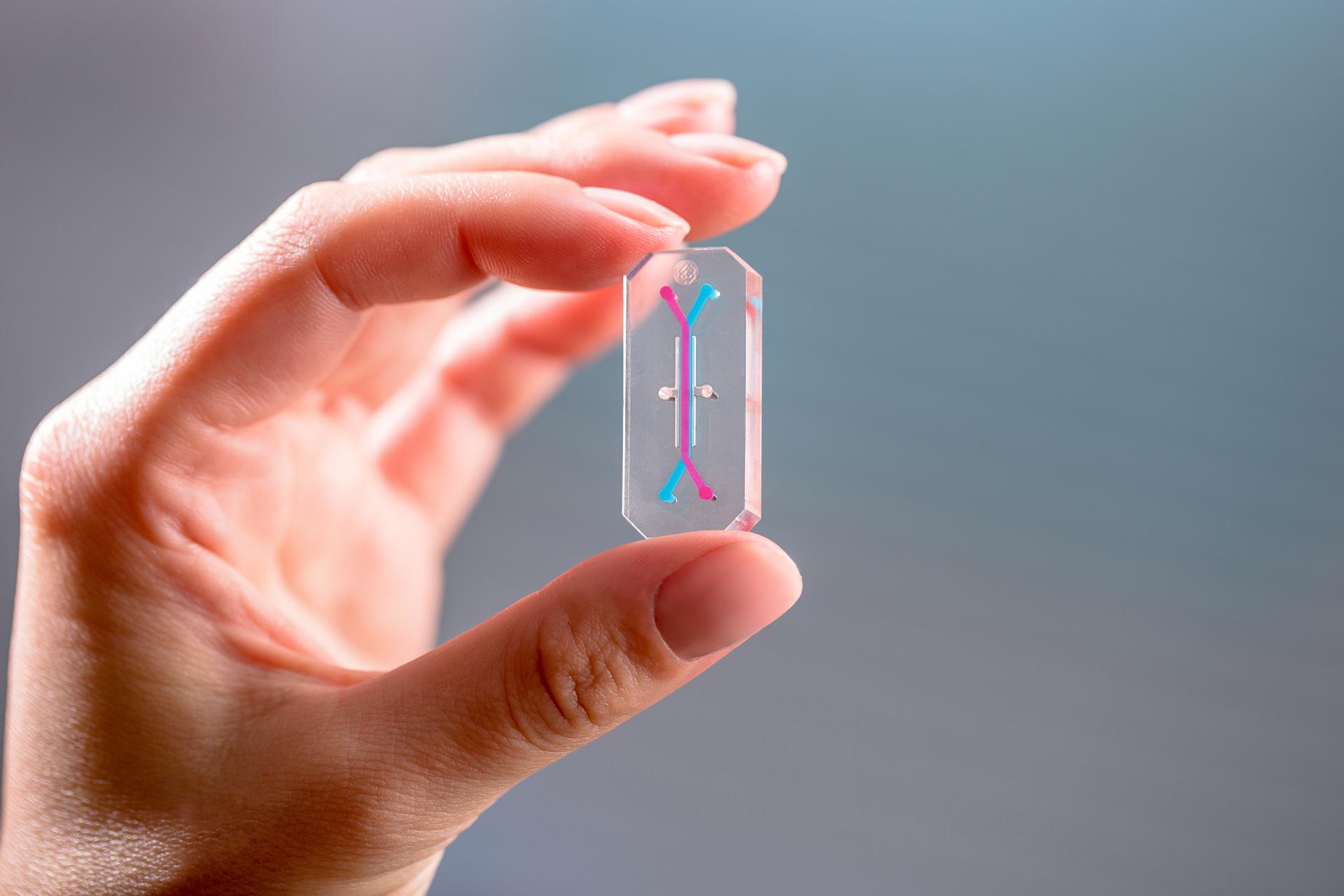
Artemis II AVATAR is a small experiment flying aboard Artemis II that could lead to big impacts in healthcare, both for astronauts in space and citizens on Earth.
AVATAR is a collaboration between NASA, multiple government agencies, and industry partners that seeks to gain a deeper understanding of human biology and disease, preventative measures, and personalized therapeutic treatments.
Lunar Discovery and Exploration
The Exploration Science Strategy Integration Office (ESSIO) ensures science is infused into all aspects of lunar exploration.
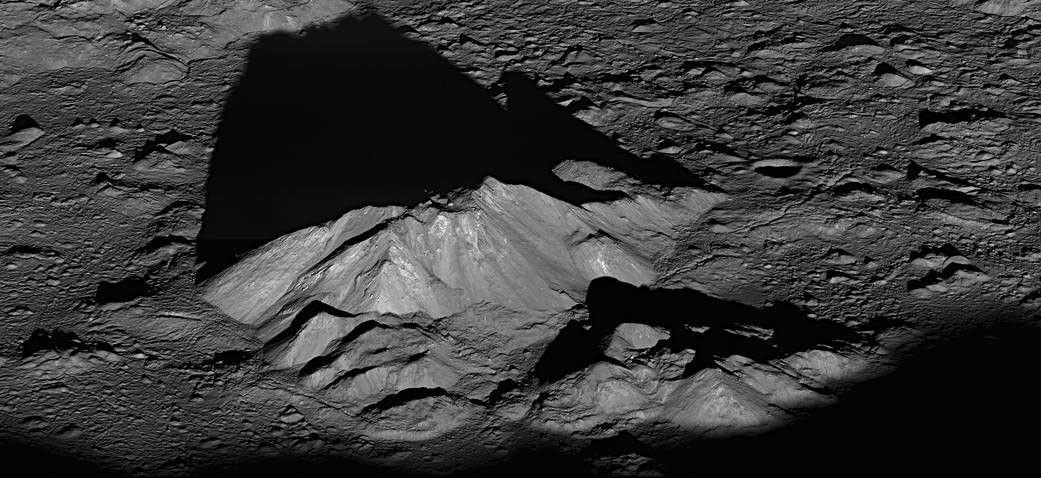
In the Science Mission Directorate (SMD), the Exploration Science Strategy Integration Office (ESSIO) ensures science is infused into all aspects of lunar exploration. Through researching the Moon and its environment, and by using the Moon as an observation platform, NASA strives to gain a greater understanding of the Moon, the solar system, the universe, and the deep space environment.
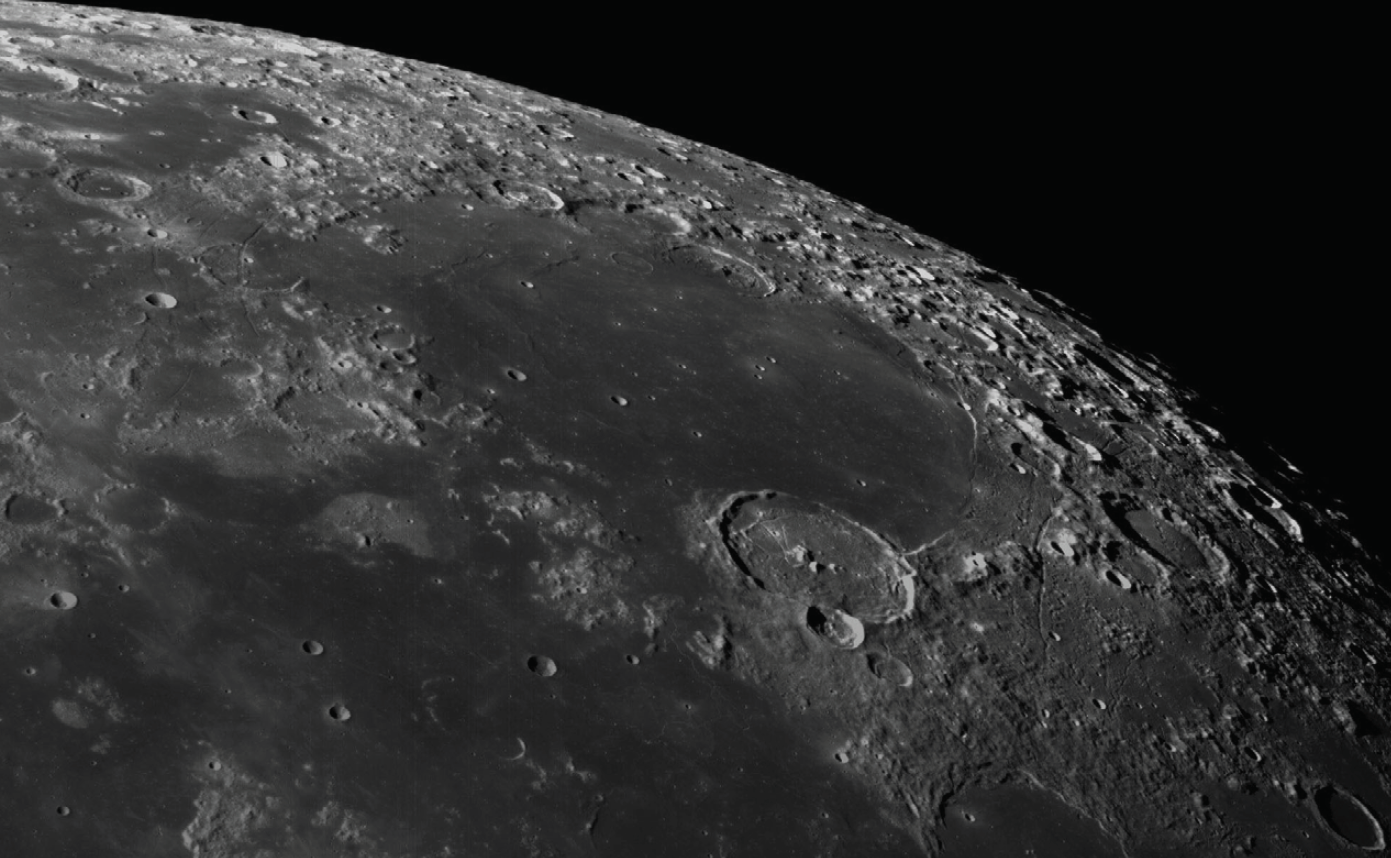
The Moon
From lighting up our skies to preserving evidence of our solar system’s history, Earth’s closest neighbor plays a pivotal role in the study of our planet and beyond.
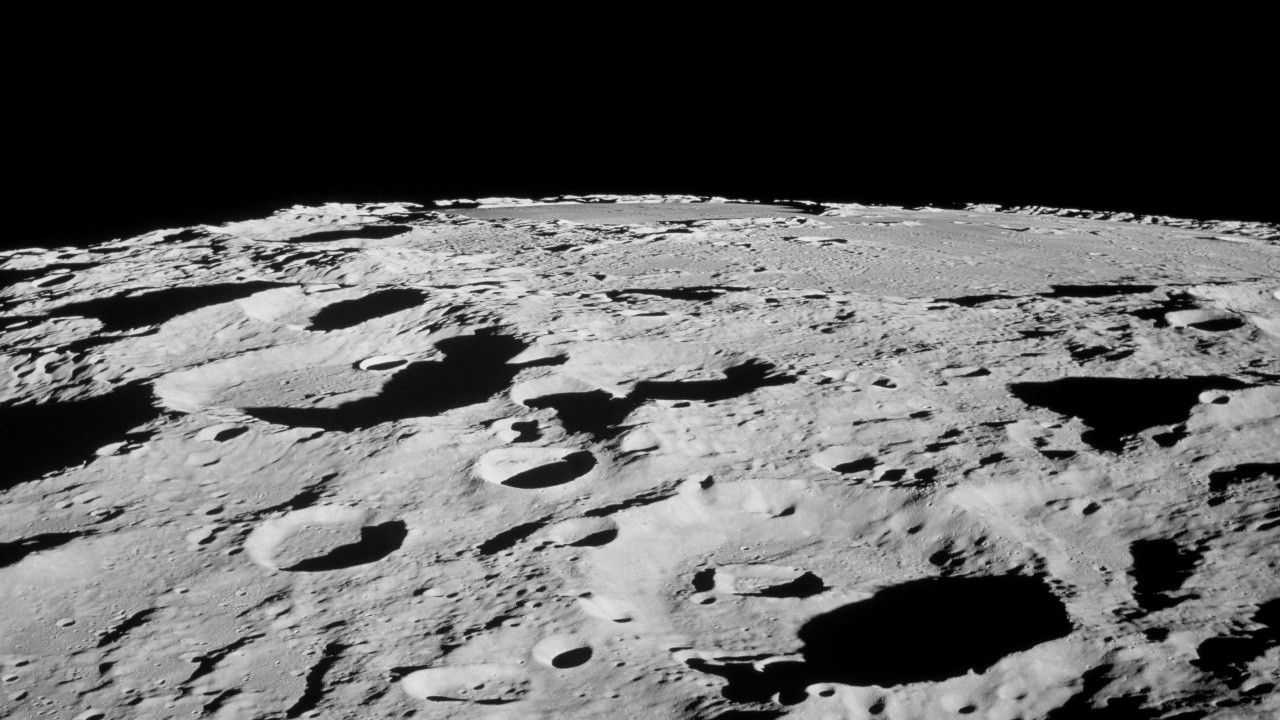
NASA’s Artemis II Lunar Science Operations to Inform Future Missions
Human space exploration helps to address fundamental questions about our place in the Universe and the history of our solar system.
NASA’s Artemis II mission, set to send four astronauts on a nearly 10-day mission around the Moon and back, will advance the agency’s goal to land astronauts at the Moon’s south polar region and will help set the stage for future crewed Mars missions.
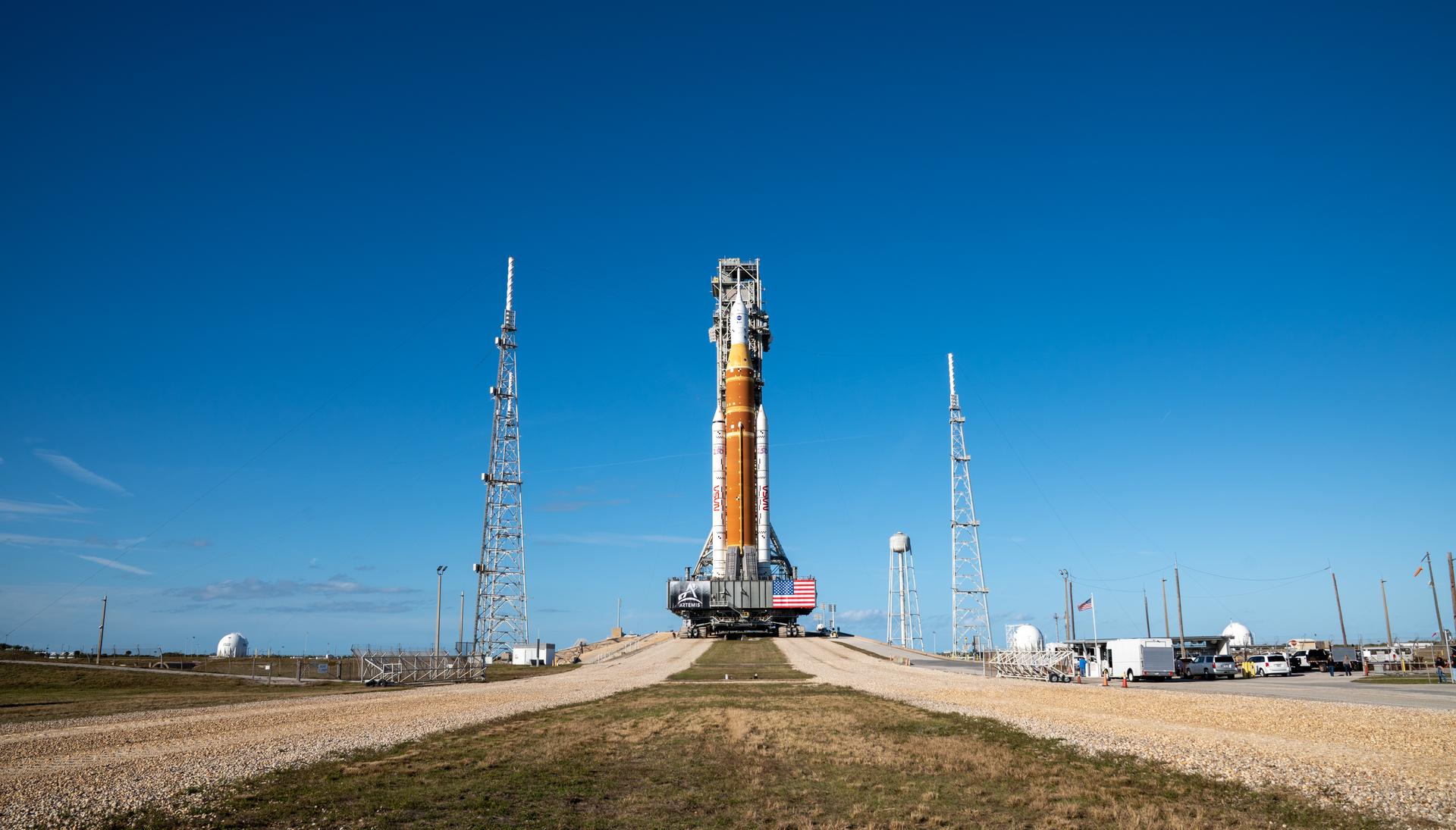
Do NASA Science:
Impact Flash!
Do NASA Citizen Science and discover the secrets of the universe, search for life elsewhere, and protect and improve life on Earth and in space!
As the Artemis program ushers in a new age of Moon exploration, recording impact flashes, small bursts of light caused by space rocks hitting the moon, is more important than ever. Thanks to modern robotic telescopes and video equipment, it’s also easier to do. Join a global community and take part in this exciting work!

AVATAR
Biological & Physical Sciences
Revolutionary research in extraordinary places
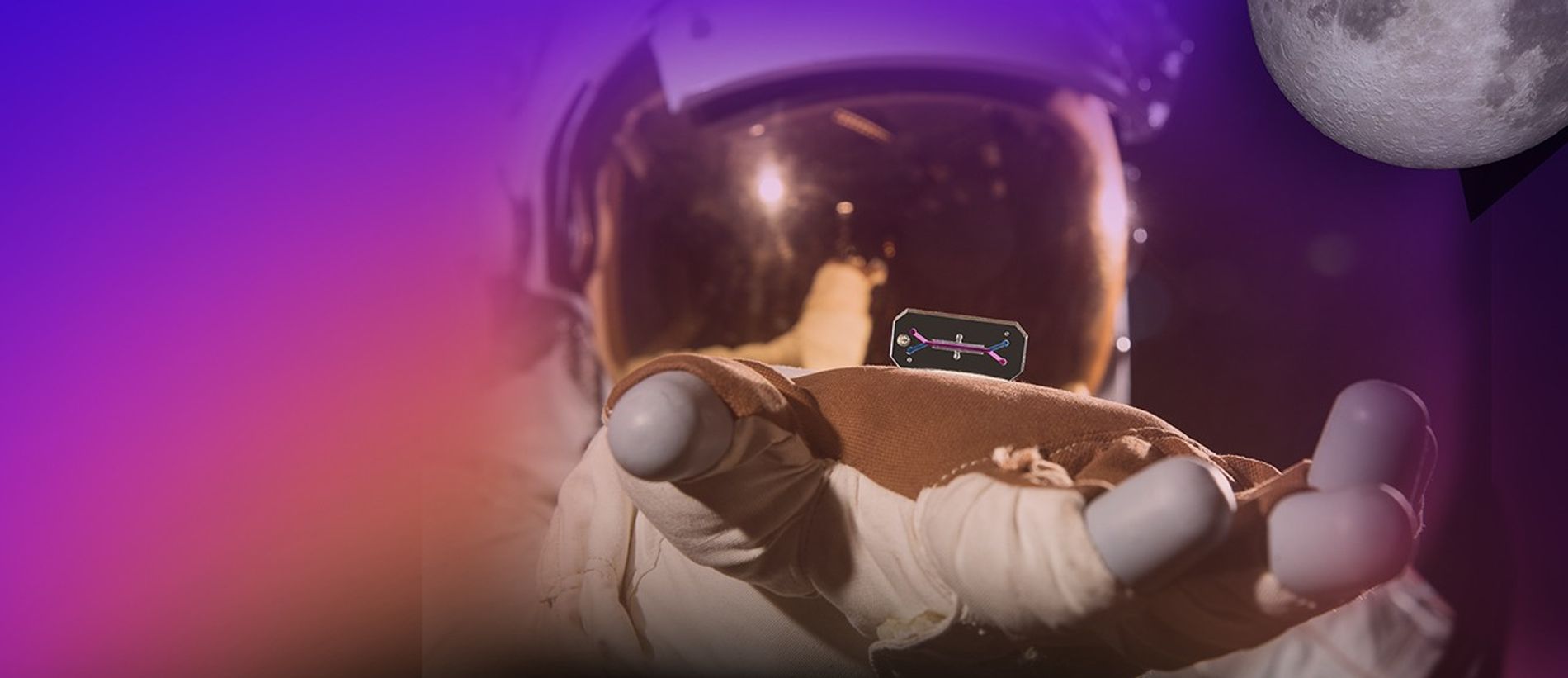
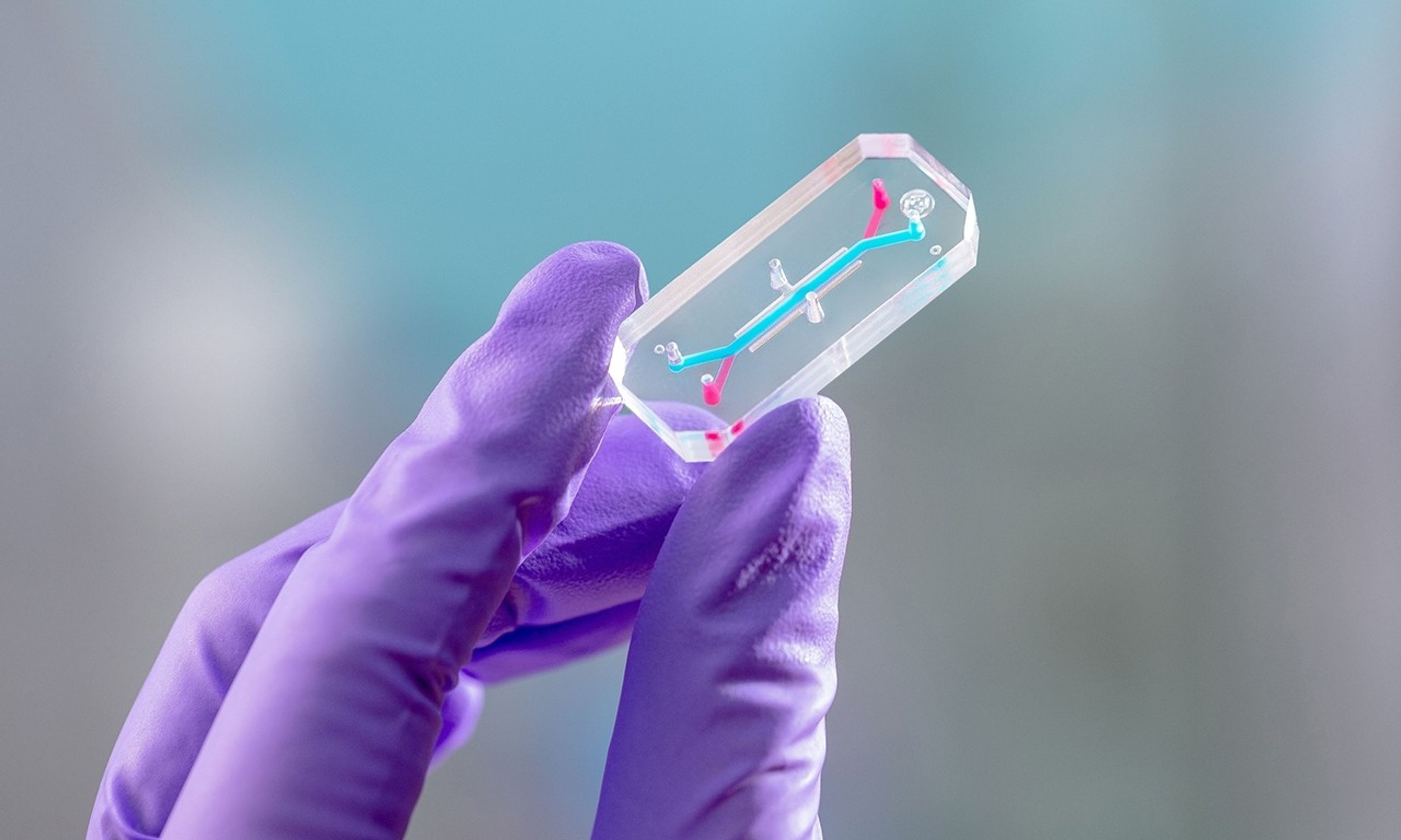
The AVATAR (A Virtual Astronaut Tissue Analog Response) investigation will use organ-on-a-chip devices, or organ chips, to study the effects of increased radiation and microgravity on human health.
Learn MoreAVATAR
Biological & Physical Sciences
Biological & Physical Sciences
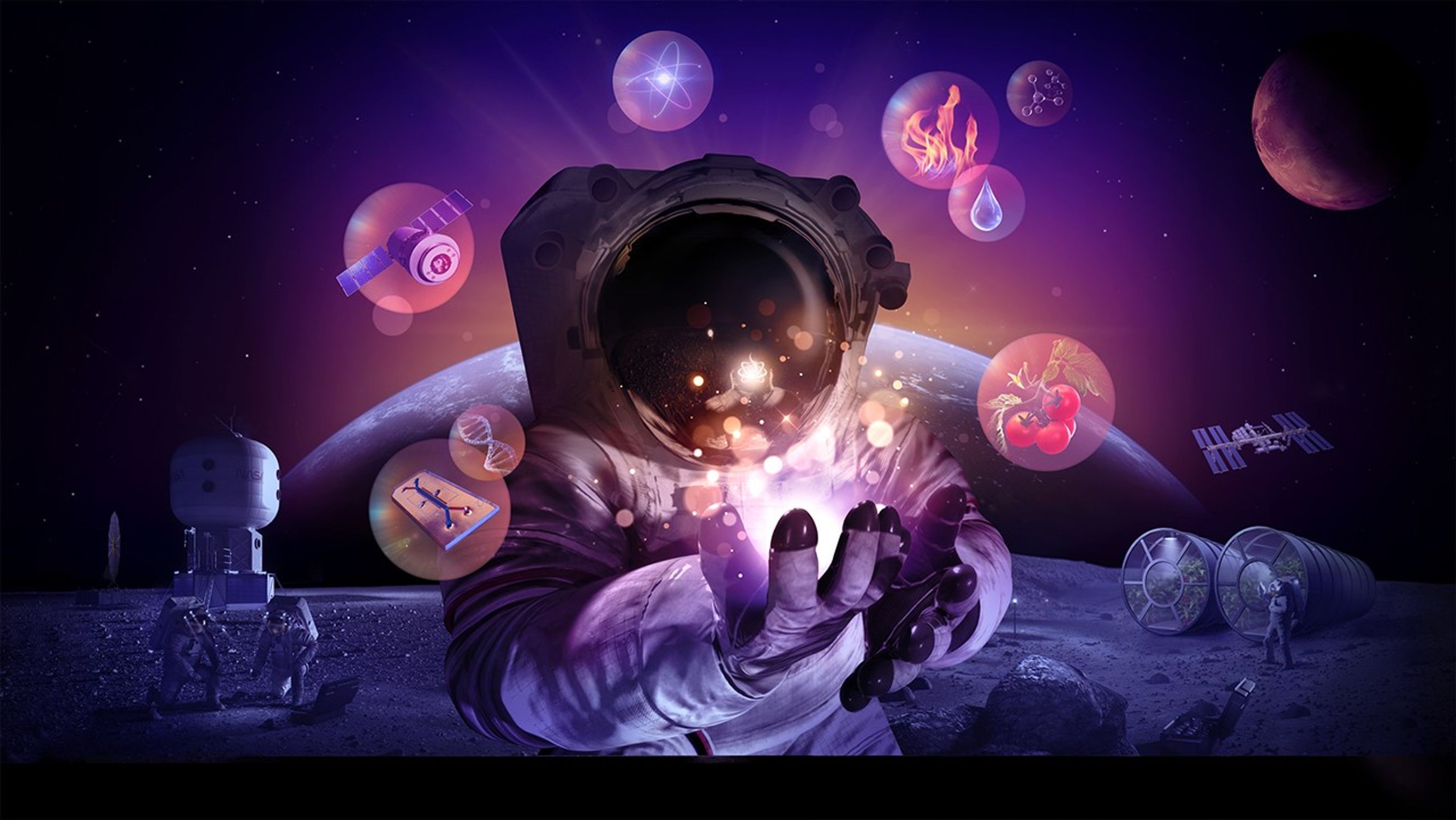
Scientific Goals
BPS scientific goals to benefit space exploration and life on Earth.
Precision Health
Leveraging space to unlock the secrets of aging and disease
AVATAR
A Virtual Astronaut Tissue Analog Response is a key investigation for BPS


Space Labs
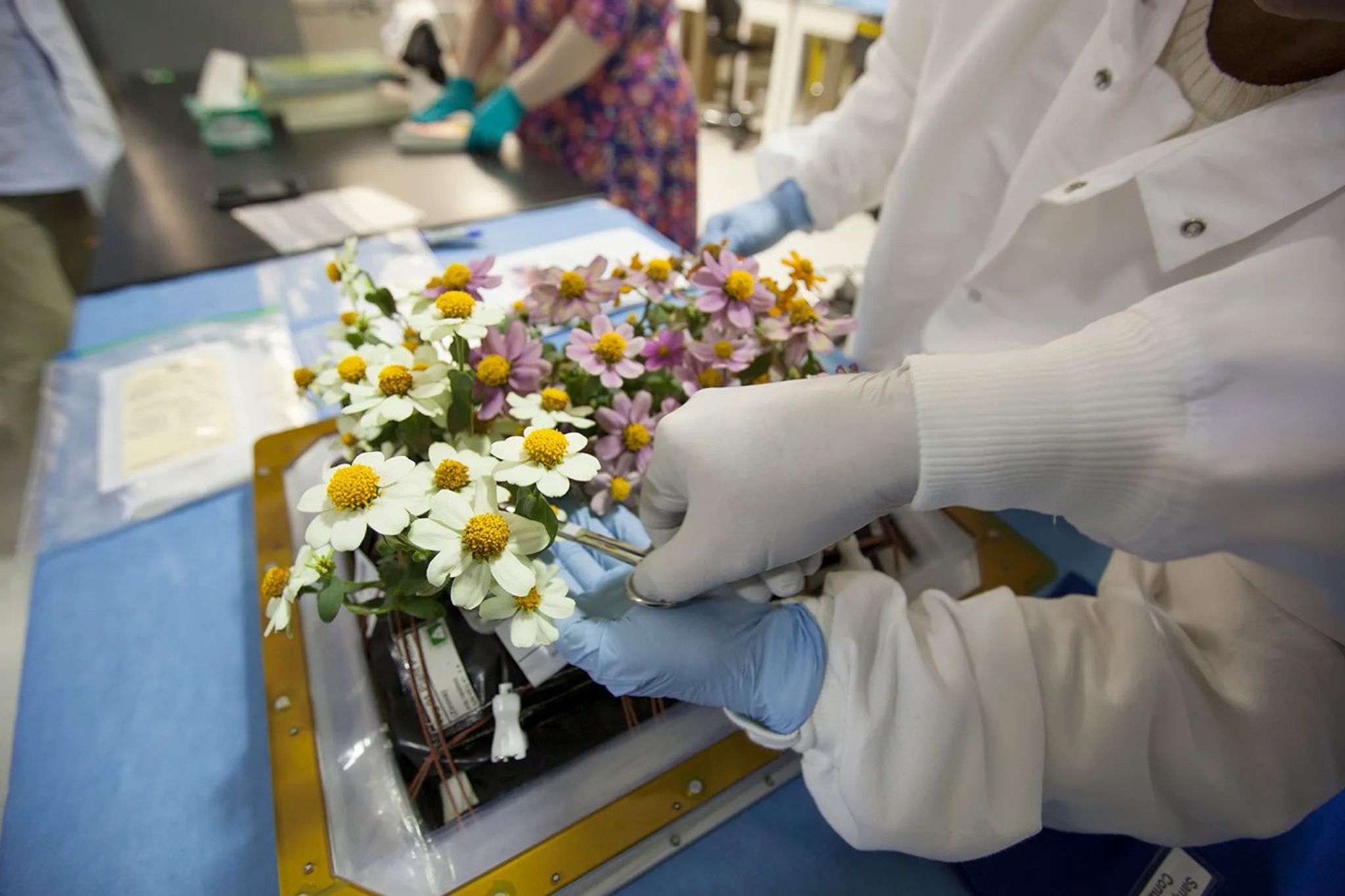
Advancing research in space, on any platform, anywhere
Artemis II Science
The AVATAR (A Virtual Astronaut Tissue Analog Response) investigation will use organ-on-a-chip devices, or organ chips, to study the effects of deep space radiation and microgravity on human health. The chips will contain cells from Artemis II astronauts and fly side-by-side with crew on their approximately 10-day journey around the Moon. This research, combined with other studies on the health and performance of Artemis II astronauts, will give NASA insight into how to best protect astronauts as exploration expands to the surface of the Moon, Mars, and beyond.
Learn MoreThrow Back: Artemis I
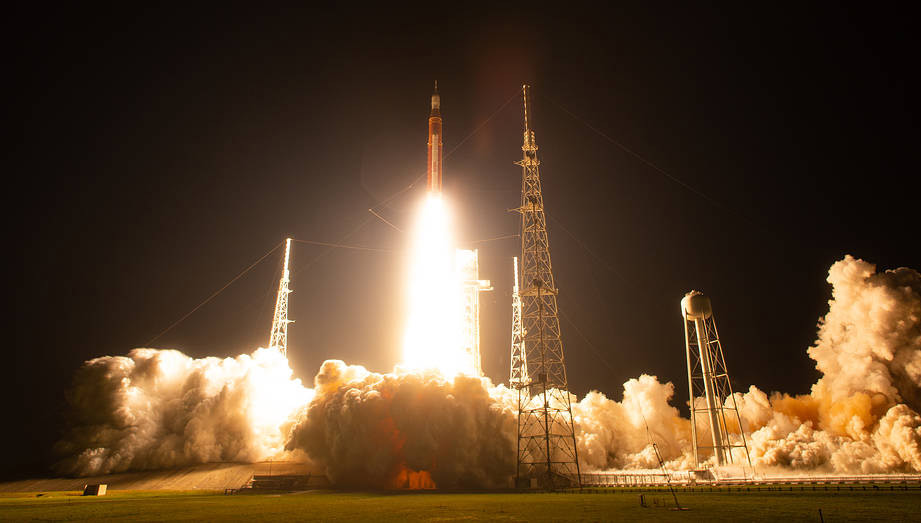
Artemis I flight test at NASA’s Kennedy Space Center in Florida
NASA’s Artemis I mission is the first integrated flight test of the agency’s deep space exploration systems: the Orion spacecraft, Space Launch System (SLS) rocket, and ground systems. SLS and Orion launched at 1:47 a.m. EST, from Launch Pad 39B at the Kennedy Space Center.
Learn MoreThrow Back: Artemis I
OBSERVE THE MOON

Daily Moon Guide
NASA’s interactive map for observing the Moon, every day of the year.
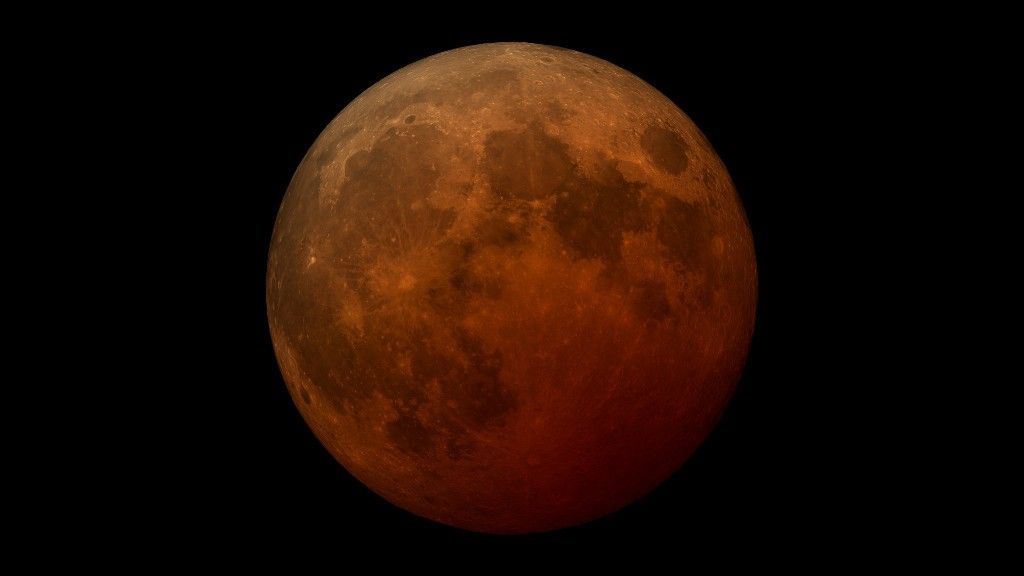
Next Total Lunar Eclipse
March 3, 2026 (UTC)




Features
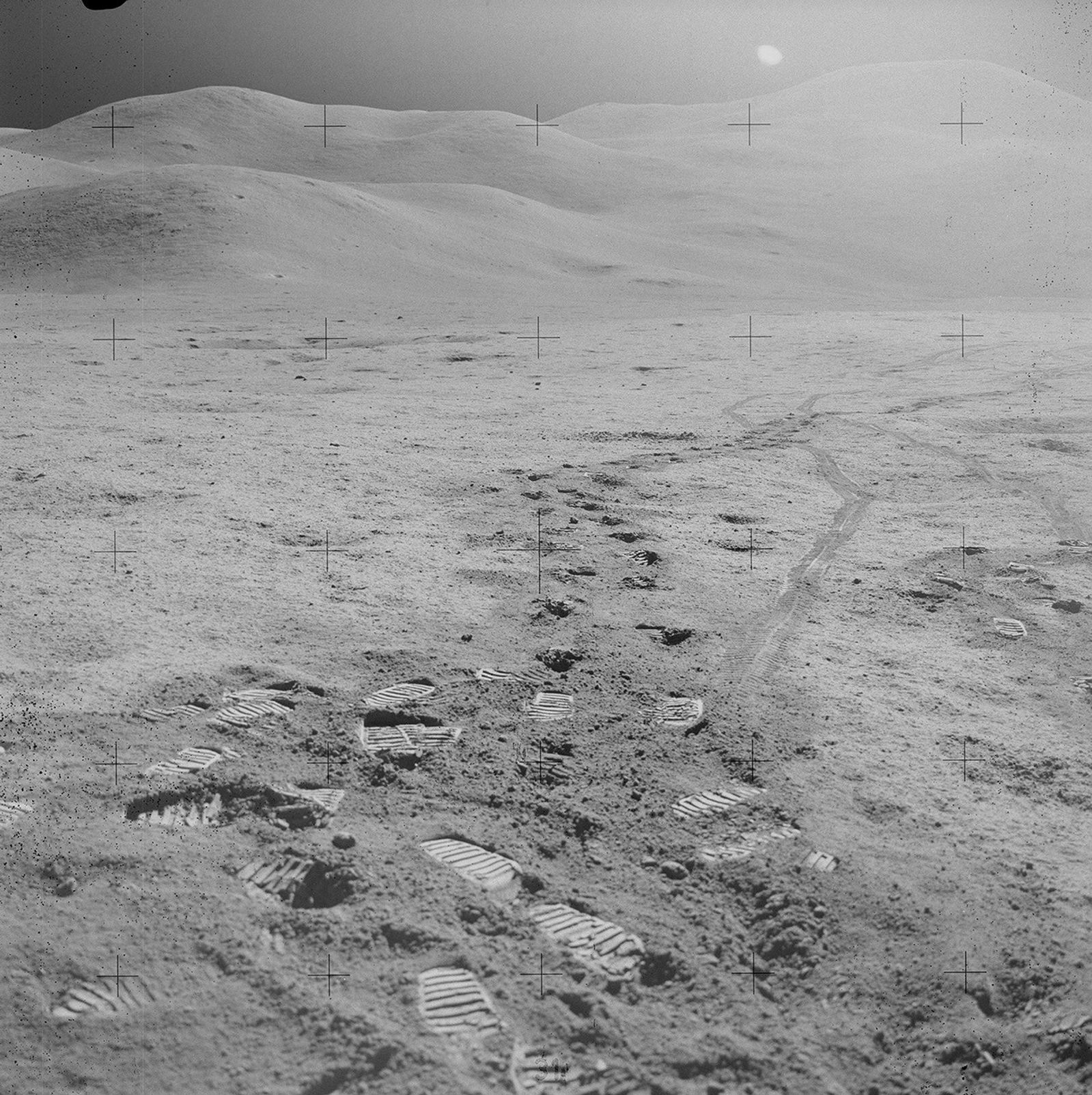
Moon Dust
We can learn a lot from studying Moon dust—and, the Moon’s powdery surface presents challenges for human and robotic explorers.
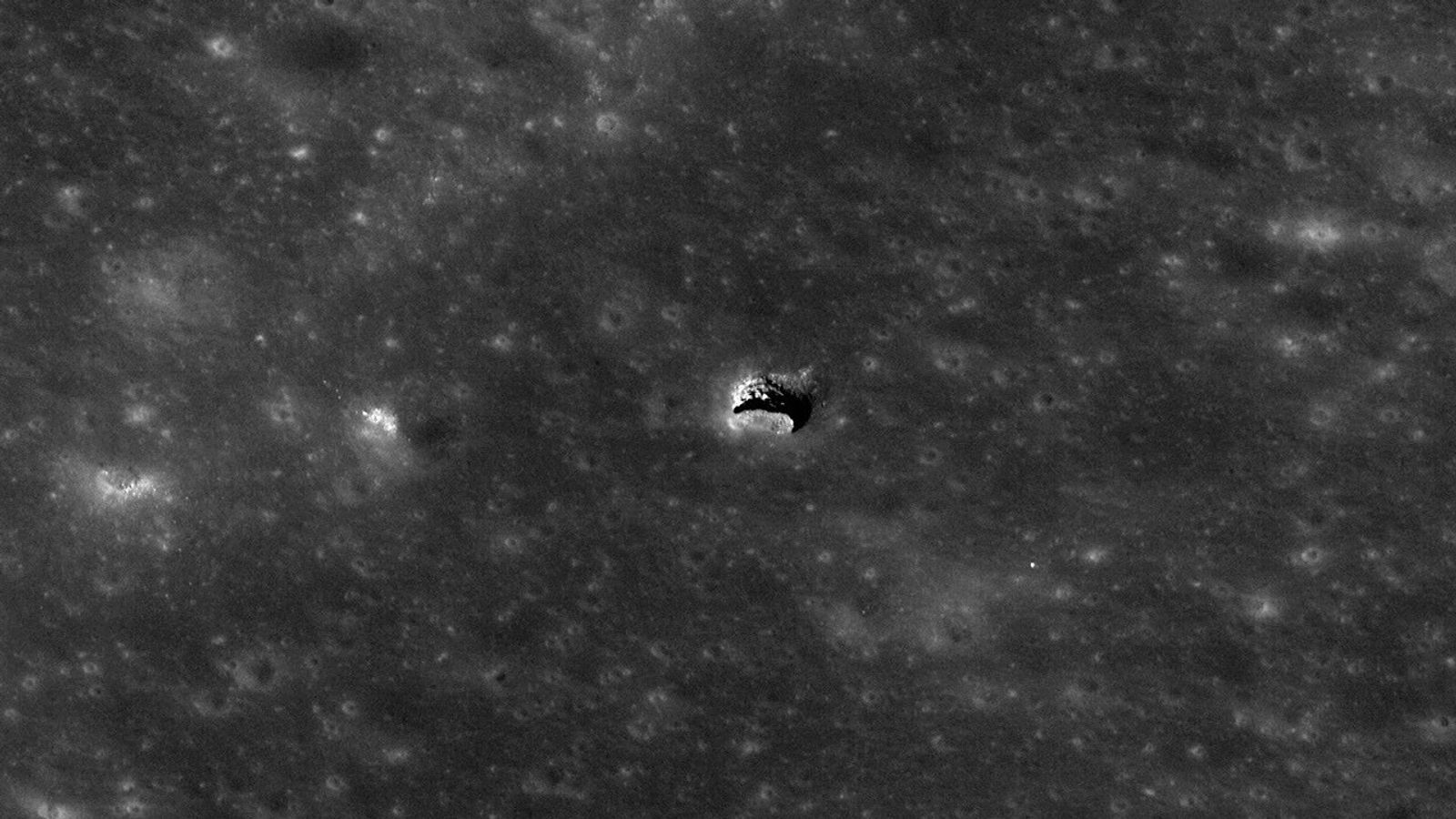
Lunar Volcanism
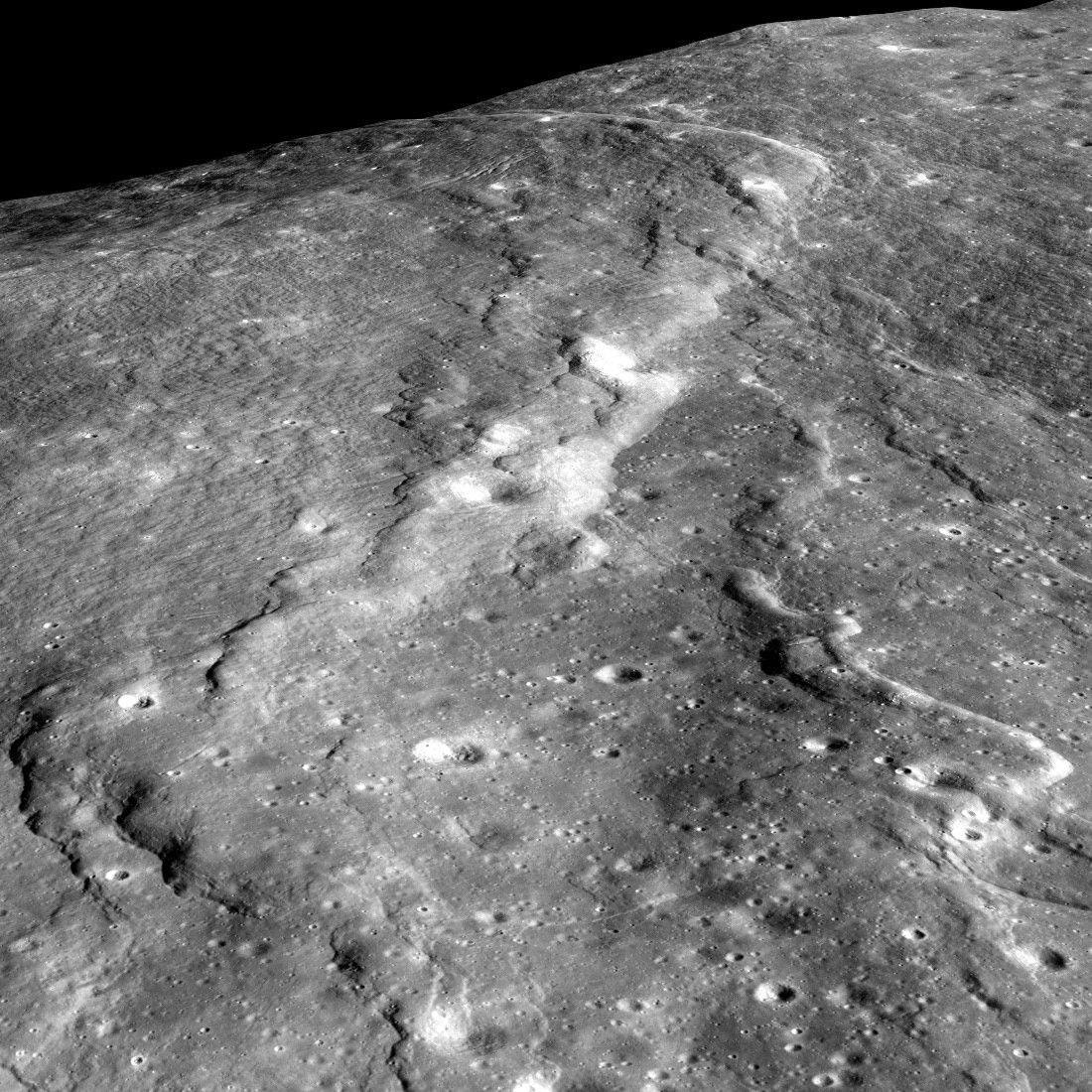
The Moon does not have erupting volcanoes today, but it was once flooded with flowing lava.

The Moon & Tides
As distant as the Moon may seem, its gravitational pull plays a huge role in the formation of Earth’s ocean tides.
Artemis News
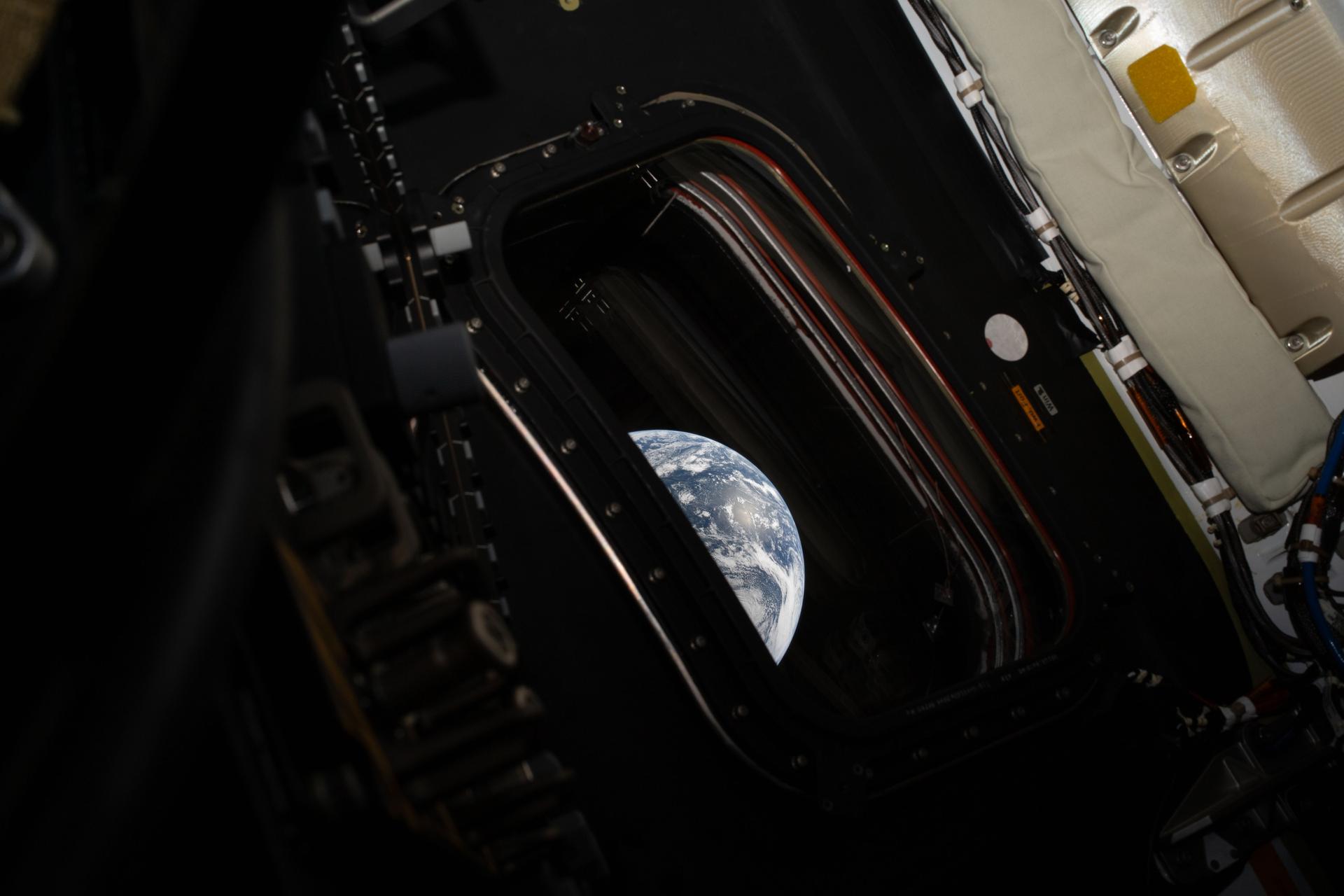
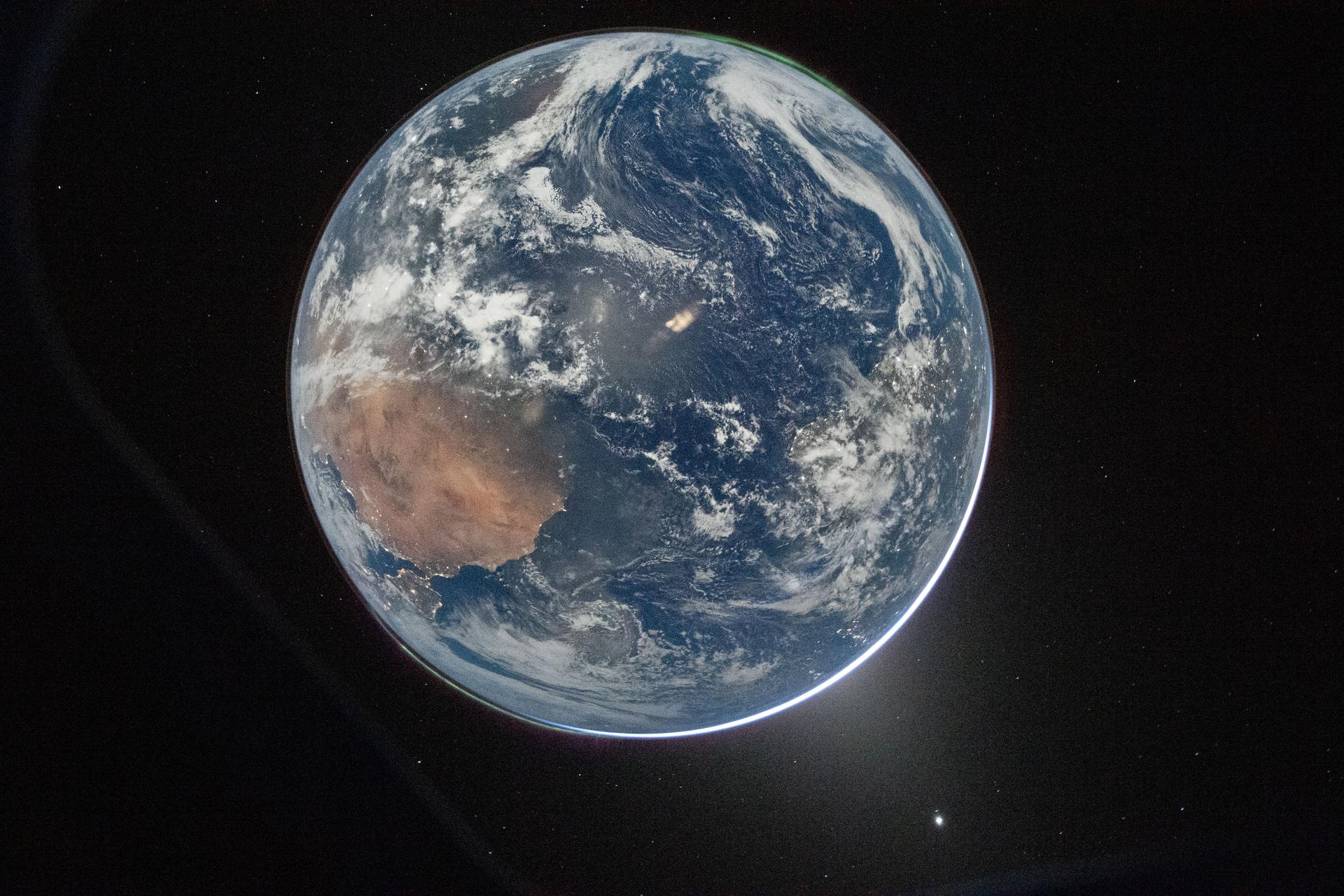

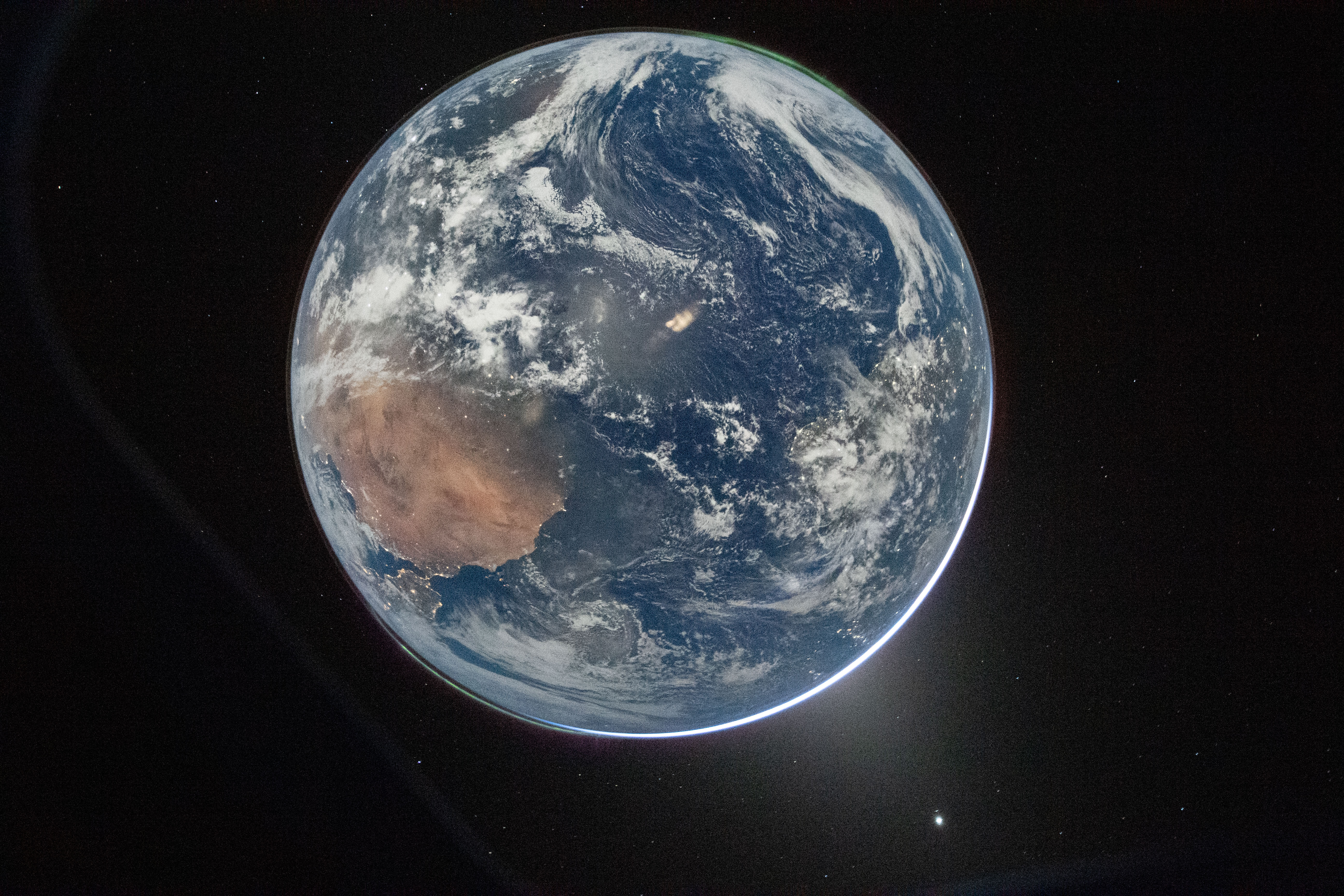
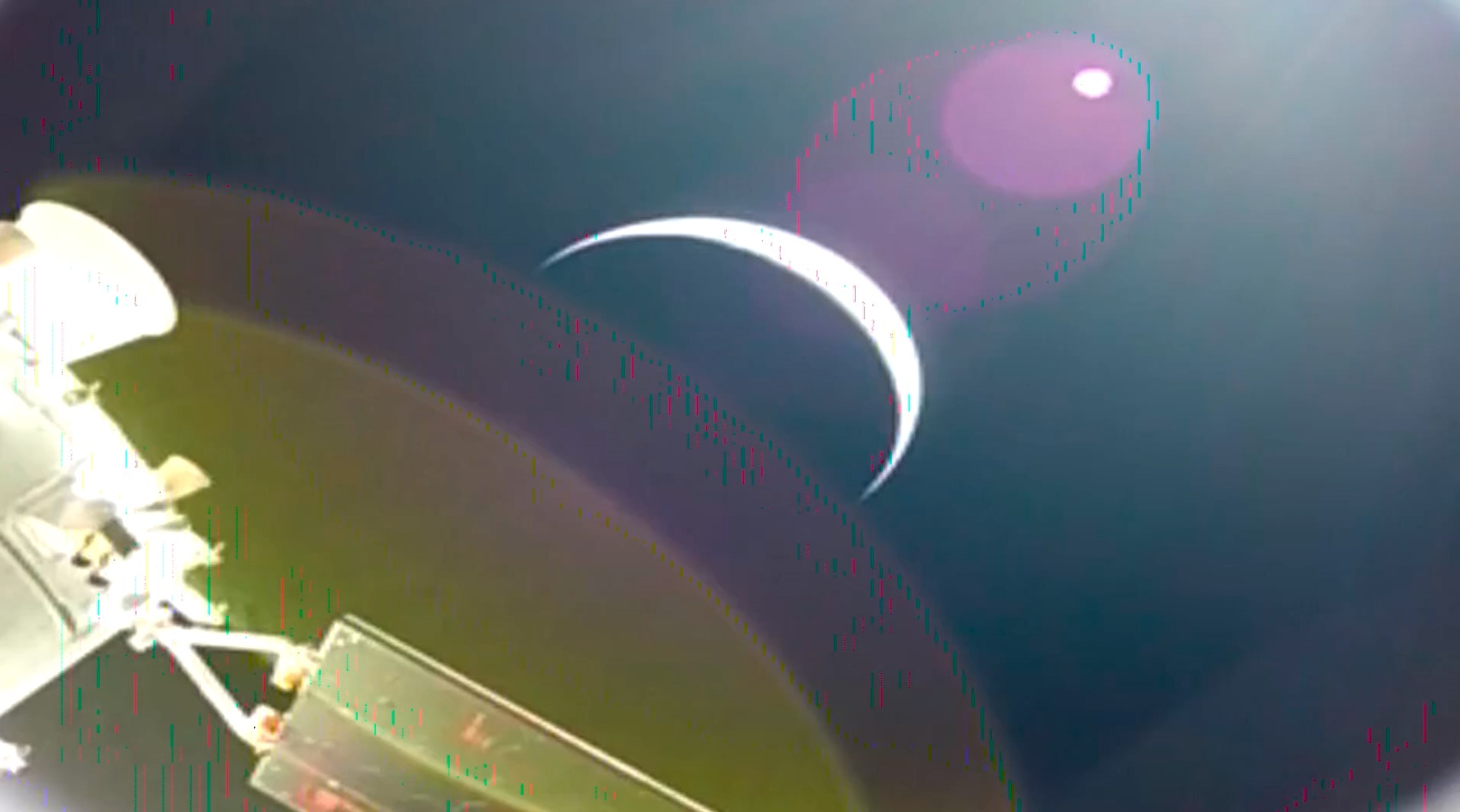
NASA’s Curious Universe
Come get curious with NASA. As an official NASA podcast, Curious Universe brings you mind-blowing science and space adventures you won’t find anywhere else. Explore the cosmos alongside astronauts, scientists, engineers, and other top NASA experts. Learn something new about the wild and wonderful universe we share. All you need to get started is a little curiosity.
Learn More about NASA's Curious Universe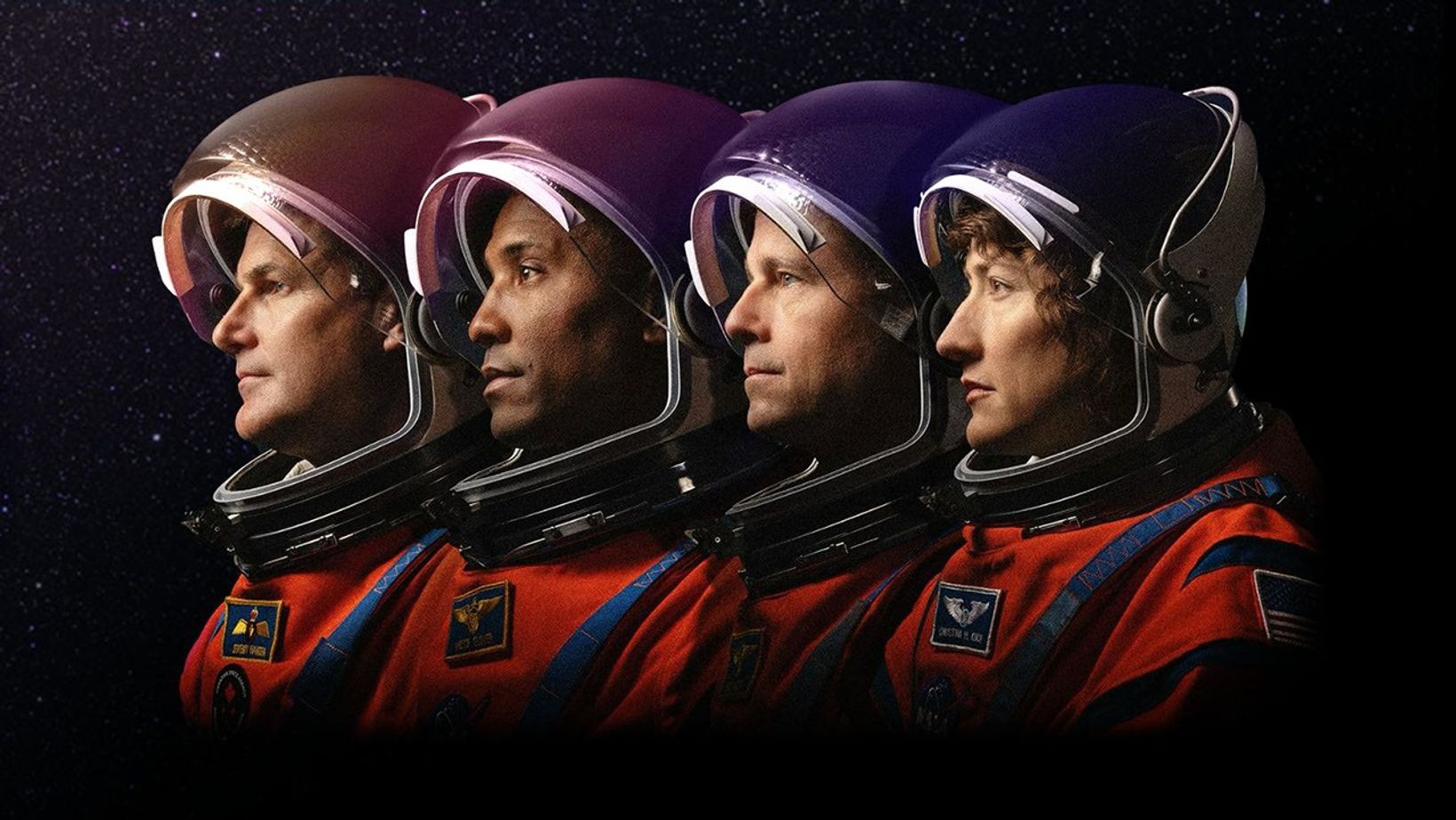
Science in Action
Payload Management
The flight control team within the Payload and Mission Operations Division at NASA’s Marshall Space Flight Center in Huntsville, AL will monitor and manage a subset of Artemis II science from the Lunar Utilization Control Area during the Artemis II mission. Drawing on extensive training and execution from nearly 25 years of continuous International Space Station payload operations, these specialists will provide critical operations support for the astronaut health studies.

Real-Time Science Operations
A team of scientists with expertise in impact cratering, volcanism, tectonism, and lunar ice will provide real-time data analysis and guidance to the crew in space from the Science Evaluation Room in mission control at NASA’s Johnson Space Center in Houston. Artemis II provides an opportunity for scientists and flight engineers to call upon the years of testing and simulations that the teams have done together.
Astronauts as Scientists
Artemis II crew members Victor Glover and Christina Koch train in a mockup Orion capsule on cameras similar to the ones they'll use to capture the Moon’s geologic features in flight. Artemis II will give crew members a chance to participate in groundbreaking human health research while putting the lunar science skills they've been developing in trainings to a real-life test.