Office of the Chief Science Data Officer
The Office of the Chief Science Data Officer (OCSDO) enables groundbreaking discoveries by expanding the availability and utility of NASA scientific data.

NASA’s groundbreaking science and exploration missions increasingly rely on the efficient use of large-scale data, advanced computing, and high-performance analytics. Led by Kevin Murphy (Chief Science Data Officer) and Andrew Mitchell (Deputy Chief Science Data Officer), the Office of the Chief Science Data Officer (OCSDO) is modernizing data and computing systems for science and engineering across NASA in support of efficiency, sustainability, security, and scientific integrity, while enabling the next generation of space exploration and discovery.
By managing the agency’s High-End Computing Capability (HECC) portfolio, the OCSDO provides advanced computational resources for NASA’s cutting-edge science and engineering missions, from understanding the impacts of solar phenomena to charting the path for human spaceflight. Within SMD, the OCSDO ensures that the vast amounts of scientific data generated by NASA's missions are accessible, preserved, and used to support science and exploration.
The OCSDO enhances the value of NASA’s science data through the evolution of data and computing systems, accelerating discoveries through innovative data science techniques, and fulfilling NASA’s strategic goal of ensuring scientific data are readily available to all.


Artificial Intelligence and Machine Learning
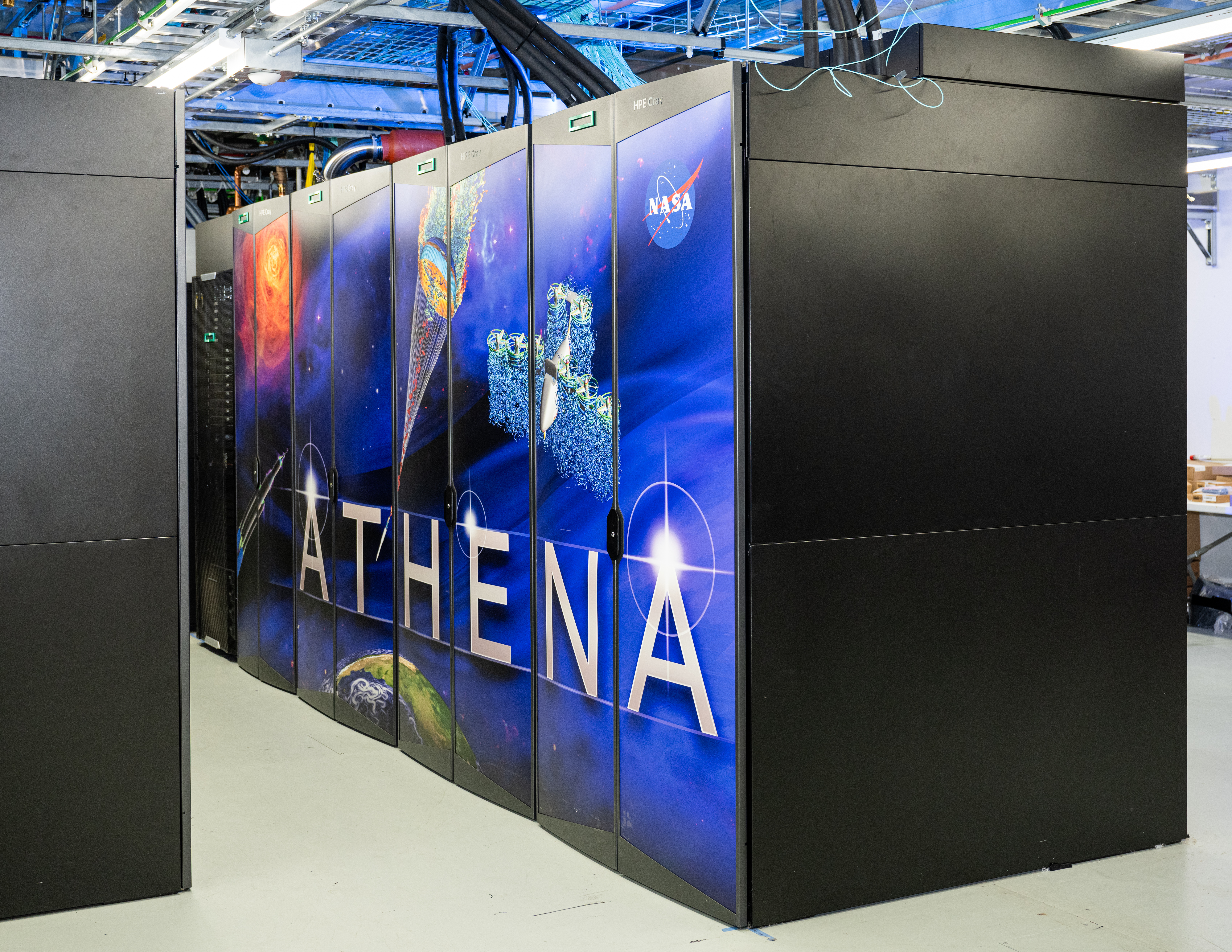
The OCSDO advances scientific discovery through innovative applications and partnerships in data science, advanced analytics, and artificial intelligence (AI).
Learn More about Artificial Intelligence and Machine Learning
Core Data and Computing
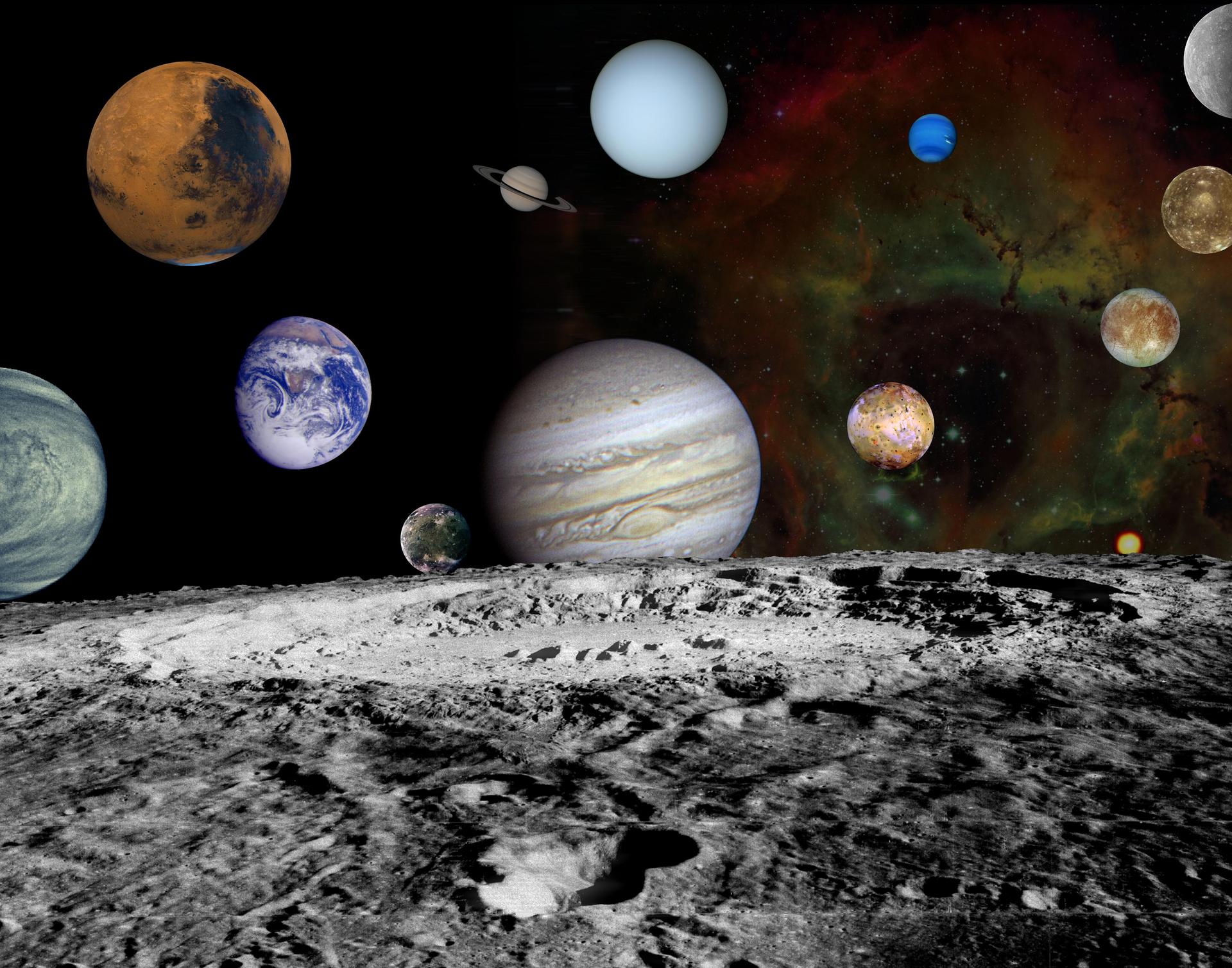
The OCSDO continuously evolves data and computing systems for efficiency, sustainability, security, and scientific integrity.
Learn More about Core Data and Computing
High-End Computing
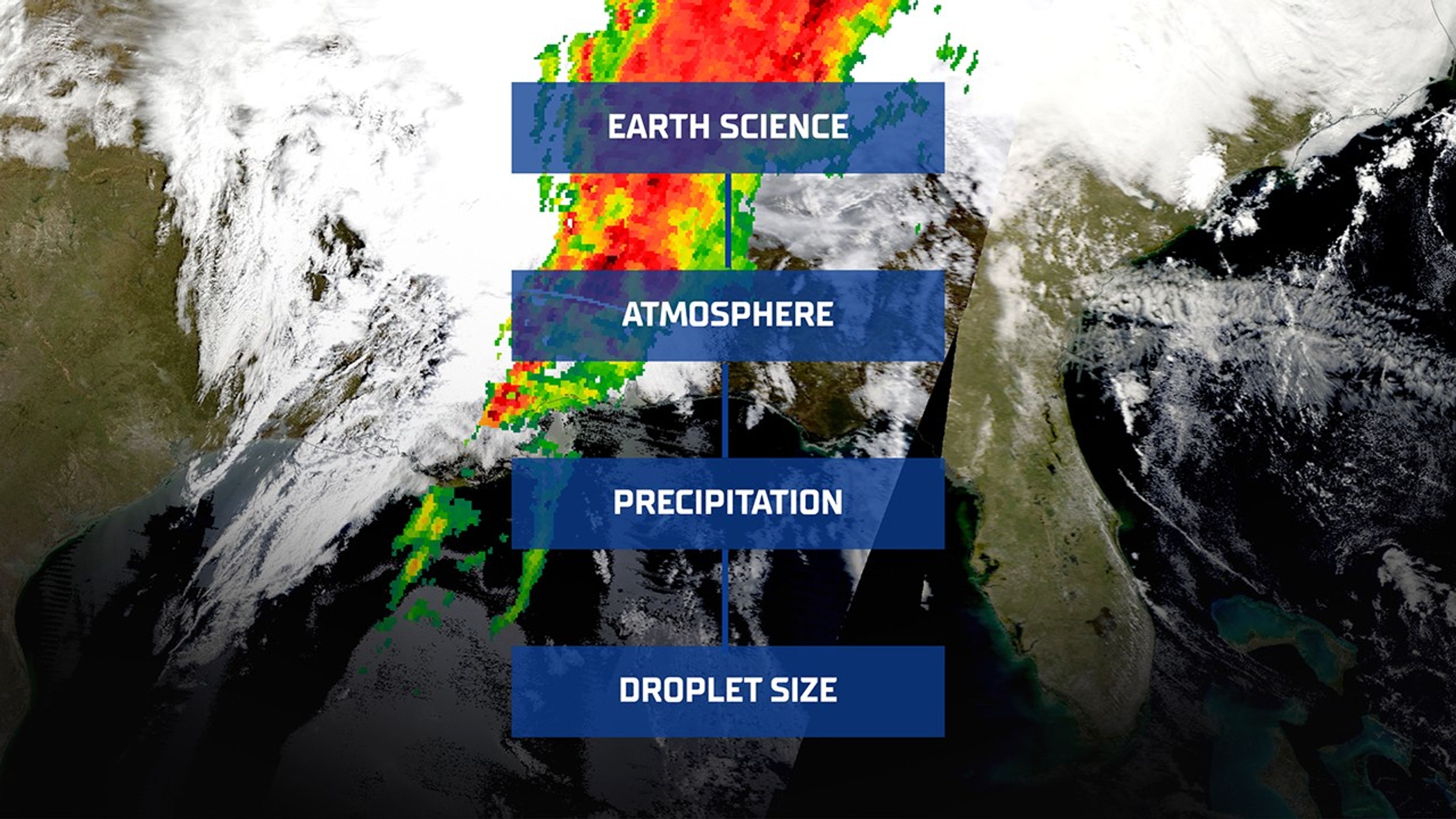
The OCSDO manages NASA's High-End Computing Capability (HECC) portfolio, which enables large-scale modeling, simulation, and analysis across NASA’s science, engineering, and exploration missions.
Learn More about High-End Computing
Open Science
The OCSDO supports transparent, trustworthy, and reproducible science through open science tools, practices, and guidance.
Learn More about Open Science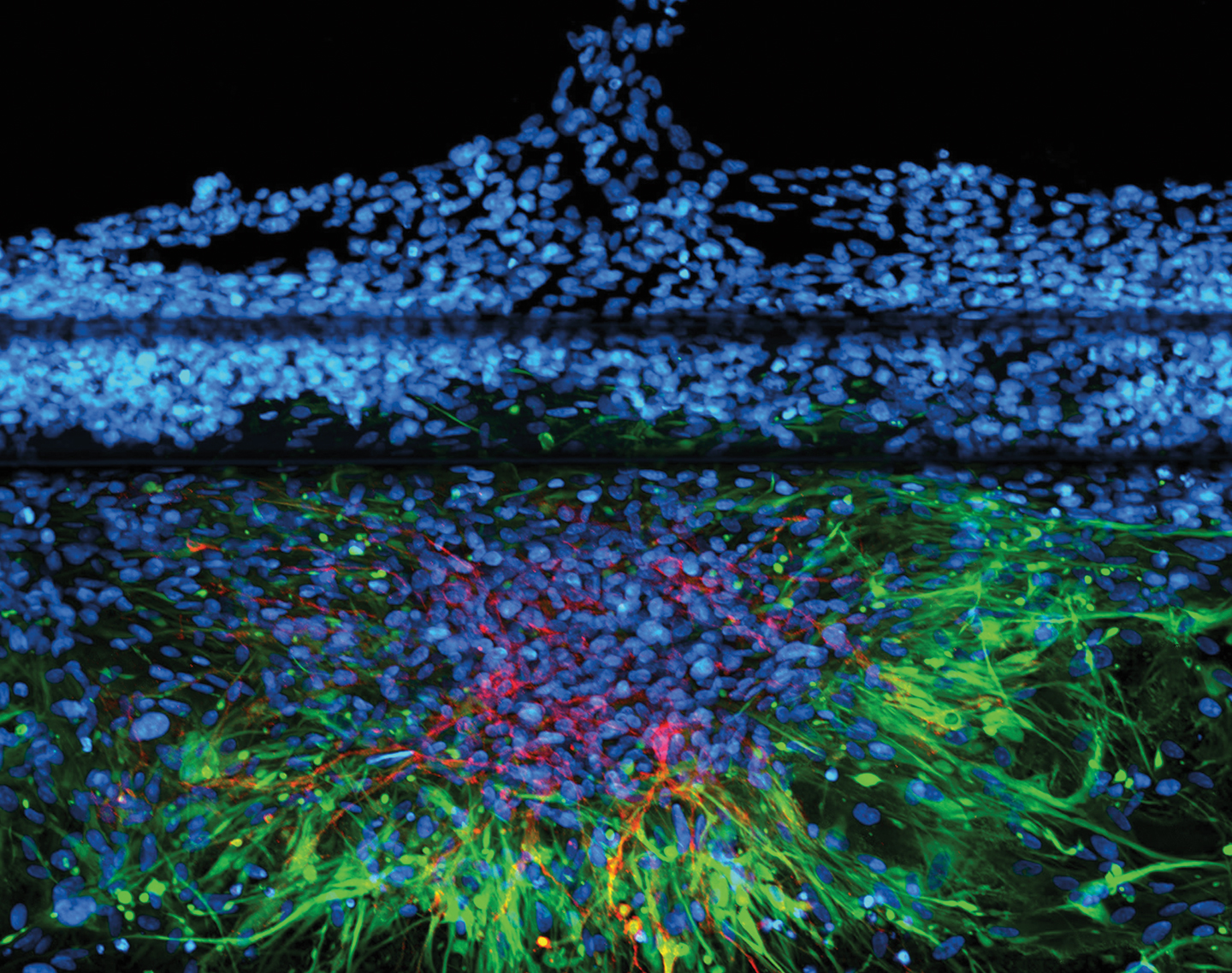
Latest OCSDO News


NASA Science Data
The Science Data Portal provides a comprehensive list of NASA Science Mission Directorate data repositories.
Explore NASA Science Data
OCSDO Reports
SPD-41a 2024 Metrics Report
Mar 3, 2026
PDF (839.59 KB)
Open Source Science Data Repositories Workshop 2025 Report
Feb 13, 2026
PDF (1.18 MB)
OCSDO Year in Review 2025
Dec 22, 2025
PDF (837.62 KB)
More OCSDO Links

OCSDO Fact Sheet
Read an overview of the OCSDO's approach to accelerating science.

Science Information Policy
The information produced as part of NASA’s scientific research activities represents a significant public investment. Learn more about how and when it should be shared.
The NASA Strategy for Open Science
The Strategy for Data Management and Computing for Groundbreaking Science 2019-2024 was developed through community input and has guided NASA’s approach to open science.
Discover More Topics From NASA
Artificial Intelligence for Science
NASA is creating artificial intelligence tools to help researchers use NASA's science data more effectively.

Open Science at NASA
NASA's commitment to open science fuels groundbreaking research while maximizing transparency, innovation, and collaboration.

Core Data and Computing Services Program
The NASA Science Mission Directorate’s Core Data and Computing Services Program increases the return on NASA’s research investments.

James Webb Space Telescope
Webb is the premier observatory of the next decade, serving thousands of astronomers worldwide. It studies every phase in the…