












Astrobiology at NASA
Since awarding its first exobiology grant in 1959, NASA has been engaged in astrobiology research. NASA’s Astrobiology Program investigates life in the Universe on many levels: how it began, how it evolved here on Earth, and where it might exist elsewhere. This site offers the latest discoveries, insights into astrobiology’s role in NASA missions, educational resources, and opportunities to get involved in this cutting edge field.
Featured Content
Are We Alone?
The search for life on exoplanets
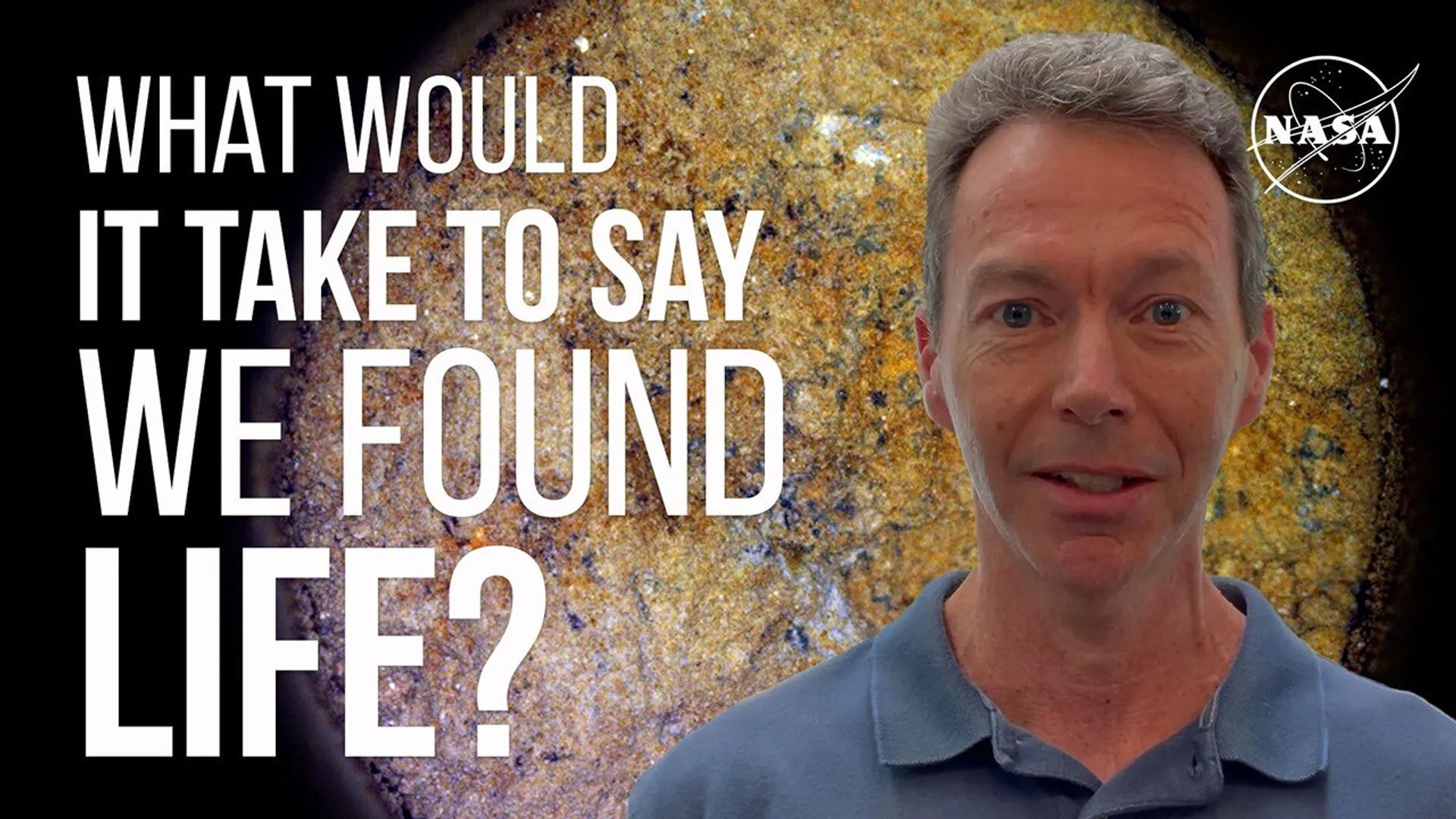
What Would It Take to Say We Found Life?
We Asked a NASA Expert: Episode 63
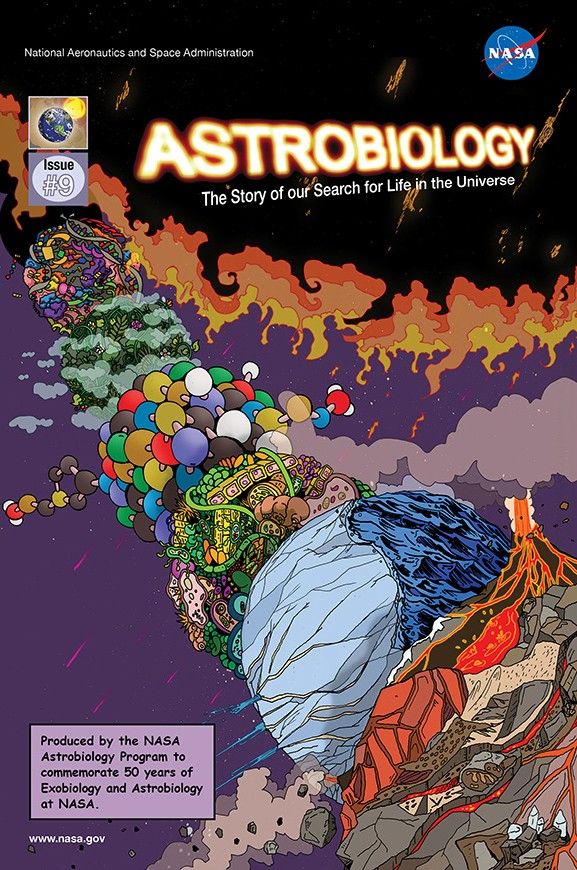
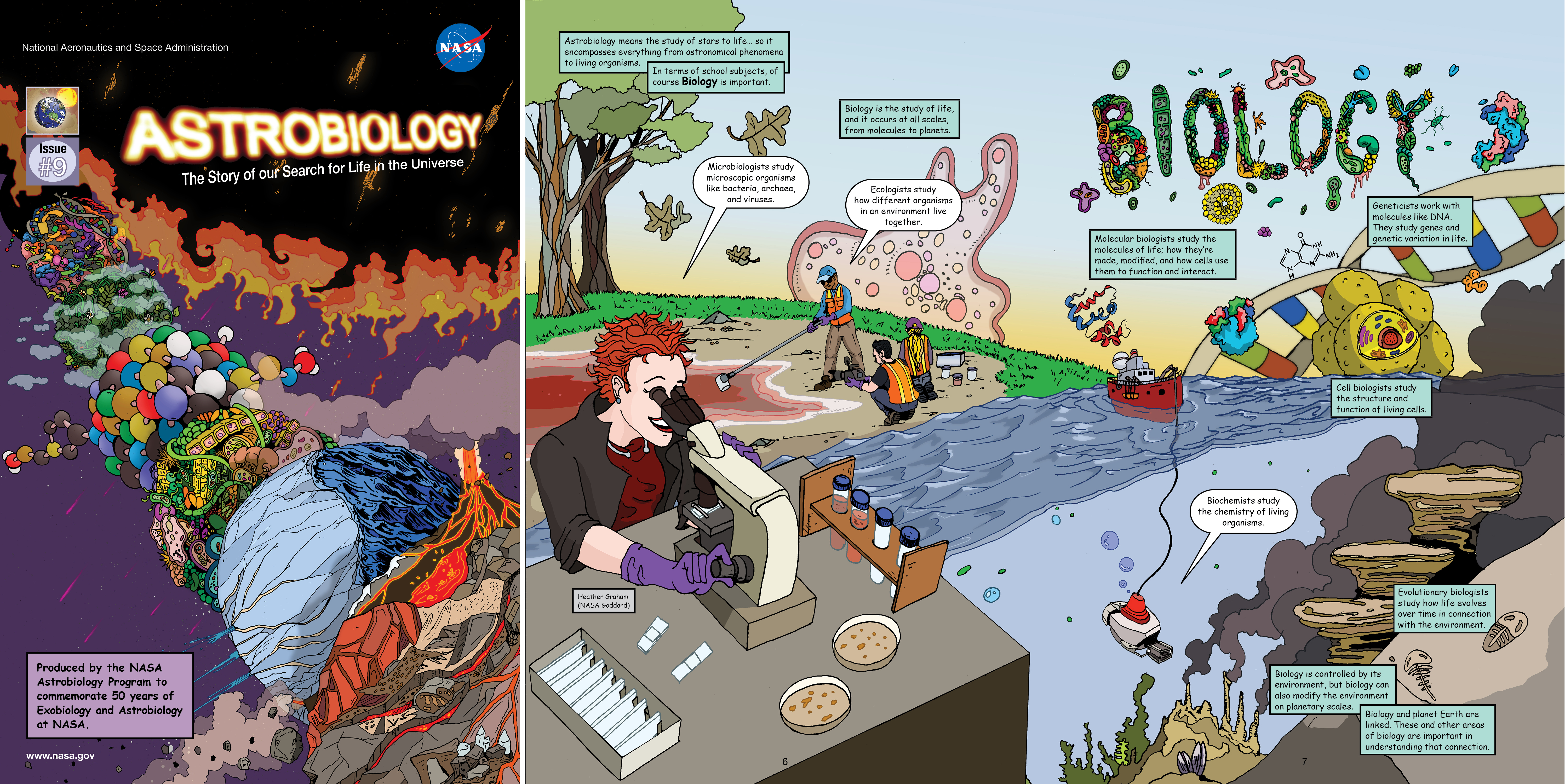
Graphic Histories
A graphic novel series exploring the many facets of astrobiology
AbSciCon
The 2026 Astrobiology Science Conference (AbSciCon) will be May 17-22 in Madison, WI.

Astrobiology Mailing List
Get the latest in news, events, and opportunities
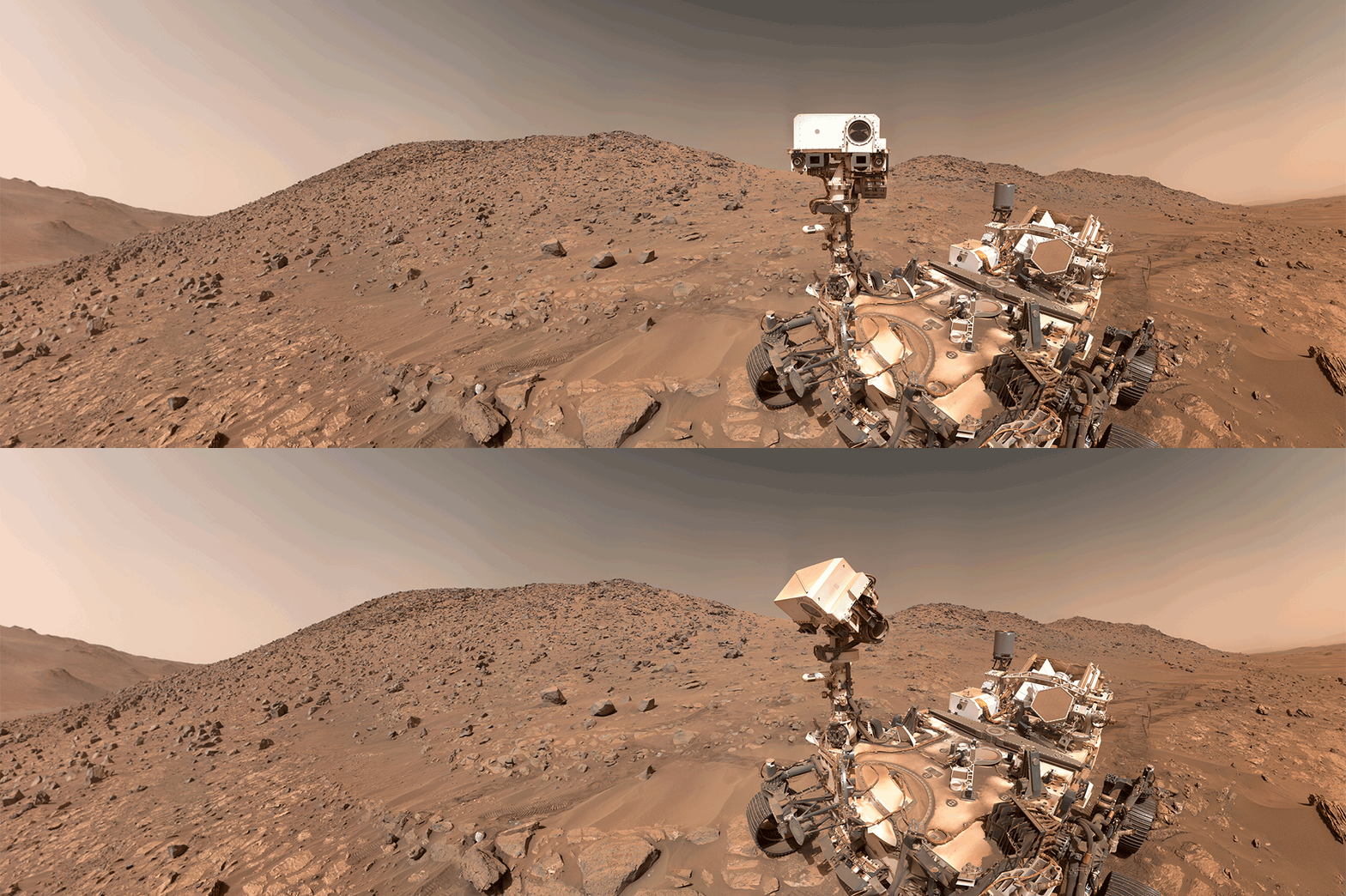
The Astrobiology Strategy
NASA's major topics of research in astrobiology
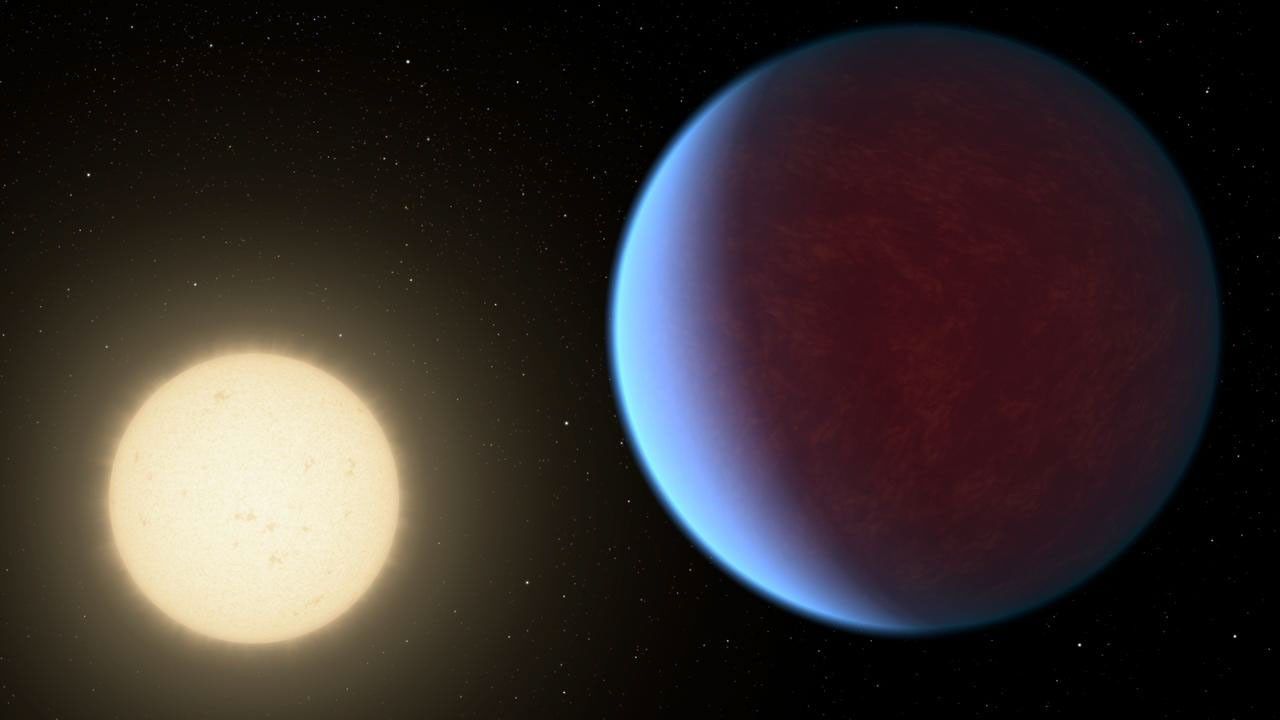


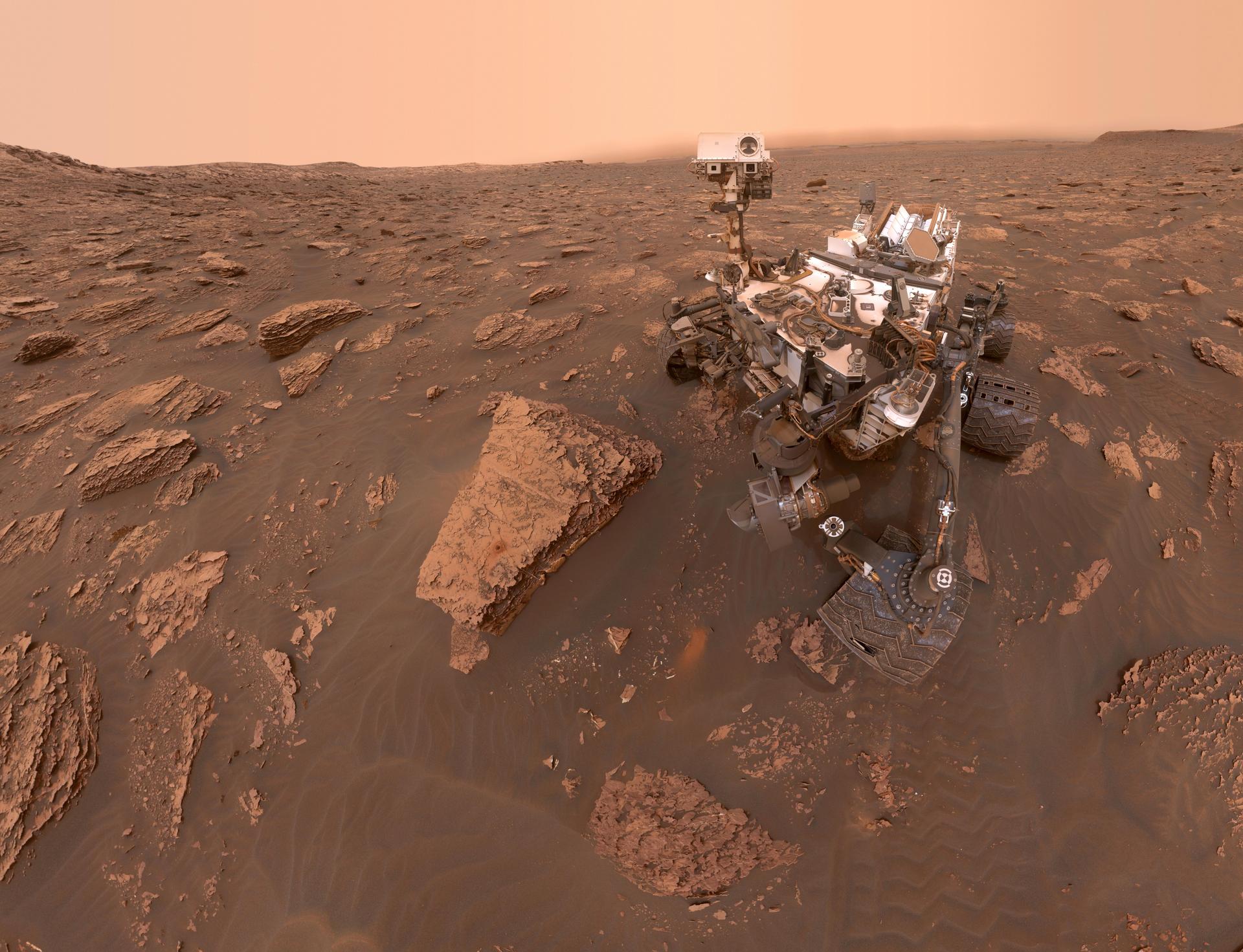
OUR ALIEN EARTH
The NASA Astrobiology Program is proud to present a brand new episode of Our Alien Earth, a documentary series that follows teams of astrobiologists to the most extreme environments on Earth, to better understand the nature of life and how to find it elsewhere in the Universe.
Watch the full series on NASA+NASA Missions Supporting Astrobiology Research
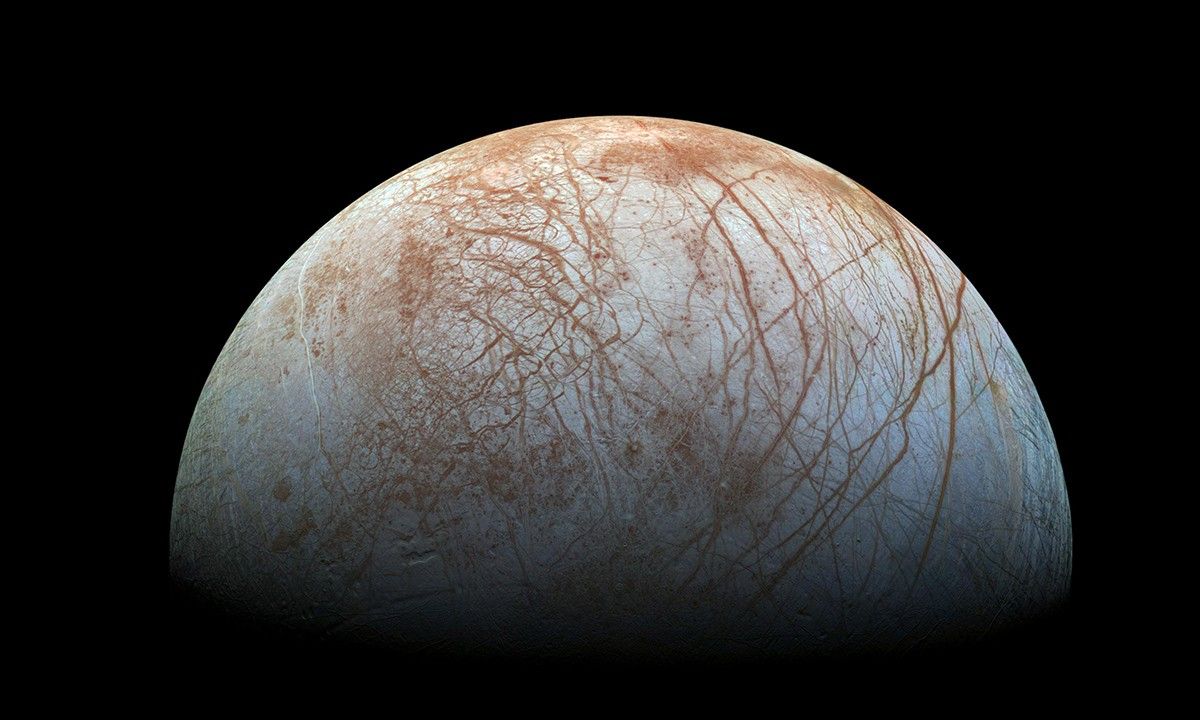
Europa Clipper
Earth's first mission to conduct a detailed investigation of Jupiter's moon Europa, where scientists predict a salty ocean beneath its icy crust may hold the building blocks necessary to sustain life.
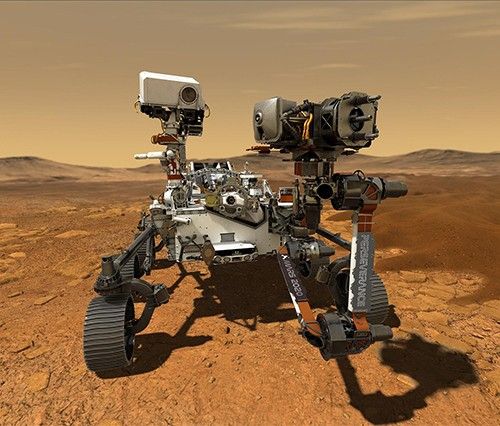
Mars 2020: Perseverance
This rover and its aerial sidekick Ingenuity were assigned to study the geology of Mars and seek signs of ancient microbial life, and collect samples of rock and soil for their possible return to Earth.
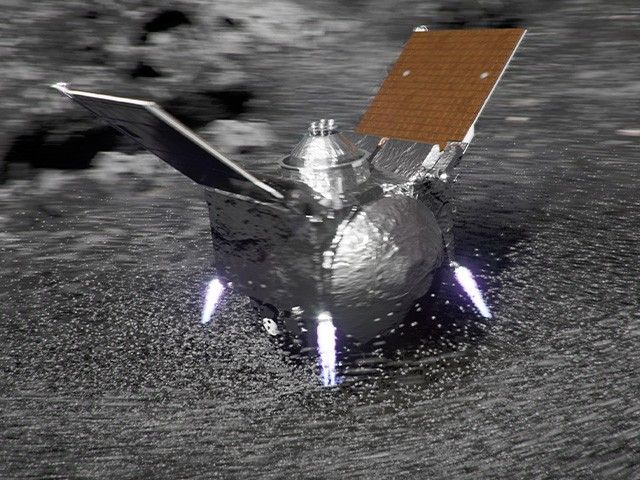
OSIRIS-REx
OSIRIS-REx delivered to Earth material from asteroid Bennu, which may offer clues to whether asteroids colliding with Earth billions of years ago brought water and other ingredients for life.
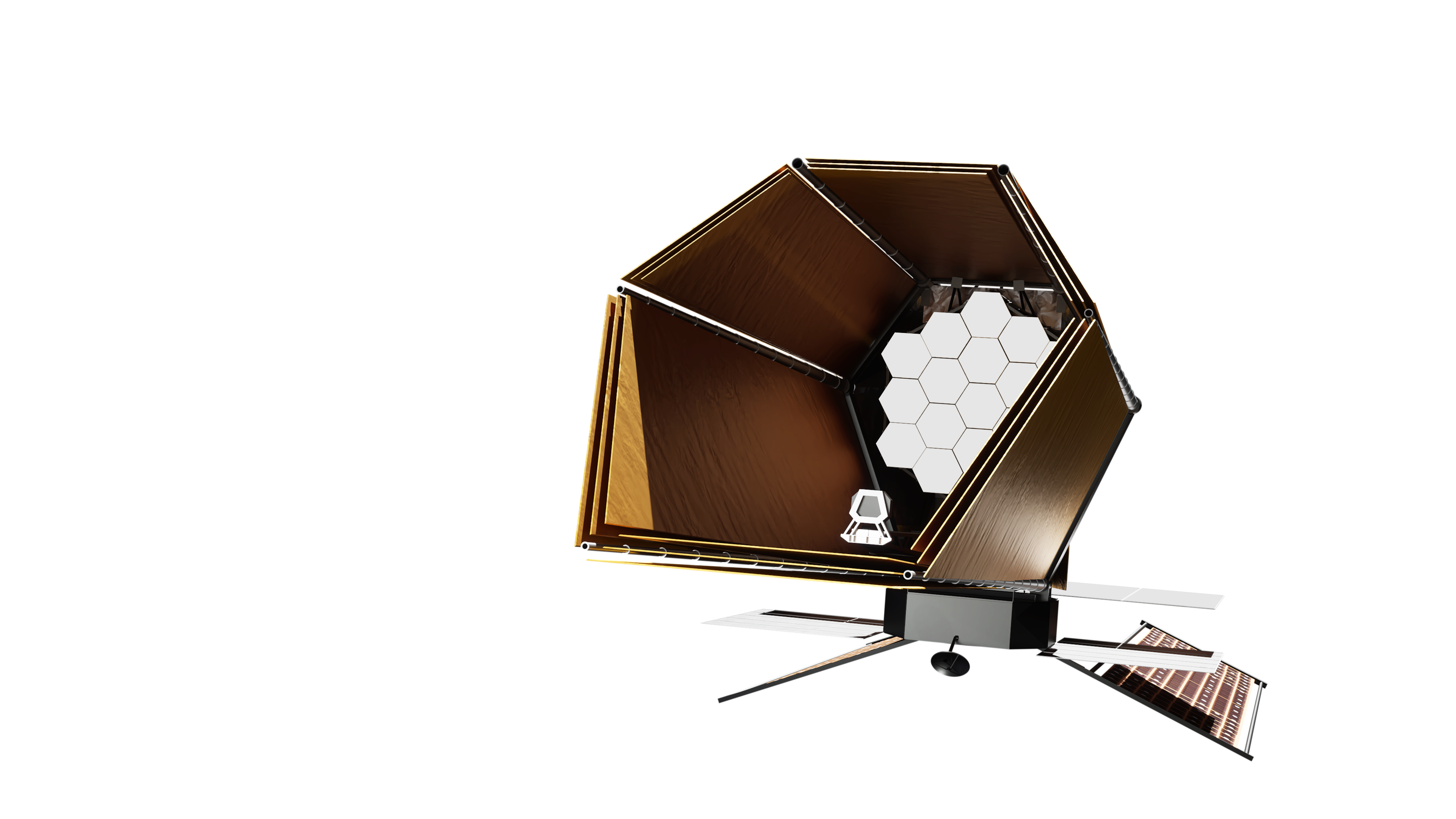
Habitable Worlds Observatory
HWO is a large infrared/optical/ultraviolet space telescope recommended by the National Academies' Astro2020 decadal. HWO will be the first telescope designed specifically to search for signs of life on planets orbiting other stars.
What You Need to Know About Astrobiology
How did life begin on Earth? Does life exist beyond our home planet? How do we search for it? These are the really tough questions astrobiologists want to answer by studying life as we know it. Here's what you need to know about our search for life in the cosmos.
Learn MoreNASA for Kids | ELI5
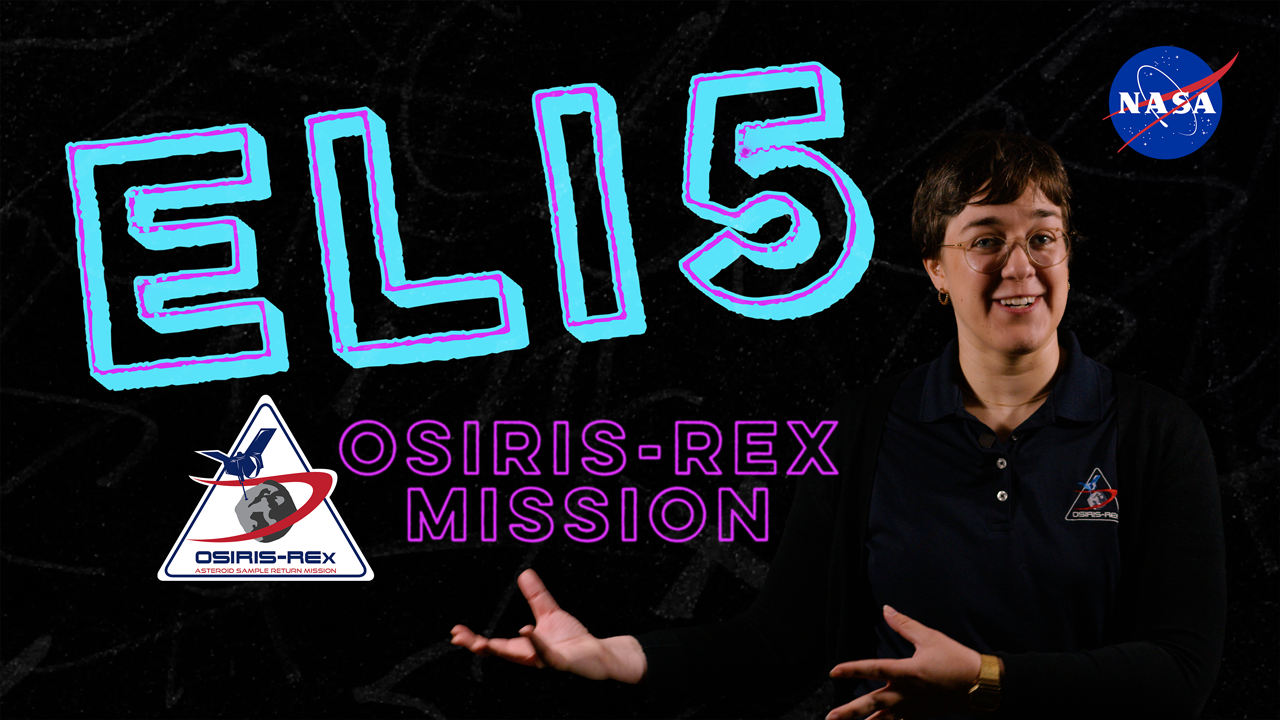
Explain It Like I'm Five: Episode 1: The OSIRIS-REx Mission: Our First Asteroid Sample Return!
Space missions are awesome—but can you explain it like I’m five? NASA’s got you covered! Whether you’re a curious kid or a grown-up with big questions, our new series breaks down the science of space in a fun, easy way…Because rocket science doesn't have to be hard!
Astrobiology Graphic Histories
Join the Search for Life
Want to help answer some of humanity's biggest questions? Our graphic novel, "Becoming an Astrobiologist" is your step-by-step guide! Download this comic-book-style guide to explore different paths for contributing to NASA's search for life, from what to study in school to career tracks.
Discover More Topics From NASA
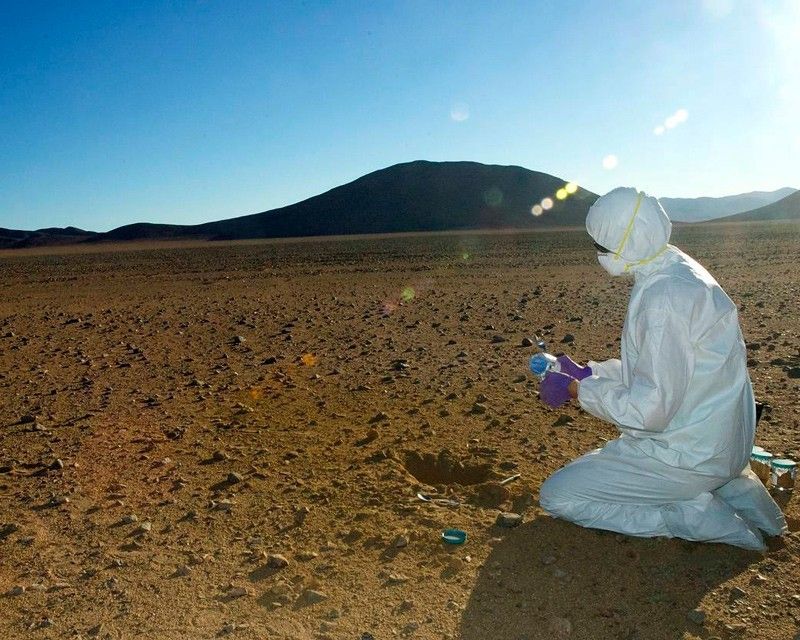
Planetary Analogs
Our planet isn't the only place with volcanoes, impact craters, quakes, and erosion. Studying Earth helps us understand other worlds…
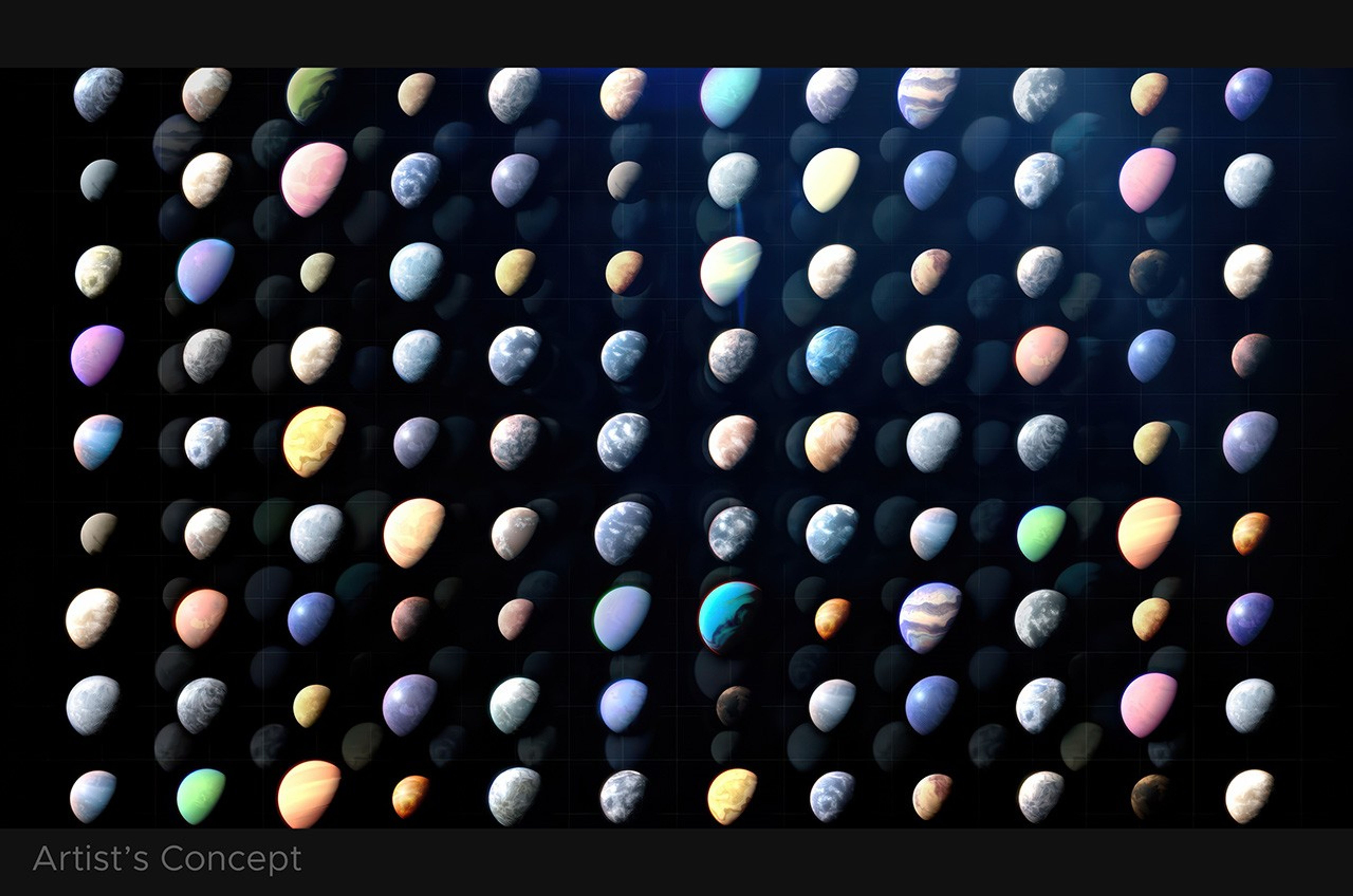
Exoplanets
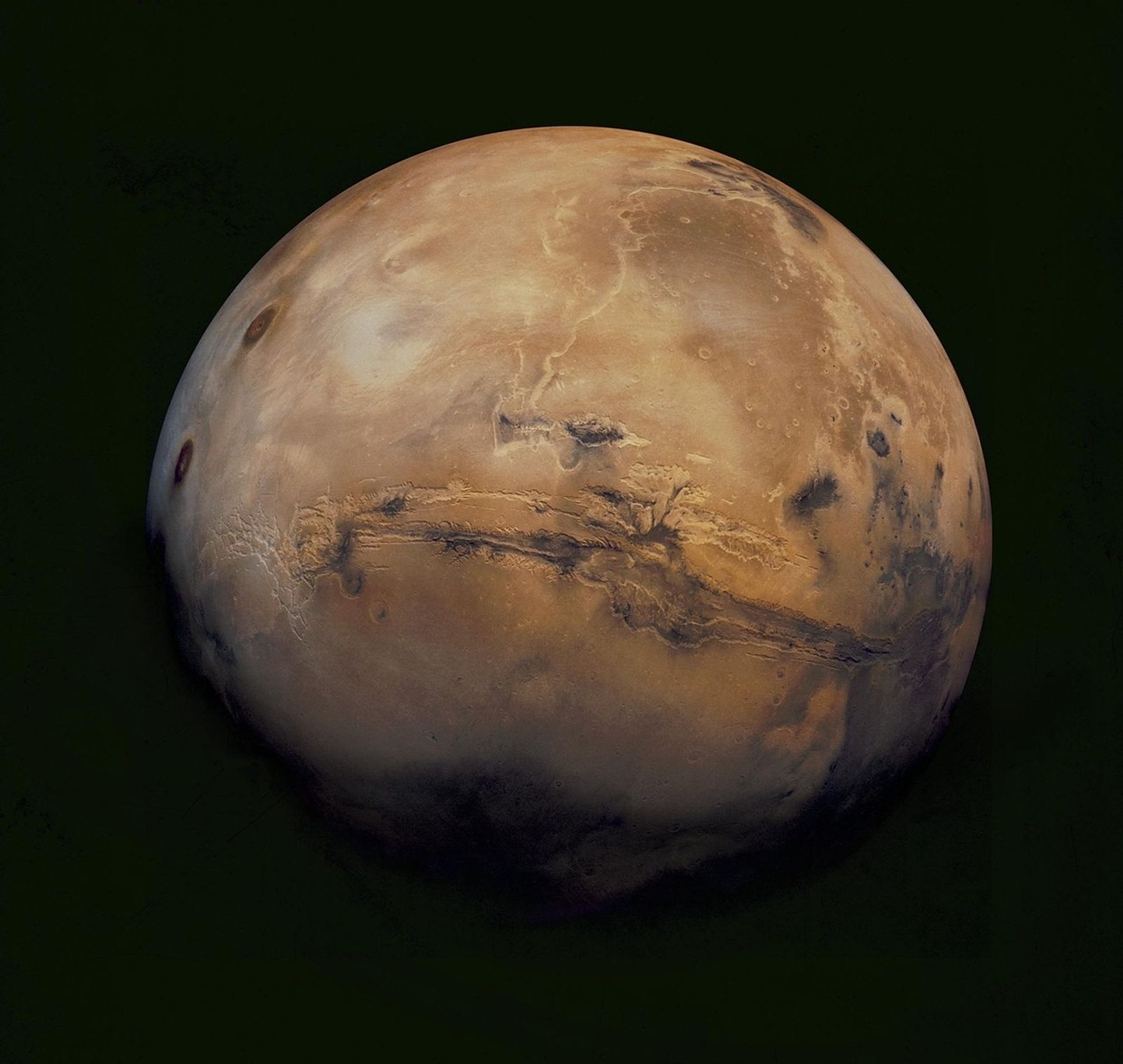
Mars
Mars is the fourth planet from the Sun, and the seventh largest. It’s the only planet we know of inhabited…
Europa