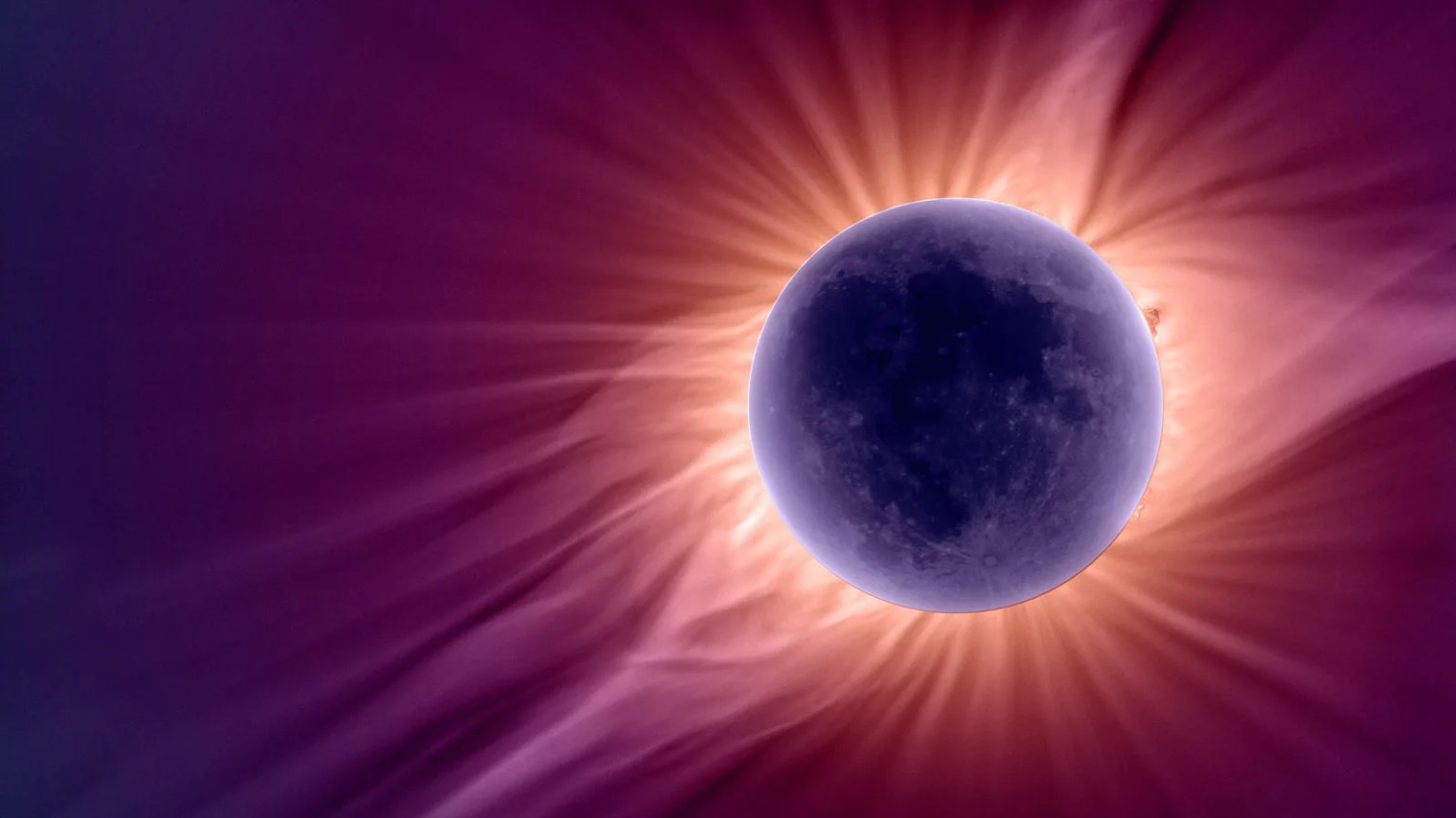















2024 Total Solar Eclipse
On April 8, 2024, a total solar eclipse moved across North America, passing over Mexico, United States, and Canada.
Join Us
April
Let's get ready


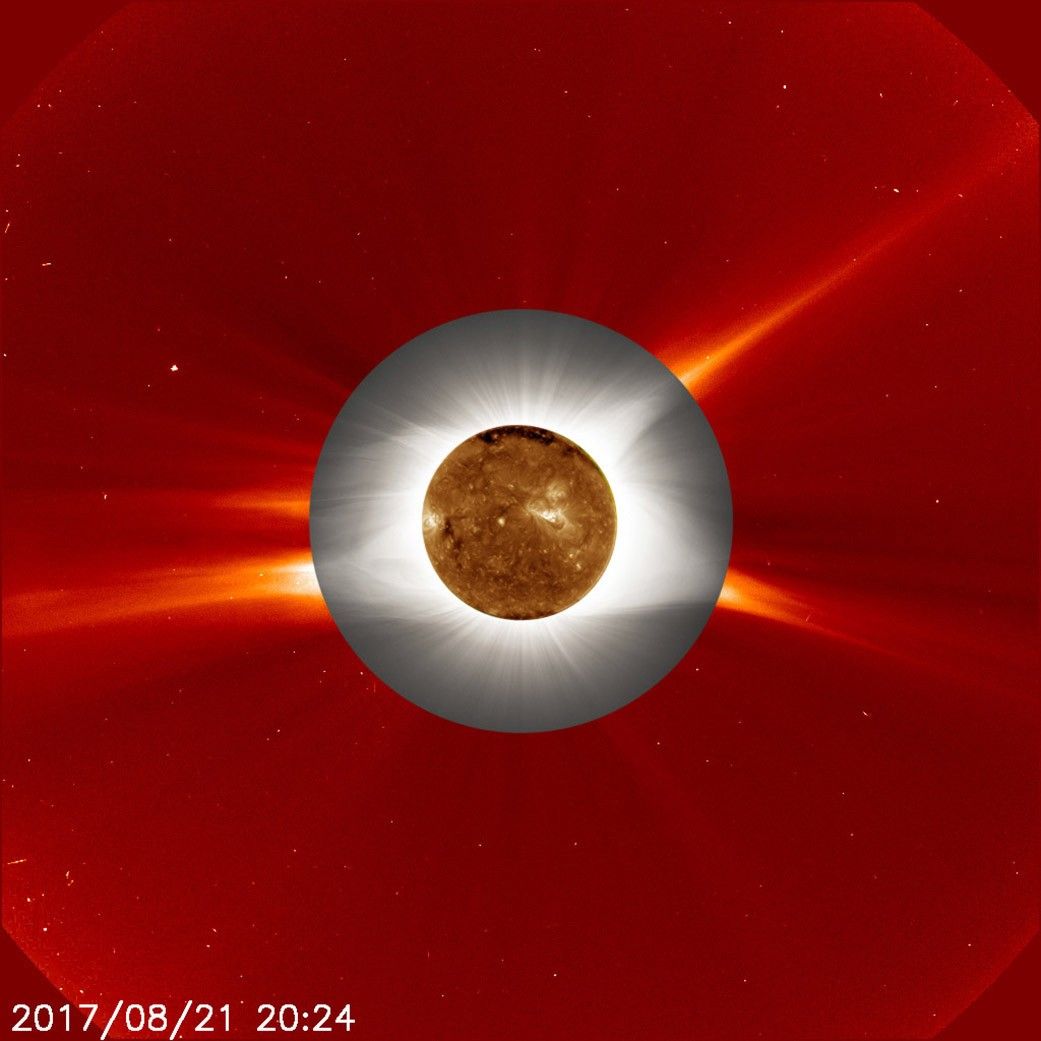

On April 8, 2024, a total solar eclipse moved across North America, passing over Mexico, the United States, and Canada. A total solar eclipse happens when the Moon passes between the Sun and Earth, completely blocking the face of the Sun. The sky will darken as if it were dawn or dusk.
Safety is the number one priority when viewing a total solar eclipse. Be sure you're familiar with when you need to wear specialized eye protection designed for solar viewing by reviewing these safety guidelines.
2024 Total Solar Eclipse: Through the Eyes of NASA (Official Broadcast)
The Eclipse is over but you can still watch our broadcast of the total solar eclipse as it moved across North America on April 8, 2024, traveling through Mexico, across the United States from Texas to Maine, and out across Canada’s Atlantic coast.
Learn MoreSafety
Except during the brief total phase of a total solar eclipse, when the Moon completely blocks the Sun’s bright face, it is not safe to look directly at the Sun without specialized eye protection for solar viewing.
Viewing any part of the bright Sun through a camera lens, binoculars, or a telescope without a special-purpose solar filter secured over the front of the optics will instantly cause severe eye injury.
When watching the partial phases of the solar eclipse directly with your eyes, which happens before and after totality, you must look through safe solar viewing glasses (“eclipse glasses”) or a safe handheld solar viewer at all times. You can also use an indirect viewing method, such as a pinhole projector.
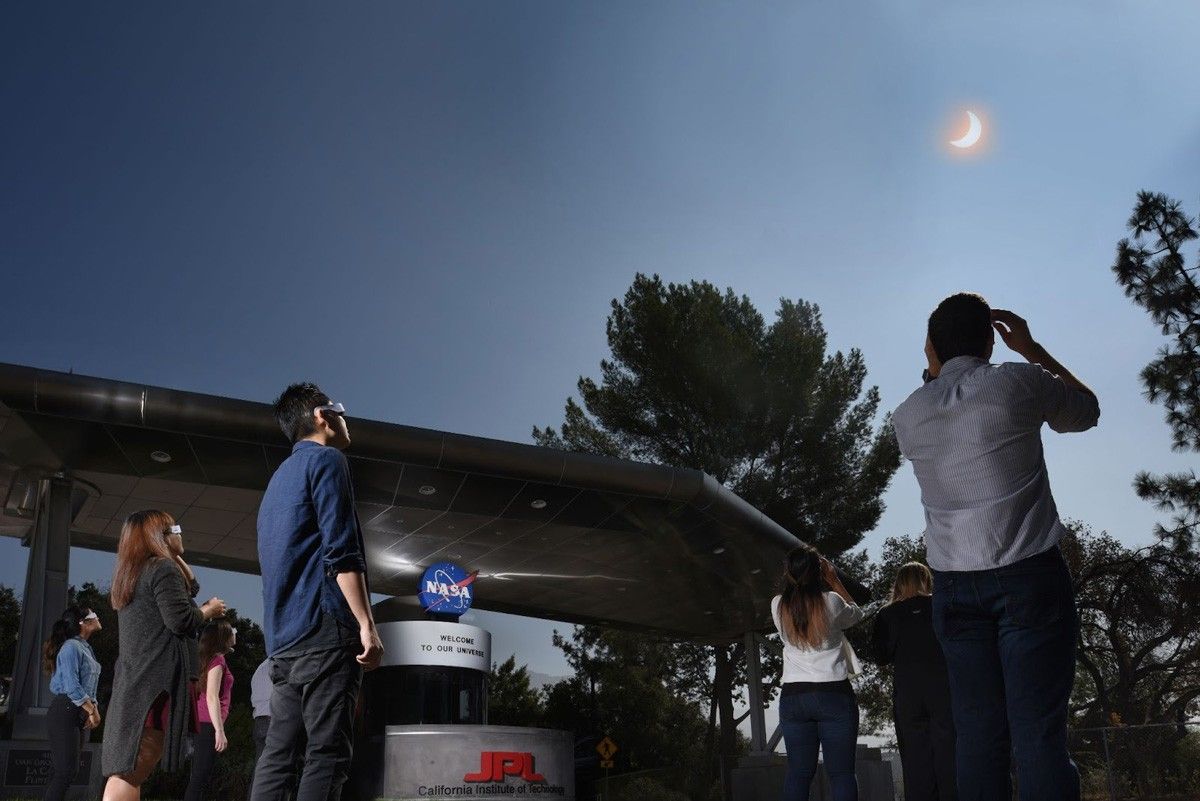
What to Expect
The April 8, 2024, eclipse was a total solar eclipse. It was the last total solar eclipse visible from the contiguous United States until 2044.
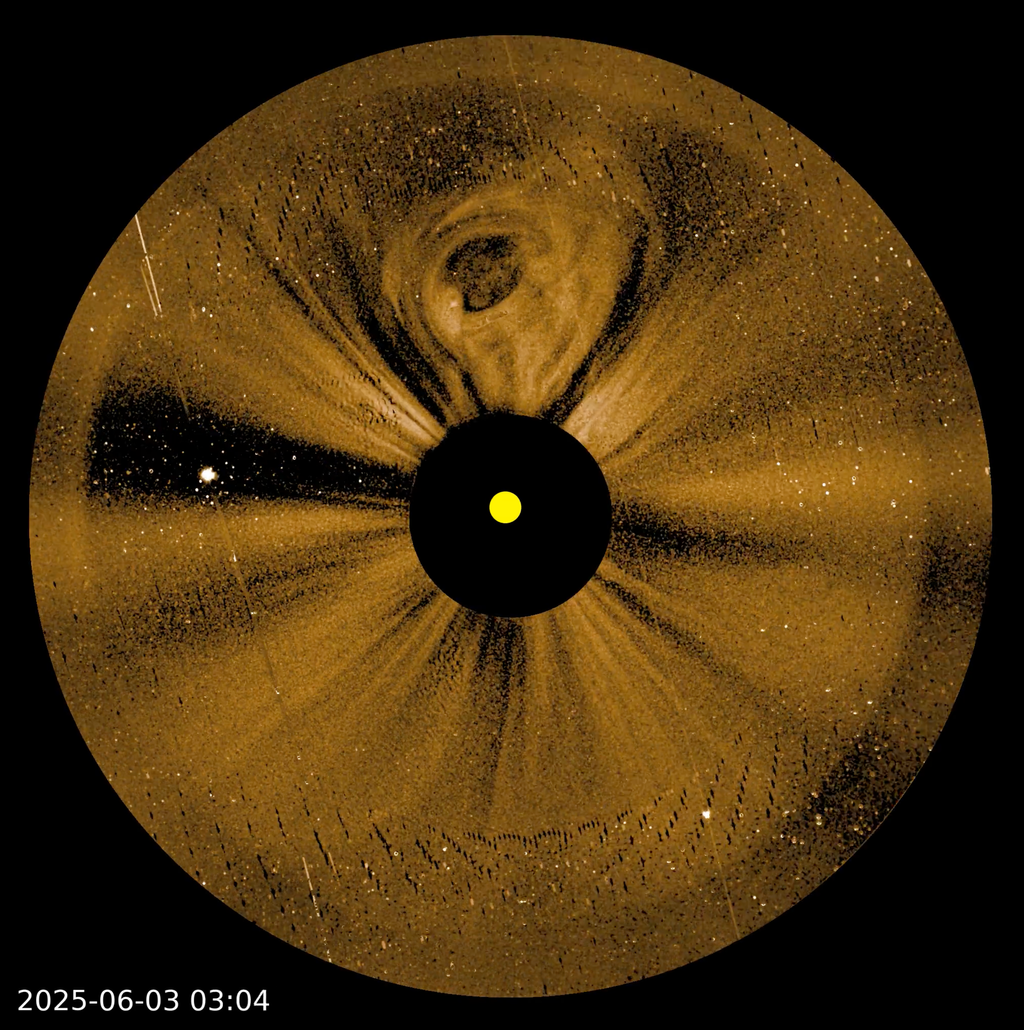
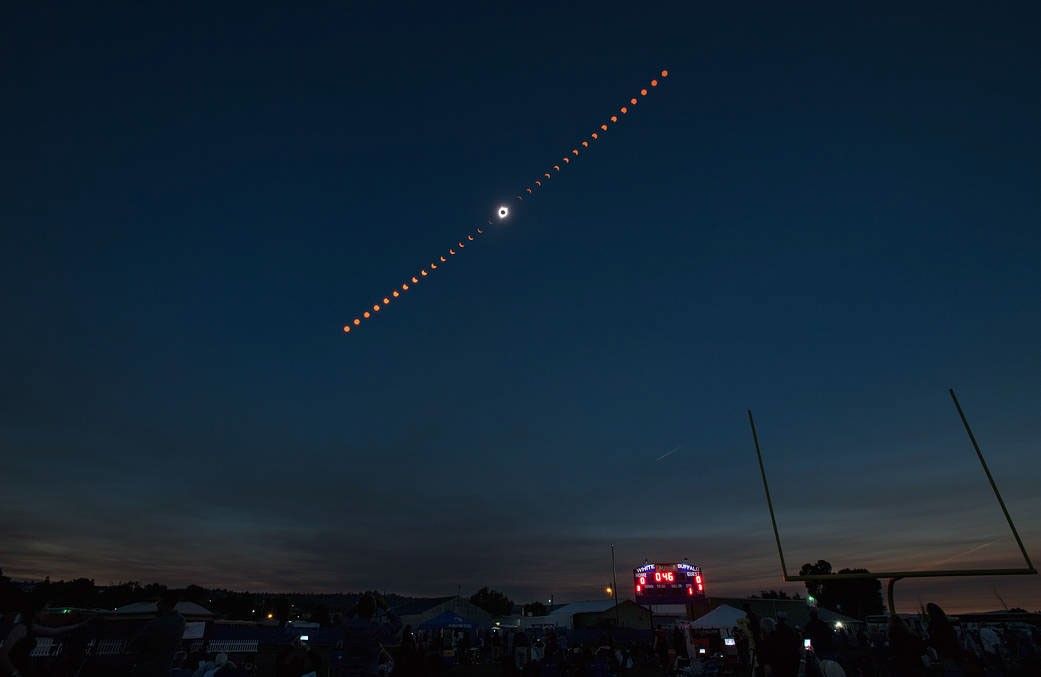
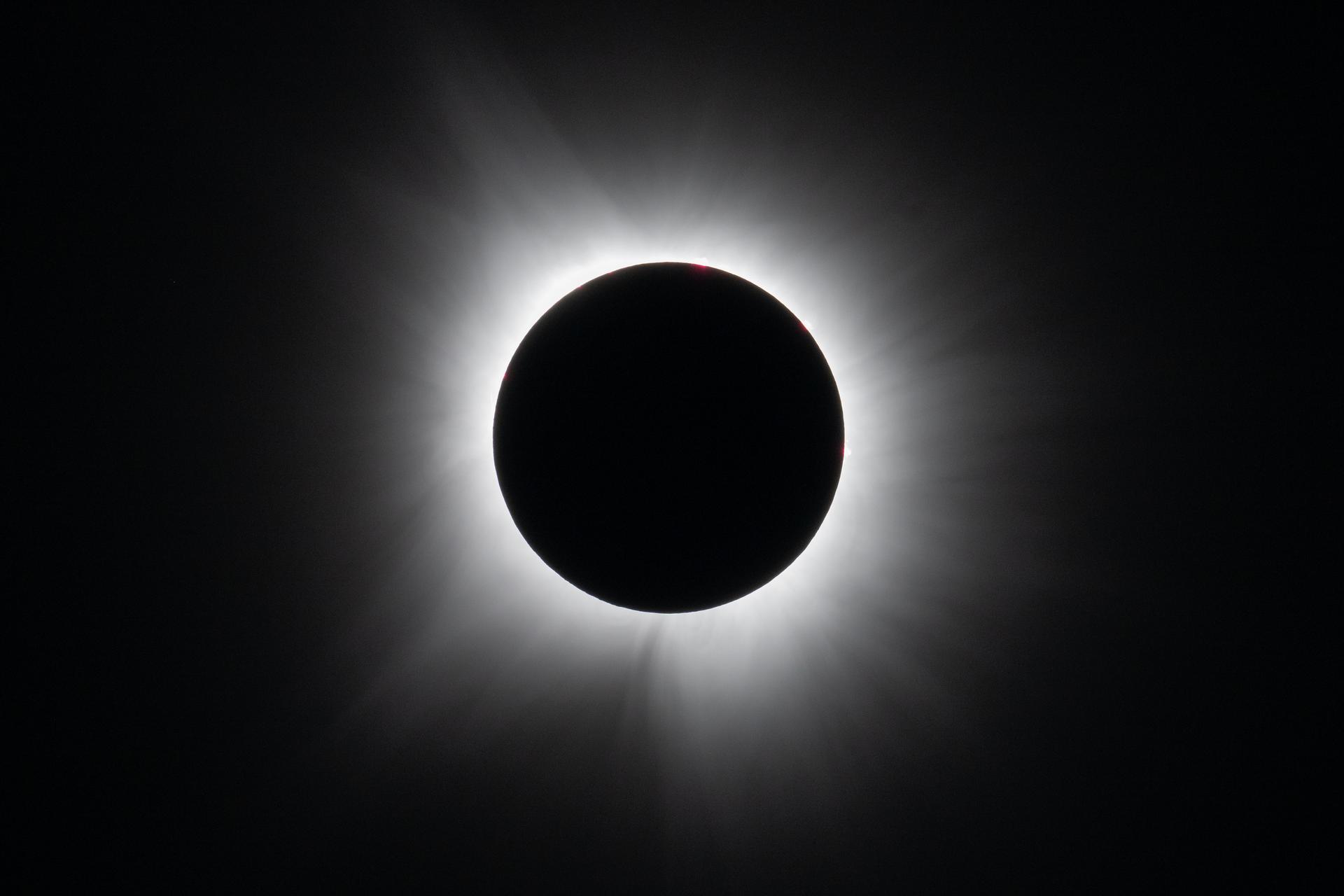
A total solar eclipse happens when the Moon passes between the Sun and Earth, completely blocking the face of the Sun. People viewing the eclipse from locations where the Moon’s shadow completely covers the Sun — known as the path of totality — will experience a total solar eclipse. The sky will darken, as if it were dawn or dusk. Weather permitting, people along the path of totality will see the Sun’s corona, or outer atmosphere, which is usually obscured by the bright face of the Sun.
Where & When
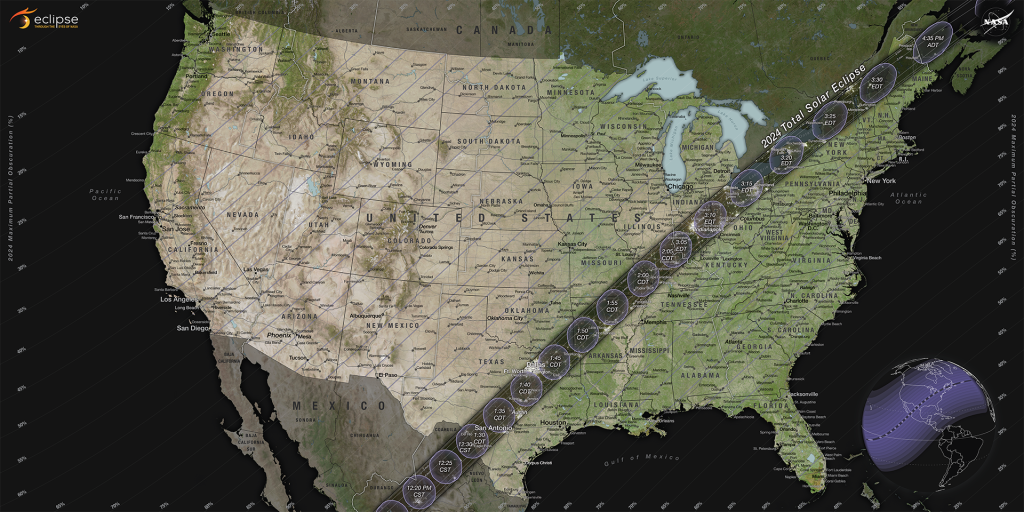
The April 8, 2024, total solar eclipse began over the South Pacific Ocean and crossed North America, passing over Mexico, the United States, and Canada.
Weather permitting, the first location in continental North America that experienced totality was Mexico’s Pacific coast at around 11:07 a.m. PDT.
The path of the eclipse continued from Mexico, entering the United States in Texas, and traveling through Oklahoma, Arkansas, Missouri, Illinois, Kentucky, Indiana, Ohio, Pennsylvania, New York, Vermont, New Hampshire, and Maine. The eclipse entered Canada in Southern Ontario, and continued through Quebec, New Brunswick, Prince Edward Island, and Nova Scotia. The eclipse exited continental North America on the Atlantic coast of Newfoundland, Canada, at 5:16 p.m. NDT.
Contribute to NASA Science!
On April 8, 2024, participants both in and outside the eclipse path joined NASA to learn more about our Sun and Earth and the effects of a total solar eclipse.
From cell phone apps to use on April 8 to recording the sounds of the eclipse, there are opportunities for anyone to get involved with studying this celestial event.

The April 8 Total Solar Eclipse: Through the Eyes of NASA
On April 8, 2024, the Moon’s shadow swept across North America, treating millions to a breathtaking view of a total…
Read the Story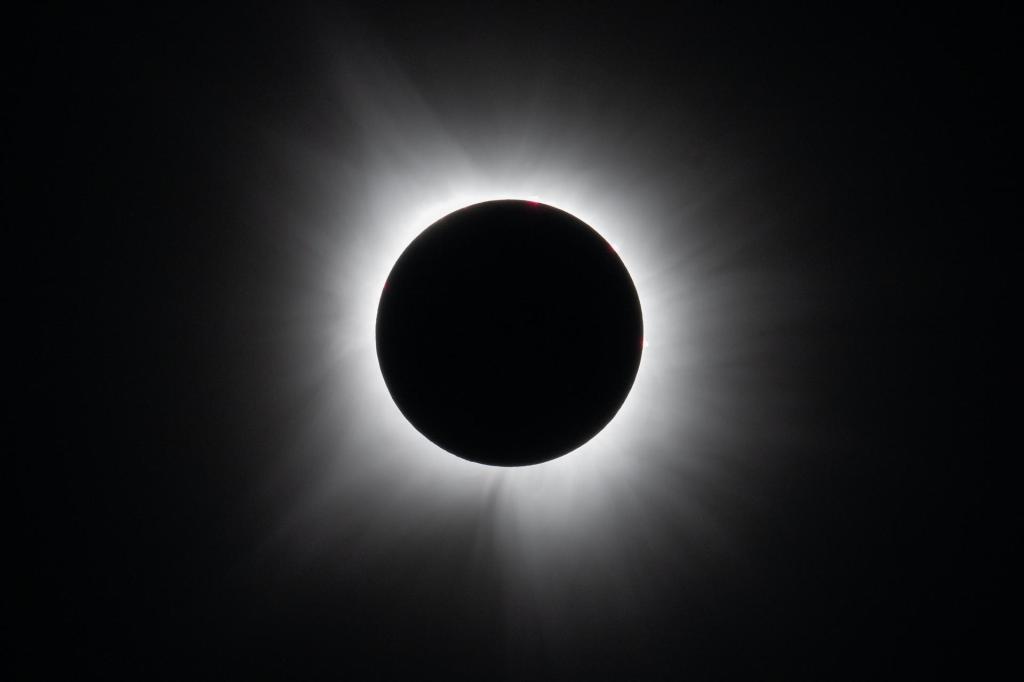
Quick Facts



Stories

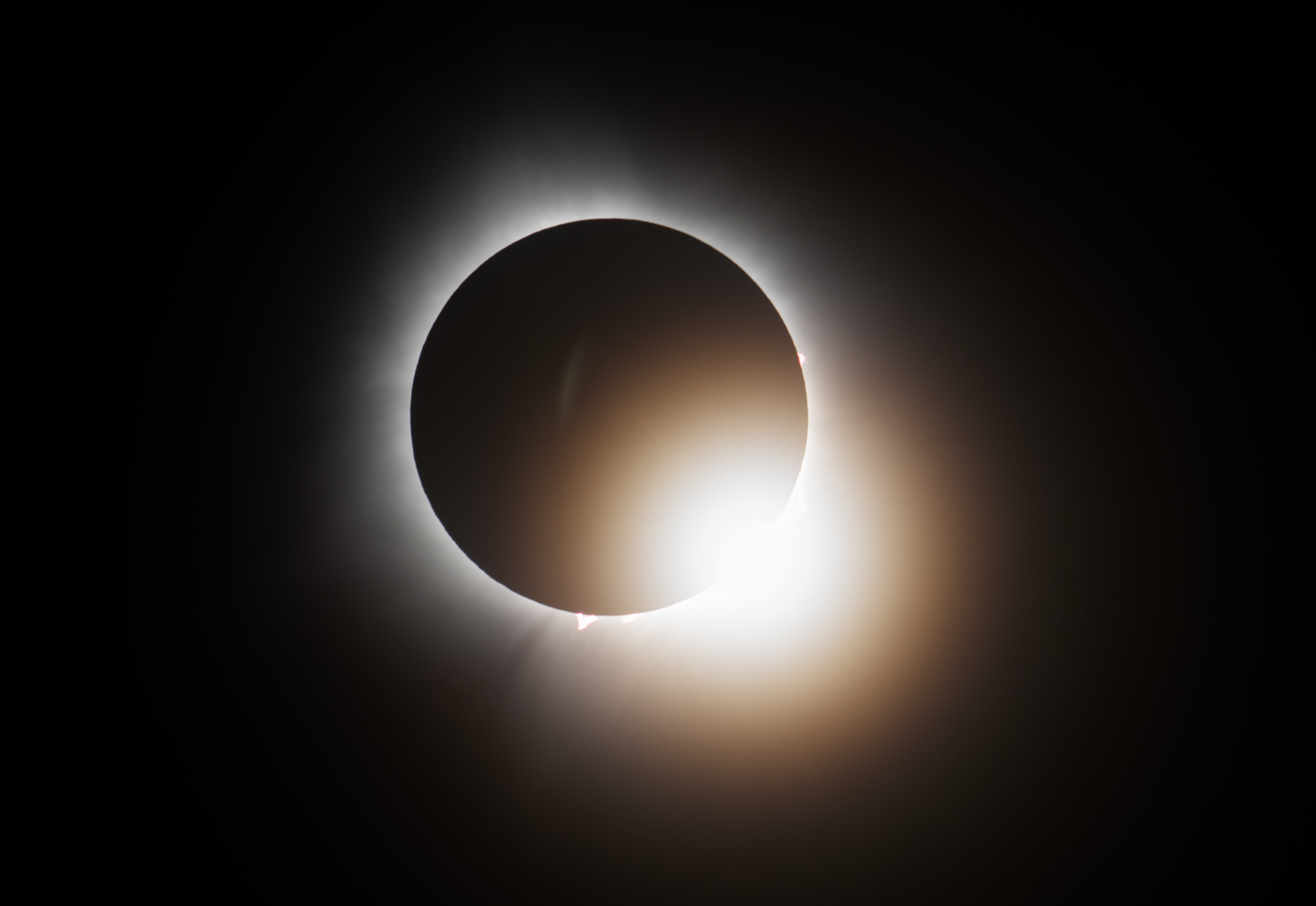



NASA HEAT Student Activity Featured in TIME’s Top 100 Photos of 2024
Best of 2024: Total Solar Eclipse in Indianapolis
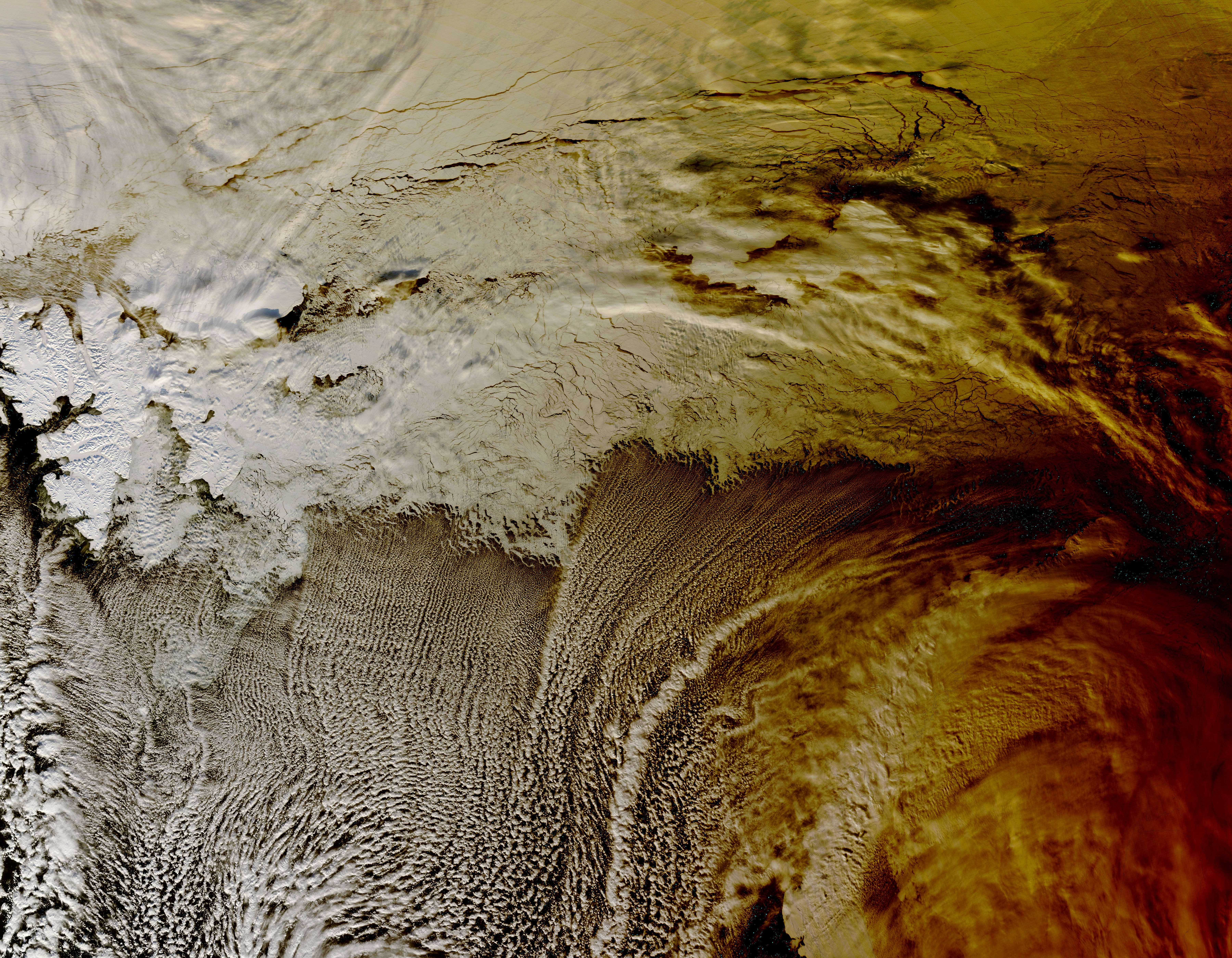
NASA’s Terra Satellite Captures 2015 Eclipse Shadow
Scientists Share Early Results from NASA’s Solar Eclipse Experiments